Alaska feels less like a US state and more like a separate planet governed by entirely different physical laws.
Mainland assumptions break down completely when you try to measure a place larger than Texas, California, and Montana combined.
You can snorkel under glacial ice, drive across endless tundra, or watch a volcano erupt from a fishing boat.
Grab a map, pack a heavy windbreaker, and prepare for a list of realities that sound completely fabricated until you witness them firsthand.
Quick Tips Before You Start
Rent a Truck
Paved roads are scarce outside major hubs, so secure a high-clearance 4WD vehicle.
Pack Repellent
Bring heavy-duty bug spray with DEET to fend off aggressive mosquitoes.
Layer Up
Weather shifts instantly, requiring waterproof outer shells and thermal base layers.
1. More Coastline Than the Rest of the United States Combined
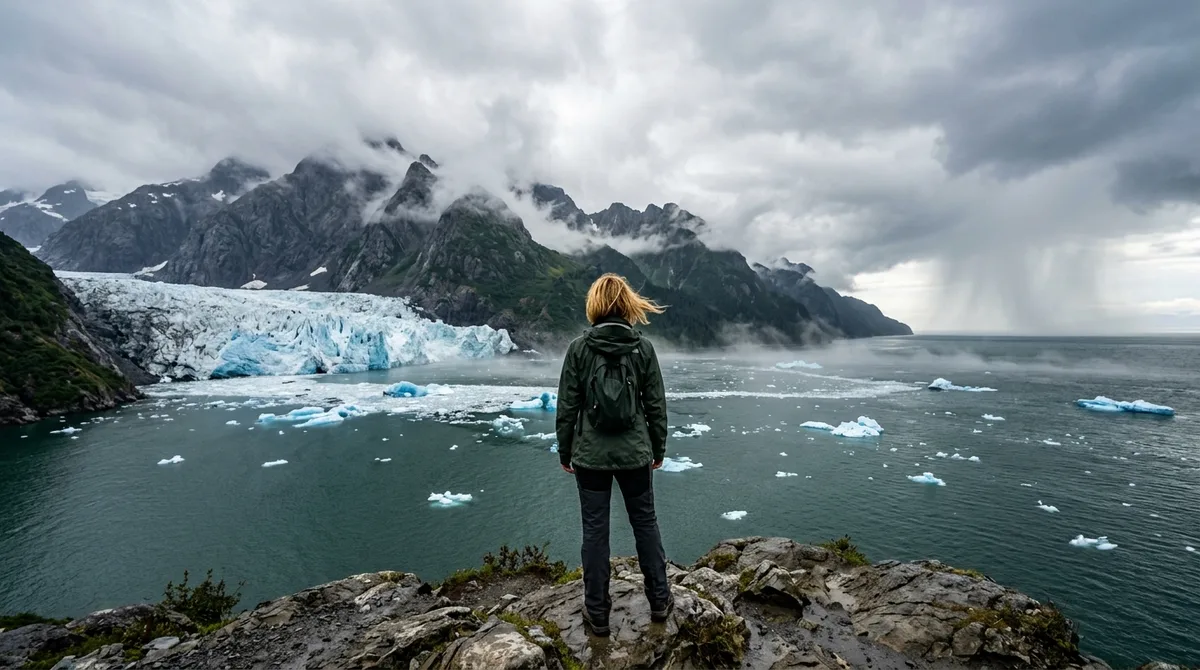
The sharp, metallic scent of cold salt spray drifts across the endless jagged fjords hidden deep within the Alexander Archipelago.
Alaska claims roughly 34,000 miles of tidal shoreline.
That massive number surpasses the lower 48 states combined because the geography is heavily fragmented by glacier-carved bays.
Locals navigate these cliff-backed maritime edges by skiff rather than walking along traditional boardwalks.
Alaska by the Scale
Numbers that defy mainland logic
2. A Single State That Crosses Into the Eastern Hemisphere
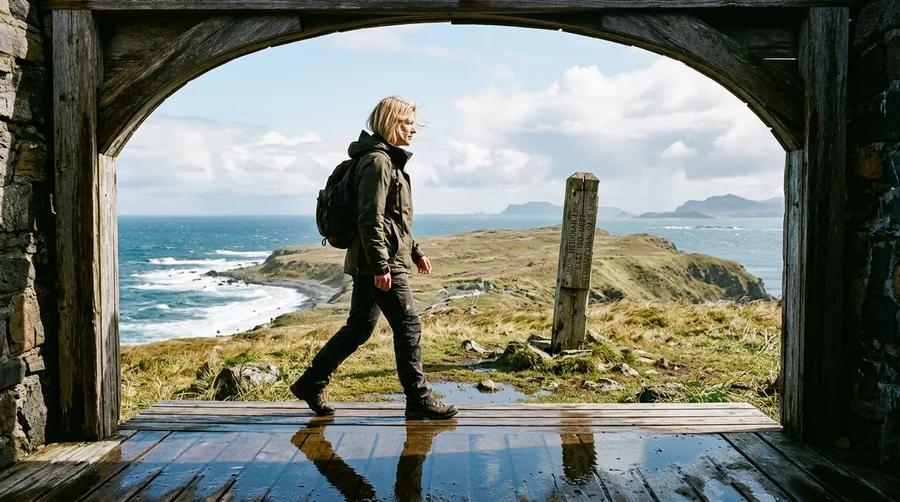
The 180th meridian line bisects the Aleutian Islands, placing parts of Alaska technically in the Eastern Hemisphere.
That means the state stretches so far west that it loops past the halfway point around the planet, forcing the International Date Line to curve dramatically around the islands so everyone shares the same calendar day.
Visiting the westernmost outpost of Attu Island requires navigating extreme weather and chartering specialized transport because casual tourism infrastructure does not exist out there.
Aleutian Islands — At a Glance
🧭 Hemisphere
Eastern & Western
✈️ Access
Charter Only
🌧️ Weather
High Winds & Fog
Geography Note
The archipelago stretches over 1,000 miles toward Russia.
3. Volcanic Chains Outnumbering Most Countries’ Major Peaks
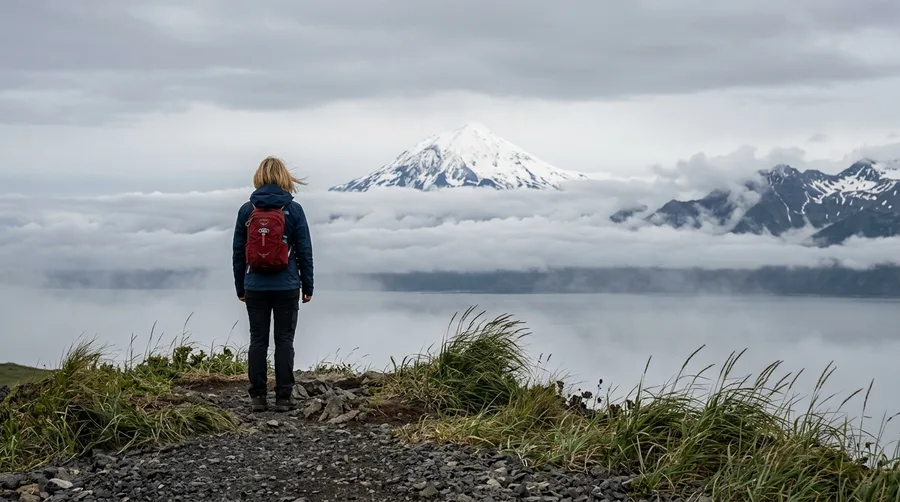
Book a flight-seeing tour around Cook Inlet to view active volcanic cones from above.
This region houses over 130 volcanoes, with 50 having erupted in modern history.
⚠️ COMMON MISTAKE
Motion Sickness Warning
Small bush planes encounter severe turbulence near volcanic ridges. Take medication before boarding.
4. You Can Drive to the Westernmost Point of the North American Highway System
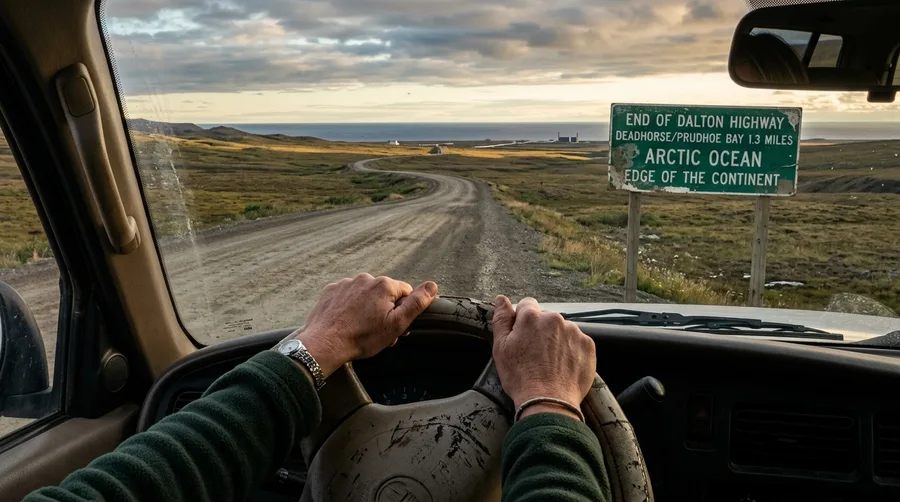
You step out of the rental car into the biting wind, boots crunching on gravel at the absolute edge of the continent while gray waves crash against the shore.
While standard road trips end in Homer, reaching true remote driving feats requires tackling the Dalton Highway all the way north toward the Arctic Ocean.
Park near the historic markers during the late evening golden hour to catch flat light casting long shadows across the tundra.
Arctic Driving Realities
5. North America’s Tallest Peak Generates Its Own Weather System
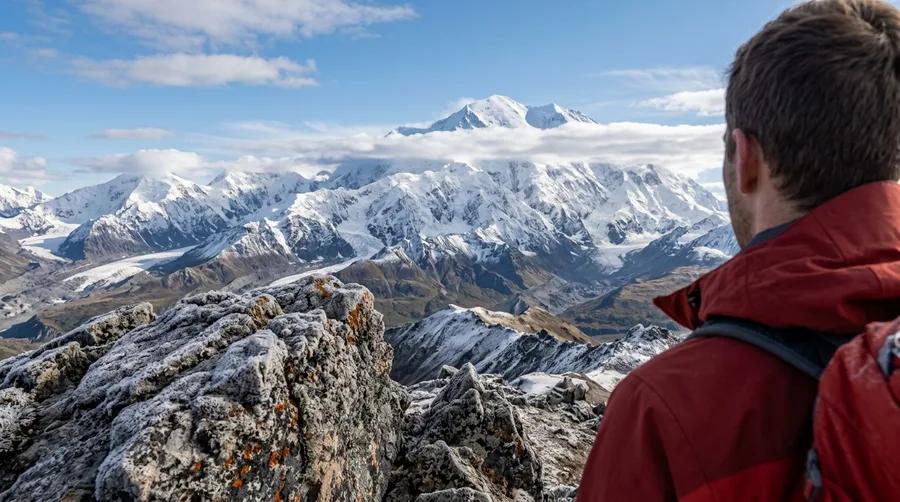
Denali reaches 20,310 feet and is so massive that it manufactures localized weather patterns, hiding behind self-made cloud cover 70 percent of the time.
Visitors must book multi-day stays in Denali National Park to improve their low odds of seeing the peak completely clear.
6. A Town Where Almost Entirely Everyone Lives Under One Single Roof
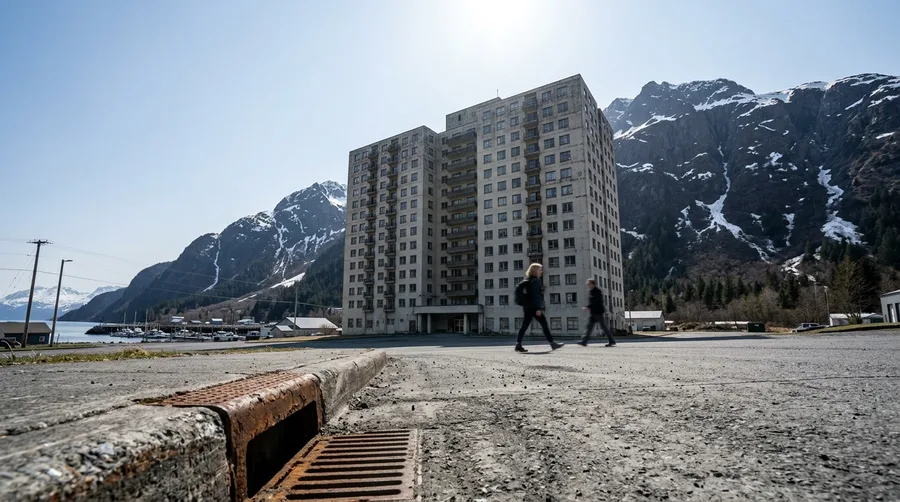
Verify tunnel schedules and budget for extreme isolation before attempting to visit the remote coastal pocket of Whittier.
Nearly all 200 residents live inside the Begich Towers, a single concrete building containing a grocery store, police station, and church.
Driving through the Anton Anderson Memorial Tunnel costs roughly $13 per vehicle entry fee, making infrastructure access a unique logistical hurdle.
Entering Whittier
7. Glaciers That Are Actually Advancing While Others Retreat
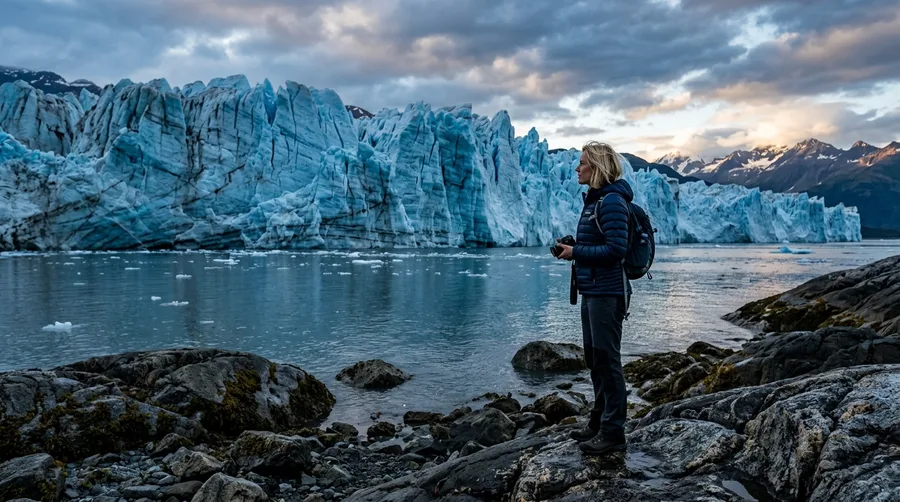
While the famous Mendenhall Glacier shrinks rapidly year after year, the nearby Hubbard Glacier surges forward in a rhythmic display of power.
Sitting quietly on the viewing benches near Russell Fjord for an hour lets you watch skyscraper-sized blocks of ice shear off and crash into the sea.
This surging phenomenon happens because internal water pressure builds up beneath the ice sheet, pushing it forward up to 100 times faster than normal.
8. Catching Seafood So Plentiful You Can Almost Grab It by Hand
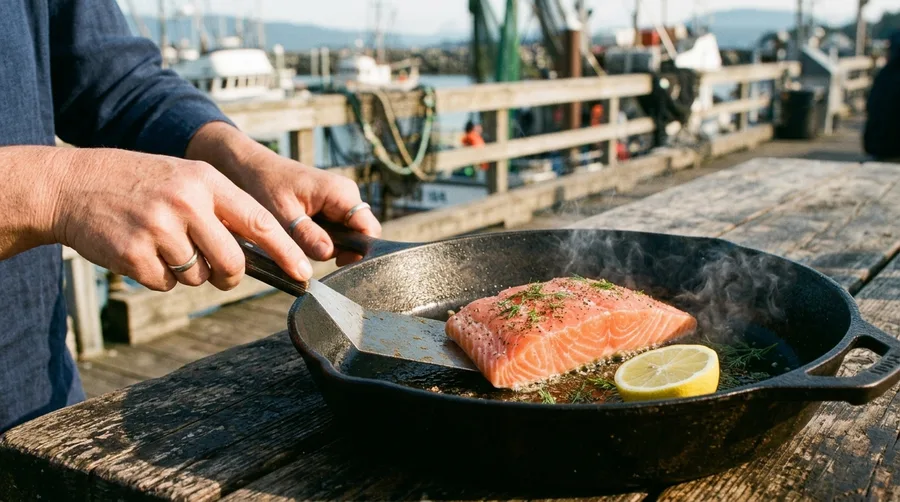
How do coastal rivers manage to feed millions of wild salmon into the global seafood market every single season?
Ordering a fresh Copper River King Salmon fillet grilled simply at a dockside cafe runs around $35 to $50 per plate.
💡 PRO TIP
Peak Salmon Season
Visit mid-summer when spawning runs crowd shallow creeks, making wildlife viewing effortless.
9. The US Purchase That Cost Less Than Two Cents Per Acre
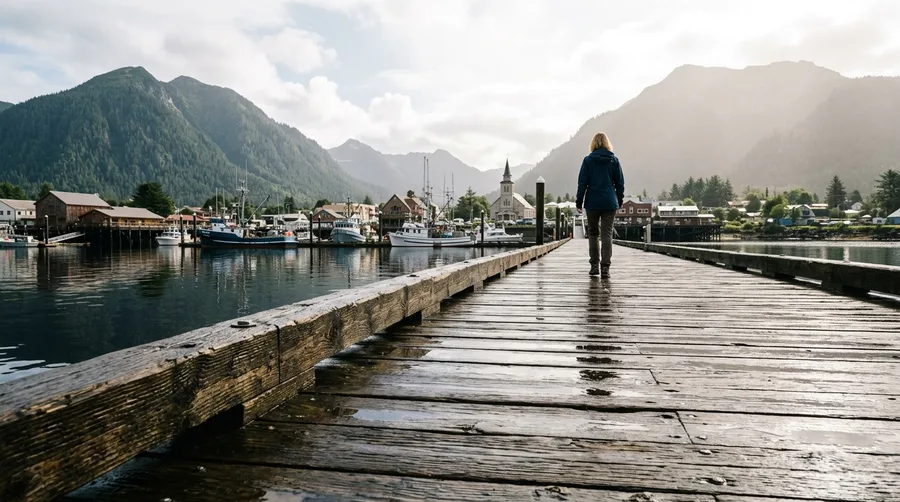
The United States purchased Alaska from the Russian Empire in 1867 for the bargain price of $7.2 million.
Secretary of State William H. Seward orchestrated the deal, which domestic critics mocked endlessly at the time as Seward’s Icebox.
Russia was financially exhausted following the Crimean War and feared losing the undefended territory to Britain without compensation, pushing them to offload the land quickly.
Locals still commemorate this historical milestone every October 18th with reenactments and celebrations held across Sitka.
Historical Milestones
10. More Active Glaciers Than the Entire Rest of the Country Combined
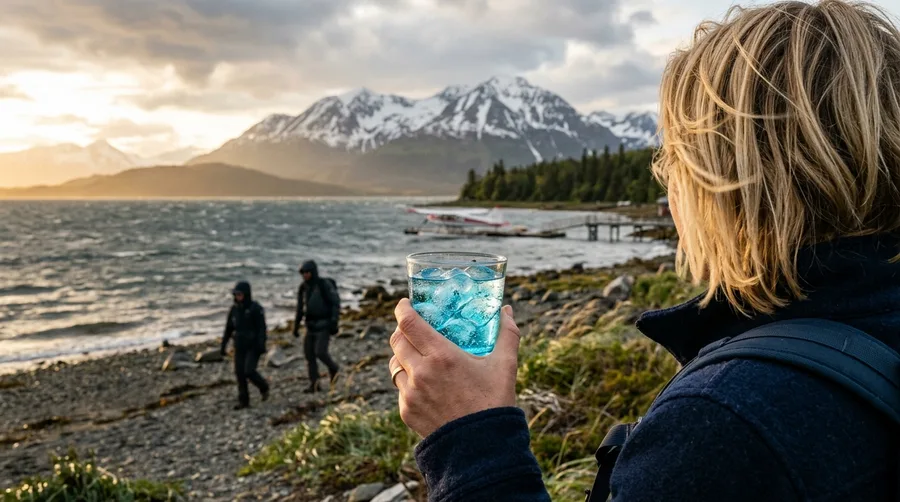
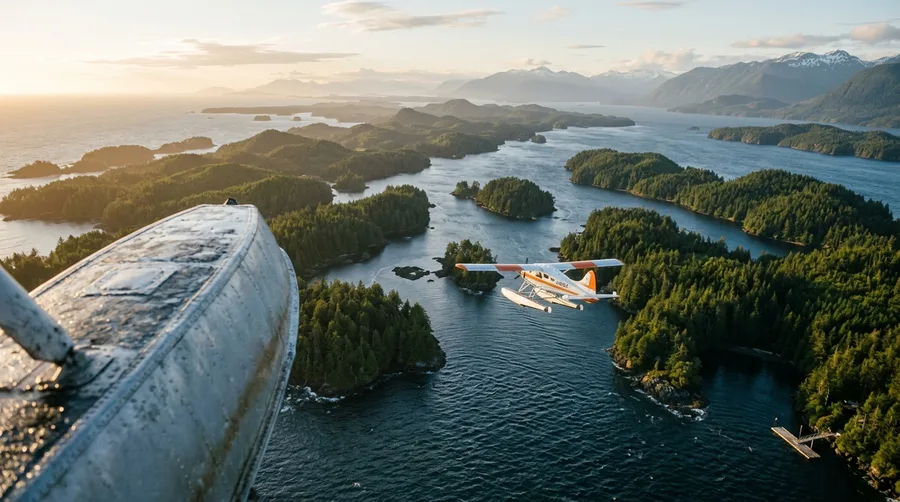
Stepping off the floatplane, the crisp, sharp scent of compressed ancient air fills your lungs as a tiny piece of glacial ice melts in a cup of water.
While Alaska holds roughly 100,000 glaciers, reaching the most impressive formations requires expensive boat cruises or bush flights because roads cannot cross the jagged terrain.
11. An Entire Subterranean Town Built Inside a WWII Secret Base
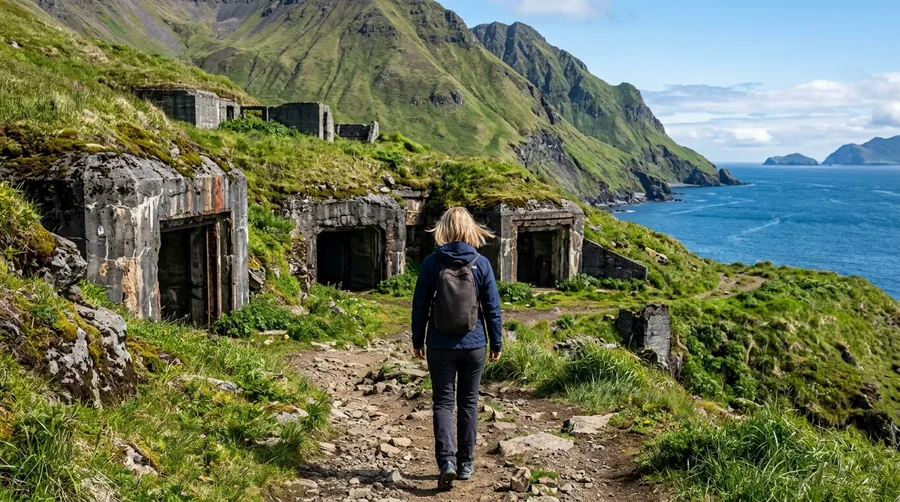
While most travel writing focuses purely on pristine wilderness, heavy military history remains deeply embedded across the remote Aleutian chain.
Engineers constructed hidden underground bunkers, tunnels, and fortification ruins on Unga Island and Dutch Harbor during World War II.
Exploring these exterior walking trails and historical foundation ruins costs nothing for self-guided hikers.
Stationed soldiers lived in drafty Quonset huts while battling relentless 100-mph winds and blinding horizontal rainstorms.
🛡️ Strategic Defense Eras
Russian Era
Early fur trading posts established minor coastal outposts.
WWII Campaign
Secret military bases built to repel foreign threats.
Cold War Hub
Radar stations erected to monitor northern airspace.
12. The Quirky Outpost Where Giant Vegetables Grow in 20-Hour Daylight
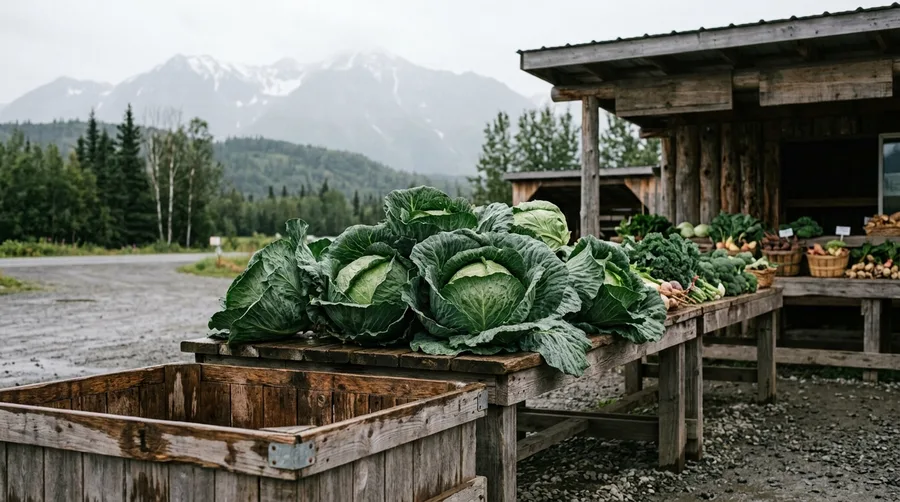
Up to 20 hours of continuous summer sunlight allow local farmers in the Matanuska Valley to harvest cabbages weighing over 100 pounds.
Roadside farm stands and the annual Alaska State Fair showcase these colossal vegetables on stage for amazed visitors.
Intense photoperiod photosynthesis pumps rapid sugar production into crops without any nightly dark pauses to slow them down.
13. Walking Across a Dynamic Sand Dune System Surrounded by Boreal Forest
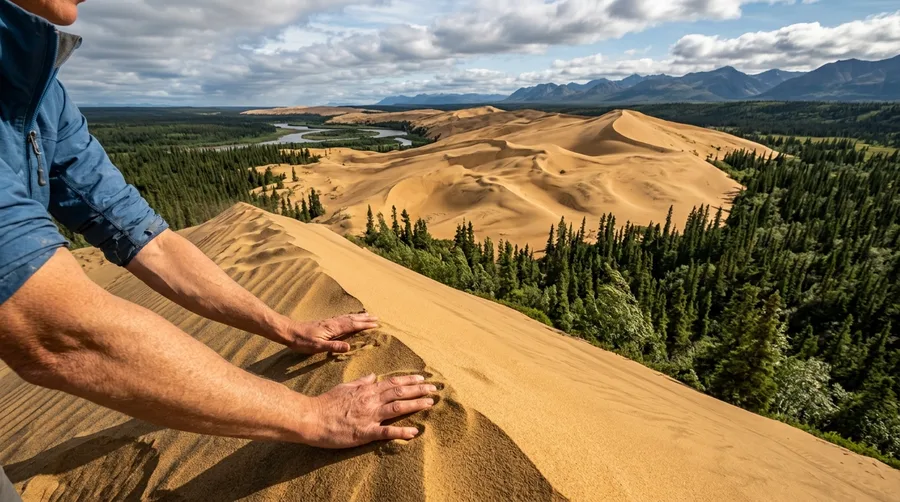
Watch out for shifting sands and rapid weather shifts before attempting to hike the remote Kobuk Valley dunes.
Trekking across active, 100-foot-high golden sand dunes located 35 miles north of the Arctic Circle offers a surreal desert-in-tundra contrast.
14. A Waterfall That Appears to Flow Backward During Extreme Tides
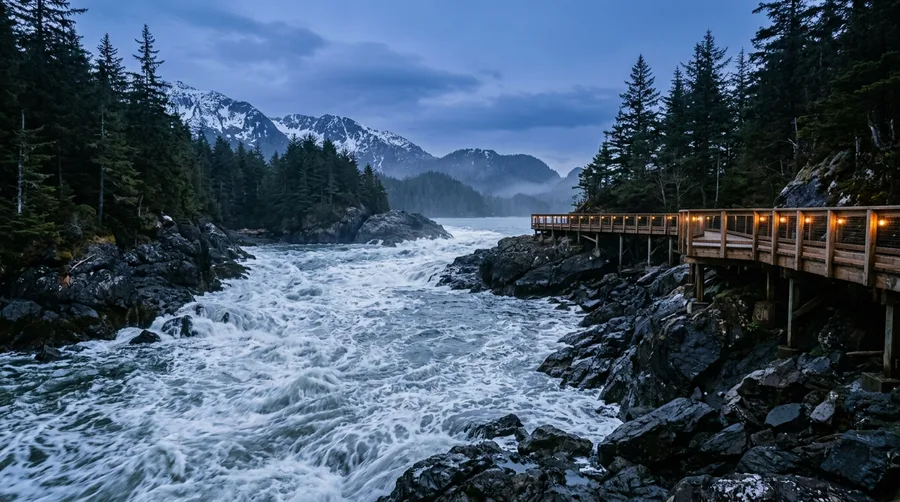
Time your visit to Seward tidal inlets precisely during the peak two-hour window between incoming and outgoing water cycles.
Massive tidal ranges exceeding 30 feet force seawater upstream faster than freshwater can drain out to sea.
Stable coastal boardwalk platforms offer safe viewing points to watch the churning white foam rush backward.
15. A Post Office That Collects Mail Delivered by Bush Plane
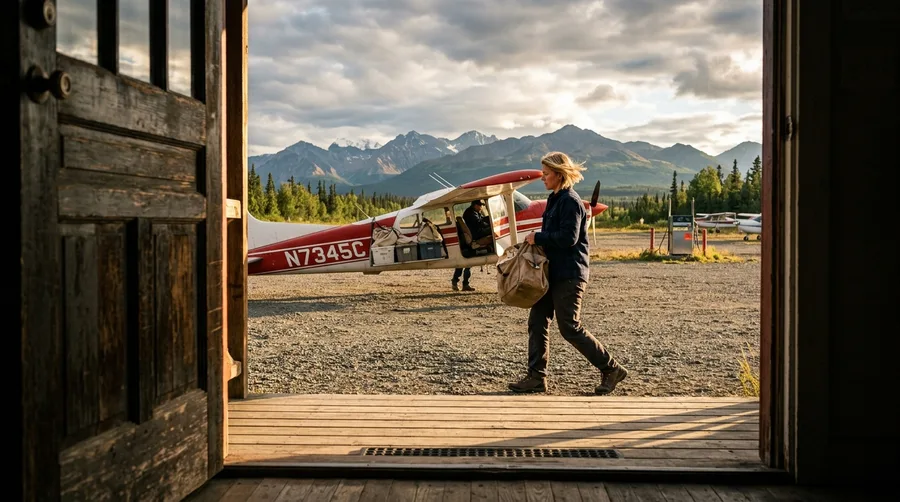
How do remote off-the-grid communities receive packages when roads do not exist anywhere near their settlements?
Visiting Talkeetna’s historic post office lets you watch mail-drop bags tossed straight onto bush plane tarmacs for free.
16. Standing Inside a Natural Ice Cave Carved Beneath a Floating Glacier
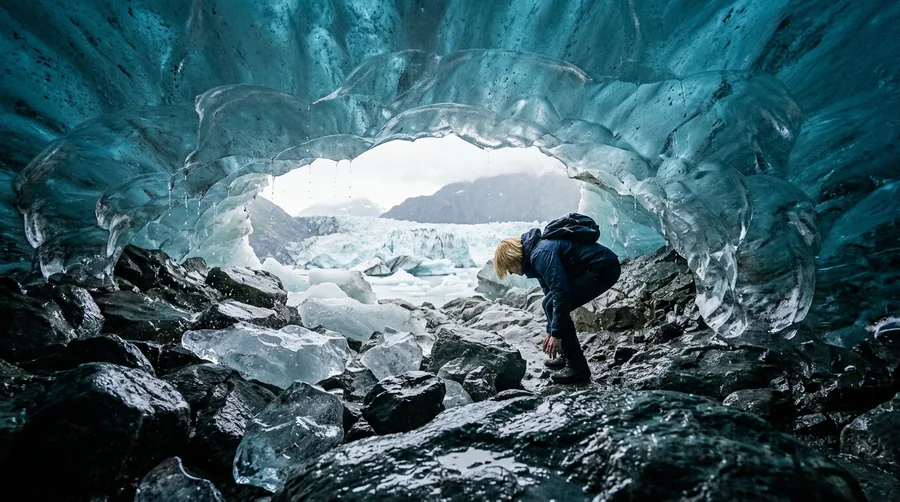
You duck under a low arch of translucent turquoise ice while crystal water droplets drip steadily onto your rain jacket.
Paddling a kayak or hiking with crampons across melting ice sheets gets you inside these dynamic cave thresholds.
Always monitor ice stability closely because melting seasons cause sudden structural collapses.
7-Day Exploration Plan
17. Where Locals Go to Watch the Northern Lights Without the Cruise Ship Crowds
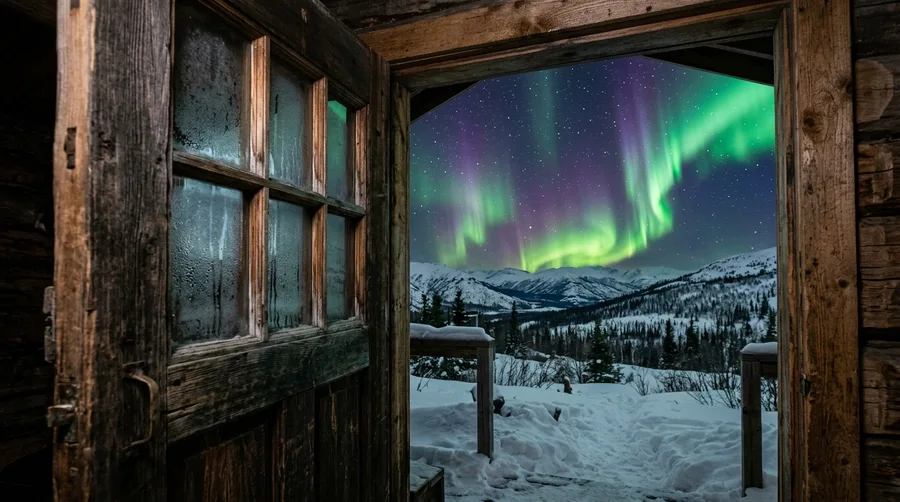
Where can you escape annoying light pollution to experience completely unobstructed auroral displays?
Locals drive north past Fairbanks toward Cleary Summit or book remote interior cabins far away from coastal fog belts.
18. Sitting in Natural Geothermal Hot Springs Surrounded by Snow
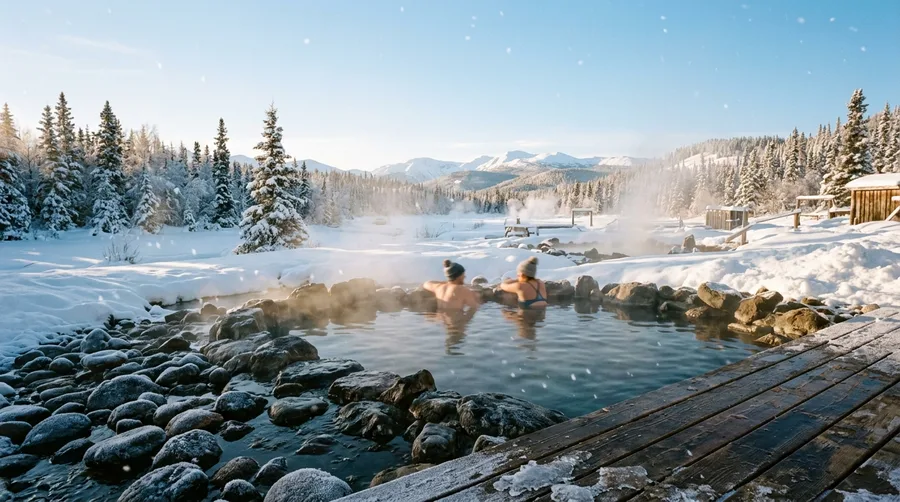
Freezing ambient winter air contrasts sharply against the soothing 104-degree mineral waters bubbling up at Chena Hot Springs.
You sit quietly in natural stone pools while snowflakes drift gently down and melt instantly upon your forehead.
This mineral soak provides the ultimate relaxing aftermath after spending days bouncing down rough interior gravel highways.
Summer vs Winter Travel
Summer Trips
- 20 hours of daylight for exploring
- Accessible mountain hiking trails
- Active bear and salmon viewing
Winter Trips
- Prime aurora borealis visibility
- Soothing geothermal hot springs
- Fewer crowds at remote lodges
Frequently Asked Questions
What is the absolute best month to visit Alaska for both wildlife and clear weather?
July offers peak salmon runs, active bears foraging along riverbanks, and maximum daylight hours for road trips.
Do you need a passport or special visa to travel to Alaska?
US citizens do not need a passport for direct flights from the mainland, but one is mandatory if driving through Canada.
Is it possible to see the Northern Lights during summer?
No, because continuous 24-hour midnight sun daylight washes out the sky. Aurora viewing requires true darkness from late September through March.
Can you travel across Alaska entirely by train?
The Alaska Railroad connects major hubs like Anchorage, Fairbanks, and Seward, but reaching remote wilderness areas requires rental cars or bush planes.
Your Next Step
Pick one region from this list—whether you choose the glacier-carved fjords of the south or the rugged interior tundra—and book your vehicle rental months in advance.
Once you arrive, leave your mainland expectations behind and let Alaska’s wild, unyielding rules dictate the pace of your journey.