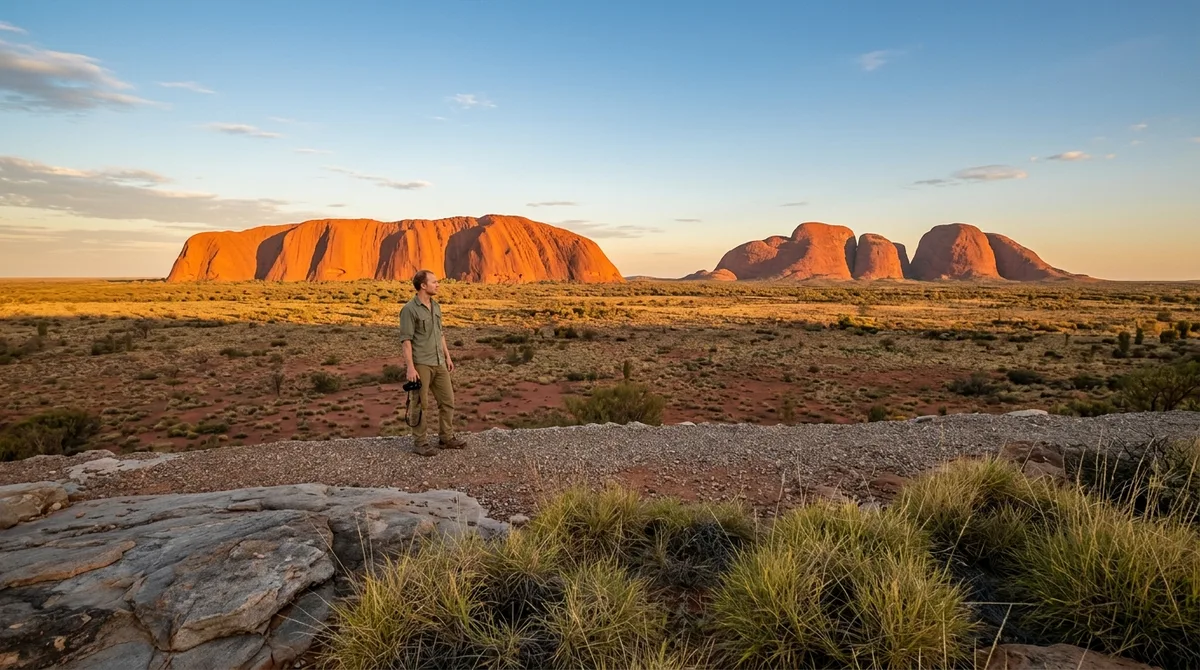
Australia functions less like a standard country and more like an isolated tectonic laboratory that broke away from Gondwana millions of years ago, producing wild evolutionary experiments.
You can fly straight to a major resort city and ignore the wild interior, but doing so means skipping the most surreal geography on Earth.
The continent spans 2,500 miles across, supports 42 major climatic zones, and holds millions of square miles of untamed terrain.
You will snorkel under lighthouses, walk across musical quartz dunes, descend into subterranean desert hotels, and track egg-laying mammals.
This guide maps out sixteen authentic phenomena you can visit yourself, with exact costs, timing rules, and honest assessments of what is worth your time.
Quick Tips Before You Start
Vehicle Choice
Rent a high-clearance 4WD if you plan to tackle unsealed tracks like the Gibb River Road.
Water Supply
Always carry at least five liters of spare drinking water per person when driving inland.
Sun Protection
Wear SPF 50+ sunscreen and a wide-brimmed hat year-round, as UV rays are exceptionally harsh.
Connectivity
Rent a satellite communicator for remote Outback crossings where mobile phone signals disappear.
How Far Is the Drive Across Regional Australia?
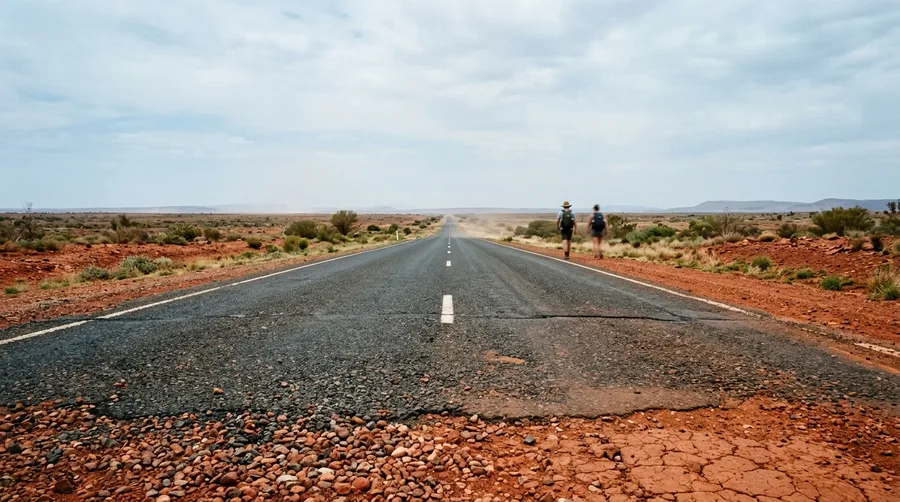
Distances across the continent deceive even seasoned international road-trippers accustomed to dense highway networks.
Driving from Sydney to Perth covers roughly 2,400 miles: about 40 hours of continuous driving time spread over five days of solid movement.
Plan your fuel stops carefully, as remote roadhouses can sit 120 miles apart with no backup services in between.
When Is the Best Season to Explore?
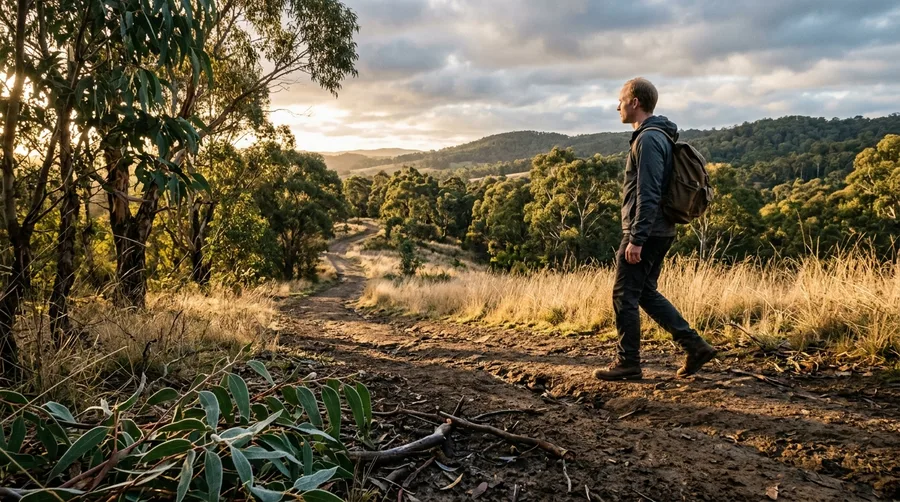
Target the cooler dry months between April and September for any desert or Outback itinerary to avoid dangerous 45 degree Celsius heat.
Southern regions like Melbourne and Tasmania experience mild summers from December to February, making coastal walks far more comfortable.
Major Australian Route Map
Save this route map before heading into remote regions.
1. Witness the Bubblegum Pink Waters of Lake Hillier
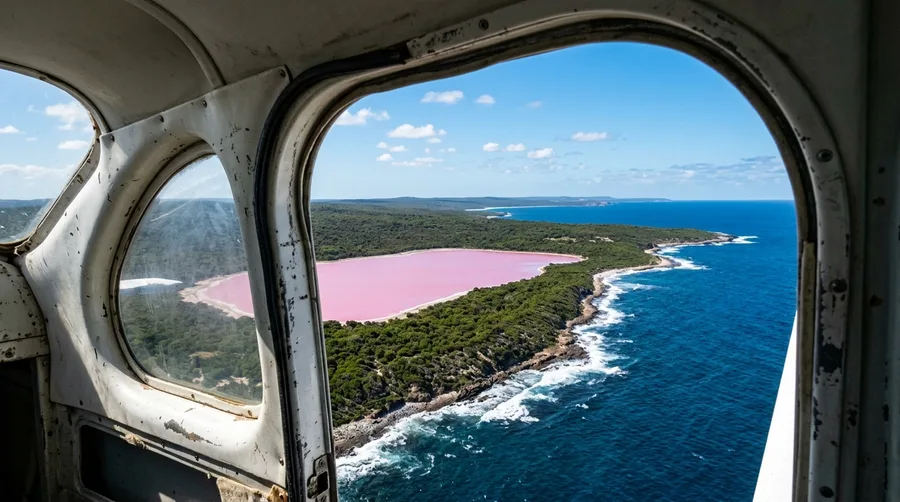
Lake Hillier on Middle Island maintains its striking bubblegum pink color year-round, driven by microalgae and halobacteria producing high levels of carotenoids.
Ground-level access is heavily restricted to protect the fragile salt ecosystem, meaning you must view the phenomenon from the air.
Charter flights depart daily from Esperance, costing roughly $300 AUD per passenger depending on aircraft size and seating availability.
💡 Tip: Book your scenic flight at least three weeks in advance during peak summer months.
Lake Hillier — At a Glance
🎨 Color Source
Carotenoid Algae
🚁 Access Method
Scenic Flight Only
💵 Average Cost
$300 AUD
Important Rule
No swimming or foot access is permitted on the shoreline.
2. Find Electric Blue Glows Along Jervis Bay
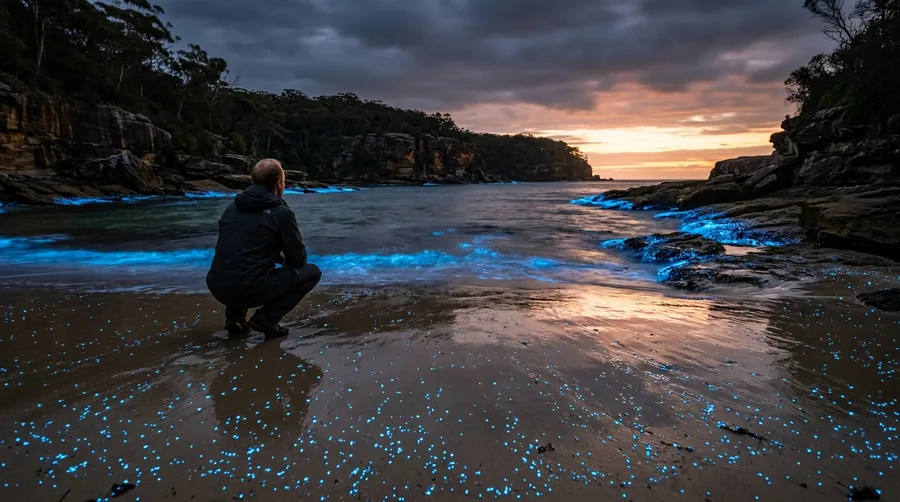
Secluded coastal inlets in Jervis Bay spark with electric blue light at night when wave action disturbs dense concentrations of marine dinoflagellates.
Skip heavily crowded public beaches and head south toward darker, unlit coves during warm summer new-moon phases.
Best Conditions for Bioluminescence
3. Endure the Harsh Arid Winds Around Inland Saltbushes
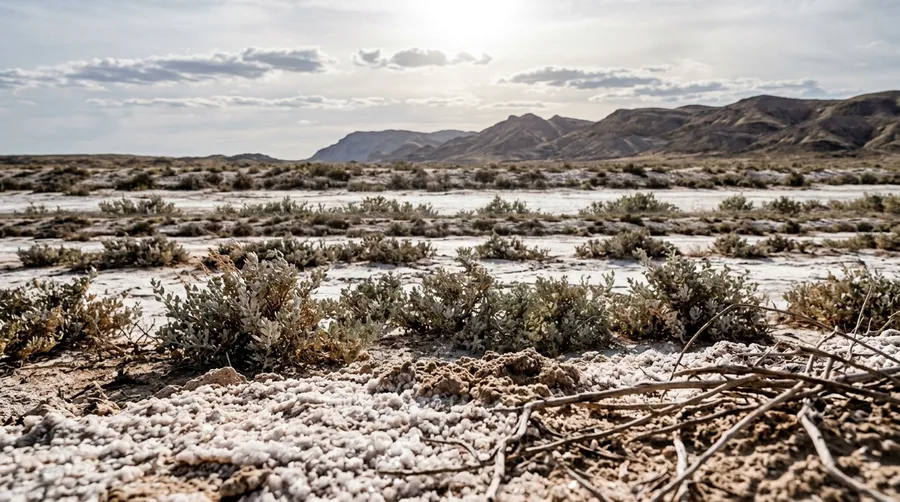
Hyper-saline groundwater wicks upward through arid topsoils across inland Australia, creating stark landscapes where specialized saltbushes thrive.
Visiting these remote regions requires enduring extreme desert heat, rough corrugated tracks, and absolute isolation.
Pack a satellite communicator and extra fuel canisters before attempting any deep interior excursions.
💡 Tip: Check local road condition reports daily via state transport websites.
⚠️ COMMON MISTAKE
Never Underestimate Remote Outback Distances
Travelers frequently run out of fuel because they calculate distance using standard coastal highway assumptions. Always refuel whenever a station appears.
4. Sleep Beneath the Surface in Coober Pedy
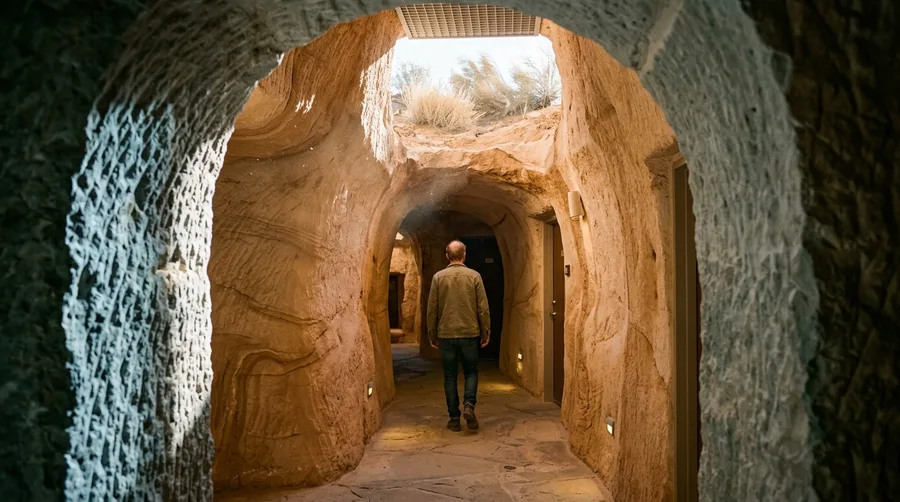
Coober Pedy features subterranean homes and hotels carved directly into sandstone hillsides to escape surface temperatures exceeding 40 degrees Celsius.
Book an overnight stay in an underground dugout hotel like the Desert Cave Hotel, with rooms averaging around $280 AUD per night.
Coober Pedy Subterranean Stats
Life beneath the desert floor
5. Spot Wild Platypuses in Eastern Freshwater Creeks
Monotremes represent an evolutionary branch split over 100 million years ago, laying leathery eggs while secreting milk through their skin.
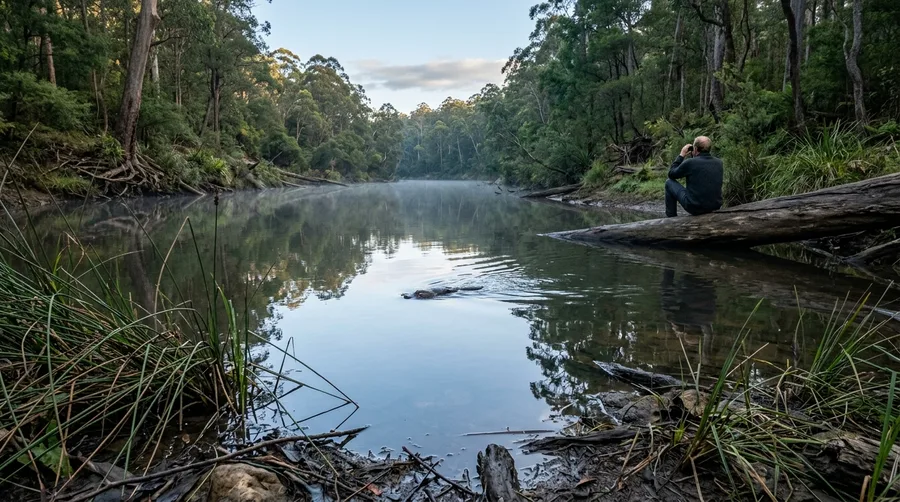
Spotting a wild platypus in eastern river systems requires visiting quiet freshwater pools during early morning hours.
These creatures are intensely shy, highly sensitive to vibrations, and spend hours foraging underwater with electro-receptive bills.
Sit completely motionless on a timber bank for at least 45 minutes near known riparian burrows to catch a glimpse.
🦦 Platypus Foraging Cycle
Dawn Emergence
Platypuses exit underwater burrows just as morning light hits the creek.
Active Foraging
They spend hours hunting aquatic insects using electro-reception.
Daytime Rest
Animals retreat underground to escape heat and predators.
6. Walk Across Singing Quartz Dunes in the Desert
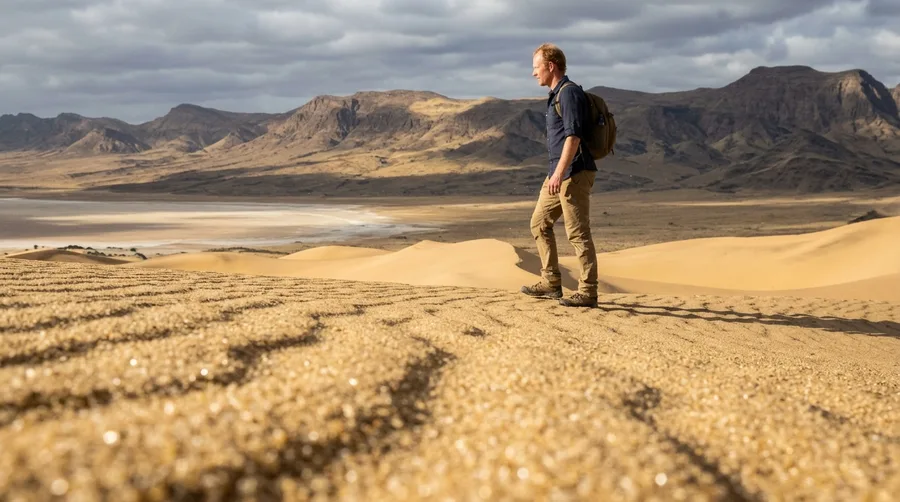
Specific quartz-rich dunes in arid desert zones produce a deep, resonant musical drone when friction moves the sand grains.
Access is completely free within public parks, requiring only standard vehicle entry passes.
Singing Dune Properties
7. Witness Horizontal Waterfalls Driven by Massive Tides
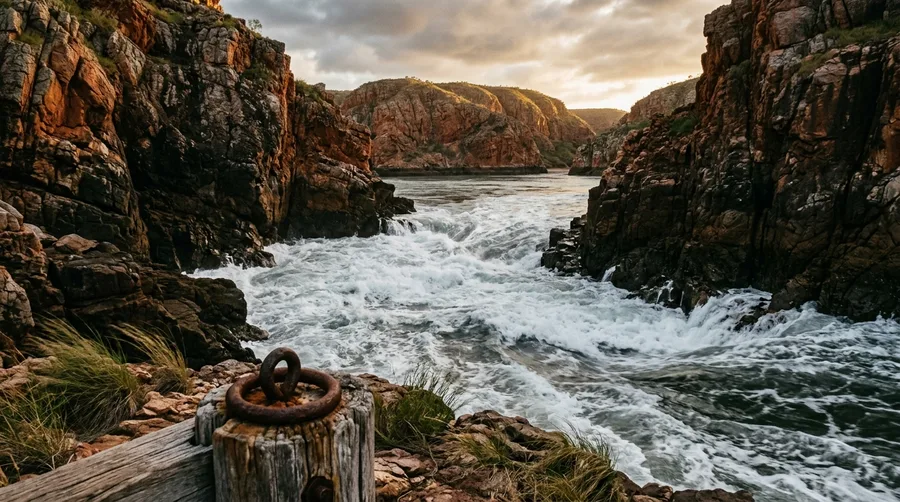
Talbot Bay features two narrow coastal gorges where massive tidal flows of up to 10 meters push water faster than it can drain.
The phenomenon completely reverses direction with the tide change, requiring visits to align precisely with slack-to-peak windows.
Approaching by boat requires licensed commercial skippers navigating extreme turbulent currents.
Scenic flights and jet-boat tours range from $400 to $650 AUD and sell out months ahead.
💡 Tip: Always verify tidal charts with local tour operators before booking flights.
💡 PRO TIP
Time Your Tidal Visit Perfectly
Book morning flights when winds are calmest to get the clearest aerial views of the hydraulic drop between the gorges.
8. Navigate the Limestone Spires of Nambung National Park
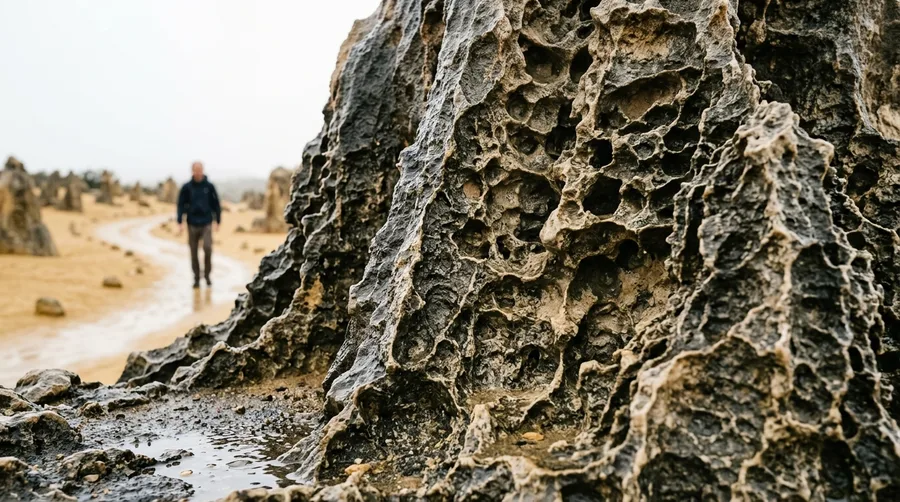
Step out of your vehicle and walk the designated four-kilometer loop through Nambung National Park to inspect weathered limestone pillars.
Arrive 90 minutes before sunset to catch golden hour light hitting the jagged mineral spires.
Pinnacles Explorer Flow
9. Photograph Larry the Lobster on the Princes Highway
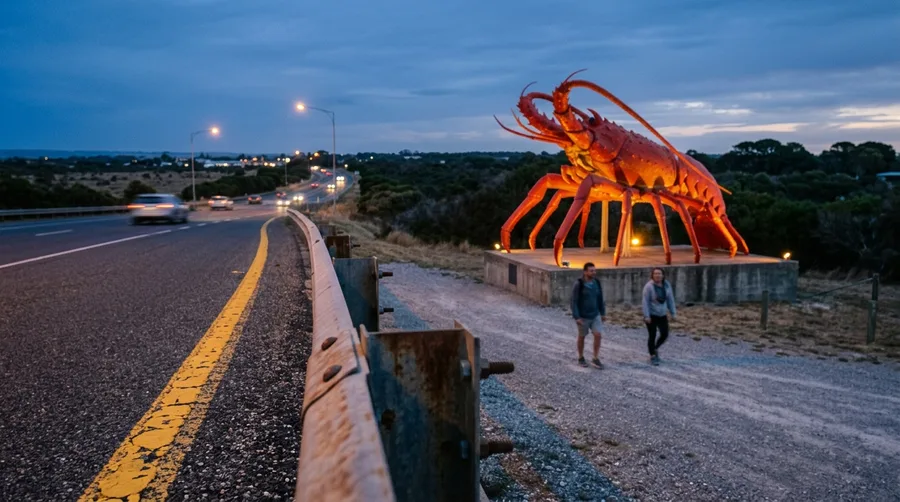
Standing at 10 meters tall, Larry the Lobster in Kingston South East is an iconic fiberglass roadside structure built in 1979.
Located directly on the highway, it costs nothing to view and takes 10 minutes to photograph.
10. Spread Vegemite on Toast Using the Correct Method
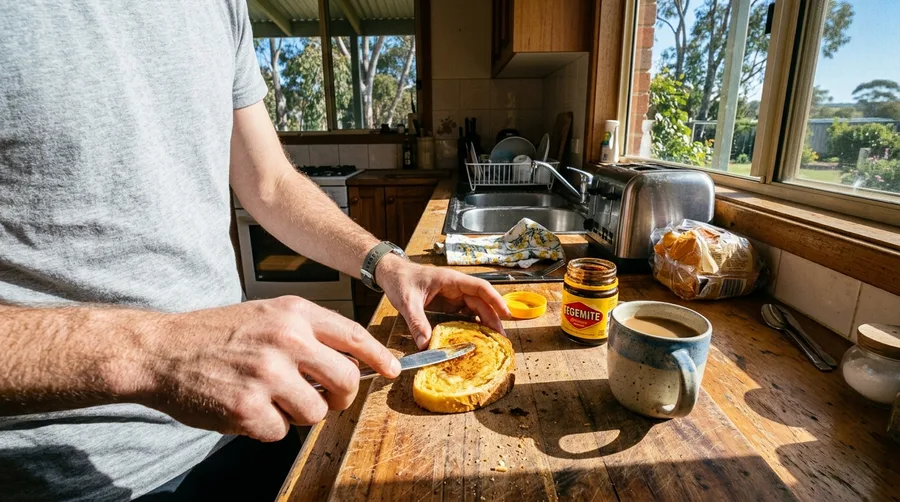
Vegemite is a dark brown food paste made from leftover brewer’s yeast extract combined with vegetable additives.
Never spread it like peanut butter, as consuming a thick layer will ruin your meal due to intense sodium concentration.
Toast thick white bread, apply butter, and spread a paper-thin translucent smear so it melts properly.
💡 Tip: A jar costs under $6 AUD at any local supermarket.
Vegemite Application Guide
The Incorrect Way
- Spreading thick dark layers like Nutella
- Eating straight off a spoon
- Skipping butter entirely
The Australian Way
- Applying a paper-thin translucent smear
- Melting into thick buttered toast
- Pairing with melted cheddar cheese
11. Stand on the Edge of the Bunda Cliffs Overhang
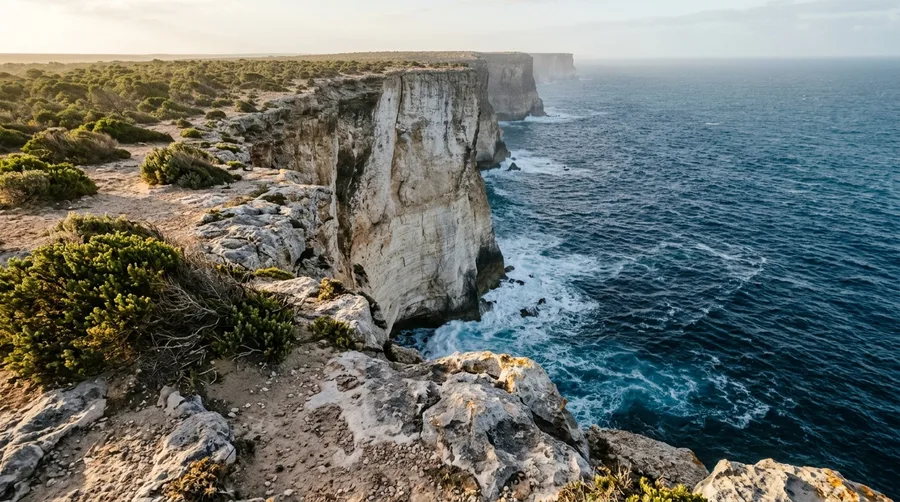
The Bunda Cliffs stretch for 100 kilometers along the Great Australian Bight, forming the world’s longest unbroken line of sea cliffs.
Stop at designated viewing platforms along the Eyre Highway 10 kilometers west of Nullarbor Roadhouse.
Stand at the edge during late afternoon when the low sun illuminates the white limestone face against indigo waters.
Maintain a strict distance from crumbling overhangs subject to sudden wind shear and erosion.
Top Coastal Viewpoints
12. Explore Sovereign Hill With School-Aged Children
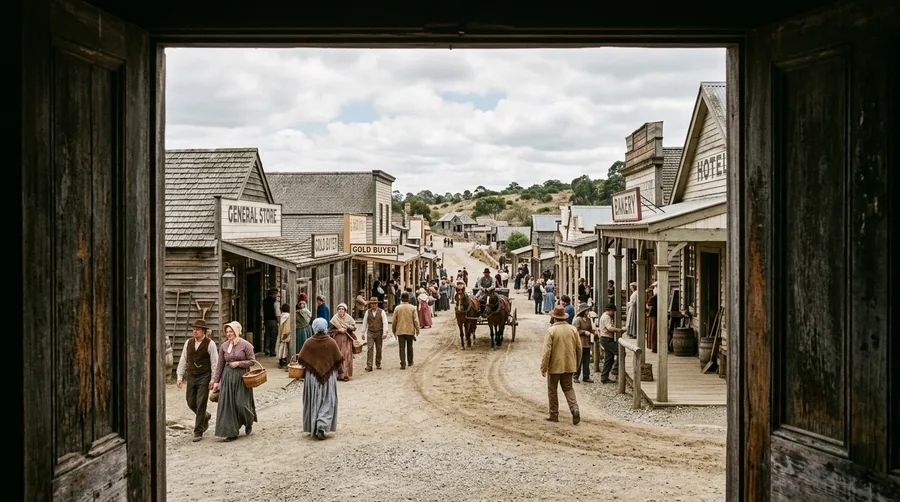
Sovereign Hill in Ballarat is an outdoor living museum replicating an 1850s gold rush township with costumed actors and panning streams.
Families with older children will enjoy the immersive theatrical environment and underground mine tours.
Toddlers in strollers will find the unpaved hilly gravel paths grueling, so bring a sturdy carrier instead.
13. Sit in Silence Along Kata Tjuta’s Walking Tracks
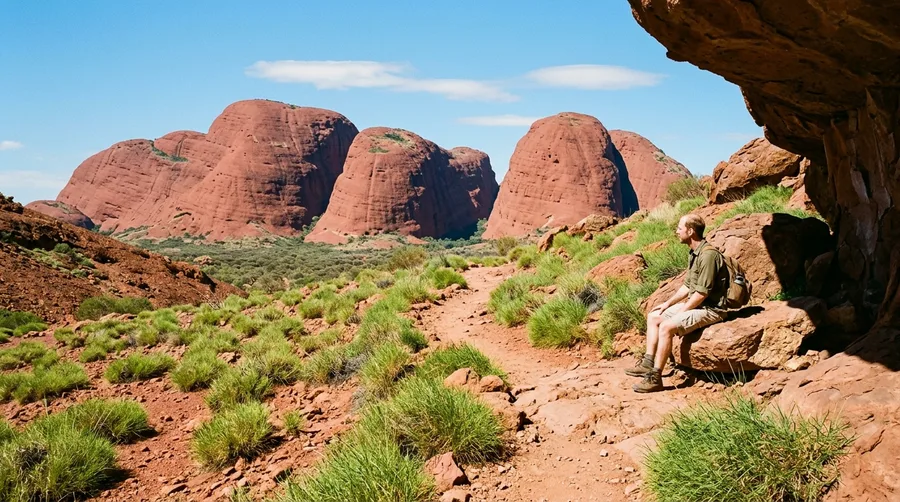
Find a shaded boulder along the lower Kata Tjuta walking track, sit silently for an hour, and listen to wind echoing through red ravines.
This slow-paced sanctuary provides a welcome break from crowded tourist hubs.
14. Unravel Ancient Creation Stories Around Uluru
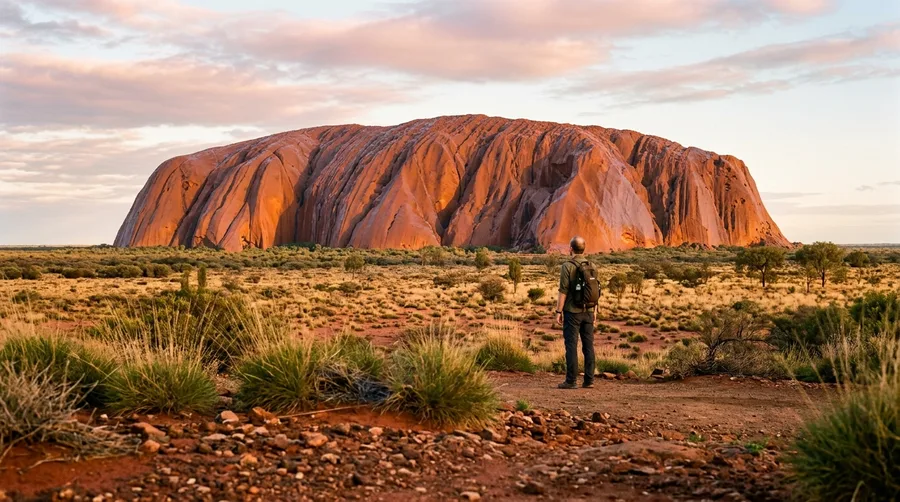
Examine the Tjukurpa system tied to specific physical fissures and scars carved across Uluru’s western face.
Study the Mala creation story where geological features represent ancestral beings and campsites.
Adhere strictly to photography bans at sacred sites and respect visitor guidelines.
15. Stargaze Under Pitch-Black Skies in Warrumbungle
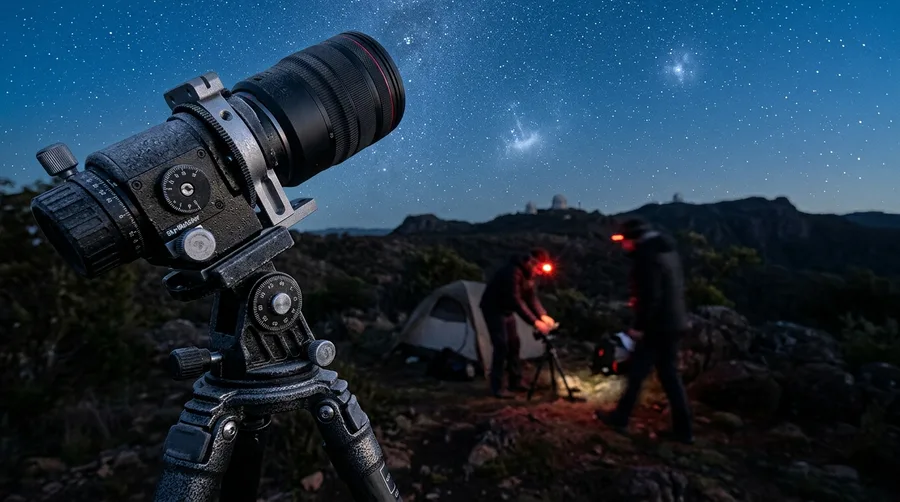
Warrumbungle National Park is Australia’s first designated Dark Sky Park, shielded by volcanic ridges that block regional light spill.
Set up camp near Siding Spring Observatory to view the Magellanic Clouds with naked-eye clarity.
Stargazing Expedition Planner
16. Inspect Stone Pillar Formations at Cape Bridgewater
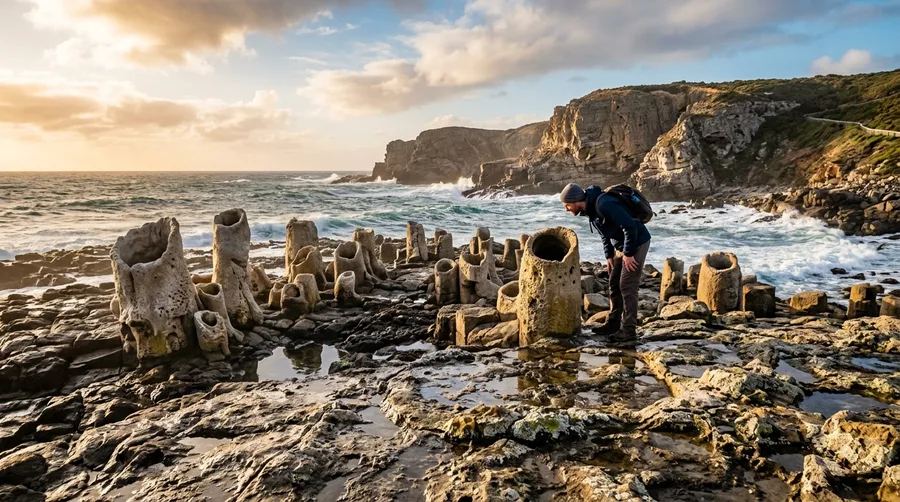
Cape Bridgewater in Victoria features columns of stone resembling petrified tree trunks, identified as ancient tree roots cemented by lime-rich sands.
Follow the coastal clifftop walking track from the blowholes parking area down to the rocky shelf.
Visit during low tide when intertidal rock pools are fully accessible and safe from sneaker waves.
This final geological anomaly encapsulates the entire premise: natural forces operate on timelines that blur science and fantasy.
Frequently Asked Questions
When is the best time of year to visit Australia’s remote natural wonders?
April through September offers milder temperatures for Outback exploration, avoiding extreme 45 degree Celsius summer peaks.
Do I need a special permit to drive through Indigenous lands?
Yes, crossing certain Aboriginal freehold lands requires transit permits, which can be applied for online beforehand.
Are rental vehicles required to have high clearance for these spots?
Standard 2WD vehicles suffice for sealed highways, but unsealed roads like the Gibb River tracks strictly require 4WD high-clearance vehicles with dual spare tires.
How dangerous is Australian wildlife for casual travelers?
Statistically very low if basic precautions are followed, such as wearing enclosed shoes in bushland and checking footwear.
Where Earth Refuses to Play by the Rules
Australia’s geographic isolation fostered ecosystems and landscapes unconstrained by the evolutionary pressures seen elsewhere on Earth.
What initially reads like science fiction is simply normal geology and biology operating undisturbed on an ancient continent that rewards careful planning.