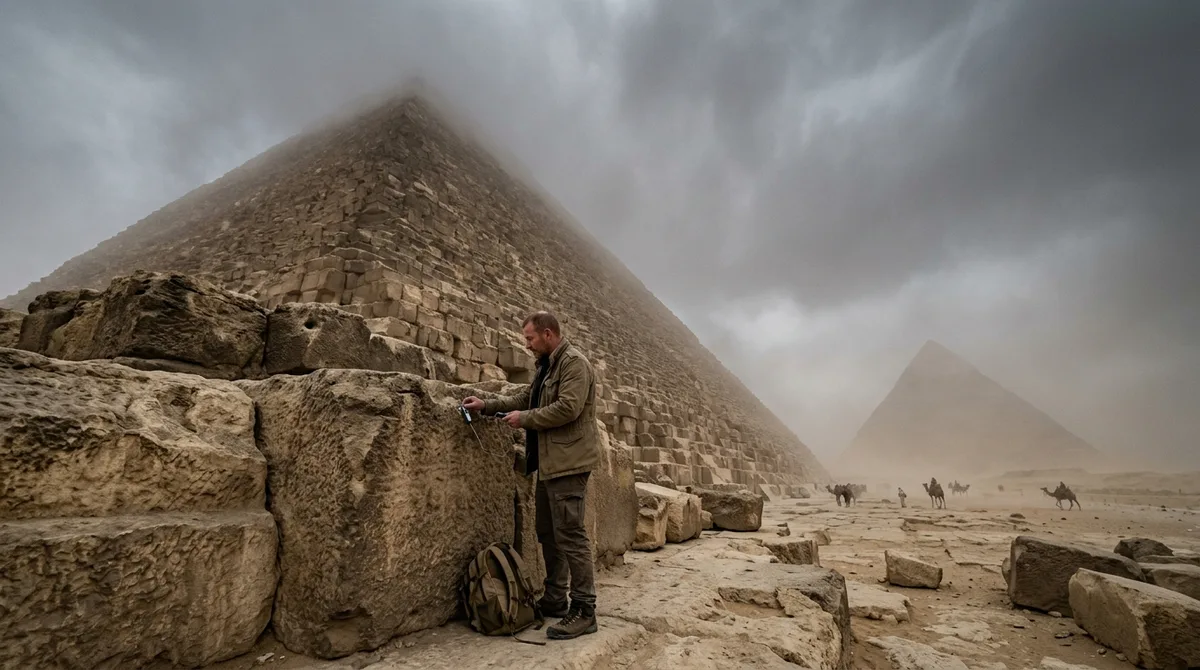
Standard history books present ancient Egypt as a solved civilization of copper chisels and slave labor. That textbook narrative crumbles the moment you examine the physical evidence left in the sand.
Egypt is not a quiet museum. It is a live laboratory of unexplainable engineering feats that modern architects still struggle to replicate.
The timeline of the Nile holds secrets that defy simple categorization.
You will walk through subterranean tunnels, stare at mirror-flat granite boxes, and test acoustic chambers that bypass thousands of years of technological progress.
Pick three stops or tackle all fifteen. Here is what modern science still refuses to explain.
Quick Tips Before You Start
Timing
Visit between November and February to avoid extreme desert heat.
Permits
Secure specialized archaeological access permits weeks in advance through official channels.
Hydration
Carry at least three liters of bottled water per person during desert site visits.
At a Glance
How Far Is the Travel Logistics Across Egypt?
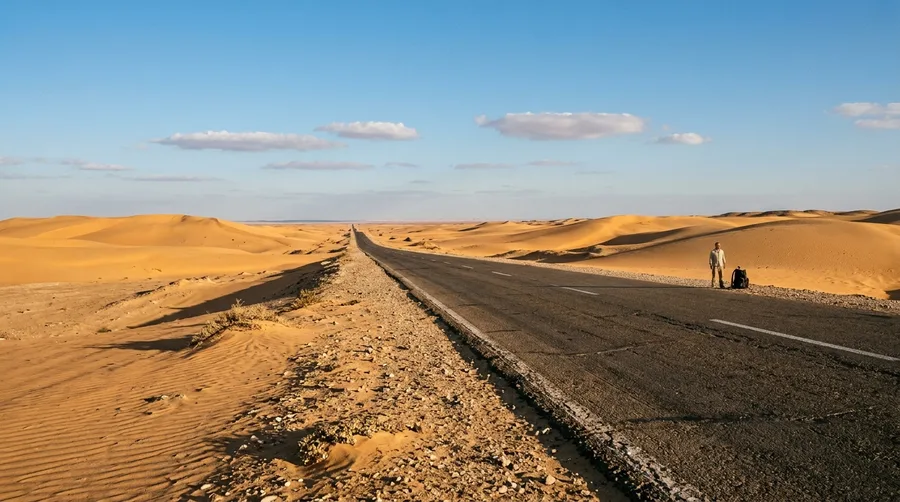
Distances between major historical sites span hundreds of miles across arid terrain. Driving from Cairo down to Luxor takes roughly nine hours straight on highway corridors.
Most travelers rely on internal domestic flights or overnight sleeper trains to bridge these massive regional gaps efficiently.
Primary Archaeological Route
Save this route map before heading out into the remote desert sites.
1. Test Acoustic Resonance in the King’s Chamber
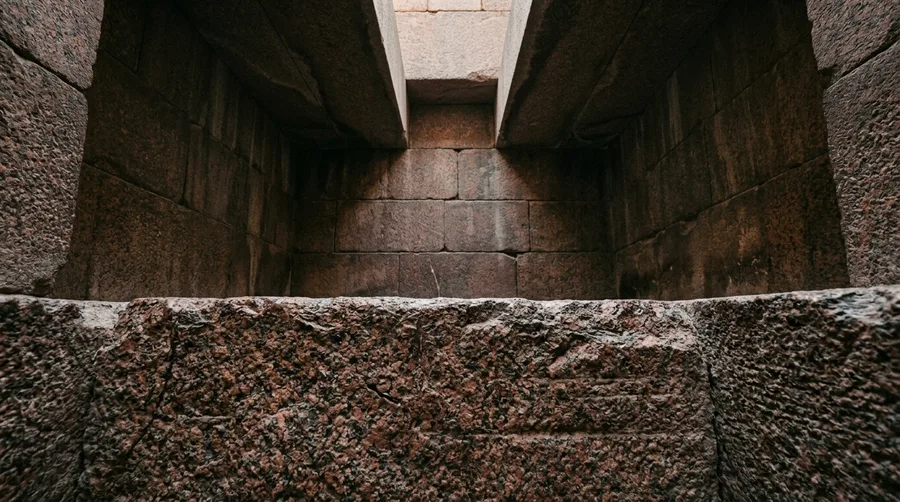
Granite beams inside the King’s Chamber possess deliberate acoustic properties.
Specific frequencies amplify human voice and percussion inside the chamber without modern amplification gear.
This acoustic mastery raises questions about whether sound played a ritualistic role during Old Kingdom ceremonies.
💡 Tip: Hum softly near the southeast corner to feel the granite walls vibrate.
💡 PRO TIP
Listen to the Stone
Never shout inside restricted chambers; low hums reveal structural acoustic engineering.
2. Measure the Sakkara Serapeum Boxes
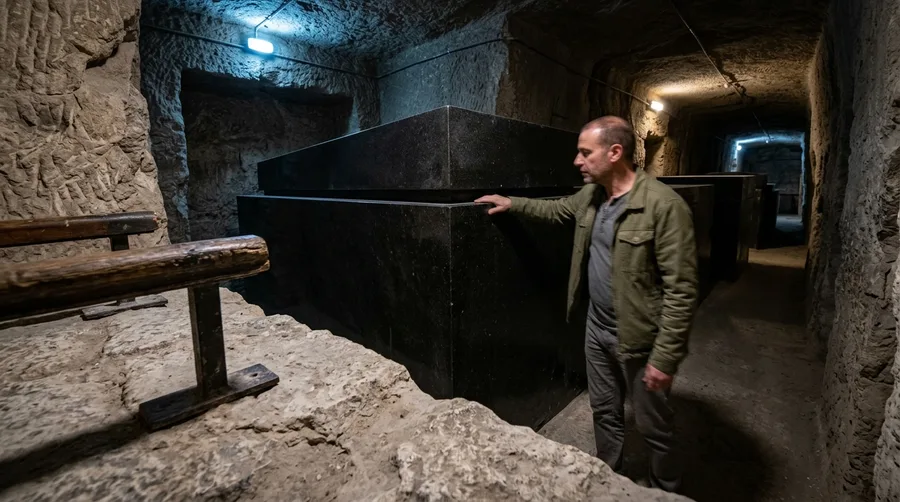
Are these twenty-ton granite containers proof of lost ancient machining technology?
Each box is carved from a single block of black basalt or granite with millimeter-flat internal right angles.
Primitive copper tools could not achieve this level of precision, baffling modern stonemasons.
Top Archaeological Anomalies Ranked
3. Wander the Philae Temple Complex at Sunset
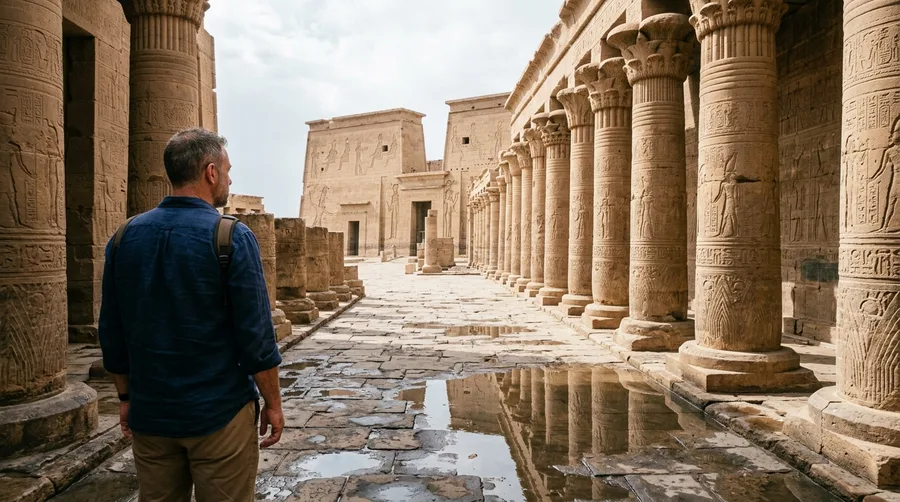
Take a wooden felucca to Agilkia Island to sit among the colonnades of Philae as day turns to night.
Spend an uninterrupted hour soaking in the late Ptolemaic stonework without a crowded tour group rushing your pace.
The sanctuary was relocated piece by piece via UNESCO in the 1960s to save it from rising Nile waters.
Philae Island — At a Glance
⛵ Access
Motorboat or Felucca
⏱️ Duration
2 Hours
📸 Best Light
Sunset
Preservation
Entirely relocated stone by stone to higher ground.
4. Inspect the Megaliths of the Osireion
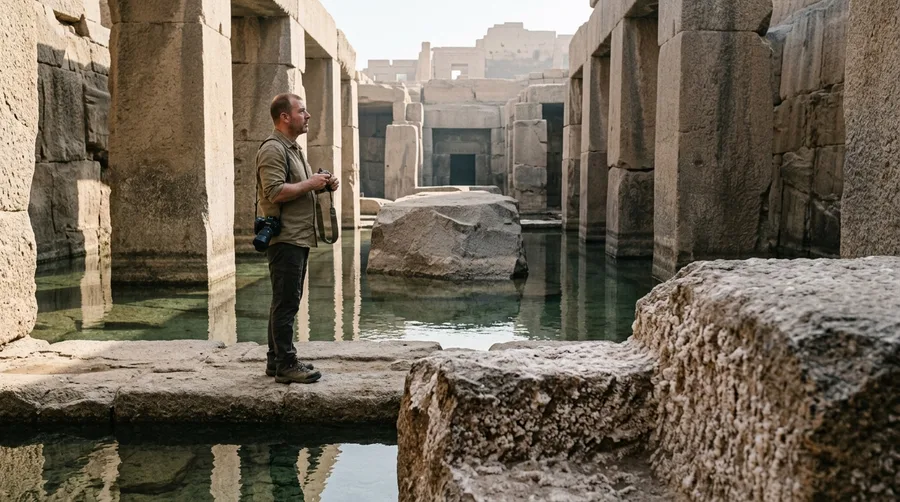
Standard tourist sites focus on New Kingdom paint, but the Osireion at Abydos presents an entirely different architectural mystery.
Securing access requires specialized permits costing upwards of $100 USD for deep-site exploration.
Massive unadorned granite piers mirror Old Kingdom engineering styles, predating the surrounding temple by millennia.
Paying for specialized archaeological site access delivers unmatched insight into older pre-dynastic building techniques.
⚠️ COMMON MISTAKE
Skip Standard Tickets Here
Do not settle for surface-level entry; request the sub-level water chamber access pass.
5. Discover the Fayum Depression Fossil Forests
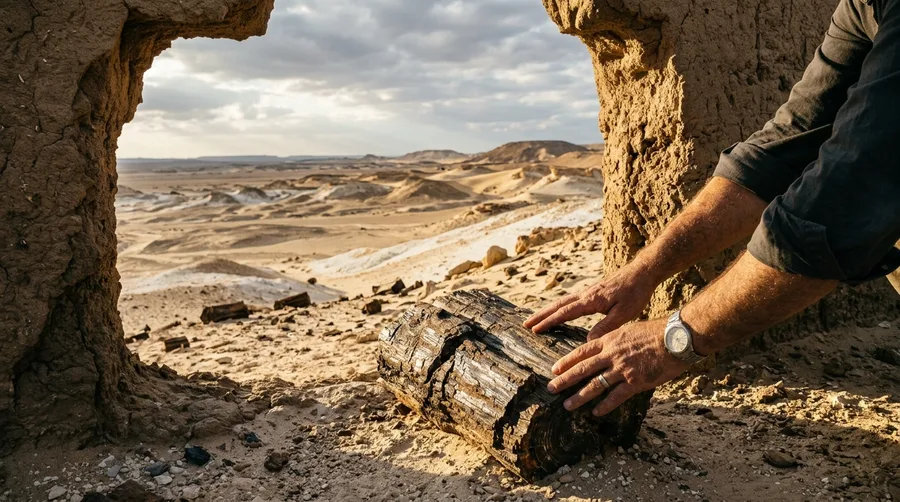
You will hear the crunchy, sun-baked desert sand crunch beneath your boots as you spot metallic rings of petrified wood.
Pulling off the desert highway costs nothing and reveals prehistoric whale skeletons and fossilized mangrove stumps.
This remote depression was once a lush prehistoric seabed.
Best For Desert Explorers
6. Track Wildlife Across the Western Oases
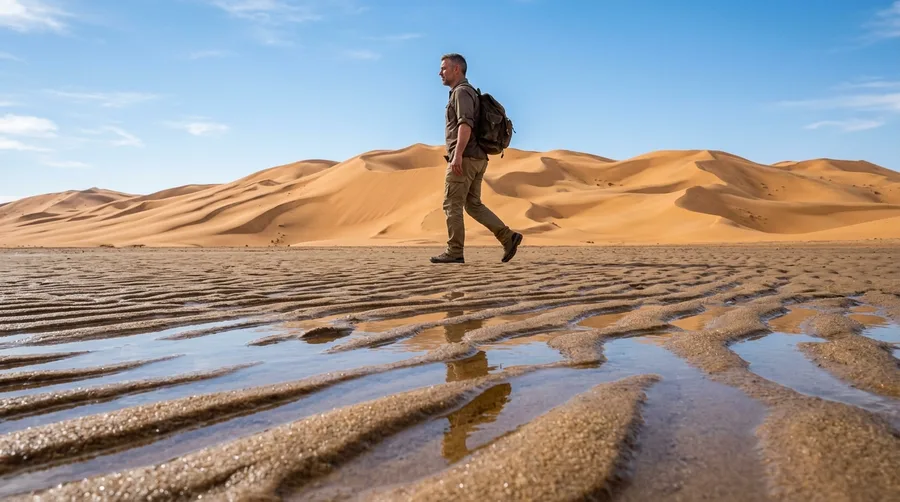
Extreme logistical challenges and military check-posts govern travel into remote Western Desert oases like Siwa.
Endemic desert carnivores like the Saharan cheetah survive here without surface water through specialized biological mechanisms.
Venture into these regions only with multi-vehicle convoys and satellite communication gear to ensure safety.
Local guides are mandatory to navigate shifting dune fields and avoid unmarked military exclusion zones.
7. Taste a Street-Side Koshary Bowl

Step inside a bustling Cairo alleyway amid the clatter of steel bowls and rich fried onion aromas.
Egypt’s national dish layers lentils, rice, macaroni, chickpeas, and crispy onions for roughly 40 EGP.
This bowl fuses Italian, Indian, and Middle Eastern culinary histories.
8. Photograph Giza from the Panorama Point
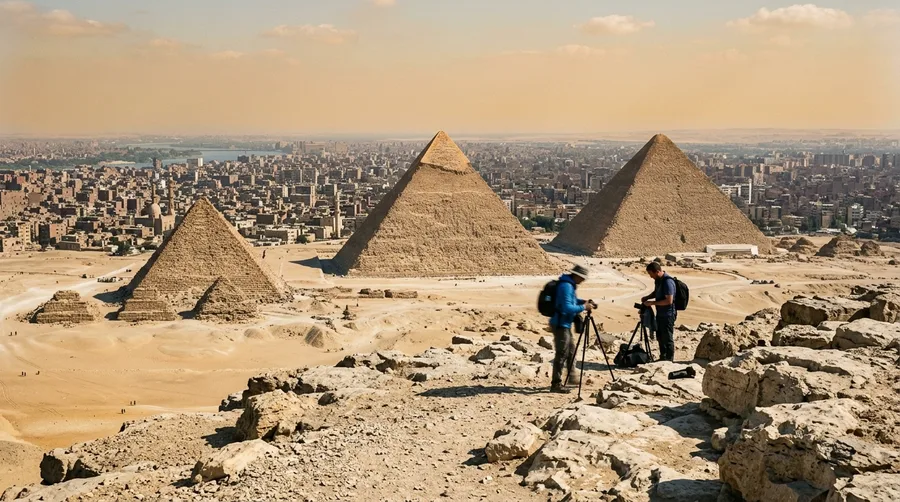
Stand 2 kilometers southwest of the Sphinx on the rocky plateau ridge at 5:00 PM.
Position your camera to capture all three major pyramids aligning with the urban sprawl of Cairo.
Arriving late ruins the shot due to harsh shadows and heavy tourist tour bus congestion.
Giza Sunset Photo Sequence
9. Navigate the Luxor West Bank Tombs
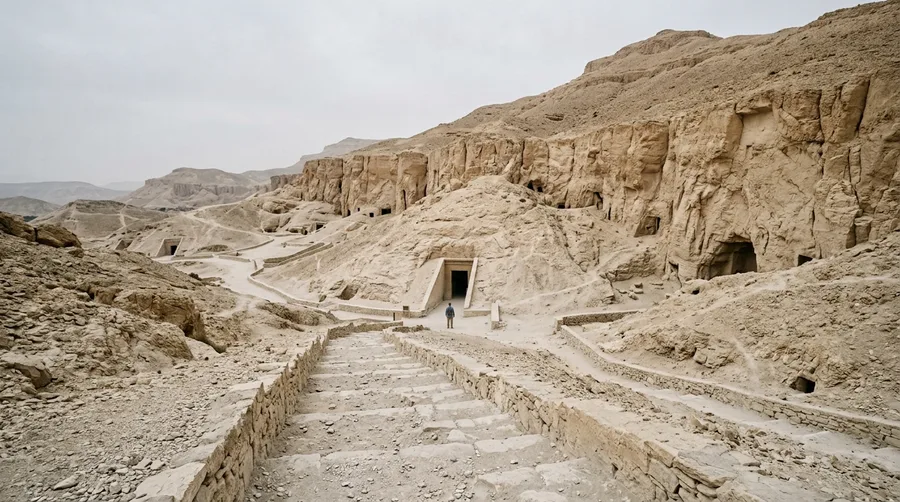
Step out of the glaring midday sun into the cool, painted limestone depths of the Valley of the Kings.
These tombs suit older children fascinated by history, but present real difficulties for strollers or mobility issues.
Choose wider tombs like Ramesses IV to avoid cramped vertical shafts.
10. Browse Artisan Ceramics in Tunis Village
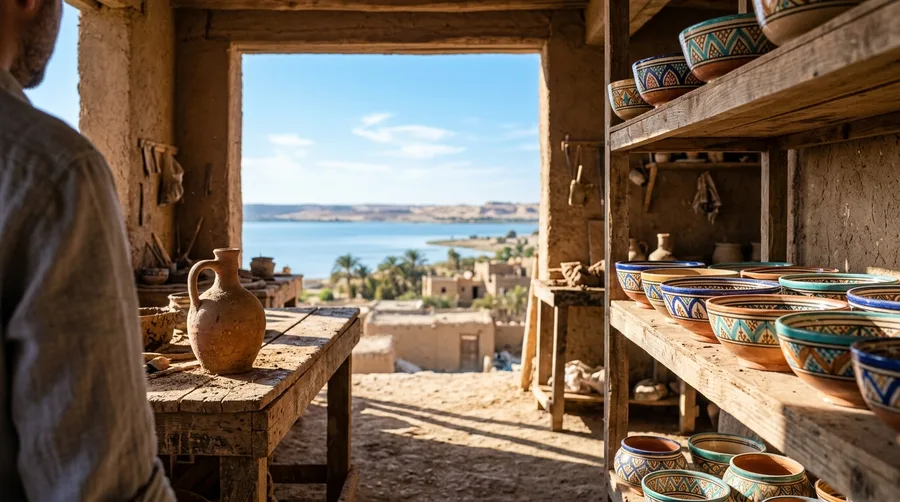
Contrast high-pressure Giza bazaars with the quiet pottery workshops of Tunis Village overlooking Lake Qarun.
Local potters keep ancient glazing techniques alive away from mass-produced trinkets.
11. Sandboard the Dunes of the Great Sand Sea
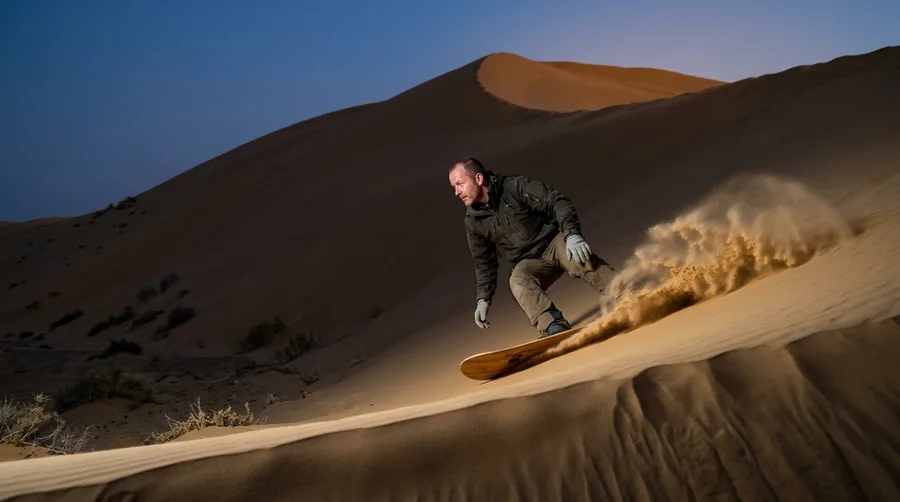
Feel the rush of wind and fine golden quartz sand sliding beneath a wax-coated wooden board.
Hike up a 100-meter dune in Siwa before dropping down steep, shifting slipfaces.
Check your bindings and wear eye protection against wind-blown grit.
12. Explore the Sunken Ruins of Heracleion
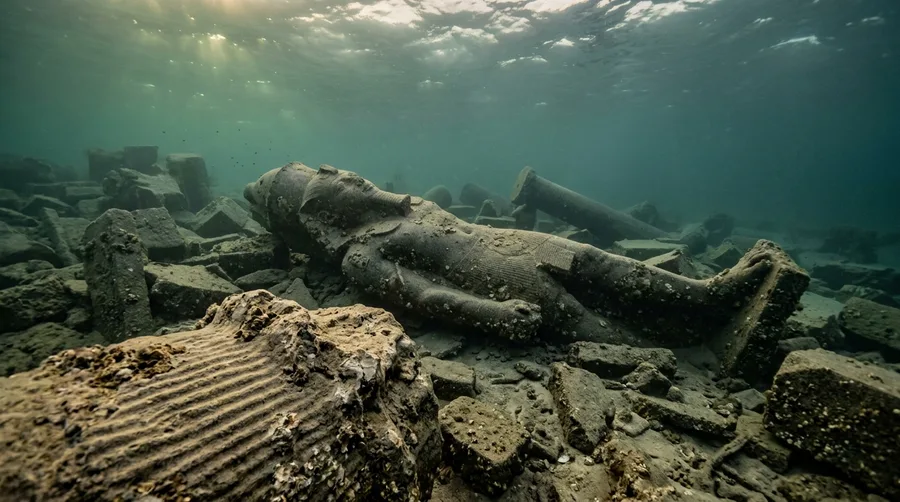
Casual snorkelers must note that visiting ancient Heracleion requires specialized deep-water technical diving permits.
View recovered artifacts safely inside Alexandria’s Bibliotheca instead.
13. Catch Sunrise at Abu Simbel Early
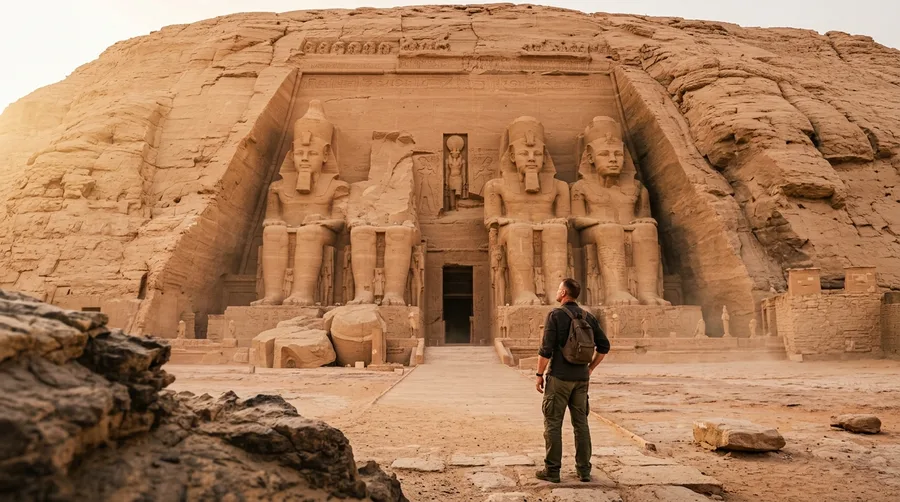
Arrive at 5:15 AM as the first rays strike the colossal statues carved into Nubian sandstone.
Bypass grueling 3-hour tourist bus convoys from Aswan by hitting this exact pre-dawn window.
14. Navigate the Khan el-Khalili Bazaar
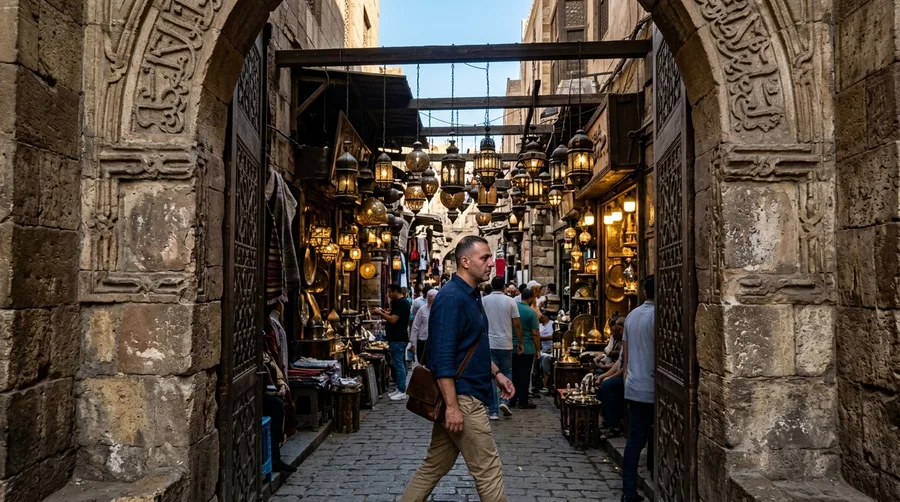
Is the relentless merchant haggling at Cairo’s 14th-century souk worth the sensory overload?
Confront aggressive shopkeepers, counterfeit alabaster, and inflated initial pricing that requires assertive bargaining.
Balance the chaos with medieval Islamic architecture and hidden copper-smith courtyards.
Use firm, polite counter-offers to secure fair transactions without causing offense.
Bazaar Shopping: Do vs. Don't
Smart Bargaining
- Start at 40% of asking price
- Walk away if price stays high
- Carry small Egyptian Pound notes
- Shop in back alley courtyards
Tourist Traps
- Accept the initial quoted price
- Buy alabaster without testing
- Shop right by main entrances
- Show visible frustration
15. Study the Acoustic Whispers of Abydos
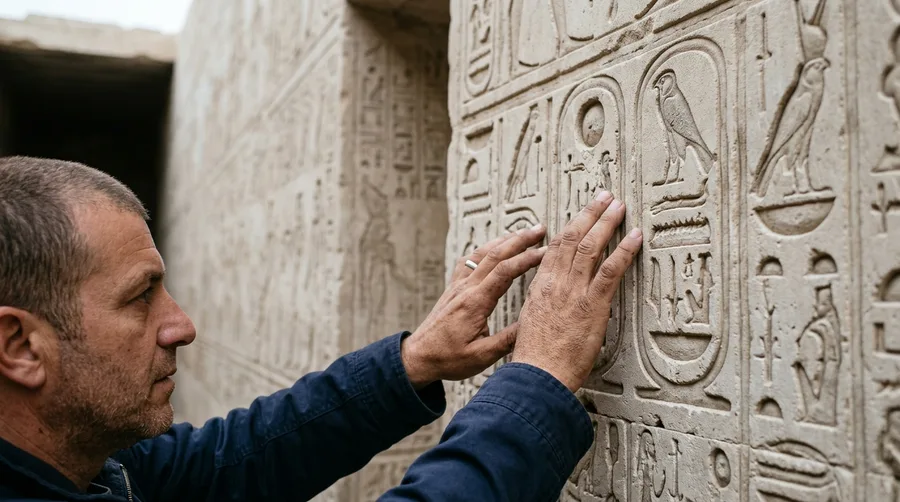
Carved limestone wall panels of the Seti I temple offer architectural anomalies requiring no extra ticket fee.
Inspect the famous hieroglyphics and observe how ancient stonemasons achieved flawless bas-relief depth without modern steel.
🗺️ Typical 10-Day Exploration Route
Cairo & Giza
Explore the pyramids and Saqqara vaults.
Fayum & Siwa
Venture into the Western Desert oases.
Luxor & Abydos
Tour West Bank tombs and megalithic temples.
Aswan & Abu Simbel
End at the southern Nubian frontier.
Frequently Asked Questions
What is the best time of year to visit Egypt?
Plan your trip between October and April when daytime temperatures remain comfortable for outdoor exploration.
Do travelers need a visa in advance?
Most international visitors can obtain a tourist visa on arrival at Cairo International Airport for $25 USD.
Is independent travel safe outside tour groups?
Major Nile corridors are secure and heavily policed, though remote desert regions require mandatory police permits.
How should visitors handle local tipping?
Keep small Egyptian Pound notes handy for bathroom attendants and hotel staff as part of local custom.
Beyond the Monumental Mirage: Why Egypt Refuses to Stay Solved
Ancient Egypt’s enduring allure lies precisely in its unresolved mysteries rather than neat historical summaries.
Looking past the standard tourist queues reveals a landscape engineered with precision that defies easy categorization.