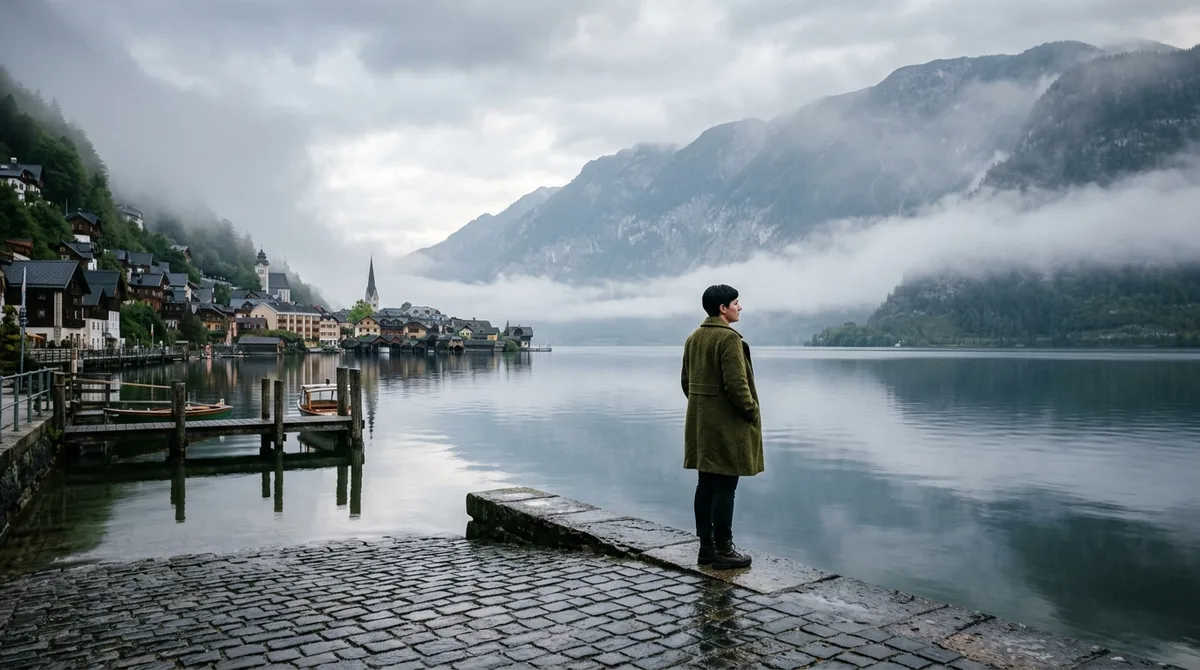
Skip the crowded coach tours and head straight for the quieter stone docks where local fishermen mend their nets before dawn.
You will trade highway concrete for mirror-like alpine water that reflects jagged limestone peaks.
Twelve distinct towns across four countries await your boots.
Rent a wooden skiff, climb castle staircases, and sip bitter espresso while morning mist clears off the water.
Pick three stops or string them together into a two-week road trip.
Quick Tips Before You Start
Rent a Small Car
Narrow medieval lanes demand compact hatchbacks.
Carry Cash Euros
Small bakeries and boat rentals often skip card payments.
Arrive Before Nine
Park spaces fill up fast near the waterfront.
Pack Grip Soles
Wet cobblestones become slick after morning rain.
How Many Days Do You Need for the Route?
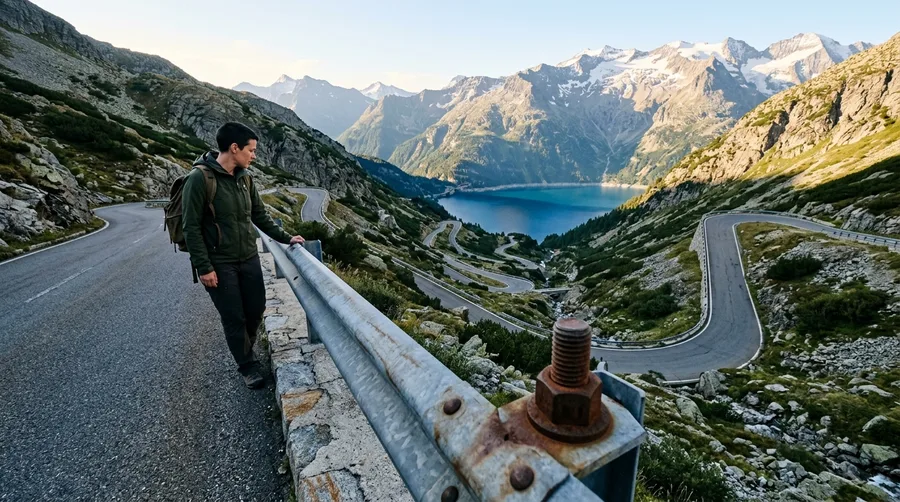
The morning air hits your lungs like dry ice before the first espresso machine sputters awake in the square. You are staring down a twelve-stop circuit across four alpine countries, and rushing it transforms a legendary drive into an expensive commute.
Allow at least twelve days if you want to cover all twelve stops without rushing your mornings. That gives you roughly one stop per day with enough breathing room for unexpected road closures and long lunches by the water.
You will spend roughly three hours driving between adjacent mountain valleys on roads that switch back faster than your passengers can photograph. Budget around $2,150 total for fuel, vignette motorway stickers, and lakeside parking fees over the fortnight.
Spend two nights in the larger hubs like Annecy or Bled to unpack your bags and learn the local bakery names. Take single nights in the smaller alpine villages where the streets go dark by nine o’clock and the hotel key is heavy brass.
Book the lakeside heritage properties with balcony views six months out or you will end up fifty minutes inland behind a concrete roundabout. Bring your passport for the sudden Swiss border crossings and save your toll receipts in the glovebox.
At a Glance
Alpine Lakes Route Map
Save this map route to your phone before heading into mountain passes.
💡 PRO TIP
Beat the Tour Buses
Local ferry operators offer early departure slots thirty minutes before the main ticket windows open.
1. Rent a private salt mine tour boat in Hallstatt
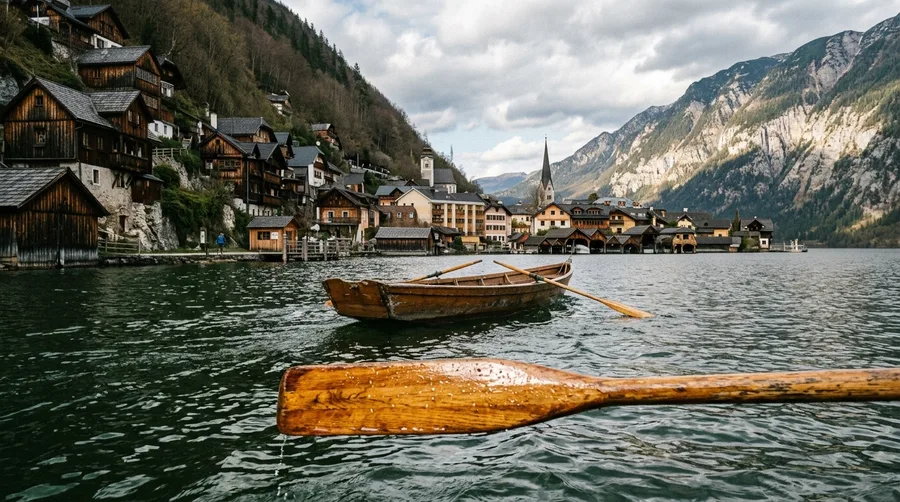
After the long mountain switchbacks, this stop trades steering wheels for a wooden oar as you glide past chalets built straight into vertical rock faces. The smell of damp wood and pine resin hangs thick over the early morning lake air while church bells echo across the water.
Book the private early morning wooden boat rental through the central dock office for roughly forty euros to stay far away from the midday tour groups. The historic subterranean salt mine tour costs about thirty-eight euros per adult and takes you deep inside the mountain via a wooden miners slide.
💡 Tip: Park in the underground P2 garage early; surface lots fill up by eight o'clock.
Hallstatt Stop — At a Glance
⏱️ Time Needed
1 Full Day
💶 Avg Cost
EUR 50
🚗 Parking
P2 Garage Only
Pro Move
Walk past the main square to the southern viewpoint for empty photos.
2. Cycle the perimeter of Lac d’Annecy
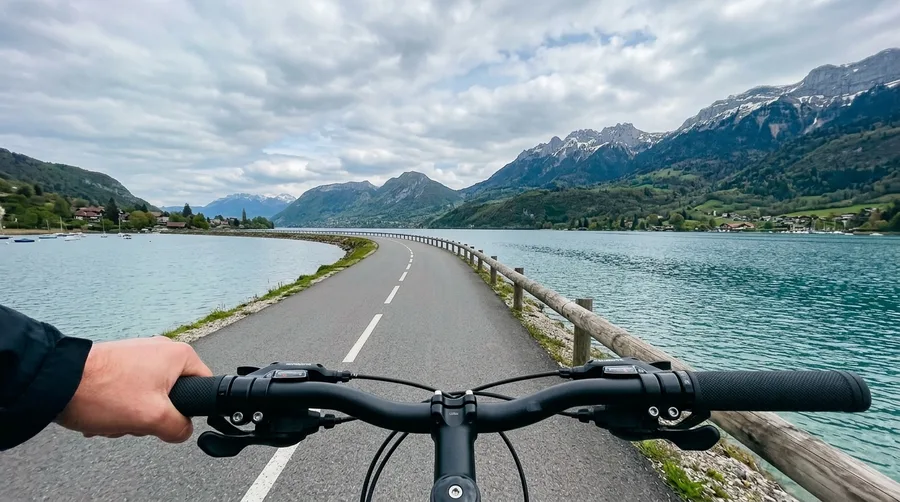
The voie verte bike path stretches forty-two kilometers around the clear blue perimeter of Lac d’Annecy on a dedicated asphalt route separated entirely from car traffic.
Rent a hybrid bike from town for twenty-five euros and pedal past public swimming beaches and mountain tunnels where you can stop for a swim whenever the sun gets too hot.
Best For
3. Swim out to the island church in Bled
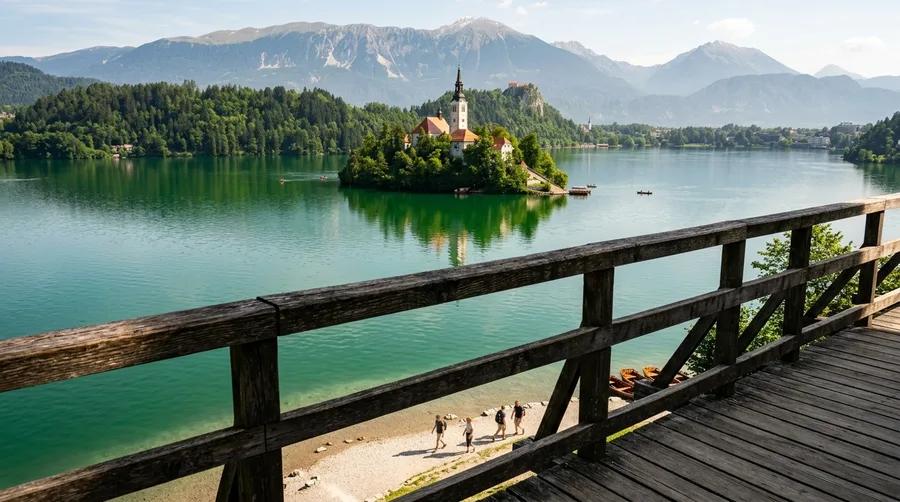
You will hear the heavy bronze thrum of the pilgrimage bell rolling across the water before your feet even touch the pebble shore.
This glacial lake costs nothing to walk around and rewards you with clear emerald water.
Skip the crowded main docks where tourists queue for overpriced rentals, and swim the final hundred meters to the island bell tower yourself from the western tip near the public bathhouse.
💡 Tip: Wear water shoes to protect your feet from jagged lakebed stones.
⚠️ COMMON MISTAKE
Avoid Main Street Cafes
Waterfront restaurants charge double for standard coffee. Walk two blocks uphill for local prices.
4. Wander the silent alleys of Orta San Giulio
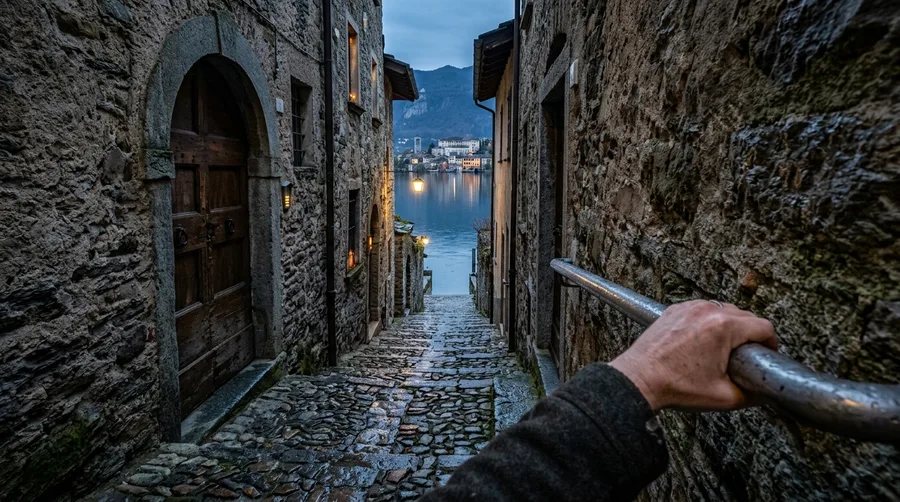
If you do one thing on Lake Orta, catch the small public motorboat across to San Giulio Island for about five euros and walk the silent path of silence.
Locals skip the busy lakes to the east in favor of this quiet medieval peninsula on Lake Orta.
You will smell woodsmoke and roasting hazelnuts drifting down from stone courtyards before you spot the piazza.
🗺️ How to Plan Your Lakeside Drive
Map the Route
Plot your mountain passes and tunnel tolls in advance.
Secure Car Rental
Book a manual transmission hatchback with winter tires.
Book Lodging
Lock in village guesthouses with on-site parking spaces.
Pack Gear
Bring waterproof layers and sturdy walking shoes.
5. Photograph the castle keep above Spiez vineyards
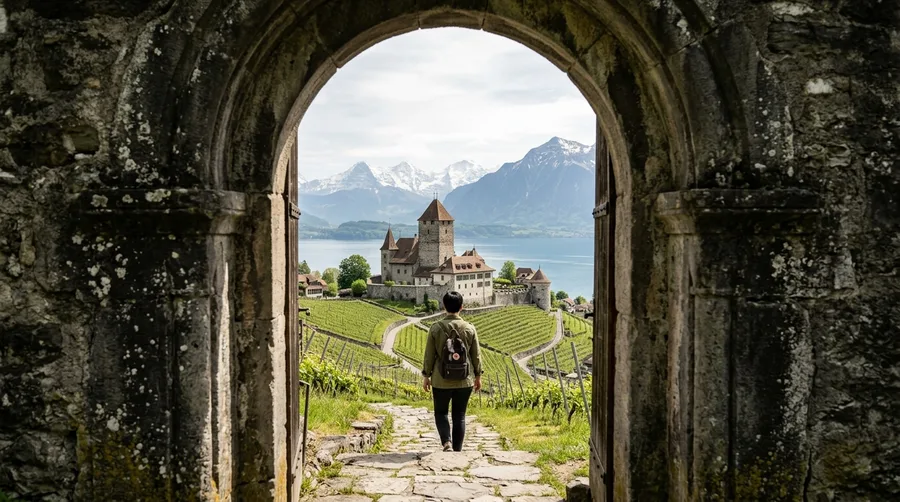
Watch for sudden tour bus arrivals that choke the narrow single-lane approach road before you commit to pulling off near the terraced vines. Admission to the eleventh-century castle and Romanesque church sits right around ten Swiss francs.
That ticket unlocks the rooftop tower view across Lake Thun, though the interior rooms feel largely bare if you are expecting a fully furnished museum experience.
Choosing Your Lake Style
Alpine & Wild
- Cold glacial swimming water
- Steep hiking trails from the dock
- Traditional wooden chalet architecture
Italian & Warm
- Mild afternoon swimming temperatures
- Piazza dining under lemon trees
- Cobbled pedestrian promenades
6. Explore the Roman ruins at the Sirmione tip
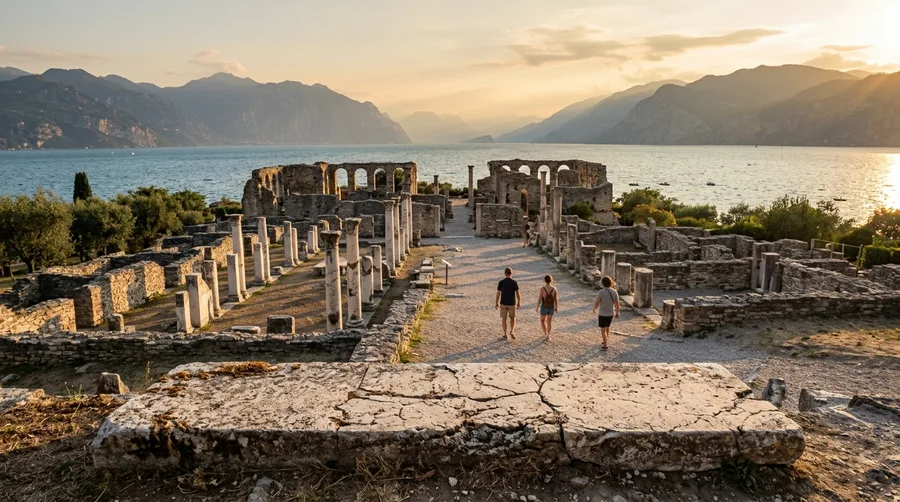
Eight euros gets you past the ticket booth and right into the sprawling archaeological site sitting at the very northern tip of the peninsula.
Watch out for massive crowds bottlenecking the single medieval drawbridge entrance every afternoon.
Skip the electric golf cart shuttles and walk instead, then find a stone slab near the olive groves to sit down and do nothing for an hour.
7. Ride the historic steam cog railway in St. Wolfgang
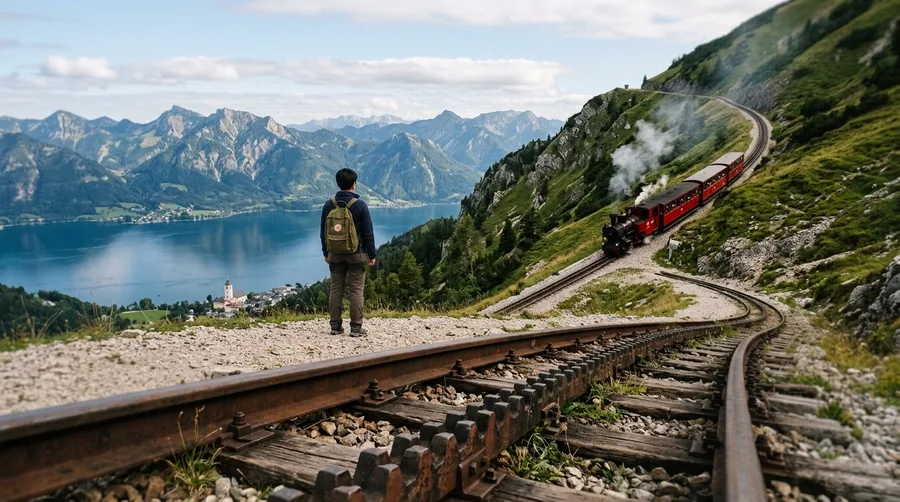
Worth the forty-five euro ticket just to ride Europe’s steepest steam rack railway? Forty-five euros buys you a seat on red carriages climbing forty minutes up the Schafberg mountain until the entire Salzkammergut lake district opens up below you.
Grab a cold Stiegl beer at the summit restaurant for about six euros before taking the afternoon train back down to the water.
Skip the morning rush when tour groups pack the platform and book the final afternoon descent instead.
8. Sip local Garda olive oil wine in Malcesine
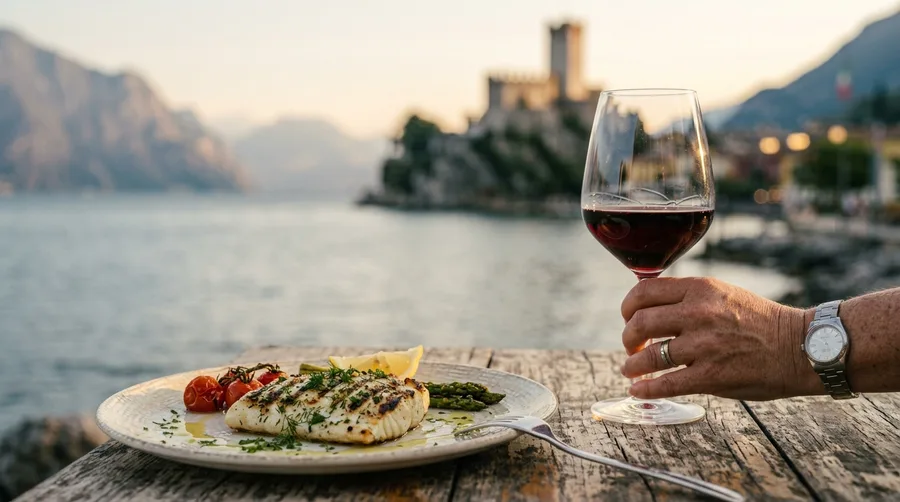
Watch out for the midday ferry crowds dumping hundreds of foot-passengers directly into the narrow waterfront alleys before you choose your table.
The stone lanes here twist steeply up toward a Scaliger castle overlooking Lake Garda’s widest basin, a fortress built by the della Scala family in the thirteenth century to command the narrow northern shipping lanes. For generations, soldiers guarded these battlements against Venetian galleys while local fishermen hauled whitefish straight from the deep trench below.
Curious about what pairs best with freshwater lake fish? Order a glass of local Bardolino red wine and grilled whitefish at a harborside table for roughly eighteen euros.
Give yourself an hour to explore the castle keep after eating, climbing the worn stone steps where Goethe was once briefly detained on suspicion of espionage during his Italian journey. Duck into the quiet courtyards away from the main square to escape the afternoon heat.
9. Climb the covered wooden bridges of Thun
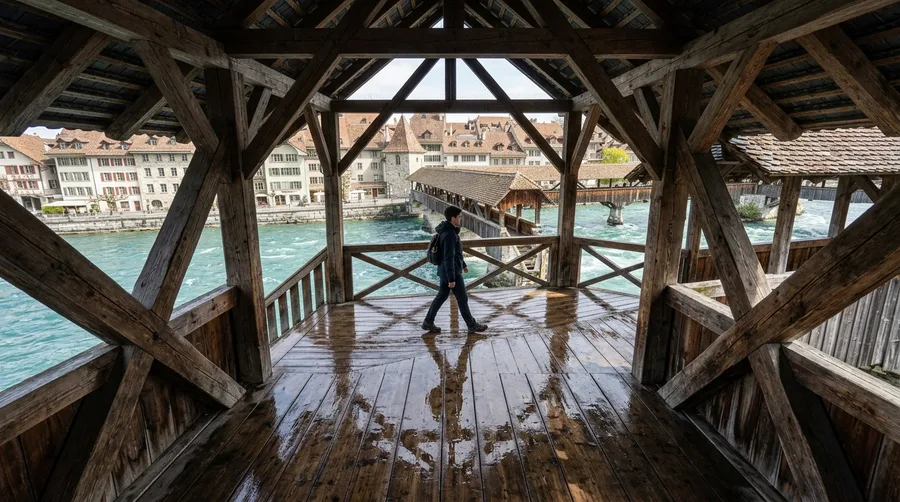
Worth the detour just to watch surfers ride the standing river wave right in the center of the old town channel? Spend an hour doing exactly that before you even touch a bridge.
Thun served as a strategic medieval marketplace where goods floated down from the Bernese Oberland peaks, and you can walk across the raised wooden bridges for free while keeping an eye out for alpine waterfowl along the banks, though you should beware of fast-flowing river currents if you decide to swim near the historic weir gates, and you can explore the twelfth-century castle tower museum for about twelve Swiss francs.
10. Spot alpine waterfowl along the Zell promenade
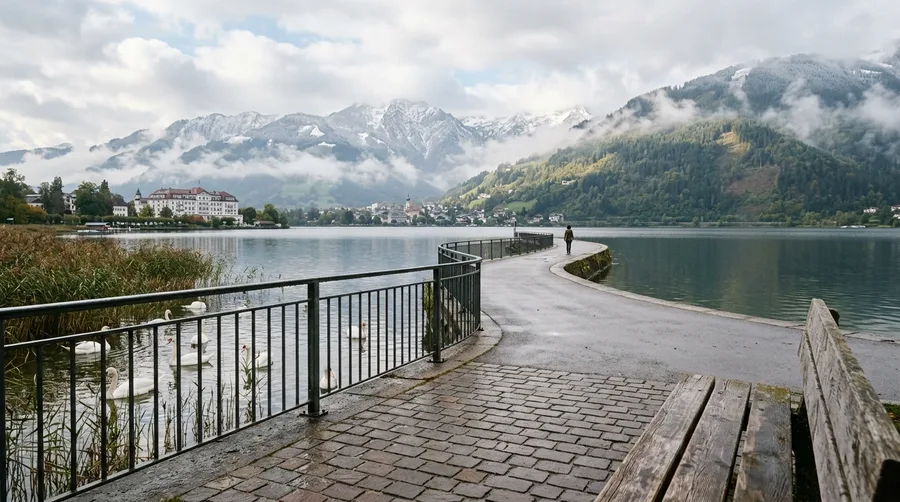
You will hear the water lapping against the stone seawall long before the first jogger jogs past you.
Want a guaranteed glimpse of native grebes and herons without hiking into high wilderness? Walk the paved lakeside promenade at sunrise when swans gather near the reed beds.
Stand right where the path narrows near the historic Grand Hotel to frame the glassy reflection of the Schmittenhöhe peaks rising directly behind the morning mist.
Early light hits the eastern shore around 6:45 AM during peak summer months, casting a copper glare off the water that makes the entire backdrop look entirely unreal.
Bring a thermos of local coffee and skip the crowded café strip entirely until the morning chill fully burns off by 9:00 AM.
11. Stroll the cypress walkway of Villa Monastero
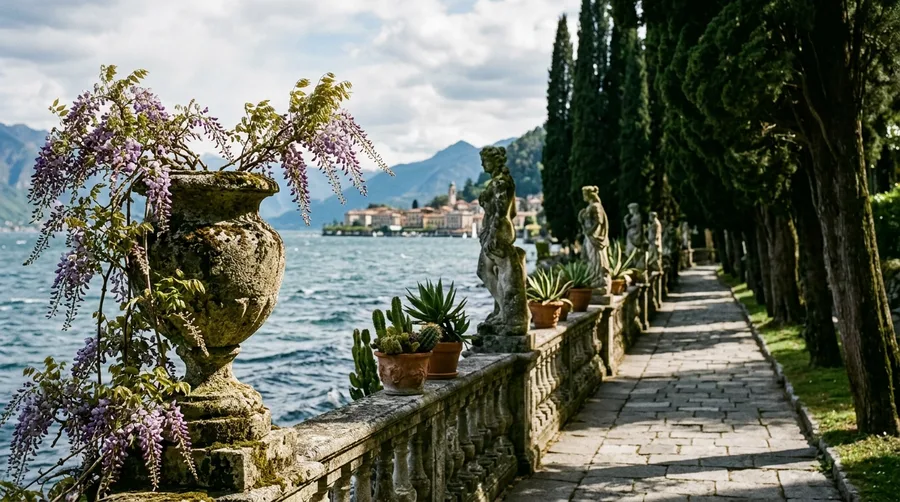
If you do one thing here, do this: time your visit for after 5:00 PM when the sun drops behind the western peaks and turns the villa stone golden. You will smell blooming wisteria and damp cypress needles long before you reach the wrought-iron gates of this botanical garden clinging to the cliffs of Lake Como.
Pay the 10 euro entry fee and walk slowly along the stone balustrades lined with rare succulents and ancient statues while looking across the water toward Bellagio.
12. Cross the wooden bridge to Schloss Ort
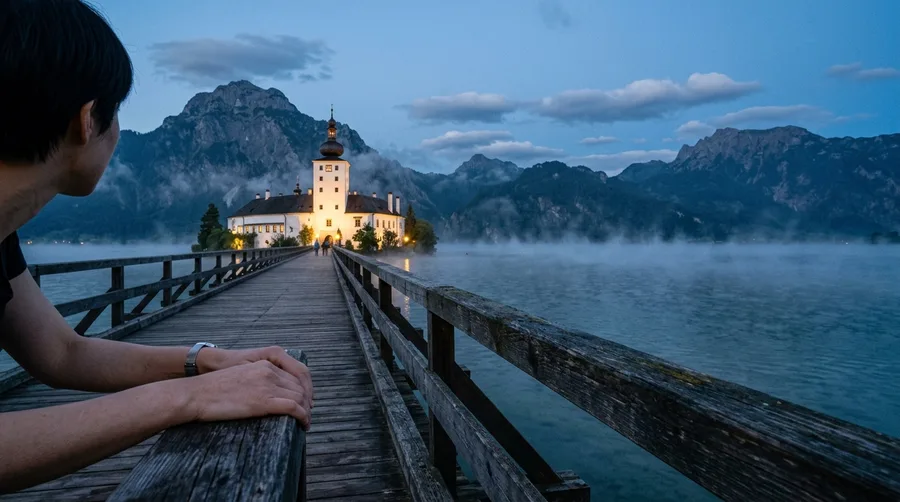
After all that driving, this one is twelve steps from the car park and sits entirely on the water.
Time your visit for seven in the morning before tourist coaches arrive at the lake island castle.
Walk the 123-meter wooden bridge across Lake Traunsee in total silence while mist rises off the water.
Frequently Asked Questions
Are these lakeside towns expensive to visit?
Swiss and Austrian lake towns run higher, averaging 150 euros per day, while Slovenian and Italian spots offer better value around 100 euros daily.
Do I need to rent a car for this lake route?
A car gives you freedom in smaller mountain valleys, though trains and ferries connect major lakes like Como, Annecy, and Garda efficiently.
When is the best time of year to see alpine lakes?
May and September offer warm weather, manageable crowds, and open ferry schedules without peak summer gridlock.
Can I swim in these European lakes?
Most alpine lakes are clean and swimmable by June, though mountain runoff keeps water temperatures brisk even in midsummer.
Start With This One Lake
Pick Lake Orta or Lake Bled for your first trip if you want to avoid highway traffic and crowds.
Pack your boots, save your route map offline, and head out before sunrise.