Getting this wrong costs money you cannot earn back and years you cannot re-spend. I am 65, a retired middle-school principal in Columbus, Ohio, and eight months into both of us being home, the word divorce came up over a $2,100 monthly pension gap and who was going to call the repairman. Not over 38 years.
What I could not see from inside it was this: the problem was never the length of the marriage. It was eight months of two different daily routines, money rules neither of us had ever said out loud, and bickering about the house and the spending that had nowhere else to go.
If you are quietly wondering whether long-standing irritation means divorce, test it before you decide. One 90-minute session with a licensed marriage counselor and four index cards can tell you which problem you actually have.
By the end you will know whether to book that session and bring four cards, what you miss, what you resent, what you want in the next five years, what you will stop doing, or to skip the couples talk entirely for individual safety help if abuse, addiction, or contempt is present. You will also know the first agreement to try.
A near-divorce can be a retirement that was never negotiated. Mine was. The structure we built afterward is the whole story, and it started with one paid hour and a pen.
Retirement turned small irritations into divorce talk

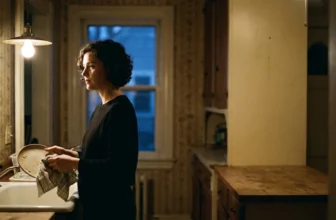
The divorce talk started because retirement removed the structure that had been keeping two people out of each other’s way. Thirty-eight years, two grown children, a house in Columbus that was finally paid down. And then, eight months in, we were arguing about a thermostat.
I had been a middle-school principal for thirty-one years, and my days had been shaped by bells and a schedule I did not set. My husband retired from HVAC a year later, at 66, and his days were shaped by nothing at all until he started filling them with the garage. I was out the door by eight. He was under a car or rewiring a lamp. We would pass in the kitchen around noon and have nothing to say that was not a logistics question.
The $2,100 monthly pension gap gave us something to fight about. Repair bills. Whether the heat needed to be at 68 or 70. Grocery receipts I started keeping in a folder, which I now understand was surveillance wearing the costume of budgeting. I would look at a $47 receipt and think: we are not compatible people. That was not a conclusion. That was eight months of unstructured days and one number I could not stop staring at.
The word divorce had come out before, in anger, the way it does in year twelve or year twenty. What changed after retirement was that it stopped leaving the room. I wrote the names of two divorce lawyers on a legal pad by the phone. He talked about what the house would list for. Nobody slammed a door. That is what made it sound reasonable to both of us – not one blowup, but the same sentence repeated often enough that it began to resemble a plan.
What I got wrong was reading thirty-eight years of small friction as a verdict. It was a calendar problem and a $2,100 problem, and I had dressed them up as a marriage problem because a marriage problem at least has an answer.
Separating for six weeks made the stakes concrete
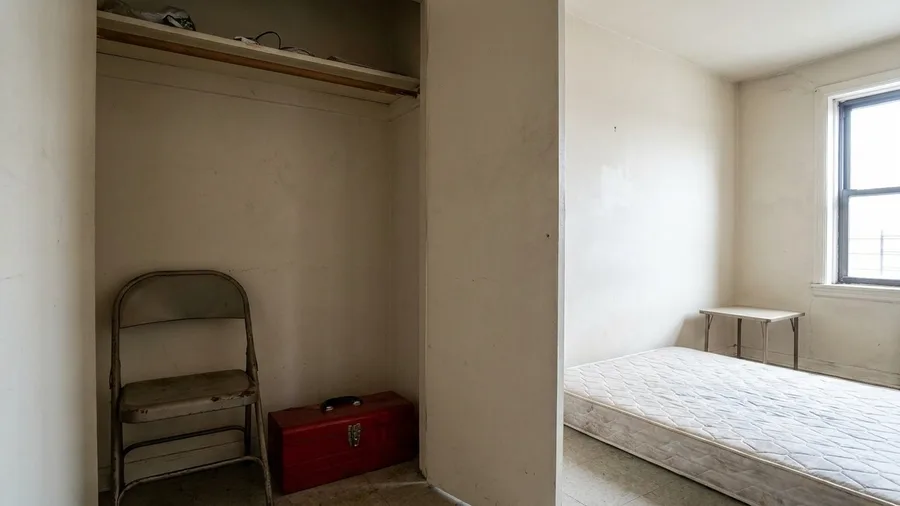
We tested it. I found a one-bedroom apartment a fifteen-minute drive from the house, $1,150 a month, and I paid the first month out of my own pension on a Tuesday afternoon. He stayed in the house and covered the utilities.
The apartment had one closet big enough to matter, and I remember what was in it. My folding chair from the porch. His toolbox – he had brought it over the first weekend to fix a cabinet door that had never closed right, and then left it, which I read at the time as an accusation.
The calls were the part neither of us anticipated. He phoned on day nine about the water bill. I phoned on day twenty-one about a doctor’s appointment I had moved and needed him to know about. Two calls in six weeks. There were no good-morning texts, no check-ins, nothing that would have told either of us whether the other was sleeping or eating or sick.
I made eggs and soup for one person and got good at it. He ate takeout, mostly from the same two places. The first week I slept better than I had in years – no comments about my driving, no television choices to negotiate, quiet at eleven o’clock. Then one afternoon I came around the corner into that small kitchen and moved out of the way of a body that was not there.
When he said what he missed, it was the garage and regular meals and being the person someone called when a thing was broken. Not the arguments. When I said what I missed, it was the porch and having someone in the house who noticed that my day had happened. Neither of us named the bickering. That tells you something about what the last eight months had been worth.
it puts a price on each side. Rent, loneliness, the relief of quiet, takeout for one – I could add it up. What I got wrong was thinking the separation would answer yes or no. It only showed us what we would each lose and what we would not miss. Divorce stopped being a threat and started being a cost, which is a different and much less exciting thing.
⚠️ COMMON MISTAKE
Don't expect a separation to vote
Six weeks apart can show you what you would miss and what you would not. It cannot decide the marriage. Treat the time apart as pricing, not as a verdict, or you will come back with the same argument and a higher rent bill.
We booked a counselor before we booked a lawyer
The lawyer names were still on the pad, and we agreed to spend $180 on a licensed marriage counselor before spending anything on a filing.
Both of us walked in skeptical. He said out loud that talk was not going to fix a pension. I expected a counselor to take a side, probably mine, and tell him to loosen the thermostat and open the checkbook. We booked one 90-minute session. I paid by card at the end. No call had gone to any attorney.
The counselor set rules before we said anything of substance. No interrupting. No verdicts. She was not a referee and not a judge. She made clear that nobody was deciding to file that day. The job for the next 90 minutes was to finish the 90 minutes.
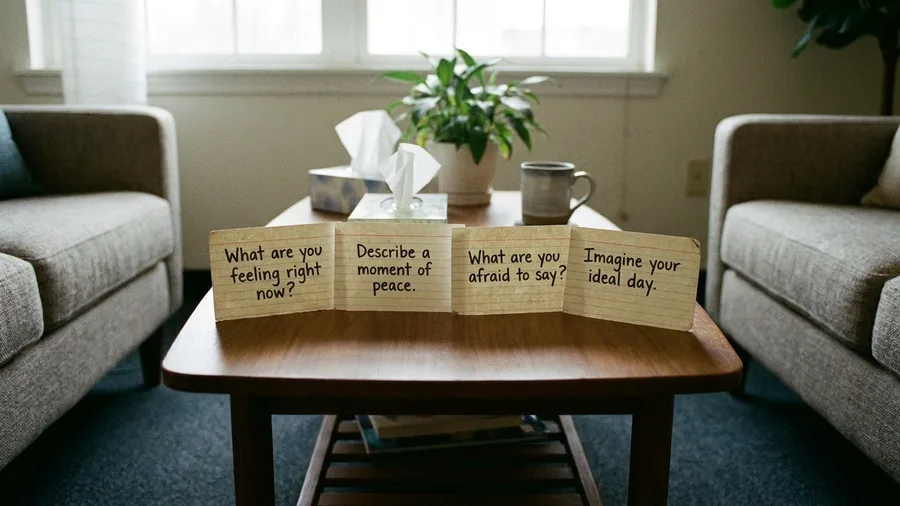
I had written four prompts on index cards the night before: what each of us missed, what each of us resented, what each of us wanted in the next five years, and what each of us would stop doing. Four cards, sitting on the table between us like a menu.
That is what a paid date and a set of rules buys. It lowers the stakes enough for two people to be honest, and it turns the divorce threat into a scheduled decision with a price and an end time. Nine forty-five to eleven-fifteen, and then we would go home.
The talk never was going to fix the pension. It was there to make the choice deliberate.
🗂️ How the 90 minutes ran
0-10 min: rules
She set the rules and asked each of us to say one sentence about the pension without the other responding.
10-30 min: missed
The rule here was no defending. Whatever was named, the other person could only ask 'tell me more' once.
30-55 min: resentments
This is where it got loud. She let it run eight minutes, then made each of us repeat the other's complaint back before answering.
55-75 min: five years
He went first. His five-year picture had me in it but not the house. That was the sentence that changed the room.
75-90 min: stops and homework
We each named one stop, she wrote them on the backs of the cards, and we booked the next session before we left. $180, same time.
The first prompt was what we each missed

What each of us missed went first because a loss can be heard without a defense going up. The counselor held up the first index card before either of us had spoken a full sentence: what do you miss. One rule for the round. No accusations. If a sentence started with ‘you,’ she stopped it and asked for the thing underneath.
My husband went first, which surprised me. He said he missed being needed. Thirty years of repair calls, neighbors knocking about a furnace, the phone ringing because somebody wanted his hands. He said nobody asks him to fix anything now, and he said it flat, looking at the card, not at me. Retirement hadn’t just taken his job. It had taken the line of people who wanted him.
What I missed took me longer to say. I missed deciding at 4 p.m. to take a drive, or to see the grandchildren, without running it through a shared calendar first. I missed the silence in the car that used to be easy and had turned into something I was managing.
The counselor repeated each statement back in her own words, no judgment attached, and that was the whole trick. Hearing my husband’s loss read back to me made it information instead of a defense. The tone in the room changed from attack to data. For a reader in their 60s: name what you miss without blame attached, and you hand your spouse something to work with. That round turned the divorce question into a fact to look at.
The second prompt uncovered the resentments we had hidden

We were angry about small, datable behaviors, not about each other’s character, and the second card forced us to say them that way. One behavior at a time, each with a time and a place. No ‘you always’ allowed. The counselor said if an item couldn’t be pinned to a specific day, it wasn’t ready to say yet.
What came out: my comments about his driving, every time he merged. The porch repair he’d left half done since April. The $300 purchases I’d made and folded into the grocery total so he wouldn’t see them. His assumption that Sunday belonged to us both, no discussion.
The part that landed hardest was hearing which complaints the other had already dismissed. I’d been calling my driving commentary helpful, a public service. He’d been filing my porch complaint under nagging and letting it sit. Each of us had a grievance the other had quietly thrown out.
The counselor shut down scorekeeping the moment it started, when my list got longer than his and I felt a small, ugly satisfaction about it. No tally of who did more. Just items, each one a behavior that could be changed, because a character attack can’t be. Once the resentments were written down as data, divorce looked less logical than it had an hour earlier.
💡 PRO TIP
Turn every complaint into a time and a place
In the session, 'he never helps' is not allowed. 'Last Saturday I asked you to fix the porch and you watched golf' is. The more specific the behavior, the more possible it is to change, and the less it sounds like an attack on the person.
Picturing five years ahead clarified what we wanted
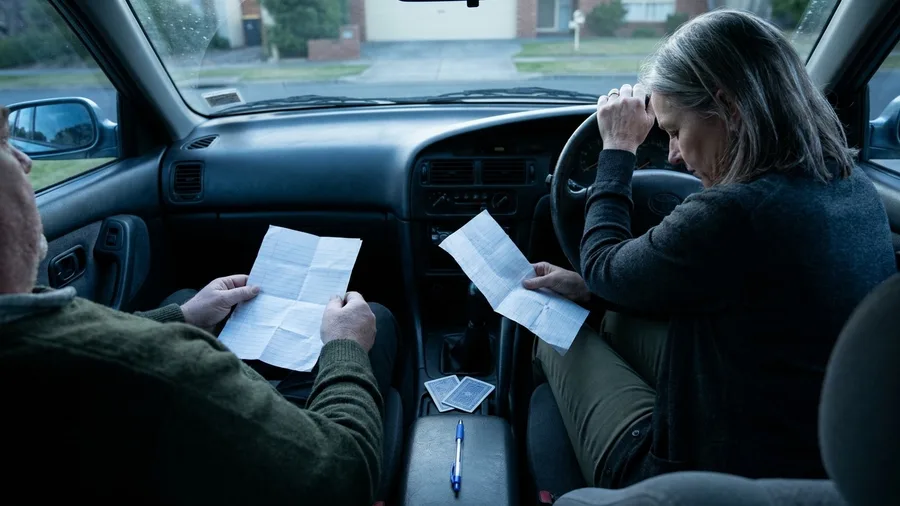
We decided by whether two five-year pictures could be financed and scheduled side by side, not by counting up how irritated we were. The third card asked for two futures: one separate, one shared. House, travel, grandchildren, what a Tuesday looks like. Each of us wrote both without talking.
My picture kept the house, put us on a plane once a year, had the grandchildren in and out, and left room for a 4 p.m. drive with no committee meeting first. His picture had the garage, a few paid repair jobs to keep his hands busy, quiet evenings, and meals he could predict. Reading them out, neither of us heard a person we wanted to leave. We heard two retirements that had never been introduced.
Then the counselor asked the question that did the work. What would each of you pay to keep this. I said I’d stop watching the receipts and put real money in a separate account so I wasn’t tracking his every purchase. He said he’d sell a car and stop treating Sunday as owed to us both.
For a reader in their 60s: the marriage is worth keeping if two five-year pictures can be financed and scheduled, not if the irritations have finally gotten loud enough. The divorce question hung on the future, not the past.
What we would pay to keep the marriage
These offers were written on the back of the index cards and reviewed four weeks later.
The fourth prompt asked what we would stop doing
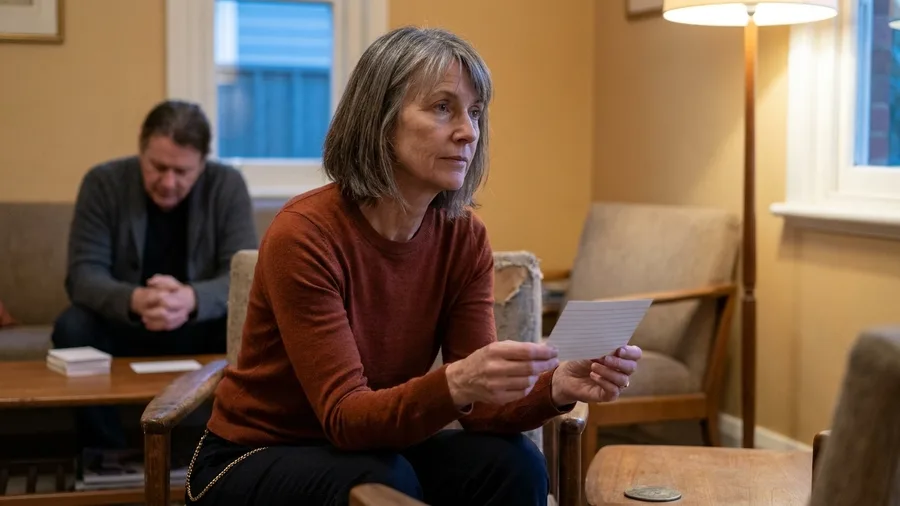
A five-year picture only becomes a plan when each of you names the behavior you will give up to pay for it, so the fourth card was the one that decided whether the other three were real.
Mine was short enough to fit in a sentence: I would stop commenting on his driving. Not offering to take the wheel, not the small inhale from the passenger seat, not the recap of how the merge went. That was a behavior with a time and a place, and it was the one he had raised twice already and I had explained away twice.
His was stop assuming Sunday was joint time. If he wanted the day in the garage, he would say so by Saturday night, and it would not come as a surprise over breakfast.
The written list on the back of the cards covered the smaller ones too: stop interrupting, which meant letting a sentence finish even when I knew where it was going, and stop hiding purchases, which meant putting a $300 coat on the table instead of in the back of the closet.
Nothing on that card was a general promise. No one wrote down be more patient or communicate better; if a behavior could not be pinned to a time and a place, it did not go on the list.
We set a review date four weeks out, wrote it on the same card, and left the counselor’s office with a plan instead of a verdict.
That is the whole test of the fourth card: if the stops are concrete enough that your spouse could tell you, on a given Tuesday, whether you did them, the marriage has something to work with. If the best you can write is that you will try harder, you have not made a decision about anything yet.
Threat versus decision
Divorce as a threat
- Said in anger during a fight about the thermostat
- No date, no cost, no plan
- Used to end an argument, not to start a conversation
- Leaves both people guessing what the other will actually do
Divorce as a decision
- Named once, in a scheduled 90-minute session
- Priced with a rent figure, a counseling fee, and a review date
- Chosen with the five-year picture on the table
- Can be chosen or set aside, but not used as leverage
A Sunday check-in replaced the silent treatment
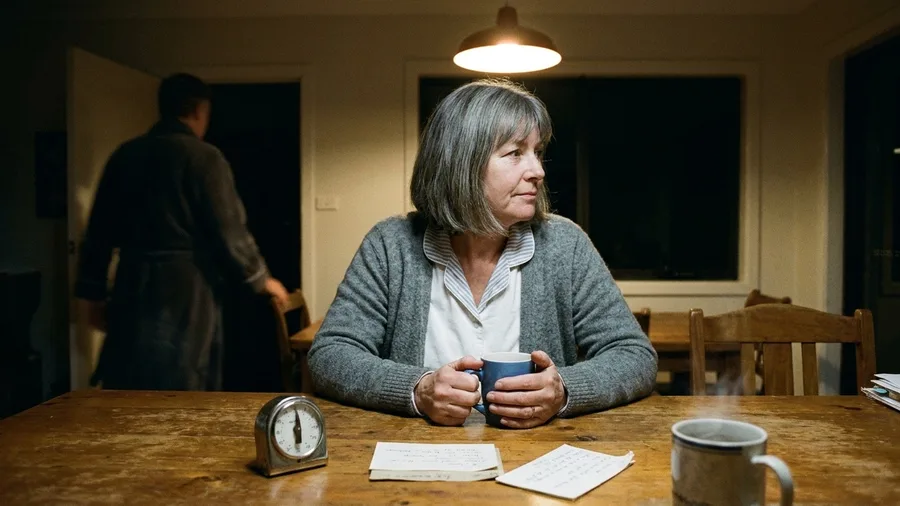
The stops needed a clock, or they would have lasted three weeks and dissolved, so we put a timer on the kitchen table every Sunday and gave it 30 minutes.
The check-in starts with appreciation, not grievances. Each of us names one thing the other did that helped that week, and it has to be specific: he took the car in before I asked, I handled the insurance call he hates. Thirty minutes, timer set, and when it goes off, no new topics. Anything still burning waits for the next one.
Once a month the four index cards come out of the drawer and we run the same prompts again: what we missed, what we resented, the five years, the stops. The cards have gotten dog-eared enough that I could recite them, which is rather the point.
The money was the part that changed most. We kept the house, sold one car, and set a $300 monthly separate-money allowance each. That allowance ended the receipt-keeping entirely. He can buy what he wants with his, I with mine, and neither of us is auditing the other.
Short scheduled talks keep a small irritation from growing back into divorce talk, and the monthly review keeps the whole thing a decision with a date instead of a threat thrown in anger.
The first Sunday is strange. Do it anyway; it gets less strange by the fourth.
Our agreement at a glance
🏠 The six weeks prior
Rented a one-bedroom at $1,150 a month before we sat down
🕒 The conversation that turned it
One 90-minute session with a licensed counselor, $180
🗂️ The four index-card prompts
What each missed, resented, wanted in five years, would stop doing
⚠️ What we'd name as the warning sign
If bickering turns to selling the house before you book the talk, book it first
✏️ What we got wrong
We wrote lawyer names before we wrote the prompts
Skip this if
If the silence has already hardened into separate lives with no shared calendar, a Sunday timer alone will not restart it; the counselor first, then the timer.
The conversation didn’t fix everything but changed the choice

It works in the sense that two years later we have not filed, we still see the counselor once a month at $180, and the Sunday check-in is still on the calendar. It does not work in the sense that we have stopped arguing. Last month it was a broken porch light and whether to drive to our daughter’s on a Thursday or a Friday.
So the honest version: the conversation did not fix the marriage. It changed how the choice gets made. Divorce went from something I could say in the middle of an argument, knowing it would land, to a deliberate decision with a price, a date, and two years of evidence on the other side of it.
There is a line beyond which none of this applies. If there is abuse, addiction, or contempt in your house, a couples talk is the wrong tool and can make things less safe; that is individual help, a domestic violence line, a counselor of your own, not four index cards.
What I would do again is simple: the four cards and one 90-minute session before calling a lawyer. What I got wrong was expecting the conversation to end the conflict. I thought the talking would stop the arguing; it only stopped the threats.
Frequently Asked Questions
How do you know if it’s worth trying counseling instead of divorce?
Try counseling if neither of you has filed and neither of you uses the word divorce only as a weapon. A 90-minute session with a licensed counselor costs about what a lawyer’s initial consultation does. If the five-year pictures can be named and partially financed, the talk is worth one appointment.
What if my spouse won’t go to counseling?
Go alone first. A licensed counselor can help you clarify your own five-year picture and your own stop list, and many couples find that one partner going changes the conversation. If your spouse refuses any structured talk at all, that refusal is information about how decisions will be made.
How much does a separation actually cost?
In our case, $1,150 a month for a one-bedroom apartment, plus utilities at the house. Add the counselor at $180 per session. Price it before you announce it, because the number itself changes how serious the conversation feels.
What are the four prompts on the index cards?
What each person missed, what each resented, what each wants in the next five years, and what each will stop doing. Write them on separate cards in black marker so they can be read across a table. The order matters: losses before resentments before futures before stops.
When is a conversation not enough?
When there is abuse, coercive control, addiction, or contempt that treats one partner as beneath the other. Those situations need individual safety help, not a couples session. A counselor can help you find the right resource, but the four prompts are not the tool for that.
The Two-Hour Test That Tells You Which Conversation to Have
The conversation did not make my marriage perfect. It made divorce a deliberate choice instead of something we waved at each other in anger. The $2,100 gap was real and the lawyers’ names were real, but the divorce plan was not the answer. Rules, cards, and a date were.
So here is the test I would hand anyone standing where I stood. If there is no abuse, no addiction, and no contempt in your marriage, book one 90-minute session with a licensed marriage counselor and bring four index cards: what you miss, what you resent, what you want in the next five years, and what you will stop doing. If any of those three is present, skip the couples talk and get individual safety help first. The cards are not the tool for that.
The agreement that mattered most was the $300 monthly separate-money allowance each. It turned the pension gap into a budget line and ended the receipt-checking. This week, write the four prompts on four index cards, put them in a drawer, and book the session before anyone calls a lawyer. Two years on we are still married, still arguing about repairs and schedules, still at the $180 monthly session and the Sunday check-in. Last week the thermostat read 68 and neither of us reached for a folder.
Ready to price the choice instead of threatening it?
Write the four prompts on index cards tonight and book one 90-minute session this week. If abuse, addiction, or contempt is present, call a domestic violence hotline or a licensed counselor for individual safety help instead.