New Zealand separated from the ancient supercontinent of Gondwana roughly 80 million years ago, stranding plants and animals in an evolutionary laboratory unlike anywhere else on earth.
While human settlement arrived remarkably late—around 1280 to 1350 AD—the flora and fauna evolved in absolute isolation.
You get fourteen distinct facts, myths, and geological oddities verified by consensus science and local realities.
Swim under a limestone arch, descend into glowing cave networks, cross high suspension bridges, and taste roadside meat pies.
You do not need to do all of it at once, so pick the stops that fit your timeline and ignore the rest.
Quick Tips Before You Start
Drive on Left
Roads are winding and narrow, so double your estimated travel times.
Pack for Rain
Weather shifts instantly across mountain passes regardless of the season.
Carry Cash
Remote roadside honesty boxes and thermal attractions often require coins.
💡 PRO TIP
Understanding the Landmass Scale
New Zealand's total land area is roughly equivalent to Great Britain or Japan, but houses a human population under 5.3 million people.
How Far Is the Drive Across the Islands?
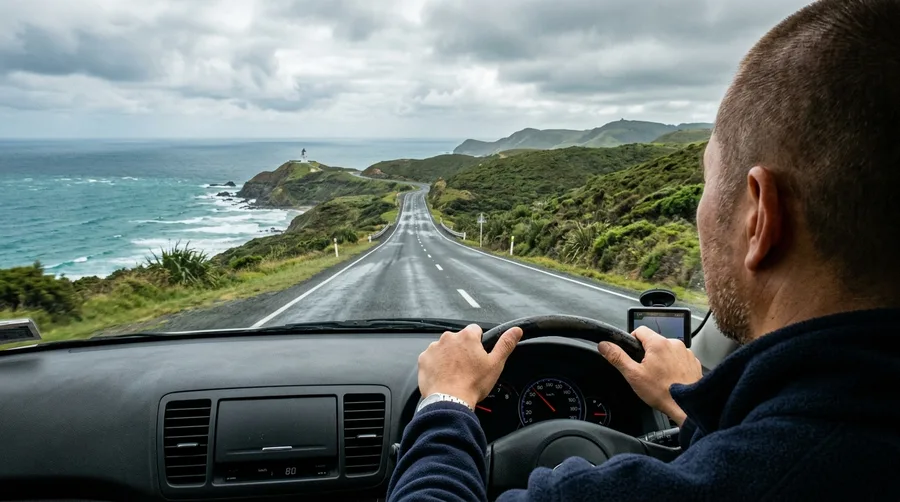
Driving the length of both the North and South Islands spans roughly 2,000 kilometers from Cape Reinga down to Bluff.
You should plan for at least three weeks if you intend to see both main landmasses without spending every waking hour behind the wheel.
The winding two-lane state highways demand constant concentration.
Do You Need a Rental Car or Campervan?
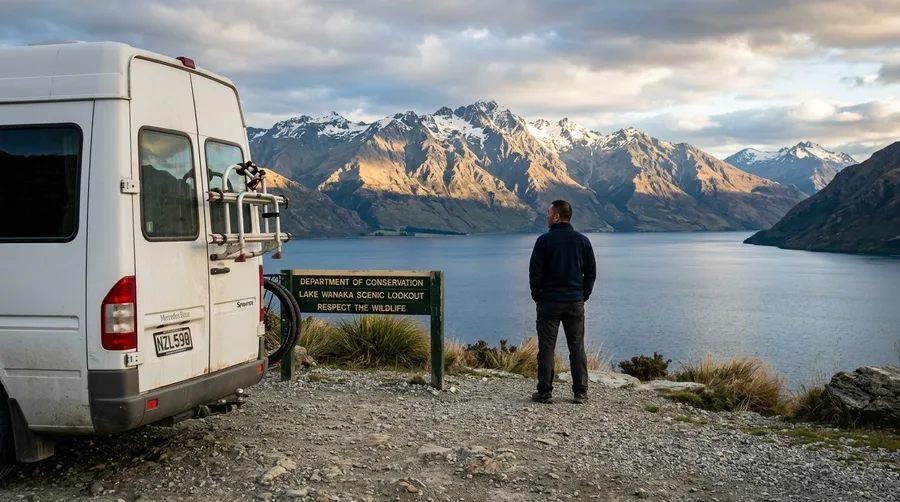
Public transport between rural regions is sparse, making a private vehicle mandatory for serious exploration.
Campervans give you freedom to park at Department of Conservation campsites, but check vehicle clearance before tackling steep mountain passes.
Major North to South Route
Save this route map before you begin your journey across both islands.
1. Explore the Glowworms Beneath Waitomo
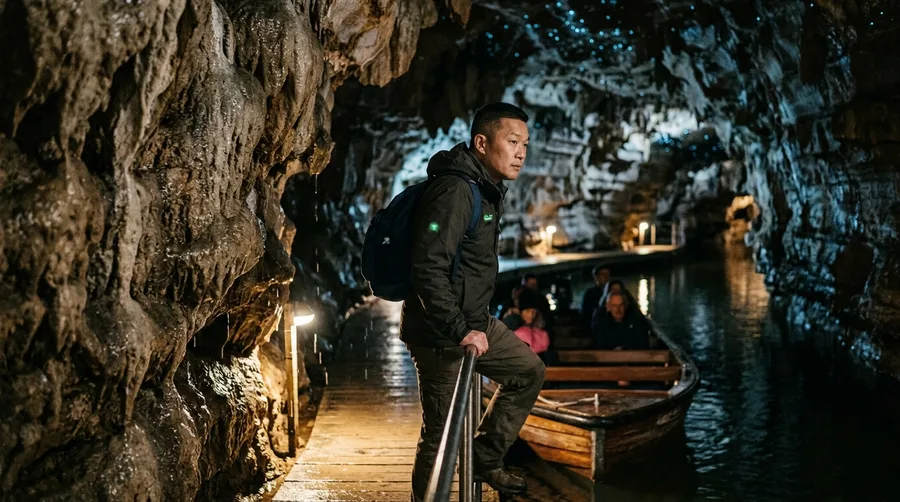
Are the glowworms worth the ticket price, or is this an over-commercialized tourist trap?
Arachnocampa luminosa larvae emit bioluminescence via a chemical reaction in their Malpighian tubules to attract prey in total darkness.
The boat ride through the main cavern lasts roughly 12 minutes, and absolute silence is enforced with zero photography allowed.
Keep your expectations measured regarding the duration of the underground boat tour.
💡 Tip: Book the first morning slot to avoid tour bus queues.
Subterranean Cave Highlights
2. Cruise Through Milford Sound Rain
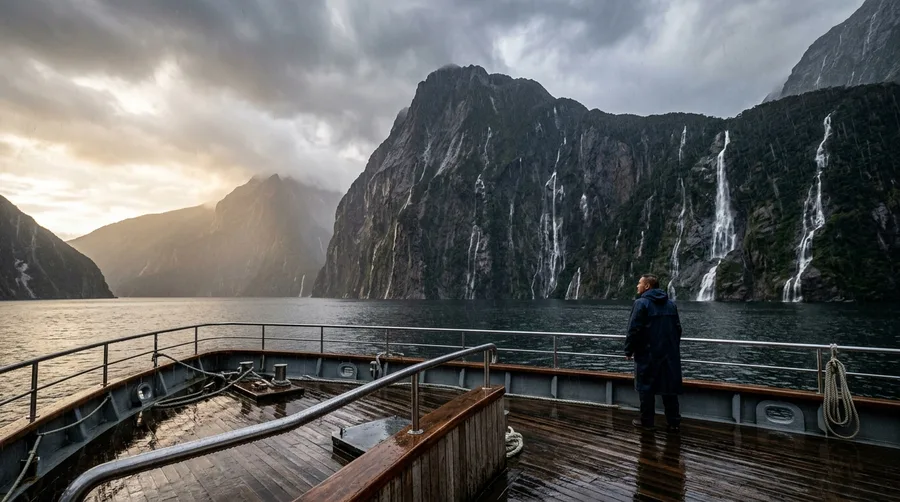
Milford Sound receives over 7 meters of annual rainfall, making wet days dramatically better than sunny ones due to thousands of temporary waterfalls.
The coach-bus traffic from Queenstown creates a massive midday bottleneck between 11:00 AM and 2:00 PM.
The cruise is definitively worth it, provided you book the first departure of the morning or stay overnight on the fiord.
Rain slickers are mandatory if you want to stand on the outer decks.
💡 Tip: Drive yourself rather than taking a coach bus to control your schedule.
🌱 GROWING TIP
Embrace the Wet Weather
Never cancel your Milford Sound excursion due to a rainy forecast; the temporary waterfalls cascading down sheer rock faces only appear during heavy downpours.
3. Ride the TranzAlpine Through Alps
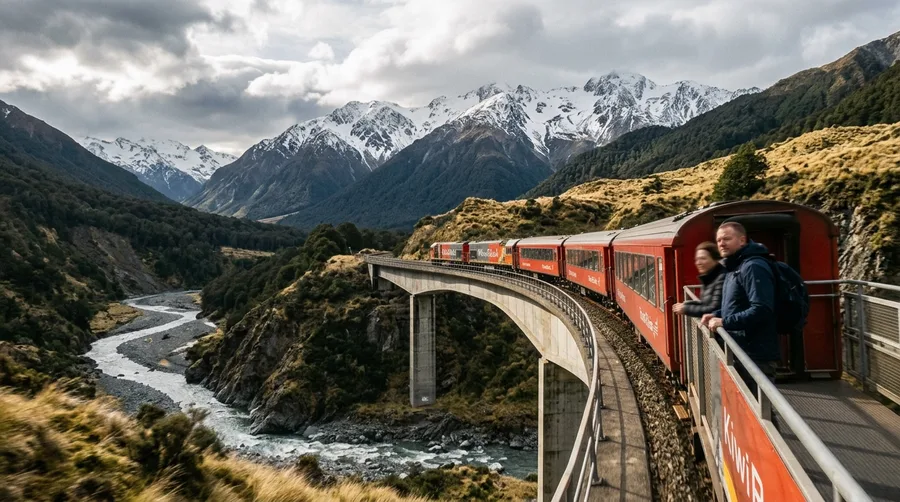
Highway driving fatigue across Arthur’s Pass vanishes the moment you settle into the panoramic carriages of the TranzAlpine train.
Adult tickets range from roughly NZD 199 to NZD 299 one-way depending on the season and carriage class you select.
The 8.5-kilometer Otira Tunnel cuts straight through the jagged spine of the Southern Alps.
You cross massive alpine viaducts suspended hundreds of feet above rushing river valleys.
TranzAlpine Route Specs
🛤️ Distance
223 kilometers
⏱️ Duration
4.5 hours
💵 Cost
From $199 NZD
Engineering
Features the historic Otira Tunnel burrowing through the mountain range.
4. Pull Over at Omarama Clay Cliffs
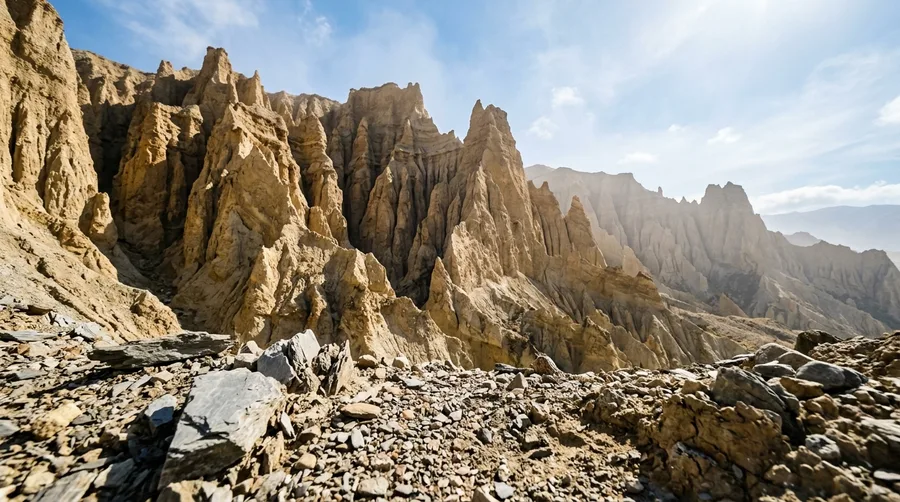
Pull off State Highway 8 for the Omarama Clay Cliffs—a surreal labyrinth of sharp pinnacles formed 2 million years ago by ancient glacial streams.
Layers of silt and gravel deposited by rivers flowing from melting glaciers were uplifted by tectonic action and eroded by heavy rain.
It sits on private land, requires a self-service cash box entry fee of around NZD 5 per vehicle, and demands sturdy footwear for the steep gravel track.
You can walk right up to the base of the soaring clay spires.
South Island Road Trip Routine
5. Witness Franz Josef Glacier Retreat
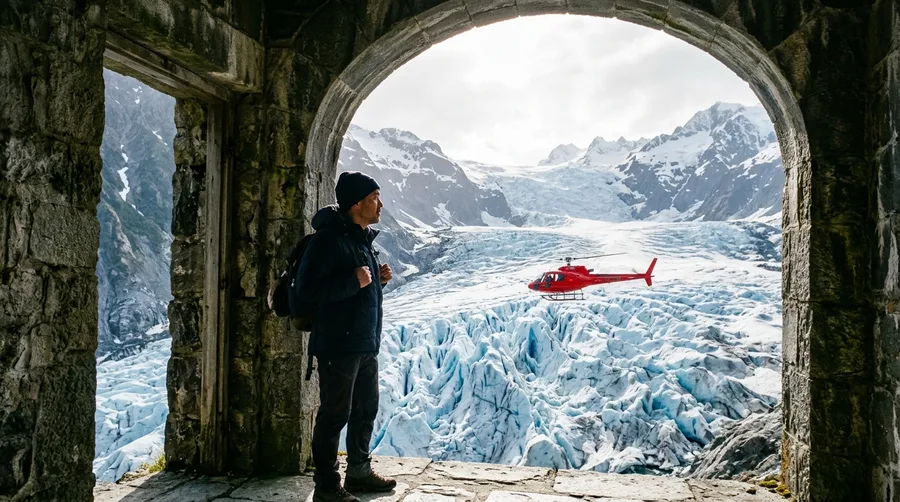
Ground access to the terminal face of Franz Josef Glacier is permanently closed to foot traffic due to active rockfall and rapid ice retreat.
This excursion suits helicopter-hiking enthusiasts comfortable with high-budget aerial tours exceeding $400 NZD.
Budget families expecting a quick, flat stroll to touching ice will leave disappointed.
⚠️ COMMON MISTAKE
Ignoring Glacier Safety Barriers
Never bypass warning ropes near receding terminal faces; unstable rock walls collapse without warning across valley floors.
6. Soak in Polynesian Spa Rotorua
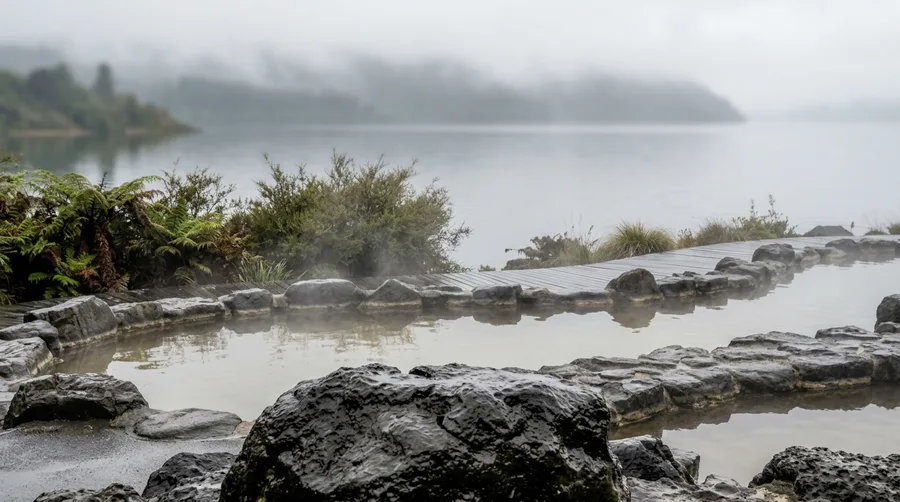
You sit inside mineral-rich alkaline waters while sulfur steam drifts across the cool surface of Lake Rotorua.
The setting shifts focus away from the sulfur-rich town scent to quiet hydrotherapy pools designed for unstructured relaxation.
Dedicate a solid hour to transitioning between acid-water pools and alkaline-water pools overlooking the misty lake edge.
Geothermal Soak Sequence
7. Cross Haast Pass Blue Pools
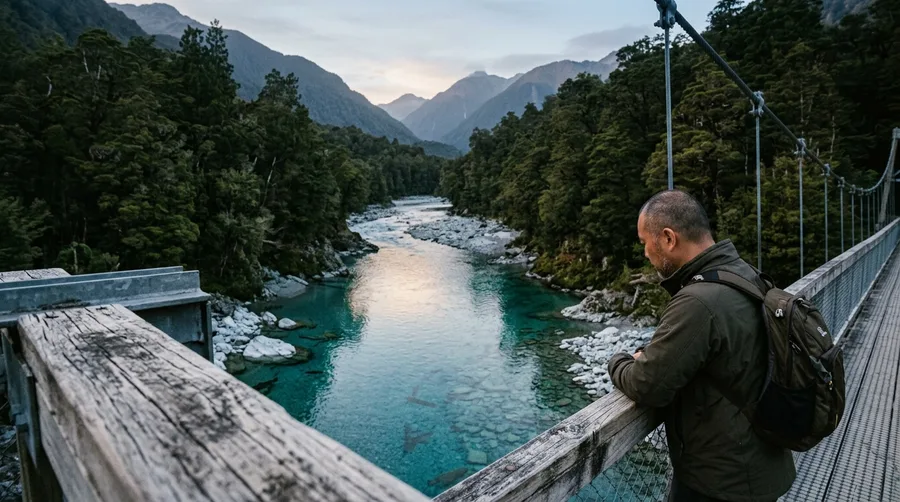
Arrive at the swing bridge between 10:00 AM and 11:30 AM for the optimal light angle.
Glacial flour suspended in the water absorbs warmer wavelengths and scatters brilliant turquoise spectrums.
Missing this window creates surface glare that obscures giant brown trout hovering below.
Best For Photography
8. Scramble Across Castle Hill
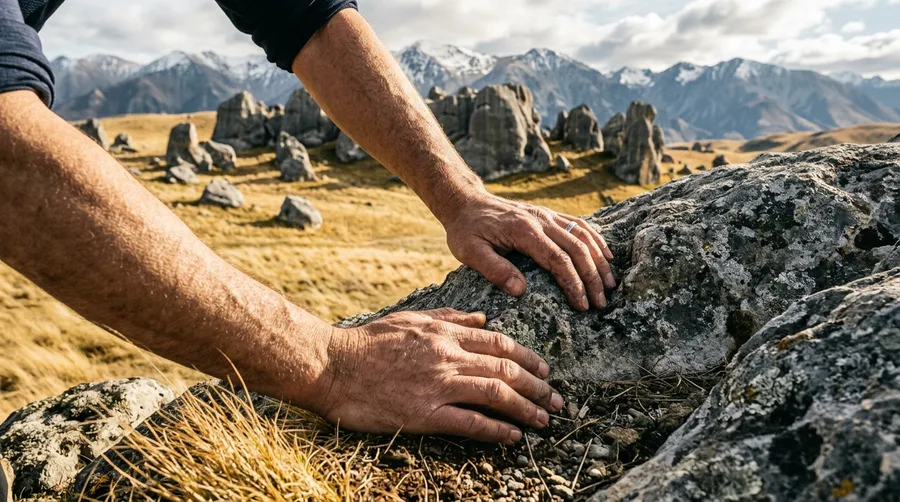
The smell of crushed alpine tussock and the echoing sound of wind whistling through ancient marine limestone boulders define this high-country landscape.
While tourists crowd Arthur’s Pass summit lookouts, Canterbury locals head to Kahui Poaka to scramble across weathering karst formations.
Millions of years ago, these rocks formed at the bottom of a shallow ocean before tectonic forces thrust them into the high country.
Bouldering Difficulty Spectrum
Assessing Castle Hill routes
- Novice Slab Scrambles: Low-angle limestone faces with safe landings.
- Intermediate Pockets: Vertical faces requiring careful foot placement.
- Advanced Overhangs: Severe roof climbs needing crash pads and spots.
9. Order a Pie and Flat White
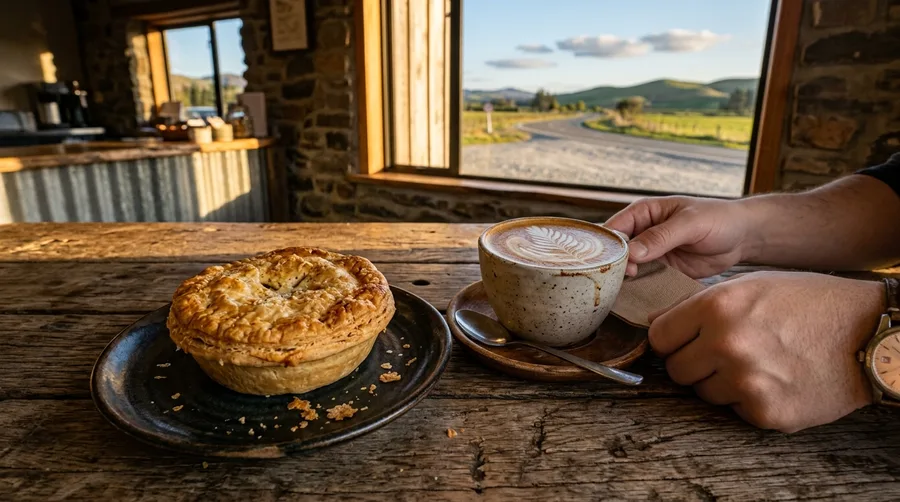
The quintessential New Zealand meal is a steak-and-cheese or mince-and-mushroom meat pie paired with a flat white, costing roughly NZD 10 to NZD 14 combined.
Invented in Australia and New Zealand in the 1980s, the flat white is distinguished by microfoam poured over a double shot of espresso.
Award-winning rural bakeries like Fairlie Bakehouse or Sheffield Pie Shop serve as mandatory highway pilgrimage points for hungry drivers.
Grab extra napkins because hot gravy tends to escape on the first bite.
Bakery Staple vs Urban Cafe
Rural Highway Bakery
- Fresh steak and cheese pies
- Open from 6:00 AM daily
- Affordable combo pricing
City Specialty Cafe
- Single-origin espresso roasts
- Oat and almond milk options
- Brunch plating focus
10. Walk the Hooker Valley Track
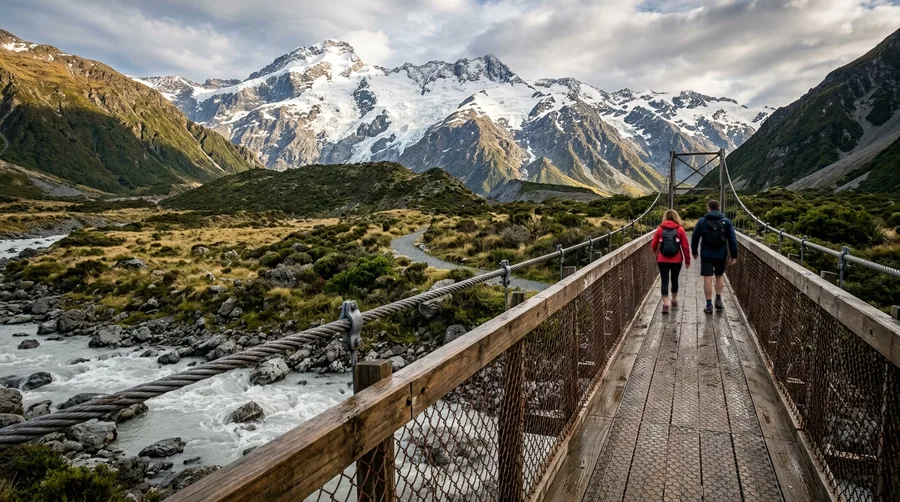
Are you ready to cross three dramatic swing bridges suspended high over roaring glacial rivers beneath Aoraki/Mount Cook?
This is a 10-kilometer flat, well-maintained return track that takes roughly three hours to complete at a steady pace.
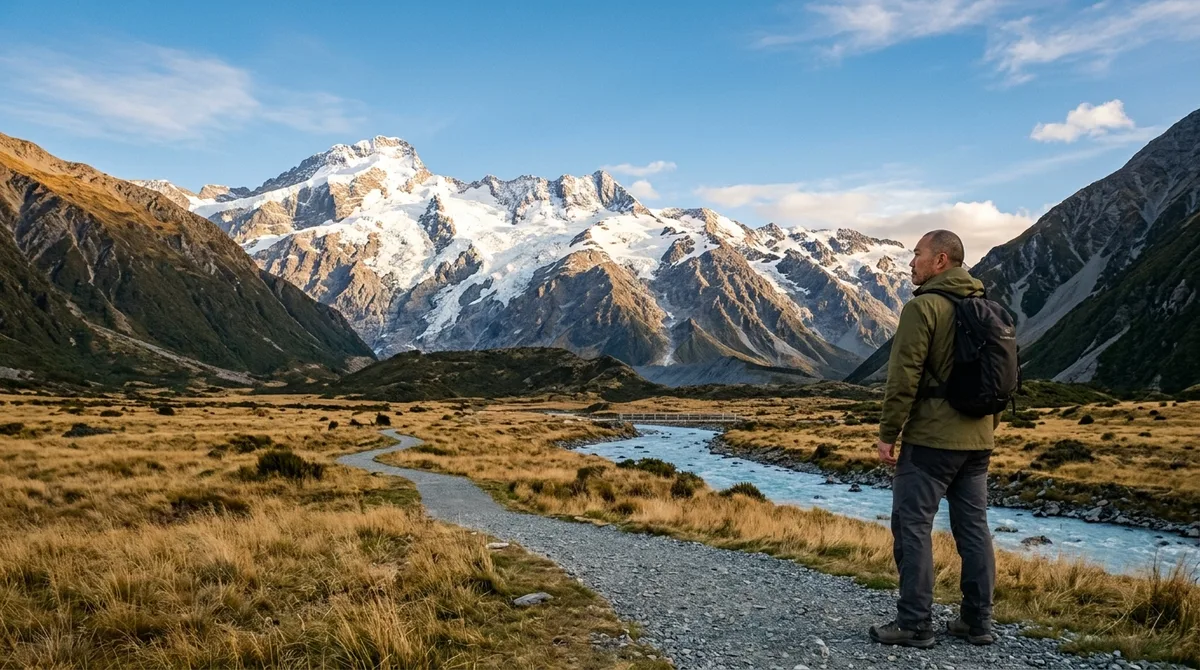
Reaching Hooker Lake reveals floating icebergs calved from the terminal face drifting silently under the shadow of New Zealand’s tallest peak.
Hooker Valley Preparation
-
Pack windproof jacket Alpine winds accelerate quickly across glacial lakes.
-
Wear sturdy hiking boots Gravel pathways contain loose stones.
-
Bring 1.5 liters of water No refill stations exist along the trail.
11. Stand Inside Waitangi Treaty House
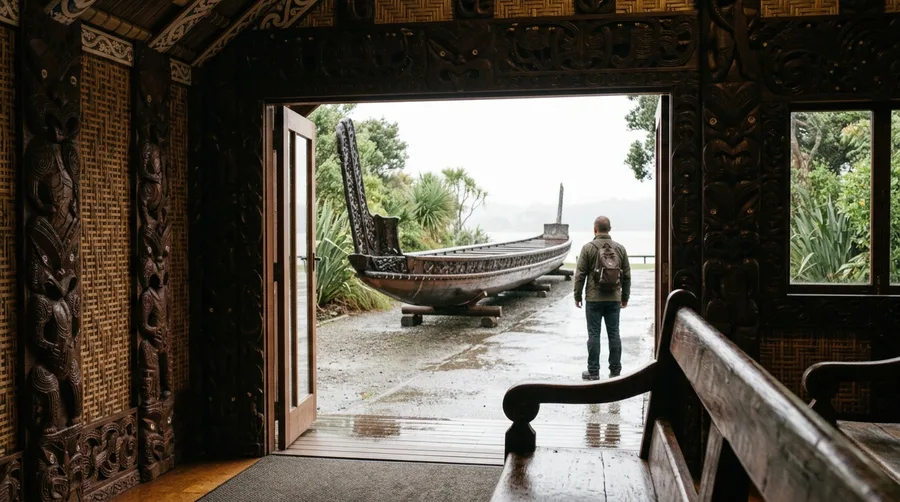
Standing inside the sprawling carved meeting house at Waitangi as rain drums against the corrugated iron roof sets a somber, reflective tone.
The tense February 6, 1840 signing of Te Tiriti o Waitangi occurred here between British Crown representatives and northern Māori chiefs.
Discrepancies between the English and Māori text versions continue to shape national dialogue today.
Visitors can view Ngātokimatawhaorua, one of the world’s largest ceremonial war canoes carved from ancient kauri trees.
💡 PRO TIP
Allow Two Full Hours
Give yourself at least two hours to explore the museum exhibits and treaty grounds properly rather than rushing through the main house.
12. Walk Down to Cathedral Cove
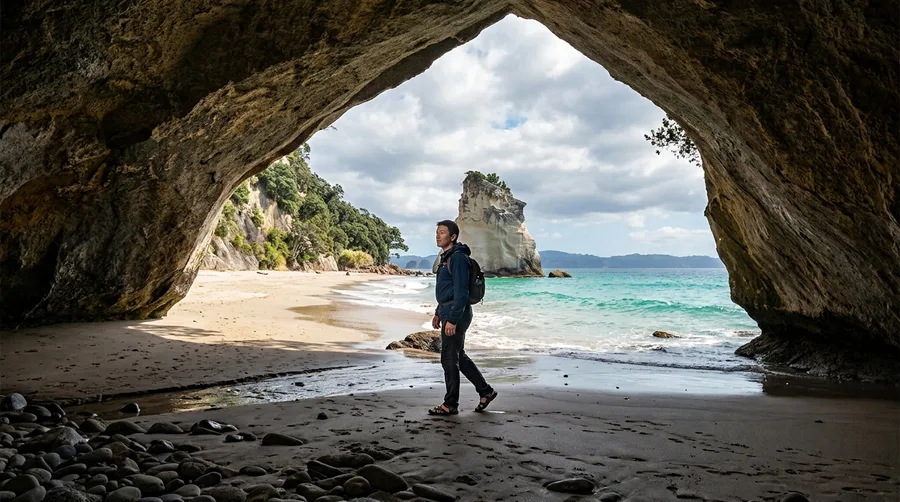
A 2.5-kilometer coastal walking track taking 45 minutes each way leads down to a towering natural rock archway.
Despite its global fame via desktop wallpapers and tourism campaigns, access to Te Whanganui-A-Hei marine reserve costs nothing.
Check local track maintenance updates before setting out, as heavy winter storms frequently cause temporary coastal slips.
How to Reach Cathedral Cove
13. Climb Roy’s Peak for Sunrise
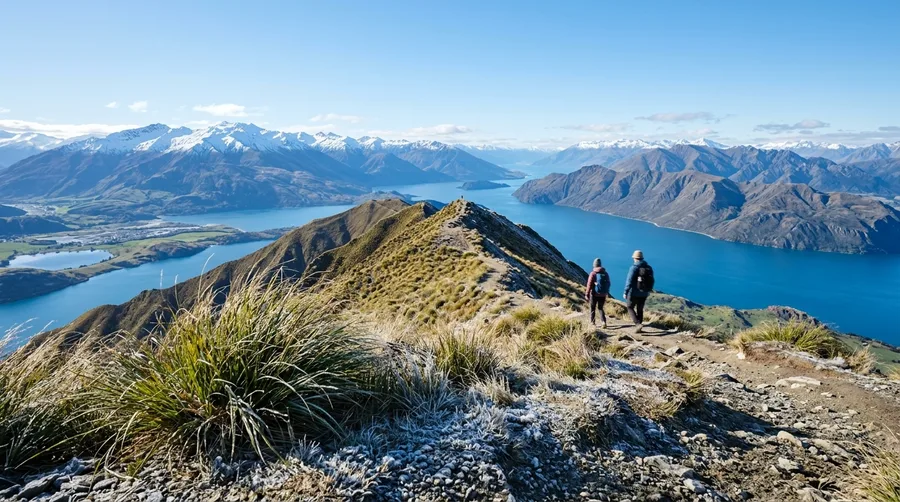
The biting pre-dawn alpine chill and the crunch of frozen tussock underfoot set the mood as headlamps illuminate the zig-zagging farm track.
Arrive at the famous ridge-line photo spot just below the 1,578-meter summit roughly 30 minutes after nautical twilight begins.
Looking down toward Lake Wanaka, the twin arms of the lake stretch out beneath Mount Aspiring as alpenglow hits the peaks.
14. Spot Rare Yellow-Eyed Penguins
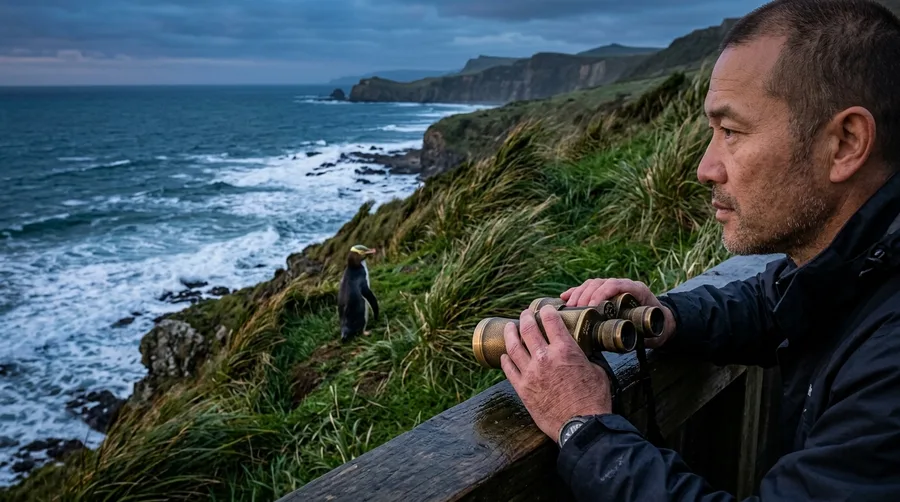
Do not expect a guaranteed sighting; Hoiho are among the rarest penguin species on earth, with fewer than 5,000 individuals remaining.
Book a guided conservation-tribute tour through private hides on the Otago Peninsula to maintain a strict 20-meter viewing distance.
Watch quietly at dusk as they emerge timidly through the surf and waddle across coastal sand dunes.
🐧 Penguin Evening Routine
Arrive Before Dusk
Settle into the wooden conservation hide silently.
Scan the Surf
Watch for small dark shapes riding incoming waves.
Maintain Distance
Keep binoculars steady without using camera flashes.
Frequently Asked Questions
Is driving on the left side difficult in New Zealand?
Narrow country roads, winding mountain passes, and single-lane bridges require constant concentration. Give yourself extra travel time between every stop.
When is the best time of year to visit to avoid crowds?
Shoulder months like March to May and September to November offer stable weather conditions and significantly lower visitor numbers across popular scenic reserves.
Do I need a visa or electronic travel authority before flying?
Most international visitors must secure an NZeTA and pay the International Visitor Conservation and Tourism Levy prior to boarding their departure flight.
Can you drink the tap water everywhere across both islands?
Tap water is safe to drink in all major urban centers and towns. Carry a portable filtration system if you are filling bottles from backcountry streams.
Navigating the Edge of the World
New Zealand’s magic lies in how rapidly its landscapes shift from geothermal vents to alpine glaciers within a single afternoon.
Respecting local conservation efforts and Māori cultural heritage ensures these fragile environments remain pristine for future travelers.