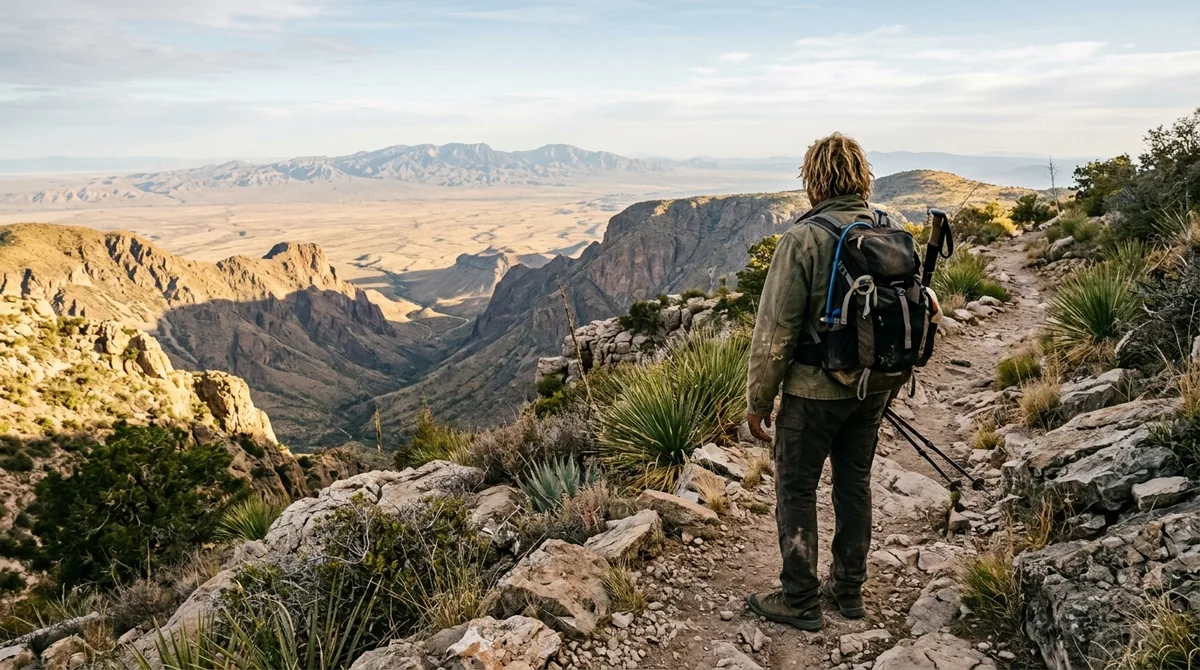
If you want absolute solitude on your next road trip, skip the bumper-to-bumper traffic jams at Yellowstone and head straight for the open badlands of North Dakota.
You can fly straight into a major resort area and never leave the pavement, but you would be trading actual wilderness for exhaust fumes and shuttle bus lines.
The drive across these lesser-known federal units spans hundreds of miles of rugged terrain, requiring careful route planning and realistic daily pacing.
You will hike empty ridgelines, kayak glassy alpine lakes, spot wild bison herds, and camp under ink-black night skies without fighting tour bus caravans for parking spots.
Pick two or three stops from this guide for your next seasonal time off, pack a proper trail map, and leave the crowded tourist traps behind.
Quick Tips Before You Start
Download Offline Maps
Cell service drops completely in remote western and desert parks.
Fill Up Early
Gas stations can be 60 miles apart in rural Nevada and Texas.
Carry Extra Water
Desert environments demand one gallon per person daily.
1. Theodore Roosevelt National Park
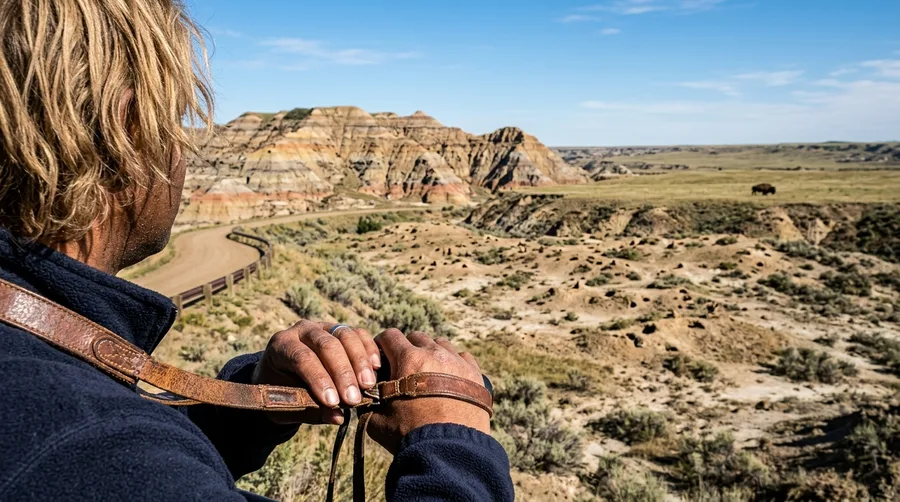
Skip the congested western circuits and head directly to the North Dakota badlands for guaranteed prairie dog towns and wild horse sightings.
You have a very high likelihood of spotting American bison along the 36-mile Scenic Loop Drive, especially during the early morning hours near the Painted Canyon overlook.
The rugged, colorful clay buttes offer the same dramatic geology as South Dakota’s Badlands without the tour bus caravans.
💡 Tip: Drive the scenic loop just after dawn when bison herds cross the gravel road.
⚠️ COMMON MISTAKE
Underestimating Desert Distances
Do not assume services are nearby. Always maintain at least a half-tank of fuel before entering remote park boundaries.
2. Great Basin National Park
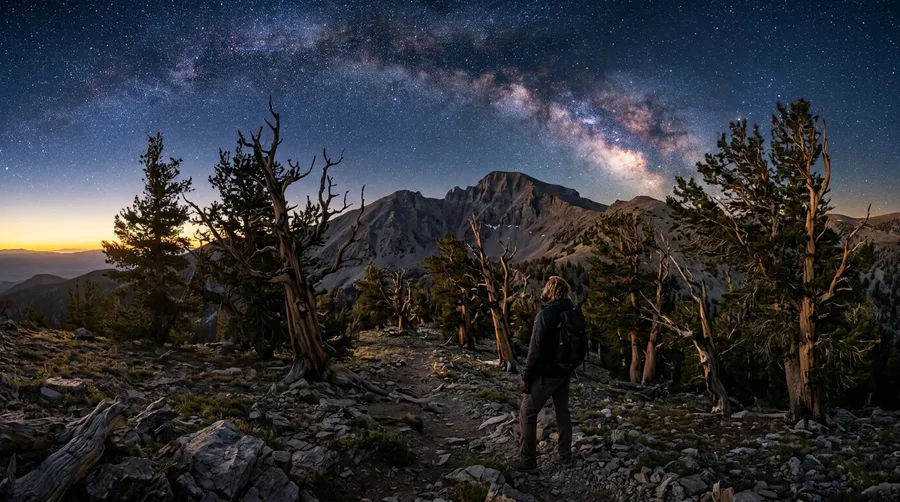
This remote Nevada sanctuary transforms entirely between 11 PM and 3 AM as one of the darkest International Dark Sky Parks in the country.
The high altitude at Wheeler Peak combined with zero light pollution reveals the Milky Way with naked-eye clarity that daytime visitors entirely miss.
💡 Tip: Bring a red-filtered headlamp to preserve your night vision at high altitude.
Great Basin Stargazing — At a Glance
🌌 Dark Sky Tier
Gold-Tier Park
⛰️ Peak Elevation
13,063 Feet
🌡️ Night Temp
Chilly Summers
Best Viewing Window
Plan your visit during a new moon phase for optimal core visibility.
3. Congaree National Park
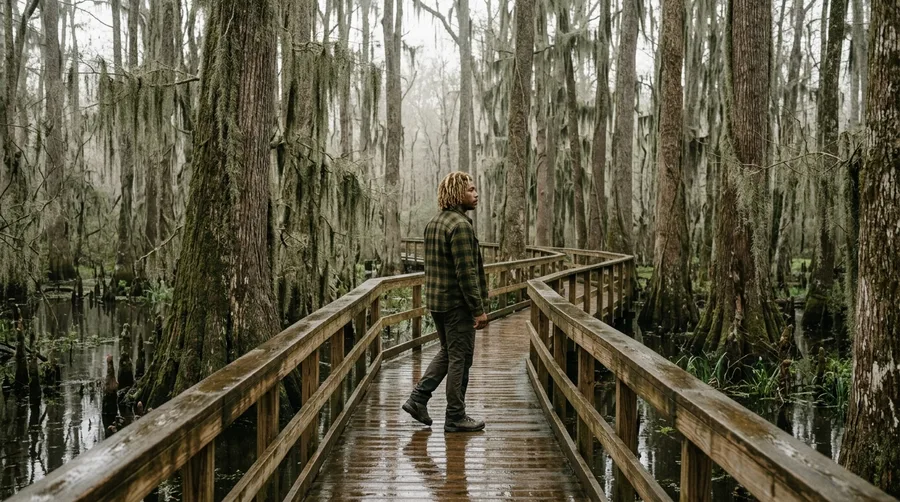
You step onto the elevated wooden boardwalk as warm sunlight filters through a dense canopy of record-breaking champion trees.
This flat floodplain forest suits families with strollers and casual birdwatchers perfectly, but it will bore anyone seeking rugged mountain peaks.
Congaree Suitability
4. Great Sand Dunes National Park
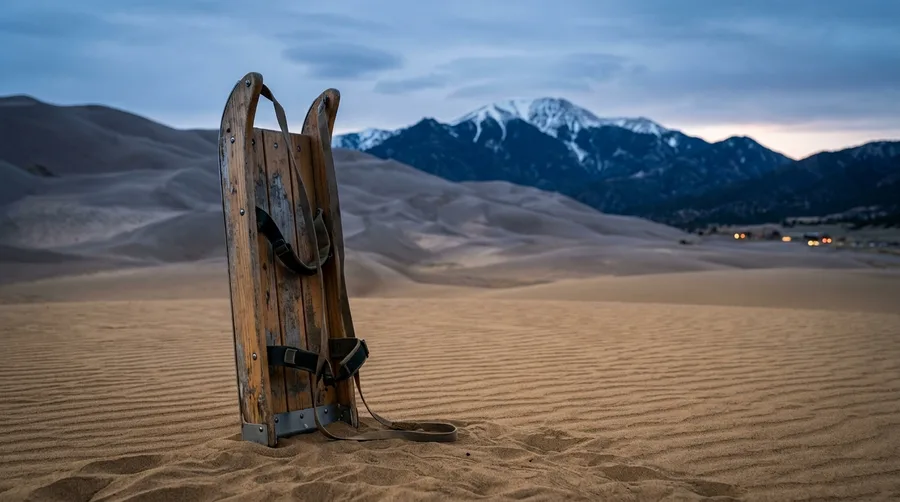
750 feet of vertical sand towers against 13,000-foot snow-capped Rocky Mountain peaks just four hours south of Denver.
You can rent specialized sandboards and sleds for around $22 at local outfitters stationed right outside the park gates.
In late spring, Medano Creek surges across the base of the dunes, creating a natural mountain beach experience.
🌱 GROWING TIP
Wax Your Sled Properly
Apply specialized fast-wax to the bottom of your plastic sled before every run to prevent sticking in the dry sand.
5. North Cascades National Park
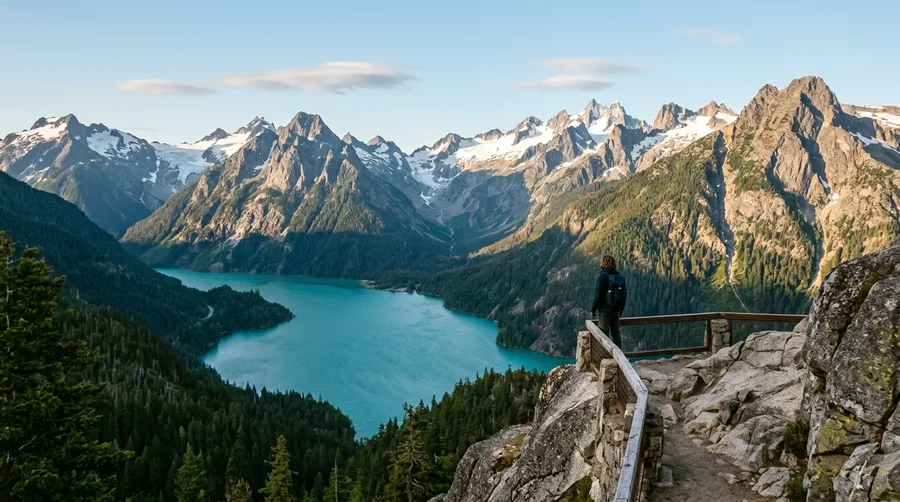
Where can you find glacier-carved peaks and turquoise alpine lakes without the heavy congestion of Glacier National Park?
Stand at the Diablo Lake Vista Point just off Highway 20, looking west over the intensely mineral-rich, brilliant turquoise waters.
Arrive between 10 AM and 1 PM on a sunny day when direct overhead sunlight activates the glacial flour suspended in the water to maximize the iconic neon-blue color.
Jagged granite spires and hanging glaciers frame the highway corridor on both sides, creating an authentic alpine environment.
6. Lassen Volcanic National Park
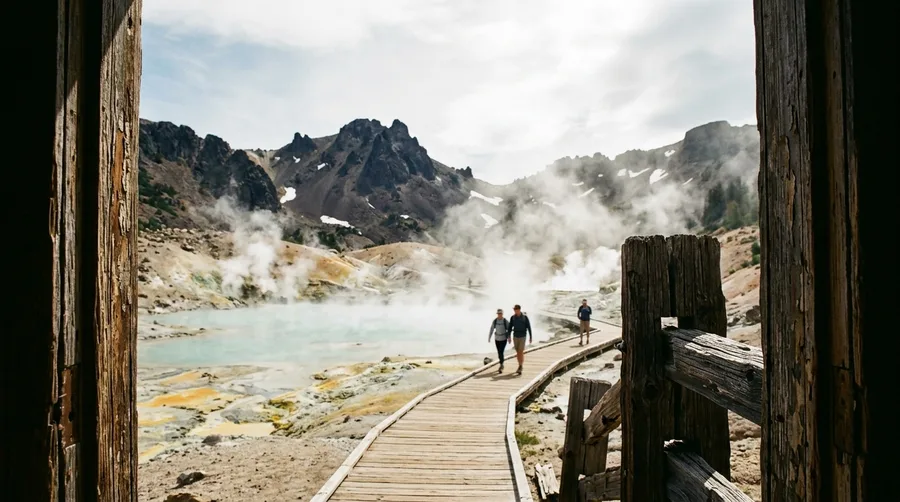
The sharp, sulfurous hiss of boiling mud pots at Bumpass Hell mixes with cool mountain pine air as you hike the timbered slopes.
This volcanic powerhouse contains all four types of hydrothermal cones, giving Yellowstone a serious run for its money.
Visitors can walk right up to steaming hydrothermal basins on well-maintained wooden paths with a fraction of the foot traffic found further north.
7. Isle Royale National Park
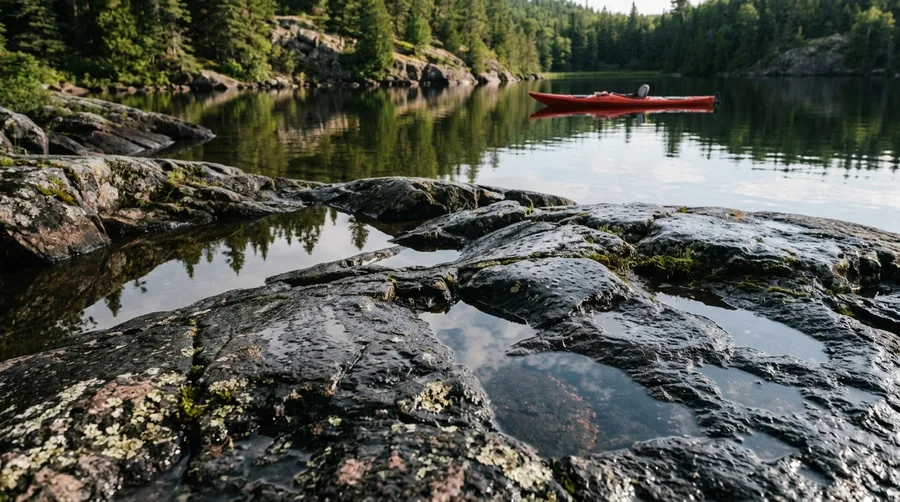
You cannot drive to Isle Royale, and missing the ferry means waiting days for the next transport across Lake Superior.
The catch involves a total lack of vehicle roads, mandatory ferry bookings months in advance, and a rigorous backcountry self-sufficiency requirement.
You are rewarded with pristine boreal forest, moose tracking, exceptional freshwater kayaking, and complete isolation from cell towers.
Pack freeze-dried meals and robust water filters because camp stores on the island carry very limited supplies.
8. Capitol Reef National Park
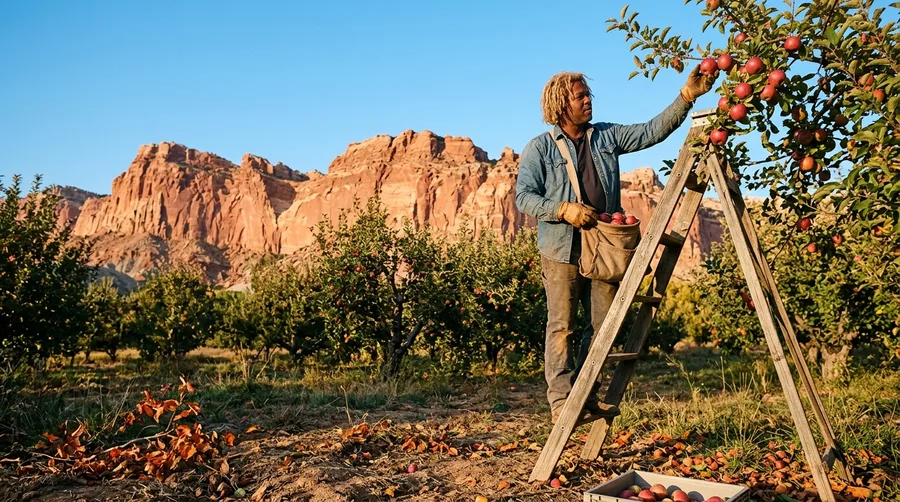
Pick fresh heirloom peaches or apples directly from the historic orchards in the Fruita rural district for a nominal per-pound fee.
Follow your orchard harvest with physical exploration by scrambling through the narrow sandstone slot leading to Cassidy Arch.
This active agricultural and geological mix keeps the experience engaging from morning until late afternoon.
9. Guadalupe Mountains National Park
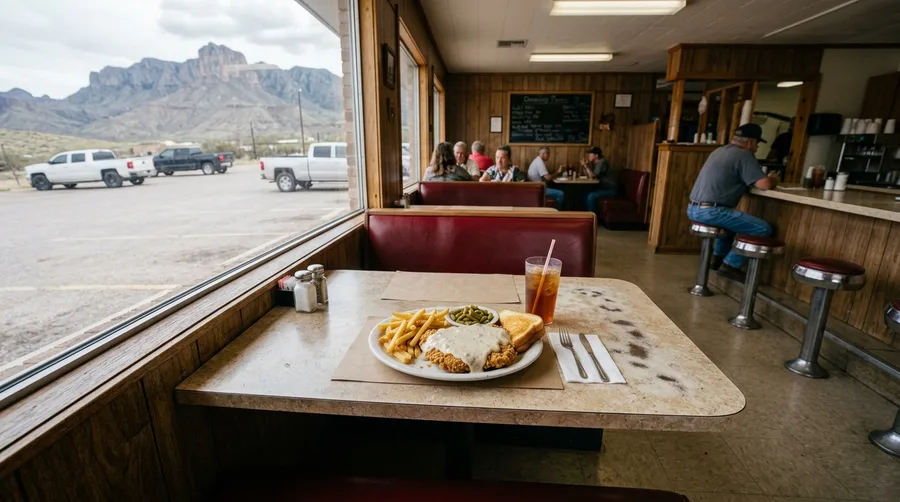
Where do you refuel after scaling the highest peak in Texas?
Order a plate of authentic chicken fried steak with green chile gravy at a local diner in nearby Pine Springs for roughly $18.
10. Black Canyon of the Gunnison
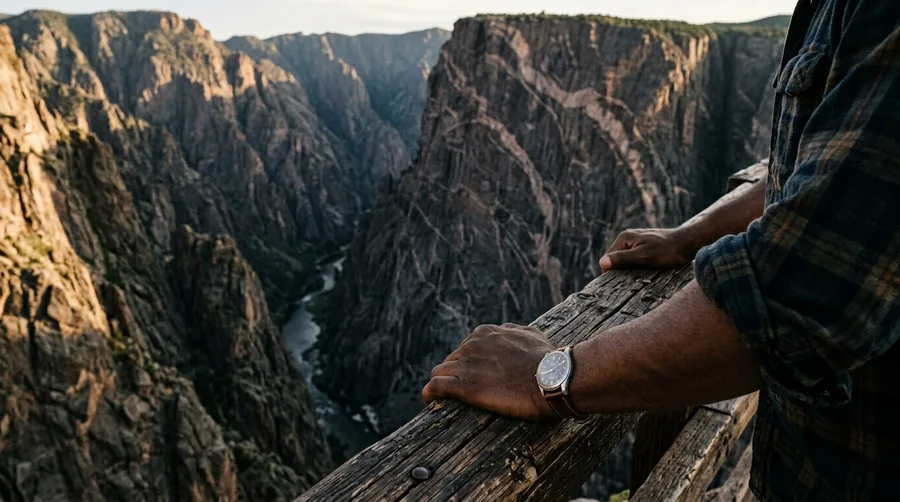
Do not underestimate the sheer vertical drop of walls that plunge over 2,000 feet straight down into deep shadows.
You experience some of the steepest rock formations in North America entirely free of entrance congestion at Painted Wall.
11. Big Bend National Park
Driving 800 miles from major metropolitan hubs brings you to a desert expanse the size of Rhode Island where solitude is guaranteed.
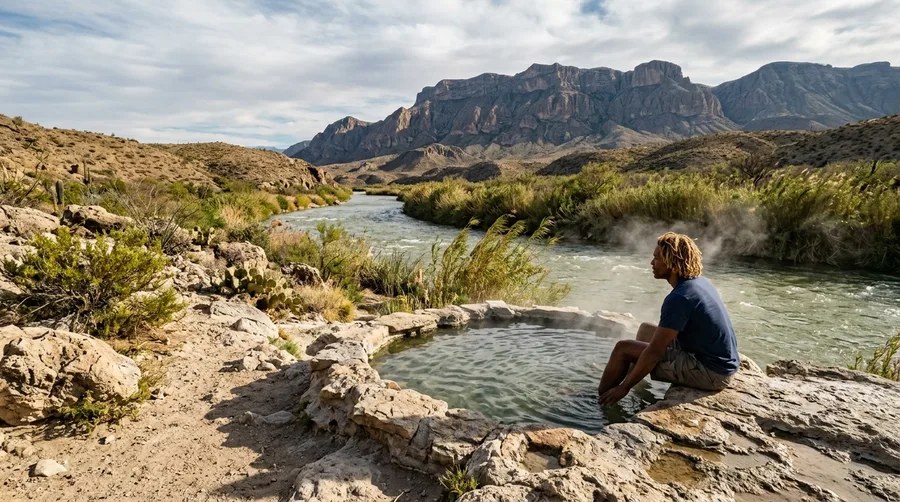
Skip the crowded Santa Elena Canyon midday rush and head instead to the hidden Hot Springs Historic Trail at dusk.
You can soak in natural 105-degree mineral waters right on the edge of the Rio Grande riverbank while looking across into Mexico.
12. Voyageurs National Park
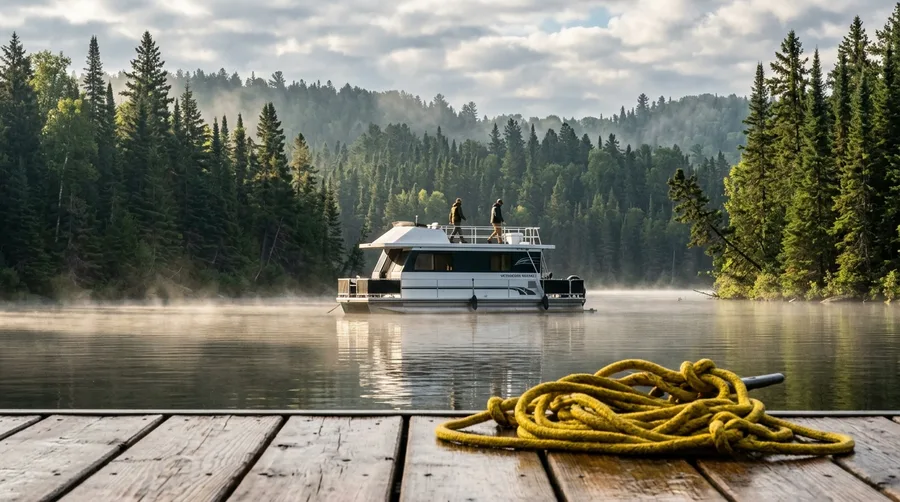
Dry-land hiking takes a backseat to a water-dominated labyrinth where roads simply do not exist.
Renting a motorized houseboat or hiring a water taxi costs roughly $3,000 for a multi-day trip across these northern lakes.
13. Redwood National and State Parks
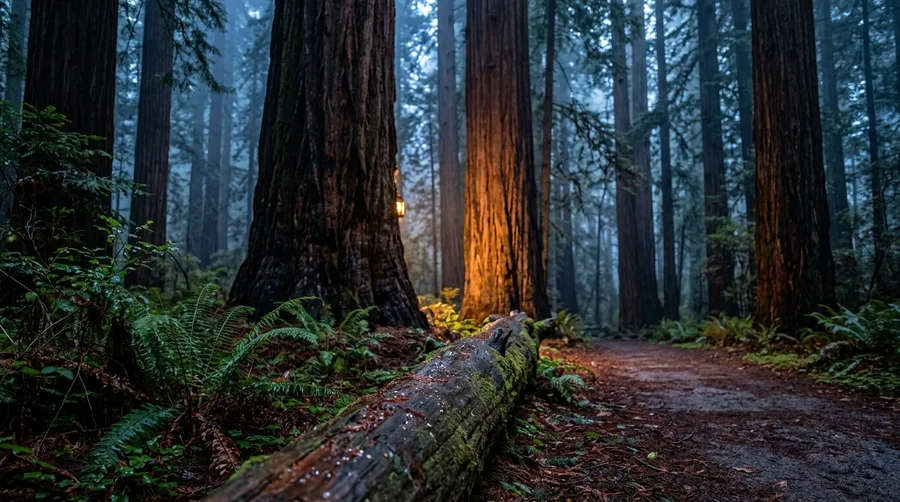
The muffled silence of thick forest floor duff sits under a towering cathedral of 300-foot coastal redwoods.
Sit down on a fallen nurse log in Lady Bird Johnson Grove for a mandatory one-hour screen-free silence period.
Coastal fog condenses on upper needles, creating a continuous drip-irrigation soundscape that slows your heart rate instantly.
Frequently Asked Questions
Do underrated national parks require advance reservations like Yosemite?
Timed-entry permits are rarely required at lesser-known parks, but backcountry camping slots and island ferries still demand advance booking months ahead of time.
What is the best month to visit desert parks like Big Bend?
Plan your trip between November and March to avoid lethal summer temperatures that frequently exceed 100 degrees in the low desert basins.
Are these remote parks accessible for standard sedan vehicles?
Paved roads serve main overlooks, but high-clearance vehicles are strongly recommended for unpaved backcountry trailheads in Capitol Reef and Big Basin.
How can I ensure wildlife safety in bison and bear country?
Maintain a distance of at least 25 yards from bison and 100 yards from bears, carry EPA-approved bear spray on your hip, and secure all food in hard-sided containers.
Can I visit these national parks with pet dogs?
National Park Service rules generally restrict pets to paved areas and parking lots. Check local park websites for nearby national forest trails where dogs are permitted.
Your Next Step Into Quiet Wilderness
National parks are meant to be sanctuaries of nature, not congested highway extensions filled with idling cars.
Pick just one underrated park from this list for your upcoming time off, pack your gear, and discover true wilderness where the crowds fade away.