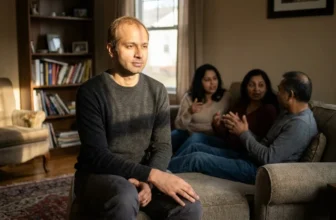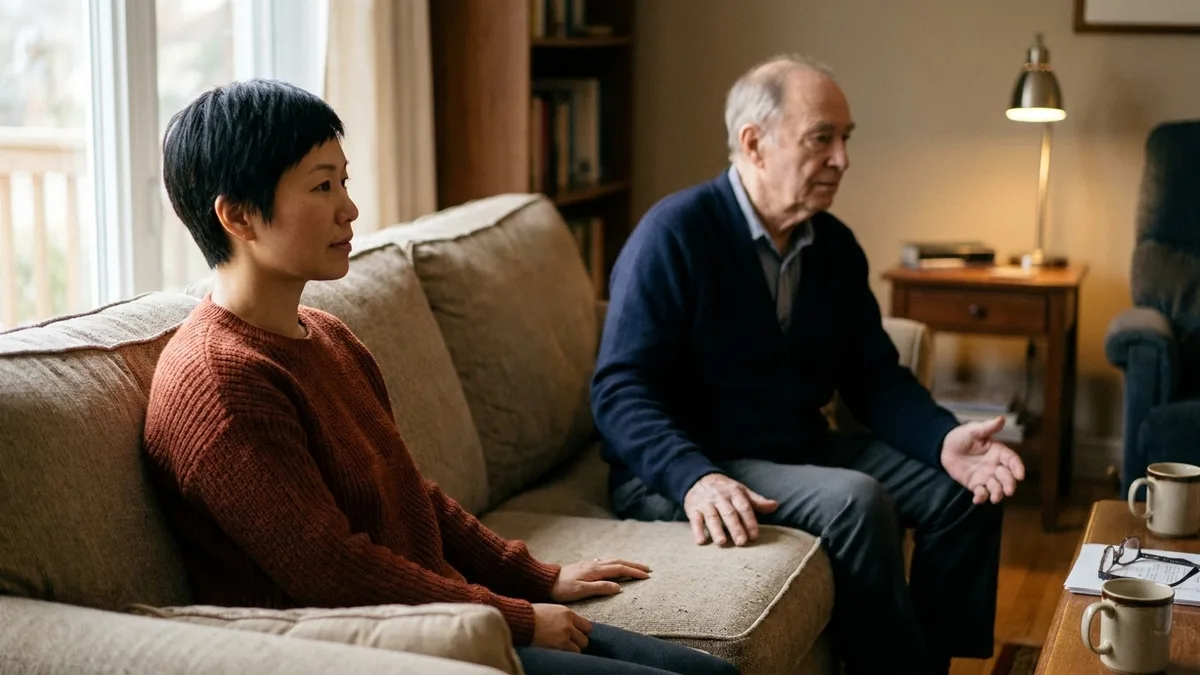
Yes, touch can come back. What usually ends it is not the end of love but an ordinary snag that went unnamed long enough to harden into a habit – and habits can be interrupted. On the couch, one of you rests a hand on the other’s shoulder in passing, then lets go. That has been the whole of it for about 18 months. You have been married 41 years, you are 68 and 72, both retired inside the last four, and the guest room stopped being temporary a while ago. The quiet question is whether this is simply the stage. Usually it is not.
More often it is a loop. Arthritis in the hands, a blood-pressure medication that dulls sensation, the daily parting that retirement erased, a rebuff nobody mentioned again, a body that came through surgery, touch that always carried an ask, or fear that another quiet year is safer than a clumsy restart. Names, not blame.
A year or two without touch is a lapse, not a verdict. The causes can be named plainly, and the restart can begin this week.
You will be able to say which cause fits in your house, get the doctor’s visit booked with the full prescription list in hand, and run ten minutes of hand-holding or hand massage three evenings a week with the no-escalation rule said out loud. Sunday coffee in bed together is part of it, and so is knowing when a therapist is worth paying for rather than something to be ashamed of.
Quick Tips Before You Start
Book the doctor first
Bring the full prescription list and point to where it hurts before you blame the marriage.
Set a ten-minute limit
A short, stated endpoint makes stopping easy and keeps a freeze from reading as rejection.
Say the no-escalation rule out loud
Both partners need to hear that the touch leads nowhere, or the old ask returns.
Anchor it to a routine
Attach the touch to coffee, the dishes, or the evening news so it happens without a decision.
Use 'I miss' not 'you never'
One names your own loss; the other puts your partner on trial and gets a defense.
Why the touching stops
Before any plan, name what actually happened. Almost none of the reasons below involve one partner deciding they no longer want the other.
They are physical events, schedule changes, and small rebuffs that hardened into an unspoken rule. Naming them without blame is the first move.
1. Pain and medication change what touch feels like
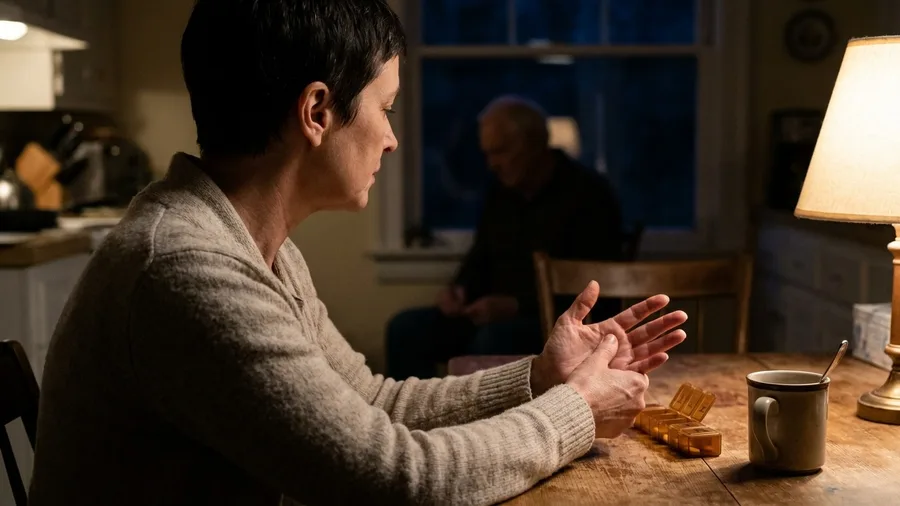
Some ordinary body changes quietly rewrite what a familiar hand feels like. Arthritis in the joints, nerve damage that dulls or tingles the skin, and common blood-pressure pills can all turn a warm, welcome touch into something that aches or registers as nothing at all.
Picture a couple married 41 years, one 68 and one 72, both retired inside the last four years. She has arthritis in her hands and knees; he takes a pill each morning for his blood pressure. A hand on the shoulder in passing is now nearly all the contact they have, and neither has thought to connect it to a joint or a prescription.
Here is the loop that follows. The partner whose hands hurt or whose skin has gone numb flinches, or just goes still, at the wrong moment. The other partner feels that small pull-away and files it as refusal, and little by little both stop reaching, each convinced the other lost interest. Nobody ever says the word arthritis out loud, so the verdict hardens while the actual cause goes unmentioned.
Ask yourself one question, and answer it honestly: the last time you were touched, did it hurt, tingle, or feel like nothing? If yes, that is a body problem, not a marriage problem. Book the primary care visit, bring the full list of prescriptions, and point to exactly where it hurts.
💡 Tip: Write down every medication, including supplements, and note the exact spot that hurts. Hand the list to the doctor rather than trying to remember it in the room.
| What to do | How often | What it is for | Cost |
|---|---|---|---|
| Primary care visit with full prescription list | Once, this week | Rule out pain and medication side effects | Insurance copay |
| Ten minutes of hand-holding or hand massage on the couch | Three evenings a week | Rebuild touch as safe before it has to be wanted | Nothing |
| Coffee in bed together | Sunday mornings | A standing reunion that does not depend on mood | Nothing |
| Walk holding hands | Once or twice a week | Touch in motion, with no room for an ask | Nothing |
| Say the awkward sentence | Once, early | Turn two private conclusions into a shared plan | Nothing |
| Licensed couples therapist | Weekly, if needed | Work the pattern the at-home plan cannot shift | $150–$200 a session |
2. Retirement removes the daily separation
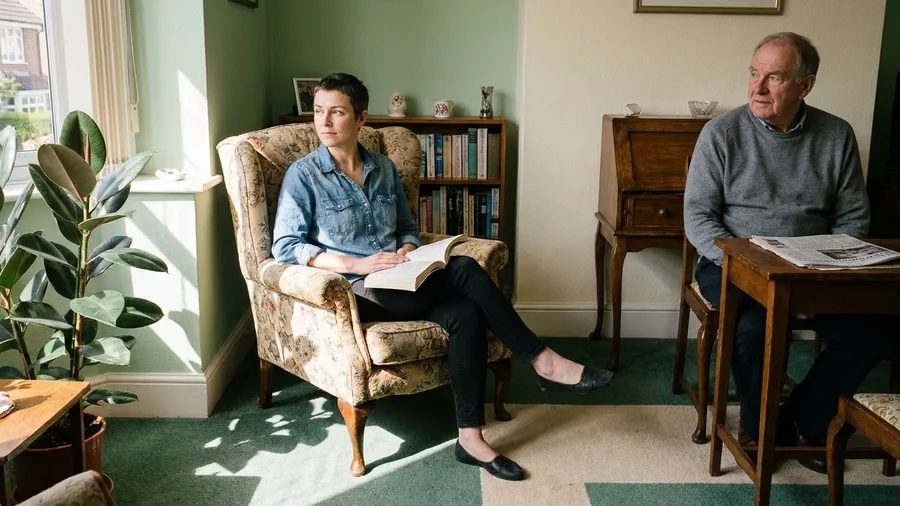
When no ache or pill explains it, the next ordinary shift is structural: retirement quietly removed the daily parting that once made coming back together a moment worth reaching into.
For a couple retired four years, there is no longer that evening hour when one of you came through the door and the other looked up. Being together all day means nobody has to greet anybody, and the little reaches that used to mark a reunion turn optional, then simply stop happening. It is not that either of you pulled away; the moment that used to invite a touch is gone.
The couples who keep it are often the ones who still spend a morning apart, or keep a routine that takes one of them out of the house, so there is a return to mark. Constant closeness does not create refusal. It just removes the opening, which is a very different and much more fixable thing.
⚠️ COMMON MISTAKE
Don't wait for the mood to return
Waiting to feel spontaneous desire before you reach for each other is how another year passes. In a long marriage, touch usually comes first and the wanting follows it, not the other way around.
3. A rebuff hardens into an unspoken rule

You reach for her hand on the couch and she shifts, says she is tired, and turns back to the television. The next night you do not reach. You are not angry, exactly; you have simply learned something, and what you learned is to stop.
Two or three of those small no’s are enough. Each of you quietly stops asking so as not to collect another one, and a handful of ordinary tired evenings curdles into a general sense of not being wanted. What sits between you now is not a decision anyone made. It is arithmetic.
The cruel part is that you are both doing it. You hold back, she holds back, and neither of you can see the other holding back, because from where you sit the only evidence is silence. That silence gets read as disinterest when it is closer to caution. The absence of a reach starts to look like proof that reaching is no longer welcome.
This is where a structural gap turns personal. The few moments that might have crossed it are the ones that got declined, and the declines are what wrote the rule.
And this is exactly the loop a stated no-escalation ritual interrupts, because it removes the possibility of a no. It does not apply to every couple. If one of you keeps asking lightly, and a tired no never gets taken as a verdict on the whole marriage, the rule never gets written in the first place.
The Refusal Loop — Timing and the Way Out
⏱️ How fast the rule sets
Two or three declines, often inside a month
⚠️ The failure mode
Waiting for a big talk first; the gap hardens meanwhile
🚪 Skip the ritual if
A tired no still gets shrugged off and asked again lightly
🩺 Order of moves
Doctor visit first if pain or meds are in play, then the ritual
🧭 If it stays stuck
Couples therapist, $150-$200 a session; AASECT directory for a certified sex therapist
Key move
Try the ten-minute ritual for two weeks before judging it; awkward is expected, natural tends to arrive around week six.
4. After surgery, a partner stops feeling entitled
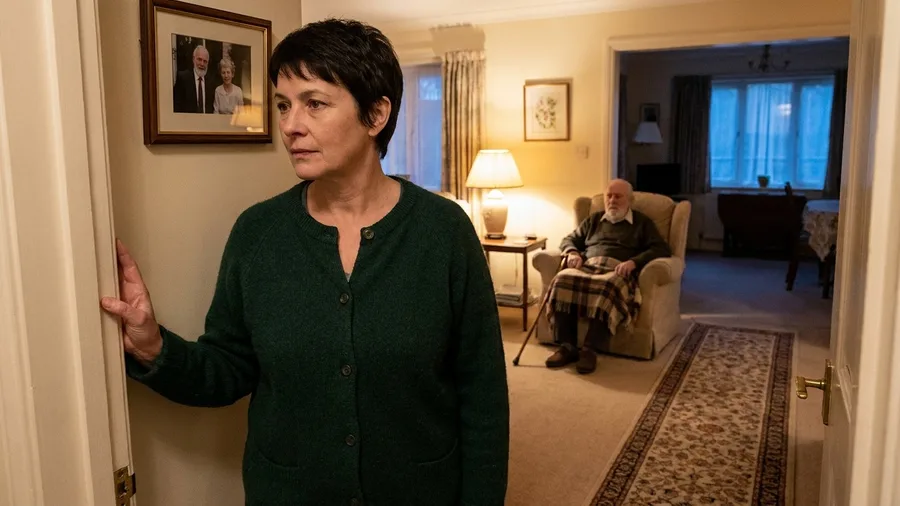
“It’s not mine to reach for anymore.” That sentence is rarely said aloud, and it is the quiet conclusion a lot of people arrive at after a body has been through something. Cancer treatment, prostate surgery, a stroke, a long recovery – any one of those can leave a partner unsure whether this body they have known for four decades is still theirs to touch, or whether it now belongs to doctors, to pain, to a carefulness nobody has said out loud.
So they wait for an invitation. And the invitation does not come, because the other partner is also waiting, and being careful starts to look exactly like not wanting. The caution is the default, and it hardens into the same unspoken rule a string of rebuffs produces – one more thing the couple never names.
In the typical example, touch had narrowmed to a hand on the shoulder in passing for about 18 months, and the guest room had become a permanent second bedroom. Neither partner had said the body fear out loud. Not once. It sat there, looking like a decision about the marriage when it was really an unanswered question about permission.
The exception here is worth holding on to: a partner who stops reaching is not, in most cases, a partner who has stopped wanting. It is someone waiting to be told the body is still reachable. One explicit sentence does that work – “I still want to touch you, and I’d like to know what’s okay now” – and it usually supplies what was missing. Not desire. Permission.
💡 Tip: Ask the doctor directly what is safe to resume and when. A medical green light removes the guesswork that keeps a partner's hands at their sides.
5. Married touch becomes a means to something else

Three times out of four, the reach meant something else – a request for sex, or repairs after Tuesday’s argument – and the partner on the receiving end learned to see it coming early, and to be busy just before it did. Declining the touch was rational. Accepting it meant managing whatever would follow.
So take the ask out and say so out loud. “This is just touching. It doesn’t lead anywhere.” “Ten minutes, then I’m getting up for tea.” “Your hand, my hand, that’s the whole plan.” Stated and then kept, those lines give the body a chance to register safety before anything is asked of it.
And if your touch has never carried an agenda – if a hand on the arm has always just been a hand on the arm – this does not describe you. It explains one route into avoidance, not a rule about every marriage.
Why restarting stalls
6. A long gap starts to feel like a verdict
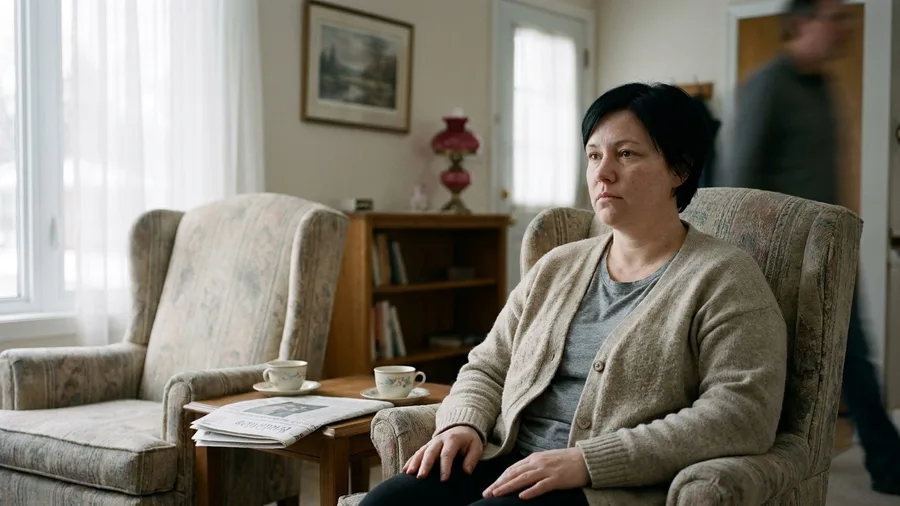
The cost of a long silence is that the silence itself starts to count as evidence. Eighteen months of a hand on the shoulder in passing, a guest room that stopped being temporary, and the gap stops looking like a recent stretch and starts looking like a diagnosis. That shift happens quietly, without either of you deciding it.
What keeps it going is protection, not indifference. Reaching again risks a fresh no, so neither of you reaches, and the prediction that there is nothing left to reach for comes true because nobody tests it. Eighteen months becomes two years while both of you wait to be proven wrong.
Couples who come back from this tend to do one thing differently: they file the gap under lapse rather than under verdict. A lapse is a stretch of months that can change next week without anyone having to redefine the marriage first, and that smaller frame is usually why they restart sooner.
The guest room makes its own contribution. Once separate bedrooms stop being an arrangement and become the arrangement, the distance has a door on it, and any return to shared sleep or ordinary touch has to clear that hurdle as well as the first awkward reach.
💡 Tip: Put a date on it. 'Eighteen months' is a recent habit. 'This is just who we are now' is a story you are choosing to keep.
7. Saying it out loud feels riskier than another year
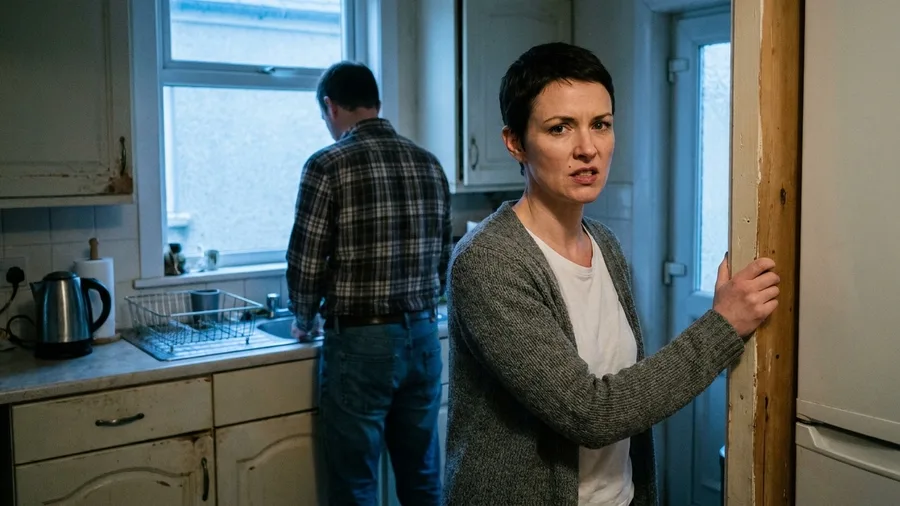
Every guide tells you to open a real conversation, and that is exactly the advice that keeps a couple silent for another year. The sentence you are bracing to say is not the one that comes out. You intend to say you miss the closeness, and what actually forms is something closer to a complaint, so you swallow it and reach for the coffee instead.
Swap the accusation for the missing. “I miss touching you” lands as grief, and grief is easier to hear. “You never touch me” lands as a charge, and the moment it lands the other person is defending themselves rather than reaching for you.
The awkwardness of one sentence lasts about a minute. The silence has no endpoint, and it keeps confirming the private conclusion on both sides that the other person stopped wanting to be touched. Another quiet year costs more than a minute does: less practice at the very thing you both still want.
Opening Lines, Sorted by Risk
Low risk, say first
- I miss touching you, and I don't need it to go anywhere.
- Ten minutes on the couch after dinner, hands only. I'll say if my knees need a cushion.
- The doctor's list of what's changed: both prescriptions, where it hurts, when it started.
High risk, save for later
- We need to talk about us, tonight, before bed.
- Let's book the therapist before we try anything at home.
- Why did you stop wanting me? Answer me honestly.
8. First attempts are clumsy and get read as failure
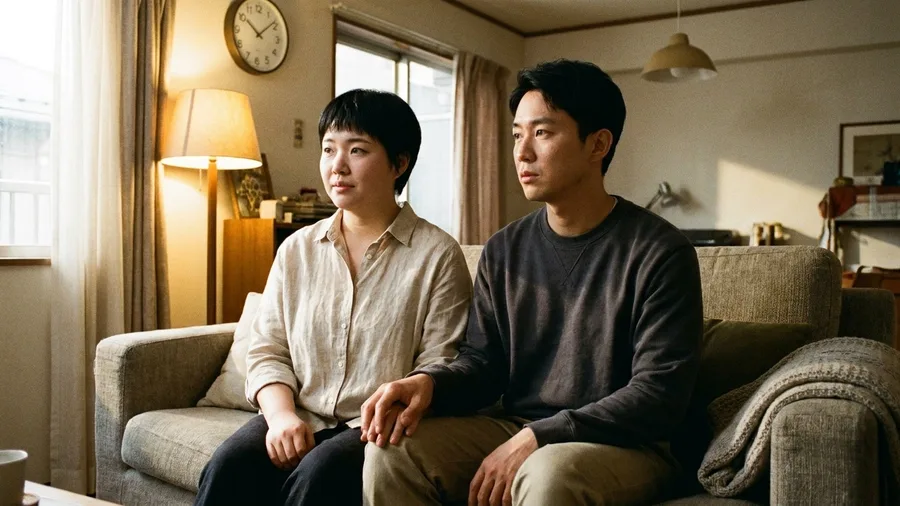
The mistake I see couples make, and the one that undoes the whole plan, is deciding after two clumsy evenings that the awkwardness proves something. It does not. It proves you are out of practice. Somewhere in my own first attempts I treated a stiff, uncertain reach as a verdict that the marriage had gone cold, when all it showed was two bodies that had not done this in a while, doing it badly.
Picture the typical version. They agree to ten minutes on the couch after dinner. The first attempt runs about forty seconds before one of them pulls back, and instead of laughing it off, the other reads the pull-back as rejection, the exact thing the evening was meant to undo. Nobody says so out loud, and the small failure gets filed away.
What saves the six weeks is a rule stated first. The one who freezes says, before the evening begins, “ten minutes and it stops there, nothing more tonight.” The one who reaches agrees to it out loud. That single limit takes the pressure off both of them: the frozen partner has nothing to refuse, and the reaching partner is not secretly running a test.
Awkward in the first fortnight is expected. It is an unskilled activity, not proof that the marriage cannot recover, and the couples who quit usually quit right here, in the first two weeks, calling a clumsy start a failed one.
About six weeks in, the typical couple stopped describing it as effortful and started calling it natural. The six weeks was never an upper limit on recovery.
The first attempts are supposed to feel strange. What decides the outcome is whether you keep going through them.
💡 Tip: Set a timer on your phone. The buzzer is the endpoint, not one partner deciding to pull away.
🔄 The Six-Week Restart
Week 0: Doctor's visit
Bring the full prescription list and point to where it hurts.
Week 1: Ten-minute couch evenings
Hand-holding or hand massage, three evenings a week, with the no-escalation rule said out loud.
Week 2: Expect awkward
Notice the effort without grading it. The freeze is not a verdict.
Week 3: Add Sunday coffee in bed
A standing reunion that does not depend on mood.
Week 4: Add a walk holding hands
Touch in motion, with no room for an ask.
Week 6: Check in
Ask whether it feels natural yet; in the typical case, this is when it starts to.
How to bring it back
The plan below starts with the body, then moves to touch that asks for nothing, then to a sentence. Each step is small on purpose.
Do not skip to the last one. A big conversation before the body is checked and the touch ritual is running tends to land as an accusation.
9. Rule out pain and medication before the marriage

Start with the doctor, and not the one who talks about feelings. A medication and pain review is triage: it asks one plain question, whether a body problem is standing between you and touch. It is not a ruling that the marriage is broken, and it costs you a co-pay instead of a confession.
Bring the whole prescription list, every bottle including the ones you stopped taking, and point to where it hurts. A numb hand, a knee that aches by evening, a blood-pressure drug that has flattened sensation, these are things a doctor can review and adjust. Without that visit, the two of you are guessing at each other.
If the body checks out and touch still stalls, then therapy is the next step and not the first. A licensed couples therapist runs around $150 to $200 a session in most US cities, and the AASECT directory will locate a certified sex therapist for fear that stays after surgery or a long recovery. Paying for help is a next step, not a verdict.
Which First Step Fits
10. Start with ten minutes of touch that asks nothing
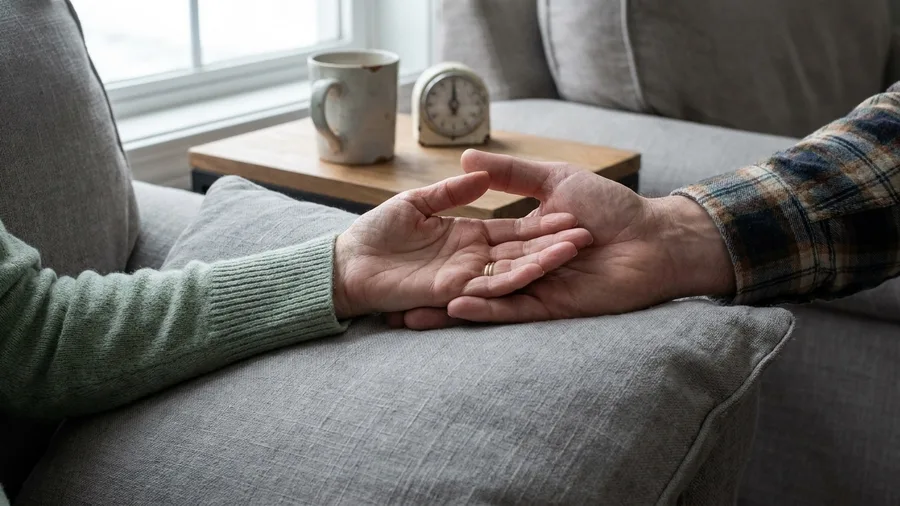
The first move is a small one, done on purpose. Ten minutes of holding hands or a hand massage on the couch, three evenings a week, with nothing built into it past the ten minutes. Once a body problem has been ruled out, this is where the restart actually begins.
The rule that makes it work has to be said out loud, not assumed: this leads nowhere. Researchers who study touch and couples describe the same thing often enough that it runs through most of the clinical writing on the subject. When touch reliably carries a next step attached, the partner who does not want that step starts guarding against the touch itself, and the reaching partner reads the guard as refusal. A stated endpoint removes the question from the room. Neither of you has to work out what this hand is asking for, because the answer is already spoken.
The ten minutes is not arbitrary. A short, timed stretch is easy to stop at the end, and it gives the partner who tends to freeze a finish line that is not a rebuff. They are not pulling away when the timer runs out; the ritual is finished. That distinction matters more than it sounds, because it is the difference between a flinch that lands as a no to the whole thing and an ending both people agreed to.
It suits couples where one partner goes still or tense the moment touch starts heading somewhere. For them the ritual does a specific job: it teaches the body that being reached for is safe before it has to be wanted. The wanting tends to come later, and it rarely comes if the safety never does.
💡 Tip: Use lotion. A practical reason to touch the hand takes the pressure off the moment.
11. Schedule it until it stops needing a schedule
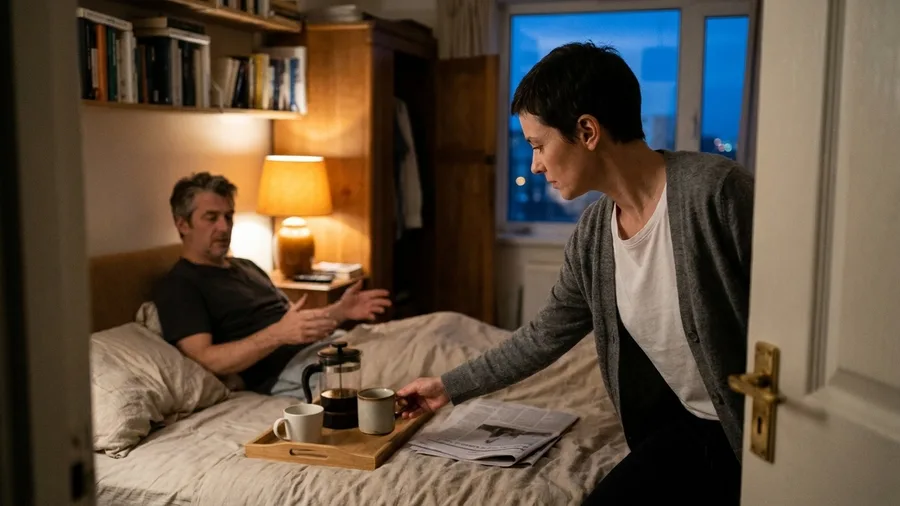
It is a Tuesday evening, the dishes are done, and neither of you feels like reaching for anything. The ten-minute stretch on the couch that seemed easy in daylight now looks like a small chore, and it would be very reasonable to let it slide. That is exactly the evening the booking carries.
A ten-minute ritual only survives if it is written somewhere: three evenings a week, plus coffee in bed together on Sunday mornings and a walk with hands held. What this quietly spends is any claim to spontaneity; what it buys is that the touch happens on the weeks a mood never arrives. Left to good intentions, it happens when both people are already close, which is to say rarely.
It is scaffolding, so take it down later. Once touch is starting on its own, let the schedule go. Couples who dislike planning can hang the ritual on a habit already kept: the morning coffee, straight after the dishes, or just before the evening news.
12. Say the awkward sentence before another silent year

The cost of not saying it is another twelve months of quiet, and the quiet is not neutral. It confirms the private conclusion on both sides. One of you decides they are no longer wanted, the other decides they are no longer welcome to ask, and neither of those has been checked against the truth. That is the price of the sentence unsaid, and it compounds. A year of it hardens into a habit that is harder to break than the awkwardness ever was. Clinicians who work with couples put the choice plainly: a few uncomfortable seconds, or another year of a verdict nobody authorized.
What the field tends to find is not that the silence protects anyone, but that the sentence underneath it is smaller and sadder than the fear predicts. The partner who wants to speak is bracing for a wound and rarely says the actual thing, which is that they miss the person.
So the words matter. “I miss touching you” names a loss. “You never touch me” names a culprit. They are a few inches apart in a sentence and worlds apart in a marriage, and you can hear the difference before the other person even answers.
Where you say it counts as much as what you say. Not in bed, where it lands as a sexual request, and not mid-argument, where it lands as ammunition. A walk, or the ten minutes after coffee, both keep it conversational, and give you somewhere to look that is not straight at each other.
Expect the first response to be a little defensive. That is normal, and it is not failure; it is what hearing the sentence out loud does to a person who has been carrying their own version of it. Stay with your own missing, say it once more, and do not start debating the last two years or asking for an answer on the spot.
One sentence said out loud beats a season of hints, because a hint lets both of you keep your private guess and a sentence turns those into something shared. The plan gets made in that moment, and the schedule has something real to hang on.
💡 Tip: If the conversation keeps circling, book one session with a licensed couples therapist—about $150–$200 in most US cities—rather than pressing on alone.
Frequently Asked Questions
Is it normal to go a year without touching in a long marriage?
It is common, and it is usually a lapse rather than a final state. Pain, medication, retirement, surgery, and small rebuffs can each narrow touch to almost nothing over months. What matters is whether the two of you treat the gap as a recent habit you can change or as a ruling on the marriage.
How do I bring it up without it turning into a fight?
Use a sentence about your own missing—’I miss touching you’—rather than an accusation like ‘you never touch me.’ Choose a neutral moment, such as a walk or after coffee, not bedtime and not mid-argument. If the first response is defensive, repeat your sentence once and let it sit rather than debating the past.
What if one of us has pain or is on medication that affects touch?
Book a primary care visit and bring the full prescription list, including supplements, plus a description of where it hurts. The doctor can review side effects and pain. Ruling out a physical cause first keeps the two of you from blaming the marriage for something a medication change might improve.
Won’t scheduling touch make it feel fake?
It feels awkward at first, and that is expected. A booked ritual happens on weeks when neither partner feels like initiating, which is exactly when spontaneous touch does not occur. Drop the schedule once touch starts happening on its own; it is scaffolding, not a permanent arrangement.
When is it worth paying for a therapist?
If you have run the at-home plan for six to eight weeks and nothing has shifted, or if the conversation keeps circling without progress, a licensed couples therapist is the sensible next step. Sessions run roughly $150–$200 in most US cities, and the AASECT directory lists certified sex therapists if the issue is specifically physical intimacy.
The Ten Minutes That Starts This Week
The distance in a marriage that has gone a year or two without touch is a lapse, and lapses have causes you can point at: a sore hip, a medication, a retirement that removed the goodbye, a no taken too hard, a body still recovering, an ask attached to every reach, a fear of hearing no again. None of that is a ruling.
So this week, the move is small and the move is yours. Book the doctor’s visit with the full prescription list in hand and a finger on the spot that hurts, and set one ten-minute stretch of hand-holding or hand massage on the couch, endpoint stated, no escalation. Not a big conversation. The talk gets easier once the body is checked and something is already running.
Pay for help when the physical review comes back clear and the ten-minute ritual keeps getting skipped, keeps sliding into an argument, or one of you is too distressed to sit through it. A licensed couples therapist runs roughly $150 to $200 a session in most US cities, and the AASECT directory is where to find a certified sex therapist, particularly if body-specific fear lingers after cancer treatment, prostate surgery, a stroke, or a long recovery.
Expect the first two weeks to feel stilted. Around six weeks is when most couples stop noticing they are doing it. The hand on the shoulder and the guest room can change, and it starts with the hand, not the speech.
Start with ten minutes this week
Pick three evenings, set the timer, and say the rule out loud. Then book the doctor's visit with your full prescription list.