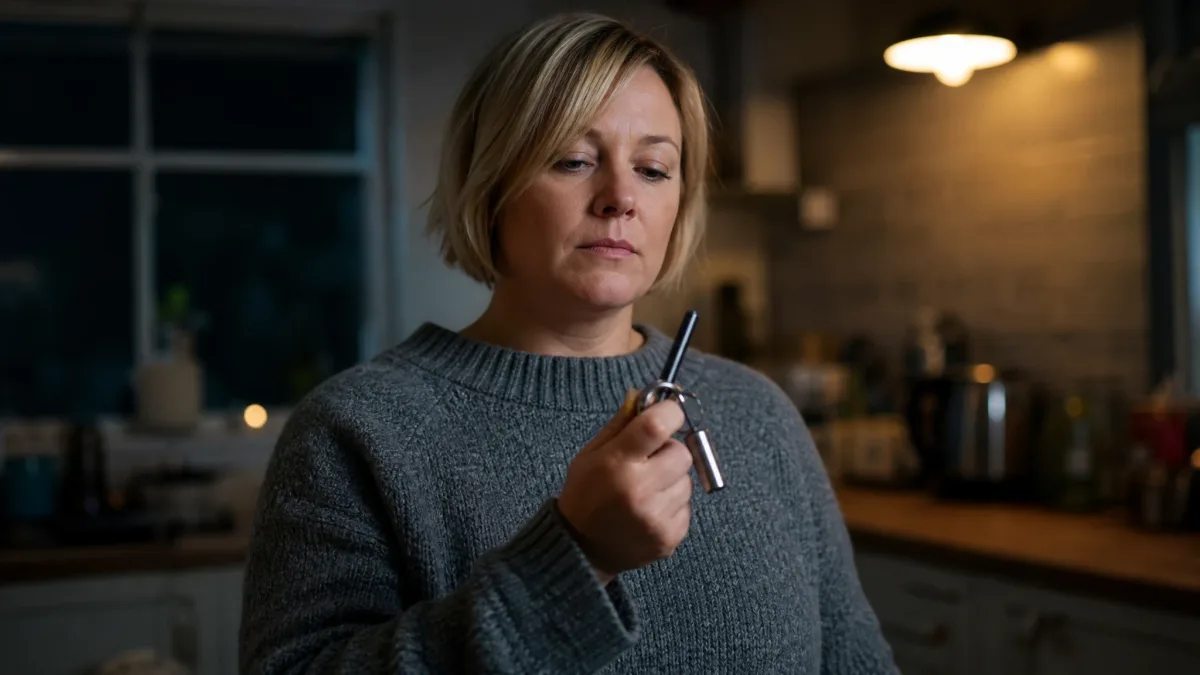
No, you would not survive it – and the layered insulation system, the fire-starting kit, the high-calorie ration bars, and the navigation aids would not change that. The honest answer is that uncomfortable, and it has nothing to do with how tough you are or how seriously you would take it.
Most people who have spent time around survival content have also, at least mentally, assembled the kit. The gear feels like the answer because it addresses the visible problem: cold, hunger, getting lost. It is genuinely useful for those things.
What it does not address is the mechanism that would actually finish you. Not hypothermia as an opening move, not caloric deficit in the first week – but the progressive psychological and cognitive unraveling that precedes both and makes them inevitable. The cold is the setting. The failure is something else.
What follows names ten specific capacities that Ice Age survival required and that modern life has, one small convenience at a time, quietly made unnecessary. By the end, you will know exactly which ones are gone, why those particular ones atrophied, and what – if anything – actually rebuilds them.
Quick Tips Before You Start
This Is About Psychology
Every point here is about a mental or cognitive limit, not a physical one. Physical failure comes later.
The Temperatures Are Real
Ice Age northern winters regularly hit -40 F. That is not a dramatic number — it is a working condition.
Gear Is Not a Baseline
A survival kit addresses physical margin. It cannot supply mental models or procedural skills you never built.
Group Dynamics Double the Risk
Most survival failures are social before they are individual. The group section is where most modern people underestimate themselves.
Reading About It Is Not Doing It
Declarative knowledge and procedural memory are different brain systems. Only one holds under stress.
What Sustained Stress Does to a Modern Brain
The first failure is not physical and it does not arrive slowly. Sustained cold, hunger, and unrelenting threat begin degrading the specific cognitive functions survival requires within the first day or two — long before the body is in any genuine danger. The brain goes first.
This theme covers three entries: what cold and chronic stress do to decision-making and sleep, and why the survival-instinct story most people carry is wrong about the timescale.
1. Cold Kills Decision-Making Before It Kills You
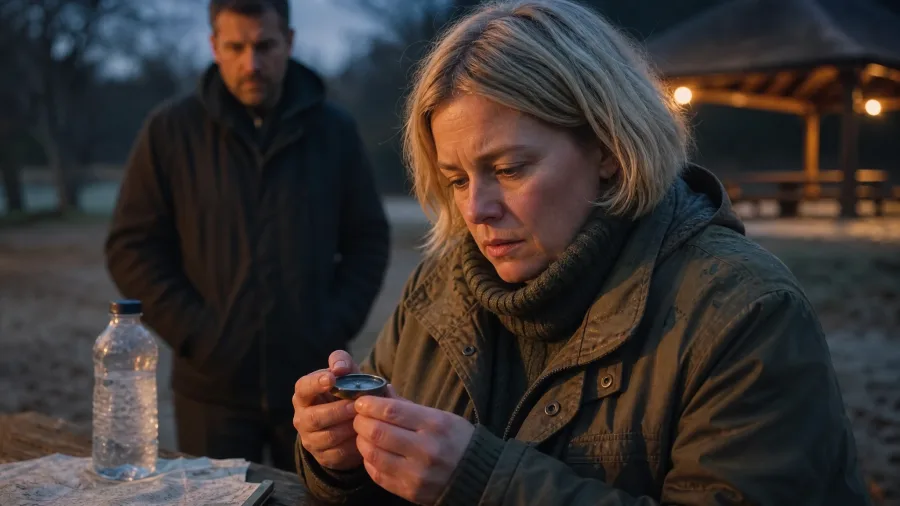
The first thing to go is not your body. It is the part of your mind that decides what to do next.
Most people picture stress as a sharpener – one bad moment, everything snaps into focus. That picture is accurate for a single crisis, and it is completely wrong for weeks of temperatures that kill exposed skin in minutes, a caloric debt that compounds daily, and a threat that never actually resolves. That kind of sustained load does not concentrate the mind; it quietly dismantles the functions the mind needs most. Planning beyond the next hour goes first. Then the ability to override an impulse – stay out one more hour, eat the emergency rations now – even when you can see it is a mistake. Then the flexibility to abandon a failing plan and try something else.
The thing that makes this dangerous is the timing. Researchers who study cognitive performance under environmental stress find meaningful decline appearing within the first day or two – not after physical collapse, but while a person still feels capable. The worst decisions come early, dressed as reasonable ones.
What determines who holds on longer is not a high-intensity training background. It is months and years of ordinary life spent managing scarcity and cold – conditions that a brain accustomed to a heated room and food available within minutes of hunger has never encountered at any scale that would count as preparation.
💡 Tip: The people who handle this better are not those with high-intensity training backgrounds. They are those with months of prior exposure to environmental hardship — scarcity and cold as ordinary life, not as a drill.
2. Survival Instincts Are a Sprint, Not a Season
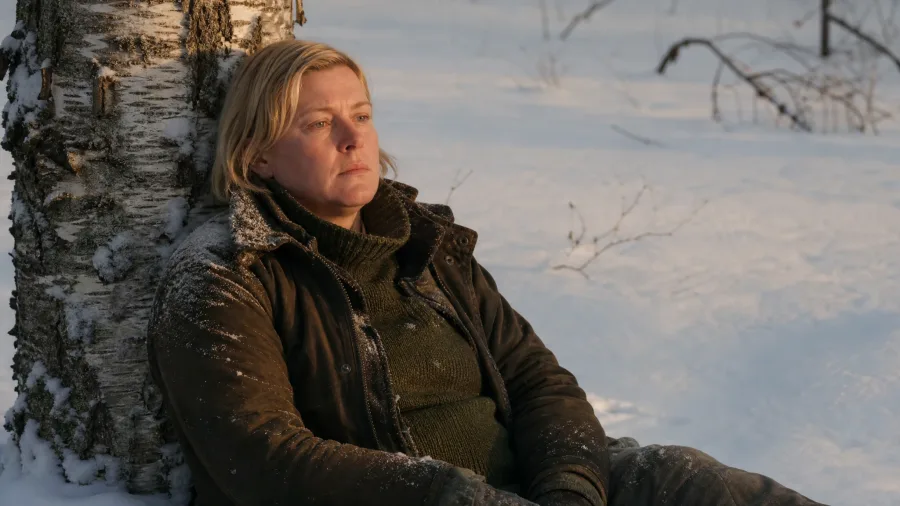
The fight-or-flight response is real, reliable, and genuinely useful for exactly the situation it was built for: a single acute threat with a clear resolution.
What survival content shows almost exclusively is that acute version – the sharp clarity, the flooded adrenaline, the decisive action. What it almost never shows is what happens when the threat does not resolve. Weeks of low-level cold and danger do not sharpen the stress system; they deplete it. First it becomes unreliable, misfiring at minor things and going quiet when it matters. Then it produces something that feels from the inside like hard-won calm – a flattened, dulled state that is actually the system going unresponsive rather than the person adapting.
That exhausted state looks nothing like the awakening people picture. There is no heightened perception, no decisive energy. There is reduced initiative, difficulty caring about what happens next, and an emotional blunting that makes it increasingly hard to act on what the situation requires. The person cannot feel the collapse coming because the system that would signal danger is the same one that has stopped working.
People whose ordinary lives included sustained physical hardship – not intermittent danger but the grinding background of cold, labor, and scarcity across long stretches – stay calibrated to that timescale. The instinct system does not vanish in anyone, but its reliability at week three of an Ice Age winter depends entirely on whether week three is recognizable to it. For most modern adults, it is not.
⚠️ COMMON MISTAKE
The Instinct Trap
Believing your fight-or-flight response will carry you through weeks of chronic stress is the most dangerous assumption you can bring into cold conditions. The system was not designed for that timescale. Plan for when it stops working, not for when it kicks in.
3. You Would Stop Sleeping Before Exposure Stopped You
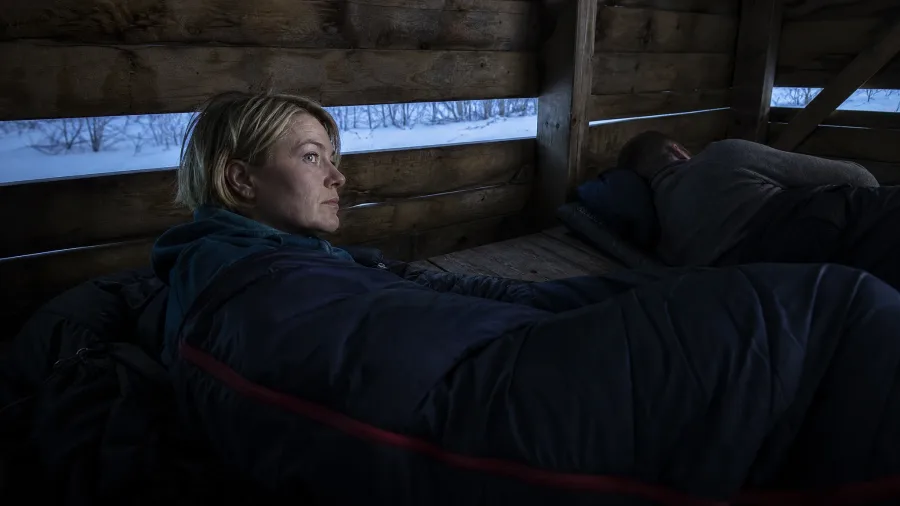
Only if willpower runs on something other than sleep – and it does not.
In conditions where the cold alone, the caloric deficit alone, and the persistent sense of threat alone are each independently enough to wreck sleep quality, all three arrive together. What goes first is risk assessment and emotional regulation – the exact capacities needed to choose shelter wisely, ration movement, and function inside a group. Most modern adults have disrupted sleep, but from schedules and screens, not from genuine physical danger. The nervous system has never practiced resting while the environment is actively hostile, which is a different skill entirely. Extended deprivation in the field produces judgment errors that feel like sound decisions, and paranoia that feels like appropriate alertness.
Sleep discipline under cold and stress is a trained outcome, not a personality trait. People who manage it have practiced abbreviated, structured sleep in genuinely difficult conditions – not people who happen to run well on six hours at home.
What People Get Wrong About Survival Psychology
What Modern Life Has Quietly Removed
Before the cold ever starts, modern life has already done something to the mind. Not damage, exactly — more like a slow erosion of capacities that comfort made unnecessary. Pain tolerance built by exposure. Hunger as a manageable background state rather than an emergency. The ability to sit inside unstructured silence without the mind turning on itself.
These three entries cover what that erosion looks like when the environment stops cooperating and the removed capacities suddenly matter again.
4. The Silence Alone Would Break Most People
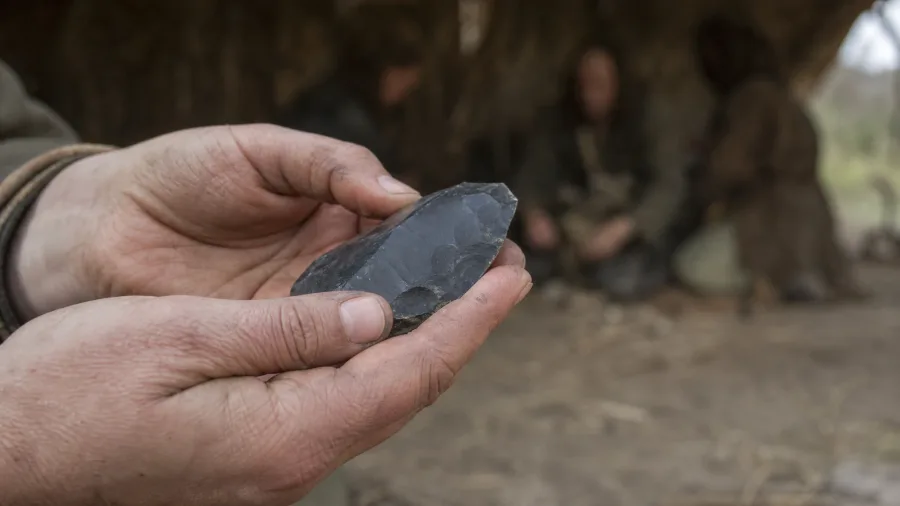
“I just need something to do” – that sentence, said out loud or only felt, is the beginning of a very specific kind of collapse that has nothing to do with cold and everything to do with what a modern mind does when the stimulation stops.
Between hunts, between storms, during the weeks of deep winter darkness at northern latitudes, Ice Age bands did an enormous amount of nothing. Not structured rest, not planned recovery – just the long, dark, cold waiting that was the dominant texture of survival life. There was no meaningful distinction between that stillness and any other day, because stillness was most days. The quiet was not a gap between things; it was the thing itself.
A modern mind placed into that same waiting does not settle. It turns inward, and what it finds there is not peace but a loop – running through dangers it cannot act on, catastrophizing outcomes it cannot control, losing track of time in a way that makes three hours feel like an unbroken eternity and a week feel structurally incomprehensible. Researchers who study sensory deprivation and extreme isolation consistently find that the absence of stimulation does not produce calm in minds that have been trained on constant input; it produces distress that builds rather than fades.
The cost is not psychological discomfort on its own. The cost is lost attention. A mind grinding through its own spiral stops reading the outside world – the shift in wind that signals a storm moving in, the track pattern in the snow that says the animal turned, the particular quality of silence that means something has changed. Environmental reading is not a skill that operates separately from mental state; it requires available attention, and a mind preoccupied with its own distress has none to spare.
People who genuinely handle this better are not simply introverts or calm personalities. They have serious, sustained meditation practice – years, not months – or they have spent extended time in remote environments where quiet was inescapable and had to be accommodated rather than escaped. That is a rarer profile than most people picture when they imagine themselves enduring on willpower alone.
5. Pain Tolerance Is Built by Exposure You Never Had
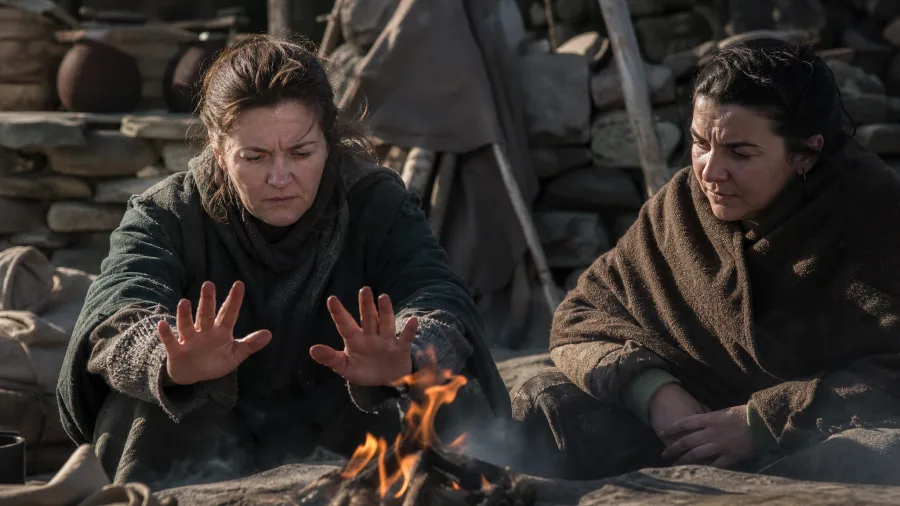
The standard expectation is that adrenaline handles pain – that crisis activates a chemical override that gets you through. It does, briefly. The first minutes of a dangerous situation, acute pain from a sudden injury, the sharp shock of cold water: yes, the stress response suppresses that. What it does not touch is the chronic ache of sustained cold at temperatures below -40°F, lasting hours and then days. That pain arrives after the adrenaline has already dissipated, and it has to be endured on its own terms.
What sustained cold pain does specifically is crowd out every other thought. The mind locks onto the sensation, magnifies it, and begins running catastrophic interpretations of it – this is permanent, this is getting worse, there is no point continuing. The body still has capacity left. The mind has already decided it doesn’t. Endurance athletes and people with years of physical labor behind them continue functioning through this not because they feel less but because repeated exposure has built a working relationship with it – they know the sensation without being consumed by it. That relationship is built over years, not manufactured in a single hard experience.
Comfort-optimized life removes the conditions that build it. The result is a population with mostly untested pain response – which means most people don’t discover where their actual limit is until they hit the psychological wall that arrives well before the physical one.
💡 Tip: No single high-intensity experience substitutes for the accumulated exposure. A weekend in the cold does not build the same tolerance as years of working outside in winter.
Trained Hardship vs. Modern Baseline
Built for Sustained Stress
- Treats hunger as a manageable background state
- Pain response stays functional, not catastrophizing
- Sleep system calibrated to rest under physical threat
- Silence and inactivity feel like rest, not deprivation
- Stress system stays reliable across weeks, not minutes
Modern Default State
- Hunger anxiety arrives before any real physiological need
- Chronic pain hijacks attention away from environment
- Sleep disrupted by threat cues the body was never trained to filter
- Stimulation deprivation triggers rumination within hours
- Fight-or-flight system depletes and goes flat within days
6. Hunger Feels Like an Emergency Because You Trained It To
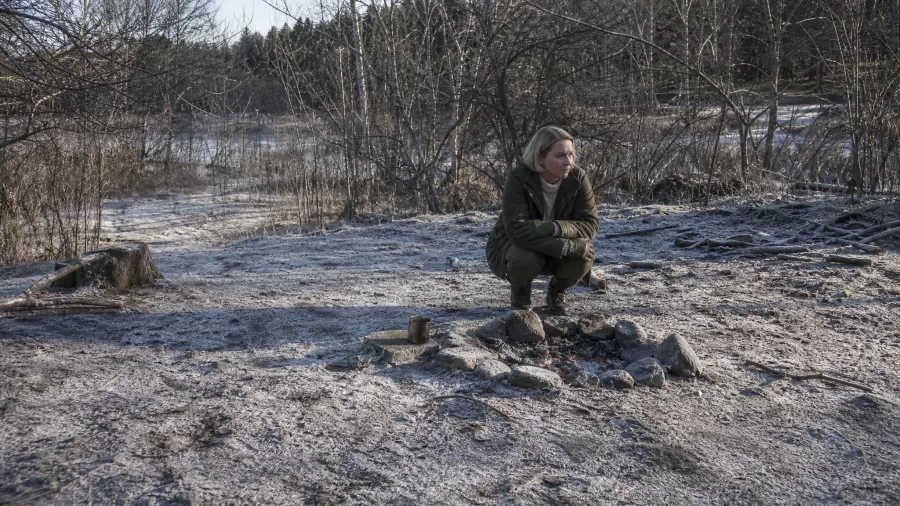
Within about three to four hours of a missed meal, a modern brain starts generating the kind of low-grade alarm – irritability, narrowing attention, a mounting sense that something is wrong – that feels like a physiological warning but is closer to a learned reflex. The body is nowhere near crisis. The mind has simply been trained, by years of consistent access, to read any shortfall as a threat that demands immediate resolution.
That conditioning is catastrophic in Ice Age conditions, where movement and hunting in temperatures below -40°F burns somewhere between 4,000 and 6,000 calories a day and shortage is not an interruption – it is the baseline state, every day, all winter. The mind that treats deficit as emergency is the mind that cannot function through it. Irritability rises, concentration fragments, and an increasing fixation on food crowds out the practical thinking a person needs – where to shelter, how to read the weather, whether the current plan is actually working.
People who have practiced extended fasting, or who grew up in households where meals were genuinely uncertain, tend to have a different relationship with that feeling – not a comfortable one, but a less consuming one. The deficit is still there; it just does not seize the entire brain. For a mind that has never had to accommodate shortage as a normal condition, hunger does not arrive as discomfort – it arrives as a cognitive emergency, spending attention that survival, in those conditions, cannot afford to lose.
💡 PRO TIP
The Calorie Math Matters
Ice Age survival required 4,000–6,000 calories daily under sustained cold and physical exertion. Standard high-calorie survival ration bars provide roughly 400 calories each. The gap between what you carry and what you need is not a detail — it is the central arithmetic of survival in those conditions.
The Psychology of Living Inside a Group
Ice Age bands of 20–50 people were not collections of individuals who happened to share a fire. They were tightly interdependent social units where status was built on demonstrated competence visible to everyone over lifetimes, and where the cost of social dysfunction was measured in deaths.
Modern people bring a completely different social operating system into that environment — one built for workplaces, for credential hierarchies, for conflict avoidance. These two entries cover what happens when that system meets the real demands of a survival band.
7. You Would Trust the Most Confident Person, Not the Most Competent
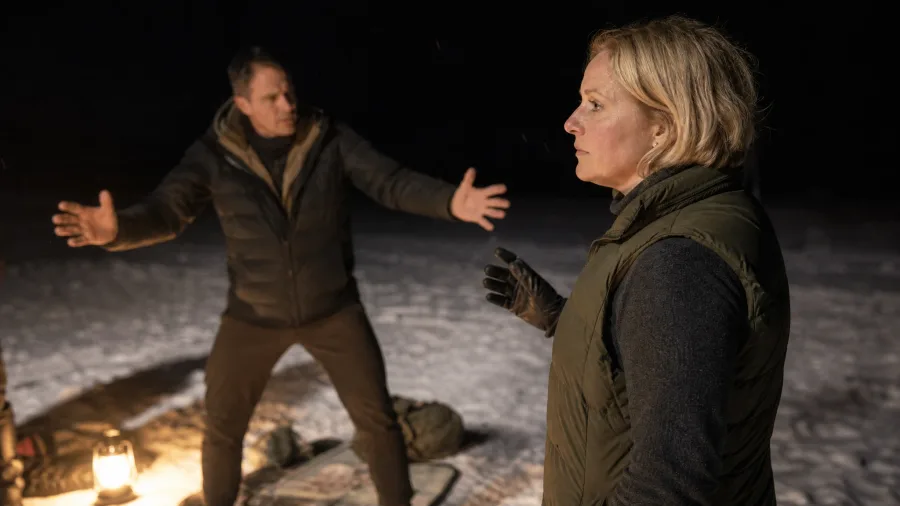
Your group huddles together after the first bad night, and someone starts talking – clear, decisive, certain. Relief moves through everyone. That voice becomes the de facto leader inside an hour.
In an Ice Age band of 20 to 50 people, authority was not claimed through clarity of speech. It was earned over years of watching the same person track game through changing snow, build shelter before a storm turned, and make the call that proved right. Competence was visible to everyone because everyone had seen it repeatedly. Modern social trust runs on entirely different signals – credentials, institutional standing, how smoothly someone commands a room – none of which translates to anything useful when the temperature drops below -40°F and the margin for error disappears.
Under sustained stress, the default is to defer to whoever sounds most certain. That person and the most capable person are rarely the same one. When the confident choice fails – shelter abandoned too late, a route committed to on bad reasoning – the group does not recalibrate cleanly. It fractures. Blame cycles replace decisions exactly when coordinated action matters most, and rebuilding trust under those conditions is nearly impossible.
Ice Age Band — Social Architecture at a Glance
👥 Band Size
20–50 people
🏆 Status Currency
Demonstrated competence over lifetimes
🎯 Accountability
Constant, visible, consequence-bearing
❌ Conflict Style
Direct and immediate — feelings managed later
🔁 Trust Signal
Repeated observable performance, not credentials
The mismatch
Modern social trust is built on credentials and verbal fluency — cues that have no analog in a survival band and map very badly onto actual capability under physical stress.
8. Modern Conflict Avoidance Gets People Killed
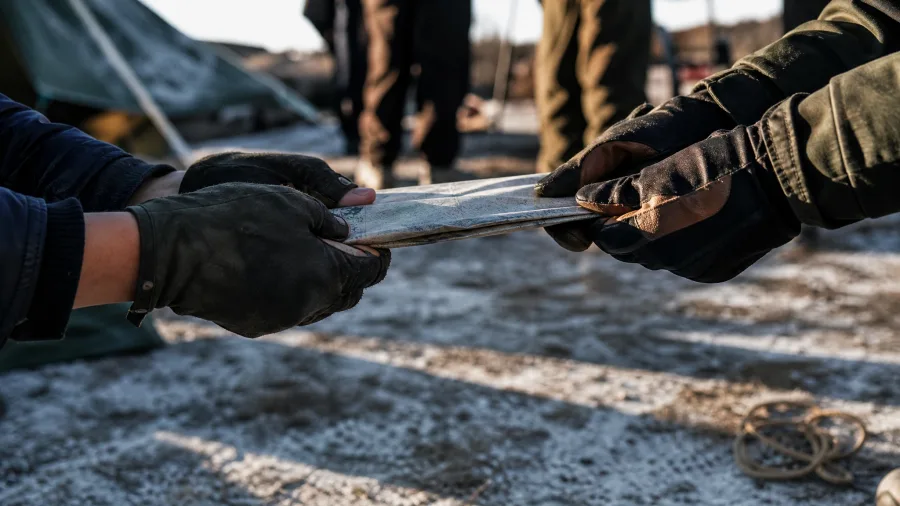
The instinct going into a survival situation is that shared mortal danger simplifies everything – that when stakes are high enough, people will set aside social friction and just do what needs doing. That assumption is almost certainly wrong.
What researchers who study groups under extreme stress find, repeatedly, is that modern social conditioning does not switch off under pressure – it warps. The habits that govern ordinary social life, smoothing over friction, softening criticism, letting a bad call go rather than forcing an open rupture, do not disappear when the temperature drops to -40°F. They persist exactly when they cost the most.
Ice Age social life was built differently. Status derived from demonstrated competence, accountability was constant and visible, and a band of 20 to 50 people could not absorb the cost of protecting someone’s feelings about being overruled. Direct, immediate disagreement was the norm, not a violation of it. A group today that cannot bring itself to abandon a failing shelter, override the loudest voice in the group, or remove a member who is burning resources faster than they contribute – that group loses time and calories it will not recover. In conditions where the caloric margin is already thin and the thermal margin thinner, delay is not a social cost. It is the mechanism of death.
Forced confrontation under shared mortal stress is genuinely painful for modern people in a way it would not have been for people raised in high-accountability environments where direct disagreement is routine. That pain is not weakness – it is conditioning, built by years of social environments that rewarded smoothing things over. People who handle it differently tend to have backgrounds where immediate, blunt disagreement was normalized and expected: military units, serious expedition teams. Not workplaces where conflict resolution means ensuring everyone leaves the room feeling heard.
Why the Gear Makes the Psychology Worse
A standard extreme-cold survival kit — layered insulation system, fire-starting tools, high-calorie ration bars, navigation aids — is genuinely useful. It addresses the physical margin. The problem is what it quietly suppresses: the development of the mental models and procedural skills the tools are replacing.
These final two entries cover why dependency on gear creates a specific psychological vulnerability, and what happens to the mind when that gear fails.
9. Reading About Fire-Starting Is a Different Brain Activity Than Doing It While Panicking
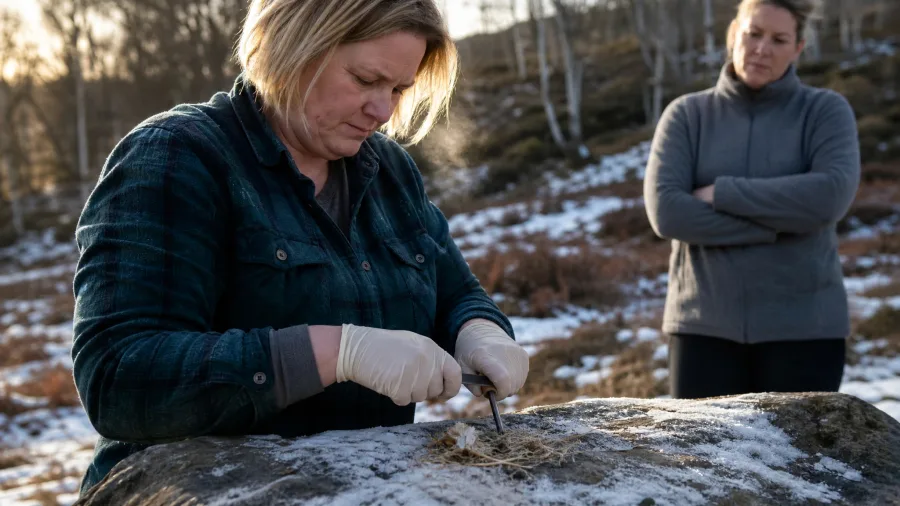
There is a meaningful difference between knowing how to start a fire and being able to start one.
Ask yourself this: have you ever practiced a survival skill – fire-starting, shelter-building, knot-tying – under conditions that were genuinely uncomfortable? Cold hands, failing light, real urgency? If the honest answer is no, what you have is declarative knowledge: the procedure lives in the part of memory that stores facts and sequences. That is a different system from the one that executes motor skills automatically under stress, and only the second one remains accessible when sustained cold and fear are consuming the available attention.
Fine motor control degrades in two directions simultaneously in the field. Sustained cold tightens and numbs the hands – striking a fire starter cleanly, threading cordage, clipping a shelter component into place all require precision that cold strips away. Elevated cortisol does the same thing from the inside, flooding the system and degrading the kind of careful, deliberate control that comfortable practice builds. A task that took thirty seconds in a warm room can take ten frustrating minutes in the field, with shaking hands and narrowed focus.
The person who has watched survival content extensively and practiced at home has something real. They know the sequence. What they lack is the procedural memory that runs the sequence without conscious supervision – the kind that executes while the thinking part of the brain is occupied with cold, hunger, and fear. That version only exists after thousands of repetitions under variable, stressful conditions.
Failure does not discourage gradually. On a person who is already cold, hungry, and depleted, a single significant failure – the sparks that will not catch, the knot that pulls apart – can collapse motivation in a single drop. The emotional and cognitive resources that sustain persistence under frustration are exactly the resources that sustained hardship has already spent. The knowledge of what to do survives intact. The capacity to keep doing it, after it fails, does not.
What Actually Separates Survivors — A Priority Hierarchy
Most refined capacity at top; foundational requirement at base
10. When the Gear Fails, the Mind Has Nothing to Fall Back On
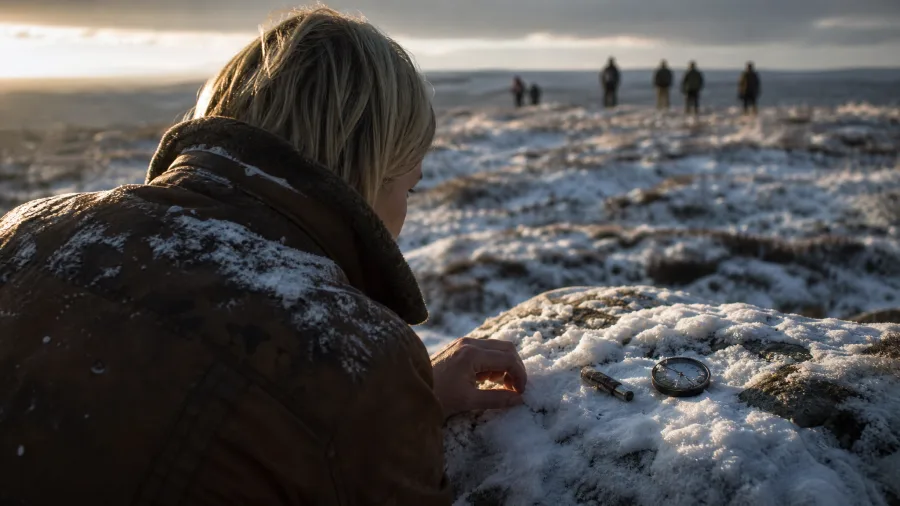
Good gear is worth carrying. That admission matters, because the argument here is not that a layered insulation system or a reliable fire-starter is useless – it is that every tool you depend on without also knowing the underlying skill is quietly deleting a mental model you will need the moment that tool is gone.
The GPS unit that dies in the cold does not leave a practiced navigator in a difficult position. It leaves someone with no position at all. The wet fire-starter is not an inconvenience to a person who has never built friction fire – it is the removal of the only framework they had, and that removal lands somewhere close to panic. Someone who learned fire-starting before they ever owned a lighter experiences the same failure as a setback. The psychological distance between those two responses is the distance between difficult and impossible.
Ice Age humans carried their survival capacity in accumulated experience, not in a pack. A standard extreme-cold kit addresses the physical margin. It does nothing for the mental models, procedural fluency, and sustained-hardship tolerance that are the actual load-bearing structure – and that no amount of reliable gear can substitute for, because reliability is precisely what removes the need to build them.
🧠 How a Modern Mind Fails in Ice Age Conditions
Hours 1–12: Cognitive Overload
Working memory and impulse control begin degrading under sustained cold and caloric deficit, long before any physical collapse.
Day 1–2: Sleep Deterioration
Cold, hunger, and threat cues combine to destroy sleep quality, stripping risk assessment and emotional regulation.
Day 2–4: Stimulation Withdrawal
The unstructured silence of waiting out weather triggers rumination spirals, pulling attention away from environmental observation.
Day 3–5: Stress System Depletion
Chronic fight-or-flight activation becomes unreliable, producing emotional blunting and reduced initiative rather than sharpened focus.
Day 4–6: Group Fracture
Misplaced social trust and conflict-avoidance norms produce paralysis and blame cycles at the worst possible moment.
Day 5+: Gear Dependency Exposed
Equipment failure removes the only framework the person had, landing as psychological collapse rather than a manageable setback.
Frequently Asked Questions
Couldn’t physical fitness compensate for some of these psychological limits?
Physical fitness helps at the margins — a fitter person burns fewer calories on a given task and handles cold exposure slightly better. But the cognitive and psychological limits described here are not caused by poor fitness and are not fixed by good fitness. Working memory degrading under chronic stress, pain tolerance built by years of exposure, procedural skill that only executes under stress if it was practiced under stress — none of those respond to aerobic capacity. Fitness buys time; it does not change the outcome if the psychological capacities are not there.
Would military training prepare someone adequately?
Better than most alternatives, particularly in sleep discipline, sustained stress tolerance, and direct conflict management. But military training is generally designed around weeks of intense challenge, not months of grinding low-level scarcity at -40 F. The closest analog would be soldiers with genuine extended cold-weather deployment experience, not basic training graduates. The psychological capacities built by military training are real and meaningful — they are just not a complete match for the timescale and conditions of Ice Age winter.
What about people who grew up in genuinely cold climates?
They have a real advantage in one specific area: cold is not novel to them, so it does not consume the same cognitive bandwidth it would for someone encountering it for the first time as a crisis. Novelty is itself a stressor, and removing it matters. But growing up in a cold climate with modern heating and food access still leaves most of the psychological gaps intact — the hunger conditioning, the stimulation dependency, the lack of procedural survival skills. Familiarity with cold is an advantage; it is not the whole gap.
Are any of these psychological capacities actually rebuildable as an adult?
Yes — some of them, partially. Pain and discomfort tolerance responds to deliberate training over months and years: cold exposure practice, endurance sports, sustained manual labor. Hunger catastrophizing can be reduced by intermittent fasting practiced over time. Procedural skills can be built by genuine repeated practice under variable conditions. The sleep and chronic stress capacities are harder — they respond to extended periods of genuine hardship, not simulated versions. The honest answer is that several of these are rebuildable, none are rebuildable quickly, and comfort-optimized modern life actively works against the rebuilding.
Does this mean Ice Age humans were psychologically stronger than modern people?
Not stronger — calibrated differently. They were not hardier people who gritted through conditions that would break us. Their psychological baseline was shaped by those conditions from birth, so the cold and scarcity and darkness did not land as a departure from normal. Modern brains are not weaker; they are optimized for a completely different environment. The problem only shows up when the environment changes and the optimization no longer matches. That distinction matters, because it means the question is not about character — it is about exposure.
What single capacity would matter most if you were actually dropped into Ice Age conditions?
Cognitive function under chronic stress — the ability to keep working memory and planning capacity online through sustained cold and hunger. Everything else flows from it: shelter decisions, group coordination, reading the environment, executing skills under pressure. Without that baseline, no other capacity helps very long. The people whose cognitive function degrades slowest under sustained environmental stress are those with prior extended exposure to hardship — not intensity training, but duration.
What Would Actually Keep You Alive
Three capacities separate the rare person who might last from everyone else. The first is the ability to sustain functional decision-making not through a single acute crisis but across weeks of compounding cold, hunger, and broken sleep – a cognitive baseline that degrades slowly rather than collapsing fast. The second is a genuine tolerance for sustained physical discomfort and hunger built through repeated exposure over months, not the kind that adrenaline briefly provides. The third is the social fluency to read competence accurately inside a small, frightened group and act on that reading even when it means direct, painful confrontation.
None of those are traits some people are born with and others are not. They are capacities that a climate-controlled bedroom, food available within minutes of hunger, stimulation available within seconds of boredom, and social norms built around conflict avoidance have made unnecessary – and what becomes unnecessary stops developing. The mind did not lose these things through weakness. It traded them, rationally, for the cognitive bandwidth that comfort freed up. That bandwidth built most of what modern life runs on.
The trade is rebuildable in parts – not through a weekend in the woods or the right playlist of survival content, but through months of chosen difficulty: cold that is not immediately escaped, hunger that is not immediately fed, skills drilled past the point where they require thought. Most people will not do those things, which is a reasonable choice. But the next time the question comes up – the one the title asked – the honest answer starts not with what you would pack, but with what, long before the first night at minus forty, was already gone.
Test Your Own Psychological Baseline
The FAQ section above includes a specific answer on which capacities are actually rebuildable as an adult, and where to start. Scroll back up and check the one that applies to you.