
Could you actually survive 24 hours on a Viking ship? Most people imagine the physical challenge of pulling an oar or enduring the freezing spray of the North Sea.
They picture the wrong threat entirely.
Your body can handle cold and hunger for days. What you cannot survive, and what would break a modern mind before the first sunset, is the acute psychological assault. It is a complete dismantling of every spatial, sensory, and social boundary you rely on to stay sane.
The breaking point is cognitive, not physical.
The Sensory Assault
Immediate Cognitive Collapse

Four minutes is exactly how long the historical fantasy actually survives.
The common misread of this scenario is assuming the primary danger comes from the brutal physical environment. You picture yourself eventually succumbing to the freezing sea spray, the inevitable starvation, or the agonizing muscular toll of rowing through a storm. You expect the ordeal to be a dramatic, heroic test of endurance playing out over several days.
The truth is that your modern mind collapses long before the bitter cold even registers. You simply lack the developmental hardware to smoothly process this immense, crushing volume of simultaneous physical stressors.
Think about exactly how you manage overwhelming situations in your daily routine. When a densely packed room gets too intense, or a social conflict suddenly spikes, you instinctively walk down the hall to catch your breath. On a sixty-foot open deck squeezed alongside thirty armed men, that fundamental physical pressure release valve simply does not exist.
This total collapse of your personal space triggers a severe, inescapable panic response that compounds by the minute. Every instinct you possess is violently screaming at you to seek distance from the threat.
The only possible fix for this acute entrapment requires profound, conscious emotional regulation. You must deliberately force your nervous system to accept absolute confinement without physically fighting it, entirely contradicting your modern survival programming. You endure the threat by sitting completely still in the overwhelming sensory crush until the terror finally exhausts itself.
⏳ The 24-Hour Psychological Decline
Hour 1: Acute Shock
The amygdala spikes cortisol as personal space vanishes and sensory input overloads the nervous system.
Hour 6: Vestibular Apathy
Severe motion sickness strips away motivation, leaving you unable to care about social standing or warmth.
Hour 12: Hypervigilant Exhaustion
The brain desperately needs sleep but refuses to shut down in a high-threat, exposed environment.
Hour 18: Cognitive Fragmentation
Lack of REM sleep and constant cold lead to paranoia and misinterpreting neutral social cues as threats.
Hour 24: Learned Helplessness
The mind completely dissociates from the physical misery, resulting in a dangerous failure to protect oneself.
Vestibular Mismatch
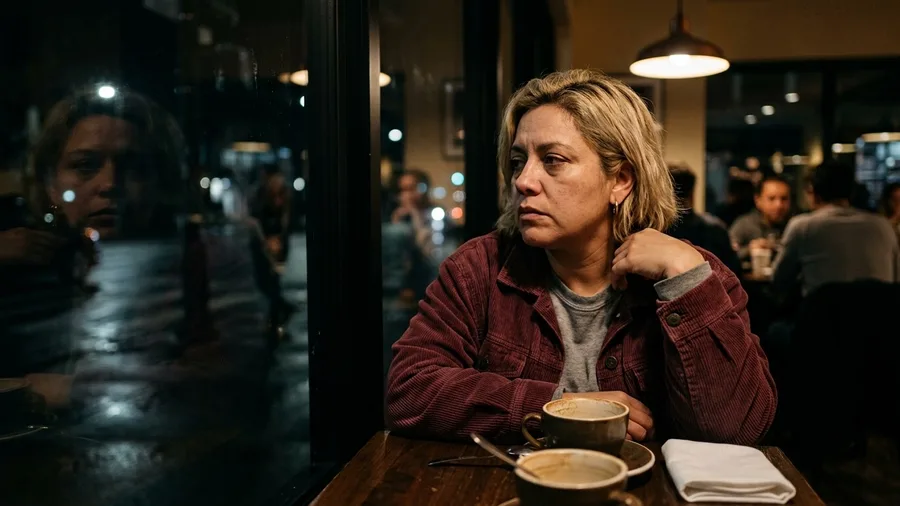
The floor drops three feet out from under you, then slams back up, but your eyes tell a completely different story. You are staring at a static wooden deck and crewmates who are standing perfectly still. Your inner ear registers violent, unpredictable chaos while your vision reports total calm.
This severe vestibular mismatch brings on much more than crippling nausea. Prolonged sensory conflict triggers a psychological response called sopite syndrome, flooding you with profound apathy and a complete loss of the will to participate in your own survival.
The only functional fix is immediate visual grounding. An experienced sailor would grab your shoulder and hand you the exact instruction you need to hear: “Get your head up. Find the line where the water hits the sky, and do not look at anything else.” You must force your brain to reconcile the visual data with the physical movement.
⚠️ COMMON MISTAKE
Closing Your Eyes
When the nausea hits, modern instinct says to close your eyes and lie down. On a ship, removing visual data makes the vestibular mismatch infinitely worse and accelerates the panic response.
The Spatial Violation

You require a baseline of about three feet of physical distance to feel secure in any normal environment. When someone breaches that radius without permission, your attention narrows immediately to monitor their actions.
Researchers who study crowding and extreme confinement consistently observe what happens when that space is stripped away entirely. On a longship, your allotted territory is reduced to exactly the width of your own shoulders. You eat, sleep, and suffer within inches of strangers, with no physical barriers to block their smell, their noise, or their sudden shifts in weight.
Your brain registers this proximity as a constant, low-grade physical threat.
The toll of endless contact drains your cognitive reserves, as every accidental elbow forces your brain to calculate whether the impact was hostile. To survive, you have to mentally dissolve your boundaries. The fix is psychological integration, where you stop viewing the person next to you as an intruder and start viewing them as an extension of the environment.
First to Break
Sleep Deprivation Mechanics

I used to assume the sheer physical exhaustion of hauling heavy ropes and navigating an open wooden longship through rough waters would eventually force you to pass out. I honestly figured a tired body pushed completely past its breaking point would simply override the hostile environment and demand immediate sleep regardless of the danger.
But human rest relies heavily on a biological promise of safety, deep darkness, and total stillness. On the open water, the deafening noise, sharp cold, and violently heaving deck constantly signal active danger.
Your nervous system refuses to initiate the paralysis for REM sleep.
Without that baseline reset, your emotional regulation collapses completely within a few hours. You lose the ability to read faces accurately, frequently misinterpreting a neutral or exhausted glance from a crewmate as genuine anger or disgust. The required fix is polyphasic micro-sleeping, training your brain to snatch ten-minute restorative rest bursts while sitting upright in the freezing rain.
The Reality of Rest
Modern Sleep
- Complete darkness and silence
- Climate-controlled environment
- Eight continuous hours
- Physical isolation from strangers
Ship Survival
- Constant loud environmental noise
- Freezing spray and wet clothing
- Ten-minute fractured increments
- Physical contact with others
Social Threat Evaluation
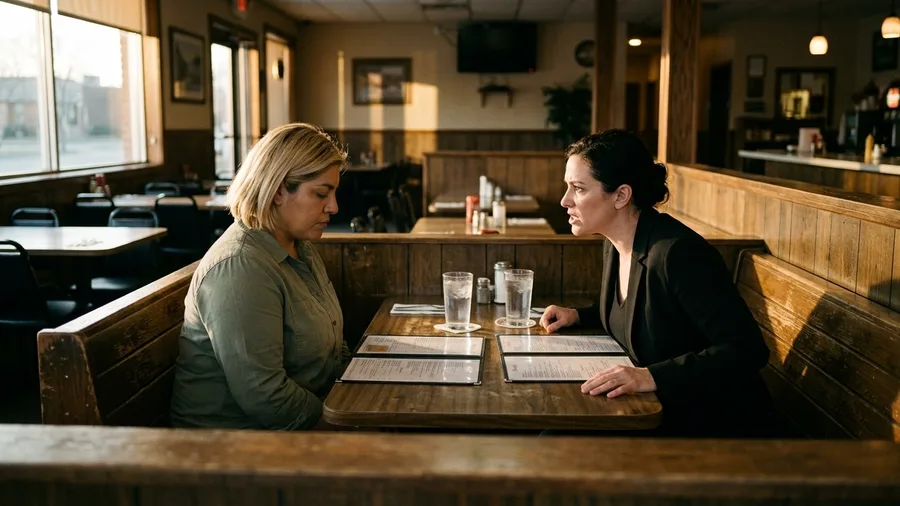
How do you handle a social mistake when everyone around you is exhausted, nauseous, and fighting the sea? In a modern office, dropping the ball gets you a tense meeting, but on a longship, failing to pull your weight makes you an immediate physical liability to thirty terrified people.
Extreme stress strips away every ounce of social grace.
The hierarchy is enforced through blunt correction, which your brain will constantly register as a severe social threat. To survive, you must practice hyper-awareness without ego, accepting harsh rebukes instantly and swallowing your defensive pride to maintain your safety within the group.
💡 PRO TIP
Mirroring Nervous Systems
If panic sets in, look at the calmest person near you. Deliberately matching their breathing rate forces your autonomic nervous system to down-regulate and halts the adrenaline spike.
Cognitive Calorie Depletion
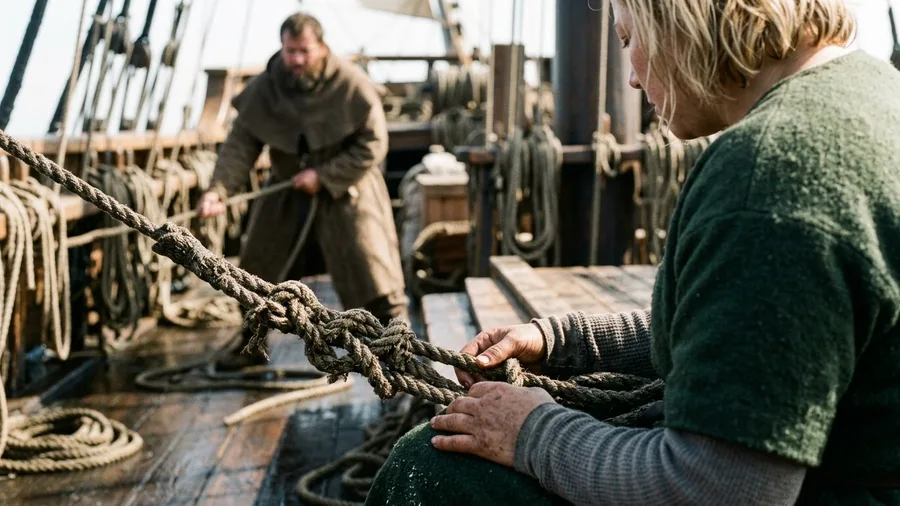
The physical exhaustion is not what will actually break you out on the freezing open water, no matter how relentlessly grueling the daily labor gets. Long before your aching shoulders finally give out from pulling a heavy wooden oar, your central nervous system will simply refuse to issue another basic human command to your limbs.
The true, hidden danger of this brutal environment is that you will inevitably run out of cognitive fuel long before your physical muscles actually quit on you, leaving you entirely helpless.
Under normal, comfortable conditions, your brain uses roughly twenty percent of your daily caloric intake just to keep your baseline bodily functions running smoothly. Out on a violently pitching deck, the constant, invisible background calculation of your physical balance, the dropping temperature, and the immediate threat of a ruthless crew doubles that drain instantly.
The resulting mental collapse is absolute, silent, and incredibly sudden.
This severe biological depletion manifests as a sudden, terrifying inability to make decisions. You might stare at a knotted rigging rope for ten solid minutes, completely unable to figure out how to untie it.
The only vital exception to this paralysis is pure muscle memory, where your hands already know the work intimately. To survive, you must rely on radical caloric intake and deliberate mental automation. You have to eat dense fats continuously, and deliberately turn every physical chore into a mindless routine so your frontal lobe can safely power down.
The Cognitive Energy Drain
The Claustrophobia Trap

People assume the cure for feeling trapped is an open view.
But staring at an endless horizon from a Viking ship is exactly what breaks you. The open ocean is ironically the ultimate confined space, restricting your physical world to a few damp boards.
When the brain realizes it cannot hide or leave, it responds with frantic energy, which is why people in extreme confinement sometimes try to walk away into fatal waters. The only fix is mental compartmentalization. You must shrink your world to the exact task in front of you, entirely ignoring the vast environment.
🌱 GROWING TIP
Tactile Grounding
When the vastness of the water triggers panic, grip the wooden bench or a rope tightly. Forcing sharp physical sensation back into your hands anchors the wandering mind.
Learned Helplessness
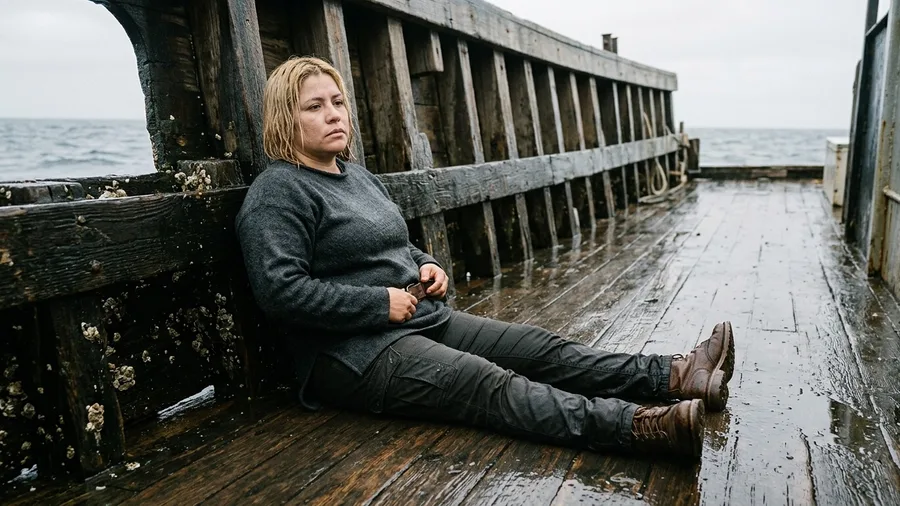
“You just have to dig deep and push through it.” That is the modern advice for hitting a sudden physical wall, and on an open longship in the freezing dark, it is dangerously wrong. Pushing through assumes your brain still believes hard effort will eventually change your circumstances for the better.
When every movement only brings more pain, the nervous system quits.
You shift your weight and get soaked, you complain and get yelled at. After hours of zero improvement, learned helplessness takes over, leaving a person sitting completely motionless while freezing water washes over them.
Screaming at a crewmate in this state does absolutely nothing, because their mind no longer links effort to survival. The only way out is manufacturing a microscopic win. You find one tiny variable you can still control, like tightening a belt by one notch or deliberately drinking water, to remind the brain that your actions still have consequences.
Frequently Asked Questions
Why does the lack of personal space cause so much anxiety?
Humans use distance to manage social threats. When you cannot back away from someone, your brain remains in a state of constant, low-grade hypervigilance, which exhausts your cognitive reserves quickly.
Is motion sickness really a psychological threat?
Yes. Beyond the physical discomfort, severe motion sickness causes the sopite syndrome, a neurological response that induces extreme apathy, depression, and a loss of the survival instinct.
Why do people hallucinate at sea?
The brain constantly searches for patterns. When subjected to the random white noise of crashing waves and severe sleep deprivation, it begins projecting familiar sounds, like voices, into the noise.
How did historical crews handle the stress?
They were heavily conditioned from childhood to accept lack of privacy and physical discomfort. Their baseline for normal sensory input was vastly different from a modern nervous system.
What is the fastest way to stop an anxiety spike on a boat?
Focus your eyes on the unmoving horizon and deliberately slow your breathing. This resolves the vestibular mismatch and forces the autonomic nervous system to down-regulate.
The Myth of Physical Toughness
We like to think survival is about muscle and grit.
The truth is that physical strength is entirely useless if the mind driving it has dissociated from reality. Surviving extreme conditions is an exercise in ruthless emotional regulation and sensory management.
If you want to know how you would fare, look at how you handle a canceled flight or a loud, crowded room. The mind that breaks there will not survive the sea.
Check Your Own Stress Baseline
Before you romanticize the extreme, evaluate how your nervous system handles modern inconveniences.