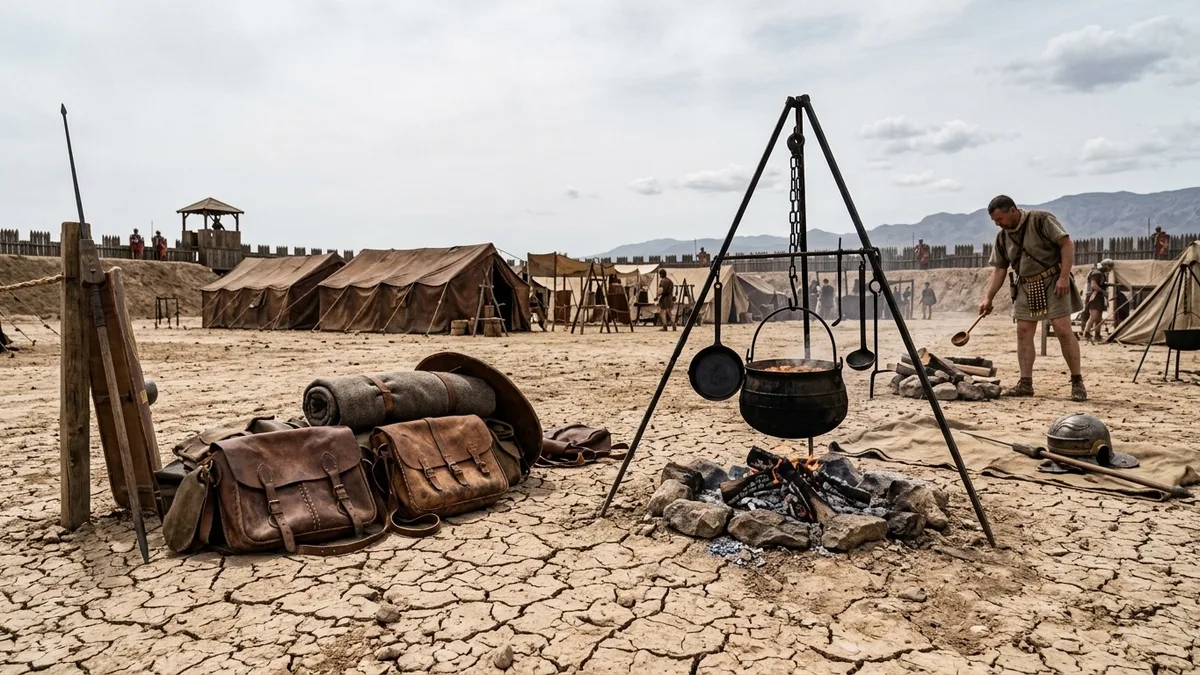
Most people imagine ancient legions charging into combat fueled by grand feasts and spiced wine. That picture is entirely wrong.
When the Roman vanguard braced for impact, their bellies held simple, durable rations designed for endurance rather than comfort. This article breaks down the exact provisions that powered a marching empire.
Roman Campaign Fuel At a Glance
Why Grain Was the Real Weapon of the Legion
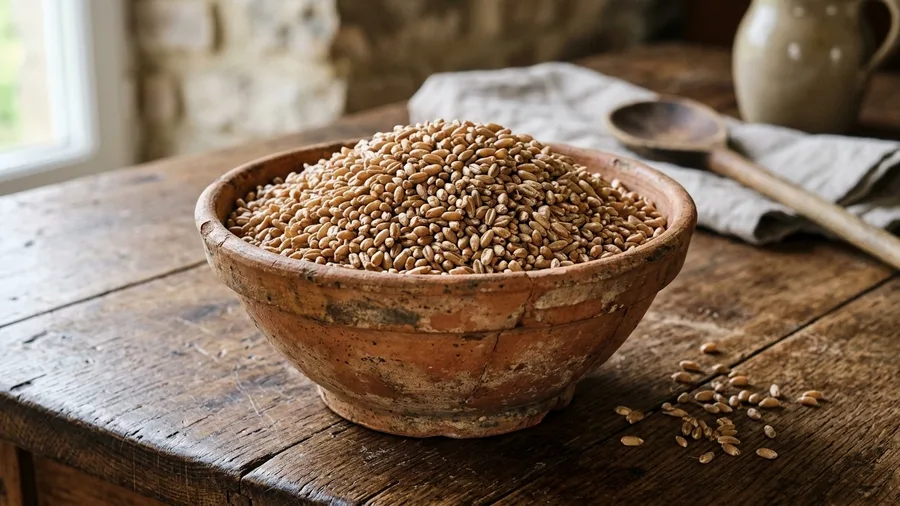
The backbone of any Roman campaign was not steel, but grain. Soldiers carried unground wheat kernels because they resisted spoiling on long marches.
Every legionary doubled as a miller, grinding their daily allowance using portable hand mills before cooking it into a dense porridge called puls. This heavy carbohydrate base provided sustained energy for hours of intense physical labor.
Without this reliable caloric foundation, the tactical formations would have collapsed long before reaching enemy lines.
🌱 GROWING TIP
Focus on Complex Carbohydrates
Emmer wheat released energy slowly, preventing the mid-march fatigue that refined flours cause.
What Was Posca and Why Did Every Soldier Drink It?
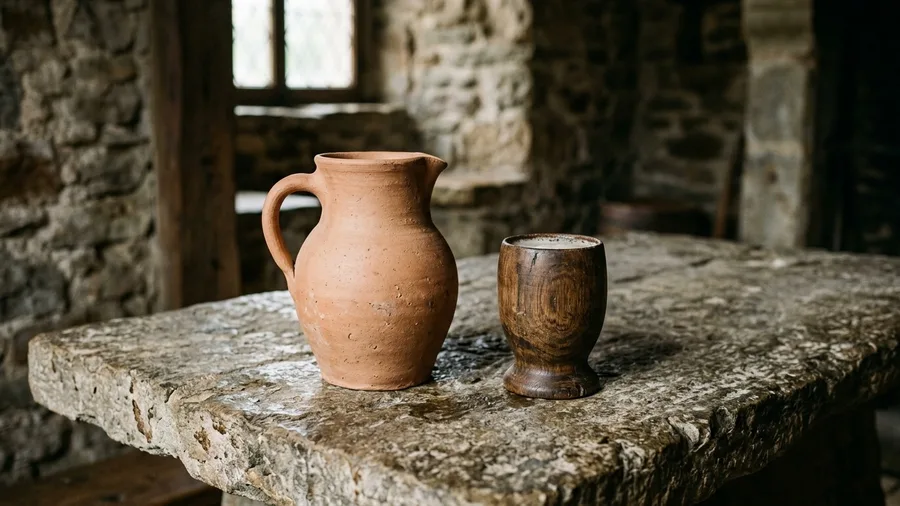
Three distinct components made up the daily ration that kept a Roman soldier moving across hostile territory.
Water in the ancient world carried constant risks of contamination, which made ordinary drinking sources genuinely hazardous for troops on the move. To solve this hazard, soldiers drank posca, a mixture of cheap sour wine and water that researchers note acted as a practical sanitation tool long before modern microbiology existed.
The vinegar killed harmful bacteria while providing essential hydration and electrolytes during grueling marches under the Mediterranean sun. It tasted sharp and bracing, serving as both a thirst quencher and a mental stimulant before a confrontation.
Officers drank fine wine, but the ordinary legionary relied entirely on this sour brew. When you look at how endurance actually functions under physical stress, the physical mechanism relies on small, repeatable provisions rather than grand gestures.
The Core Components of Roman Rations
Did They Actually Eat Meat Right Before Battle?
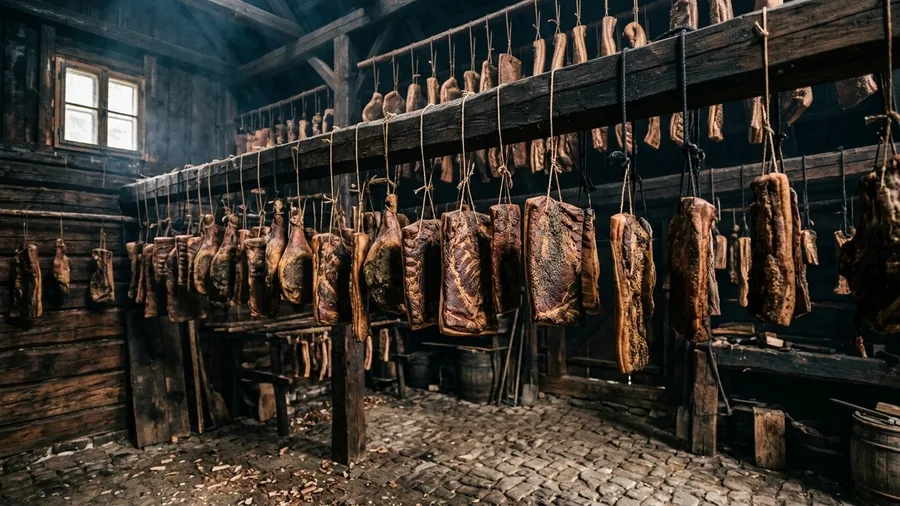
We often picture soldiers fueling up on massive feasts of roasted meat right before charging into combat, assuming high protein translates directly to battlefield dominance.
The historical reality reveals the exact opposite approach, as fresh meat was strictly saved for post-victory celebrations while active campaigns relied heavily on cured lard and salted pork fat.
Consuming heavy animal fats right before exertion triggers sluggish digestion and severe cramping, which led Roman commanders to mandate light meals of simple grain pastes and dried cheese instead of heavy pre-battle dining.
⚠️ COMMON MISTAKE
Avoid Heavy Pre-Exertion Feasts
Consuming massive amounts of protein or fat right before intense physical stress diverts blood flow away from active muscles.
How Field Kitchens Operated Under Pressure
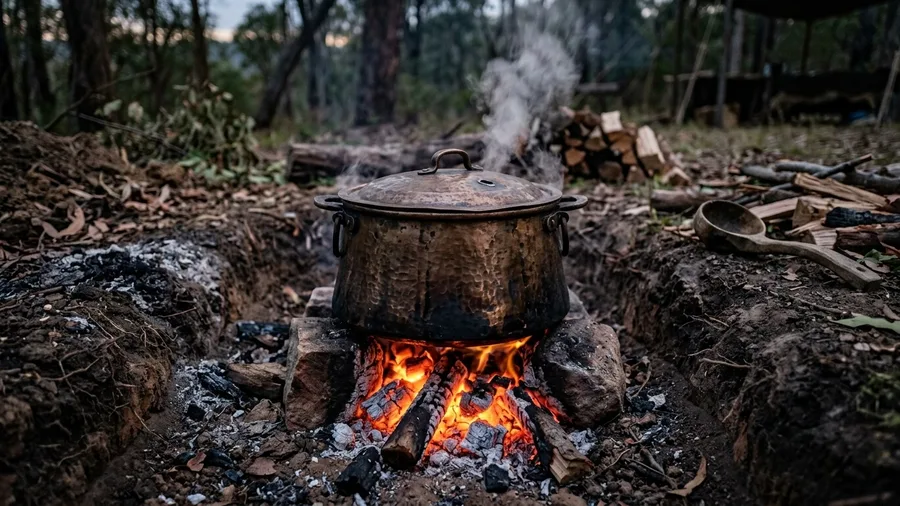
Centurions demanded speed from their men the moment camp was pitched at dusk.
You might look at those bronze cooking pots shared by small mess groups and assume it was merely about nutritional efficiency, but researchers who study group dynamics note that shared physical labor under tight constraints binds small units tighter than formal drills ever could.
Boiling hard wheat with whatever roots foragers found along the road looks like a simple survival chore, yet to the soldiers doing it, that predictable evening routine signaled safety and order amid total chaos.
Instead of letting fatigue fracture a unit after a brutal march, use the next high pressure moment to establish a small, shared ritual that forces everyone to reset together before the day ends.
🛡️ The Roman March and Meal Cycle
Dawn Departure
Soldiers consume cold water and leftover grain paste before breaking camp.
Midday Halt
A quick break for sips of posca and dry cheese rations on the road.
Evening Camp
Lighting trenches for communal cooking pots and grinding the next day's grain.
The Psychological Comfort of Familiar Food
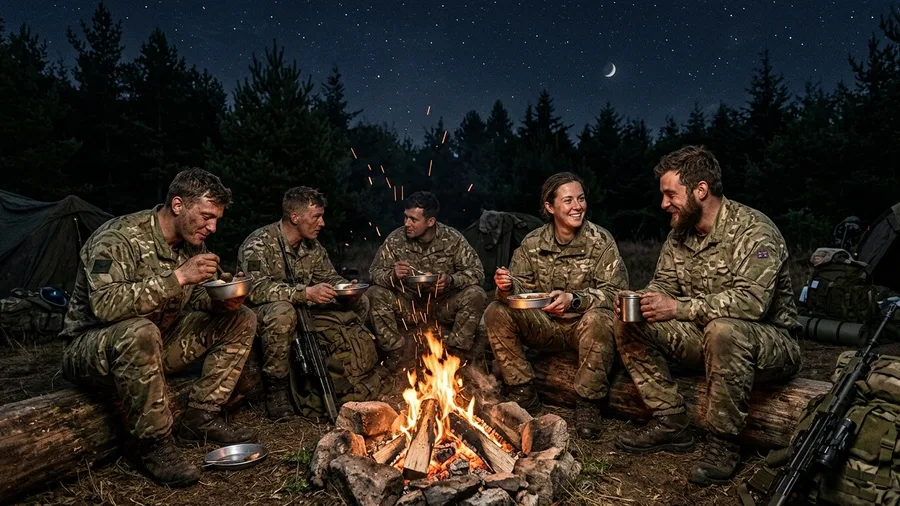
Eating identical rations across thousands of miles provided deep psychological grounding for troops facing foreign lands and hostile tribes.
The ritual of grinding grain and boiling puls created a predictable routine amid the chaos of war. Familiar flavors reminded soldiers of home, reducing anxiety and reinforcing their shared identity as Roman citizens under arms.
Morale often depended as much on the consistency of the ration as on the quality of the weapons.
The legionary conquered the world on wheat porridge and discipline, not banquet luxuries.
— What military historians consistently observe about imperial logistics
What You Can Learn From Ancient Field Diets

Chasing rigid nutritional perfection under high pressure often backfires by draining the very mental bandwidth you need to perform. When every meal requires complex planning, the pursuit of optimal fuel creates a quiet exhaustion.
There are times when a simple, highly processed fallback meal is entirely fine to choose because survival and convenience occasionally matter more than dietary purity. If your day demands total focus on a crisis, grabbing whatever basic calories are available keeps you functional without guilt.
The key is recognising that disciplined fueling supports demanding days, but it should never become another source of stress. Keep your meals clean and predictable when life is steady, and give yourself full permission to lower the bar when the schedule demands it.
The Evolution of Legionary Sustenance
Frequently Asked Questions
Did Roman soldiers cook their own food?
Yes, legionaries organized themselves into small mess groups called contubernia. They shared cooking pots, firewood duties, and grain preparation tasks every evening.
What did Roman soldiers eat on the march?
They primarily consumed dry grain rations like wheat or barley, hard cheese, and salt pork fat, washed down with posca to stay hydrated.
Was posca alcoholic?
Posca was made from low-grade, sour wine mixed heavily with water. Its alcohol content was extremely low, acting mainly as a preservative and flavor enhancer for water.
Did they eat vegetables during campaigns?
When available, soldiers foraged or bought local vegetables like garlic, onions, cabbage, and lentils to mix into their daily grain stews for added flavor and nutrients.
The Lasting Blueprint of Roman Endurance
Simplify your preparation when facing high-demand tasks and trust reliable fundamentals over complex distractions.
Keep your approach straightforward and let consistency drive your results.
Master Your Daily Fuel Strategy
Review your current routine and strip away unnecessary complications just like the legions did on the march.