Russia is larger than the dwarf planet Pluto. That single planetary surface-area comparison shatters ordinary travel logic before you even look at a map.
Beyond the standard capital cities lie geographic and climatic extremities that defy ordinary boundaries and push human endurance to the edge.
You can snorkel under an ancient lighthouse, cross frozen freshwater seas on hovercrafts, ride subterranean subway systems lined with marble, and taste fermented soups in Siberian towns.
This guide gives you the unvarnished facts, the real costs, and the practical permissions to pick and choose your stops without the generic filler.
Quick Tips Before You Start
Rail Travel
Book third-class platskart carriages for maximum cultural immersion on long routes.
Local Currency
Keep physical cash rubles on hand because international credit card networks do not operate locally.
Winter Prep
Expect extreme sub-zero temperatures requiring specialized insulated gear in Siberia.
Navigation
Download offline maps and translation apps before venturing outside major urban centers.
Russia Travel Quick Planning Guide
How Far Is Travel Across the Country?
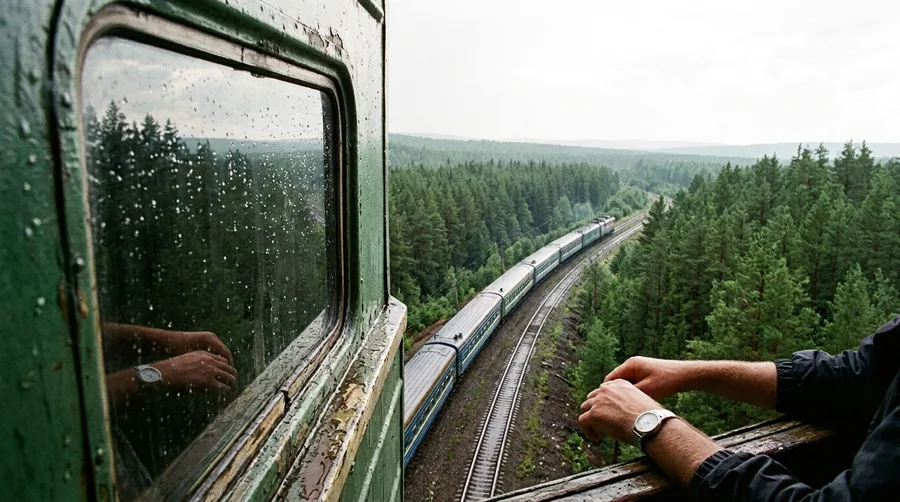
The sheer scale demands a complete reset of your travel expectations. You are crossing eleven time zones if you traverse the entire landmass.
Flying remains the only practical way to bridge massive gaps between western hubs and eastern wilderness zones like Kamchatka.
Train travel works best when broken into multi-day segments rather than attempting continuous cross-country marathons.
The Trans-Siberian Route
Save this route before you go to map out major rail milestones.
1. Explore the Moscow Metro
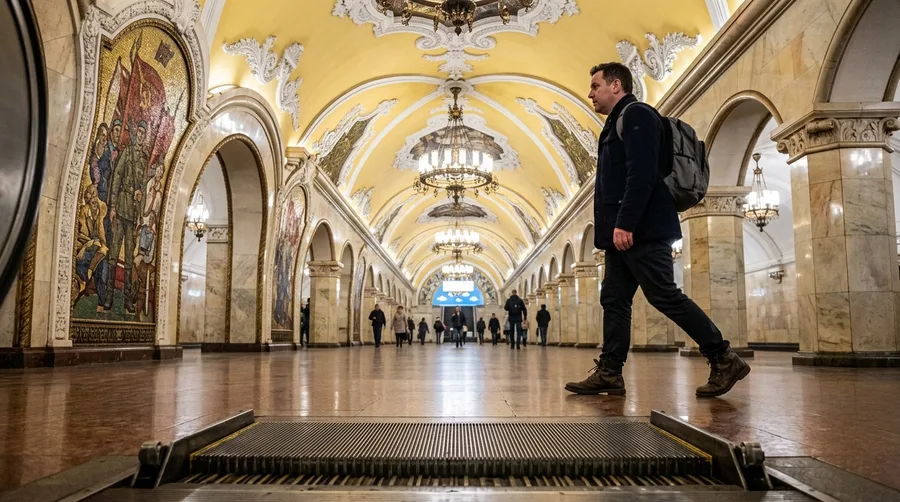
The subterranean air smells faintly of ozone, polished marble, and Soviet bronze echoing beneath the busy Moscow streets. You step off the escalator and realize you are standing inside an underground art gallery rather than a transit hub.
Spend roughly 50 to 60 rubles per ride, or under $1 USD equivalent, to explore deep-level stations like Komsomolskaya and Mayakovskaya.
These stations were constructed during the mid-20th century to double as civil defense bomb shelters, protecting citizens while showcasing monumental socialist art.
💡 Tip: Visit Komsomolskaya, Novoslobodskaya, and Kievskaya for the most elaborate mosaic vaulted ceilings.
💡 PRO TIP
Subway Photography Timing
Visit the metro stations between 10 AM and 3 PM when commuter crowds thin out enough to capture clean architectural shots.
2. Traverse Lake Baikal
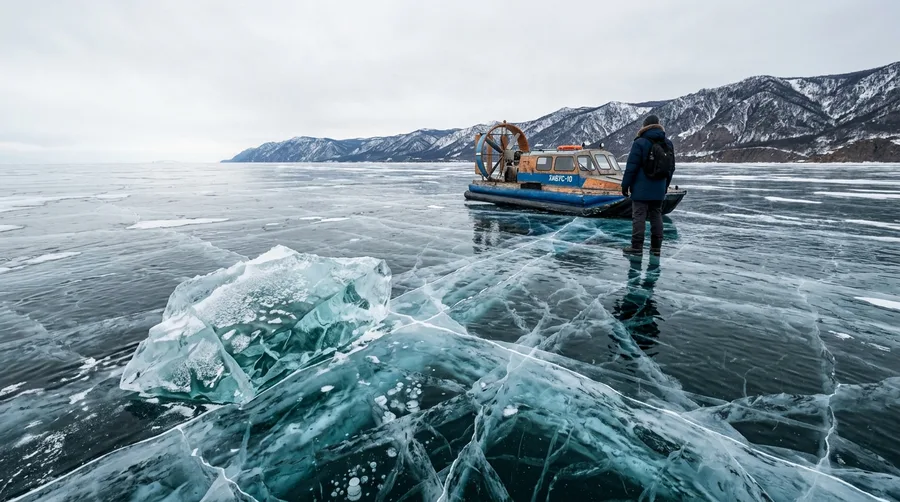
Lake Baikal suits resilient families seeking profound natural landscapes and winter adventure; it is completely unsuited for travelers seeking luxury resort infrastructure or mild climates.
Geographical consensus confirms Baikal holds roughly twenty percent of the world’s unfrozen surface freshwater in a single tectonic basin.
Winter transforms the surface into black ice so transparent you can see dozens of meters deep, accompanied by thunderous thermal cracking sounds echoing across the frozen expanse.
Accessing remote shores requires flying into Irkutsk and hiring local hovercraft or UAZ-452 van drivers because paved roads do not exist around much of the perimeter.
Winter Baikal vs. Summer Baikal
Winter Season
- Drive vehicles across transparent black ice
- Experience dog sledding across frozen bays
- Witness stunning blue ice hummocks
- Extreme sub-zero temperatures require heavy gear
Summer Season
- Hike coastal trails around Olkhon Island
- Kayak calm bays and secluded coves
- Enjoy cool lake breezes during long daylight hours
- Ferry services operate across open waters
3. Visit Oymyakon Settlement
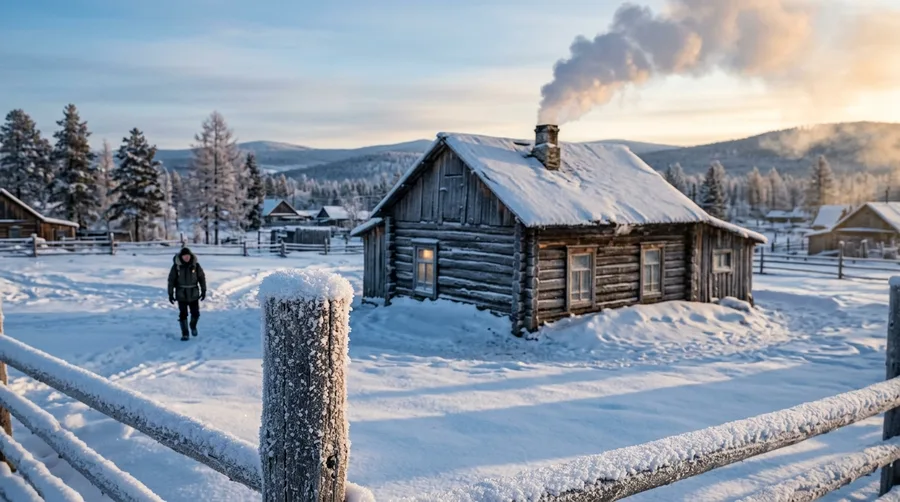
Minus 71.2 degrees Celsius stands as the lowest recorded temperature for any permanently inhabited settlement on Earth.
Yakut locals bypass standard winter survival failures by keeping car engines running continuously for months in specially heated garages or large outdoor bonfires.
Local diets rely heavily on frozen raw fish known as stroganina and horse meat because agriculture is entirely impossible in the deep permafrost.
Seek out local Yakut homestays in nearby Tomtor over commercial options to gain authentic cultural survival insights from families who thrive here.
🌡️ A Winter Day in Oymyakon
10:00 AM
Dawn finally breaks with a pale pink glow over the frozen landscape.
12:00 PM
Temperatures hover around minus fifty degrees as locals tend outdoor fires.
3:00 PM
Dusk arrives rapidly, plunging the village back into darkness.
4. Admire Kizhi Island Woodwork
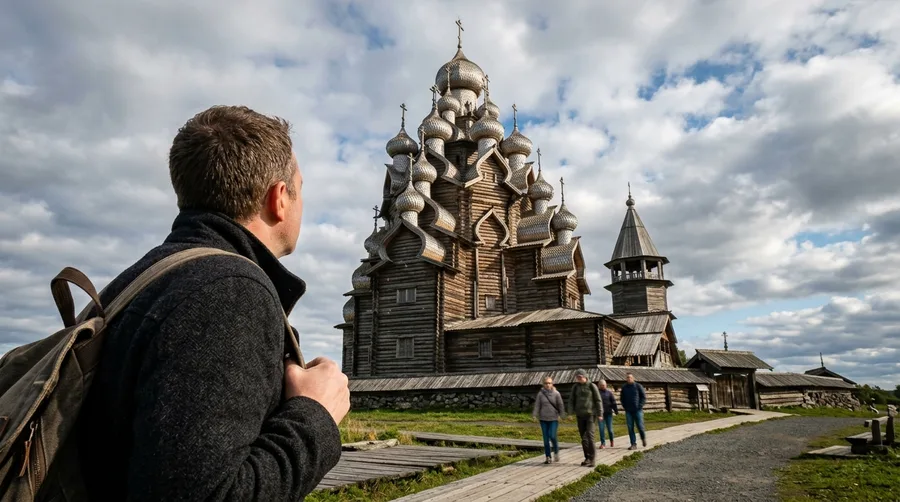
Modern steel-reinforced architecture feels entirely alien when you stand before the 22-domed wooden masterpiece on Kizhi Island.
Eighteenth-century carpenters built this structure using only interconnected aspen logs and hand axes, relying on precise joinery to shed rain and resist rot without a single metal nail.
5. Taste Traditional Soups
Do not mistake cold kvass-based okroshka soup for a sweet dessert; it is a tangy, fermented rye-bread beverage base loaded with cured meats and radishes.
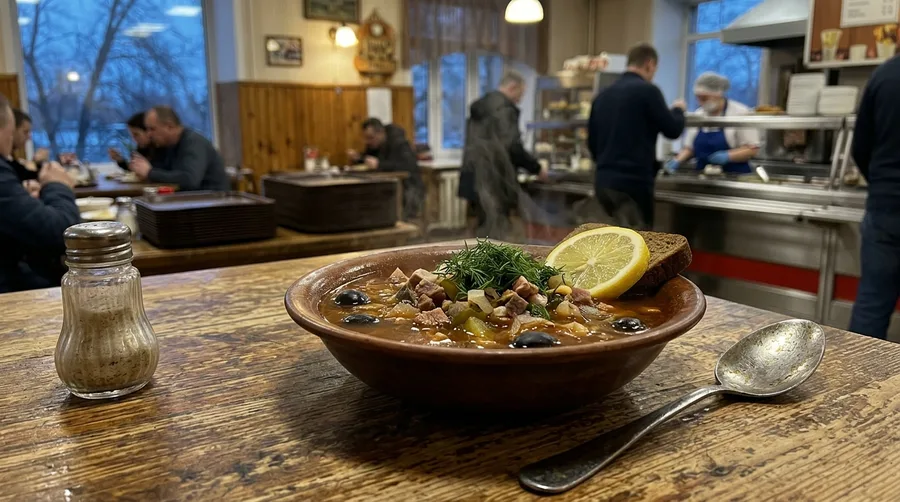
Solyanka serves as the ultimate winter soup, combining cured meats, pickles, olives, lemon, and capers for a sharp flavor profile.
A hearty bowl at a traditional stolovaya cafeteria runs roughly 250 to 400 rubles, giving you an affordable and filling meal.
6. Ride the Trans-Siberian
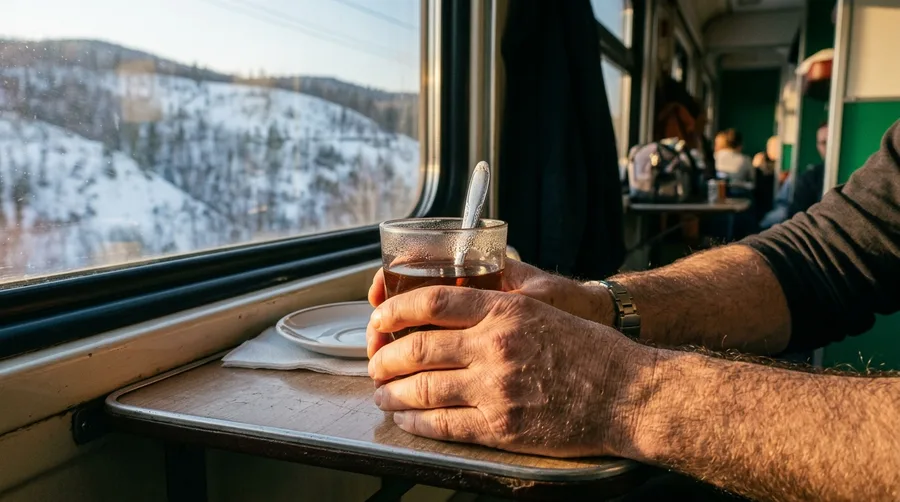
The journey spans 9,289 kilometers of continuous rail bridging Moscow to Vladivostok across seven distinct time zones.
Days of confinement in cramped third-class platskart carriages require mental endurance, basic sanitation navigation, and tolerance for endless birch forest scenery.
The slow-paced rhythm of shared meals with strangers over instant noodles and black tea offers an unmatched cross-cultural immersion despite the cramped quarters.
Trans-Siberian Railway At a Glance
🛤️ Distance
9,289 km
⏰ Time Zones
7 Crossed
⏳ Duration
7 Days Non-Stop
🛏️ Class
Platskart Open
Essential Gear
Pack comfortable slip-on shoes, instant meals, and a sturdy mug for endless tea.
7. Time Your Kamchatka Visit
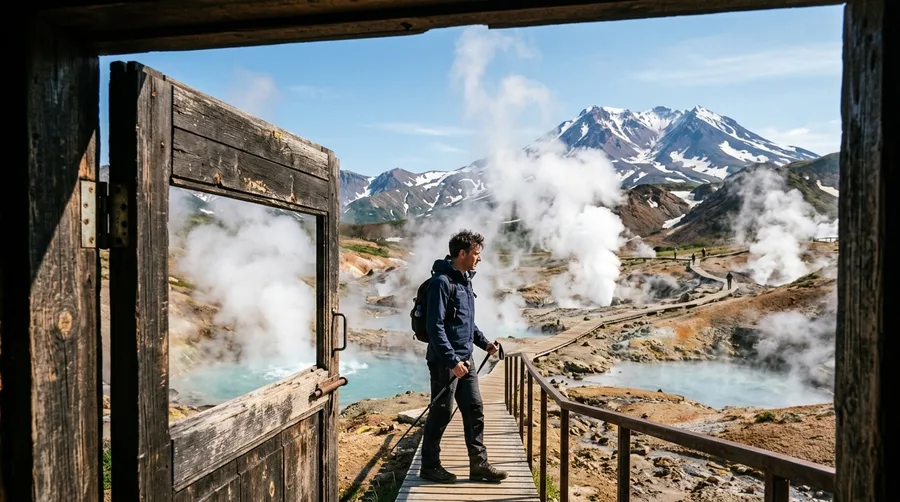
Why must visitors to Kamchatka’s Valley of Geysers arrive strictly during the early morning hours between 6 AM and 8 AM?
Geothermal steam inversion layers lift off the caldera floor during this narrow window, offering the only clear visibility before dense afternoon cloud cover sets in.
Accessing this UNESCO site requires booking a helicopter excursion due to the total absence of roads across the volcanic terrain.
8. Wander Abandoned Pyramiden
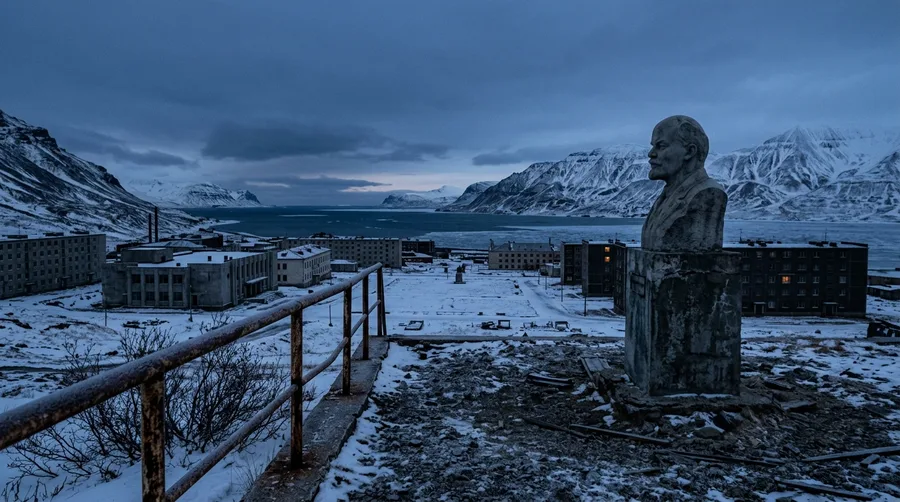
You sit on a dusty wooden bench inside the world’s northernmost grand piano hall in an abandoned Arctic coal town, listening to absolute silence save for distant calving glaciers.
Coal extraction ceased in 1998, leaving behind preserved Soviet cafeterias, sports halls, and a statue of Lenin overlooking an Arctic fjord.
Spend a slow hour absorbing the eerie juxtaposition of decaying industrial ambition against pristine frontier wilderness.
9. Track Curonian Spit Wildlife
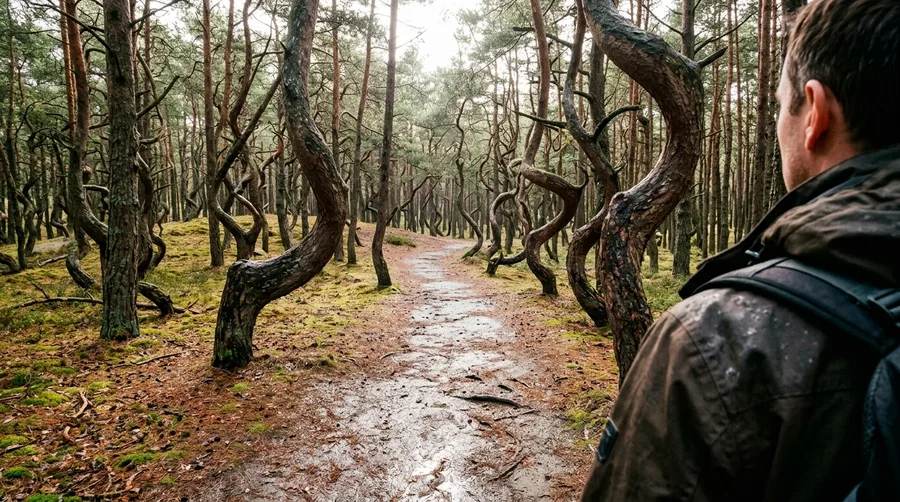
Endless flat steppes give way to this slender, pine-forested sand dune spit shared between Russia and Lithuania.
Expect a high probability of spotting migrating elk, wild boars, and rare bird species along the Baltic flyway, but a low probability of seeing elusive European bison without a dedicated park guide.
Walk through the botanical anomaly known as the Dancing Forest, where pine trees twist into looping, spiral shapes due to historical caterpillar infestations and wind stress.
10. Photograph Suzdal Kremlin
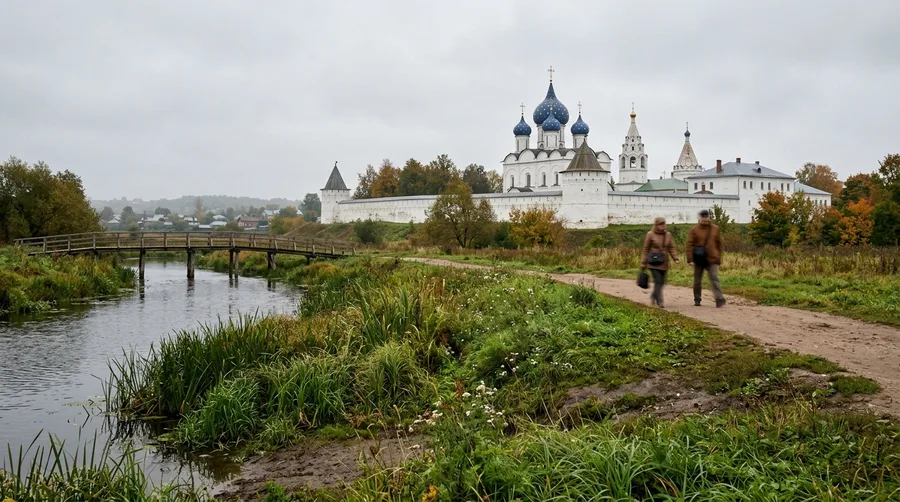
You stand on the grassy banks of the Kamenka River in Suzdal just as the late afternoon autumn sun catches the white stone ramparts of the Kremlin.
Stand on the wooden footbridge near the Museum of Wooden Architecture at precisely 6 PM during golden hour to capture the onion domes framed by willow trees.
Suzdal remains the cradle of Russian architecture and Orthodox spirituality, entirely untouched by modern high-rise development.
Rent a bicycle to pedal easily between ancient monasteries and local honey-mead tasting cellars along the riverbanks.
Suzdal Highlights
11. Discover Tundra Roadside Stops
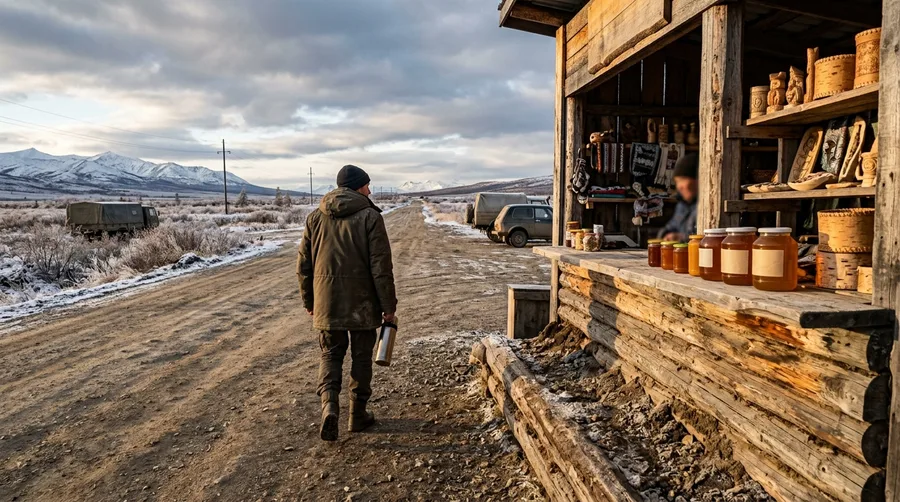
The permafrost highway carries the sharp smell of frozen peat and thick dust kicked up by passing heavy Kamaz trucks.
Modern prospectors legally scavenge thawing riverbanks for prehistoric woolly mammoth tusks as part of a bizarre local cottage industry.
Quirky roadside pit stops offer hot thermoses of berry tea and thick reindeer fat spread on dark rye bread for pocket change.
12. Climb Mount Elbrus Slopes
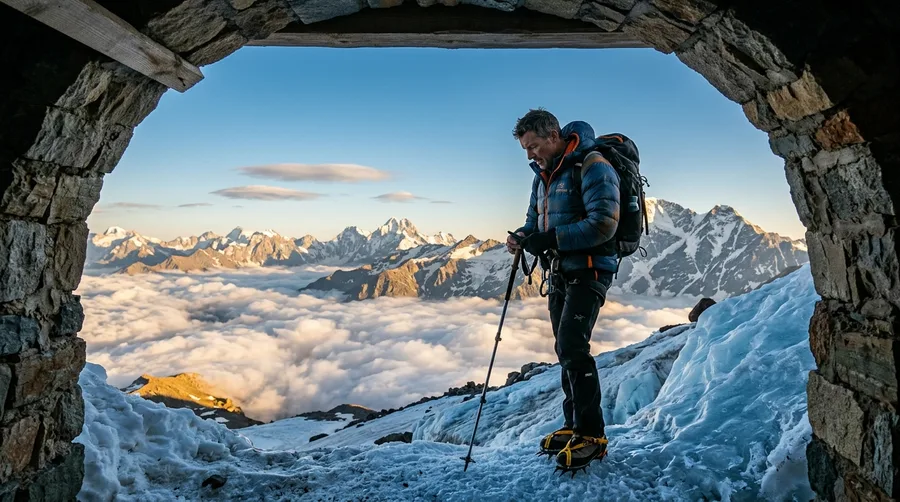
Strap crampons onto your mountaineering boots and begin the steady trudge up the glaciated slopes of Mount Elbrus.
Do not underestimate high-altitude pulmonary edema and rapid weather shifts on Europe’s highest peak simply because the southern route lacks technical rock-climbing walls.
Dedicate months to physical conditioning and hire a certified local mountain guide from Terskol village before attempting the summit push.
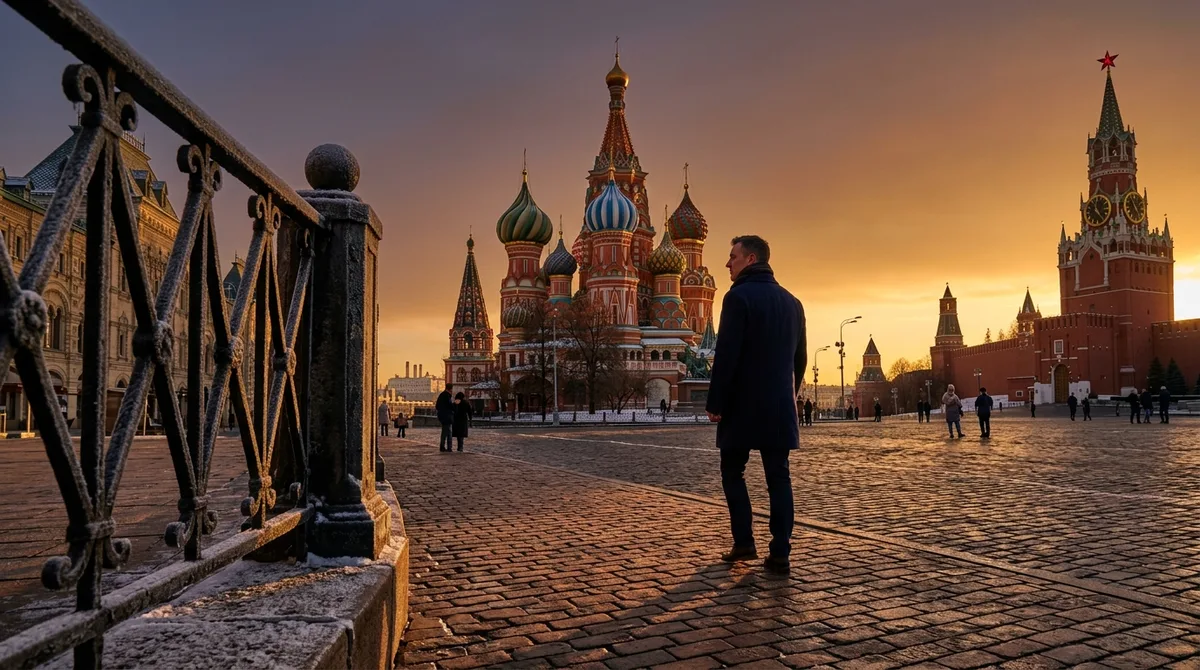
13. Visit Saint Basil Cathedral
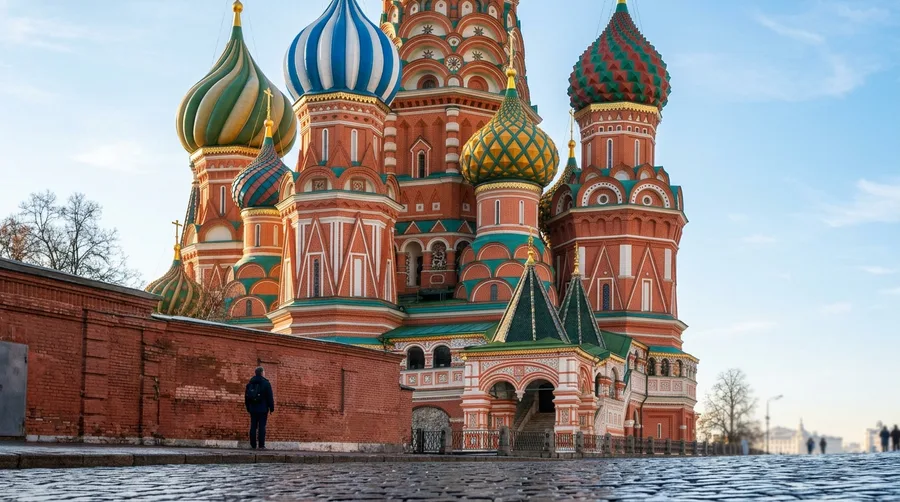
Is fighting the Red Square crowds to enter Saint Basil’s Cathedral actually worth the ticket price and queue?
The exterior is a jaw-dropping masterpiece of sixteenth-century tent-roof architecture, but the interior can feel claustrophobic due to narrow labyrinthine chapels.
Arrive at 7 AM before tour buses park to photograph the polychrome domes in absolute solitude without obstruction.
Trip Preparation Flow
Sample 7-Day Siberian Itinerary
Top Ranked Stops
Climatic Rigor Spectrum
From mild urban exploration to extreme Arctic survival
- Moscow City Tours: Urban infrastructure with standard amenities.
- Golden Ring Towns: Mild rural walking and cycling.
- Lake Baikal Winter: Severe cold requiring specialized clothing.
- Oymyakon Expedition: Extreme sub-zero permafrost survival.
Frequently Asked Questions
Do travelers need a visa to visit Russia?
Eligible nationalities can apply for an electronic visa online prior to departure. Ensure your passport remains valid for at least six months and check current registration rules upon arrival.
What is the best time of year to visit Siberia and Lake Baikal?
February and March offer ideal conditions for ice driving, dog sledding, and photography. July and August provide warm weather for hiking and lake kayaking.
Can you use foreign credit cards or Apple Pay locally?
International Visa and Mastercard networks do not operate within the country. You must carry sufficient physical cash rubles or use accepted alternative payment cards.
Is it safe to travel independently outside of major cities?
Main transportation lines via Russian Railways and domestic flights operate reliably. Venturing into remote wilderness zones requires hiring experienced local guides and proper gear.
How long should a first-time itinerary last?
Allocate at least ten to fourteen days to balance travel time between western cultural hubs and eastern natural wonders without rushing.
Beyond the Onion Domes: Why Russia’s Wilds Defy Expectation
True travel magic happens far beyond standard postcard monuments once you embrace the raw scale of subterranean subway palaces and frozen Siberian lakes.
Understanding this vast landscape requires looking past political headlines and appreciating the resilient local hospitality that defines the frontier.