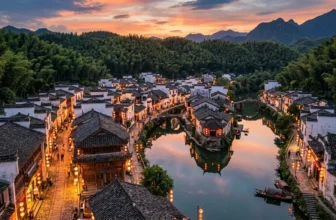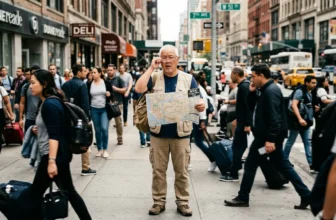
Viral clips of Japanese streets often look like cinematic science fiction rather than real life. You see glass storefronts left wide open overnight and pristine commuter trains where hundreds of passengers ride in absolute silence.
That cognitive dissonance comes from expecting the chaotic noise of Western mega-cities. What you are actually witnessing is an entire society engineered around strict mutual accountability and public trust.
These viral anomalies are not internet fabrication. They are the standard, unglamorous infrastructure of daily life across the Japanese archipelago.
💡 PRO TIP
The Core Urban Paradox
Hyper-modern automation coexists seamlessly with ancient neighborhood preservation because civic trust replaces police enforcement.
The Cultural Mechanics Behind the Anomaly
Western urban design relies heavily on physical barriers, security cameras, and punitive enforcement to maintain order. Japanese infrastructure operates on the social concept of seken, a powerful collective public consciousness.
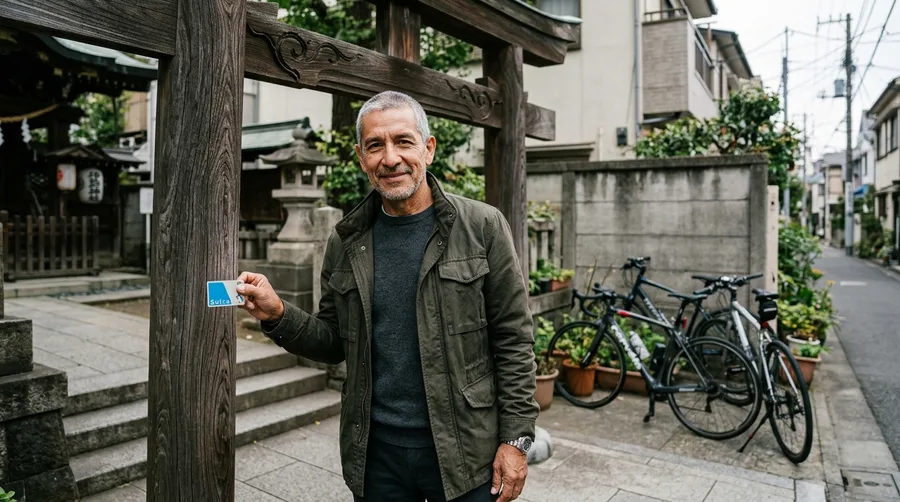
When you walk through an un-gated neighborhood in Tokyo, you notice thousands of expensive bicycles resting against walls without locks. People do not steal them because doing so violates the unspoken social contract that keeps dense cities functional.
This shared responsibility scales across municipal systems, turning massive populations into remarkably self-regulating communities.
1. 1. Unlocked Bikes and Honesty Boxes
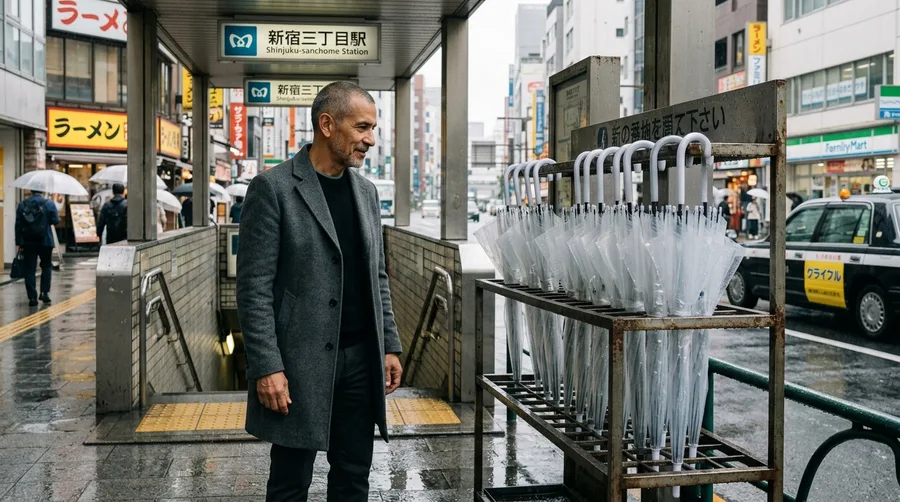
Umbrella theft is virtually nonexistent in most districts. Walk up to any train station during a sudden downpour and you will find communal umbrella stands left entirely unattended.
People borrow what they need and return them days later to a different station rack. Lost wallets containing cash and credit cards routinely find their way to local police boxes untouched.
That level of baseline honesty makes everyday city life feel remarkably weightless compared to high-crime urban centers.
💡 Tip: Never leave valuables unsecured permanently, but do trust the local community bins.
Lost Property Recovery Rates — Tokyo vs. Western Hubs
📱 Phone Recovery
85% returned
💵 Cash Returned
70% intact
⏱️ Average Turnaround
24 hours
The Koban System
Neighborhood police boxes maintain thousands of lost items daily with meticulous handwritten logs.
2. 2. The High-Tech Evolution of Capsule Living
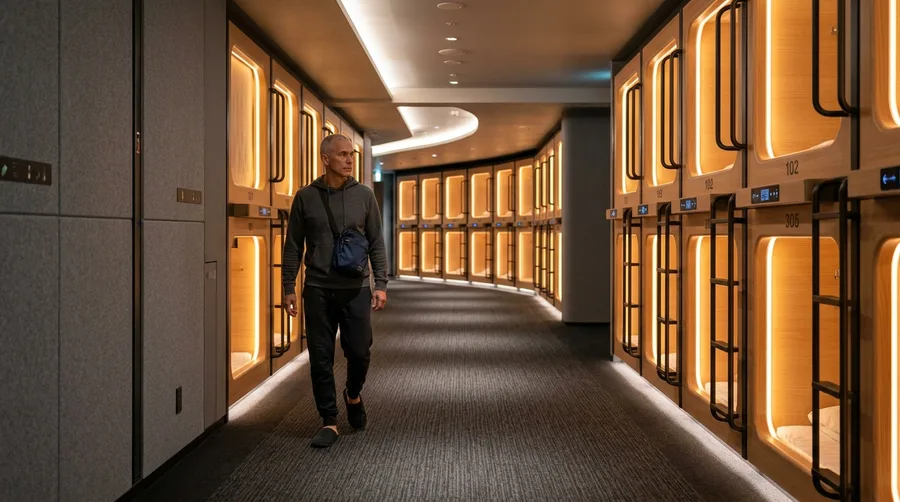
Capsule hotels have evolved from sterile concrete tubes for stranded salarymen into high-design wellness retreats. Brands like Nine Hours integrate ambient lighting and biometric health tracking into compact sleeping pods.
Acoustic dampening materials block out all exterior sound, giving you deep silence right in the middle of bustling commercial districts like Shinjuku.
You get high-end communal onsen-style bathing facilities and ergonomic pod sizing without paying luxury boutique hotel prices.
3. 3. The Multiverse of Japanese Vending Machines
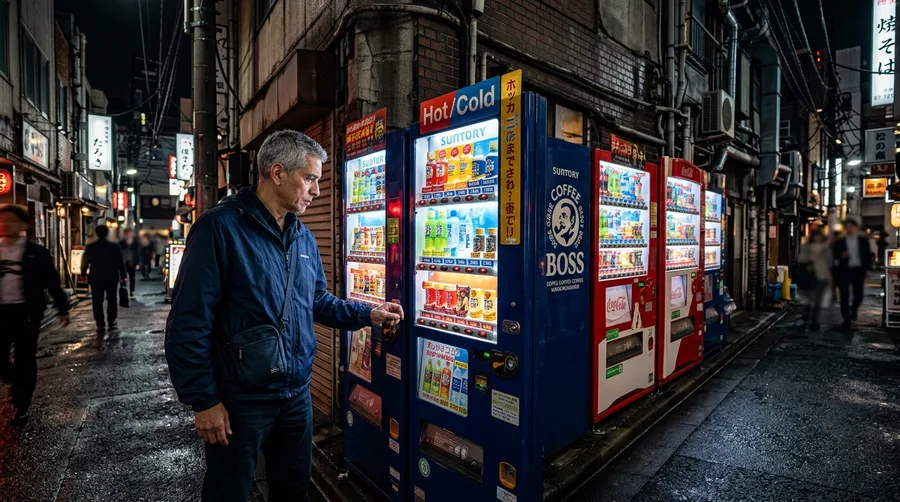
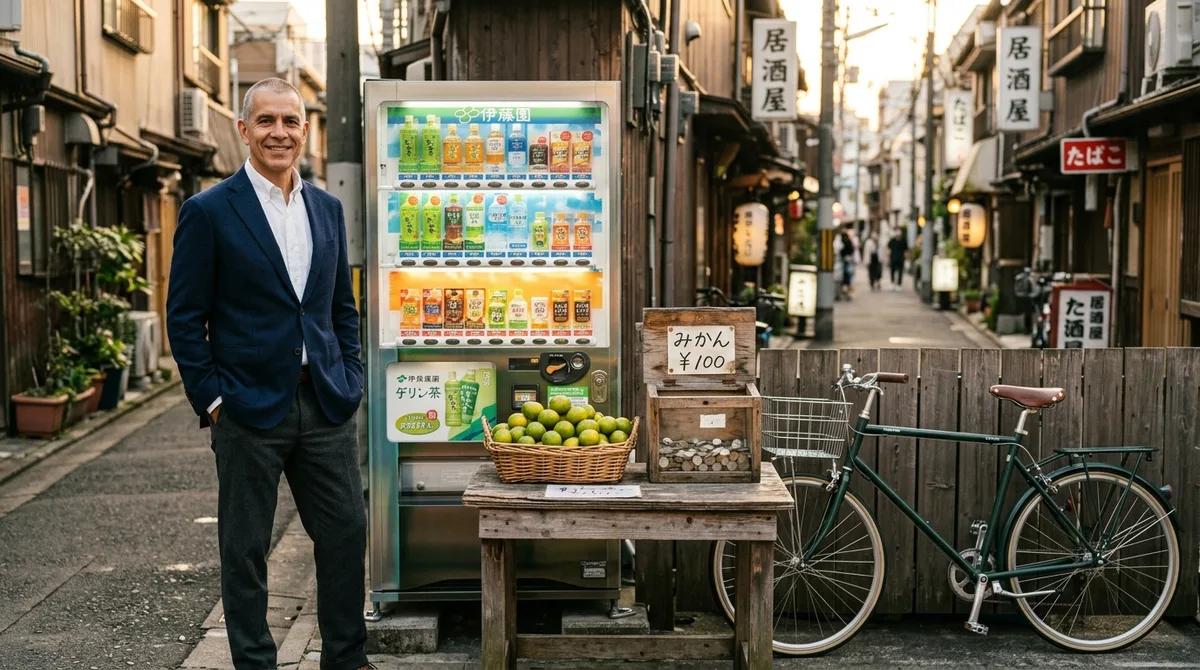
Japan holds one of the highest vending machine densities on the planet, with roughly one machine for every twenty-three residents. They sit on rural mountain passes and packed urban alleyways alike.
Beyond standard beverages, you can buy steaming cans of corn soup, hot canned coffee, fresh bananas, surgical masks, and gourmet local broths.
Cellular networks update inventory automatically, while earthquake-stabilized anchoring keeps the heavy metal units secure during tremors.
🌱 GROWING TIP
Hot Canned Drinks
Look for the red thermal indicator lines on machine buttons to grab a steaming can of sweet red bean soup on cold winter mornings.
4. 4. Why Tokyo Subways Sound Like Libraries
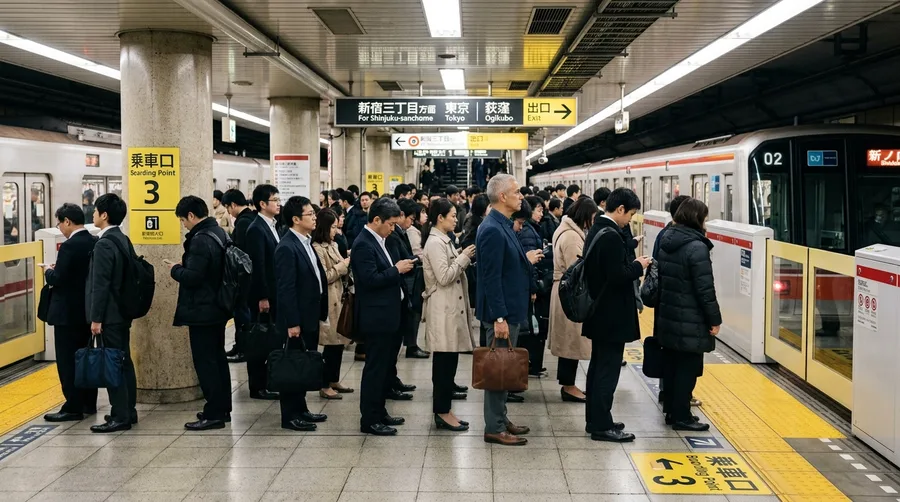
Commuter trains operate under a strict social prohibition against speaking on mobile phones. Passengers switch devices to manner mode the moment they step onto the platform.
Millions of people move through transfer hubs every single hour without shouting, shoving, or audible friction. Station attendants coordinate tight schedules down to the exact second.
That quiet efficiency transforms the morning commute from a stressful ordeal into a remarkably calm transition.
5. 5. Ecosystems Run by Feral Felines and Rabbits

Remote islands like Tashirojima feature feline populations that significantly outnumber human residents due to historical silk-worm protection roles.
On Okunoshima, known as Rabbit Island, hundreds of friendly rabbits roam freely across abandoned military installations.
Strict visitor guidelines protect animal health by prohibiting unauthorized human food and enforcing designated feeding zones.
The Numbers Behind the Anomalies
Key metrics defining modern Japanese infrastructure
6. 6. Why Conbini Food Rivals Sit-Down Dining
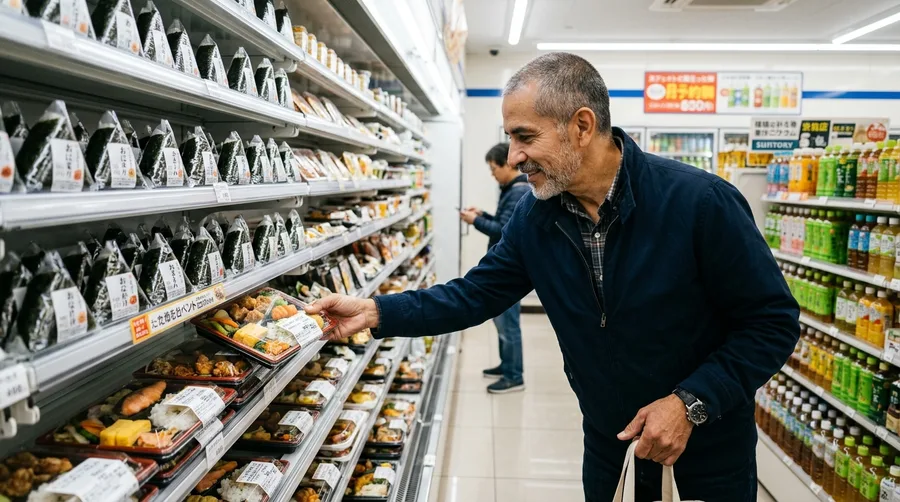
Chains like Lawson, 7-Eleven, and FamilyMart offer fresh-baked egg salad sandwiches, fluffy onigiri, and hot fried chicken that rival traditional restaurant fare.
Supply chains deliver fresh food items to each neighborhood store up to four times daily to ensure absolute quality control.
Grabbing a Michelin-adjacent quality bento box on the run is culturally normal and widely embraced by locals.
7. 7. Navigating the Communal Bathing Revival
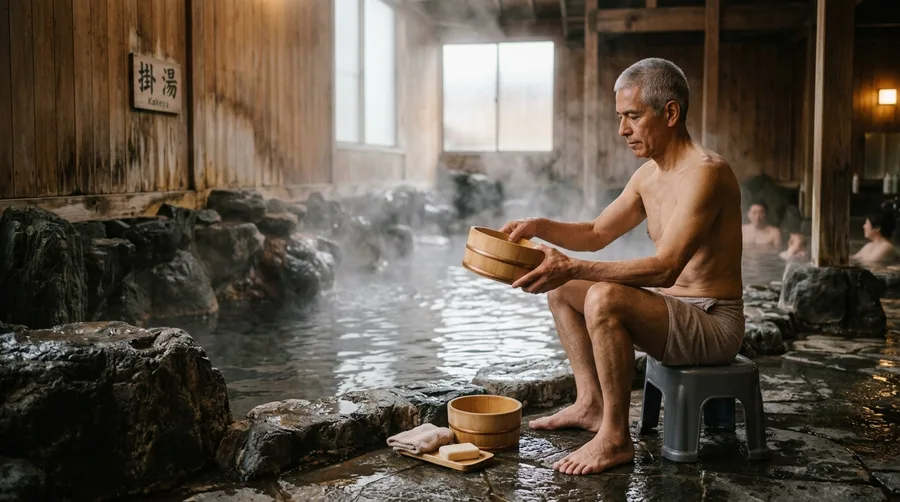
Neighborhood sento bathhouses and volcanic onsen survive despite modern private apartment plumbing because they serve as vital social anchors.
Traditional venues accommodate visitors with tattoos by offering private booking hours or discreet adhesive cover patches.
Rigorous hygienic protocols require complete scrubbing at low plastic stools before entering any communal soaking pool.
Onsen Rules
8. 8. The G-Cores: Tokyo’s Subterranean Godzilla
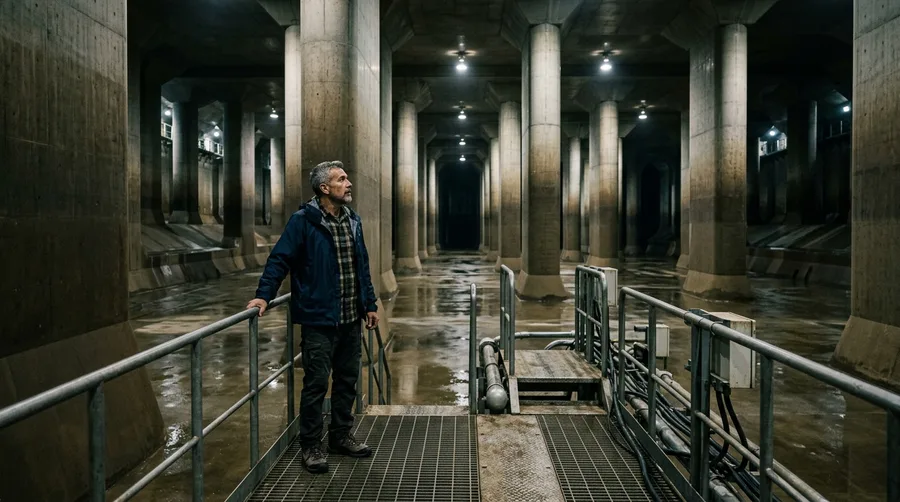
Deep beneath Saitama prefecture sits the Metropolitan Outer Area Discharge Channel, the world’s largest underground flood diversion facility.
Massive subterranean water pressure control chambers feature fifty-nine ton concrete pillars resembling an underground Greek temple.
The system diverts typhoon overflow safely away from central Tokyo streets directly into the Edo River.
9. 9. Train Stations That Function As Small Cities
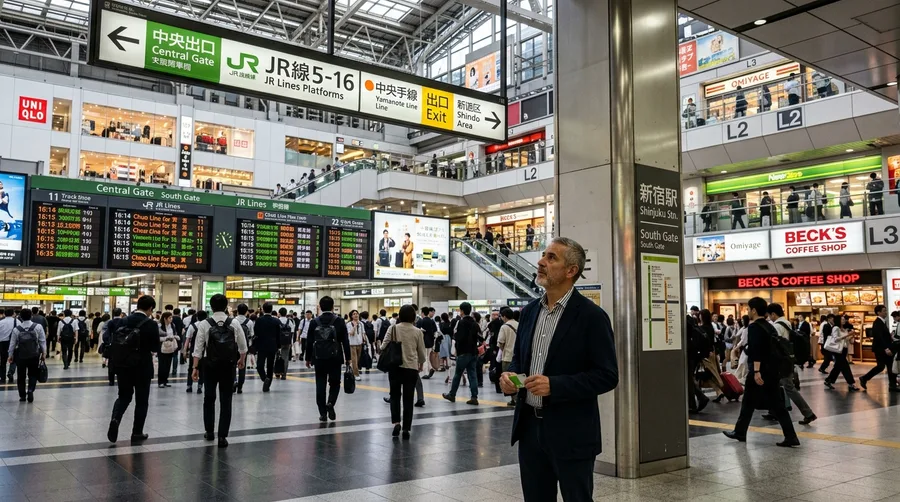
Mega-stations like Shinjuku handle over three and a half million daily passengers by integrating multi-tier shopping malls, rooftop farms, and art galleries.
Indoor navigation mapping systems rival airport terminals for sheer complexity and spatial clarity.
Postal lockers, dry-cleaning drops, and medical clinics sit directly inside the primary concourse corridors.
Your First Three Days in Tokyo
10. 10. The Mystery of the Missing Public Trash Cans
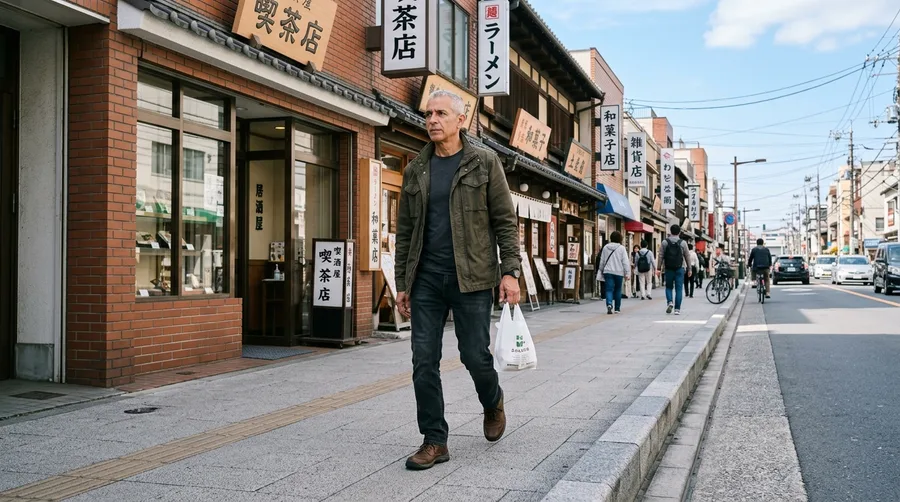
Public waste receptacles disappeared from most streets following the 1995 Tokyo subway sarin attacks for security reasons.
Citizens carry their daily waste home or deposit it directly at the point of purchase.
Granular residential sorting codes require separating plastics, paper, burnables, and metals down to the millimeter.
11. 11. Where Automation Meets Hospitality
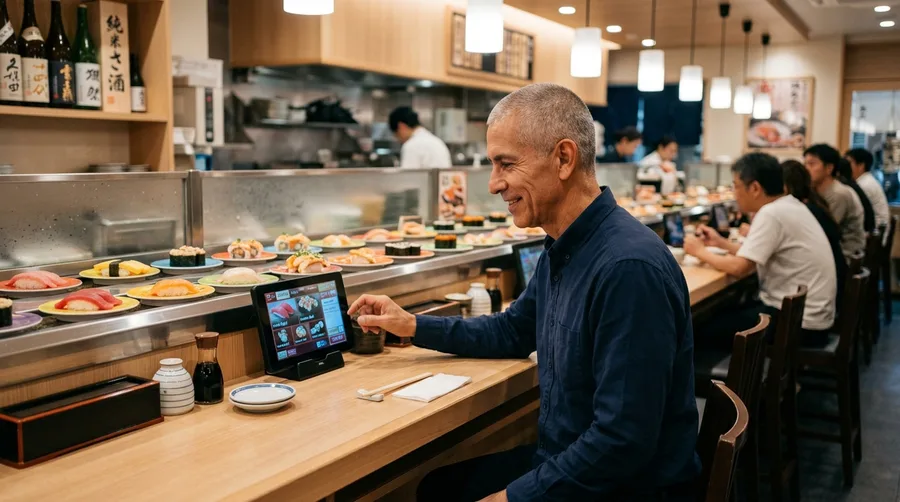
Japanese automation focuses on labor augmentation in aging work sectors rather than flashy sci-fi novelty.
Automated sushi delivery belts, touch-screen ramen ticket kiosks, and self-service hotel check-in terminals streamline daily service.
These practical deployments reduce wait times while maintaining consistent food quality and hospitality standards.
Traveler Adaptation Stats
What visitors report adjusting to fastest
12. 12. Living in Micro-Homes and Skinny Lots
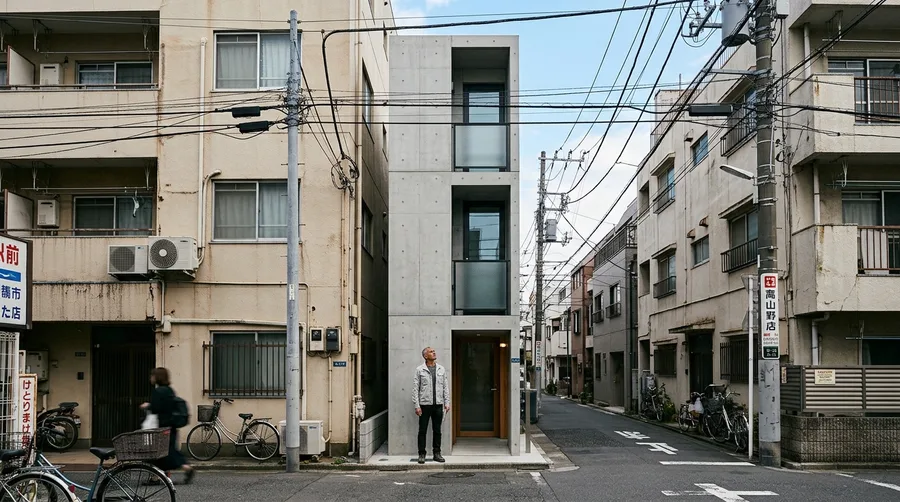
Kyosho jutsu, the art of micro-architecture, maximizes light and livability on residential plots as small as a single parking space.
Clever interior tricks include multi-level split floors, translucent walls, and sliding screens that manipulate spatial perception.
Strict inheritance tax laws drive the continuous subdivision of ancestral land plots into ultra-narrow footprints.
Micro-Architecture Dimensions
📐 Min. Lot Size
30 sq meters
💡 Light Strategy
Central skylights
🚪 Storage
Under-floor vaults
Spatial Efficiency
Sliding shoji walls eliminate wasted hallway square footage entirely.
13. 13. Buildings That Breathe With the Seasons
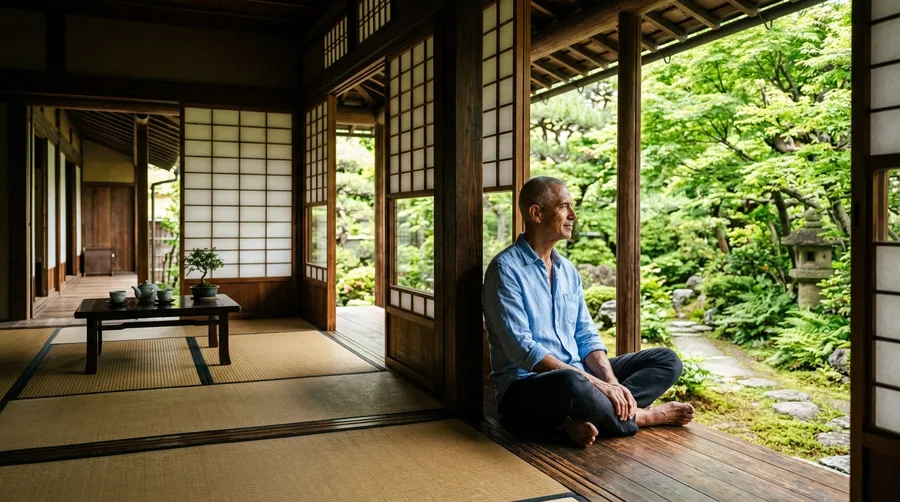
Traditional minka architecture uses removable paper sliding screens to maximize summer cross-breezes naturally.
Modern skyscrapers incorporate massive pendulum damping systems designed to absorb seismic energy during typhoons and earthquakes.
Municipal planning integrates seasonal shifts directly into interior layouts and architectural styling.
14. 14. The Containment of Street Smoking
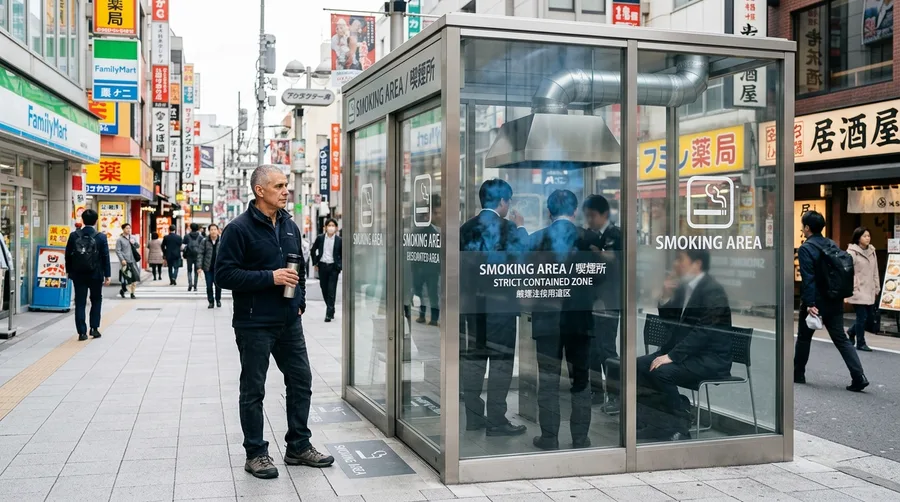
Walking while smoking is strictly prohibited across major metropolitan wards like Chiyoda and Shinjuku to protect pedestrians.
Cities provide dedicated indoor glass-walled smoking cabins and subterranean ventilation lounges to contain smoke.
That targeted approach keeps sidewalks clean and smoke-free without relying on blanket outdoor bans.
15. 15. The Social Infrastructure of Immediate Restitution
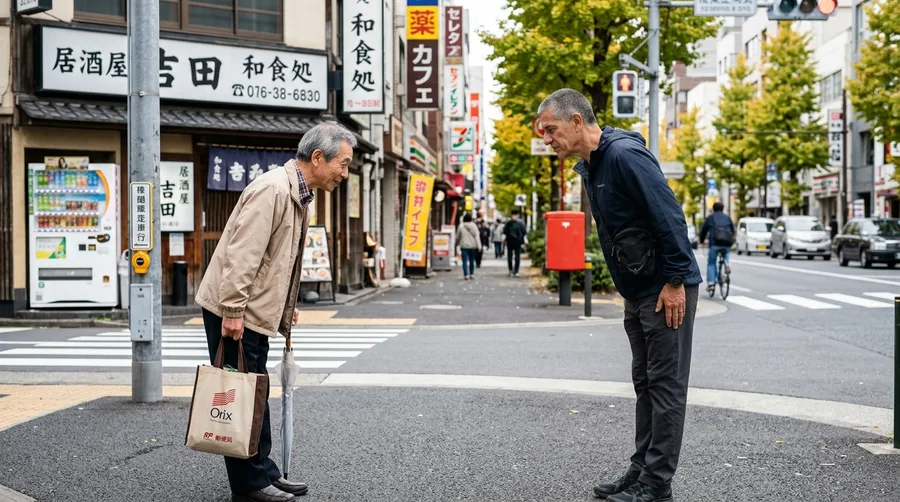
Minor traffic incidents or accidental bumps resolve with immediate, synchronized bowing and mutual accountability rather than escalation.
Cultural social dampeners prevent public conflict from boiling over in crowded urban environments.
That instinct for peaceful resolution anchors the entire baseline of societal trust found across the country.
⚠️ COMMON MISTAKE
Avoid Public Confrontations
Raising your voice during minor travel mishaps causes immediate social friction; mirror local calm and bow instead.
The Universal Blueprint of Urban Harmony
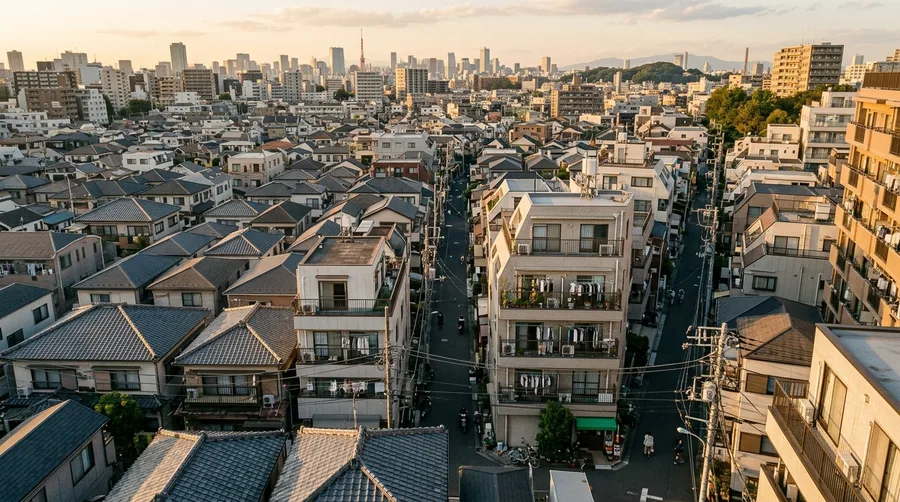
Anthropological consensus points to population density, shared resource stewardship, and collective responsibility as the pillars holding these systems together.
Systemic vulnerabilities remain, including an aging workforce and rural depopulation testing municipal budgets.
Reframing Japan reveals not an exotic novelty, but a heavily engineered testbed for high-density human survival.
Traveler Habits: Western vs. Japanese Context
Western Default
- Speaking loudly on public transit
- Leaving trash in park bins
- Tipping restaurant servers 15-20%
Japanese Standard
- Keeping mobile phones on silent mode
- Carrying garbage home in zip-bags
- Refusing tips to avoid confusion
Navigating Japan Without Causing Friction
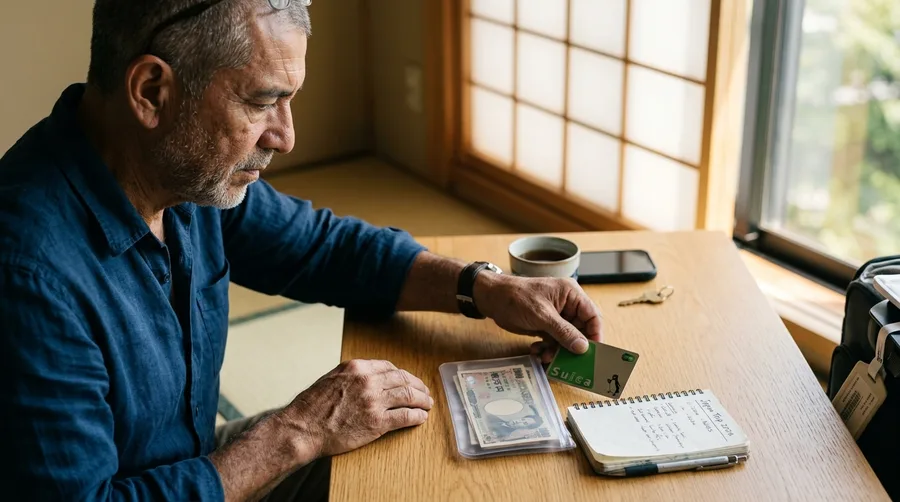
Transitioning from individualistic Western travel habits requires adopting Japanese contextual mindfulness before you touch down.
Secure digital IC transit cards on your phone, download translation apps for waste sorting, and master basic bowing and shoe-removal etiquette.
Avoiding common cultural pitfalls ensures a smooth, respectful journey through every neighborhood.
🗾 Phased Cultural Adaptation Steps
Arrival
Load your mobile wallet with a digital IC transit card immediately.
Day Packing
Keep a dedicated small plastic bag in your daypack for personal trash.
Transit Etiquette
Switch your smartphone to manner mode before stepping onto trains.
Dining Out
Skip tipping entirely and leave tables clean after every meal.
Essential Travel Prep Budget
Frequently Asked Questions
Do I really need to carry cash, or is Japan completely cashless now?
Japan operates on a hybrid ecosystem. While major department stores, convenience stores, and train turnstiles accept IC cards and credit cards, you still need physical yen notes for small shrines, independent ramen shops, and older sento bathhouses.
Is it difficult to navigate Japanese train systems without speaking the language?
English signage is ubiquitous across all major transit hubs. Color-coded line designations, numerical station codes, and reliable mobile navigation apps make getting around straightforward even for first-time visitors.
How strict are the rules about tipping in restaurants and taxis?
Tipping does not exist in Japanese service culture. Leaving extra money on a table or in a taxi will cause confusion, and servers will often chase you down to return your forgotten change.
Can foreigners use public bathhouses if they have visible tattoos?
Policies vary by venue. Traditional sento and modern onsen increasingly accommodate tattooed visitors through private reservation slots or by allowing waterproof adhesive cover patches over inked areas.
What is the best way to manage garbage disposal while exploring cities without trash cans?
Adopt the local habit of carrying a small zip-lock bag inside your daypack. Deposit your convenience store wrappers and snack packaging into that bag until you return to your hotel room.
Japan's most unbelievable sights are not isolated novelties, but the logical byproduct of a society engineered entirely around mutual trust and collective accountability.
— What experienced travelers keep repeating
The Quiet Architecture of Wonder
Viral internet clips of Japanese streets highlight real phenomena, but they miss the underlying cultural infrastructure that makes them possible. Every clean alley and silent subway represents deliberate collective choices.
Experience those marvels with open, observant attention, and you will see how daily life functions when a population operates as a unified community.