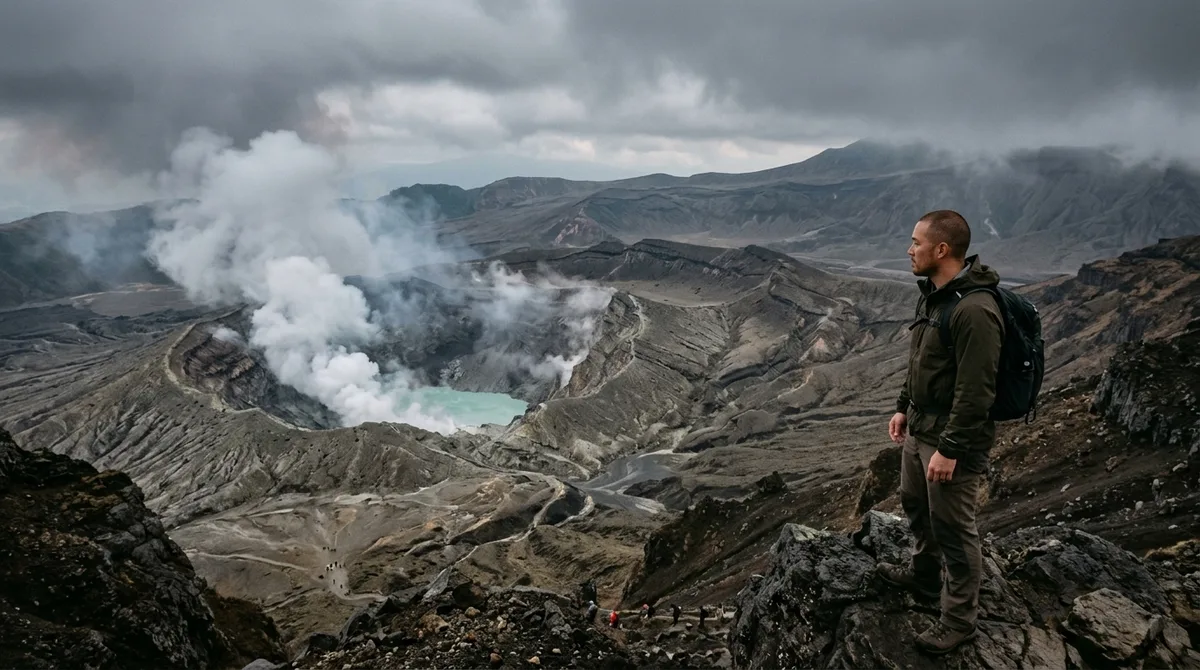
Japan is frequently pictured through the lens of neon mega-cities, manicured temple gardens, and orderly bamboo groves. That familiar imagery masks an entirely different geographical reality shaped by tectonic violence and ancient erosion.
Four tectonic plates converge beneath this island chain, creating a dense concentration of otherworldly topography that looks straight out of science fiction. Prehistoric calderas, primeval moss forests, and drifting pack ice define the wild edges of the country.
Experiencing these unearthly corners requires deliberate routing away from standard Shinkansen trunk lines and expressways.
You will hike volcanic ridges, wade through sub-zero seas, and wander through landscapes that feel entirely removed from modern civilization.
Pick two or three regions that match your travel style and plan your logistics around them rather than trying to see everything at once.
Quick Tips Before You Start
Rent a Car
Public transit will not reach these remote geological sites.
Pack Rain Gear
Island microclimates mean sudden downpours happen daily.
Carry Cash
Rural parking meters and small station kiosks rarely accept cards.
Download Maps
Cell service drops completely in mountain gorges and deep valleys.
💡 PRO TIP
Timing Your Geological Road Trip
Target late spring or early autumn to avoid both torrential seasonal rains and freezing winter road closures in the northern peaks.
1. Hike Jomonsugi Forest on Yakushima Island
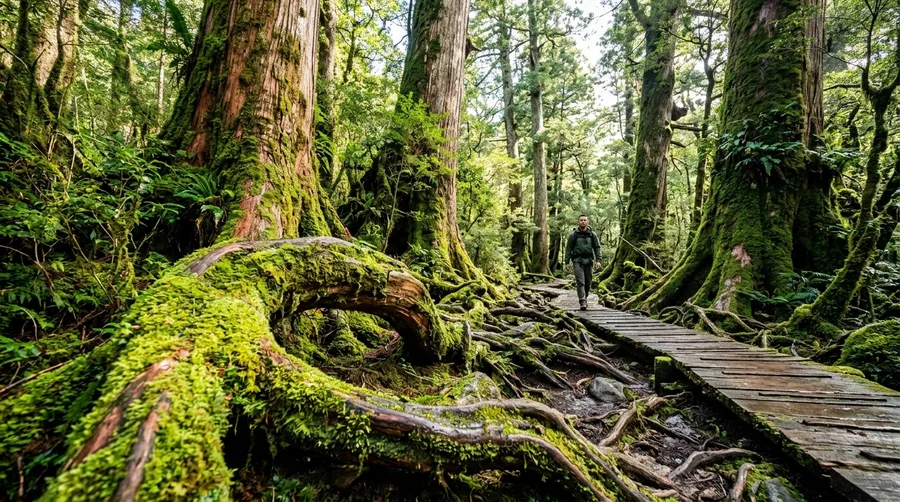
The island microclimate averages over 4,000 millimeters of annual rainfall, meaning slick roots and perpetual mist are guaranteed.
You will encounter surreal, copper-toned trunks of Yakusugi cedars carpeted in electric-green emerald moss that resembles an alien terrarium.
Reaching the ancient Jomonsugi tree demands a grueling ten-hour round-trip hike over rugged boardwalks and old railway tracks.
💡 Tip: Start your hike no later than 5:00 AM to beat the afternoon cloud cover and complete the trail safely.
⚠️ COMMON MISTAKE
Underestimating Mountain Stamina
Do not attempt the full Yakushima interior trek without proper waterproof hiking boots and trekking poles. Trail fatigue sets in fast on wet timber steps.
2. Drive the Nakadake Caldera at Mount Aso
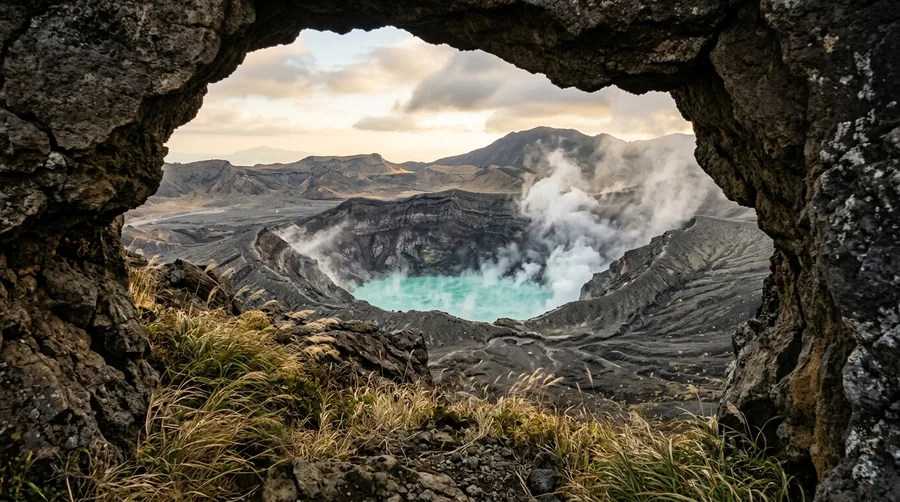
Is it worth renting a car or booking a private guided alpine transfer to access an active volcano with unpredictable volcanic gas closures?
You will navigate the stark, martian landscape of the Kusasenri plateau and stare directly into the emerald-blue, sulfurous acid lake boiling inside the gaping Nakadake crater.
Budget roughly 1,000 to 2,000 yen for toll roads and parking around the crater rim, alongside a 15,000 to 25,000 yen daily car rental fee from Kumamoto or Fukuoka.
3. Climb the Dunes at Tottori
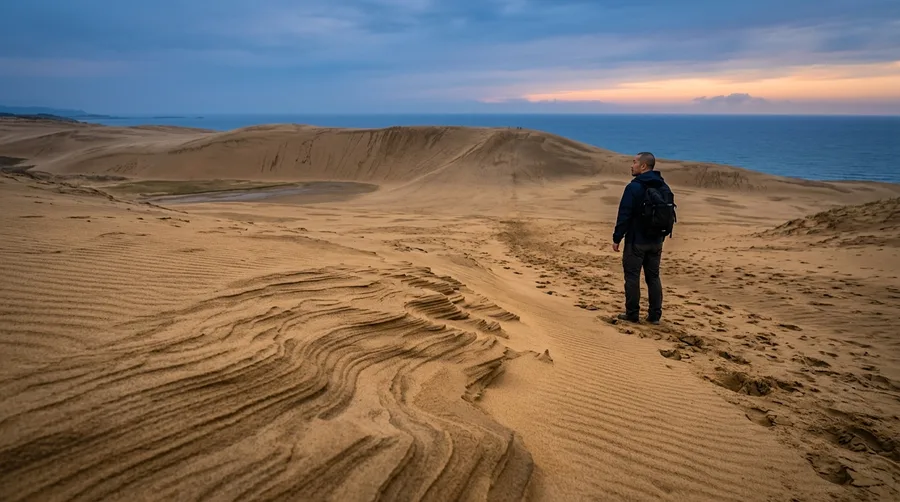
This 16-kilometer stretch of wind-rippled coastal dunes along the Sea of Japan looks less like East Asia and more like the Sahara Desert.
Make your way directly to the summit of Uma no Se, a massive 47-meter-high ridge offering sweeping views of the deep blue ocean against amber sand waves.
Time your visit for late afternoon when the low sun casts deep, dramatic shadows across the wind-sculpted ripples.
4. Wade Into Sea Ice Drift on the Shiretoko Peninsula
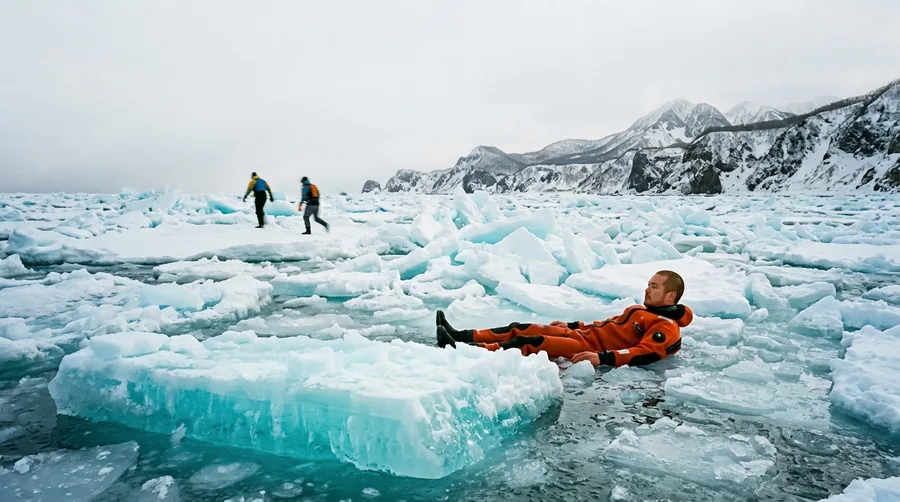
Minus 10 degrees Celsius is the baseline temperature for wading into the floating pack ice of Hokkaido’s eastern coast.
Strap on a buoyant neoprene drysuit to float horizontally among jagged, neon-blue sheets of drift ice blown down from the Amur River.
You will experience the surreal physical sensation of bobbing in sub-zero water while observing pelagic marine life underneath the ice pack.
5. Wander the Mossy Banks of Oirase Gorge
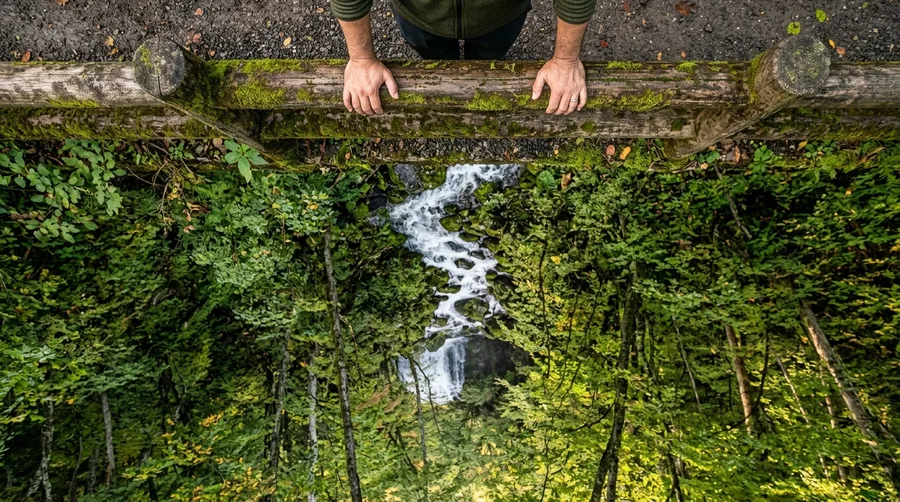
The chaotic, heavily tour-bussed shores of nearby Lake Towada offer a stark contrast to the quiet, immersive emerald depths of the Oirase mountain stream pathway.
Local hikers bypass the main parking lots to start their walk from Kumoi Falls, following the rushing water through a forest floor covered in over 300 varieties of moss.
Twin waterfalls, volcanic rock walls carved by glacial runoff, and a flat, impeccably maintained forest footpath create an environment that feels entirely secluded from modern Japan.
Take the JR bus from Shin-Aomori station and hop off mid-gorge rather than staying until the final lake terminus to enjoy the best sections in peace.
6. Observe Snow Monkeys at Jigokudani Park
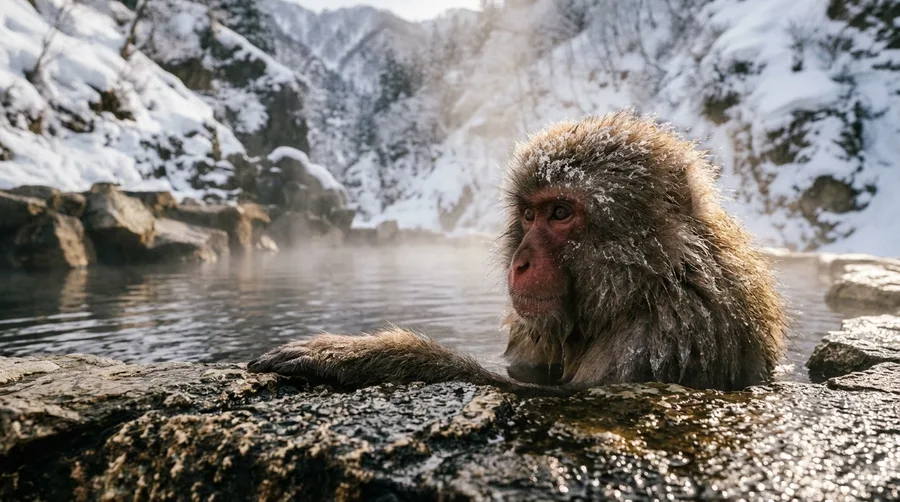
This is an exceptional family outing for children fascinated by wildlife, but it is genuinely unsuitable for anyone with mobility impairments due to the steep, icy 1.6-kilometer forest trail.
You will encounter wild Japanese macaques soaking casually in natural thermal hot springs against a snowy mountain backdrop.
Adhere strictly to park regulations regarding food, selfie sticks, and maintaining a respectful distance from the troop.
7. Stroll Through Arashiyama Bamboo Grove
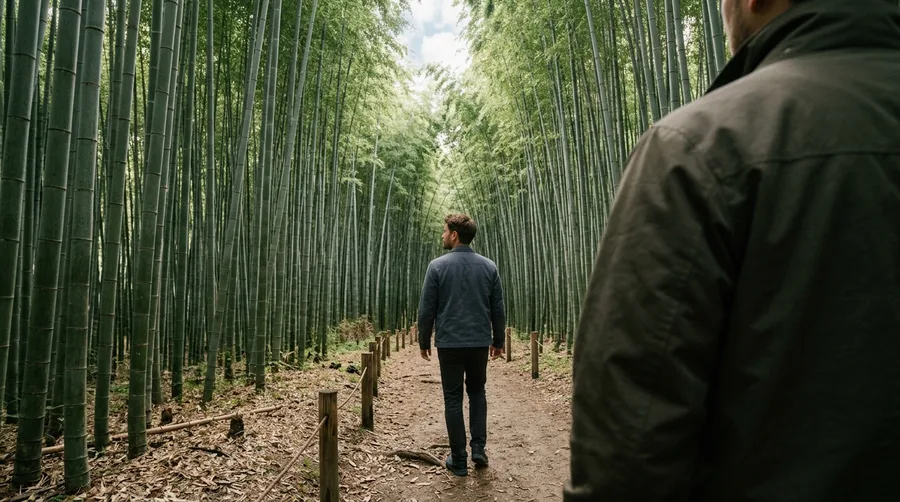
The soaring green stalks click together in the wind, filtering the morning light into a pale jade haze that feels genuinely timeless.
Midday turns the narrow pathway into a congested pedestrian highway, stripping away the ethereal atmosphere.
Arrive before 6:30 AM to experience the grove in absolute silence, and venture into the adjacent Okochi Sanso gardens to escape the tour groups.
8. Visit Kamikatsu’s Zero Waste Center
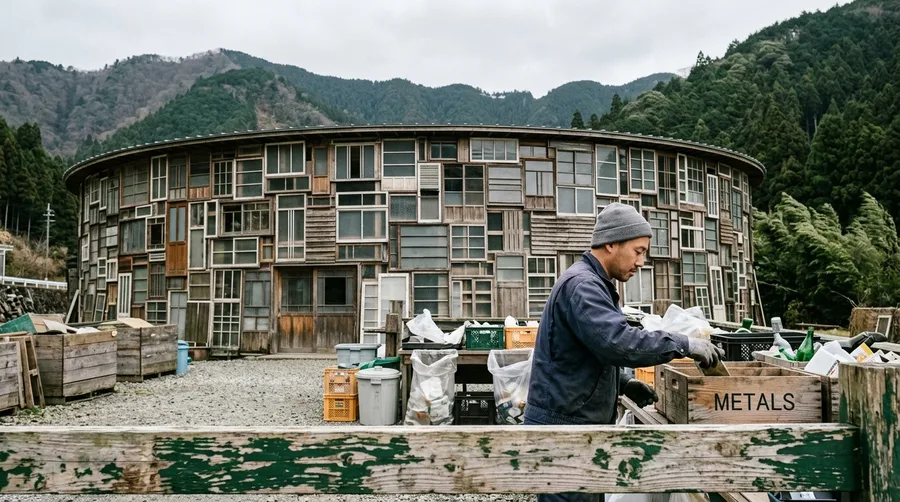
You step inside a soaring, circular architectural marvel constructed entirely from reclaimed cedar windows and upcycled materials in the mountains of Tokushima.
This quirky, forward-thinking roadside stop requires residents to sort their trash into 45 distinct categories, turning a municipal recycling station into a striking architectural destination.
Stop by the adjacent public hotel and bar where beer is served in salvaged glassware, breaking up your scenic driving route through the remote Iya Valley.
9. Marvel at Zao Onsen’s Snow Monsters
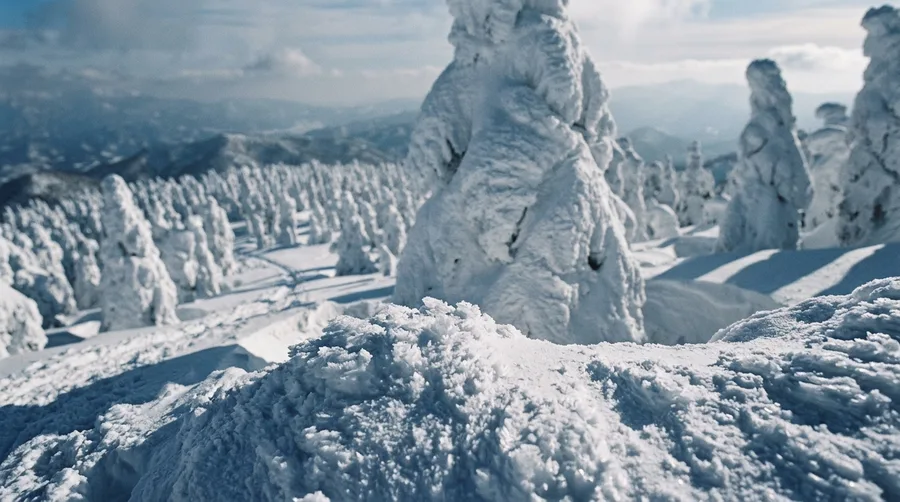
How can millions of microscopic supercooled water droplets colliding with needle-leaf conifer trees transform an entire mountain range into an army of white spectral statues?
Local meteorologists and skiers documented these bizarre ice formations created by Siberian winter winds howling across Yamagata prefecture.
Experience the eerie night illumination tours where colored lights transform the silent snow monsters into an otherworldly alien landscape.
10. Explore the Torokko Track on Yakushima
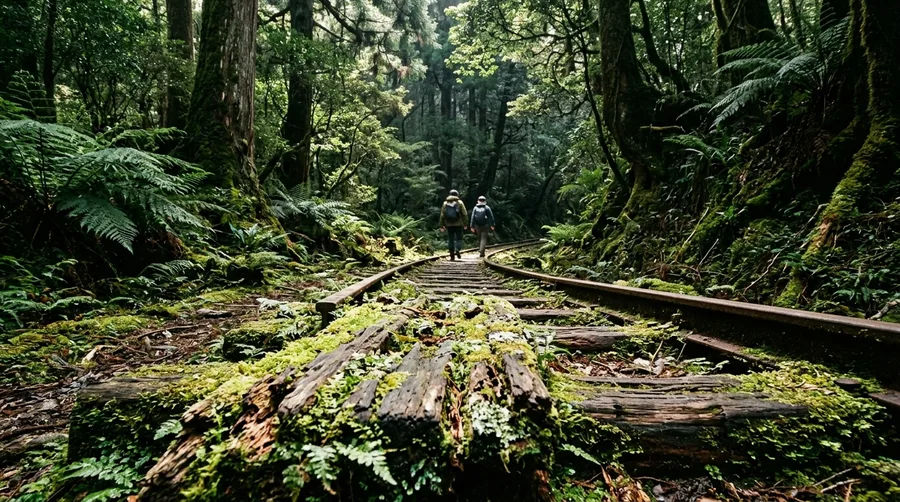
Traversing the disused logging railway lines deep inside Yakushima’s interior offers the highest probability of encountering wild Yaku deer and native macaques in uninhibited terrain.
Deer graze openly along the mossy embankments daily, while spotting the elusive island macaques foraging in the canopy is near-guaranteed.
Rusting railway bridges span emerald ravines, swallowed whole by ferns, roots, and ancient forest canopy.
The island’s dual UNESCO status is driven by its dramatic vertical climate zones ranging from subtropical coastline to alpine tundra.
11. Taste Takoyaki Along the Dotonbori Canal
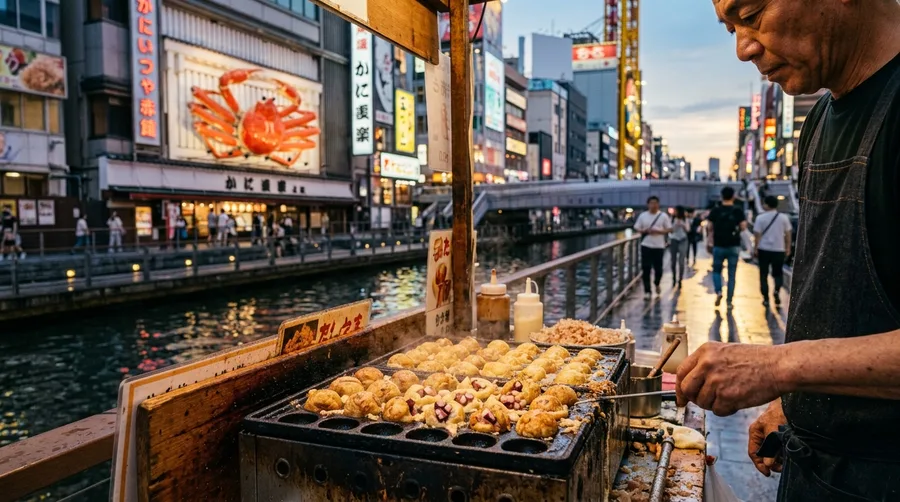
The sizzle of molten batter spinning on cast-iron griddles mixes with the heavy scent of dashi broth and the visual chaos of giant neon mechanical crabs hanging over the canal.
Order piping-hot octopus dumplings that are crisp on the outside and liquid on the inside.
Expect to pay roughly 600 to 800 yen for an order of six to eight pieces from street-side stalls like Kukuru or Wanaka.
12. Photograph Miyajima Island at High Tide
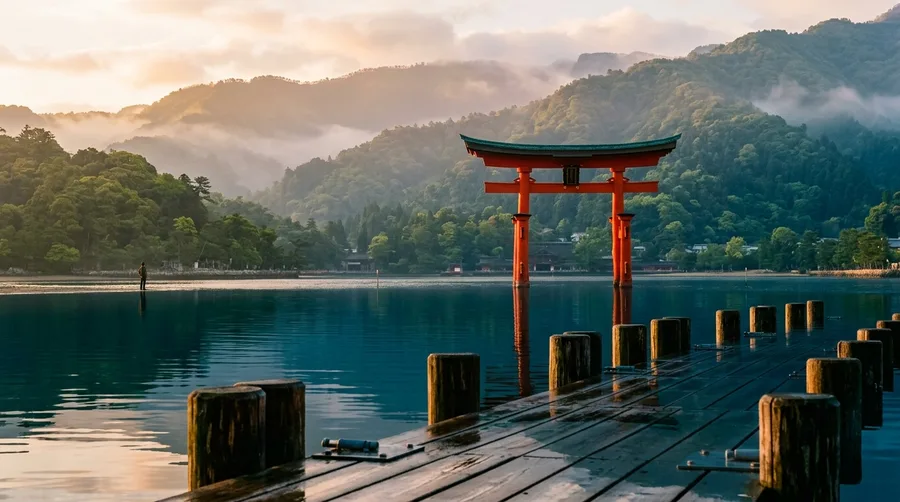
Check the local tide tables before visiting, as water levels completely alter the iconic geography of Itsukushima Shrine.
Arrive precisely during peak high tide when the vermilion grand torii gate appears to float unmoored on the mirror-like surface of the Seto Inland Sea.
Low tide recedes entirely, allowing visitors to walk across the muddy tidal flats directly up to the base of the massive wooden pillars.
13. Slow Down on Naoshima Art Island
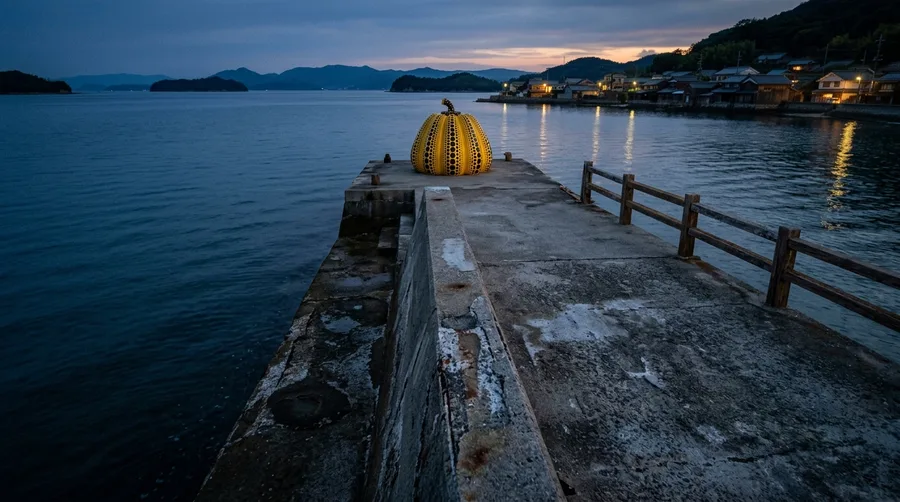
You sit alone on a weathered concrete seawall facing the Seto Inland Sea, listening to the gentle lap of waves while staring at Yayoi Kusama’s yellow pumpkin sculpture.
Abandon frantic museum-hopping in favor of simply wandering the outdoor contemporary art installations scattered along Naoshima’s southern coastline.
Minimalist Tadao Ando architecture, raw concrete, sun-bleached fishing villages, and quiet coastal paths are designed entirely for contemplation.
14. Walk the Torii Gates at Motonosumi Shrine
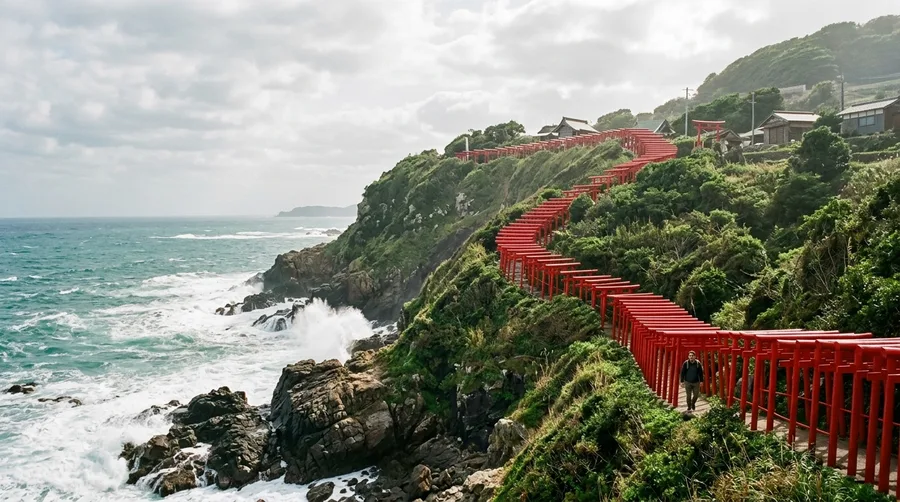
The quiet, wild coastline of western Yamaguchi offers a stark contrast to the manicured, overcrowded temple complexes of Kyoto and Tokyo.
A total of 123 vibrant red Shinto torii gates cascade down a rugged, wave-battered green cliffside directly into the crashing turquoise Sea of Japan.
Admission is completely free, making this dramatic coastal spectacle an easy win for independent road-trippers exploring the Chugoku region.
Frequently Asked Questions
Do I need an International Driving Permit to explore Japan’s volcanic regions?
Yes, you must obtain an International Driving Permit in your home country before arriving in Japan. Car rental agencies will strictly require both your passport and your valid IDP alongside your domestic license under 1949 Geneva Convention rules.
When is the best time of year to visit Japan’s alpine and natural landscapes without extreme weather closures?
Target the shoulder windows of May through June or September through October. These months offer stable weather, accessible mountain passes, and manageable tourist numbers compared to the freezing winters or scorching summers.
Are English signage and navigation reliable in remote areas like Yakushima or Shiretoko?
Major directional signs feature English lettering, but rural parking lots and trailheads rely mostly on Japanese characters. Download offline regional maps on your phone and pin your destinations before leaving your hotel.
How much cash should I carry when exploring rural geological parks outside major cities?
Keep at least 10,000 to 20,000 yen in paper currency per person. Rural parking lots, mountain vending machines, and local shuttle buses rarely accept credit cards or digital IC cards.
Beyond the Neon: Finding the Earth’s Wild Edge in Japan
Subterranean volcanic calderas and misty island forests prove that Japan’s true magic lies in its untamed, geological edges rather than its concrete sprawl.
Stepping off the bullet train tracks reveals a primordial landscape capable of offering adventures as alien and dramatic as any on Earth.