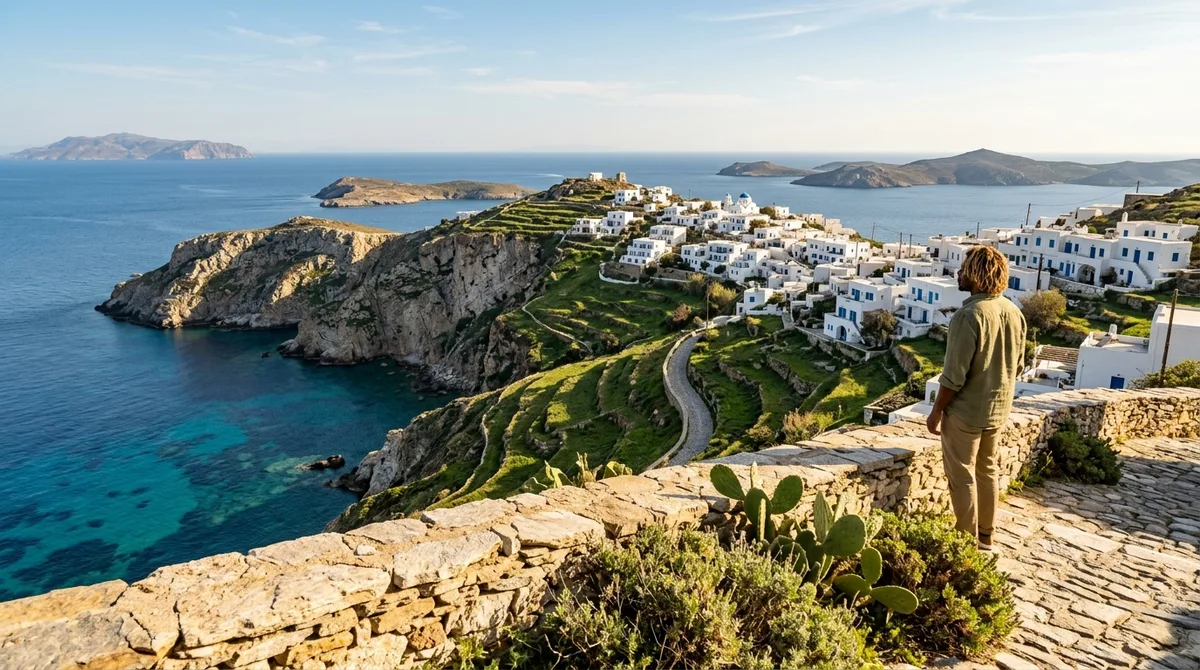
If you want to skip the crowded cruise corridors of Santorini and Mykonos, you have to look beyond the famous ferry routes.
Over two hundred inhabited Greek islands operate entirely on agricultural and fishing economies rather than mass resort tourism.
To reach them, you need a basic tolerance for local ferry schedules, a willingness to pack light, and a taste for tavernas where Greek is spoken first.
You will trade infinity pools for stone footpaths, air-conditioned tour buses for public docks, and pre-packaged itineraries for actual silence.
Pick three stops from this list, buy your ferry tickets in Piraeus, and leave the resort crowds behind.
Quick Tips Before You Start
Ferry Planning
Always book regional ferries a week ahead during July and August.
Carry Cash
Small islands rely on Euros for bakeries, water taxis, and family tavernas.
Pack Light
Rolling heavy suitcases over unpaved marble alleys and steep ramps is miserable.
Meltemi Winds
Expect high summer winds that can delay small ferry arrivals by several hours.
Off-Grid Island Route Map
Save this route map before you book your island-hopping tickets.
1. Hike the Limestone Monolith of Anafi
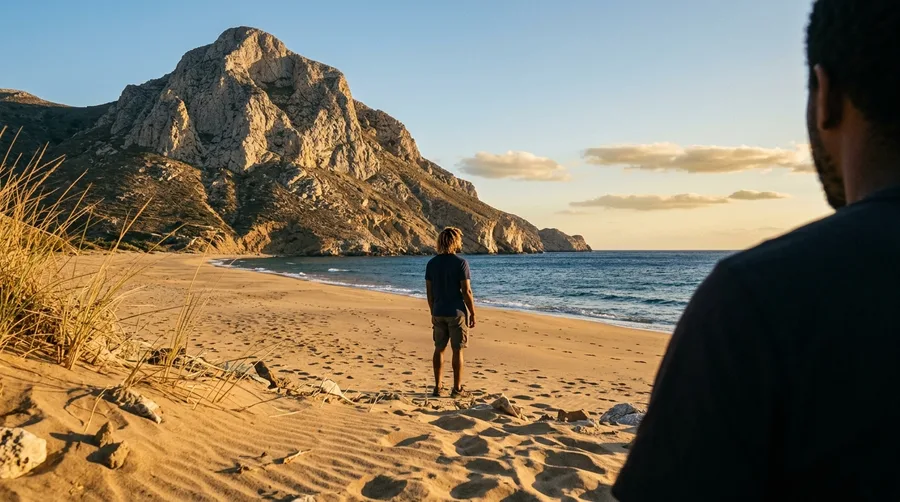
You step off the midnight ferry at Chora under a canopy of unpolluted stars with almost zero streetlights in sight.
This southern Cyclades outpost sits in the shadow of Mount Kalamos, the second-highest limestone monolith in the Mediterranean.
The hike to the peak costs nothing and rewards you with solitary views over empty blue horizons.
Skip the organized beach clubs entirely and walk down to the wild, wind-sculpted sands of Roukounas beach instead.
💡 Tip: Bring three liters of water before climbing Mount Kalamos; there are zero shops along the trail.
💡 PRO TIP
Time Your Ferry Departures
Night ferries to remote islands are often delayed. Always check local port authorities online before heading to the dock at midnight.
2. Wander the Quiet Lanes of Schoinoussa
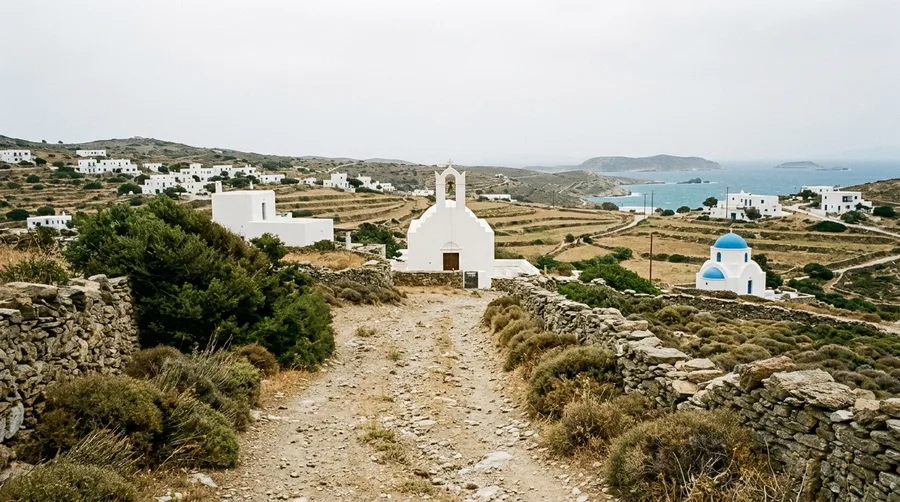
The smell of wild sage and salt carried on the meltemi wind sets the pace across this flat, unpaved landscape.
In Panagia village, time slows down to the rhythm of a single donkey cart and a shaded taverna table where locals drink Greek coffee for two hours straight.
With a permanent population under three hundred residents, sandy coves like Tsigagria remain entirely empty even during peak July afternoons.
You can walk across the entire island in under an hour without ever stepping onto a paved highway.
Top Quiet Island Picks
3. Climb to the Deep Blue Sanctuary of Amorgos
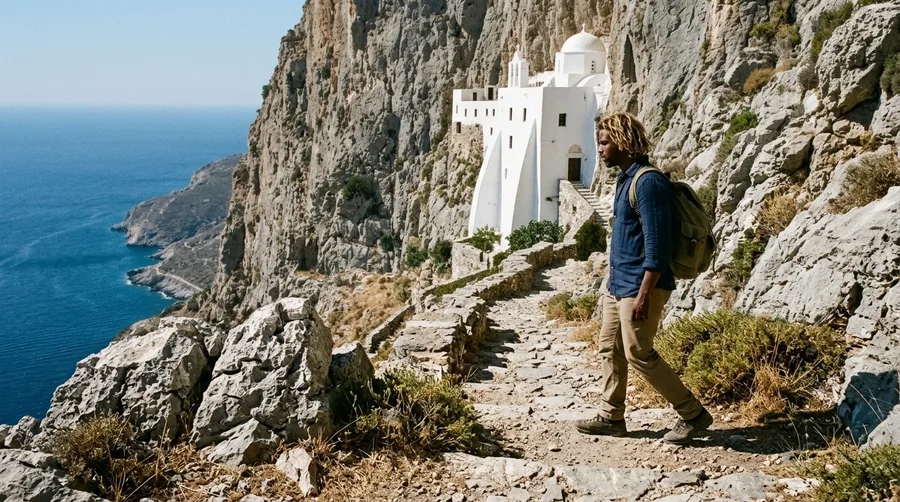
Skip the main port of Katapola for dinner and head straight up the mountain to Tholaria village.
The eleventh-century Hozoviotios Monastery clings impossibly to a sheer vertical rock face, built by monks to protect a sacred icon.
You should hike the ancient stone mule tracks that connect the spine of the island rather than renting an ATV on the paved coastal roads.
💡 Tip: Monastery dress code is strict: men must wear long trousers, and women must wear skirts below the knee.
Amorgos Island — At a Glance
⛰️ Terrain
Mountainous cliffs
🚶 Best Transport
Walking mule tracks
💰 Daily Budget
60 to 90 Euros
Key Rule
Wear sturdy hiking boots for the cliffside paths.
4. Taste Lambropita on Astypalea
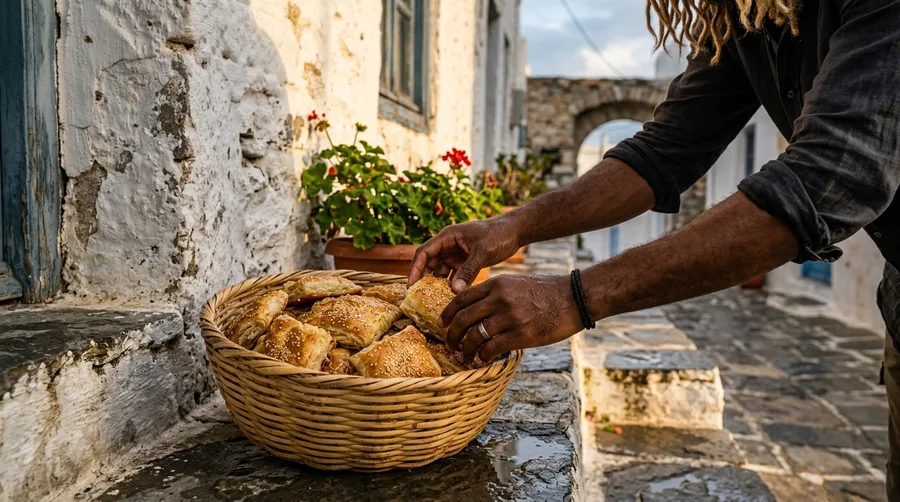
You will pay around five Euros for a warm slice of lambropita—a sweet-savory pie filled with local mizithra cheese, saffron, and honey—at village bakeries in Chora.
This butterfly-shaped island bridges the Dodecanese and Cyclades archipelagos, creating a unique culinary fusion found nowhere else in Greece.
Modern green-energy microgrids now power the island, pairing traditional food heritage with cutting-edge wind and solar infrastructure.
How to Order at a Village Bakery
5. Explore the Chalk Quarries of Kimolos
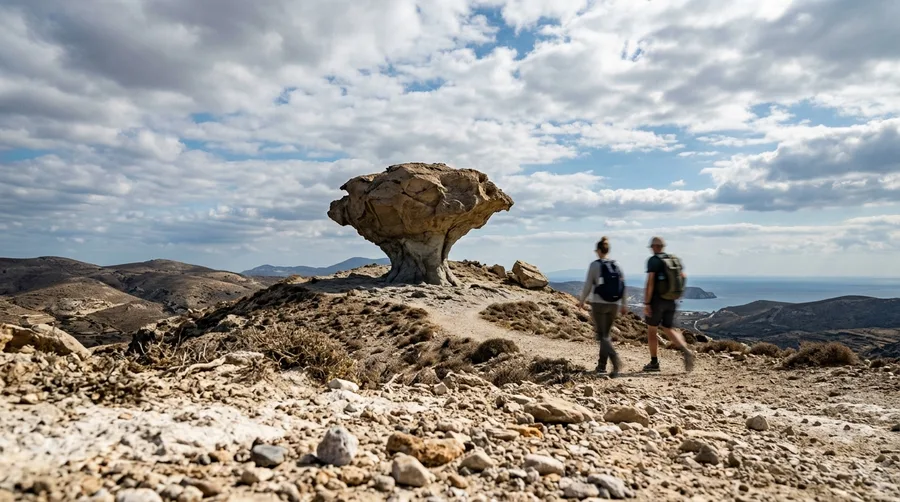
Kimolos is Milos quiet, chalky sibling that most island-hoppers skip entirely while chasing massive tourist crowds.
You can explore the quirky rock formation of Ellinika and open-air castle ruins where ancient tombs sit directly at the water’s edge without paying tickets or dodging tour buses.
Stop at the roadside geological curiosity of Skiadi, a giant mushroom-shaped rock sculpted by mineral-heavy winds in the island’s dry interior.
Drive carefully along the single paved spine road and the dirt tracks branching off toward hidden thermal springs near the coast.
⚠️ COMMON MISTAKE
Skipping Rental Car Insurance
Dirt tracks on Kimolos and Amorgos will scratch standard rental cars. Always purchase full gravel and underbody waiver coverage.
6. Watch the Fishing Fleets of Kasos
The sleepy, wind-beaten daytime silence of Fri village transforms entirely when explosive violin-heavy musical feasts start up after ten o’clock at night.
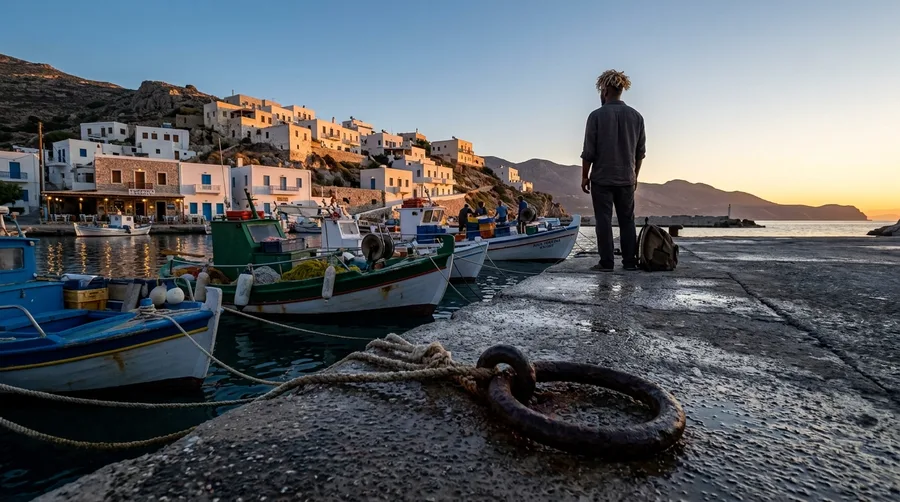
If you visit the port area between six and seven-thirty in the morning, you will catch small wooden fishing boats unloading red mullet and octopus directly to local tavern owners.
This absolute southern tip of the Dodecanese remains completely protected from mainstream commercialism.
Island Isolation Spectrum
Ranking travel difficulty from easy ferry to deep off-grid
- Astypalea: Regular ferry links and paved main roads.
- Kimolos: Requires regional ferries and careful driving.
- Kasos: Deep southern isolation with irregular schedules.
7. Spot Eleonoras Falcons on Donoussa
Strong, unshielded north winds can cancel ferry arrivals without warning, so you must build flexible days into your travel itinerary.
You have a realistic likelihood of spotting rare Eleonoras falcons nesting along the steep coastal cliffs during spring and autumn migration windows.
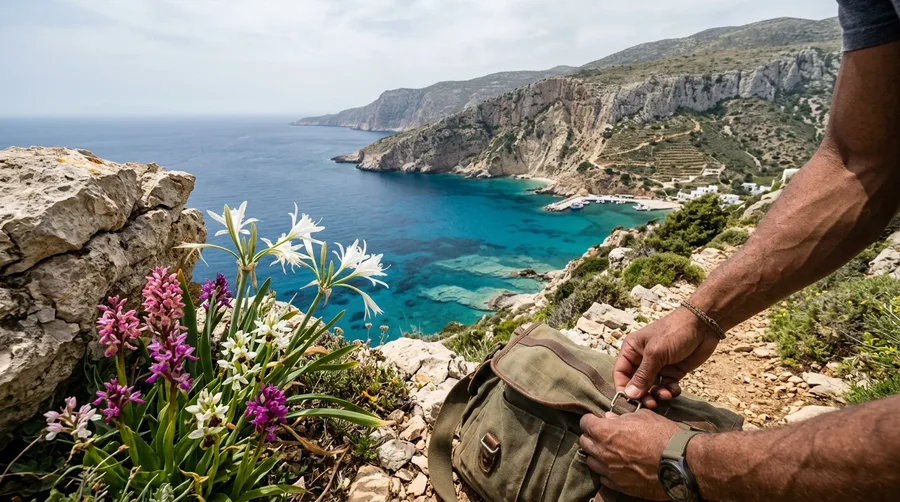
Look for wild orchids and sea daffodils blooming along the unpaved walking paths leading down to Kedros beach.
💡 Tip: Always keep an extra buffer day in your schedule before catching a return flight from Athens.
Best For / Skip If
8. Hike the Chalaris Ravine on Ikaria
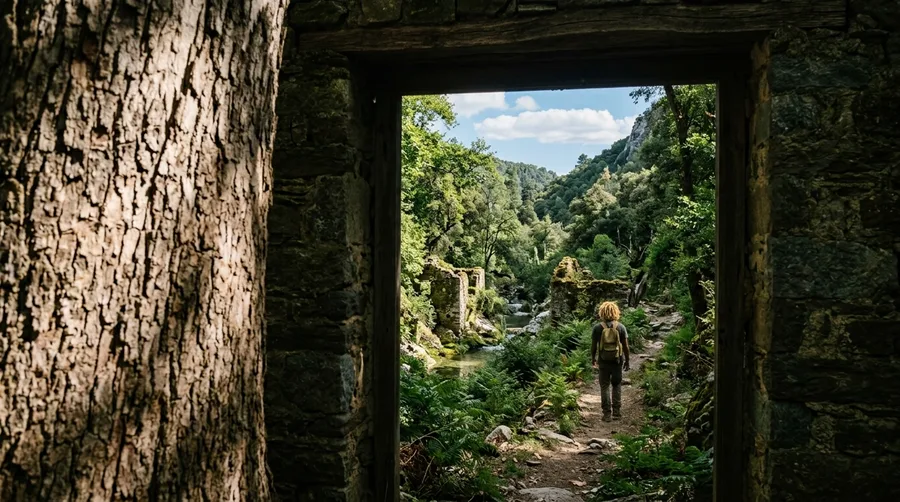
Can a midnight mountain dance festival and steep canyon hikes genuinely reset your biological clock?
You can hike down the densely forested Ravine of Chalaris to hidden river pools and ancient stone watermills.
The local active lifestyle of walking miles of terraced vineyards underpins the island’s famous Blue Zone status for long life.
Sample 7-Day Off-Grid Itinerary
9. Catch a Water Taxi to Car-Free Telendos
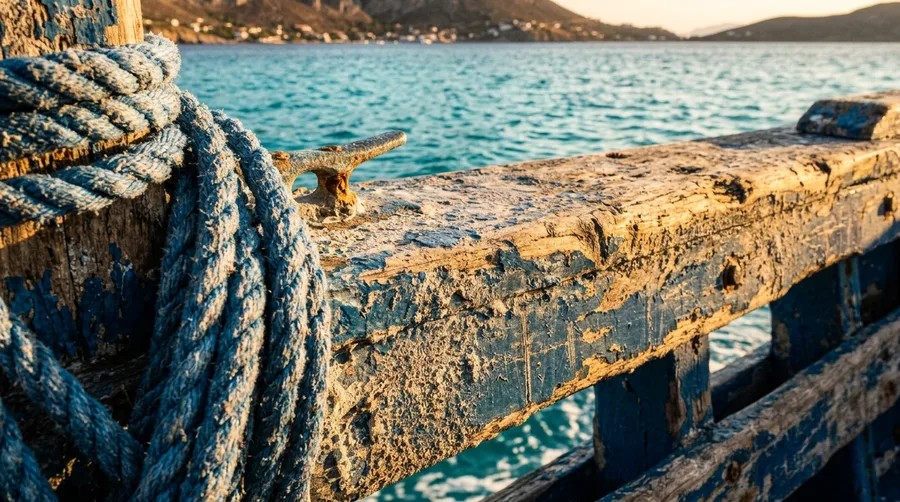
This car-free island floating off Kalymnos suits independent hikers and tranquility seekers, but genuinely does not suit luxury seekers or resort lovers.
Take the easy ten-minute water taxi from Myrties that drops you straight into a tiny fishing hamlet with zero vehicular traffic.
Enjoy the family-friendly, shallow pebble beaches and quiet waterfront tavernas where children can swim safely.
Resort Islands vs. Off-Grid Islands
Famous Islands
- Crowded cruise ship ports
- Expensive sunbed rentals
- Pre-packaged tourist menus
- English spoken everywhere
Untouched Islands
- Quiet working villages
- Empty natural beaches
- Family-run tavern kitchens
- Traditional Greek rhythms
10. Drive the Mountain Switchbacks of Karpathos
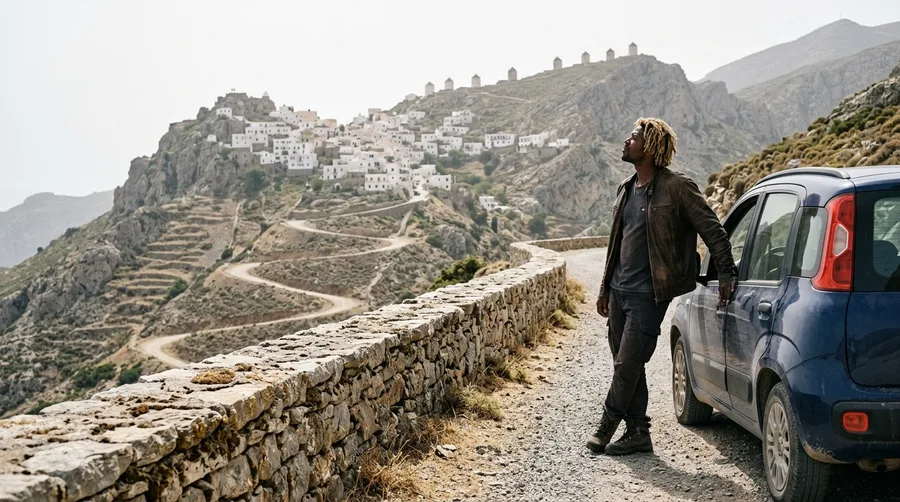
You grip the steering wheel tight on the steep switchbacks leading up to Olympos village, where motion sickness is the immediate entry price.
Parts of coastal Karpathos have seen modern package tourism, but pushing past the south into the northern mountain ridge completely reverses this reality.
In Olympos, older women still wear traditional embroidered dresses daily and bake bread in communal outdoor wood-fired ovens.
You must rent a sturdy vehicle with manual transmission to handle the steep gravel inclines safely.
11. Wander the Volcanic Vineyards of Lemnos
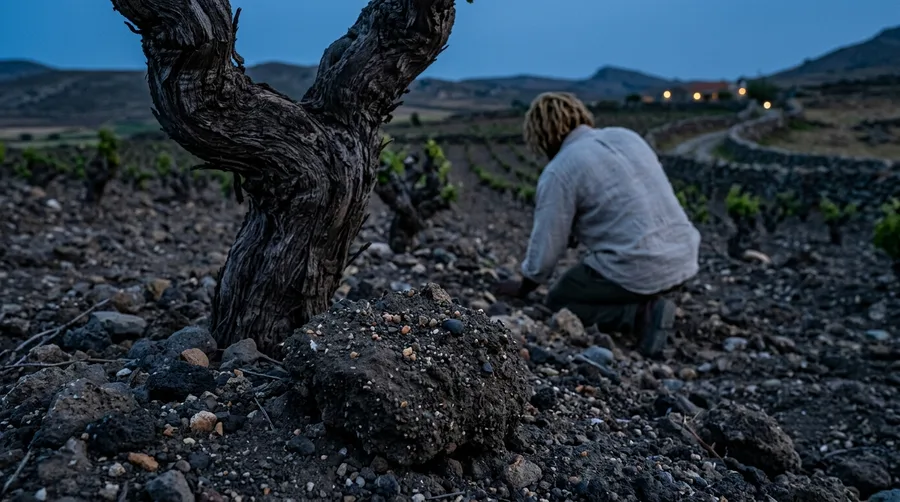
Lemnos replaces typical barren rock with rolling wheat fields, wetlands, and unique sand dunes at Pachies Amades.
Winemakers have cultivated Muscat of Alexandria grapes in volcanic soil since antiquity, creating wines praised by Homer.
Visit the medieval Castle of Lemnos in Myrina, where wild fallow deer roam the pine-covered slopes below battlements.
12. Swim the Glacial Rock Pools of Samothrace
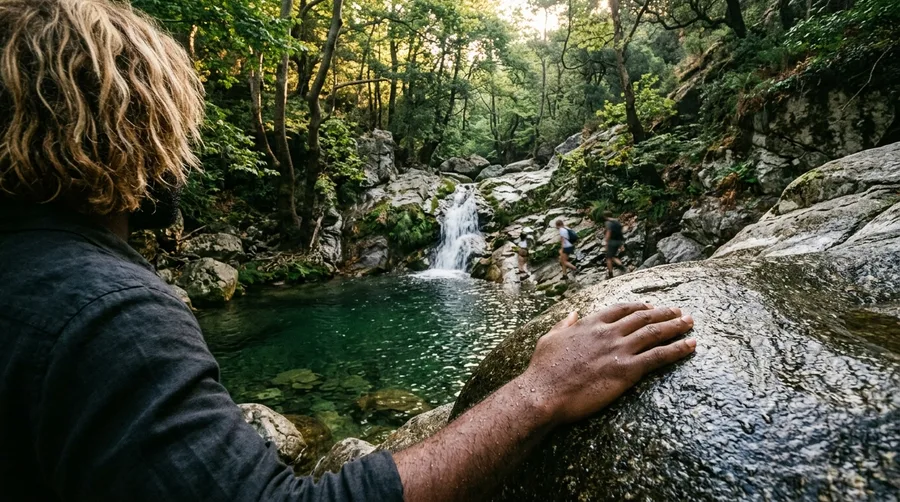
Glacial mountain water plunges into deep emerald rock pools surrounded by ancient plane trees.
Stand on the smooth granite rocks above the Gria Vathra waterfalls during late morning when the sun pierces the dense forest canopy.
Mount Saos rises over sixteen hundred meters straight out of the northern Aegean Sea, creating its own microclimate of wild waterfalls and rushing streams.
Frequently Asked Questions
How do I island-hop between these remote spots without flying back to Athens?
You can use regional ferry networks managed by companies like Blue Star and Dodekanisos Seaways that connect smaller islands directly across the Cyclades and Dodecanese.
When is the best time to visit unruined Greek islands?
Target June or September to bypass European school holidays while enjoying warm sea temperatures, open tavernas, and uncrowded walking paths.
Do I need to rent a car on these islands?
Karpathos and Kimolos require vehicles to reach remote trailheads, while smaller spots like Schoinoussa and Telendos are easily explored on foot or via local buses.
Are credit cards accepted, or do I need cash?
Smaller remote islands rely heavily on Euros for village bakeries, family tavernas, and water taxis. Always withdraw cash in major port towns before departure.
Trading Crowds for Coastlines
True Mediterranean magic lies not in polished infinity pools, but in gravel footpaths, family tavernas, and islands that demand a little extra effort to reach.
Choosing these quieter sanctuaries preserves their unique cultural fabric against over-tourism and rewards you with the Greece you came to find.