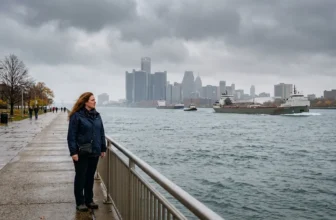
If you assume every European nation cleaned up its ancient legal codes years ago, you are entirely mistaken. Old statutes linger on government books long after everyone forgets they exist.
You could easily assume these odd regulations are harmless myths whispered among tourists. Most travelers walk right past them without a second thought, risking fines for ancient offenses.
Europe maintains thousands of active municipal rules dating back centuries, spanning dozens of countries and governing everything from beach footwear to livestock management. Every corner of the continent holds at least one absurd legal relic.
Feed pigeons in public squares, wear medieval armor near parliament, carry a loaf of bread under your arm incorrectly, or build a sandcastle without a permit. You might find local authorities enforcing rules you never knew existed.
This guide walks you through twenty bizarre laws still active across Europe today, letting you plan your travels with eyes wide open to local legal eccentricities.
Quick Tips Before You Start
Check Local Bylaws
Municipalities often enforce stricter rules than national governments.
Cash for Fines
Minor infractions on the spot usually require immediate cash payment.
Historic Centers
Old towns have specific conservation laws regarding clothing and litter.
European Legal Oddities at a Glance
Map of Europe
Explore the regions featuring these unusual local laws.
1. Feed Pigeons in Venice

Most visitors assume feeding the iconic birds in Piazza San Marco remains a classic travel tradition. Venice actually banned public bird feeding to protect historic monuments from acidic droppings.
You will face steep municipal fines if caught scattering corn or seeds on the stones. Local authorities enforced this strict prohibition to preserve delicate marble facades and reduce pest populations.
Skip the birdseed entirely when walking through the square. Grab an espresso at Caffè Florian instead and watch others learn the rule the hard way.
💡 Tip: Keep bagged feed stowed away in your daypack while crossing the plaza.
⚠️ COMMON MISTAKE
Assuming Old Laws Are Dead
Just because a statute looks archaic does not mean local police ignore it. Always respect municipal codes.
2. Wear Armor Near Parliament
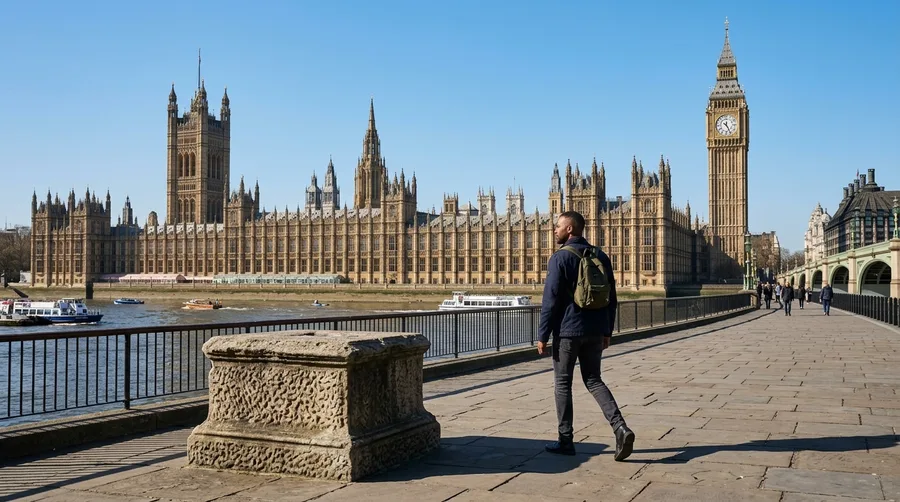
British legislation from 1313 strictly prohibits anyone from entering the Houses of Parliament wearing suits of plate armor. The medieval statute aimed to prevent armed intimidation among peers of the realm.
You might laugh at the notion of modern knights storming Westminster in full steel gear. Modern security guards still technically have this ancient law on their side if historical reenactors get too enthusiastic.
Leave your chainmail at home when visiting London. Standard modern clothing will get you through security much faster without drawing bewildered stares from parliamentary police officers.
Parliamentary Security Rules — At a Glance
🛡️ Prohibited Gear
Plate Armor
📅 Law Origin
Year 1313
👮 Enforcement
Still Active
Security Note
Modern guards enforce this rule alongside contemporary counter-terrorism measures.
3. Build Sandcastles on Spanish Beaches

Municipalities along certain Spanish coasts require explicit permits for constructing elaborate sand sculptures. Local councils introduced these restrictions to prevent beach obstruction and maintain public cleanliness.
Families traveling with young children need to check local coastal bylaws before hauling buckets and shovels onto the sand. Simple digging is usually fine, but massive fortifications can trigger municipal warnings.
Stick to modest sand structures during your Costa del Sol beach day. Save yourself an awkward conversation with local coastal enforcement officers.
4. Run Out of Fuel on German Autobahns
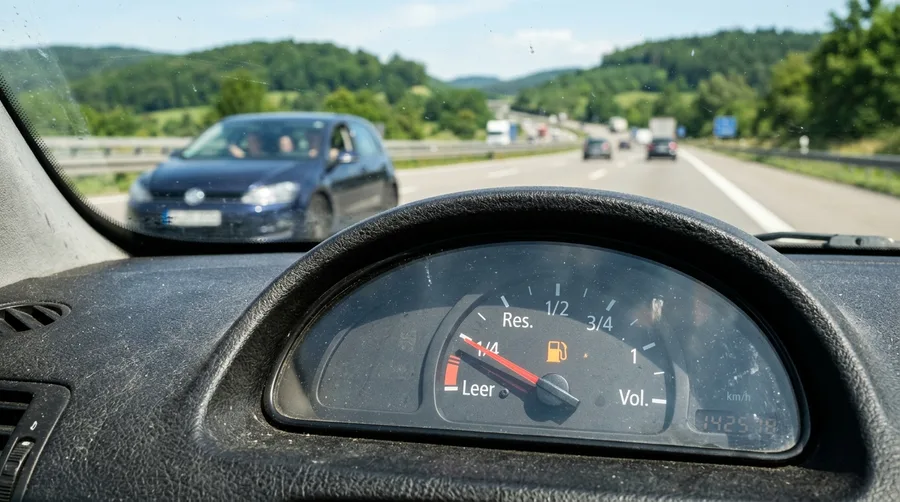
German traffic laws treat running out of gas on the high-speed Autobahn as an act of severe negligence. The regulation assumes you could have planned your fuel stops well in advance.
Stopping your vehicle on the shoulder without emergency cause creates massive hazards for oncoming traffic traveling at high velocities. Police will issue substantial fines to stranded motorists who neglected their fuel gauges.
Check your dashboard indicators before hitting long stretches of the highway. Keep your tank at least a quarter full to avoid expensive roadside penalties.
🌱 GROWING TIP
Monitor Your Fuel Gauge
Always refuel before entering major highway networks to maintain legal compliance and safety.
5. Die Within Houses of Parliament
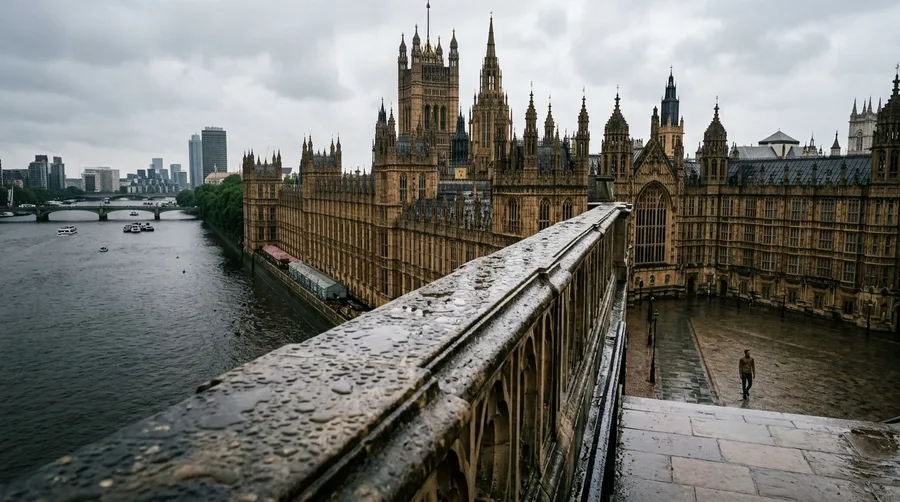
British urban legends often claim dying inside the Palace of Westminster is strictly illegal. The technical reality involves state funeral entitlements rather than a criminal penalty for expiring.
Anyone passing away within the parliamentary estate technically qualifies for a state-funded funeral. Modern administrators treat the rule as an administrative quirk rather than a punishable offense.
Do not worry about legal repercussions if you faint or experience a medical emergency on site. Paramedics will treat you immediately without checking rulebooks.
6. Chew Gum in Public Across Singapore

While Singapore sits outside Europe, certain European territories maintain equally strict import bans on specific consumer goods. Strict litter control laws target chewing gum specifically due to cleanup costs.
Importing or selling gum can result in severe financial penalties for unsuspecting travelers carrying bulk supplies from abroad. Customs officers screen luggage thoroughly at international entry points.
Leave your favorite bubble gum packs at home when exploring regulated cities. Opt for traditional breath mints instead to stay entirely clear of customs trouble.
7. Wear High Heels at Ancient Ruins

Greek cultural authorities banned stiletto heels at historic sites like the Acropolis to protect ancient marble stones. Sharp heel points exert intense pressure that cracks delicate architectural foundations.
Security guards check footwear at major archaeological entrances across Athens. Visitors wearing inappropriate shoes face polite requests to change into flats or store heels in lockers.
Pack sturdy walking shoes with rubber soles for your Greek holiday. Your feet and the ancient monuments will survive the sightseeing trip intact.
8. Drive Dirty Cars in Moscow
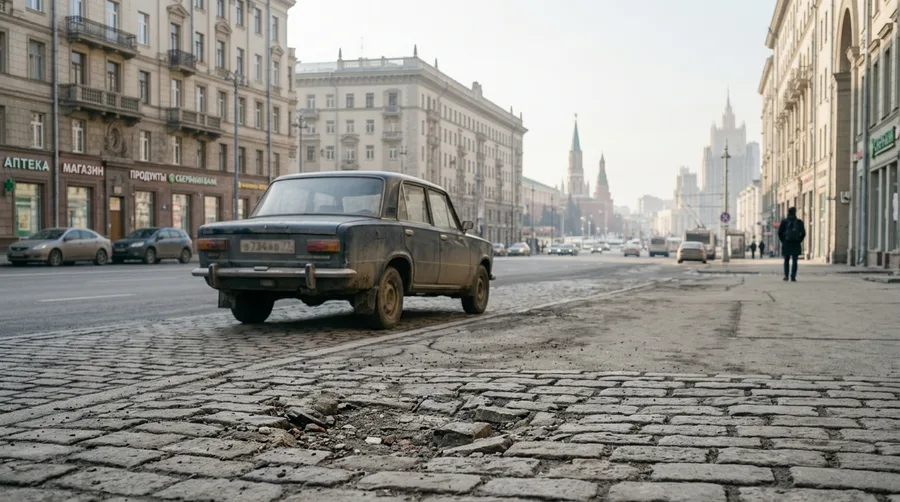
Russian traffic police in Moscow can fine motorists driving excessively dirty vehicles that obscure license plates or lights. Winter slush and mud make vehicle identification difficult for automated traffic cameras.
Keep your rental car clean during road trips through major Russian metropolitan areas. Local car washes operate around the clock to help drivers comply with municipal cleanliness standards.
Stop by a local automated wash station whenever road grime builds up heavily. Avoid unnecessary police stops during your cross-country journey.
9. Kiss on French Railway Platforms

A mid-century French railway regulation technically prohibits couples from kissing on station platforms to prevent train departure delays. Station masters sought to keep schedules running smoothly without sentimental holdups.
Modern enforcement remains practically nonexistent, but the historic decree survives in national railway lore. Couples still embrace freely without fear of immediate arrest by station guards.
Save your romantic farewells for the station exit or inside the train carriage. Keep platform pathways clear for hurried commuters rushing to catch connections.
10. Carry Spare Glasses in Spain
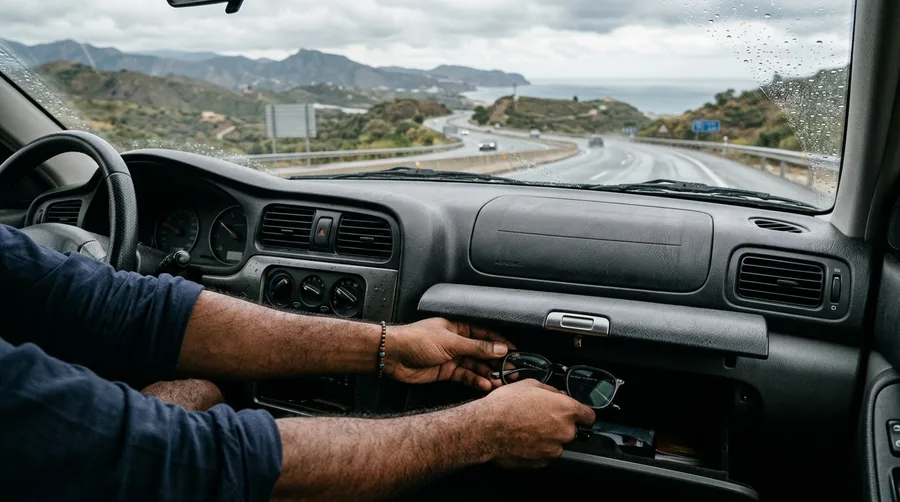
Spanish traffic regulations require drivers who wear prescription corrective lenses to keep a spare pair inside the vehicle. Police checks during routine traffic stops verify compliance with this optical safety rule.
Drivers caught without backup eyewear face immediate on-the-spot fines from local traffic authorities. The requirement ensures you can drive safely if your primary glasses break unexpectedly.
Stash an old pair of prescription glasses inside your glove compartment before driving in Spain. Prevent an annoying administrative penalty over minor vision gear.
11. Feed Stray Cats in Rome

Roman municipal codes protect historic feline colonies while regulating how private citizens feed stray animals in public spaces. Unauthorized feeding that creates unsanitary conditions around monuments violates local health ordinances.
Dedicated animal welfare groups manage official cat sanctuaries across the ancient city. Independent feeders must coordinate with registered associations to avoid municipal health citations.
Support local animal charities financially instead of leaving loose food scraps around ancient ruins. Keep Rome’s historic center clean and sanitary for all visitors.
12. Wear Swimwear Away from Beaches
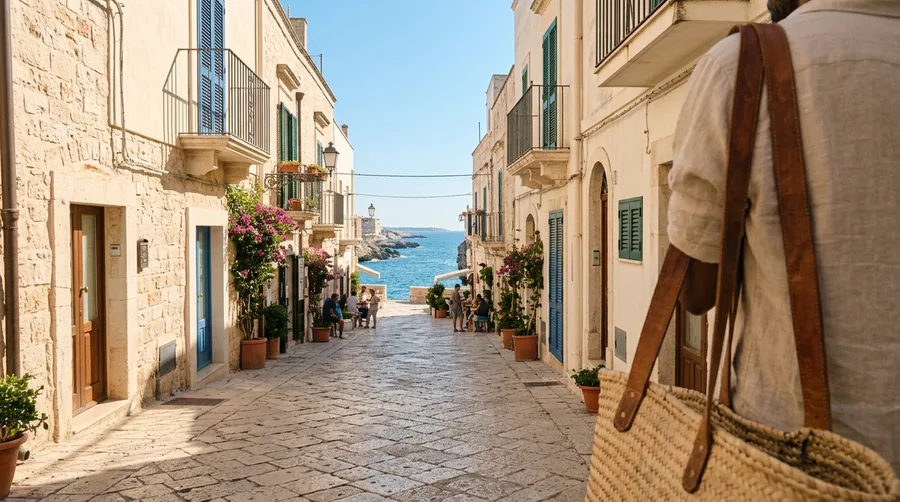
Coastal towns across Italy and Spain ban walking through city streets wearing only swimsuits or shirtless tops. Municipal bylaws protect local public decency standards outside immediate beach zones.
Police officers stationed near coastal promenades issue immediate fines to tourists wandering inland in swimwear. Cover up with a light shirt or tunic before leaving the sand.
Pack a casual linen cover-up in your beach bag for seaside strolls. Respect local community standards while walking from the shoreline to nearby cafes.
13. Hike Nude in Swiss Mountains

Appenzell Innerrhoden canton in Switzerland banned public nude hiking after traditional locals complained about naked tourists on alpine trails. Offenders face steep fines for violating public decency laws in mountain reserves.
Swiss hikers must keep standard outdoor clothing on while navigating public alpine routes. Mountain paths require proper gear anyway for safety reasons.
Keep your hiking layers properly fastened throughout your trek across the Swiss Alps. Enjoy the panoramic views while respecting local cultural norms.
14. Wash Cars on Sundays in Switzerland

Swiss cantonal noise ordinances prohibit disruptive outdoor chores like washing cars or mowing lawns on Sundays. The designated day of rest prioritizes peace and quiet for residential neighborhoods.
Using pressure washers or noisy garden equipment on Sunday mornings will quickly attract complaints from vigilant neighbors. Local police enforce acoustic conservation rules strictly.
Schedule your vehicle cleaning tasks for weekday afternoons instead. Let Sunday remain a quiet day for relaxation and scenic train travel.
15. Feed Pigs Napoleon in France

An old French agricultural statute technically prohibits naming any domestic pig ‘Napoleon’ out of respect for historical figures. The quirky rule survives as a humorous footnote in French legal history.
Farmers and pet owners rarely face enforcement today, but the statute remains officially active in national archives. Modern livestock keepers choose alternative names without legal worry.
Select creative names for farm animals that steer clear of historic political leaders. Avoid unnecessary legal folklore complications altogether.
16. Die in Longyearbyen, Norway

Permafrost conditions in the Arctic archipelago of Svalbard prevent proper human decomposition, prompting local ordinances that discourage dying locally. Terminally ill residents must relocate to the Norwegian mainland for end-of-life care.
Town cemeteries stopped accepting new burials decades ago because bodies do not decay naturally in frozen ground. Municipal authorities strictly enforce this logistical requirement.
Travelers visiting the remote Arctic settlement enjoy exceptional safety standards but must heed local residency rules. Appreciate the unique geographic challenges of the far north.
17. Import Potatoes in Western Australia

While Western Australia sits outside Europe, certain European island territories enforce similarly strict agricultural quarantine laws to protect local crop yields from devastating soil diseases.
Customs agents inspect incoming luggage for fresh produce and uncertified plant materials at border checkpoints. Bringing unauthorized tubers leads to immediate confiscation and fines.
Consume all fresh snacks before passing through strict agricultural border controls. Declare any food items honestly on your arrival forms.
18. Wear Fake Mustaches in Church

An old Alabama statute prohibits wearing fake facial hair in houses of worship that causes laughter, though similar quirky religious decorum rules exist in historic European parishes. Maintaining solemnity during services remains a long-standing tradition.
Local church wardens expect respectful attire and dignified behavior from all visiting tourists entering sacred spaces. Costumes or disguises violate basic sanctuary etiquette.
Dress conservatively and remove hats when stepping inside historic European cathedrals. Show proper respect for local religious traditions during your visit.
19. Fly Kites in Public Parks in UK

An 1839 British metropolitan police act technically prohibits flying kites in public thoroughfares if it annoys passengers. Local parks occasionally maintain legacy bylaws regarding airborne toys.
Modern park-goers rarely face trouble unless kites interfere with sports fields or crowded walkways. Municipal authorities focus enforcement on public safety rather than casual play.
Choose wide-open coastal fields for kite flying rather than crowded urban squares. Respect local park signage regarding recreational activities.
20. Drive Without Headlights in Sweden

Swedish law requires all motor vehicles to keep headlights illuminated twenty-four hours a day, regardless of seasonal sunlight conditions. The regulation ensures maximum visibility on northern roads during sudden weather changes.
Car rental agencies in Sweden automatically configure headlights to stay on whenever the ignition runs. Drivers bringing foreign vehicles must remember to switch lights on manually.
Keep your headlights turned on at all times while driving through Scandinavian roadways. Stay legally compliant and visible to other motorists.
Frequently Asked Questions
Are these old European laws actually enforced today?
Most historic statutes remain inactive, but municipal police can cite tourists for minor infractions like beach rules or dress codes. Always check local bylaws before your trip.
What happens if you break a minor municipal law while traveling?
Minor infractions usually result in immediate on-the-spot fines payable in cash or card. Officers expect prompt compliance with local regulations.
Do rental cars in Europe come equipped for local laws?
Major rental agencies ensure vehicles meet national safety standards, including mandatory headlights and required emergency gear. Always verify equipment before leaving the lot.
How can tourists avoid accidental legal trouble abroad?
Research local municipal codes for specific cities you plan to visit. Pay attention to posted signage near historic monuments and coastal zones.
Travel Prepared and Informed
Navigating European destinations becomes much easier when you understand the quirky legal backdrop behind local customs. Keep these unusual regulations in mind to ensure a smooth, penalty-free journey across the continent.