You scroll through social media and see a pristine, sun-drenched photo of a famous landmark completely empty of human friction.
Weeks later, you find yourself trapped in a gridlocked crowd of five thousand tourists, sweating through exorbitant entry fees and realizing the marketing sold you a fantasy.
⚠️ COMMON MISTAKE
The Expectation Versus Reality Trap
Relying purely on curated digital imagery rather than structural visitor capacity data sets you up for expensive disappointment.
The Mechanics of Destination Burnout
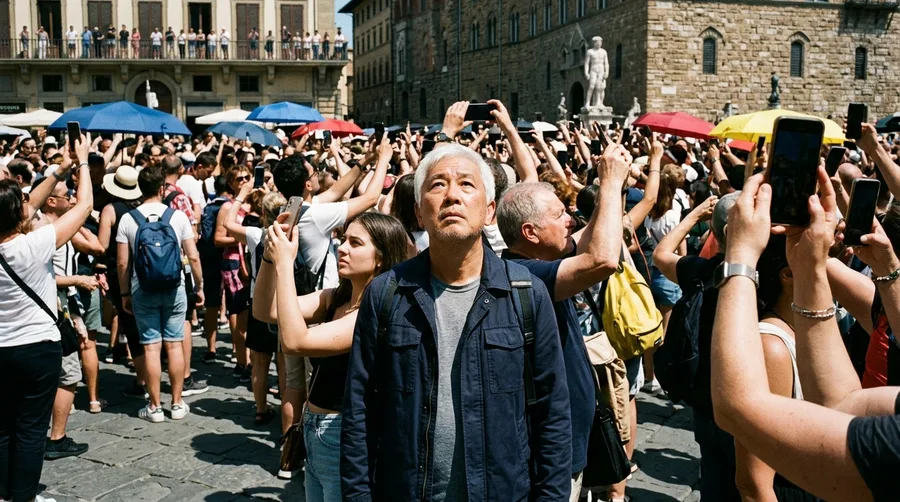
True travel regret stems from a predictable mismatch between local infrastructure capacity and algorithmic hype.
When millions of visitors chase the exact same viral photo-op, the destination undergoes a rapid shift toward extraction, turning historic sites into overpriced turnstiles.
You end up paying premium prices for high friction, long queues, and hostile crowds that squeeze out any genuine cultural connection.
The Cost of Over-Tourism
Metrics behind modern travel regret
1. The Blue City of Chefchaouen, Morocco
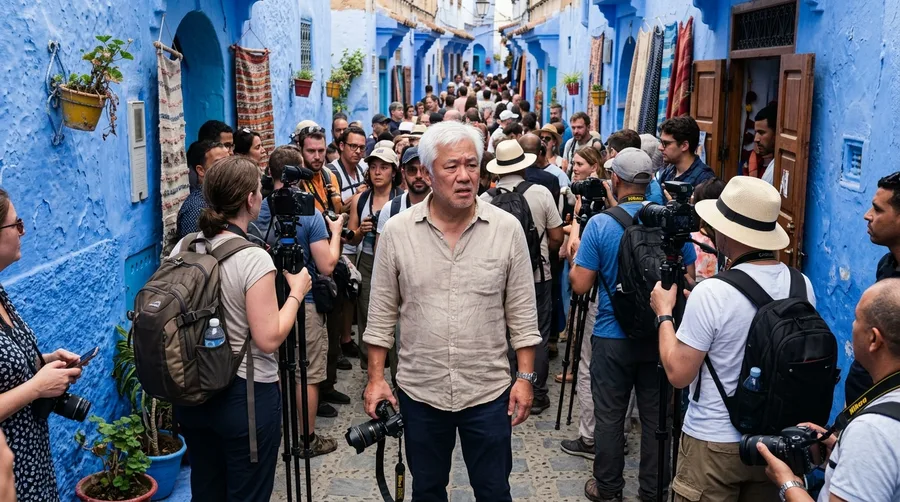
You travel deep into the Rif Mountains expecting a serene, meditative maze of blue-washed alleyways.
Instead, you encounter a hyper-concentrated photography set where local residents charge fees just to snap a picture near their doorway.
The infrastructural capacity cannot handle the influx of daily tour buses, leaving the narrow streets jammed with tripod-wielding visitors.
💡 Tip: Skip the main photo alleyways entirely and explore the residential northern upper hill at sunrise.
2. The Leaning Tower of Pisa, Italy
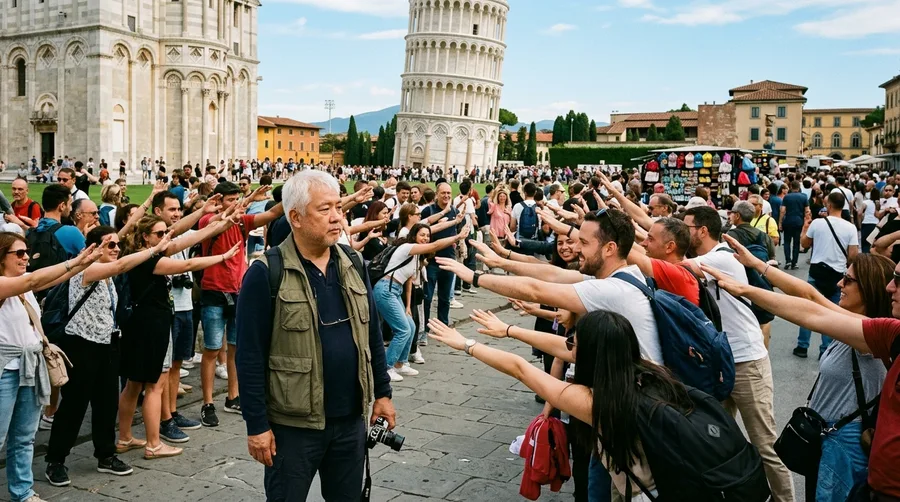
You arrive expecting a rich historic complex and instead find a single isolated monument surrounded by souvenir shacks.
The surrounding Piazza dei Miracoli functions as a chaotic staging ground for thousands of tourists doing the obligatory holding-up-the-tower pose.
Once you pay the steep ticket price to climb the tilt, the interior staircase is cramped, brief, and entirely stripped of surrounding depth.
3. Hollywood Walk of Fame, Los Angeles, USA
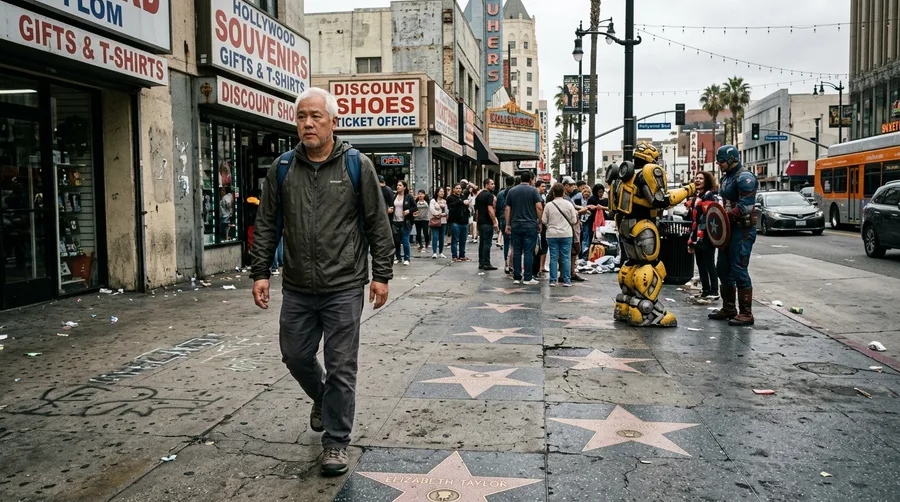
You picture cinematic glamour etched into pristine golden stars along a vibrant boulevard.
The reality reveals a gritty, grime-stained stretch of sidewalk crowded with aggressive street performers demanding tips and trash-strewn storefronts.
Safety concerns and aggressive panhandling make this one of the most anti-climactic urban walks in North America.
4. Patong Beach in Phuket, Thailand
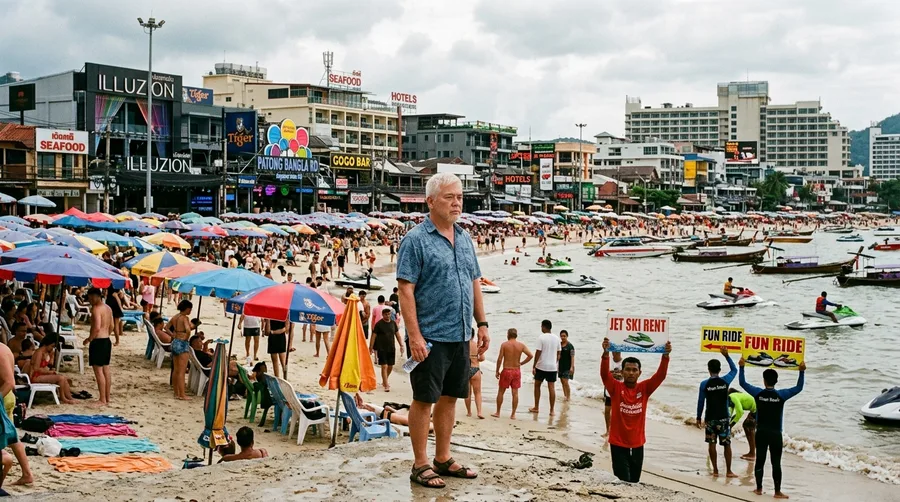
You book a tropical beach escape based on vintage travel brochures showing quiet golden sand.
Patong greets you with an overwhelming wall of neon-lit nightlife, relentless jet-ski touts, and heavily polluted coastal waters.
The local economy has completely converted into a high-density tourist trap that prices out authentic coastal culture.
5. The Little Mermaid Statue, Copenhagen, Denmark
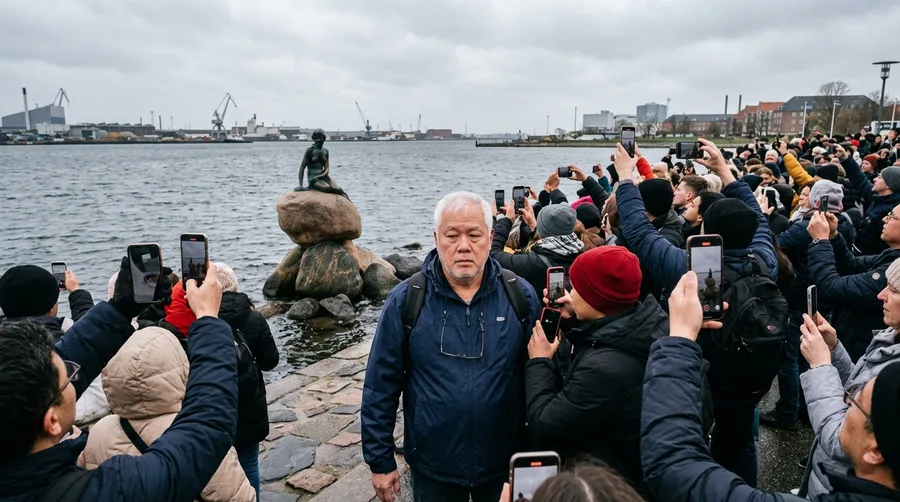
You walk along the Langelinie promenade expecting a majestic maritime landmark.
You find a surprisingly diminutive bronze figure perched on a rock, completely swarmed by busloads of tourists jostling for position.
There is virtually nothing else of interest in the immediate vicinity, making the trek a textbook case of misplaced hype.
Destination Friction Index — Batch One
📸 Photo Reality Gap
Extremely High
💸 Cost Inflation
Severe Markup
🚶 Pedestrian Gridlock
Constant Bottleneck
Takeaway
Single-monument attractions without surrounding infrastructure almost always disappoint.
6. Venice, Italy During Peak Summer
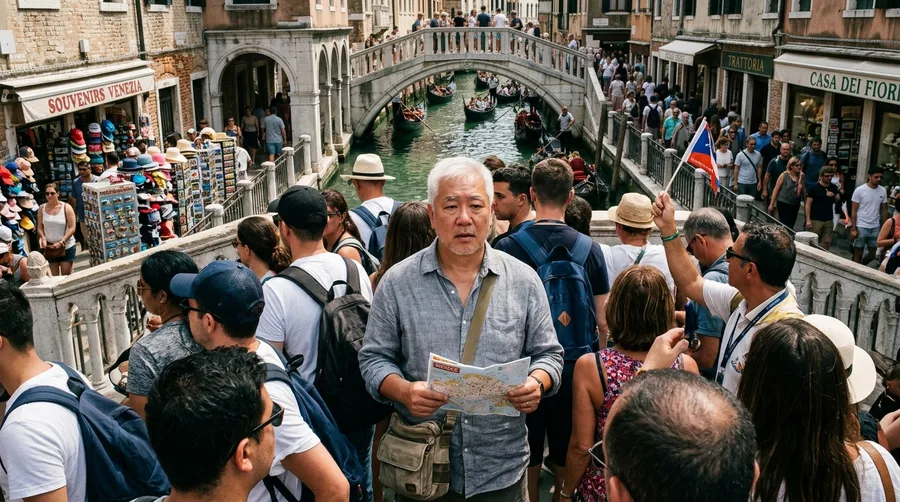
You picture romantic gondola rides through silent, misty canals echoing with operatic history.
Peak summer transforms the narrow bridges into human gridlocks where you shuffle shoulder-to-shoulder behind massive tour groups.
Mass cruise ship tourism has displaced local grocery stores, replacing them with cheap plastic souvenir stalls and overpriced cafes.
7. Stonehenge, United Kingdom
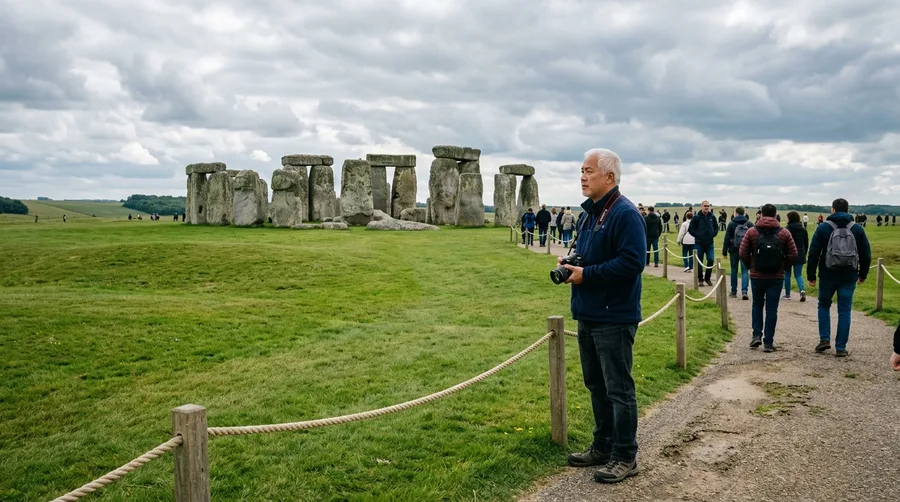
You anticipate standing among the ancient megaliths to feel their prehistoric weight and mystery.
Strict perimeter ropes keep you dozens of yards away from the stones, forcing you to view them from a distant perimeter path.
Combined with steep parking and admission fees, the barrier distance turns an awe-inspiring archaeological site into a roadside glance.
8. The Pyramids of Giza, Egypt
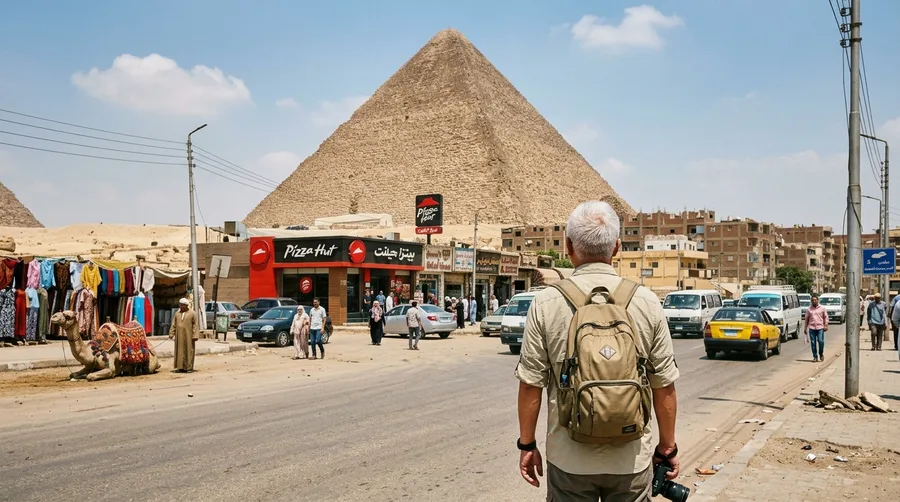
You imagine an isolated desert wonder standing in timeless, silent majesty against the golden dunes.
Urban sprawl has marched right up to the base of the structures, meaning Pizza Hut and modern traffic sit directly across the street.
Aggressive camel guides and relentless souvenir vendors create a high-pressure environment that exhausts even seasoned travelers.
9. Mount Everest Base Camp Trek, Nepal
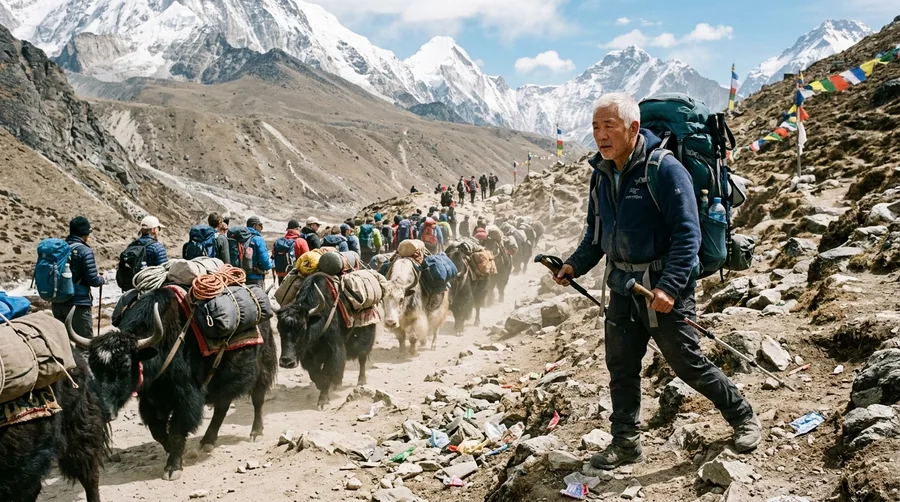
You expect a rugged, soul-searching Himalayan expedition into remote mountain wilderness.
The primary trail features a literal highway of yak trains, plastic trash waste, and crowded tea houses playing pop music.
Commercialization has turned a sacred high-altitude route into a congested endurance test for bucket-list hikers.
10. Dubrovnik Old Town, Croatia
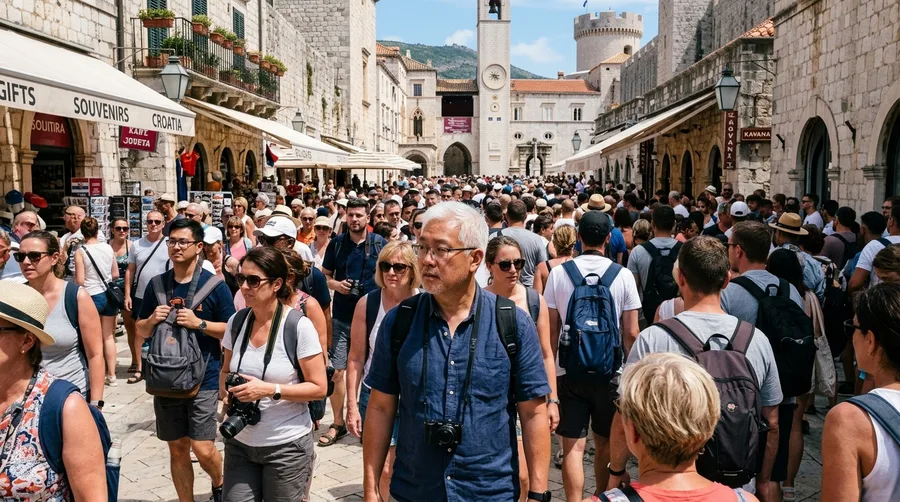
You look for medieval Game of Thrones charm along pristine marble-paved coastal streets.
Midday cruise ship discharges flood the ancient city walls with tens of thousands of visitors simultaneously.
Walking the historic ramparts becomes a slow-motion human traffic jam where stepping out of line is physically impossible.
The Hidden Costs of Overtourism
11. Canggu and Kuta in Bali, Indonesia
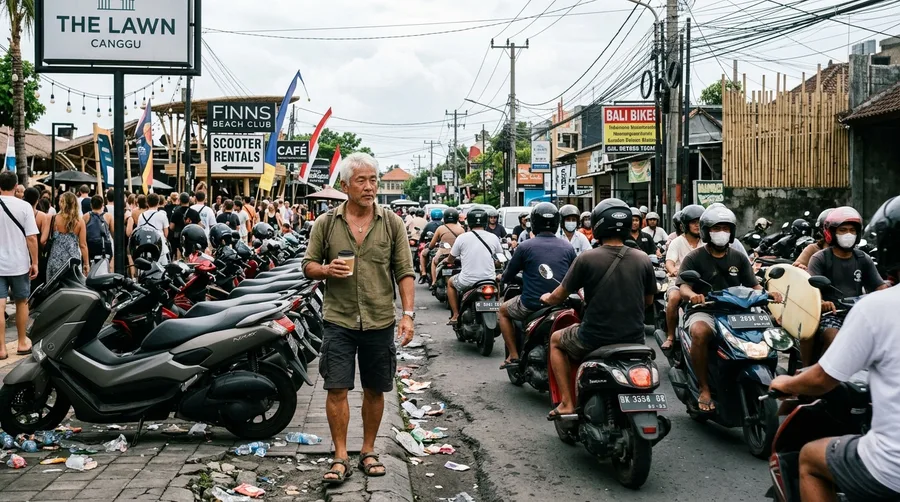
You picture peaceful surf shacks, spiritual yoga retreats, and tranquil emerald rice terraces.
You find bumper-to-bumper scooter gridlock, deafening beach clubs, and coastlines choked with washed-up plastic debris.
Rapid, unmanaged over-development has smothered the authentic local culture that originally made the island famous.
12. Niagara Falls, Canada and USA Sides
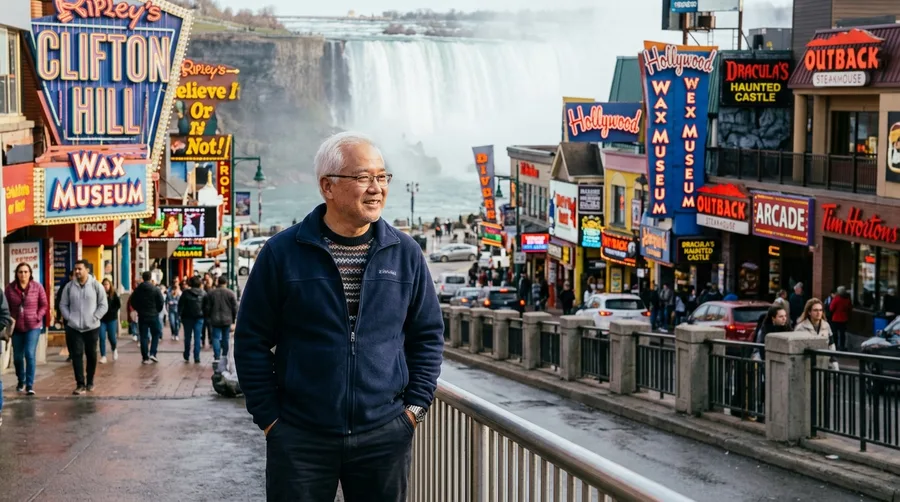
You expect raw natural majesty and roaring geological power.
The immediate surrounding towns resemble garish Las Vegas strips packed with neon wax museums, chain steakhouses, and haunted houses.
The commercialization completely undercuts the sublime natural wonder of the roaring waterfalls.
13. Checkpoint Charlie in Berlin, Germany
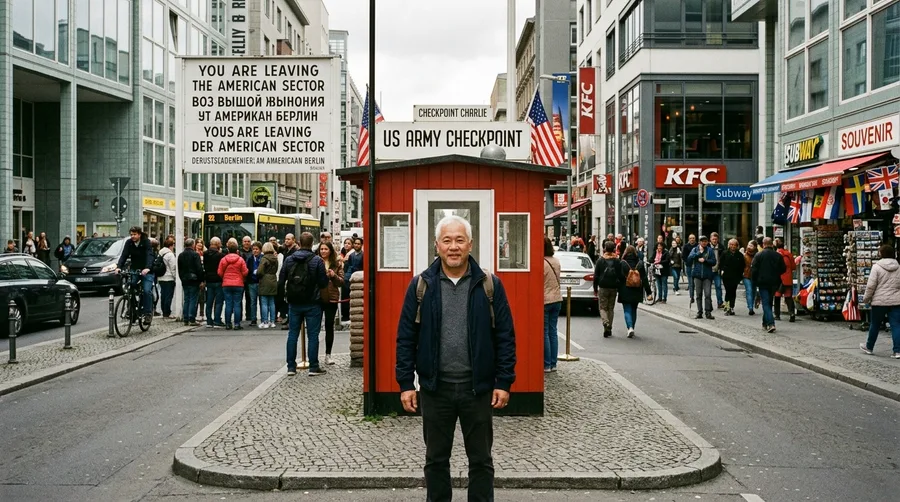
You anticipate a sobering, historically resonant monument to Cold War espionage and division.
The site is a tiny reconstructed guard shack sitting awkwardly amid fast-food joints and actors dressed in costume demanding money for photos.
It feels less like a historical memorial and more like a tacky tourist carnival booth.
14. The Taj Mahal in Agra, India
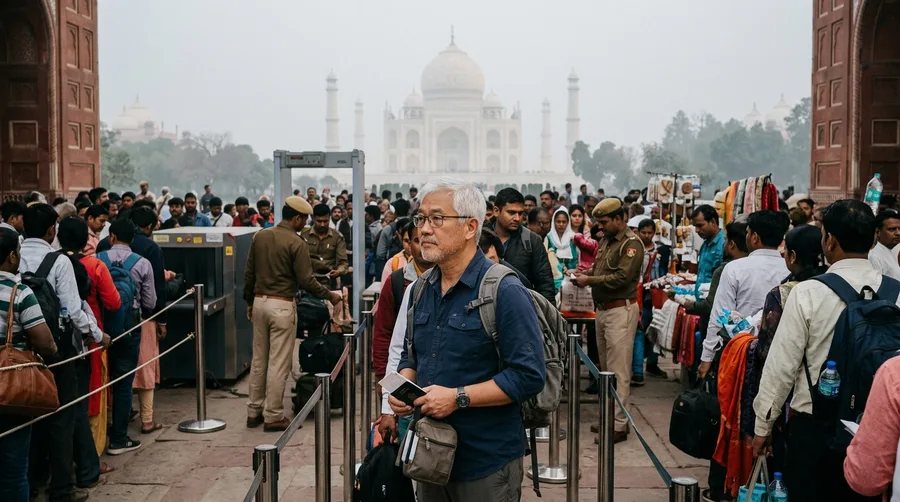
You dream of a pristine white marble mausoleum gleaming in serene, ethereal morning light.
Heavy regional smog frequently obscures the structure, and the rigorous security screening lines take hours to clear.
Persistent touts and aggressive vendors surround the perimeter, making quiet contemplation nearly impossible.
15. Road to Hana in Maui, Hawaii
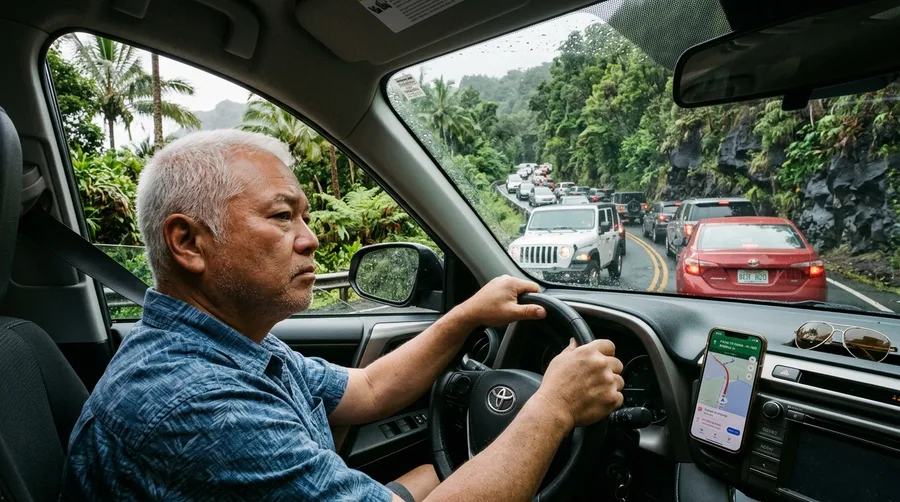
You picture an effortless tropical joyride along winding coastal rainforest cliffs.
Thousands of rental cars crawl along narrow single-lane bridges, causing massive traffic jams and trespassing tensions with locals.
Parking is virtually non-existent at popular overlooks, turning a scenic drive into a high-stress driving test.
🌱 GROWING TIP
The Shoulder-Season Rule
Shift your travel windows to April or October to bypass 80% of peak density at these fragile natural sites.
16. Oia at Sunset in Santorini, Greece
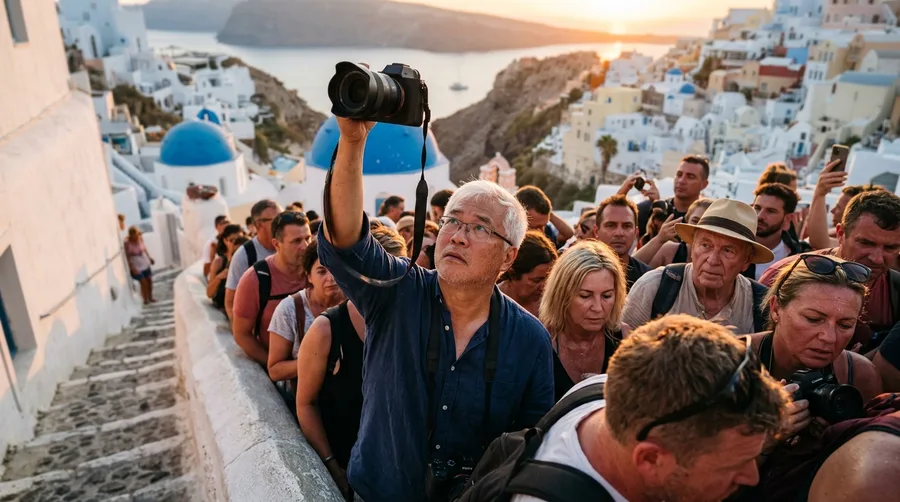
You envision watching the sun melt into the Aegean Sea from a private whitewashed terrace.
Thousands of visitors pack shoulder-to-shoulder onto narrow stone pathways and rooftops hours before sunset.
The moment the sun drops, loud cheering erupts and the human mob scrambles frantically back toward overcrowded buses.
17. The Blue Lagoon in Iceland
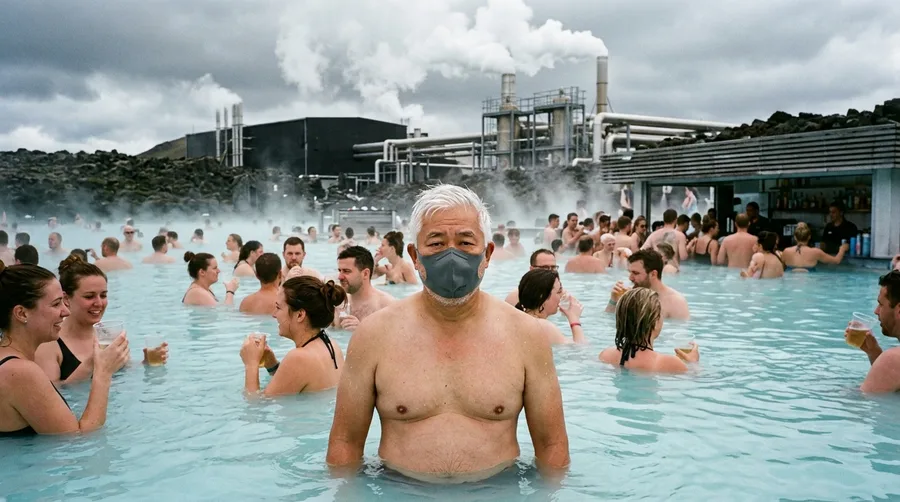
You expect a remote, pristine natural hot spring nestled in rugged volcanic wilderness.
The facility is an industrial geothermal power plant runoff pool engineered for maximum commercial throughput.
Strict time-slot pricing, mandatory silica mud masks, and crowded swim-up bars make it feel like a high-priced water park.
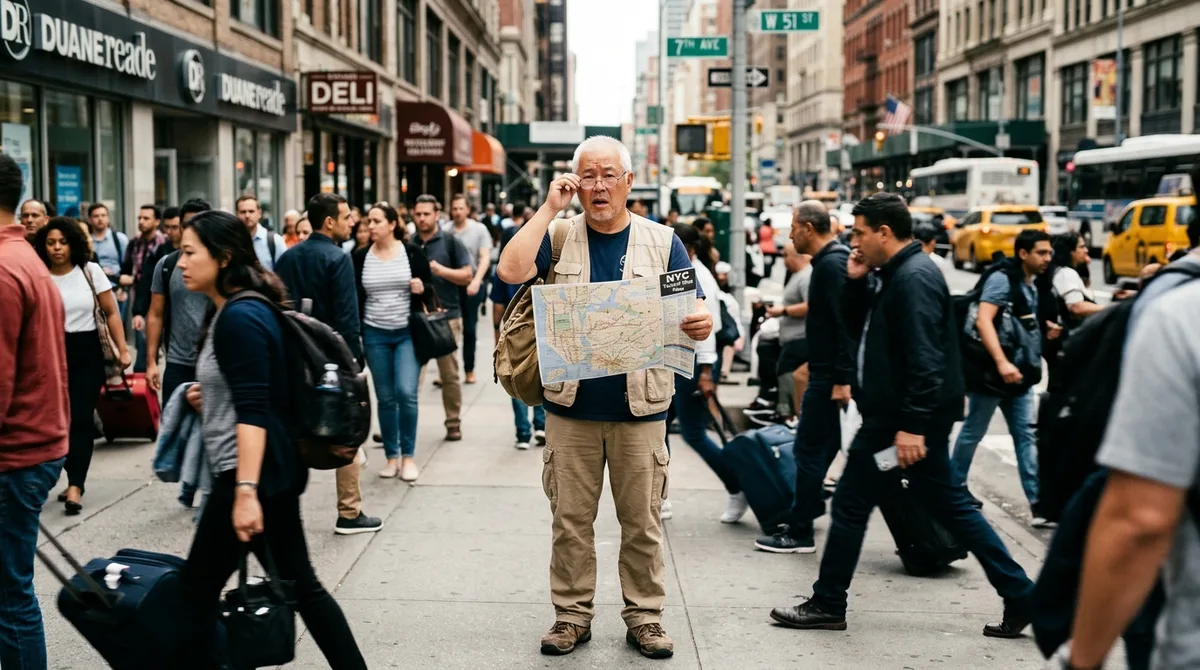
18. Times Square in New York City, USA
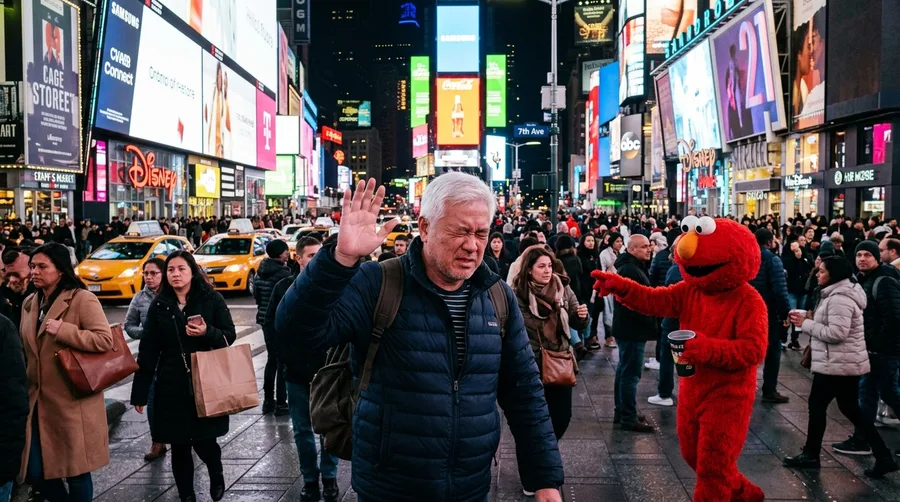
You picture electric Broadway energy and iconic American urban spectacle.
The reality delivers intense sensory overload, astronomical dining markups, and aggressive costumed characters shaking down tourists for cash.
Local New Yorkers actively avoid the zone, knowing it offers zero authentic cultural value.
19. The Mona Lisa Room at The Louvre, Paris
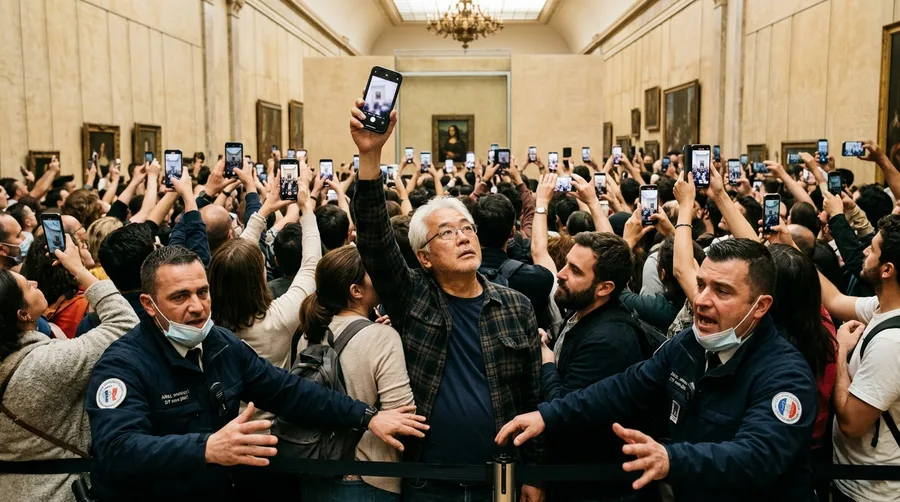
You hope for a quiet, contemplative moment locking eyes with Renaissance history.
You find yourself trapped in a claustrophobic scrum of hundreds of smartphones held aloft, trying to glimpse a tiny painting behind thick bulletproof glass.
Security guards rush the crowd along every three seconds, preventing any actual artistic appreciation.
20. The Spanish Steps in Rome, Italy
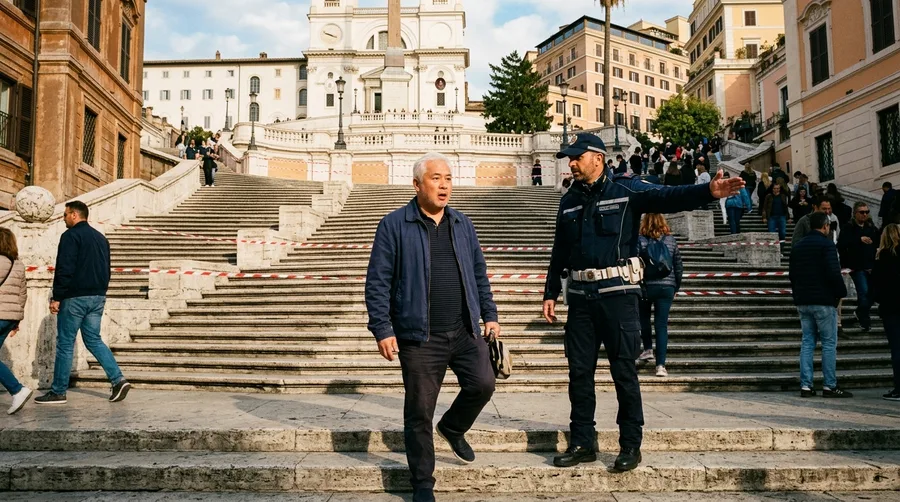
You picture sitting on historic stone steps eating gelato and watching Italian street life unfold.
Heavy municipal fines and strict police patrols ban sitting entirely, turning the monument into a cordoned-off visual artifact.
You are rushed along by officers the moment you pause too long on the lower landings.
The Tourist Trap vs. The Smart Alternative
The Regret Circuit
- Visiting viral spots during peak midday hours
- Booking accommodations based purely on Instagram reels
- Ignoring local transit independence and walking into tourist pricing zones
- Chasing single-monument attractions with no surrounding depth
The Low-Friction Alternative
- Exploring secondary regional capitals with active local economies
- Targeting shoulder months like April and October for travel
- Prioritizing cultural immersion over photographic validation
- Staying 50 miles inland from hyper-commercialized coastlines
Why Travelers Feel Cheated
Survey metrics on primary trip disappointment triggers
🗺️ Anatomy of a Tourist Trap Disappointment
Algorithmic Trigger
You see a curated viral video promising pristine isolation.
The Booking Mistake
You lock in peak season dates without checking local capacity data.
The Friction Spike
You arrive to find long queues, aggressive touts, and inflated pricing.
The Reality Check
You spend hours fighting crowds for a single mediocre photo.
The Smarter Itinerary Shift
Best Alternatives For Better Travel
Which Camp You Are In: A Five-Question Self-Check

Before booking your next major trip, run your itinerary through a rigorous personal audit to protect your time and money.
Ask yourself if the destination is famous primarily for its photographic viability or its genuine cultural depth.
Determine whether local infrastructure actually supports the visitor volume or if you are walking into an extraction zone.
If your answers reveal high friction and low substance, pivot immediately toward secondary regional alternatives.
True travel satisfaction comes from prioritizing infrastructural health and cultural depth over algorithmic popularity.
— The Modern Travel Principle
Frequently Asked Questions
How can I tell if a tourist attraction is actually worth visiting?
Check local transit independence and visitor-to-resident ratios. If millions of visitors dwarf the local population without supporting infrastructure, avoid it.
What are the best months to travel to avoid peak over-tourism?
Target shoulder months like April, May, September, and October for European and Mediterranean hubs to miss the heaviest crowds.
Are guided tours better for overcrowded historic sites?
They offer skip-the-line utility for major monuments, but they often lock you into rigid, high-density schedules that limit authentic exploration.
How do I find authentic alternatives to famous bucket-list places?
Look fifty miles inland from coastal hotspots or choose secondary regional capitals that maintain active, non-tourist-dependent local economies.
Why do so many famous travel destinations fail to live up to expectations?
Algorithmic social media rewards visual conformity over reality, hiding the crowds, trash, and high friction costs behind tight photographic framing.
Designing Travel That Leaves No Regrets
Stop letting viral algorithms dictate where you spend your hard-earned vacation time and financial resources.
Prioritize destinations with high local resonance, low digital hype, and sustainable infrastructure, and your future travels will finally deliver on their promise.