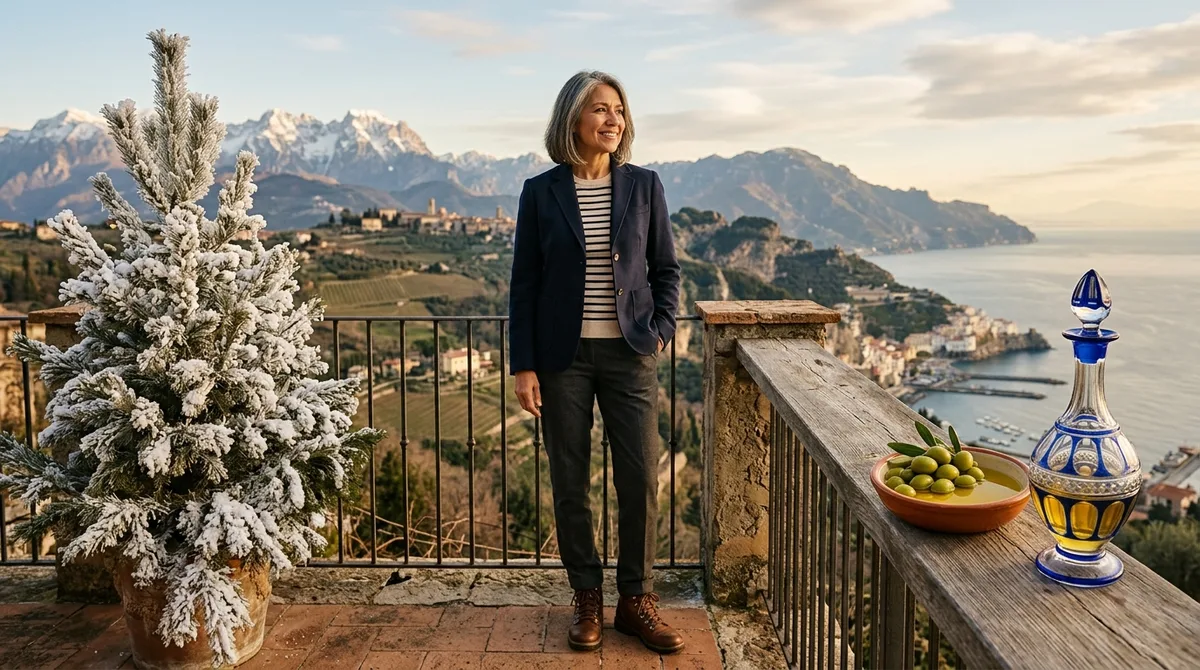
Packing for Italy often induces a unique brand of paralysis. You try to reconcile the snowy peaks of South Tyrol with the sun-baked citrus groves of Sicily.
Travelers frequently book a single itinerary expecting a homogeneous culture, only to find themselves navigating entirely different linguistic landscapes, culinary rules, and architectural traditions within a few hundred miles.
This vertical axis demands a new approach. You are not visiting a single destination, but a continental transition zone wrapped inside a dramatic Mediterranean peninsula.
💡 PRO TIP
Think in Vertical Zones
Treat Italy as a series of distinct ecological tiers rather than a single country. Altitude and latitude dictate everything from your morning breakfast pastry to the local dialect.
The Alpine Cradle: High-Altitude Geographies
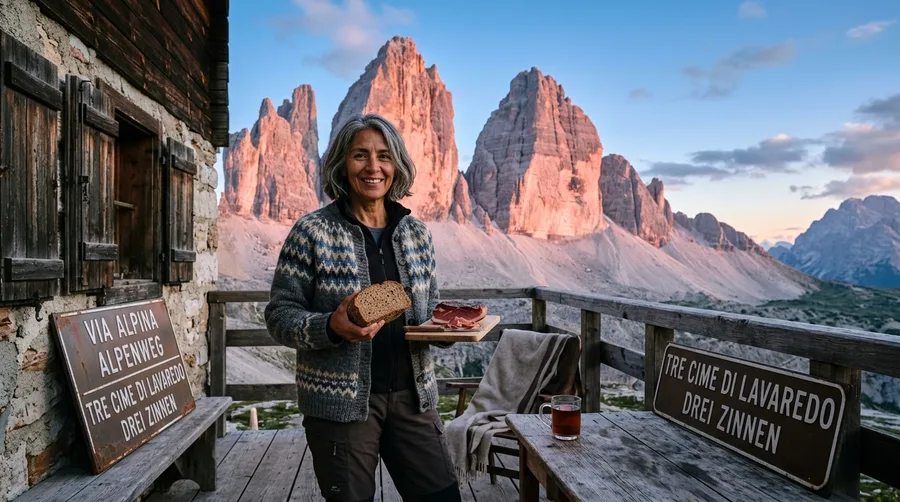
The extreme north of the peninsula begins in an entirely different climate zone.
The Dolomites and the broader alpine chain feature jagged carbonate rock formations that catch the evening sun in a striking pink glow known locally as enrosadira. This geological reality creates high-altitude basins where Austro-Hungarian architecture dominates and rye bread replaces white wheat.
Mountain passes isolate communities for months at a time.
You notice the shift immediately in towns like Bolzano, where bilingual street signs and hearty goulash reflect a Germanic heritage distinct from central Italian norms.
Agricultural limitations shape a cuisine of dairy, cured speck, and wild mushrooms rather than olive oil and fresh seafood.
Alpine vs. Maritime Zones — At a Glance
🏔️ Elevation
1,500m+ avg.
🪵 Primary Material
Timber & Stone
🧈 Cooking Fat
Butter & Lard
🗣️ Primary Influence
Austro-Germanic
Climatic Shift
The northern tier operates on a strict alpine weather calendar with heavy winter snowpacks.
The Lakes and Northern Plains: The Transition Zone
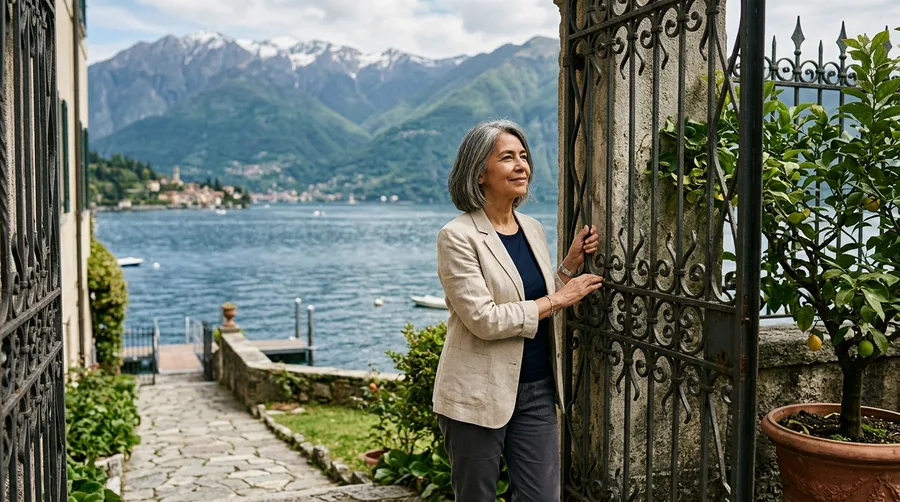
Descending the vertical gradient brings you to the deep glacial trenches of Lombardy and the wide, flat basin of the Po Valley.
Lake Como, Garda, and Maggiore trap solar heat against sheer mountain walls, creating unexpected microclimates where palm trees and citrus orchards thrive right beneath snow-dusted ridges.
Move south just twenty miles, and the landscape flattens into an industrial and agricultural engine.
The flooded rice paddies of the Po Valley produce the raw ingredients for authentic risotto, while local dairies churn out massive wheels of Parmigiano-Reggiano.
River networks historically dictated trade routes, turning cities like Milan and Bologna into wealthy commercial powerhouses.
Northern Lake Highlights
The Apennine Spine: The Country’s Cultural Backbone
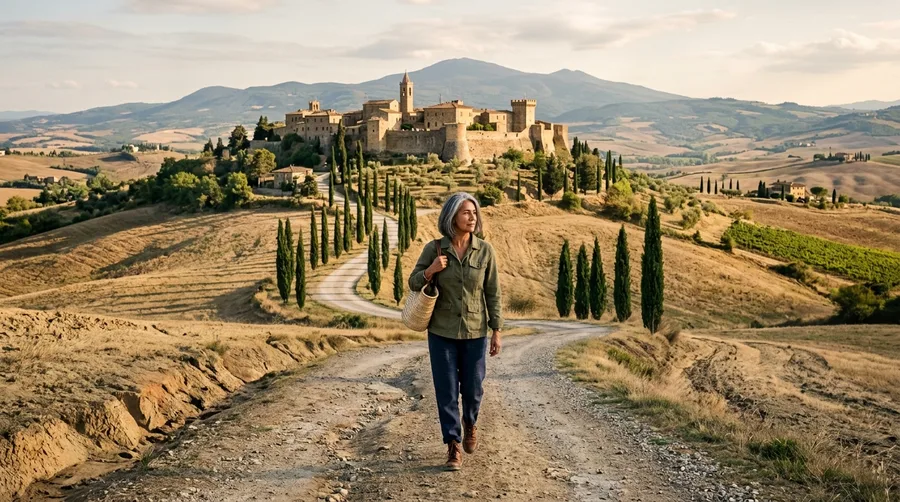
Central Italy is defined almost entirely by the rugged spine of the Apennine mountain range.
This backbone creates a dramatic rain shadow effect, separating the Tyrrhenian coast from the Adriatic and carving the interior into isolated pockets of medieval history.
Hill towns in Umbria and Tuscany perch precariously on clay ridges for defensive reasons, featuring narrow stone alleys designed to trap cooling breezes.
Shepherds once drove flocks along ancient seasonal migration paths known as tratturi, connecting mountain pastures with coastal plains.
You still see this pastoral history reflected in the heavy woolen blankets and hearty bean soups of the interior.
⚠️ COMMON MISTAKE
Ignoring Mountain Weather
Do not assume Italy is warm year-round. Apennine passes and high hill towns experience sudden temperature drops and fierce winds even in late spring.
The Mediterranean Crucible: Coastal Traditions and Island Ecosystems
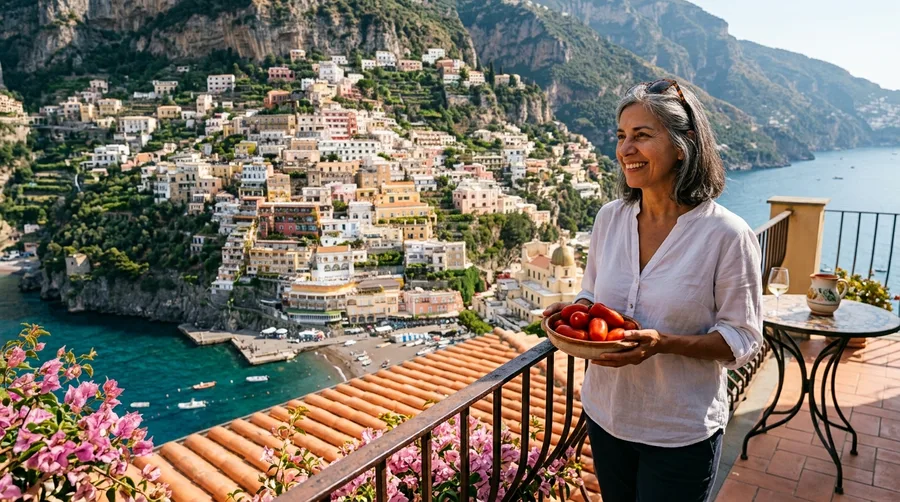
The journey finally bottoms out at the southern sea, where volcanic soils and intense maritime trade rewrite the rules of daily life.
Volcanic slopes around Vesuvius and Mount Etna yield high-mineral-content produce, giving San Marzano tomatoes and local wines an unmistakable flavor profile.
Centuries of overlapping rule by Greek, Arab, Norman, and Spanish kingdoms left deep architectural and culinary imprints across Campania, Puglia, and Sicily.
You taste this history in sweet pastries spiced with cinnamon and citrus zest.
The frantic pace of coastal fishing ports contrasts sharply with the slower, sun-bleached rhythm of the agrarian interior.
Cross-Country Transit Estimates
The Regional Identity Paradigm
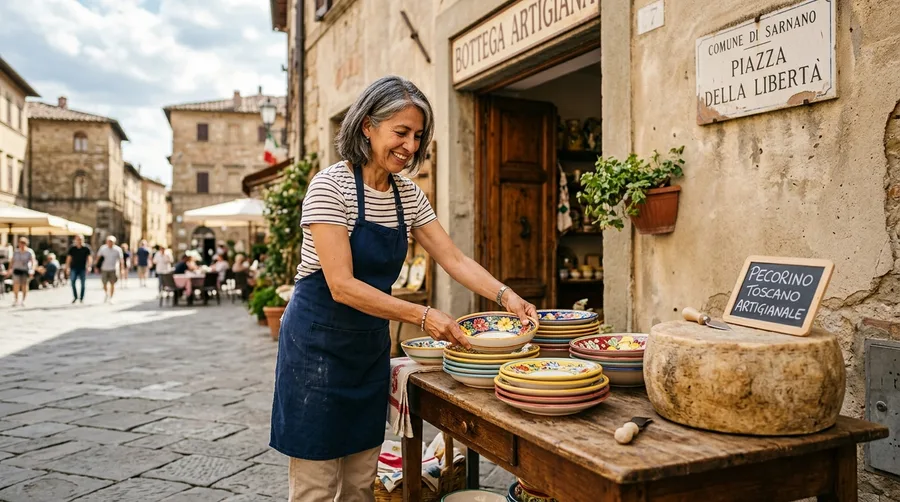
Italians rarely introduce themselves primarily as nationals. They identify with their specific town or region.
Unification happened relatively late in 1861, which preserved centuries of distinct dialects, local laws, and fierce civic rivalries.
Local food protection laws enforce these divisions legally.
Producing prosciutto outside Parma or making mozzarella outside designated southern zones violates strict regulatory standards.
Geography created these micro-identities, and modern bureaucracy works hard to keep them alive.
The Vertical Scale
Key metrics defining the Italian peninsula
Northern Alps vs. Southern Coast
The Alpine North
- Crisp mountain air and glacial lakes
- Butter, polenta, and hearty meat stews
- Austro-Hungarian linguistic influences
- Active winter sports and chalet culture
The Southern Coast
- Intense sun and volcanic soil
- Olive oil, seafood, and fresh citrus
- Greek, Arab, and Spanish layers
- Seafaring history and outdoor dining
Italy is not a single country to be checked off a list, but a vertical gradient of distinct worlds.
— What seasoned travelers keep repeating
Self-Check: Which Italian Route Matches Your Travel Style?
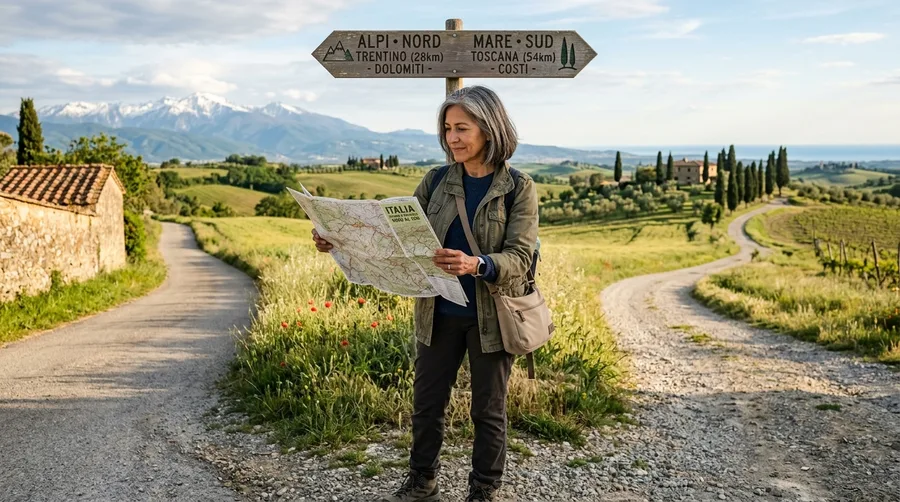
Diagnosing your ideal travel corridor requires looking honestly at your physical energy and climatic preferences.
If you prefer crisp mountain air, strenuous ridge hikes, and evening stays in wood-paneled chalets, stick strictly to the northern Alpine corridor.
If your ideal day involves swimming in turquoise water, exploring ancient Greek ruins, and eating fresh seafood at sunset, point your compass south toward Puglia or Sicily.
Answering these basic questions prevents the common mistake of trying to cover too much vertical ground in a single week.
Traveler Preferences by Region
Distribution of visitor interests across the peninsula
🧭 The Vertical Journey Route
The Alpine Peaks
Begin in South Tyrol for crisp air and mountain chalets.
The Northern Lakes
Descend into the glacial trenches of Como and Garda.
The Apennine Spine
Navigate the rugged interior hill towns of central Italy.
The Mediterranean Coast
Finish your journey on the volcanic shores of the south.
Recommended Route Progression
Adjust timing based on regional transit schedules.
Frequently Asked Questions
What is the best way to travel from the Alps to the Mediterranean without flying?
Take the high-speed rail network operated by Trenitalia or Italo. You can traverse the spine of the country comfortably while watching the landscape transform from snowy peaks to rolling hills and coastal plains.
When can you ski and swim in Italy during the same month?
Late May offers a unique window where high-altitude ski resorts in the Alps maintain spring snowpacks while southern beaches in Sicily and Puglia are already warm enough for swimming.
How do language and culture shift as you move vertically down the peninsula?
The north features strong German and Ladin linguistic influences alongside alpine traditions. Moving south introduces Greek, Arabic, and Spanish historical layers paired with a Mediterranean lifestyle.
Which regional train passes are most efficient for a cross-country journey?
High-speed Frecciarossa lines connect major hubs like Milan, Bologna, and Rome efficiently. Combine these with regional mountain lines for smaller towns.
Is renting a car necessary to explore the transition zones between mountains and coast?
Public transit handles major cities and valley floors easily, but renting a car remains essential for exploring remote alpine passes, hill towns, and isolated coastal coves.
Make It Stick
Italy rewards travelers who respect its dramatic geographical divisions. Stop treating the country as a single checklist item.
Pack for microclimates instead of a single national forecast, and let the abrupt transitions from peak to sea define your adventure.