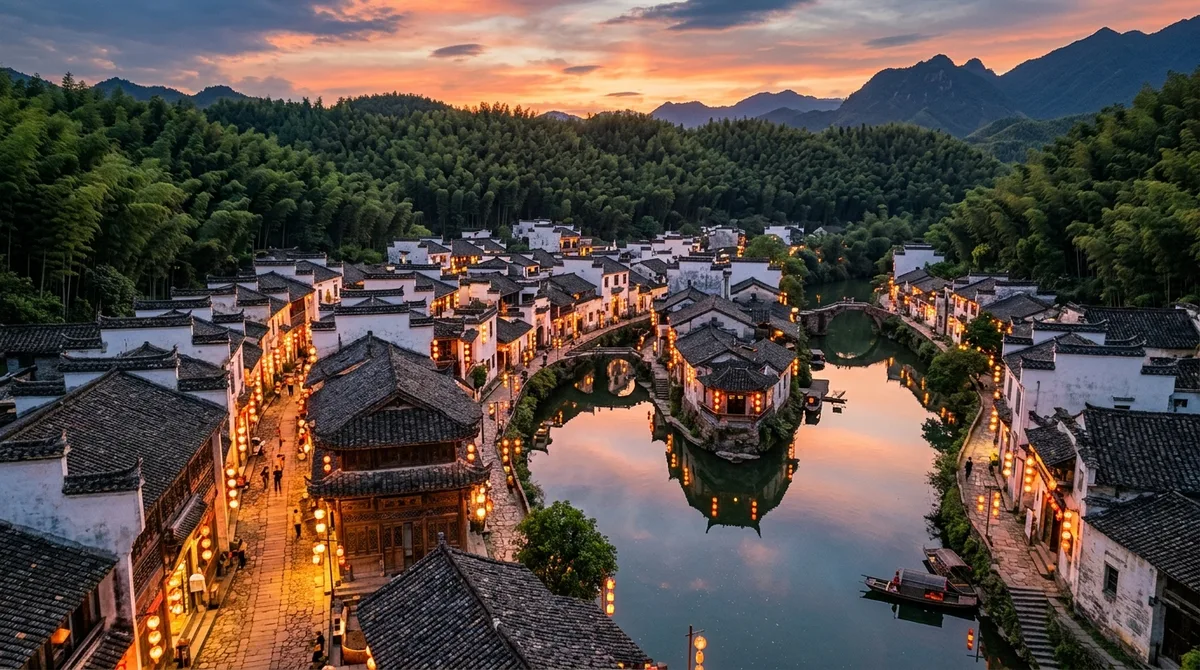
Crowded global mega-destinations leave travelers exhausted by identical souvenir stalls and endless queues.
You deserve an authentic journey where daily life moves to the rhythm of ancient agricultural cycles rather than tourist tour bus schedules.
This guide reveals how to step off the beaten path into pristine mountain hamlets where time genuinely slows down.
The Antidote to Over-Tourism
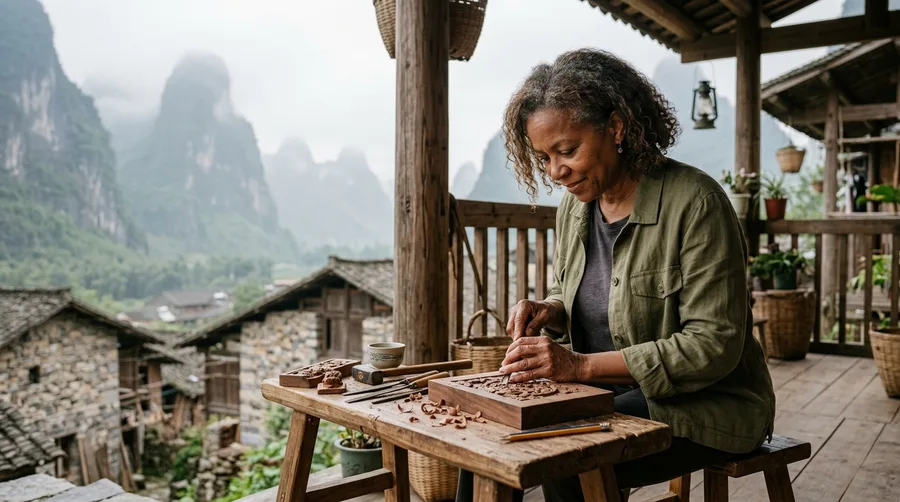
Global tourism has homogenized destinations.
Hidden pockets in rural China offer a rare counter-experience.
True isolation requires geographic barriers like steep river gorges.
You step into living history where architectural integrity remains untouched by mass commercialization.
💡 PRO TIP
Embrace the Slow Travel Ethos
Plan fewer stops and spend at least three nights in each village to truly understand local community dynamics.
How Geography Preserved Living History
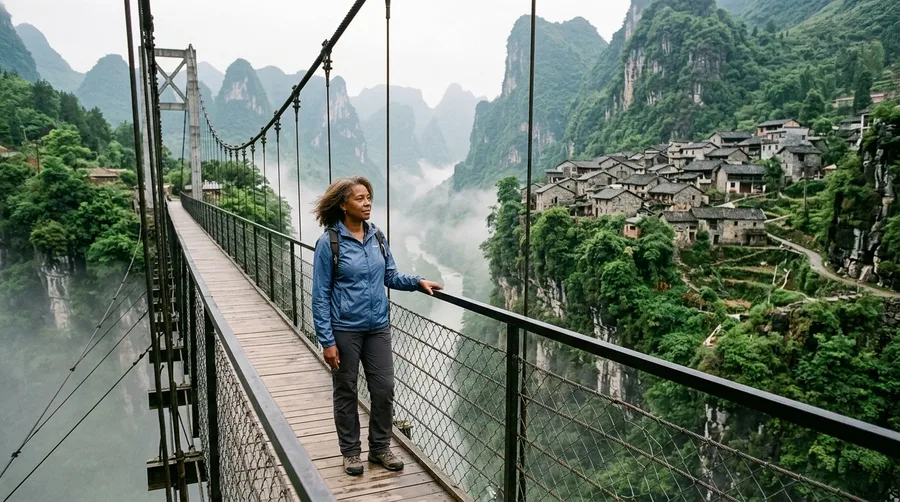
Limestone karst formations naturally shield communities from rapid modernization.
Ethnic minority groups maintain ancestral building techniques across generations.
National heritage classifications protect these zones from unregulated concrete development.
Geographic Barriers At a Glance
⛰️ Terrain
Karst & Gorge
🛡️ Protection
Natural Isolation
👥 Communities
Miao & Dong
Key Insight
Inaccessible roads preserved ancient timber architecture.
1. Zhagana, Gansu: The Stone Palace of the Gods
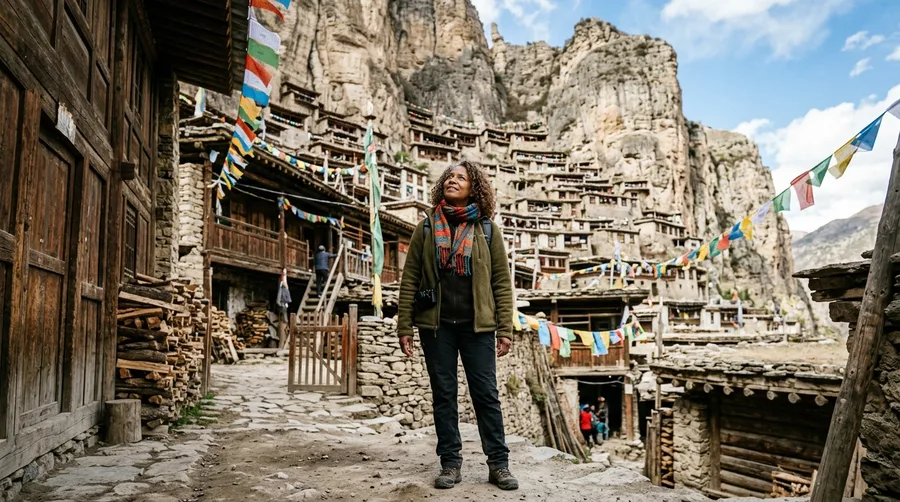
Zhagana rests inside a natural limestone amphitheater in Diebu county.
You find multi-tiered Tibetan log-and-stone structures built directly into sheer mountain slopes.
Local families practice barley farming and nomadic yak-herding traditions unchanged for centuries.
💡 Tip: Pack thermal layers for sudden temperature drops at high altitude.
Journey Roadmap for Remote Valleys
2. Zhaoxing, Guizhou: The Symphony of Dong Drum Towers
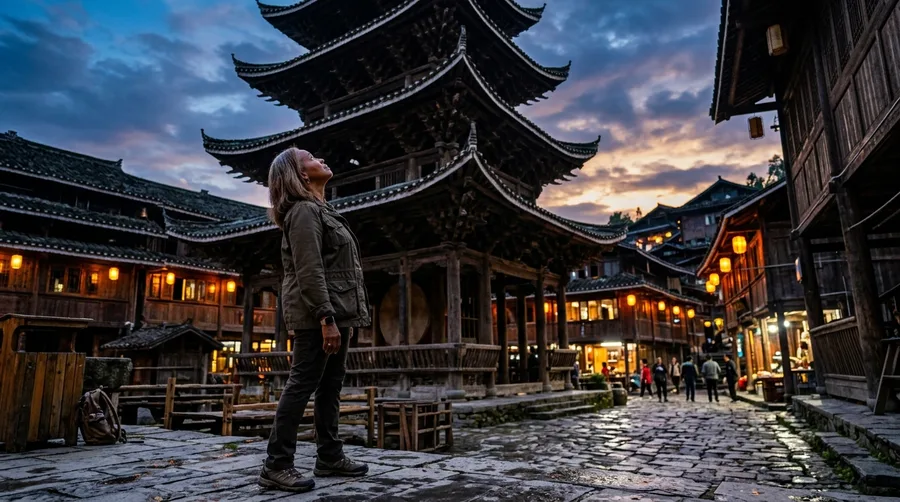
Zhaoxing showcases master carpentry built entirely without nails.
Interlocking joinery forms towering structures that withstand centuries of weather.
Clans gather in five distinct drum towers for community governance.
⚠️ COMMON MISTAKE
Avoid Rushing the Itinerary
Trying to visit three different prefectures in one week leads to missed connections and superficial experiences.
3. Huanggang, Guizhou: Vertical Rice Terraces and Stilt Homes
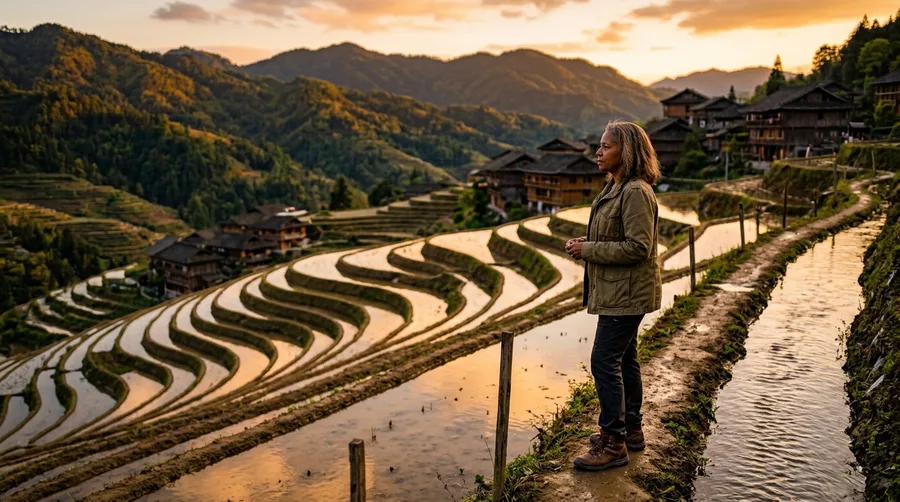
Wooden stilt houses perch precariously on steep mountain gradients.
Gravity-fed irrigation systems channel water across generations of engineered terraces.
Seasonal labor sharing defines community life during planting seasons.
By the Numbers
Key metrics for remote village exploration
4. Shangri-La’s Outer Valleys, Yunnan: Alpine Pastoralism
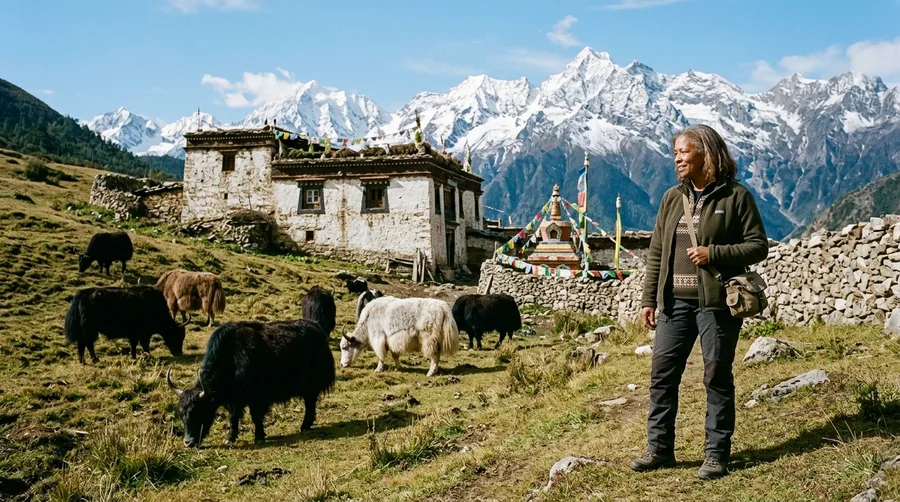
Venture beyond Diqing into remote Kham Tibetan pastoral hamlets.
Fortified whitewashed stone farmhouses shelter livestock on the ground floor.
Ancient animist traditions blend seamlessly with local Buddhist shrines.
When you respect local rhythm, the village opens its doors.
— Cultural Heritage Principle
The Heritage Preservation Balance

Preservationists debate economic benefits versus commercial risks.
Community-led cooperatives ensure local families retain guesthouse ownership.
You must respect sacred ritual spaces and photography boundaries.
Estimated Daily Budget
Self-Check: Are You Ready for Remote Village Travel?
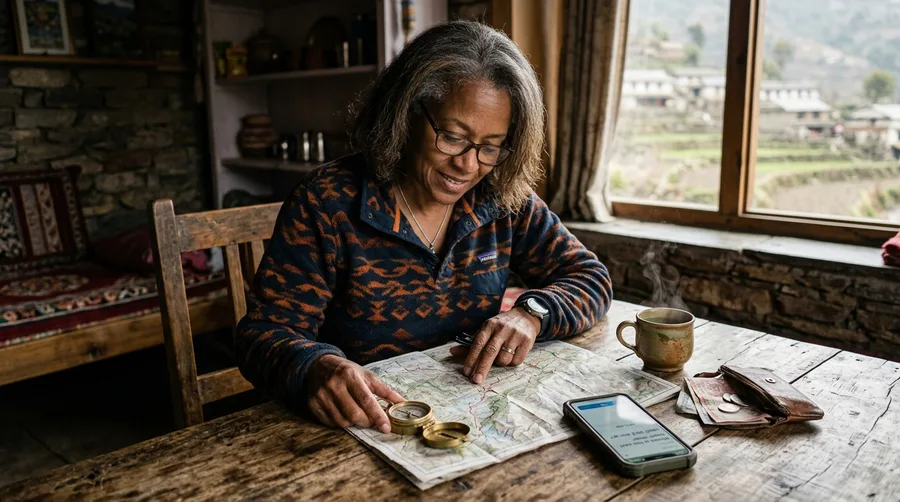
Evaluate your tolerance for unpaved mountain roads and basic facilities.
Download offline translation apps before entering signal-free zones.
Carry sufficient physical cash for local markets and family homestays.
Traveler Readiness Metrics
Essential factors for success
🗺️ Step-by-Step Remote Trip Planning
Book Rail
Secure high-speed train tickets to regional provincial capitals.
Hire Driver
Arrange a trusted local car service for final mountain legs.
Download Apps
Save offline maps and translation dictionaries to your phone.
Pack Cash
Withdraw sufficient physical currency for rural guesthouses.
Commercial Towns vs. Living Villages
Commercialized Hubs
- Mass souvenir shops
- Tour bus parking lots
- External corporate hotels
- Generic restaurant chains
Living Villages
- Active agricultural cycles
- Family-run wooden homestays
- Traditional community halls
- Authentic local cuisine
Best For
Frequently Asked Questions
Do I need to speak Mandarin to visit remote villages?
Basic translation applications are essential for daily communication. Hiring a bilingual guide in regional provincial capitals makes navigation seamless.
What is the best time of year to visit?
Spring planting and autumn harvest bring vibrant colors to southern karst villages. Summer and early autumn offer optimal alpine clarity in northern valleys.
How do I handle money without reliable cellular service?
Always carry sufficient physical cash. Set up WeChat Pay with international credit cards beforehand for use in larger towns before heading into the mountains.
Are these villages accessible via public high-speed rail?
You take bullet trains to regional hubs like Guiyang or Lanzhou, then charter private cars or local buses for the final mountain legs.
Beyond the Map: Your Blueprint for Slow Travel in Rural China
True magic in these destinations lives in unhurried observation of daily mountain life.
Prioritize deep connection and cultural humility over rapid itinerary ticking.