Where Small-Town Americans Actually Vacation: 10 Under-the-Radar Hiking Destinations Locals Gate-Keep — Quiet Trails, Real Vibes

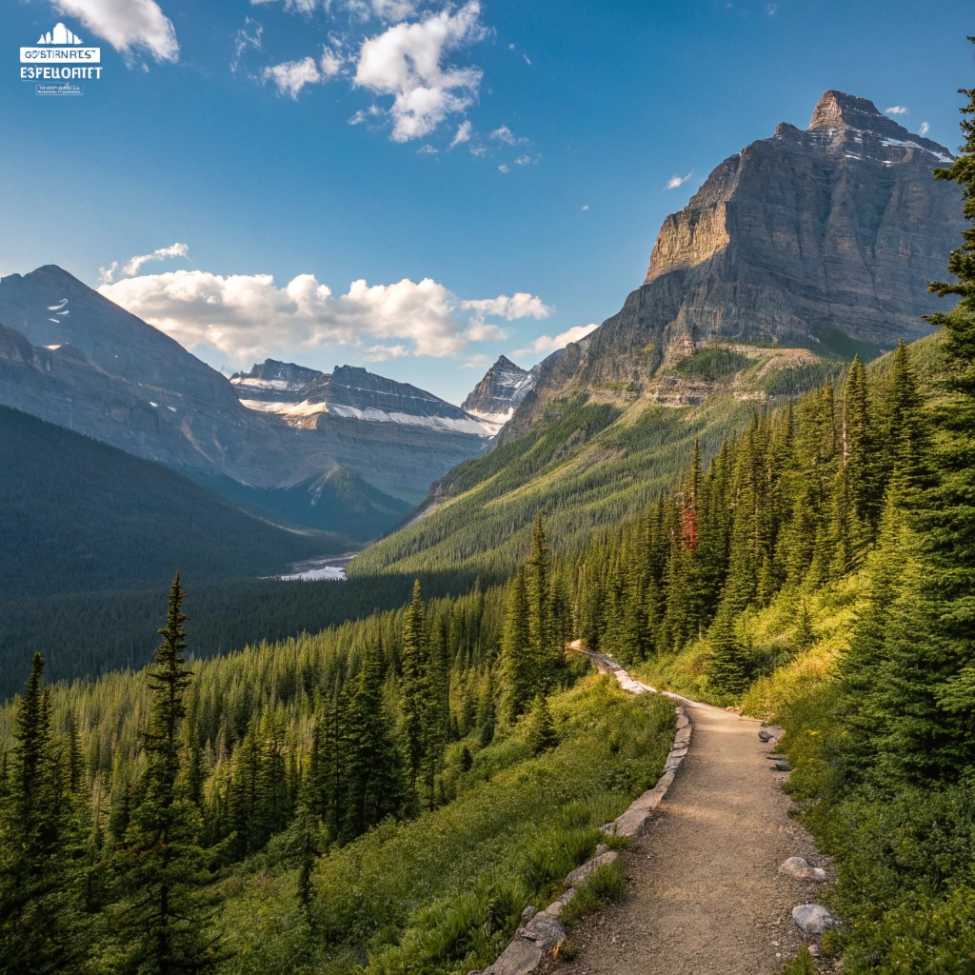
Someone asks where you’re going, and the answer comes out vague on purpose. Not out of rudeness—out of protection. Because some places still work the way travel used to. Quiet mornings. Empty trails. Coffee shops where the person behind you is a neighbour, not a visitor.
That feeling of discovery hasn’t disappeared, it’s just been pushed off the main road. And right now, it matters more than ever. As crowds swell and outdoor spaces feel overrun, small-town escapes offer something different—room to breathe, walk, and actually connect with a place.
What’s ahead pulls back the curtain on destinations locals quietly choose when they want real hiking, real calm, and trips that stay with you long after you leave.
1. Buena Vista — High Country Without the Hustle
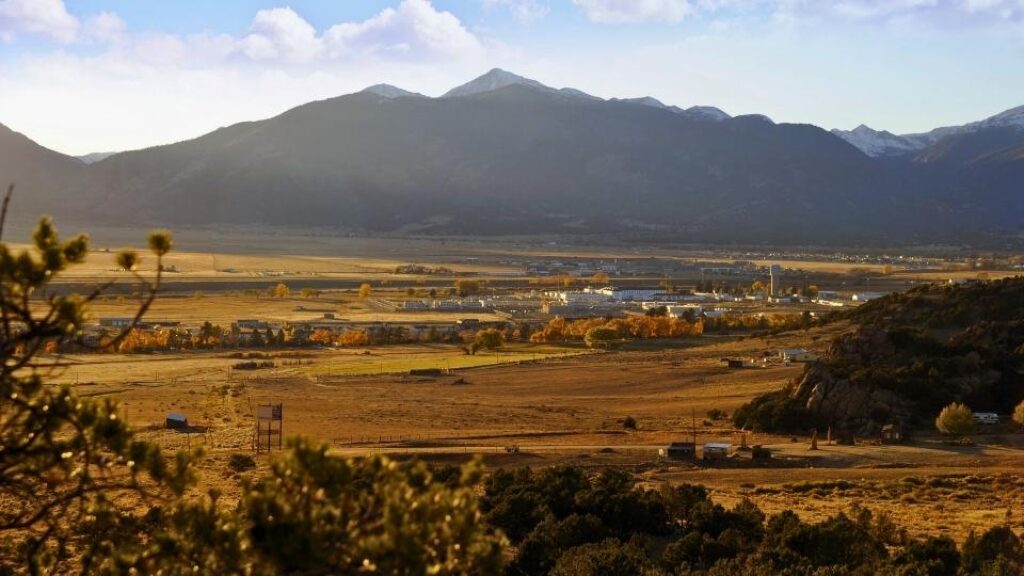
Buena Vista sits at nearly 8,000 feet, right where the Arkansas River widens and the Sawatch Range rises straight out of town. What locals love is how easy it feels. Trails don’t start with traffic jams. You can hike before breakfast and still be back in time for coffee on Main Street. The Collegiate Peaks loom overhead, yet most hikes ease you in with steady grades and wide-open views instead of punishing climbs.
And here’s what I mean by gate-kept. People come here to stay awhile, not to check boxes. Locals mix river walks, hot springs, and half-day hikes rather than all-out summit pushes. The air is thin but the pace isn’t rushed. You notice details—cloud shadows sliding across the valley, elk grazing just beyond trailheads.
Key Practical Info
- Best time: June and September (clear days, fewer visitors)
- Getting there: 2.5-hour drive from Denver
- Ideal stay: 3–4 days
- Local favorite: Cottonwood Pass for scenic, low-stress hiking
- Photography: Sunrise alpenglow on the Collegiate Peaks
- Etiquette: Greet people on trails—this is still a hello-town
2. Hot Springs — Appalachian Calm Locals Don’t Advertise
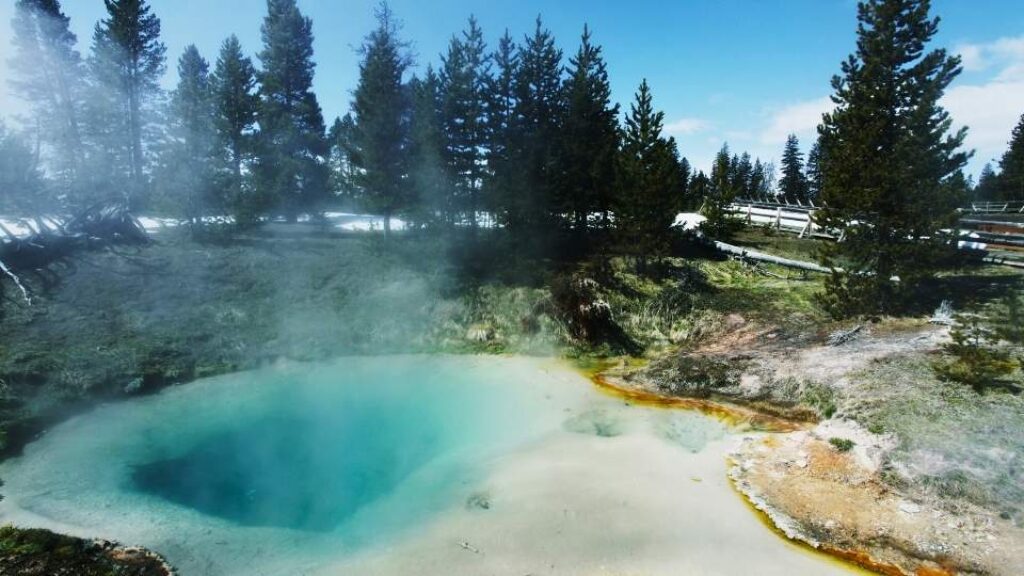
Hot Springs sits right on the Appalachian Trail, yet it somehow avoids the chaos people expect. That’s intentional. Locals keep things simple. Trails here wind instead of spike. Elevation gain is steady, forgiving, and shaded by hardwood forest that glows green in spring and gold in fall.
The town itself feels like a pause button. One main street. River views everywhere. Hikers soak in natural hot tubs not as a novelty, but as part of the routine. You hike. You soak. You eat. Repeat. No rush. And maybe it’s just me, but places like this remind you hiking doesn’t need a finish line.
Key Practical Info
- Best time: April–May and October
- Getting there: 1 hour from Asheville
- Ideal stay: 2–3 days
- Must-try: Appalachian Trail section walks right from town
- Budget: Consistently affordable lodging
- Photography: Morning mist rising off the French Broad River
3. Silver City — Desert Mountains, Quiet Confidence
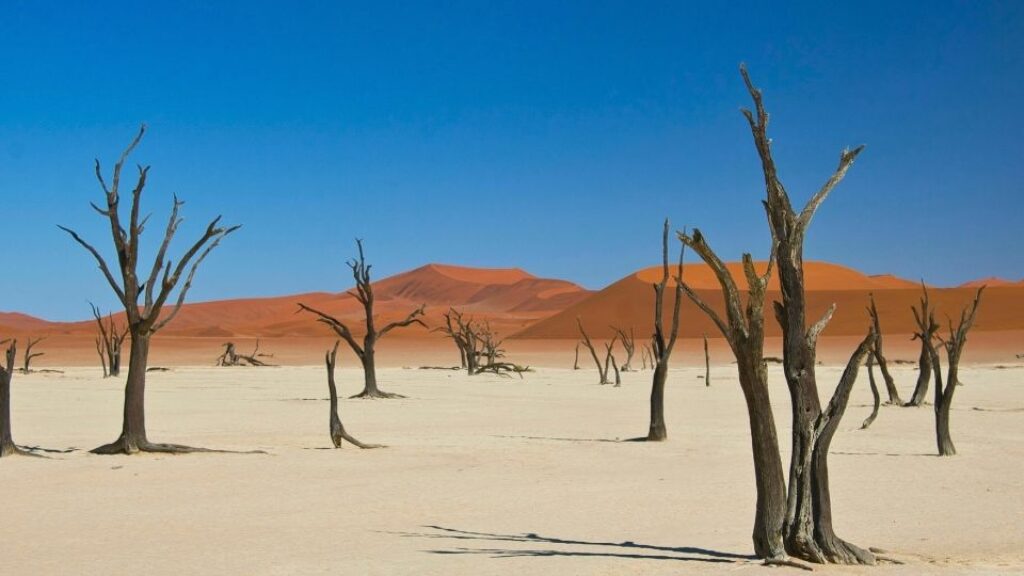
Silver City feels like a place that already knows who it is. It doesn’t perform for visitors. It just exists. Sitting near the Gila Wilderness, it offers forested mountains, desert canyons, and historic trails without the crowds that usually follow landscapes this varied.
Hiking here surprises people. The trails are cooler than expected, shaded by pine and aspen at elevation. Locals love shoulder seasons when temperatures hover in the 60s–70s, perfect for long walks without exhaustion. And the town? Artsy, relaxed, and deeply rooted. You’ll notice conversations last longer here.
Key Practical Info
- Best time: March–April, October
- Getting there: Drive from Tucson or El Paso
- Ideal stay: 3 days
- Hidden gem: Gila Cliff Dwellings area trails
- Budget: Strong value year-round
- Photography: Canyon light shifts fast—stay out late
4. Marquette — Freshwater Wilderness Locals Don’t Brag About
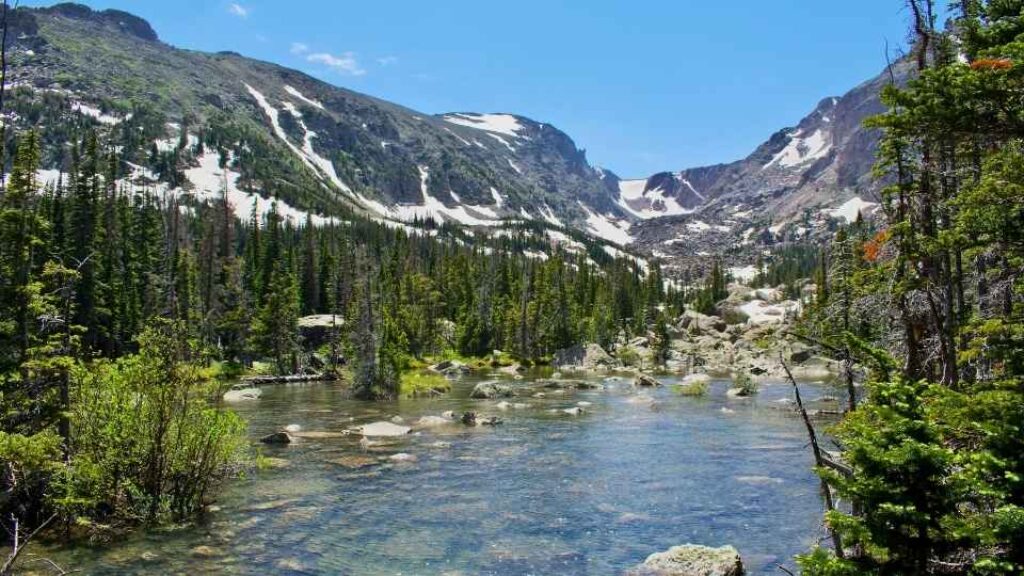
Marquette doesn’t shout about its beauty. It doesn’t need to. Lake Superior stretches out like an inland sea, cliffs rise straight from town, and forests begin where sidewalks end. Locals hike before work. That tells you everything.
The trails are short, accessible, and shockingly scenic. Places like Sugarloaf Mountain offer big views without big effort. And before summer crowds arrive, you’ll often have overlooks to yourself. Cooler air means longer hikes without fatigue, and spring brings roaring waterfalls few tourists time correctly.
Key Practical Info
- Best time: Late April–June, September
- Getting there: Regional airport or long scenic drive
- Ideal stay: 3–4 days
- Local move: Sunrise walks along Lake Superior
- Budget: Affordable stays outside peak July
- Photography: Blue water contrasts with red sandstone cliffs
5. Darrington — North Cascades Without the Crowds
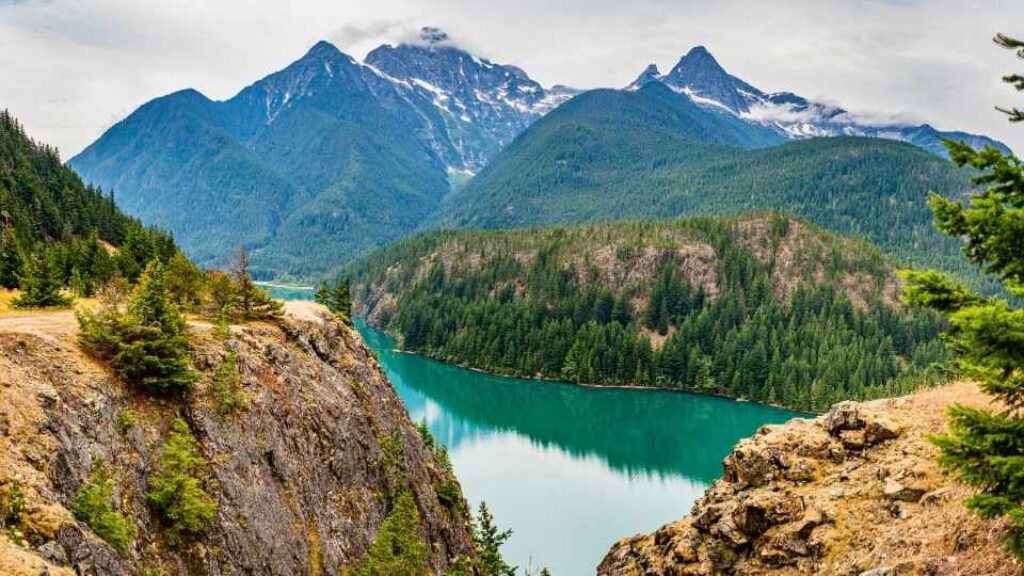
Darrington sits in the shadow of the North Cascades, and most people drive right past it. Locals don’t mind. This is a town built around rivers, forests, and long conversations at the diner. Trails here follow valleys and rivers instead of forcing vertical battles.
Snow keeps higher routes quiet longer, which locals see as a gift. Spring hiking stays mellow. Parking is easy. Trails like Sauk River feel endless without feeling hard. And the mountains? They rise dramatically, but from a distance that lets you breathe.
Key Practical Info
- Best time: April–May, September
- Getting there: 2 hours from Seattle
- Ideal stay: 2–3 days
- Budget: Very affordable compared to nearby mountain towns
- Photography: Moody clouds + river reflections
- Etiquette: Respect working forest roads
6. Stanley — Silence as the Main Attraction
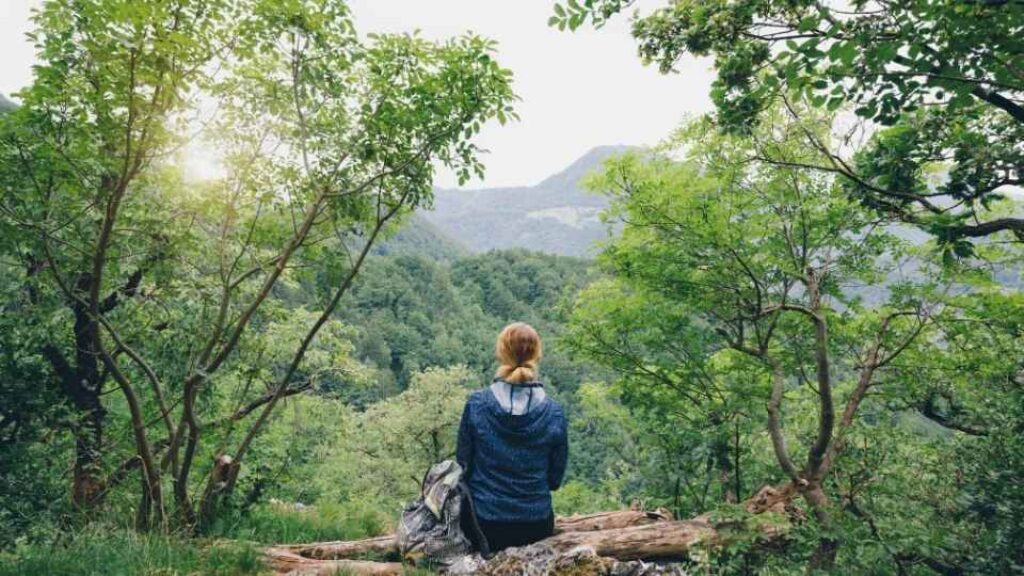
Stanley doesn’t ease you in. It opens wide. One minute you’re driving through forest, the next you’re surrounded by jagged peaks and open sky. Population hovers under 100, which tells you everything. Locals don’t vacation here for entertainment. They come for space. Trails start calmly. Lakes sit still. No background noise except wind and water.
Hidden gem? Valley Creek and Redfish Lake shoreline walks. You don’t need to summit anything to feel like you’re deep in the Sawtooths. And maybe it’s just me, but hiking here feels less like movement and more like settling into a place. You go slower without trying.
Local Rhythm Snapshot
- Best window: Late June and September
- How people explore: Scenic drives + half-day hikes
- Insider tip: Early mornings are magic, even in town
- Bigger theme: Sometimes vacation means fewer choices, not more
7. Escalante — Where Locals Trade Distance for Wonder
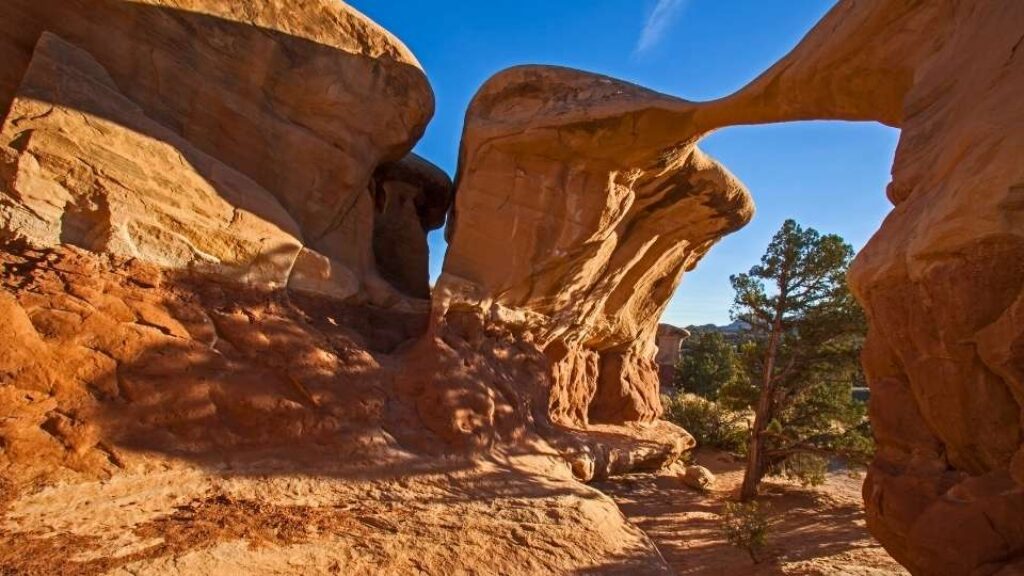
Escalante looks remote on a map. On foot, it feels intimate. Locals don’t talk about miles here. They talk about canyons, light, and timing. Trails slip through slot canyons and along streams, often starting from unmarked pull-offs instead of formal lots. That alone filters crowds.
Unexpected discovery: you can walk less and feel more. Short hikes deliver oversized experiences. Waterfalls appear in the desert. Sandstone glows at sunset. And because services are minimal, visitors plan carefully or they don’t come at all. That’s part of the gate-keeping.
Creative Practical Notes
- Best time: April–early May, October
- How locals hike: Early start, one main goal, done by afternoon
- Carry: More water than you think you need
- Bigger theme: Fewer amenities often mean deeper presence
8. Fayetteville — Soft Trails, Strong Community
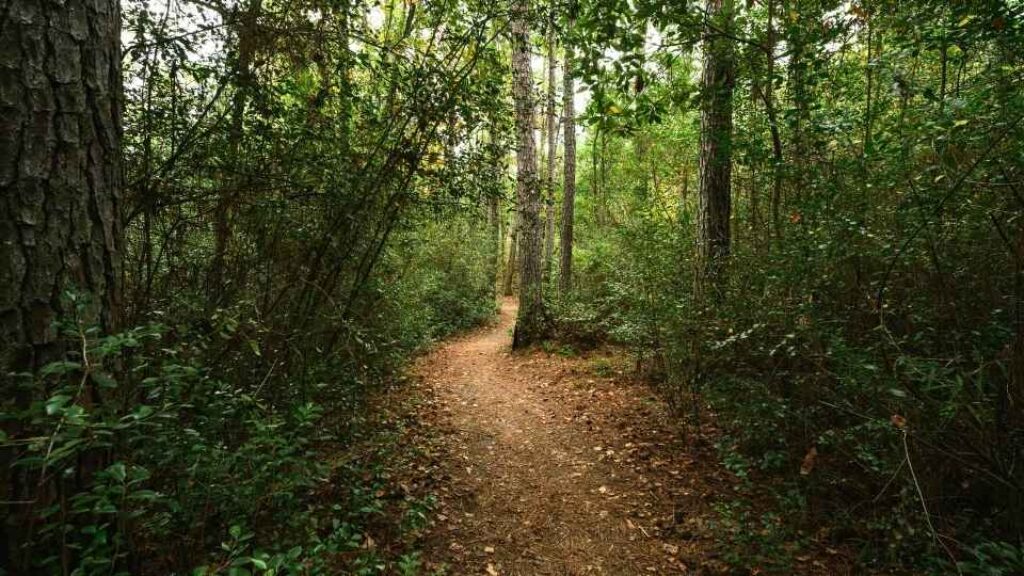
Fayetteville doesn’t try to look rugged. It just is. The Ozark terrain rolls instead of spikes, which makes hiking feel welcoming rather than intimidating. Locals love loop trails, waterfall walks, and forest paths where you can talk while you walk. That matters more than elevation.
Hidden gem energy lives in Devil’s Den State Park and nearby greenways. Trails are scenic but forgiving. And when you’re done, you’re back in town quickly—farmers markets, coffee shops, music venues. You’re never choosing between nature and culture. You get both.
Local-Friendly Guide
- Best season: March–April for wildflowers
- Getting around: Easy parking, short drives
- Insider move: Weekday hikes, weekend town life
- Bigger theme: Not all great hiking towns feel remote
9. Sequim — The Quiet Side of the Pacific Northwest
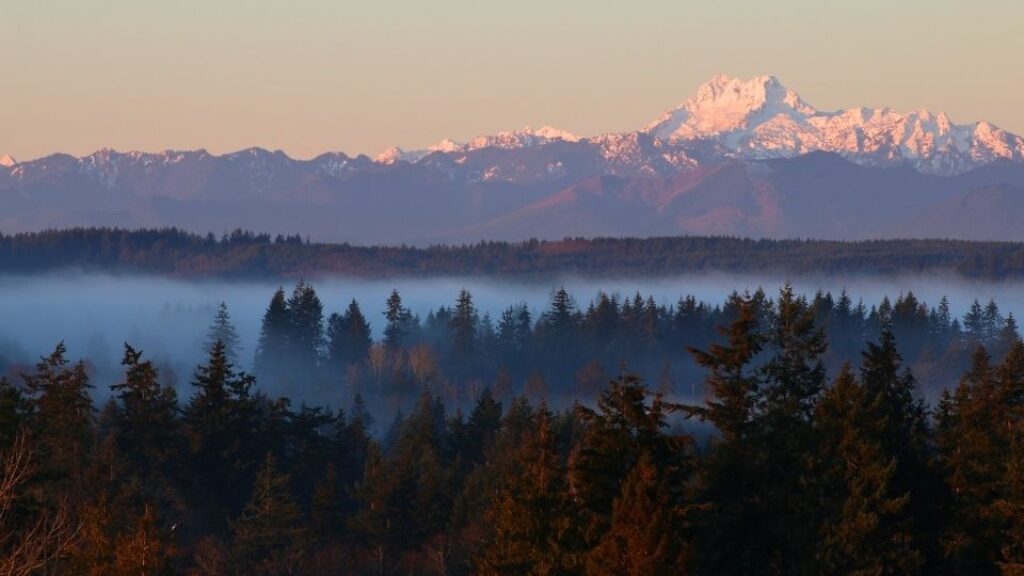
Sequim sits in a rain shadow, and that alone feels like insider knowledge. While nearby regions stay gray and wet, Sequim stays drier, brighter, calmer. Locals hike coastal bluffs, forest edges, and long, flat stretches that feel meditative rather than demanding.
Unexpected favorite? Dungeness Spit. Miles of open shoreline walking. No rush. No crowds. Just rhythm. Locals treat it like a thinking trail, not a workout. And after, they head home. No souvenir stops. No itinerary pressure.
Slow-Travel Notes
- Best time: April–May
- How locals explore: Short hikes, long pauses
- Weather bonus: Less rain than surrounding areas
- Bigger theme: Knowing micro-climates changes everything
10. Westcliffe — Dark Skies, Bright Mornings
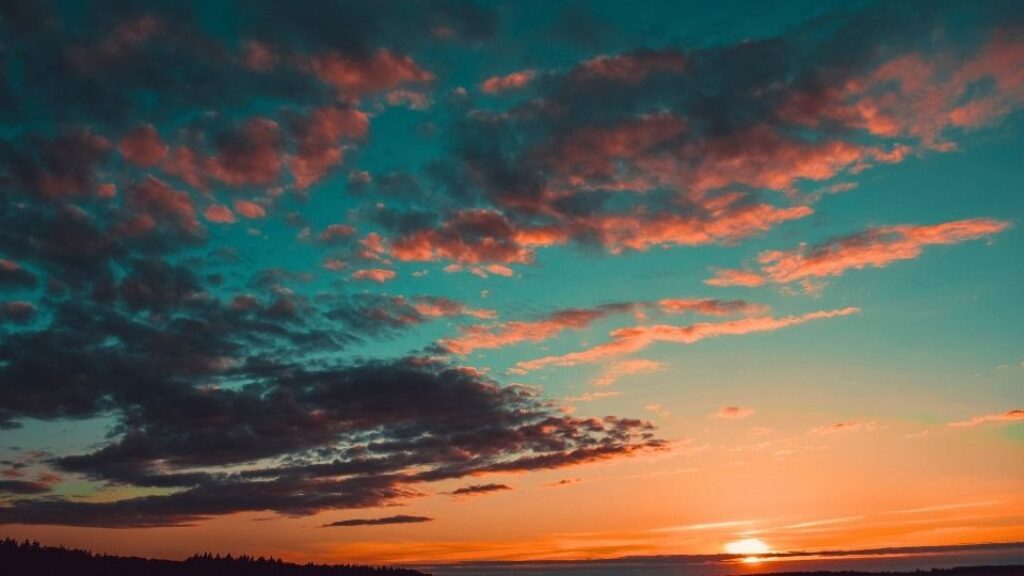
Westcliffe doesn’t feel discovered, even though it’s been there forever. It sits under some of the darkest night skies in the country, which shapes how locals experience the place. Days are for gentle mountain trails and valley walks. Nights are for stars. Real ones.
Hidden gem hiking lives in the Wet Mountain Valley, where trails stay mellow and views stay wide. You don’t fight crowds here because there aren’t any. Locals come to reset, not to compete.
Local Pattern
- Best window: June and September
- How people plan: One hike per day, no stacking
- Don’t miss: Night sky walks
- Bigger theme: Travel that restores instead of impresses