Neurosurgeon Reveals 6 Sleep Positions That Flush Brain Toxins 40% Faster (Preventing Alzheimer’s)


You know that feeling when you wake up and your brain feels… fuzzy? Like you’re trying to think through a layer of cotton wool? We usually just grab a coffee, blame it on “getting old,” and push through the morning.
But what if I told you that brain fog isn’t just about how many hours you slept?
What if it’s about gravity?
It sounds a little wild, but there is a fascinating shift happening in neuroscience right now. For years, we thought sleep was just about resting our batteries. But recently, neurosurgeons and researchers—like Dr. Sanjay Gupta and the team at Stony Brook University—have uncovered something that changes the game. They’ve found that your brain has a hidden “dishwasher” system that turns on at night. And, more importantly, they’ve discovered that the position you lie in can make that dishwasher run up to 40% faster.
If you’re worried about your long-term memory, or you just want to wake up feeling sharper tomorrow, you need to know about the “Nocturnal Cleanse.” Let’s break it down.
Before we get to the sleep positions, we have to talk about the mess.
Every cell in your body produces waste—it’s just a byproduct of being alive. In the rest of your body, the lymphatic system acts like a sewage pipe to clear that junk out. But for decades, doctors were baffled because the brain didn’t seem to have these pipes. It didn’t make sense. The brain uses 25% of your body’s energy; it should be making a ton of trash. Where was it going?
In 2012, a researcher named Dr. Maiken Nedergaard found the answer. She discovered a hidden plumbing system piggybacking on our blood vessels. She called it the Glymphatic System.
Here’s the part that blows my mind: This system is basically “off” while you’re awake. But the second you fall into deep sleep, your brain cells actually shrink by about 60%.
Think about that. Your brain cells squeeze together to create space, allowing cerebrospinal fluid (CSF) to rush in like a high-pressure hose and wash away the toxins that built up during the day.
The Trash: The main things being washed away are proteins called Amyloid-Beta and Tau. If those names sound familiar, it’s because these are the sticky plaques that clog up the brains of Alzheimer’s patients.
So, the question is: How do we help the hose work better?
The 6 Sleep Positions: A “Brain Health” Report Card

We don’t just sleep “on our sides.” We sleep like logs, soldiers, and starfish. Let’s look at the six most common positions and see which ones are helping your brain detox—and which ones might be clogging the pipes.
1. The Log

The Pose: You lie on your side, legs straight, arms down by your sides.
The Verdict: Gold Standard. This keeps your spine neutral and leverages gravity to flush those toxins.
The Fix: If you feel stiff, put a thin pillow between your knees. It stops your top hip from sliding forward and twisting your lower back.
2. The Fetal Position

The Pose: On your side, curled up in a ball, knees to chest. This is the most common position for women.
The Verdict: Great, but be careful. Mechanically, this is excellent for brain clearance. However, if you curl up too tight, you restrict your diaphragm, meaning you can’t take deep breaths. Deep breathing helps pump that fluid.
The Fix: “Loosen the curl.” Un-tuck your chin from your chest to keep your airway open.
3. The Yearner

The Pose: On your side, arms stretched out in front like you’re reaching for something.
The Verdict: Very Good. This offers the same glymphatic benefits as the Log.
Warning: This can sometimes cause shoulder pain or numbness because you’re stretching the nerves in your armpit. If your shoulder hurts, switch to the Log.
4. The Soldier

The Pose: Flat on your back, arms down.
The Problem: While the Stony Brook study showed this was less efficient for chemical clearance than side sleeping, the bigger issue is Gravity vs. Your Throat.
The Apnea Trap: When you lie on your back, your tongue falls backward. For millions of people, this blocks the airway and causes snoring or Sleep Apnea.
The Verdict: If you don’t snore at all, it’s okay. If you snore even a little, this position is likely hurting your brain health.
5: The Starfish

Glymphatic Score: Moderate. Similar kinetic limitations to the Soldier position.
Pros: Research suggests this position may protect against shoulder pain better than the Soldier position due to the rotation of the joint. It also reduces facial contact with pillows (anti-aging).
Cons: Highly prone to snoring. Arm elevation can sometimes lead to nerve compression in the shoulders (brachial plexus) causing numbness.
Verdict: Neutral. Similar risks to the Soldier position regarding airway collapse.
6. The Freefaller

The Pose: Lying on your stomach, head turned to the side, hands under the pillow.
The Verdict: Avoid.
The Science: The study showed this was the least efficient for waste removal. But beyond that, you have to twist your neck 90 degrees just to breathe. This compresses the blood vessels in your neck—the very vessels that are supposed to be draining the waste out! It’s like stepping on a hose while trying to water the garden.
Need a Little Help? 5 Tools to Master Side-Sleeping
Changing your sleep position is like learning to write with your left hand—it feels awkward at first. But you don’t have to white-knuckle it. I’ve dug through the reviews and found a few tools that act like training wheels for your new posture. They aren’t magic, but they make the transition from “back snoozer” to “side sleeper” a whole lot comfier.
1. The Hip Saver: Everlasting Comfort Knee Pillow

If you try side sleeping and your lower back hurts, it’s because your top leg is dragging your spine out of alignment. This memory foam wedge sits between your knees to keep your hips square. It’s a small addition that makes a massive difference.
2. The Neck Cradler: Coop Home Goods Adjustable Pillow
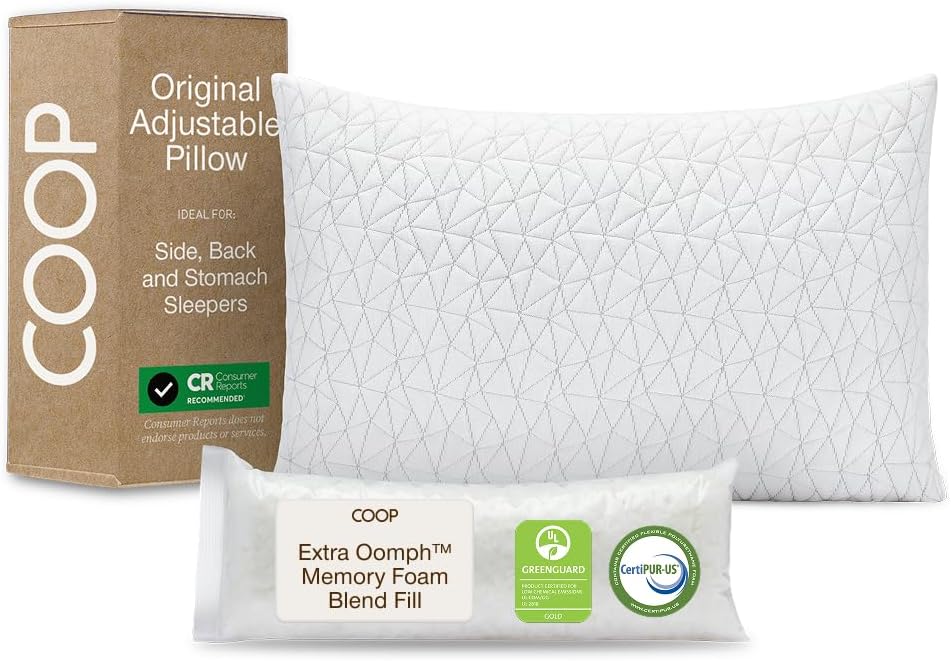
Side sleepers need a thicker pillow than back sleepers to fill the “shoulder gap.” If your pillow is too flat, your neck kinks downward. This pillow lets you add or remove memory foam fill to get the exact height your shoulder width requires.
3. The Hugger: Snuggle-Pedic Long Body Pillow
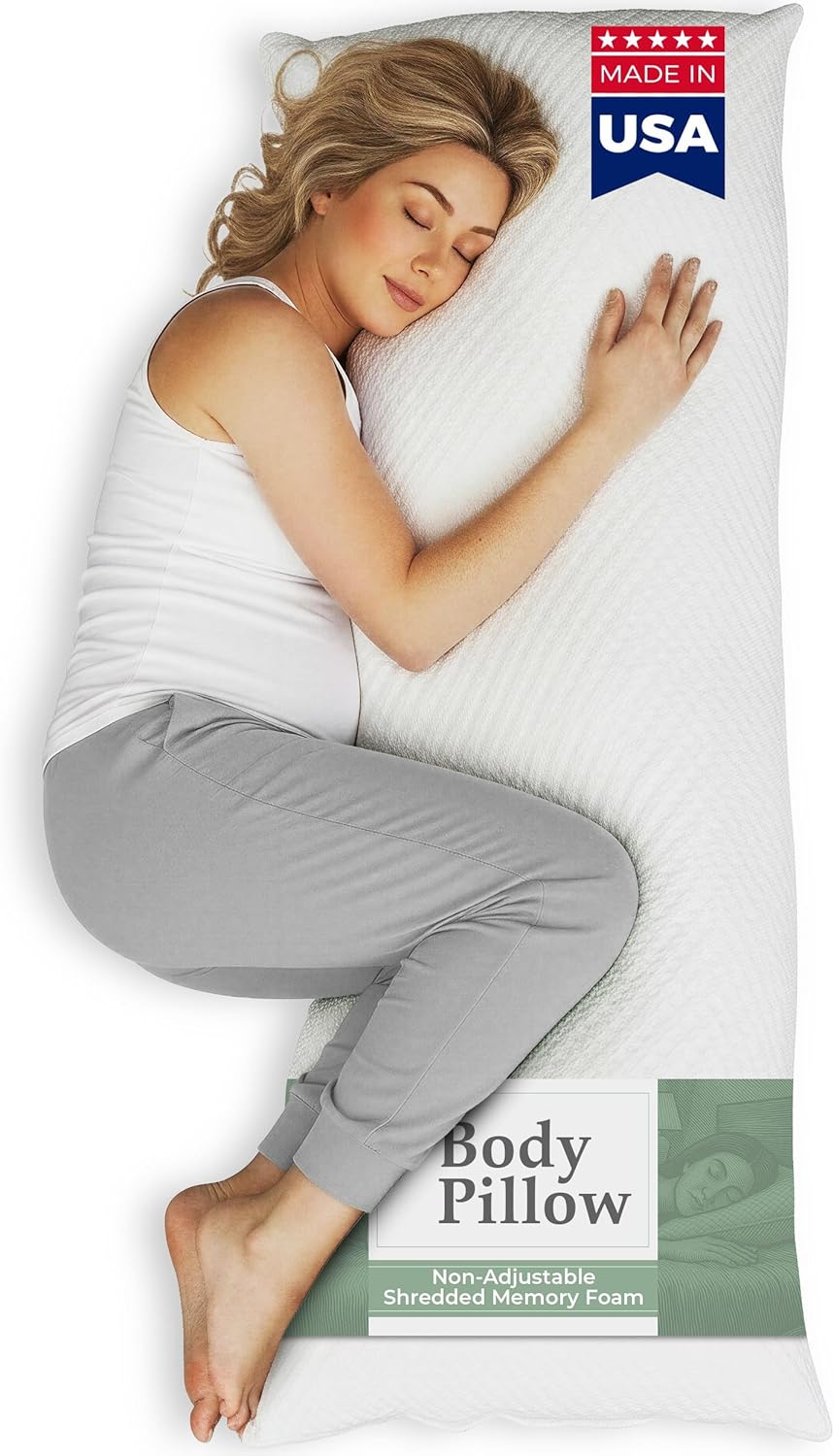
Hard time staying on your side? Hugging a body pillow stabilizes your torso and prevents you from rolling onto your stomach. It also keeps your chest open for better breathing. This one is breathable bamboo, so you won’t overheat.
4. The Snore Stopper: SomniFix Mouth Strips

If you snore, you aren’t getting the deep sleep needed to clean your brain. Mouth taping sounds scary, but it’s gentle. It encourages nasal breathing, which increases oxygen uptake and reduces snoring. These are hypoallergenic and have a small vent just in case.
5. The Shoulder Saver: Jasmoon Shoulder Relief System
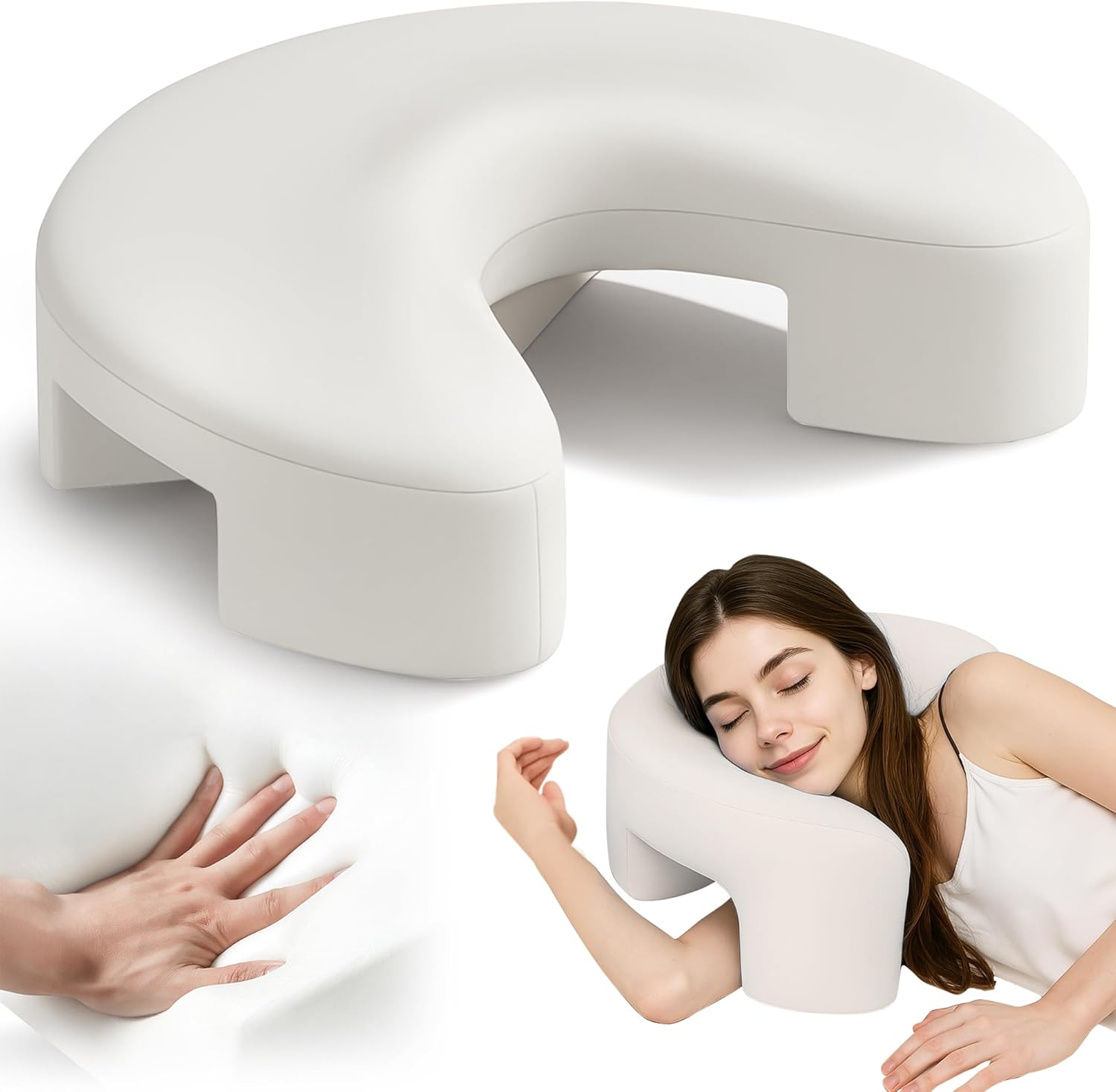
If you want to side sleep but your shoulder screams in pain, this is the nuclear option. It’s a wedge system with a patented “arm pocket” that takes all the pressure off your rotator cuff. It’s an investment, but for chronic pain sufferers, it’s a game changer.