You know that moment. It’s 7:00 AM, and you’re swinging your legs out of bed. For a split second, you brace yourself, waiting to see if your knees are going to cooperate or if your lower back is going to scream at you.
If you’re over 50, you’ve probably been told that this stiffness is just “part of aging.” That it’s mechanical wear and tear—like the tread wearing off a tire.
But here’s the thing: Your body isn’t a car. It’s a living, breathing chemistry set.
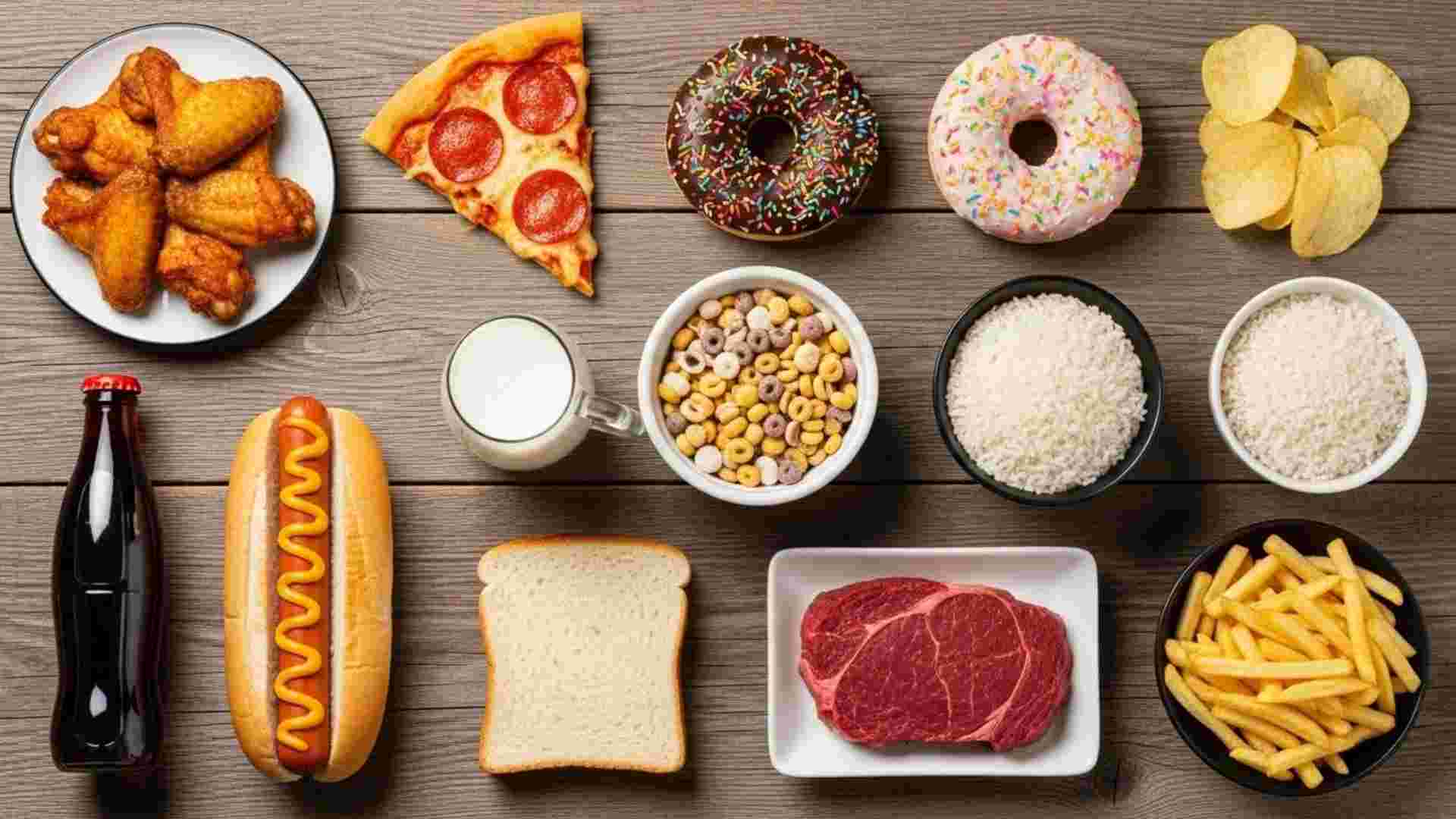
The latest science tells us that the pain you’re feeling isn’t just about old injuries or “bad luck.” It’s often about a slow-burning fire inside your body called “Inflammaging.” And for many of us, the fuel for that fire is coming straight from our pantry.
I dug into the research—poring over data from the Global Burden of Disease Study 2021 and reports from top rheumatologists—and the numbers are wild. We’re talking about 453 million people over 55 dealing with osteoarthritis right now.
But you don’t have to be just a statistic. I’ve compiled a list of the “Dirty Dozen”—12 specific foods that are biologically designed to inflame your joints—and, more importantly, what you should be eating instead to put that fire out.
The “Dirty Dozen”: Foods That Are hurting You
1. Added Sugars (The “Sticky” Villain)

Look, I have a sweet tooth too. But sugar is public enemy number one for your joints. When you eat processed sugar (think soda, candy, even those “healthy” granola bars), it triggers a release of cytokines—little messengers in your body that scream “Inflammation!”
But it gets worse. Sugar does something called glycation. Imagine caramelizing an onion in a pan—it gets sticky and stiff. Sugar essentially does that to your collagen. It forms “Advanced Glycation End Products” (appropriately named AGEs), which gum up your cartilage and make it brittle.
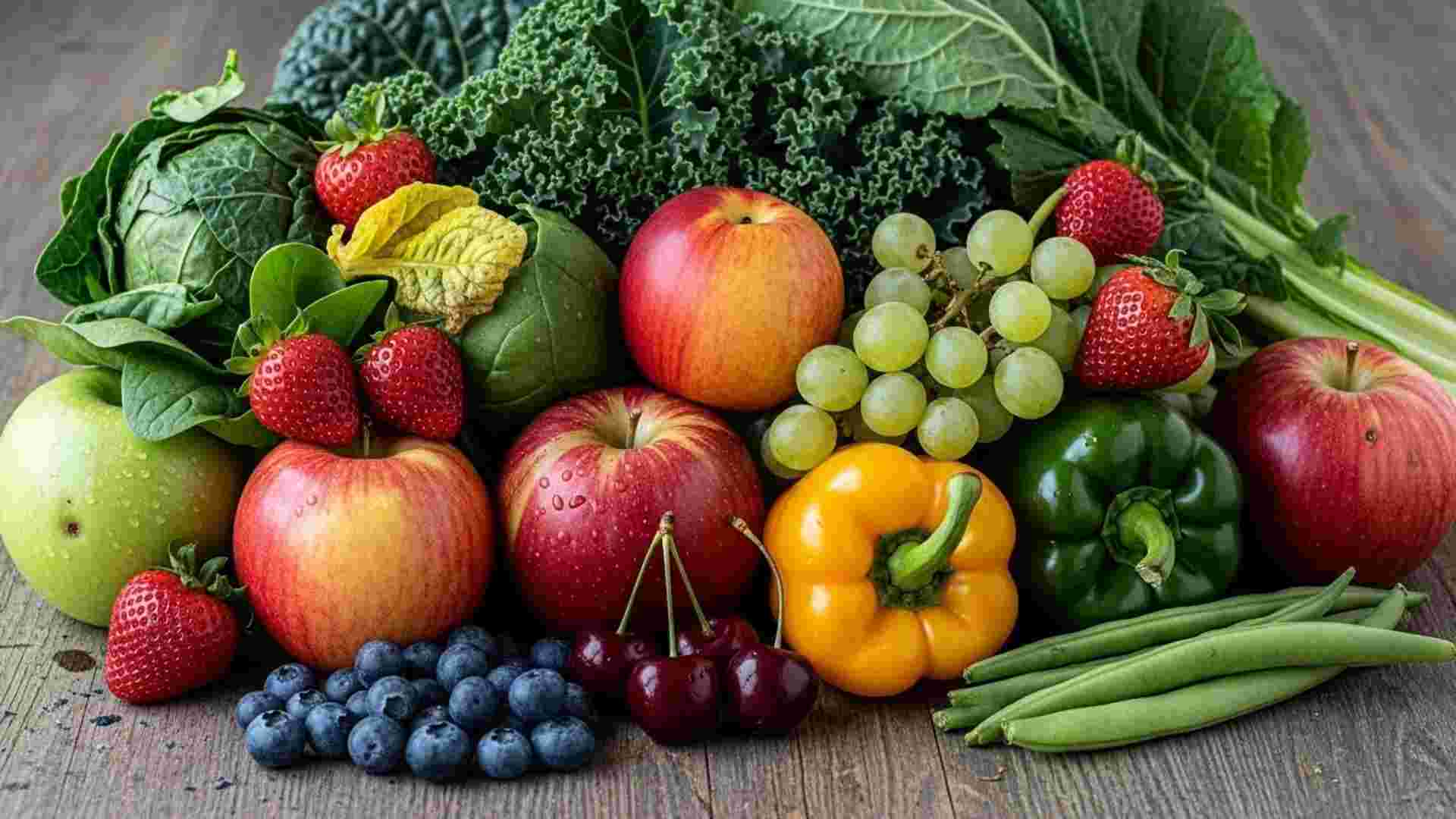
The Swap: If you need sweet, go for berries. They have sugar, but it’s wrapped in fiber and antioxidants. Or use a natural sweetener like Stevia or Monk Fruit that doesn’t spike your blood sugar.
2. Trans Fats (The Zombie Ingredient)
We thought we banned these, right? Mostly. But they still sneak in under the radar in frostings, microwave popcorn, and frozen pizzas. If you see “partially hydrogenated oil” on a label, put it back.
Harvard researchers have been sounding the alarm on this since the 90s. Trans fats damage the lining of your blood vessels. Since your joints rely on tiny blood vessels for nutrients, eating trans fats is like pinching the hose while trying to water the garden.
The Swap: Butter (in moderation) or Ghee. Real food is always better than fake plastic fats.
3. Industrial Seed Oils (The Omega-6 Overload)
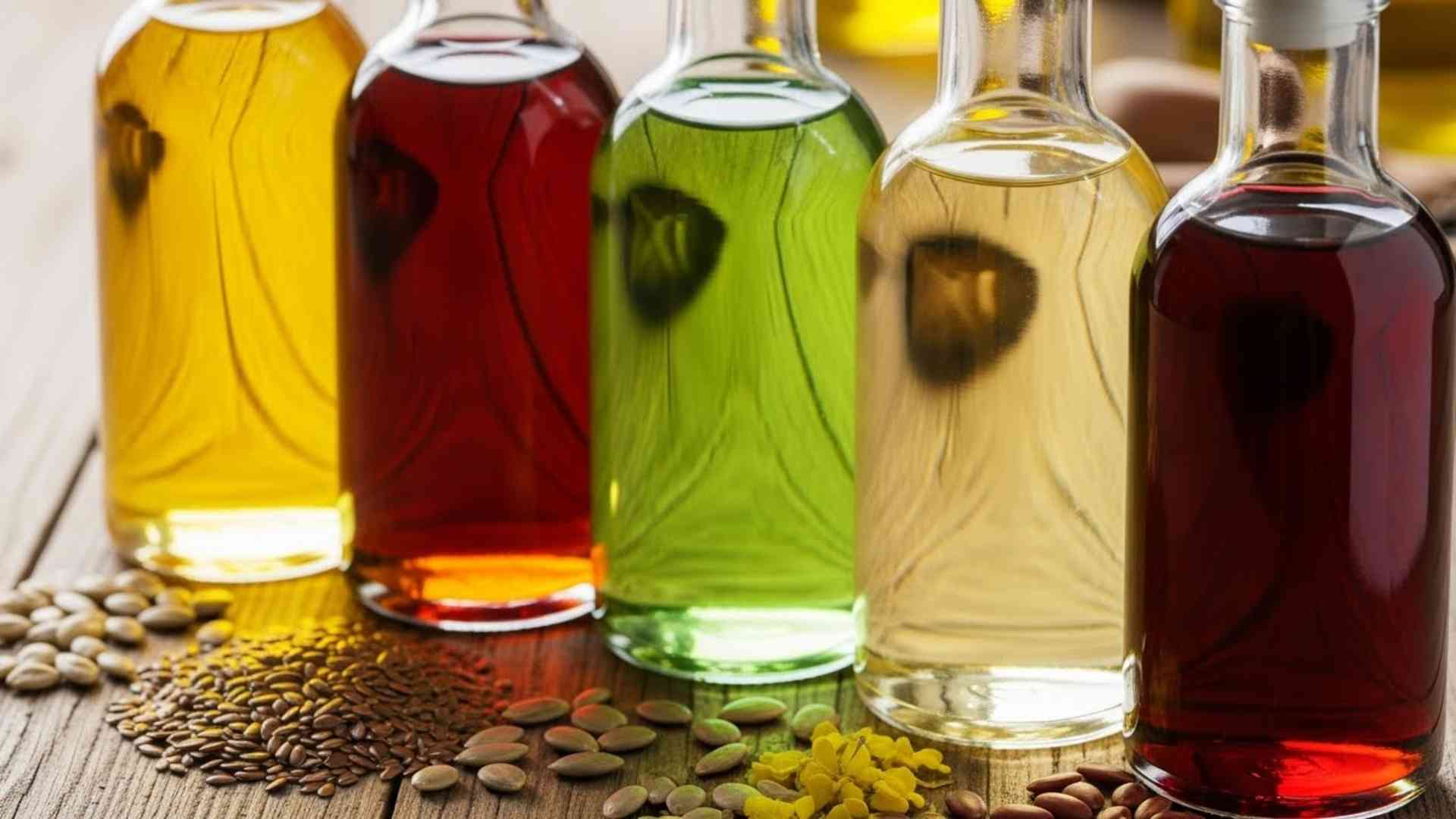
Corn oil, soybean oil, sunflower oil. They sound natural, but they are highly processed industrial lubricants. They are loaded with Omega-6 fatty acids.
Now, we need some Omega-6s. But our modern diet is drowning in them. When your Omega-6s (pro-inflammatory) outnumber your Omega-3s (anti-inflammatory) by 20 to 1, your body stays in a constant state of high alert.
The Swap: Olive Oil or Avocado Oil. Olive oil contains oleocanthal, a compound that literally mimics the pain-relieving effects of ibuprofen.
4. Refined Carbohydrates (The Imposters)

White bread, white pasta, white rice. I call these “beige foods.” They’ve been stripped of all their fiber and nutrients. Biologically, your body treats a slice of white bread almost exactly the same way it treats a spoonful of table sugar.
It spikes your insulin, which spikes inflammation. Plus, these foods feed the “bad” bacteria in your gut, leading to a condition called dysbiosis that—you guessed it—can cause joint pain.
The Swap: Cauliflower rice, quinoa, or lentil pasta. You get the texture you want without the inflammation spike.
Nitrates = Rust. Think of oxidative stress like rust on a hinge. The more processed meat you eat, the rustier your body gets.
Ditch the slimy slices. Roast a real chicken breast or turkey instead. Real food, no rust.
Bacon, deli ham, hot dogs. I know, they’re convenient. But they are loaded with nitrates and preservatives that increase oxidative stress.
Think of oxidative stress like rust accumulating on a hinge. The more processed meat you eat, the rustier the hinge gets.
The Swap: Roast a real chicken breast or turkey. If you need a sandwich, use leftovers rather than the slimy slices from a plastic packet.
6. Red Meat (The Purine Problem)
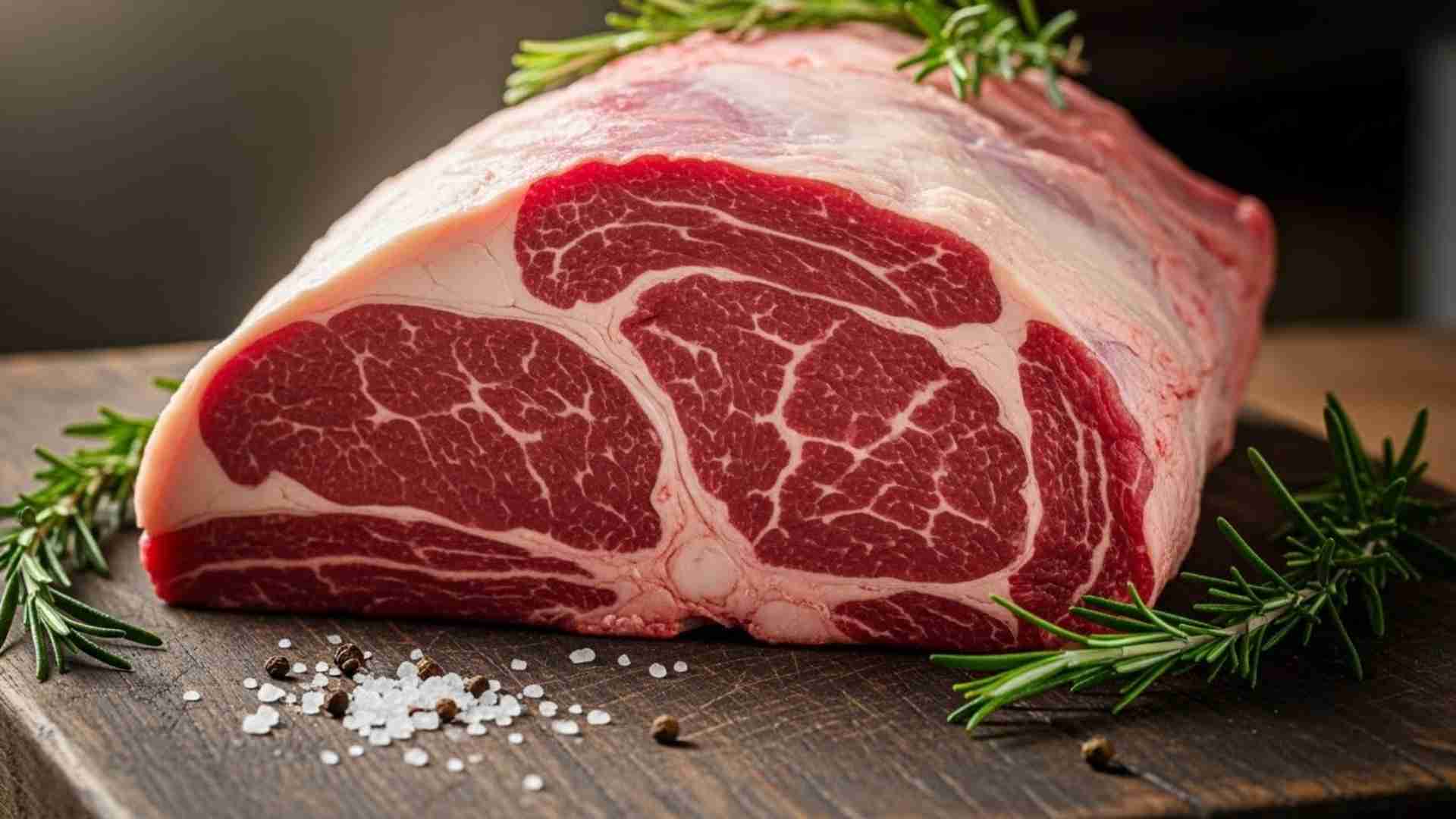
This one is controversial, but hear me out. If you’re over 50, your kidney function naturally slows down a bit. Red meat is high in purines, which break down into uric acid.
If your kidneys can’t clear that uric acid fast enough, it forms sharp little crystals in your joints. This is the mechanism behind gout, but even lower levels can cause general achiness.
The Swap: Fatty fish like Salmon or Sardines. They are packed with Omega-3s that actively fight inflammation.
7. Fried Foods (The Oxidation Bomb)

Deep frying is a triple threat: high heat, unstable oils, and breading. This creates a massive amount of AGEs (those sticky proteins we talked about).
A 2025 study reinforced that high-temperature cooking methods are directly linked to higher inflammatory markers.
The Swap: The Air Fryer. Honestly, if you don’t have one, get one. You get the crunch without the oil bath.
8. High-Sodium Foods (The Swelling Trigger)

Salt attracts water. When you eat too much sodium (canned soups, frozen dinners), your body holds onto fluid. This increases pressure in your tissues, leading to stiffness—especially in the fingers and knees.
A scary stat from 2024 linked added salt intake directly to a higher risk of knee osteoarthritis.
The Swap: Use flavor bombs like garlic, ginger, and turmeric instead of the salt shaker.
9. Artificial Sweeteners (The Gut Wrecker)
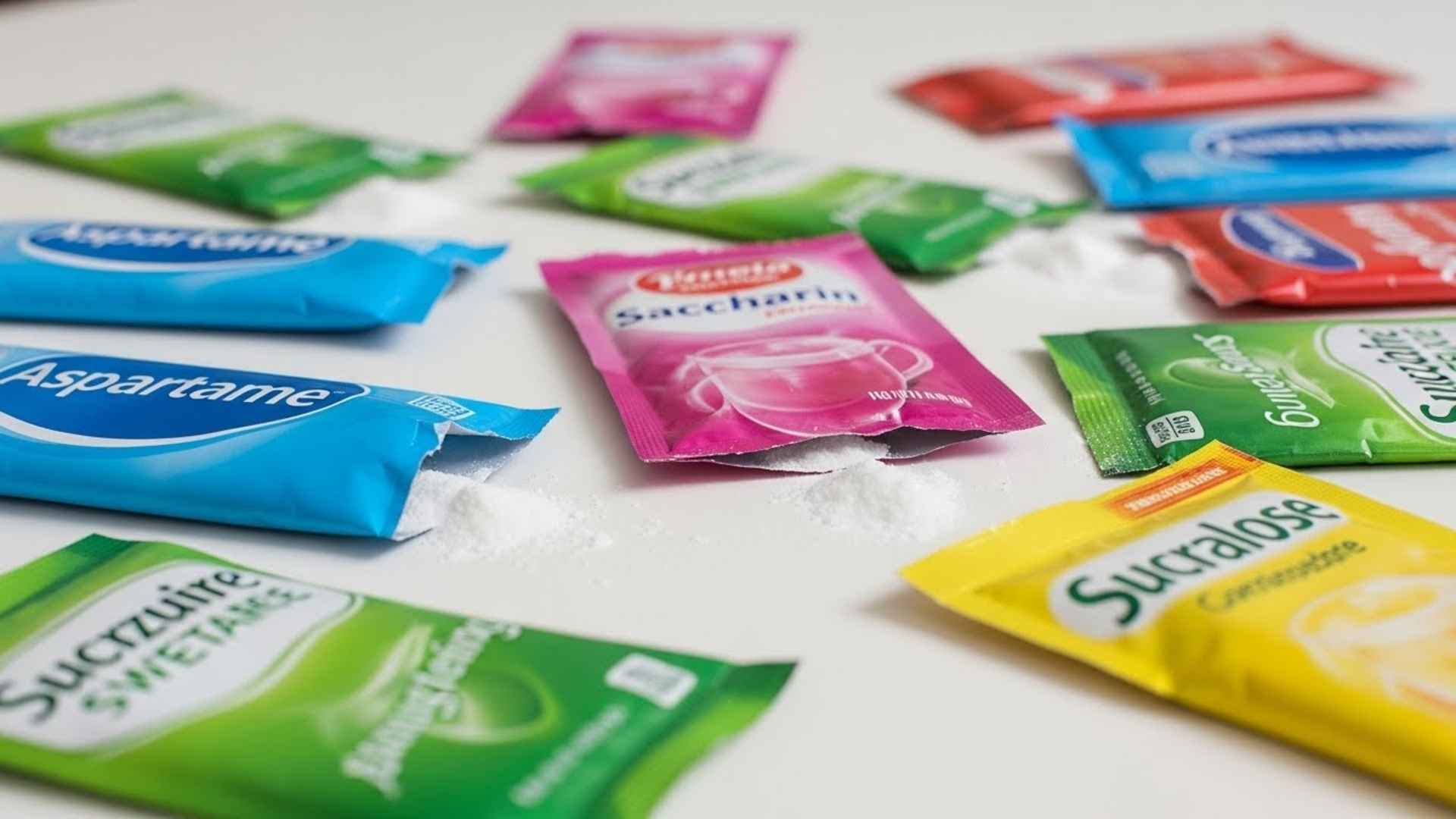
“Diet” soda sounds like a good idea, right? Wrong. New research from 2023 and 2025 shows that sweeteners like aspartame and sucralose can mess up your gut microbiome.
When your gut bacteria are unhappy, they release toxins that cross into your bloodstream and attack your joints. It’s called the “Gut-Joint Axis,” and it’s real.
The Swap: Sparkling water with a squeeze of fresh lime.
MSG
It’s an excitotoxin. If you’re in pain, MSG acts like a volume knob, turning a dull ache into a sharp throb.
Monosodium Glutamate isn’t just in takeout; it’s in ranch dressing, chips, and frozen meals. It’s an excitotoxin, which means it over-stimulates your nerve cells.
If you’re already in pain, MSG acts like a volume knob, turning a dull ache into a sharp throb.
The Swap: Read labels. Look for “Hydrolyzed Vegetable Protein”—that’s a sneaky name for MSG.
11. Gluten (The Autoimmune Trigger)

You don’t have to be Celiac to have an issue here. As we age, our gut lining gets a bit thinner (leaky gut). Gluten triggers a protein called zonulin that opens up the gaps in your gut lining even more, letting inflammatory particles loose in your bloodstream.
The Swap: Try a 2-week elimination test. Cut the bread and pasta for 14 days. If your pain drops, you have your answer.
12. High-Fat Dairy (The Antigen)

Cheese is delicious. I know. But for many people, the protein in dairy (casein) can irritate the tissue around the joints. Plus, full-fat dairy is high in saturated fats which can increase adipose (fat tissue) inflammation.
The Swap: Try goat cheese (easier to digest) or unsweetened almond milk.
Tools That Do The Heavy Lifting For Your Joints
Changing what you eat is the most powerful long-term investment you can make for your joints, but let’s be real—while you are waiting for that inflammation to cool down, you still have to live your life. Cooking healthy meals shouldn’t be a painful chore that leaves your hands throbbing, and sometimes we need a little targeted help to bridge the gap. I’ve found that combining your dietary changes with the right tools can make the process feel less like a “treatment” and more like a lifestyle upgrade. These aren’t just gadgets; they are joint-savers that reduce mechanical stress on your hands or help you get those vital anti-inflammatory nutrients into your system more efficiently.
Here are 5 products that can make a genuine difference in your day-to-day comfort:
1. Thorne Curcumin Phytosome Capsules

We talked about how turmeric is a powerhouse for fighting inflammation, but your body struggles to absorb raw turmeric powder. This specific supplement from Thorne uses “phytosome” technology, which binds the curcumin to a fat molecule, making it significantly easier for your body to absorb and use. It’s widely regarded as the gold standard for bioavailability.
2. Cosori TurboBlaze Air Fryer

If you are trying to break up with fried foods (one of the “Dirty Dozen”), this is your best friend. Deep frying creates those nasty inflammatory AGEs we discussed, but air frying gives you the crunch without the oxidized oil bath. The Cosori TurboBlaze is compact, quiet, and consistently rated as a top performer for healthy cooking.
3. OXO Good Grips Jar Opener with Base Pad

Wrestling with a tight jar lid is a guaranteed way to flare up hand pain. This tool is a lifesaver because it uses a base pad to hold the jar in place while you use the handle for leverage. It completely removes the need for that painful “grip and twist” motion that stresses arthritic fingers.
4. Zazzee Tart Cherry Extract Capsules

If gout or uric acid buildup is part of your joint pain picture, tart cherries are often recommended. Drinking gallons of sugary juice isn’t ideal, so a concentrated extract is a smarter move. Users often cite this specific brand for helping manage flare-ups and keeping uric acid levels in check without the added sugar.
5. Kitchen Mama Electric Can Opener

Cooking at home means opening cans of beans, tomatoes, and tuna. Traditional manual openers can be torture on stiff wrists. This electric opener sits on top of the can and does the work with a single button press—no twisting or gripping required. It leaves smooth edges, too, which is a nice bonus.