You know that moment. You’re scrolling through TikTok or Instagram, and a video pops up. A voice challenges you: “Can you solve these 4 questions in 60 seconds? If not, your brain is aging faster than you think.”
Your pulse quickens a little. You try to name the ink color, not the word. You try to remember “Banana, Sunrise, Chair.” And maybe you stumble. Suddenly, that casual scroll turns into a moment of genuine panic. Is my brain okay? Am I losing it?
I’ve been there. We all have. In a world where we track our steps, our sleep, and our calories, the idea of measuring our “brain age” is irresistible. We want a number. We want to know where we stand.
But here’s the truth behind the viral trends: While those TikTok tests are often just for clicks, the science underneath them is incredibly real. They are simplified versions of the exact tools neuropsychologists use to spot early dementia.
So, let’s take a deep breath and look at what’s actually happening inside your head. This isn’t just about passing a test; it’s about understanding the amazing, shrinking, growing, changing machine between your ears—and learning exactly how to keep it young.
The “4 Questions” That Actually Matter

When you strip away the flashy graphics, most viral brain tests are checking four specific engines in your brain. If you’ve ever felt “foggy” or “slow,” it’s usually one of these engines misfiring.
1. The “Don’t Read This” Test (Inhibition)

You see the word RED printed in blue ink. You have to say “Blue.” It sounds easy, right? But your brain is fighting a civil war. Your reading circuit (which is fast and automatic) screams “RED!” while your color-recognition circuit (which is slightly slower) whispers “Blue.”
What’s really happening: This is the Stroop Effect. It’s checking your Inhibition—your ability to hit the brakes on an automatic reaction.
The Science: This battle happens in the Anterior Cingulate Cortex. When we get older, our “brakes” get worn down. That’s why you might blurt out something you didn’t mean to say, or struggle to focus in a noisy restaurant.
“Banana. Sunrise. Chair.” The tester tells you to remember them, distracts you with math, and then asks for them back.
What’s really happening: This mimics the Mini-Cog test used by doctors. It tests your ability to move info from your “desktop” (working memory) to your “files” (short-term memory).
The Reality Check: If you forget the words immediately, it’s usually an attention issue, not a memory one. But if you can’t recall them after 3 minutes, it suggests the Hippocampus (your brain’s Save button) might be struggling.
3. The Clock Drawing (The Multitasker)

“Draw a clock face and set the hands to 10 past 11.” It looks like a kindergarten task, but it’s actually one of the most brutal cognitive stress tests we have.
What’s really happening: To do this, your brain has to coordinate four different departments at once:
- Auditory: Understand the command.
- Visual: Remember what a clock looks like.
- Spatial: Space the numbers 1-12 evenly (this is harder than it looks!).
- Abstract Logic: Realize that “10 past” means the number 2, not the number 10.
If you crowd all the numbers on one side or draw the hand pointing at the 10, it’s a specific “tell” for executive dysfunction.
4. The Backward Count (Processing Speed)

“Count backward from 100 by 7s.” (100, 93, 86…)
What’s really happening: This tests Processing Speed and Working Memory. It’s like checking the RAM on your laptop.
The Aging Factor: As we age, our myelin (the insulation around our brain wires) can thin out. This slows down the electrical signals. You’re not less smart; you just have a slower internet connection.
The Hope: You Can Build a “Backup Generator”

If you stopped reading right now, you might feel pretty depressed. But don’t. Because here is the most exciting thing I found in the research: Biology is not destiny.
You can build something neuroscientists call Cognitive Reserve.
Think of it like a savings account. You might lose some neurons (withdrawals) as you age, but if you have a massive savings account (Reserve), you won’t go broke. We see this in autopsies all the time: people who had physical signs of Alzheimer’s in their brains but never showed symptoms while they were alive. Why? Their Cognitive Reserve was so high, their brain just re-routed around the damage.
Here is your manual for building that reserve.
You are literally building your brain out of the food you eat. The MIND Diet (a mix of Mediterranean and DASH) is the heavy hitter here.
The Stat: Strict adherence can lower Alzheimer’s risk by up to 53%.
- The Simple Swap:
- Less: Butter (<1 tbsp/day), Cheese, Red Meat.
- Why: These foods fight the inflammation that drives that “bad pruning” we talked about.
Protocol 2: Sweat is “Miracle-Gro”

If there is a magic pill for the brain, it’s aerobic exercise.
The Mechanism: When you get your heart rate up, your body releases a protein called BDNF (Brain-Derived Neurotrophic Factor).
What it does: It acts like fertilizer. It actually encourages Neurogenesis—the birth of new brain cells in the hippocampus. Yes, you can grow new brain cells as an adult.
The Prescription: You don’t need to run a marathon. 150 minutes a week of brisk walking does the trick.
Protocol 3: The “Deep Clean” Sleep

Remember the janitors I mentioned? They mostly work the night shift.
The Glymphatic System: This is a plumbing system in your brain that opens up only when you are in deep sleep. It flushes out the toxic proteins (the “trash”) that built up during the day.
The Risk: Chronic poor sleep isn’t just tiring; it’s allowing “plaque” to build up in your neural pathways. Prioritize 7-9 hours like your life depends on it.
You wouldn’t try to build muscle without weights, so why expect your brain to stay sharp without the right tools? We’ve talked about the science—neuroplasticity, reserve, and the MIND diet—but sometimes you need a physical nudge to turn that science into a daily habit. Whether it’s a cookbook to overhaul your grocery list, a game to fire up your social synapses, or a physical skill toy to rewire your motor cortex, these tools are designed to move you from “worried” to “working on it.” Here are five favorites to help you build that cognitive reserve.
1. Build a Better Brain at Any Age (Dr. Sanjay Gupta)

If you want the deep-dive manual for your brain, this is it. Dr. Gupta expands on everything we discussed—breaking down the myths of cognitive decline and offering a structured 12-week program to fortify your mind. It’s science-heavy but reads like a conversation with a smart friend.
2. The Ultimate Word Association Game

We mentioned that social complexity is a massive brain protector. Codenames is the perfect way to gamify that. It forces your brain to make abstract connections between unrelated words (engaging the prefrontal cortex) while navigating the social nuances of your teammates. It’s a intense mental workout disguised as a party game.
3. The Official MIND Diet Cookbook

Knowing you should eat berries and leafy greens is one thing; actually cooking them is another. This cookbook takes the specific data points from the Rush University studies (the ones showing a 53% reduction in Alzheimer’s risk) and translates them into recipes you’ll actually want to eat. No guesswork, just brain fuel.
4. Speevers Professional Juggling Balls
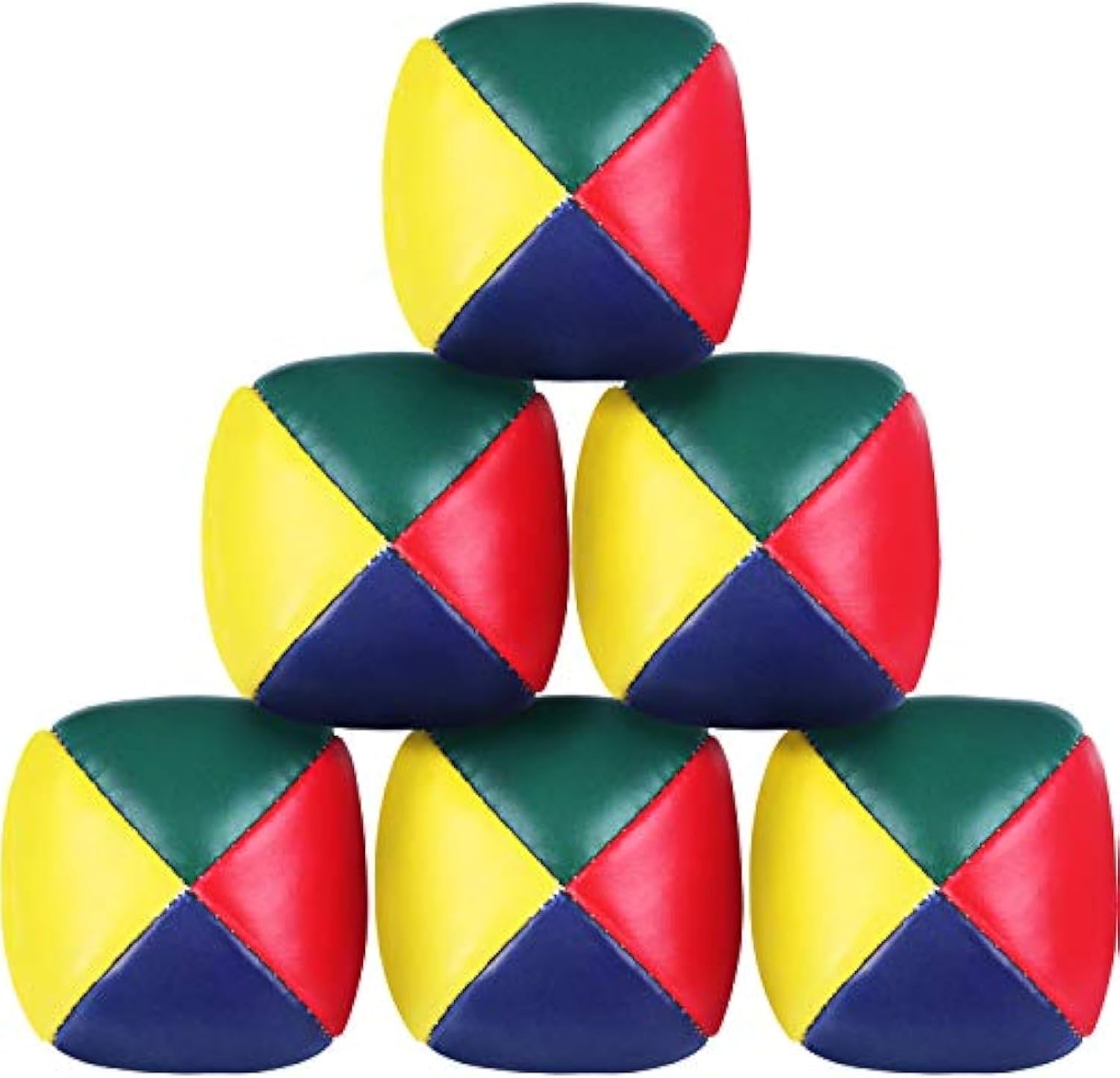
Remember the tip about using your non-dominant hand? Learning to juggle is the nuclear option for neuroplasticity. Studies have shown that learning to juggle can actually increase gray matter density in as little as 7 days. These balls are weighted perfectly for beginners, so you spend less time chasing them under the sofa and more time rewiring your brain.
5. Ravensburger Krypt Gradient Puzzle (631 Pieces)

If the “Clock Drawing” test assesses your visuospatial skills, this puzzle is the training ground. Unlike standard puzzles with distinct pictures, a gradient puzzle forces you to rely entirely on subtle color perception and shape recognition. It is deeply meditative and intellectually rigorous—a perfect “deep clean” for a distracted mind.