Forgotten streets, silent doorways, and whole towns frozen mid-story have a way of pulling you in before you’re even sure why. Something about peeling paint, rusted signs, and wind-worn wood hits a strangely emotional chord — the kind that makes you want to slow down and look closer.
These ghost towns aren’t just abandoned; they feel almost too cinematic to be real, like they were built for a movie and accidentally left behind. And once you see how dramatically each one holds on to its past, you’ll understand why travelers chase these places with cameras, curiosity, and a little awe.
1. Bodie, California
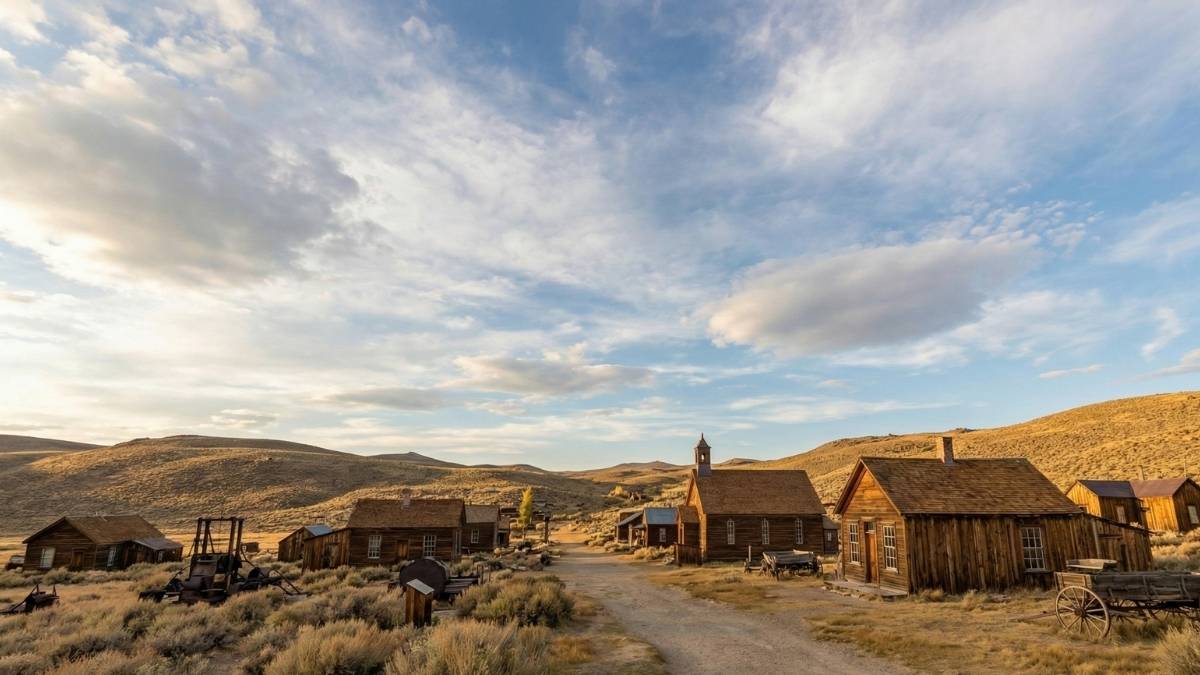
Bodie feels like someone hit pause on an entire town and never pressed play again. Wooden storefronts lean into the wind, rusted trucks freeze in time, and the silence hits with surprising weight. What makes Bodie stand out is how authentically untouched it feels; nothing is polished, staged, or “Disneyfied.” The state’s “arrested decay” policy keeps everything naturally weathered, and that rawness gives every frame an eerie, cinematic vibe.
Walking down its dusty main street, you’ll notice tiny details that feel almost too perfect for a real place — school lessons still chalked on boards, jars still sitting on general-store shelves, and homes filled with cracked furniture left exactly where families placed them decades ago. It’s surreal in a way that gets under your skin, especially when the mountain winds whistle through broken windows.
Bodie has become a photographer’s dream, specifically because the town feels both fragile and frozen. Whether you’re into wide shots of abandoned landscapes or intimate close-ups of peeling paint and forgotten relics, you’ll find dozens of angles that look straight out of a historical film set. Just bring layers — the altitude can surprise you.
Quick Guide
- Best months to visit: June–September
- Avoid: Heavy winter (roads often close)
- Best time for photography: Early morning for soft light & fewer crowds
- Need-to-know: Bodie is a State Historic Park with limited services
- Fee: Yes, small entrance fee
- Tip: Higher elevation means strong sun — bring protection
2. Rhyolite, Nevada
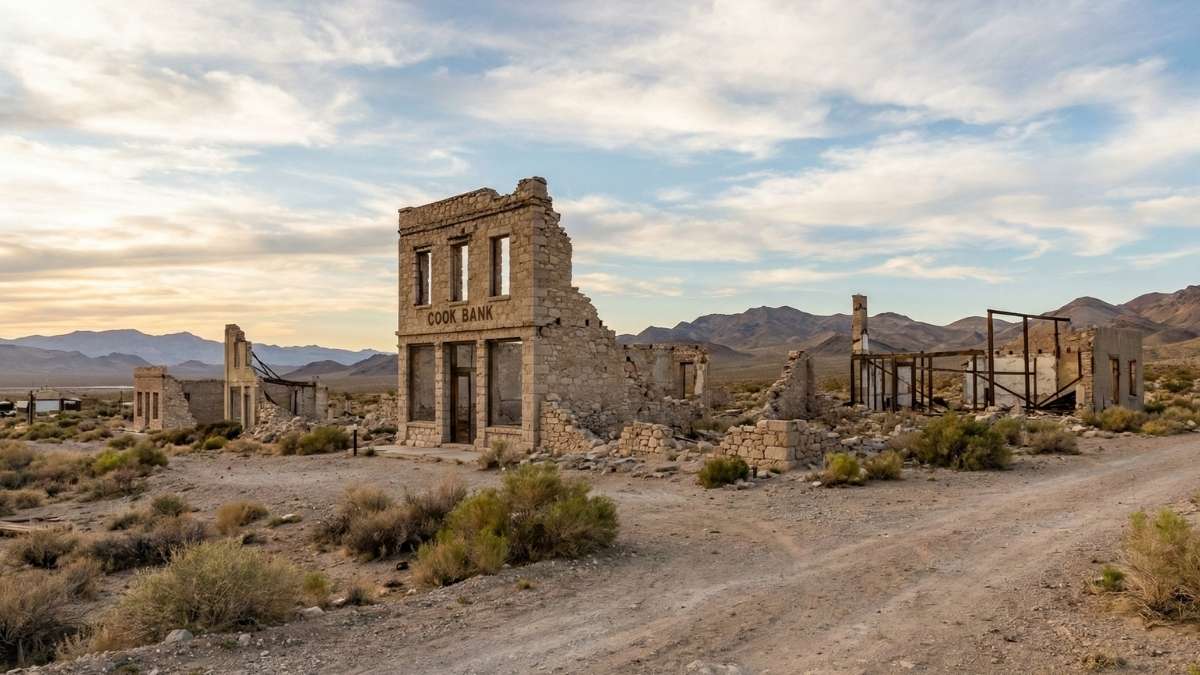
Rhyolite sits on the edge of Death Valley, and its isolation is a huge part of its charm. The way the desert swallows buildings creates a kind of beauty that feels almost theatrical. What really sets Rhyolite apart is how its remaining structures — including the famous three-story bank ruins — stand like skeletal monuments against the open sky, giving photos a dramatic, almost otherworldly tone.
You’ll also stumble upon quirky art installations, including the outdoor Goldwell Open Air Museum, which adds an unexpected splash of creativity to the abandoned landscape. The contrast between the ghost town’s broken stone walls and the modern art pieces gives the entire place a surreal aesthetic you don’t get in more traditional ghost towns.
Walking through Rhyolite, the silence is broken only by the crunch of gravel and the buzz of desert heat. The whole site feels like an outdoor studio set — and photographers often leave with dozens of frames that barely need editing. The afternoon light hits the ruined facades in a way that feels almost staged.
Quick Guide
- Best months to visit: October–April
- Avoid: Mid-summer (extreme heat)
- Best time for photography: Golden hour
- Nearest hub: Beatty, Nevada
- Fee: Free
- Tip: Bring extra water — desert dryness is no joke
3. Kennecott, Alaska
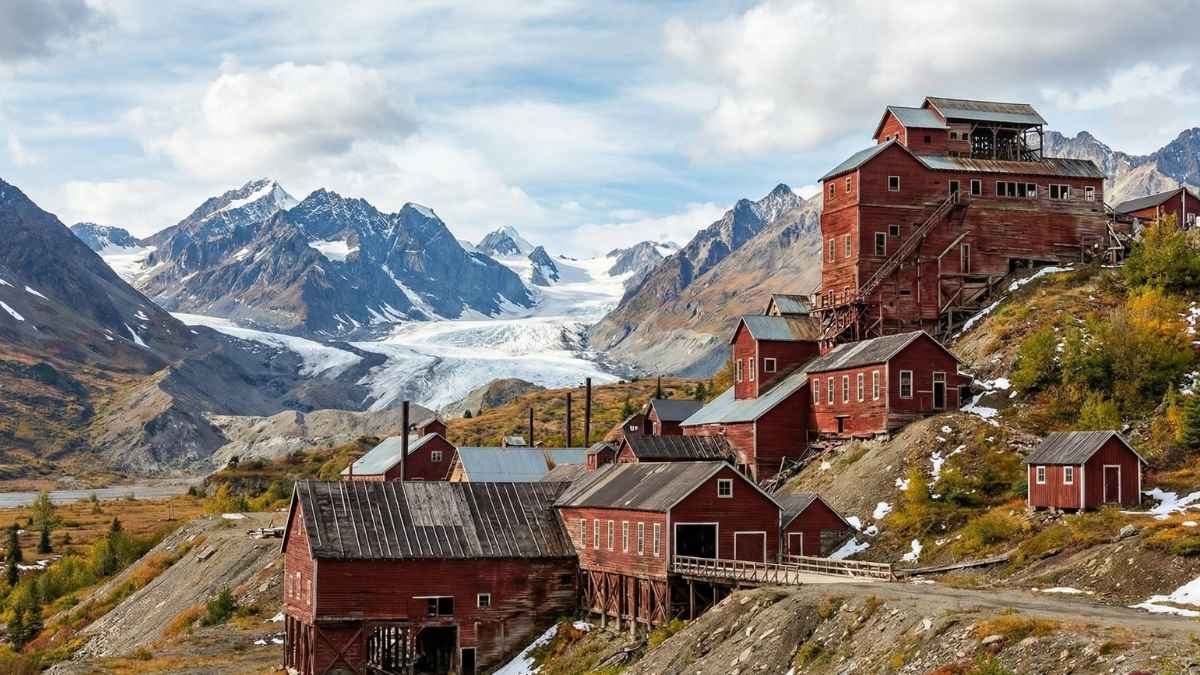
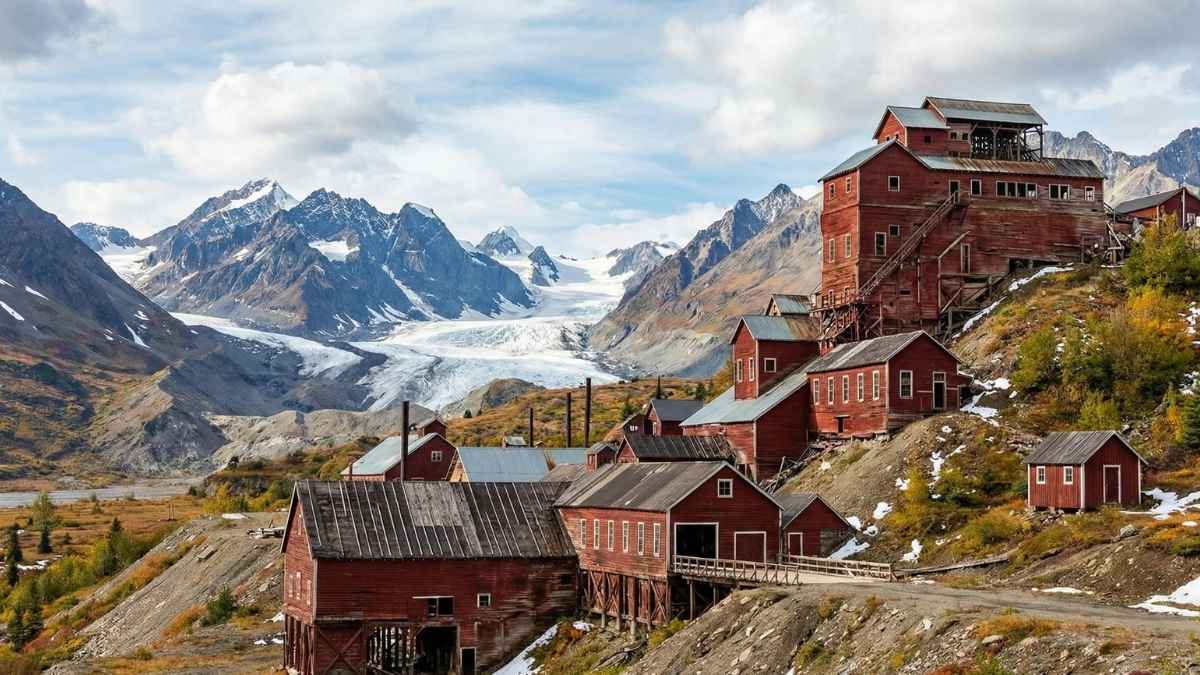
Kennecott is the kind of ghost town that makes you pause the moment it comes into view. Towering red mill buildings cling to the mountainside like a forgotten industrial kingdom. What makes it visually extraordinary is how massive and intact the structures still are — it’s less a “town” and more a giant frozen mining complex sitting in the middle of the Alaskan wilderness.
Once inside the preserved mill, you’ll find massive machinery and long, slanted chutes that create striking geometric compositions. There’s a thrill in walking through such a huge piece of industrial history and realizing it’s been abandoned for nearly a century, but still holds its shape. The bright red buildings against snowcapped peaks deliver some of the most jaw-dropping contrasts of any ghost town in the country.
Kennecott also has an unusual atmosphere: part adventure, part history lesson, part postcard. The air is crisp, the views are wild, and every turn reveals a vantage point that feels almost unreal. If you enjoy ghost towns with grandeur rather than loneliness, Kennecott is unmatched.
Quick Guide
- Best months to visit: June–August
- Best time for photography: Midday (mountain shadows can be harsh)
- Access: Shuttle from McCarthy or hike
- Fee: Part of Wrangell–St. Elias National Park
- Tip: Guided tours offer rare access inside the 14-story mill
4. St. Elmo, Colorado
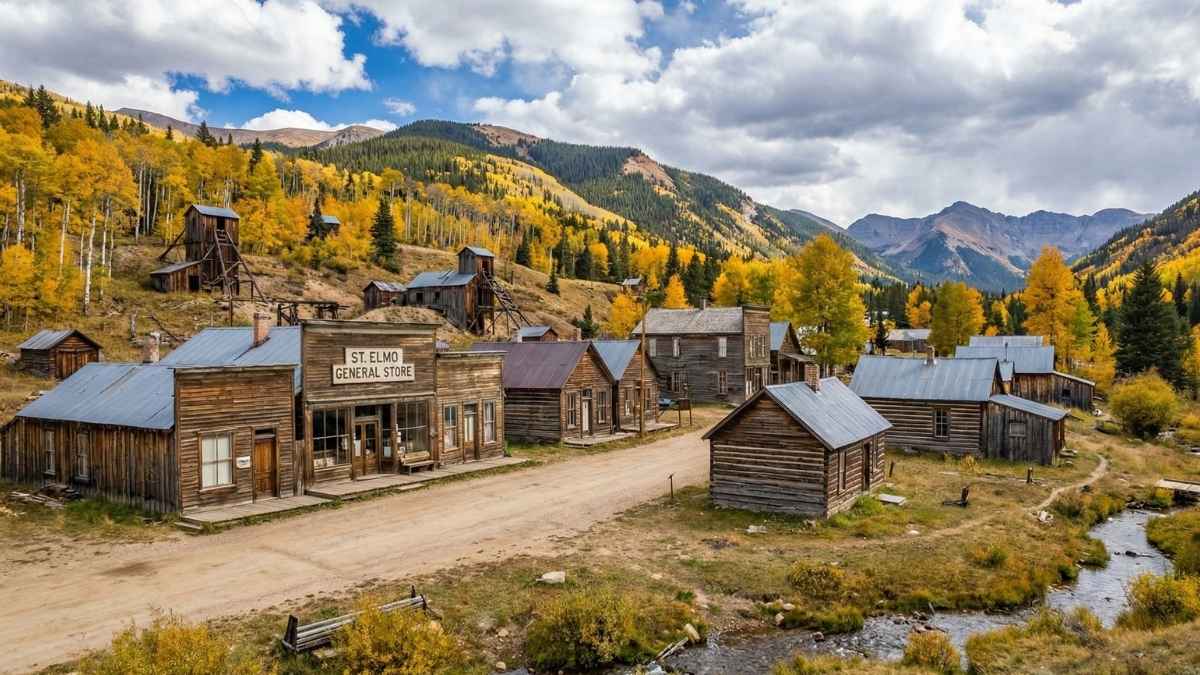
St. Elmo is one of Colorado’s best-preserved ghost towns, and it strikes a perfect balance between scenic charm and genuine abandonment. The wooden buildings are weathered but sturdy, lined up neatly against a backdrop of dense forest and rugged mountains. That mountain-valley contrast makes photos look naturally dramatic without any effort.
A stroll through the center feels like wandering onto an old Western set — except everything is real. The original general store, several homes, and the silent hotel still stand in convincing form. The crisp mountain air and quiet roads make it easy to slow down and notice little things like warped window frames and fading horse hitching posts.
St. Elmo also surprises people with how lively the area around it feels, thanks to hummingbirds, chipmunks, and nearby hiking trails. It’s the kind of ghost town where you can sink into both history and nature without much separation between the two.
Quick Guide
- Best months to visit: June–September
- Best time for photography: Late afternoon
- Road conditions: Good, but winter access is limited
- Fee: Free
- Tip: Nearby ghost town Hancock is a worthwhile side trip
5. Garnet, Montana
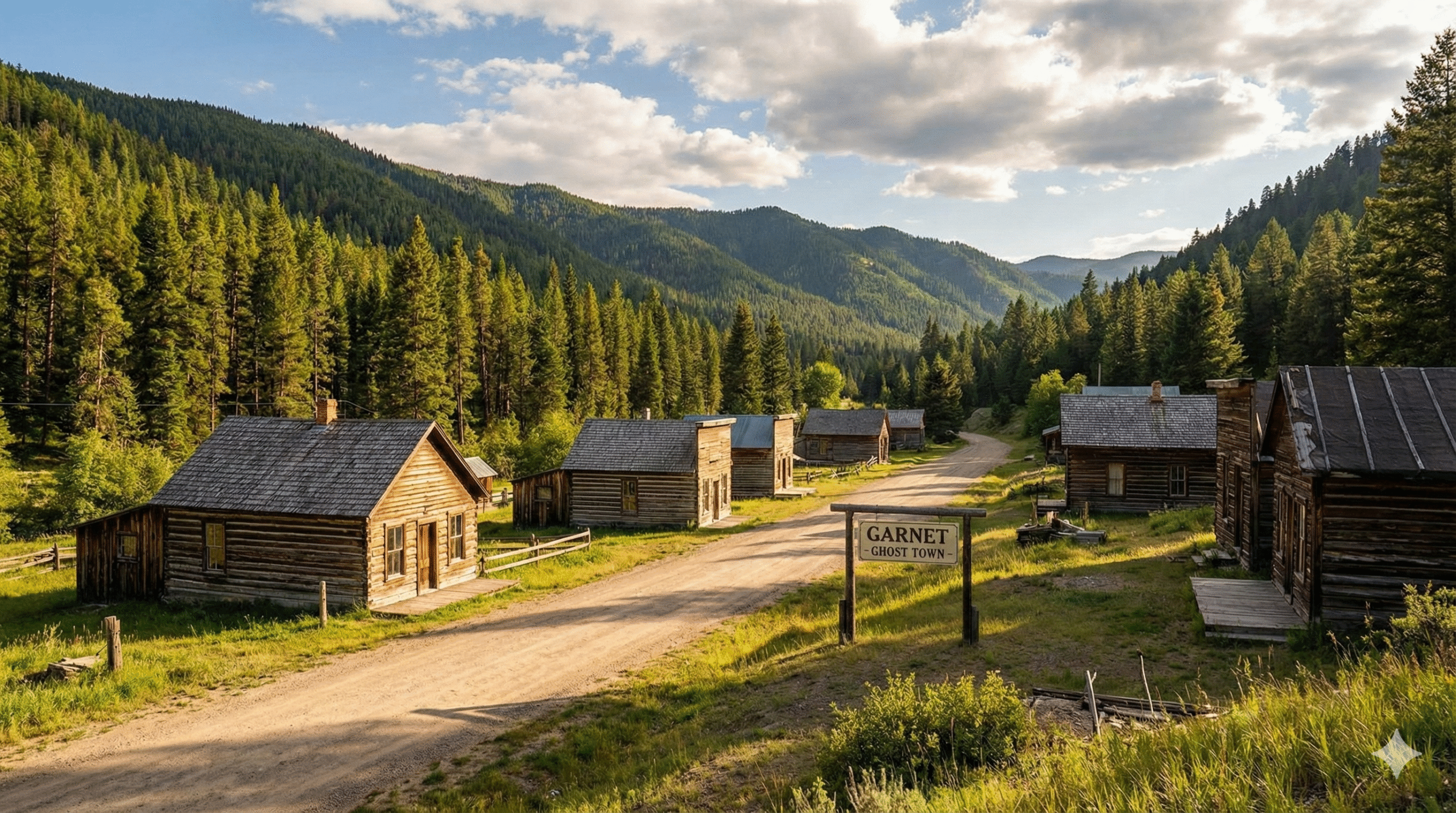
Garnet is one of those rare ghost towns that feels untouched by tourism. Tucked deep into the Montana mountains, its preserved cabins and storefronts create a sense of quiet isolation that’s both peaceful and haunting. Because the buildings are still structurally solid, the site feels almost like a living museum — not curated, just authentically frozen.
Inside the cabins, you’ll often see artifacts left behind: beds, tables, rusted stoves, and worn household items that instantly ground the place in real human history. The interiors offer excellent opportunities for moody, detail-rich photography. Outside, the heavily wooded landscape adds a lush, earthy backdrop that differs from the desert-like atmospheres of many ghost towns.
Garnet is surprisingly immersive, especially after the last daily visitors leave. The stillness is pronounced, the air smells of pine, and even the sunlight seems softer. It’s one of the few ghost towns where you can genuinely feel the rhythm of the past without modern distractions humming in the background.
Quick Guide
- Best months to visit: June–October
- Best time for photography: Morning for softer forest light
- Access: Gravel road; check conditions before driving
- Fee: Small entrance fee
- Tip: Winter access is by snowmobile or skis only
6. Terlingua, Texas
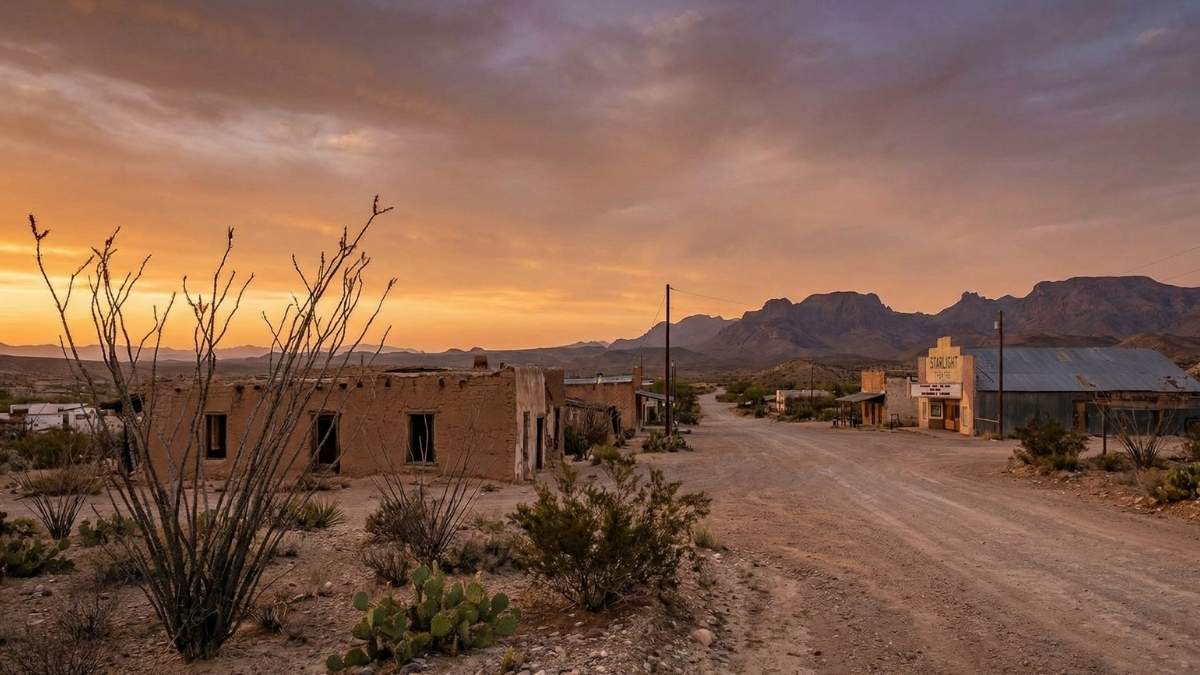
Terlingua has a personality all its own — a mix of crumbling adobe ruins, desert openness, and a quirky, artistic energy you don’t usually find in abandoned towns. The blend of old mining remnants with the eccentric vibe of the surrounding community adds a gritty charm that pulls you in instantly. What stands out most is how the desert light hits the broken walls, giving them warm, coppery tones that practically glow during golden hour.
As you wander the town, you’ll stumble across old stone buildings sinking back into the earth, grave markers weathered by sun and sand, and the kind of wide desert views that make every photo feel cinematic. Unlike many ghost towns, Terlingua offers a surprising sense of movement thanks to its festivals, gatherings, and relaxed travelers who pass through. The contrast between quiet ruins and modern creativity forms a unique tension that makes the place unforgettable.
The area surrounding Terlingua adds even more visual drama. With Big Bend National Park just minutes away, the landscape forces you to slow down and soak in the scale of it all. It’s a place where the boundaries between past and present feel blurry — in the best way.
Quick Guide
- Best months to visit: October–March
- Best time for photography: Golden hour for warm tones
- Nearest landmark: Big Bend National Park
- Fee: Free to explore the town
- Tip: The annual Chili Cook-Off brings big crowds — plan accordingly
7. Cairo, Illinois
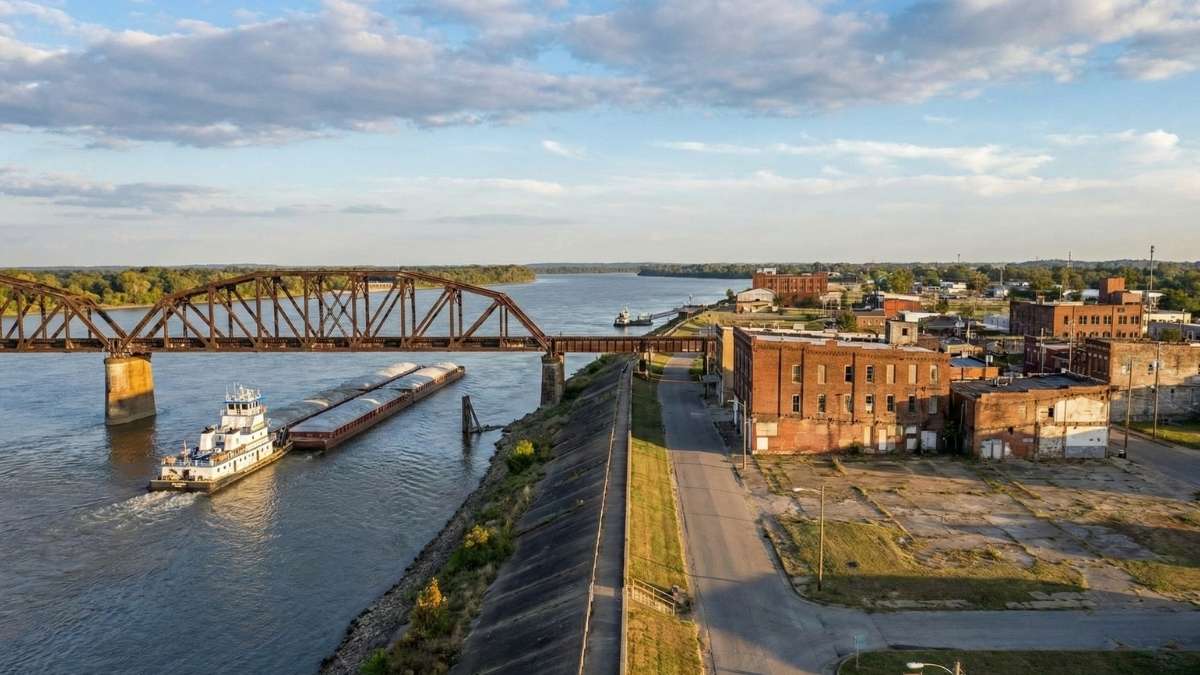
Cairo isn’t your typical ghost town; it’s a once-thriving river city that slowly emptied as industries left. That makes its atmosphere incredibly powerful. Grand old buildings, faded storefronts, and abandoned Victorian homes create an almost dreamlike landscape. Some streets feel so still that you catch yourself listening for footsteps that never come.
Walking through the historic district, you’ll see structures that look like they were meant to outlive everyone who built them — tall brick banks, ornate balconies, and weathered wooden porches. Their ornate details now chipped and peeling only make them more striking. Cairo’s melancholic beauty gives your photos a mix of dignity and decay that’s hard to replicate anywhere else.
What makes Cairo especially compelling is how real it feels. There’s no staged “ghost town ambiance,” no curated walkways or recreated scenes. Everything you see is simply what’s left. That authenticity often grabs visitors in a way that feels heavy but deeply meaningful — a reminder of how quickly prosperity can shift.
Quick Guide
- Best months to visit: April–June, September–October
- Best time for photography: Overcast days add drama
- Nearest rivers: Mississippi & Ohio
- Fee: Free
- Tip: Stick to the main historic areas; some neighborhoods are fully abandoned
8. Jerome, Arizona
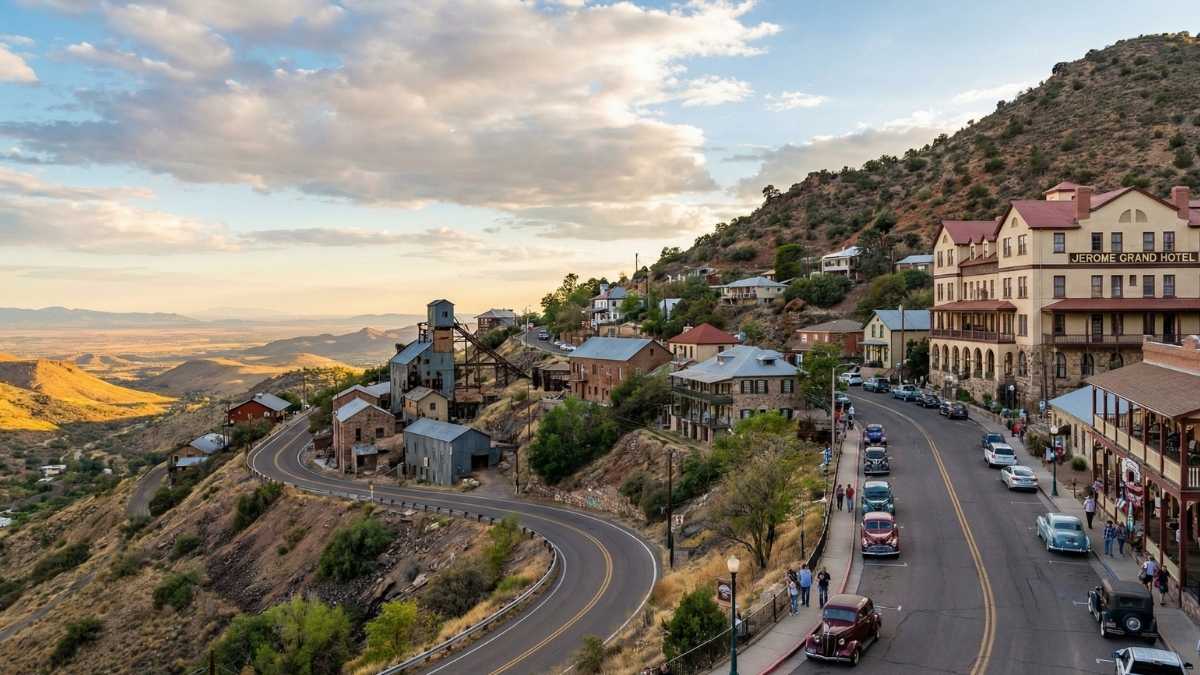
Jerome is perched on a mountainside in such a precarious way that you half-expect the entire town to slide off into the valley. That dramatic setting is part of what makes it so photogenic — steep streets, hillside homes, and sprawling views that stretch for miles. Once known as the “Wickedest Town in the West,” Jerome has a rich personality that comes through even in its abandoned buildings.
Many of the old structures still cling to the cliffs, defying time and geology. The slanted hotel ruins, the collapsing jail, and the rusted mining equipment scattered around the hills create a rugged charm that feels both energetic and eerie. It’s the kind of place where you can turn around and find a completely new angle every few steps.
Jerome isn’t fully abandoned today, which actually enhances the experience. Modern artist studios, tiny restaurants, and restored spaces sit beside decay, creating a patchwork of old and new. The tension between thriving and crumbling makes the town feel alive in a way most ghost towns aren’t.
Quick Guide
- Best months to visit: March–May, September–November
- Best time for photography: Late afternoon for mountain shadows
- Access: Steep roads; drive carefully
- Fee: Free, with optional museum entry
- Tip: The Jerome State Historic Park has excellent viewpoints
9. Thurmond, West Virginia
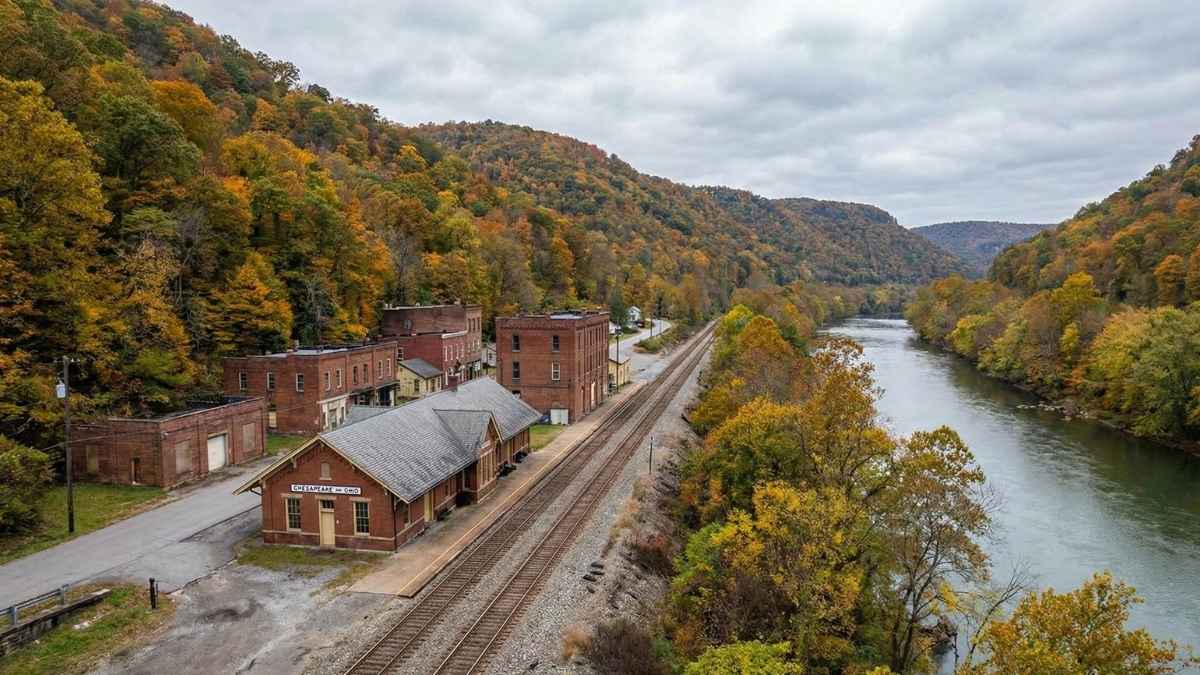
Thurmond sits deep in the New River Gorge, and its isolation gives it a strangely peaceful presence. With just a handful of residents remaining, most of the town’s striking brick buildings stand empty along the railroad tracks. They line up like silent giants, their windows dark and hollow, facing a river that feels almost too calm for its wild setting. The scene is quietly powerful.
Walking the length of the nearly deserted main street, you can sense the echo of what Thurmond once was — a lively coal-town hub pulsing with travelers and industry. Now, its train depot, abandoned hotels, and shuttered storefronts offer a rare look at early 20th-century architecture preserved by sheer remoteness rather than effort. The buildings are intact enough to feel substantial but weathered enough to carry stories in their walls.
What surprises many visitors is how beautiful Thurmond is. The lush Appalachian greenery wraps around the ruins, softening sharp edges and creating a rich mix of textures. The quiet, the river, and the way nature frames every abandoned structure give photographers a perfect blend of decay and serenity.
Quick Guide
- Best months to visit: May–October
- Best time for photography: Early morning fog
- Nearest landmark: New River Gorge National Park
- Fee: Free
- Tip: Parking is limited — arrive early
10. Calico, California
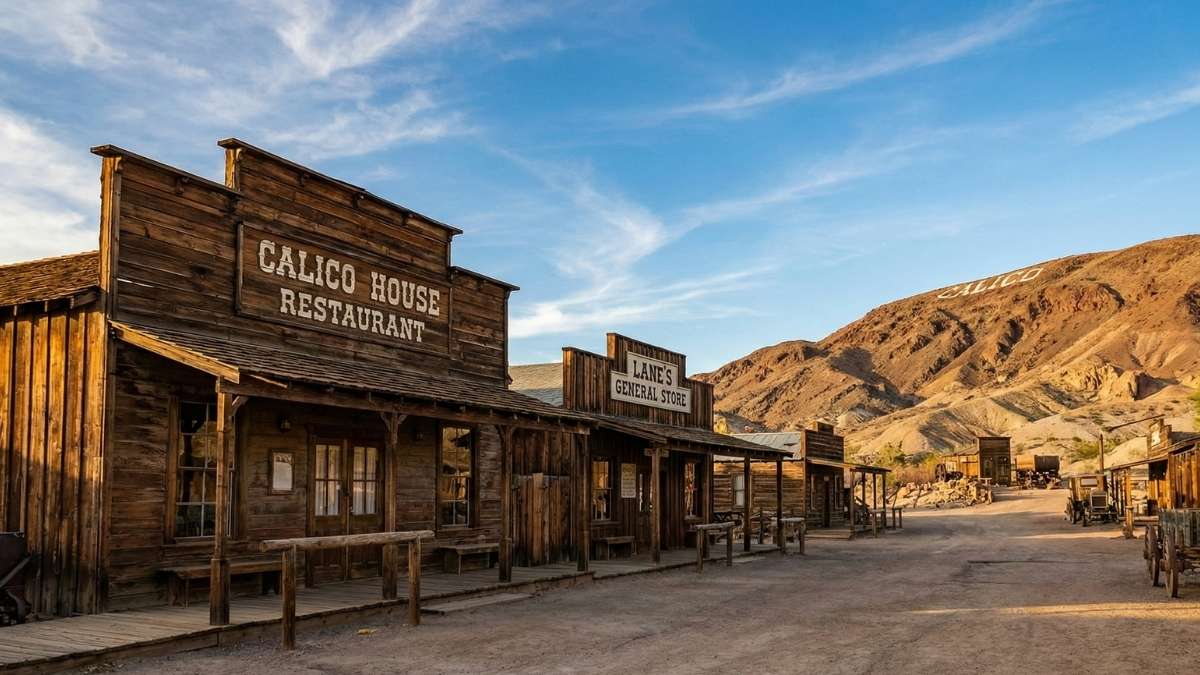
Calico leans more toward restored than untouched, but that doesn’t take away from its visual punch. Set against bright desert hills that look almost painted, the old mining buildings create a playful, high-contrast backdrop that draws travelers in. Even though some structures have been stabilized or rebuilt, many originals remain, giving the town an appealing blend of authenticity and accessibility.
As you move through the narrow walkways and old storefronts, you’ll see sun-bleached wood, dusty mining carts, and rugged hills stretching behind the buildings. The red rock landscape amplifies the town’s photogenic qualities, especially during sunrise when the terrain glows with warm tones. It’s one of those places where your camera roll fills up faster than you expect.
Calico may be more polished than the other ghost towns on the list, but that also makes it easier for casual visitors. Kids, families, solo travelers — everyone finds something that catches their eye. Plus, the surrounding desert adds that vast, open-sky feeling that makes the West unforgettable.
Quick Guide
- Best months to visit: October–April
- Best time for photography: Sunrise for dramatic color on the hills
- Fee: Small entrance fee
- Tip: Weekdays are far quieter than weekends