(For Feb/March) The “Firefall” Effect and 5 Other Fleeting Natural Phenomena You Can Only See in the Next 6 Weeks

Golden moments in nature don’t wait for anyone, and the next few weeks are proof. As winter loosens its grip, the world starts slipping into a rare rhythm where light, color, and movement line up for a handful of breathtaking displays.
Some last only minutes, others unfold quietly at dawn or under a cold night sky, but each one carries that pulse-raising feeling of catching something you know won’t return for another year.
If you’re craving a reason to get outside, lean in—these fleeting phenomena are lining up now, and missing them would feel like letting a once-a-season secret pass you by.
1. Yosemite’s Firefall (California)
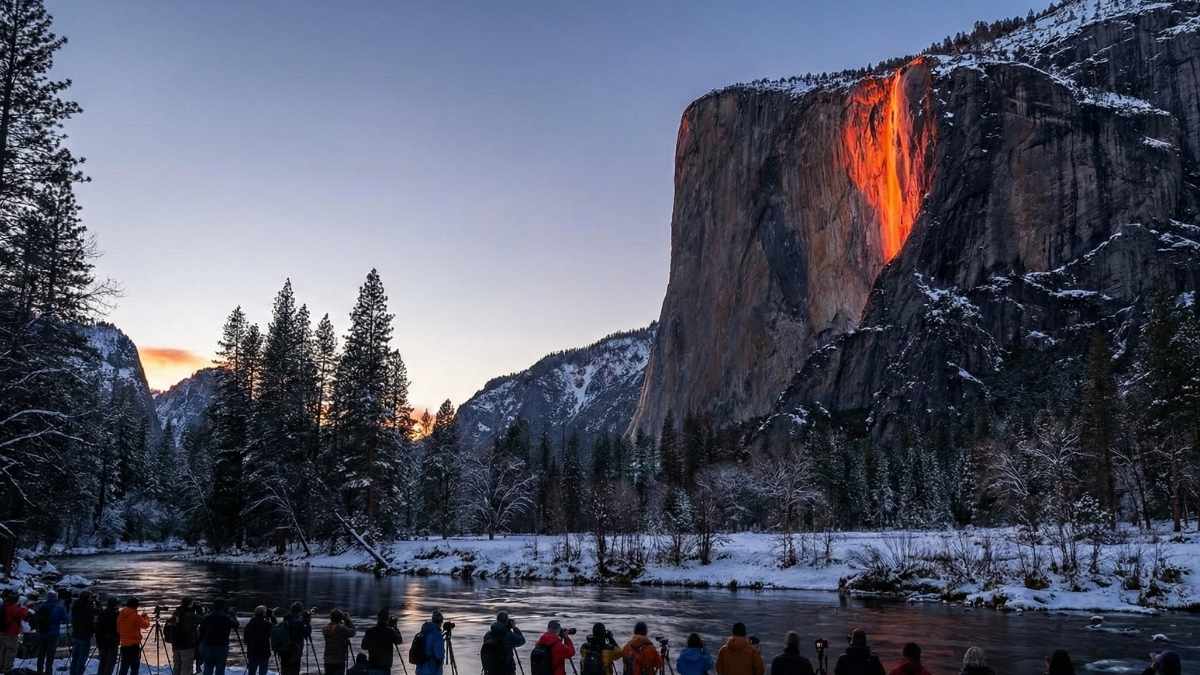
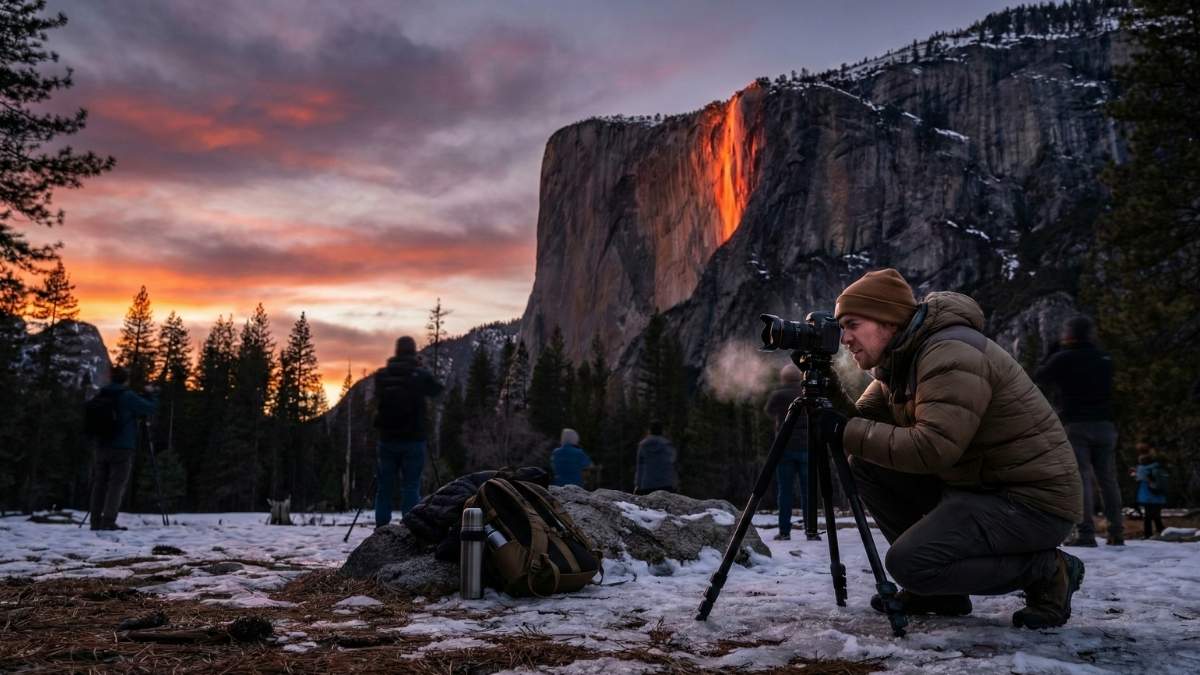
For a few evenings each February, Horsetail Fall transforms into a streak of molten orange as the sun hits it at just the right angle. The phenomenon is so precise that if water flow, sky clarity, or sun position is even slightly off, the effect disappears. That fragility is a big part of its magic—people return year after year because there’s always a bit of suspense about whether nature will cooperate.
Standing in the viewing area, you can feel a collective hush settle over the crowd as the light shifts. The waterfall seems to glow from within, creating a streak of radiant color against the granite wall. It’s one of those rare events where the photos don’t exaggerate anything—the real thing feels almost unreal on its own.
What makes it unforgettable is how short-lived it is. The entire show lasts just minutes, and only for about two weeks each year. The buildup, the waiting, the uncertainty, and then that burst of fiery brilliance—it’s a reminder of how fleeting natural beauty can be.
Useful details:
- Best Months: Mid–February
- Prime Viewing Time: About 5:20–5:45 PM
- Best Viewing Areas: El Capitan picnic area, Southside Drive pullouts
- Requirements: Clear sky and enough snowmelt for waterfall flow
- Permits: Some years require a reservation for access
2. Northern Hemisphere Aurora Peaks (Alaska, Canada, Scandinavia)
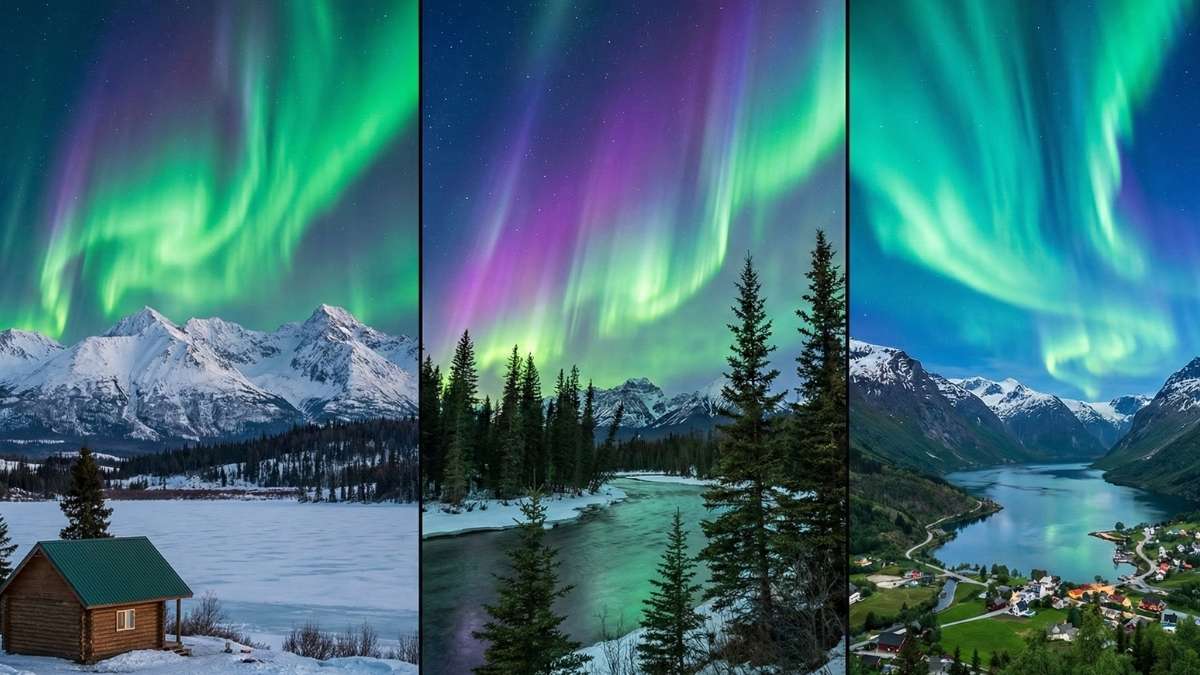
Late winter often brings some of the clearest, crispest nights for aurora watching. The sun’s activity usually spikes around this time, creating geomagnetic conditions that turn the sky into a shifting curtain of greens, purples, and deep reds. What surprises many people is how quickly the lights can appear—they can be silent one minute and then burst into dynamic waves the next.
The best auroras feel almost interactive. The colors move, bend, and ripple across the horizon as if responding to some unseen conductor. Even without a scientific background, you can sense that something powerful is happening just above the atmosphere. This is the type of moment that pulls people outdoors at 2 AM without hesitation.
Because February and March still have long nights in northern latitudes, the viewing window stays generous. Snow on the ground also helps by reflecting light upward, giving the landscape a soft glow that looks almost cinematic under the aurora. If you’ve ever wanted the most reliable months with the least cloud cover, this window is hard to beat.
Useful details:
- Best Months: February–March
- Peak Conditions: KP index 4+ for mid-latitude, lower for far north
- Top Regions: Fairbanks (Alaska), Yellowknife (Canada), Tromsø (Norway), Finnish Lapland
- Ideal Weather: Clear, cold nights with minimal moonlight
- Tours: Aurora-chasing vans and heated huts available in most regions
3. Monarch Butterfly Overwintering Clusters (Central Mexico)
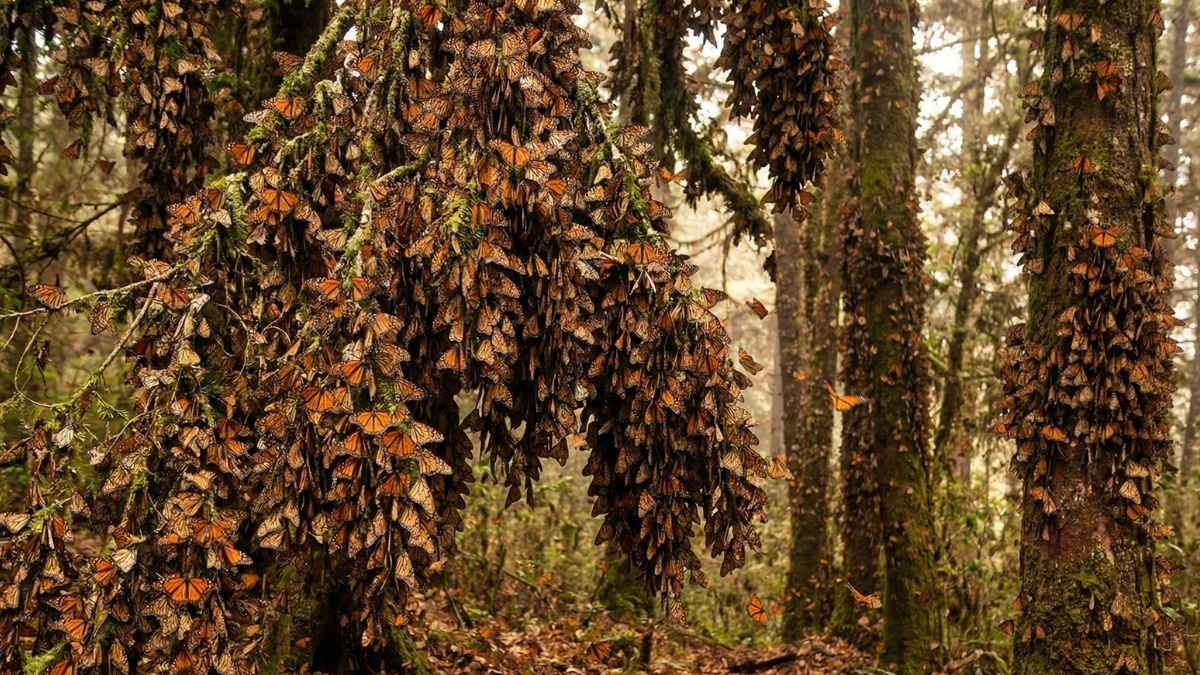
Each winter, millions of monarch butterflies gather in the high-altitude pine forests of central Mexico. By February and early March, they begin stirring more actively as temperatures climb, creating spectacular waves of movement through the trees. Seeing the clusters—thick layers of butterflies covering branches—is one of the world’s most delicate seasonal sights.
When sunlight hits the forest canopy, the monarchs flicker to life and rise in huge groups. The fluttering creates a soft, rhythmic sound that feels almost like a natural hush. It’s not dramatic or loud, but it carries emotional weight because you know these insects have just completed a thousand-mile migration with surprising precision.
The phenomenon is fleeting because the colonies start dispersing quickly as they prepare for the journey north. The window to see dense clusters is short, and by mid-March, the numbers drop significantly. Conservation is a big part of visiting responsibly, but the sanctuaries do an excellent job of balancing visitor access and ecosystem protection.
Useful details:
- Best Months: Late January–early March
- Peak Sanctuaries: El Rosario, Sierra Chincua (Michoacán)
- Best Conditions: Sunny mornings for mass flight
- Altitude: 8,000–10,000 feet—some travelers may feel it while hiking
- Rules: No touching or walking on fallen butterflies; stay on trails
4. Bioluminescent Winter Surf (California Coast)
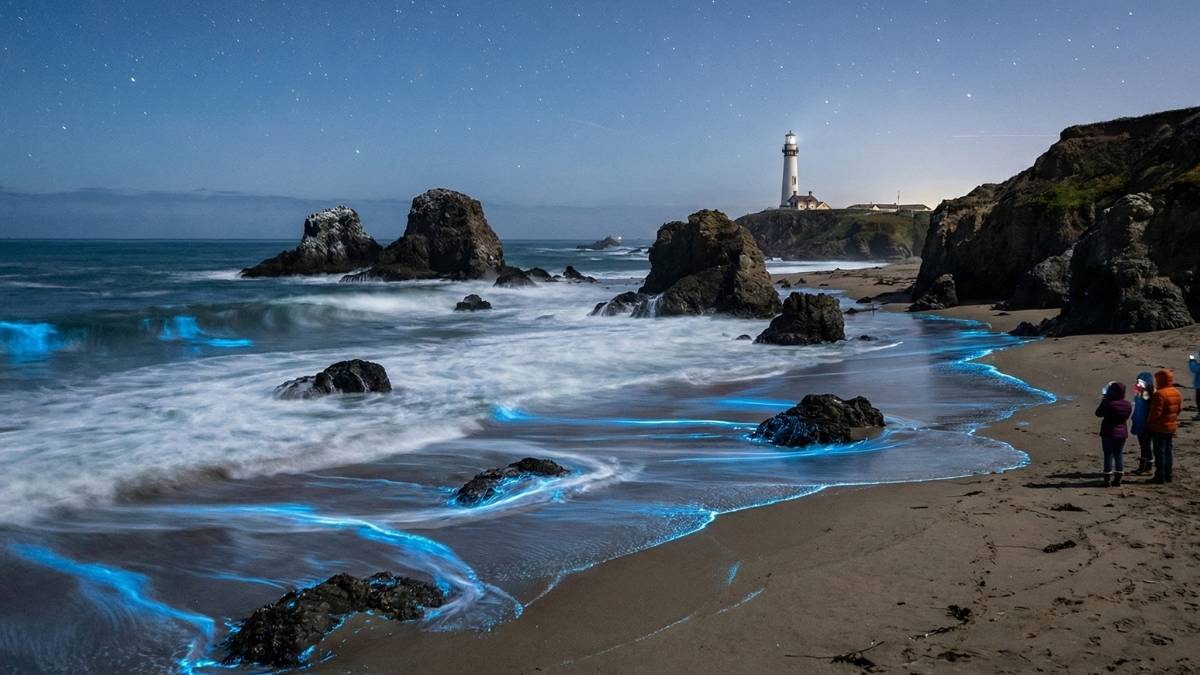
Winter swells along parts of the California coastline often stir up dense concentrations of dinoflagellates—the tiny organisms responsible for glowing blue waves. When conditions align, every crash of surf lights up with streaks of neon-blue trails. The winter version of this event tends to be especially bright when offshore winds and cool nights create stable water layers.
The experience hits differently at night when the beaches are quiet. Footsteps glow, the foam glitters, and the retreating water leaves shimmering streaks behind. It’s unpredictable, but that unpredictability adds a thrill. Locals often keep tabs on sightings through surf cams and nighttime beach reports, so timing helps.
The phenomenon can shift from subtle shimmers to explosive bursts of light depending on how active the microorganisms are. The shorter winter window—before spring currents disperse them—means February and early March are often the sweet spot for catching the most vibrant displays.
Useful details:
- Best Months: February–March
- Top Locations: San Diego County, Orange County, Malibu
- Ideal Conditions: Warm daytime temps, cool nights, low wind
- Best Time: After sunset on high-surf nights
- Pro Tip: Avoid bright moonlit nights for better visibility
5. Frozen Bubble Formations (Alberta, Canada – particularly Abraham Lake)
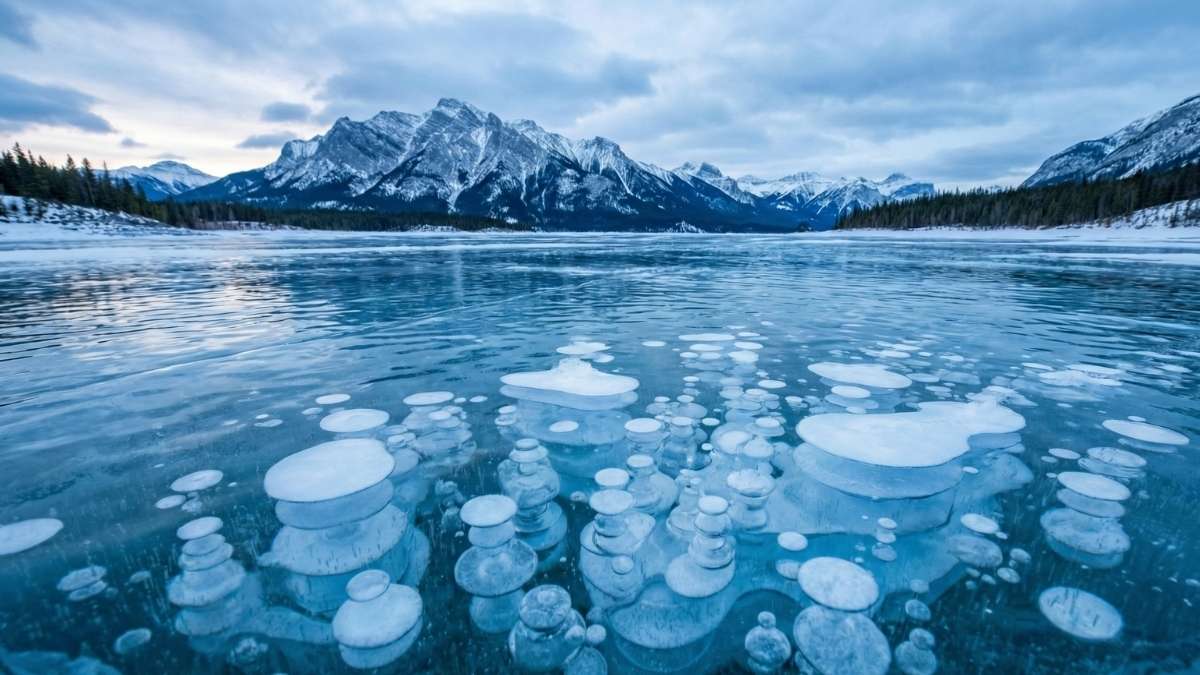
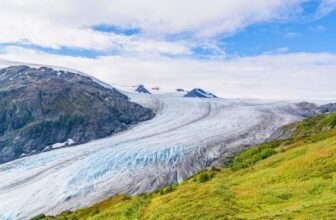
Abraham Lake becomes one of the world’s most surreal winter landscapes as methane bubbles freeze in layers beneath the surface. Each bubble is trapped at a different moment in time, creating distinct stacks that look almost sculpted. February is when the lake is typically at its clearest, and the bubbles appear in sharp detail through the blue ice.
Walking on the lake feels otherworldly. The ice cracks form mesmerizing lines beneath your boots, and each patch looks like a piece of natural stained glass. When the wind sweeps across the frozen surface, it polishes the ice further, revealing even more layers of trapped bubbles.
The window to see these formations shrinks quickly as temperatures fluctuate in March. Thawing edges and melting snow reduce visibility, which makes late winter the final reliable timeframe. Those who visit during sunny stretches get the deepest clarity—the kind where the bubbles look suspended in glowing turquoise.
Useful details:
- Best Months: January–late February
- Peak Spot: Abraham Lake, Alberta
- Ideal Conditions: Clear ice with no recent snow
- Safety: Ice thickness should be at least 8–12 inches for walking
- What Helps: Polarizing filters for photography
6. Desert Wildflower Early Blooms (Southern California & Southwest US)
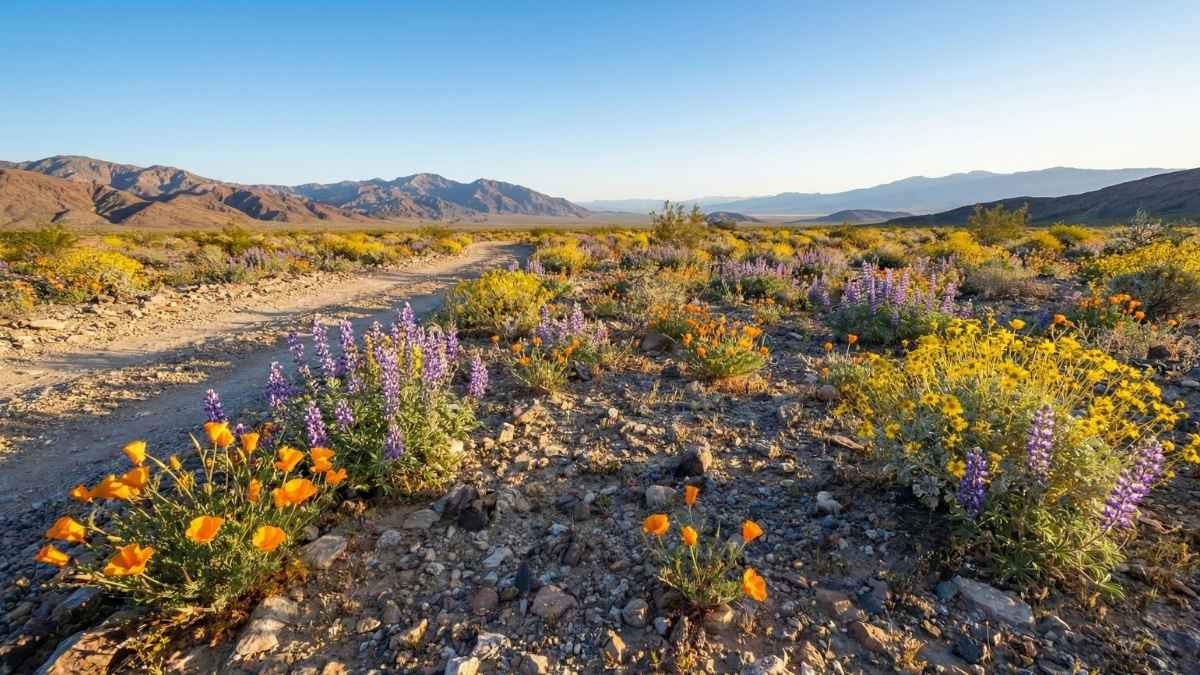
Late winter can flip the desert from muted browns to vibrant carpets of color almost overnight. When rainfall arrives at the right moment, fields of golden brittlebush, purple sand verbena, and bright-orange poppies emerge in waves. The transformation feels almost spontaneous, as if the desert has been holding its breath and finally exhales in color. Even people who don’t consider themselves “flower chasers” end up pulled into the excitement because the displays are unpredictable and unbelievably vivid when they peak.
One of the most striking parts of these early blooms is how quickly they reshape the landscape. A stretch of sand can look empty for miles, yet just a bit of sun and moisture creates a mosaic of petals thriving in places that usually seem inhospitable. The contrast is what stays with you—mountain backdrops, windswept dunes, and then bursts of floral brightness in the foreground. Depending on how the season unfolds, some areas will peak early while others need a few more weeks, which keeps each visit feeling fresh and spontaneous.
The bloom window is never guaranteed, and that’s exactly why February and March draw so much attention. People often swap updates in real time—rangers, photographers, hikers—because when the flowers reach their best moment, it doesn’t last long. A strong wind, sudden heat, or a quick dry spell can turn a full bloom into a fading memory almost overnight. Catching it while the colors stretch wide across the desert feels like being let in on a brief secret that nature doesn’t repeat the same way twice.
Useful details:
- Best Months: Late February–March
- Best Regions: Anza-Borrego Desert State Park, Joshua Tree areas, Mojave Desert edges, parts of Arizona
- Ideal Conditions: Recent rainfall paired with mild temperatures
- Best Viewing Times: Early morning for color clarity and fewer crowds
- What Helps: Updated bloom reports from park rangers and local wildflower trackers
- Things to Avoid: Stepping off trails—fragile flora is easily damaged