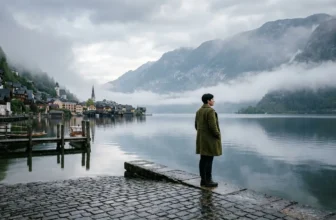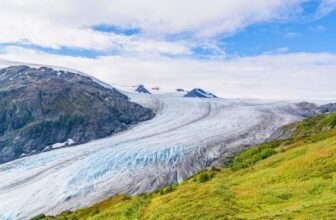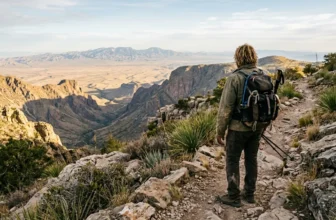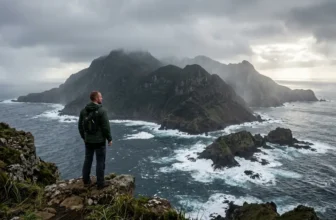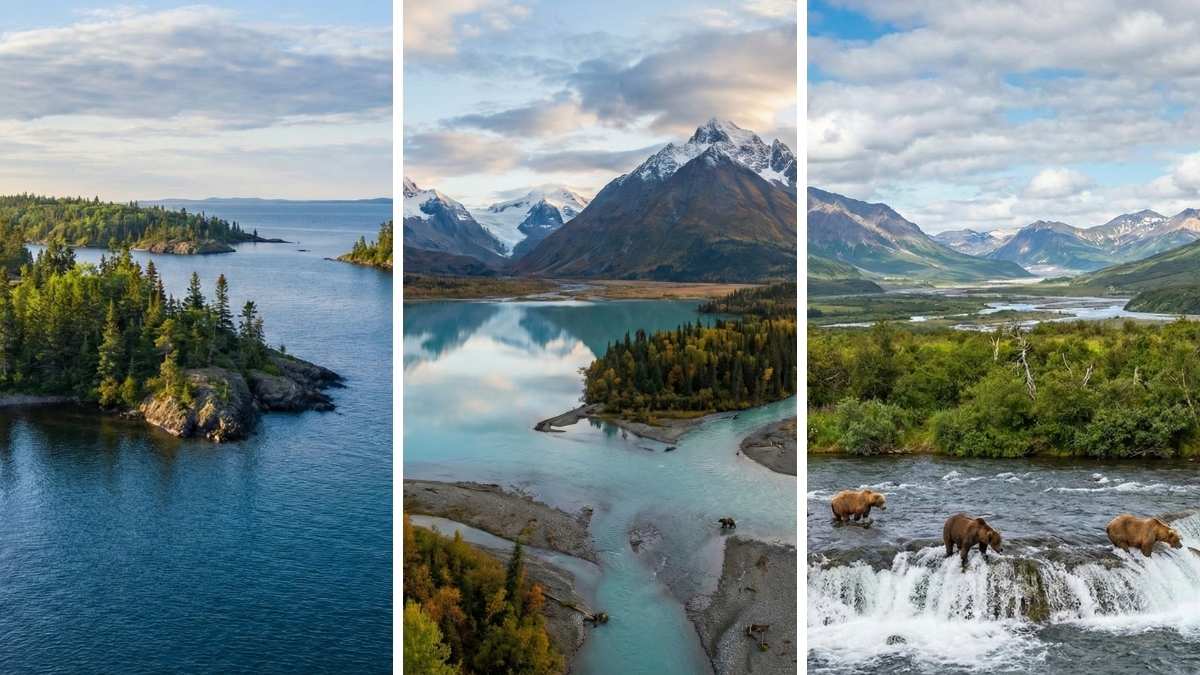
Hiding in the quiet corners of the map are parks so untouched, they feel like secrets waiting for the right traveler to stumble in. I went looking for solitude and ended up finding landscapes that felt far more powerful than the crowded icons everyone talks about.
Every step brought a new kind of stillness—wild, unpolished, and deeply refreshing. What surprised me most wasn’t the emptiness, but how these overlooked places stirred something bigger: a sense that adventure doesn’t need a spotlight to be extraordinary. If you’re curious where the real magic has been hiding, you’ll want to see every stop on this list.
1. Gates of the Arctic National Park
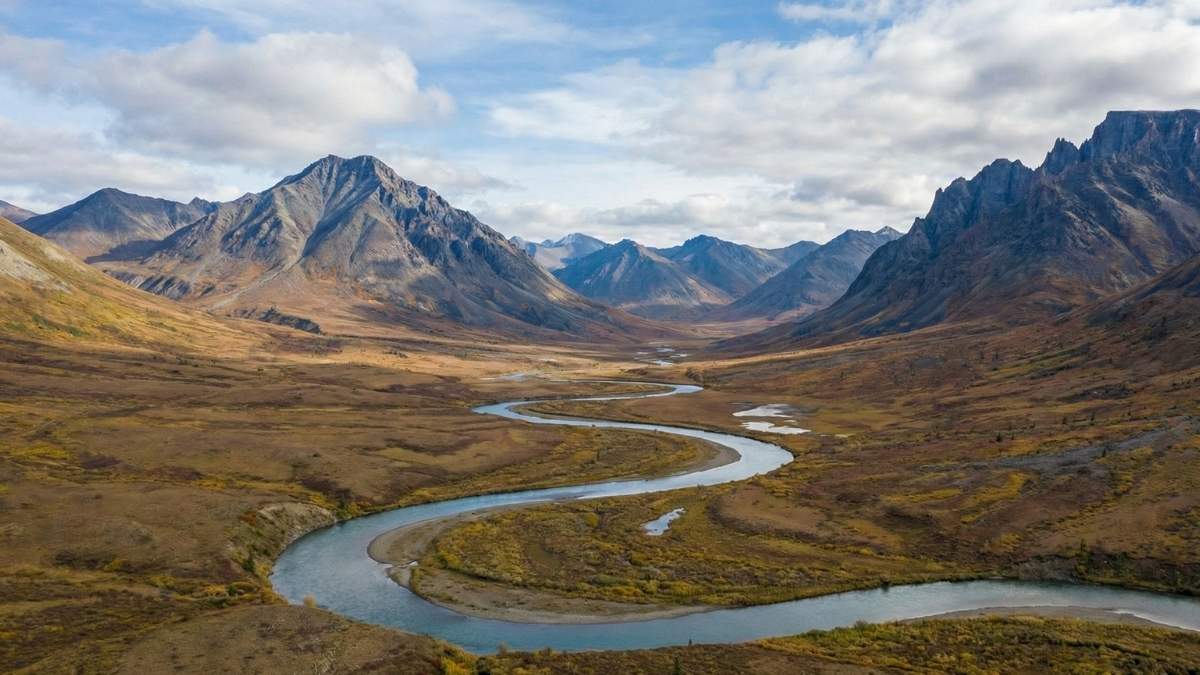
Gates of the Arctic feels like stepping into a version of the country that predates maps, crowds, and schedules. The scale alone is staggering—endless tundra plains, sharp granite spires, and river valleys that seem carved for the sole purpose of making you pause mid-stride. What stands out most is how the park doesn’t ease you in; it throws you straight into the authenticity of the Alaskan wilderness. No roads, no trails, no visitor centers—just raw, untouched land.
There’s a different kind of quiet here, one that doesn’t feel empty. Caribou herds drift across the ridgelines, the light shifts dramatically through the day, and the Brooks Range constantly reshapes the skyline. The absence of infrastructure turns even the simplest moment—crossing a creek, spotting a ridge—into something that feels earned. Every step reminds you that you’re a guest, not a conqueror.
What makes it feel like the “best” least-visited park is the sense of clarity it gives you. Spending time in a place that has been left alone for millennia offers a rare reset. You come face-to-face with the scale of the natural world and realize how little it needs from us. That’s the magic here: not escapism, but recalibration.
Useful Info
- Best Months: June–August
- Closest Access Points: Bettles, Coldfoot, Anaktuvuk Pass
- Ideal For: Backcountry experts, wilderness purists
- Key Activities: Packrafting, off-trail backpacking, wildlife viewing
- Warning: Completely undeveloped—requires self-sufficiency and preparation
2. Kobuk Valley National Park
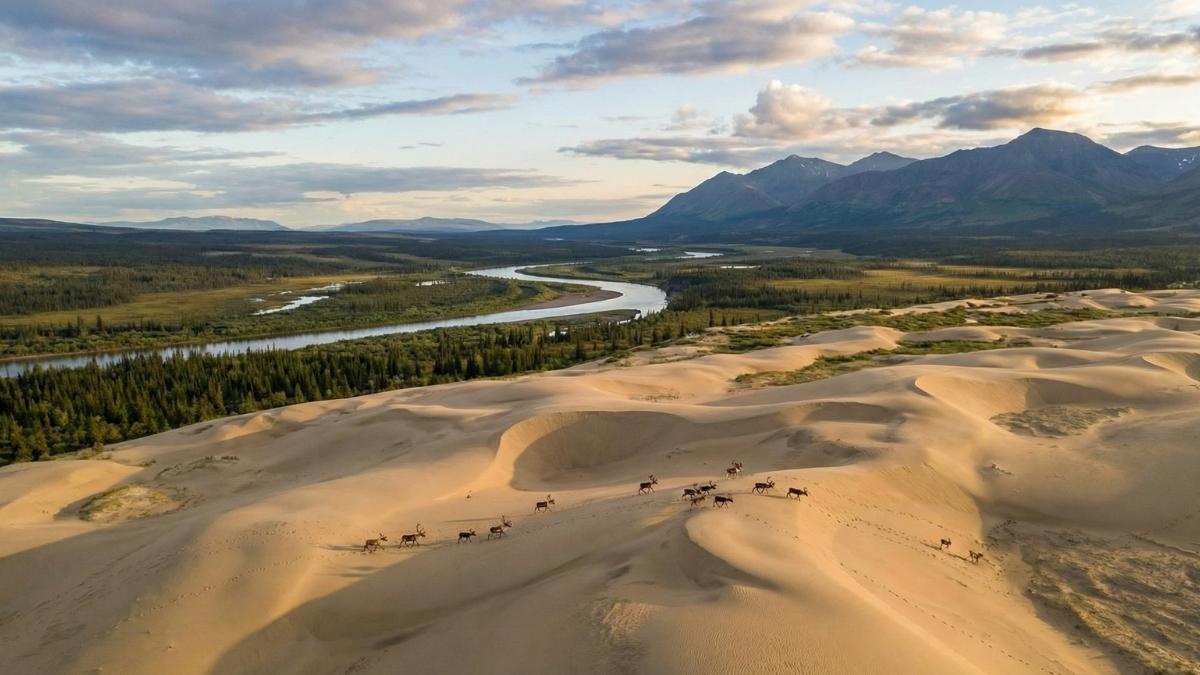
Kobuk Valley is one of those places that surprises people long before they arrive. The idea of massive dunes in the Arctic feels almost contradictory, yet the Great Kobuk Sand Dunes are exactly that—waves of gold sculpted by wind and time, wrapped in boreal forest and tundra. There’s a surreal beauty to walking across warm sand while surrounded by snow-streaked mountains.
The park’s remoteness means you often feel like you’re witnessing things rarely seen. Caribou migration paths run straight through the valley, turning the landscape into a moving tapestry when the herds pass. The dunes shift color throughout the day, and the Kobuk River winds through the middle like a dark ribbon. It’s the kind of terrain that keeps changing mood with the weather.
What sets Kobuk apart is the blend of natural wonder and cultural depth. The Inupiat people have lived here for thousands of years, and their connection to the land is still deeply visible. Standing at Onion Portage, you get a sense of the stories layered into the riverbanks. Few parks offer such a rich balance of ecology, geology, and living heritage.
Useful Info
- Best Months: July–September
- Closest Access Point: Kotzebue (via bush plane)
- Ideal For: Wilderness travelers seeking unique landscapes
- Key Activities: Dune hiking, wildlife viewing, river trips
- Warning: Zero roads, no designated trails, weather can shift rapidly
3. Lake Clark National Park
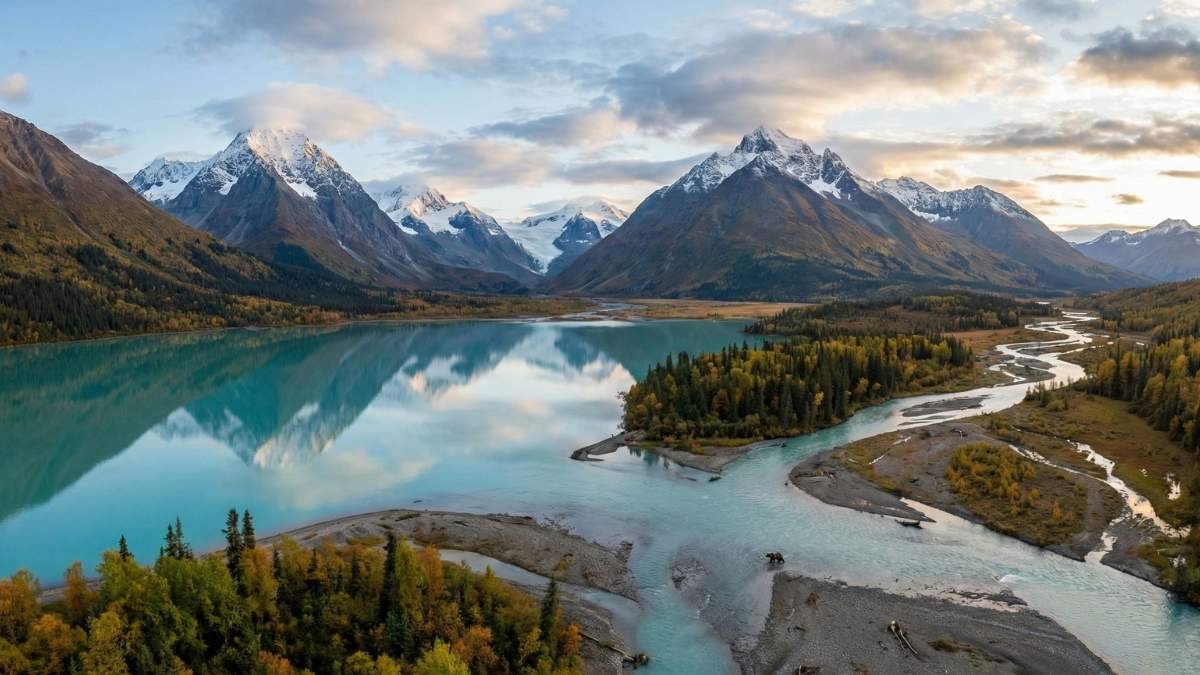
Lake Clark has that rare combination of dramatic scenery and total quietude. Turquoise lakes meet dormant volcanoes, salmon-filled rivers wind through valleys, and the Chigmit Mountains rise like sharp blue teeth. The variety of landscapes packed into one park feels almost unfair compared to more famous national parks. It’s an all-in-one wilderness without the crowds.
One of the park’s most striking features is how alive it feels. Brown bears roam the shorelines, bald eagles soar overhead, and the rivers pulse with energy during salmon runs. Even short walks offer a sense of motion and activity, yet nothing feels rushed or crowded. It’s the kind of place where sitting on a lakeshore can be as rewarding as any rugged trek.
The sense of remoteness adds an extra layer of meaning. Reaching Lake Clark requires a small plane or boat, so every visitor arrives with a sense of intention. That atmosphere shapes your experience: you don’t just pass through Lake Clark—you participate in it. Whether you’re hiking, kayaking, or quietly observing wildlife, the park rewards presence more than pace.
Useful Info
- Best Months: June–September
- Closest Access Points: Port Alsworth, Homer, Anchorage (via air taxi)
- Ideal For: Scenic adventurers, photographers, wildlife watchers
- Key Activities: Bear viewing, kayaking, fishing, mountain hikes
- Warning: Weather-dependent flights; services are limited but more accessible than other Arctic parks
4. Isle Royale National Park
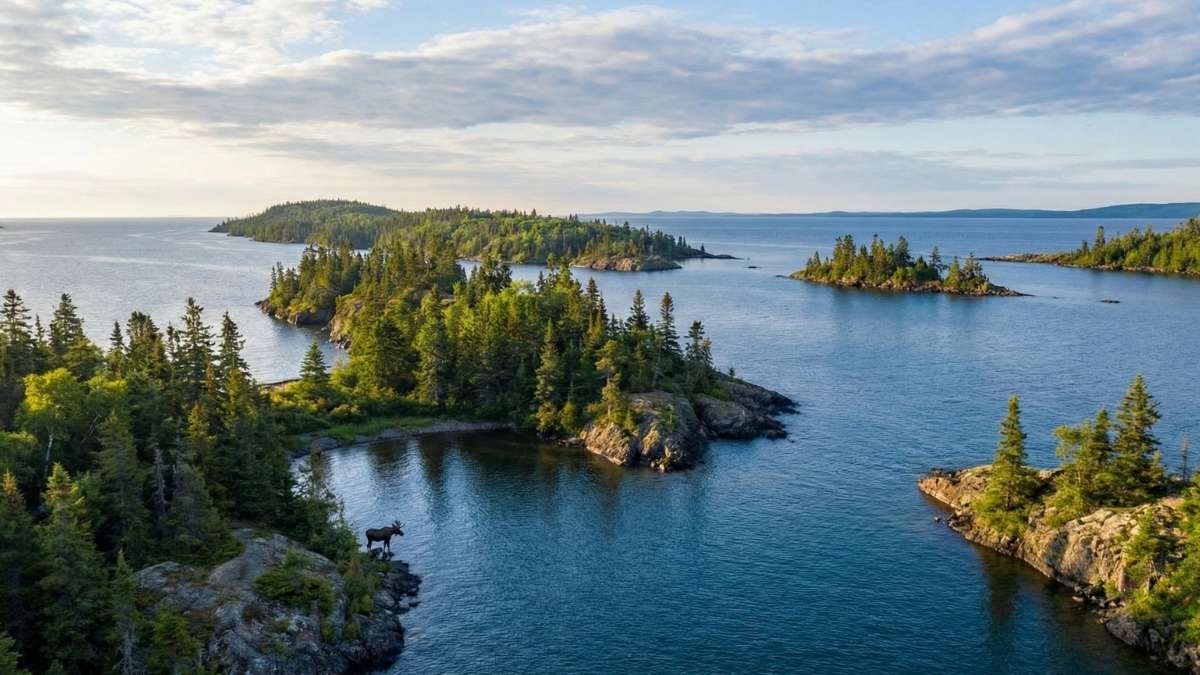
Isle Royale delivers a type of solitude you rarely find in the Lower 48. Surrounded by Lake Superior, the island feels self-contained—almost like its own little ecosystem drifting through time. The combination of dense forests, rocky shorelines, and cold, clear water gives the whole place a refreshing, unplugged feel.
Moose and wolves define the character of the island, even when you don’t see them. Their long-standing predator-prey dance shapes the forests, wetlands, and trails. Whether you’re trekking ridgelines or wandering along the shoreline, you constantly notice signs of life that remind you how ecosystems quietly balance themselves when left alone.
The real charm lies in the rhythm of moving around the island. You hike, paddle, ferry-hop, or camp your way through a landscape that gently forces you to slow down. Isle Royale doesn’t reward speed; it rewards staying, observing, and letting the place settle in a bit. That slower pace becomes the park’s biggest gift.
Useful Info
- Best Months: July–September
- Closest Access Points: Houghton (MI), Copper Harbor (MI), Grand Portage (MN)
- Ideal For: Backpackers, kayakers, wildlife enthusiasts
- Key Activities: Multi-day hikes, shoreline paddling, wildlife tracking
- Warning: Closed in winter; ferry schedules are limited
5. North Cascades National Park
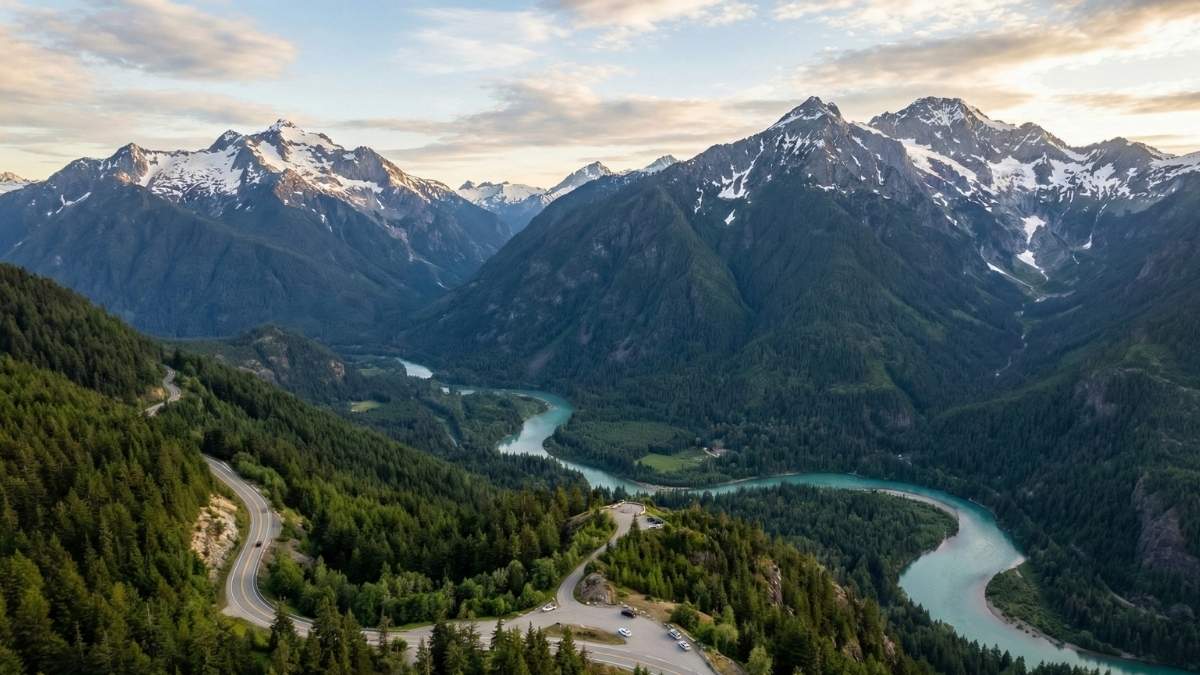
North Cascades feels like a secret that keeps getting better the deeper you go. The mountains rise steeply, glaciers carve dramatic valleys, and lakes shine in shades of turquoise that look almost unreal. It’s one of the most rugged parts of the Lower 48, yet it still feels approachable enough for beginners and rewarding for experts. The sheer concentration of peaks and glaciers is unmatched.
Every trail seems to offer a different kind of payoff: a sweeping vista, a reflective lake, or a sudden meadow that feels dropped into place. The wildlife is just as varied, from mountain goats perched on cliffs to black bears foraging in berry-filled valleys. Even on busier weekends, you can wander just a little farther and find yourself in true quiet.
What elevates the North Cascades is how quickly it transports you. One moment you’re on a roadside pullout; the next, you’re deep in alpine wilderness. There’s a sense of accessibility without sacrificing grandeur. The park feels generous—big views, big terrain, and big rewards for anyone willing to step onto a trail.
Useful Info
- Best Months: July–October
- Closest Access Points: Marblemount, Diablo Lake area
- Ideal For: Hikers, photographers, alpine explorers
- Key Activities: Day hikes, multi-day treks, lake exploration
- Warning: Snow lingers late; many areas are inaccessible in early summer
6. Katmai National Park
Katmai is the kind of place where the landscape feels alive in a way that’s hard to forget. The Valley of Ten Thousand Smokes stretches out in pale volcanic ash, giving the terrain a muted, almost lunar glow. Turn a corner, though, and suddenly you’re in one of the most wildlife-rich pockets of Alaska. That contrast—quiet, ash-covered expanses paired with vibrant river corridors—gives the park a rhythm all its own.
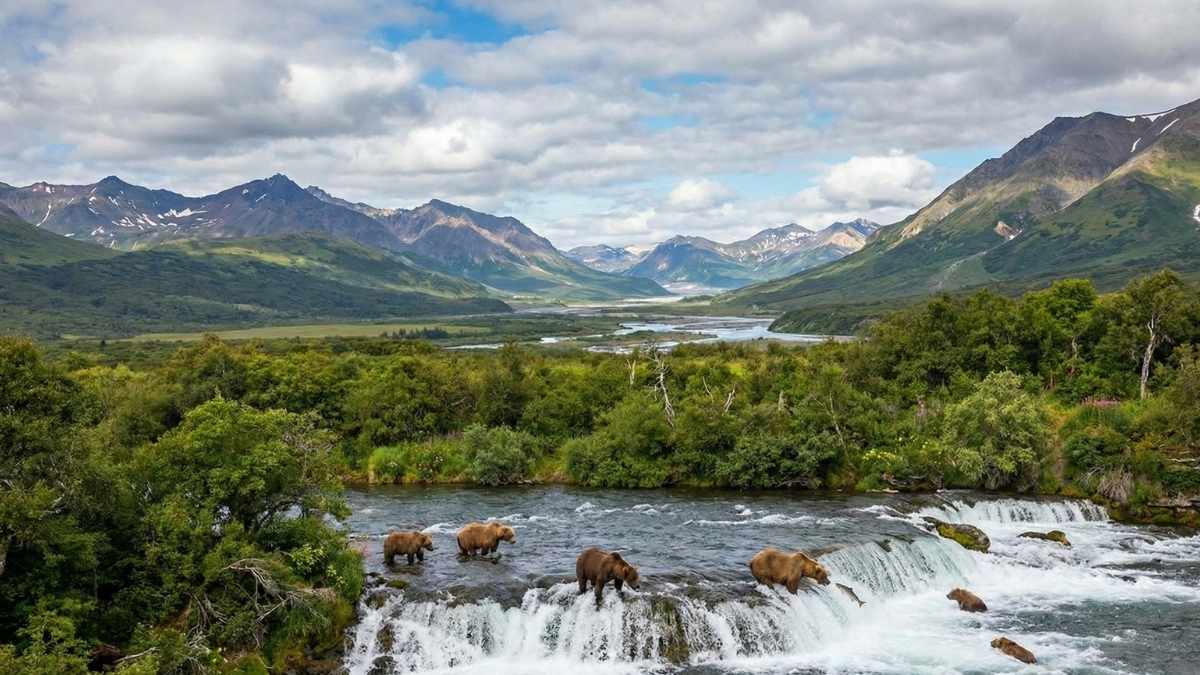
What most visitors come for is the brown bears, and Katmai delivers that front and center. Brooks Falls is famous for the world’s most powerful fishing lessons, where bears stand like seasoned experts as salmon repeatedly defy gravity. Watching them work the river feels less like an encounter and more like witnessing a system perfectly at home with itself. Something is grounding about that.
But the park’s deeper pull comes from the sense of scale and raw history under your feet. Volcanic eruptions reshaped the landscape not long ago, and the evidence is everywhere—hardened flows, ash-covered valleys, and abrupt color changes where vegetation has started reclaiming the ground. Katmai tells a story of destruction, recovery, and coexistence without saying a word.
Useful Info
- Best Months: July–September
- Closest Access Points: King Salmon (floatplane or boat to Brooks Camp)
- Ideal For: Wildlife viewers, photographers, geology enthusiasts
- Key Activities: Bear viewing, hiking, volcanic landscape tours
- Warning: Weather can cancel flights; limited infrastructure outside Brooks Camp
7. Great Basin National Park
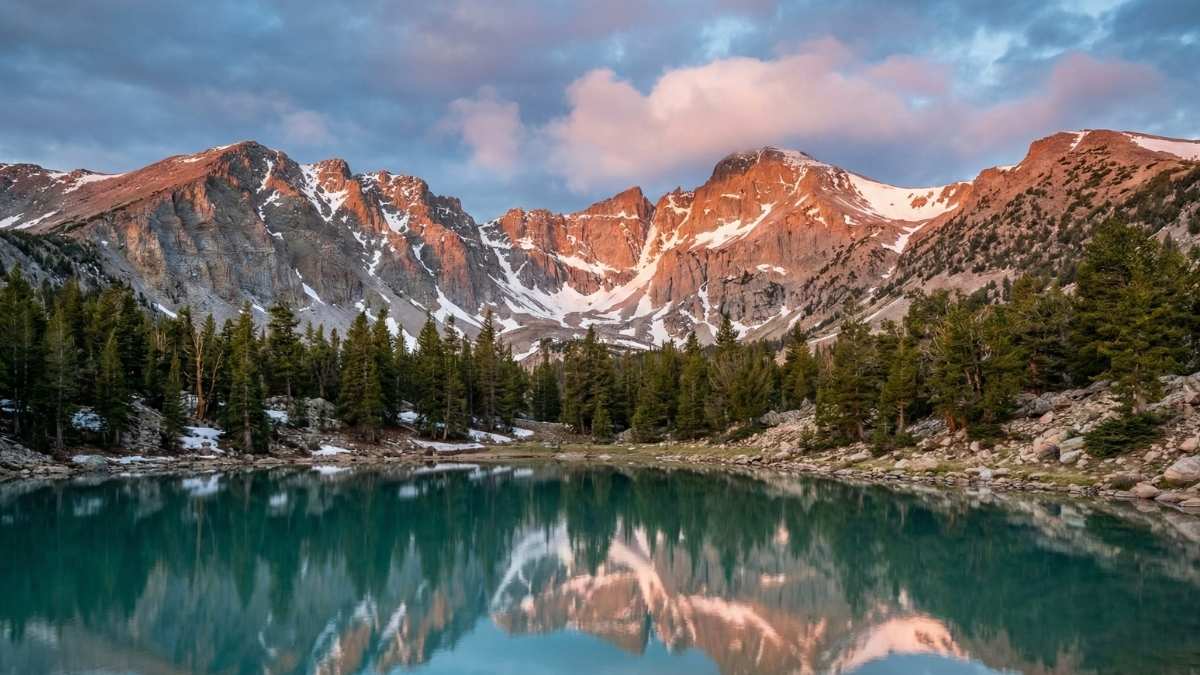
Great Basin is often overlooked, but it quietly delivers one of the most diverse experiences in the West. You can start your day among ancient bristlecone pines—some of the oldest living organisms on Earth—and end it beneath some of the darkest night skies in the country. The park blends high desert calm with alpine drama, and the transition between the two feels almost cinematic.
The crown of the park is Wheeler Peak, rising above sagebrush plains like a beacon. Trails in this area lead to glacier-carved lakes, limestone ridges, and groves of twisted pines that have survived thousands of storms. Even short walks reward you with views that feel surprisingly expansive for a park that rarely appears on traveler bucket lists.
Then there’s the underground world of Lehman Caves—rooms filled with shields, draperies, and formations that look sculpted rather than grown. Exploring those chambers adds a layer of depth to the park experience, literally and figuratively. Above ground or below, Great Basin keeps offering quiet thrills that accumulate into something memorable.
Useful Info
- Best Months: June–September
- Closest Access Point: Baker, Nevada
- Ideal For: Stargazers, hikers, geology lovers, solitude seekers
- Key Activities: Cave tours, summit hikes, scenic drives
- Warning: High-elevation weather swings; cave tours require advance reservations