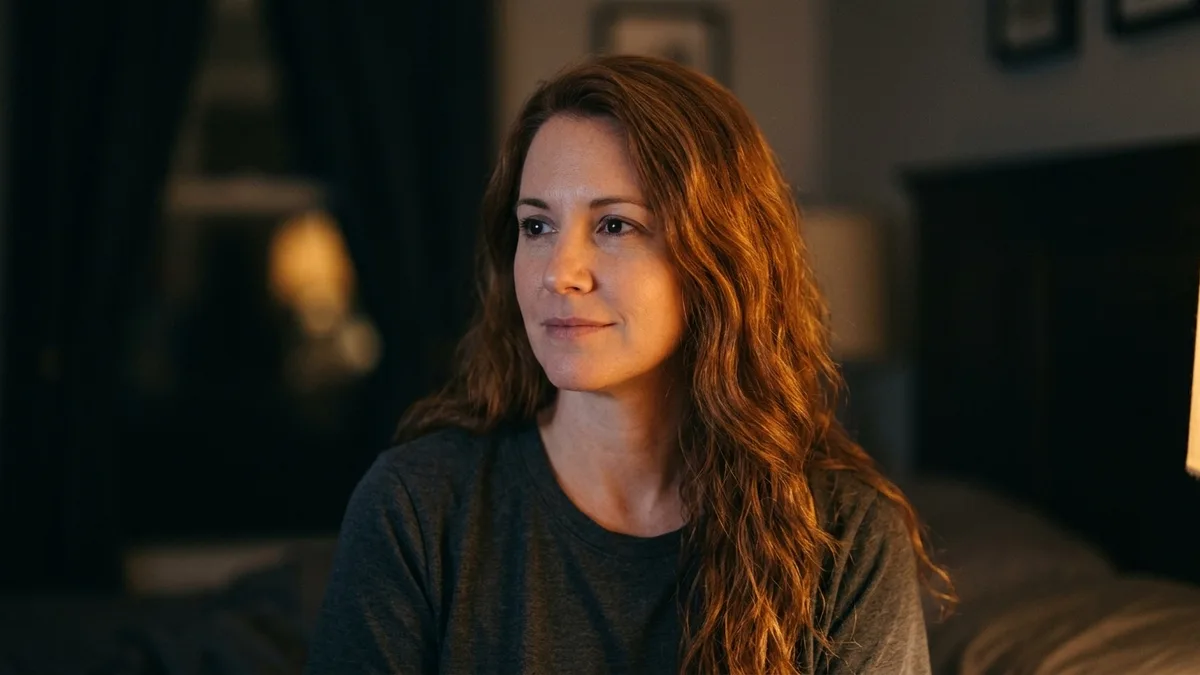
Ancient people slept in two distinct shifts, separated by an hour or two of quiet wakefulness in the middle of the night.
They did not fight it.
Before the industrial revolution, stretching out for a solid eight hours was almost unheard of. You went to bed shortly after dusk, woke up around midnight to read, talk, or add wood to the fire, and then went back to sleep until dawn.
The modern expectation of an unbroken night is a very recent invention, and it is quietly ruining how you view rest.
Your biology still remembers the old way.
Historical Sleep Phases
Why Did We Ever Sleep In Two Shifts?
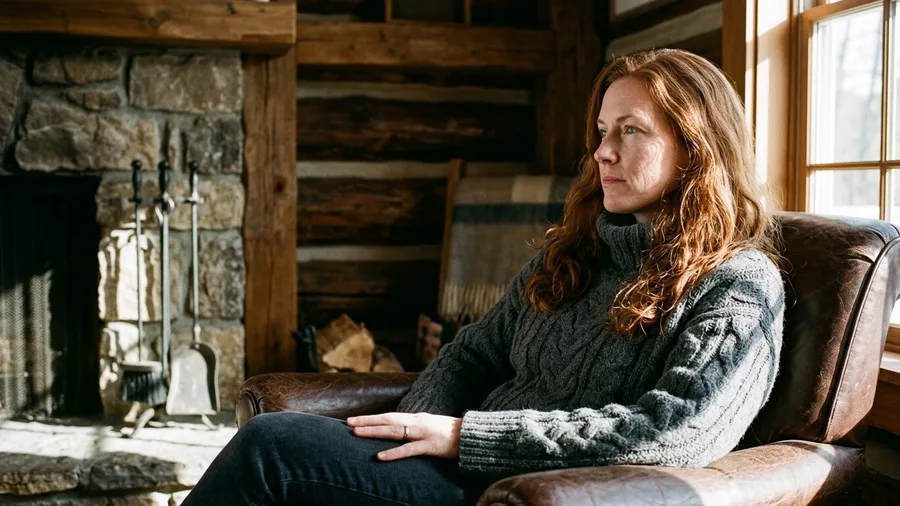
Why would anyone willingly wake up at two in the morning just to sit in the cold before finally going back to sleep? You might naturally assume our ancestors slept in divided shifts because their rudimentary beds were simply too uncomfortable to endure in one continuous, uninterrupted block of time.
The historical reality actually comes down to the sheer volume of darkness. When the sun sets at five in the afternoon during midwinter, you face a solid fourteen hours without any natural light.
Humans physically cannot sleep for fourteen hours straight unless they are actively recovering from a severe illness or extreme physical exhaustion. Your brain eventually hits a natural ceiling for continuous rest, forcing the body to split the night into manageable sections with a built-in intermission.
Researchers studying remote cultures without artificial light consistently see this exact biphasic pattern emerge within weeks. It is simply the biological default for mammals managing long winter nights without freezing or starving.
The Natural Default
What Exactly Did People Do During The Midnight Watch?
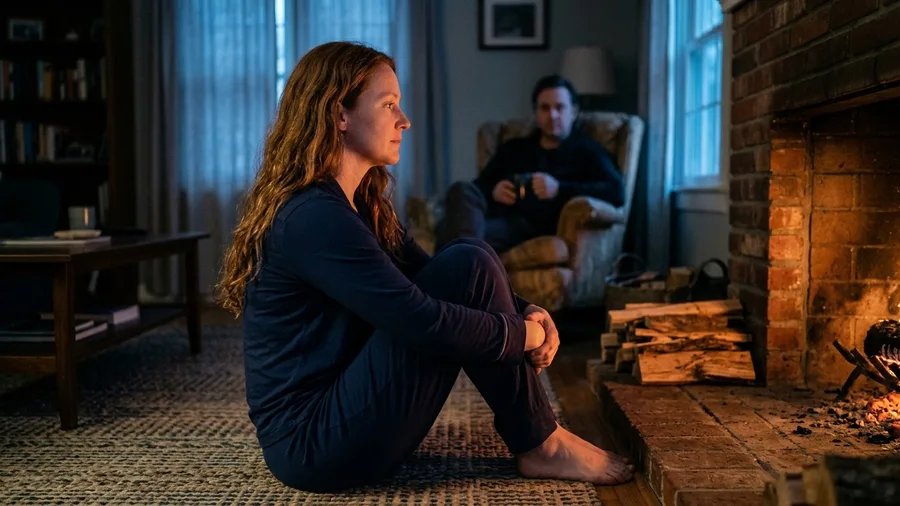
You open your eyes, stare at the ceiling, and see three in the morning. Instantly, you start calculating exactly how many hours of rest you can salvage before the alarm.
Today, you read this sudden waking as a biological failure that ruins the night. A medieval farmer just treated it as a normal part of the day. Instead of panicking, they used this quiet hour to tend the fire, check livestock, pray, or talk softly with their spouses.
Historical diaries describe this dark window as the most peaceful fraction of the day. Nobody expected anything of them, the crushing labor was paused, and they owned the time entirely.
The Medieval Night — At a Glance
🛌 First Sleep
9:00 PM to 1:00 AM
🕰️ The Watch
1:00 AM to 2:30 AM
💤 Second Sleep
2:30 AM to Dawn
🕯️ Lighting
Hearth fire or rushlight
The Takeaway
Wakefulness was expected and utilized, never feared.
When Did The Eight-Hour Block Become The Standard?
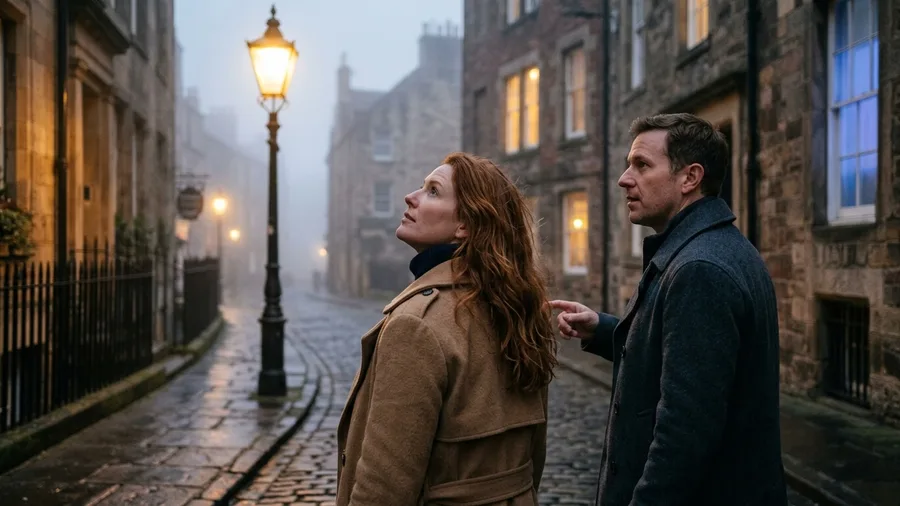
For a long time, I treated the continuous eight-hour sleep block as a rigid biological law that I was somehow failing every time my eyes opened at three in the morning.
I thought my nocturnal waking was a modern disorder, but the unbroken night is actually a recent economic invention. The industrial revolution killed the two-shift sleep. Factory owners required a synchronized workforce ready to endure grueling twelve-hour days, and a lingering fourteen-hour winter rest cycle was completely incompatible with running continuous steam engines.
Cheap indoor illumination finished the job. With the introduction of gas streetlights, humans could suddenly socialize or work well into the late evening.
We compressed our rest into a single frantic window just to survive the schedule of the modern city, turning the old split night into a stigmatized marker of rural poverty. The rigid eight-hour rule only matters if you are still living on factory time, so if your lifestyle actually allows for a split rest, stop forcing the block.
🏭 Evolution of the Unbroken Night
Pre-1600s
Diaries regularly reference first sleep and morning sleep as daily facts.
1667
Paris becomes the first city to install widespread street lighting.
1850s
Factory schedules standardize the working day, compressing available rest time.
1920s
The term insomnia spikes as people pathologize the midnight waking.
Is Biphasic Sleep Actually Better For Human Biology?

Three in the morning, and your eyes snap open. Under the modern expectation of a single unbroken block, this is an immediate crisis. You do the frantic mental math of how much rest you can still salvage before the alarm rings, spiking your cortisol exactly when you need it least.
There is no biological mandate for eight continuous hours.
Provided total sleep time is sufficient, the brain easily divides your necessary REM and slow-wave restoration into batches. During a natural biphasic schedule, a drop in prolactin between phases creates a genuine physiological calm. The single unbroken block is highly efficient for capitalism, but it severely pressures your nervous system.
💡 PRO TIP
The Prolactin Pause
That midnight waking period naturally features a hormone profile identical to deep meditation. If you stay off your phone, your body treats the wakefulness as high-quality rest.
Why Does Waking Up At 3 AM Feel So Terrible Now?
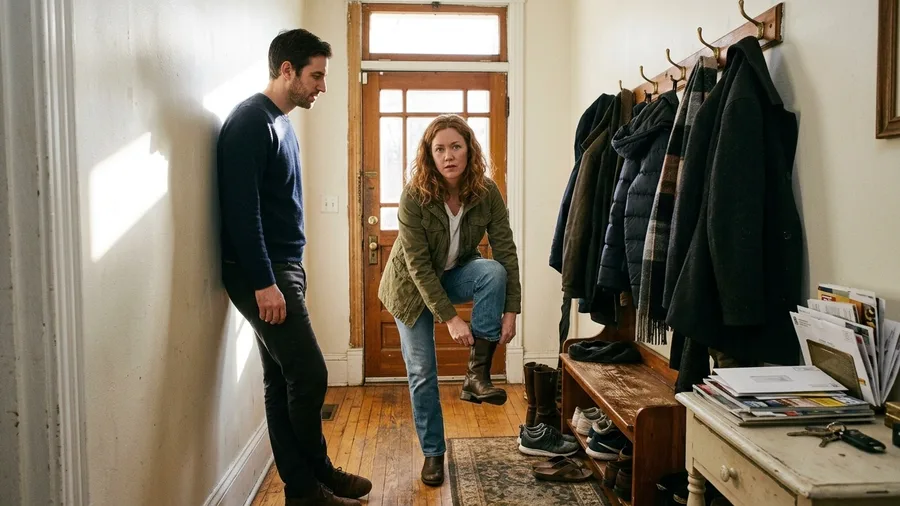
You are constantly told that a sudden middle-of-the-night waking means your sleep routine is severely broken. Popular advice frames this as an emergency requiring heavier blackout curtains, a freezing room, or a stronger magnesium supplement. But the problem is not your immediate environment, and it is definitely not your underlying biology.
The real threat is the story you tell yourself about waking.
You only hate waking up in the pitch dark because you have been strongly conditioned to view it as a catastrophic medical failure. The exact moment your eyes snap open, the frantic mental math begins. You immediately calculate exactly how exhausted you will be at the office if you do not somehow fall asleep within ten minutes.
That panicked arithmetic creates an immediate, severe physical response, dumping fresh adrenaline directly into your bloodstream. Your heart rate climbs, your temperature rises, and your brain entirely abandons its parasympathetic rest state.
An ancient farmer woke up, threw an extra log on the dying fire, and felt perfectly fine because he inherently knew he still had four hours of quiet darkness ahead. He never viewed the midnight waking as a personal failure, so his nervous system never sounded a frantic alarm about surviving the challenges of tomorrow.
The next time you wake up, completely refuse to do the anxious math. Remind yourself this is an old human rhythm, leave the bed, and sit in a dim room without setting a deadline.
Should You Try Going Back To Segmented Sleep?
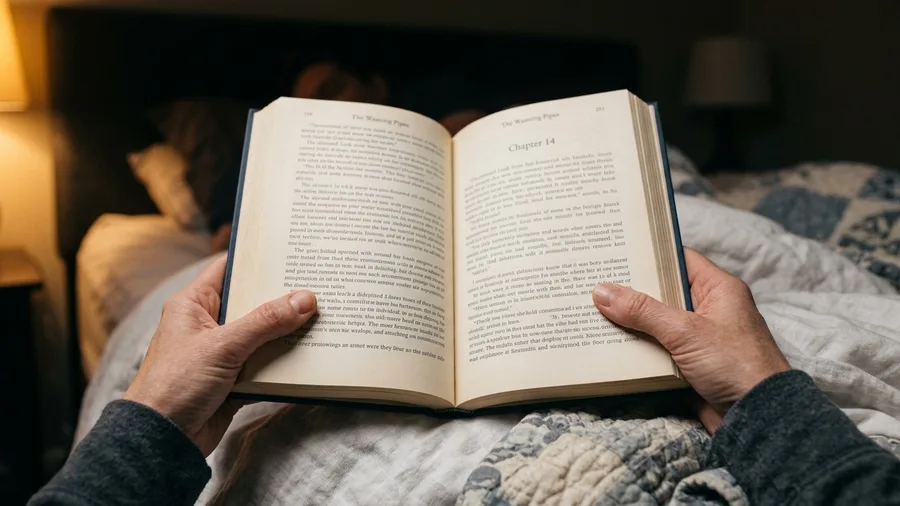
“I keep waking up at three in the morning, maybe I should just adopt a medieval sleep schedule and get my reading done.” Before you commit to the lifestyle, answer one question honestly: do you work from home with completely asynchronous hours where nobody expects to see you?
If the answer is no, forcing yourself into a historical sleep pattern is a fast track to profound social isolation. You cannot sleep until nine to finish your second phase.
Going to bed at dusk means missing evening dinners, concerts, and the only hours you get to spend with your partner. The true value of understanding the history of biphasic sleep is not to force it on yourself as some sort of modern life hack.
The value is in changing how you react when it happens to you naturally. Knowing that your biology is simply reverting to factory settings removes the shame and panic from a restless night.
Modern Block vs Segmented Rest
The 8-Hour Block
- Fits standard work schedules
- Allows for evening socializing
- Requires dark, quiet room continuously
- High anxiety if interrupted
Biphasic Sleep
- Natural biological default
- Built-in time for quiet reflection
- Zero anxiety about waking up
- Requires very early bedtimes
How Do You Handle A Middle-Of-The-Night Waking?
Stop fighting the wakefulness the exact second your eyes snap open at three in the morning and your frustrated mind immediately starts cataloging every single demanding task left on tomorrow’s schedule.
If you lie there for twenty minutes and sleep is plainly not returning, you have to get out of bed immediately. The mattress needs to remain a highly reliable physical cue for unconsciousness, not a torturous holding pen where you lie awake in the dark and furiously practice stressing about your flooded inbox.
Lying perfectly still to manufacture exhaustion never actually works.
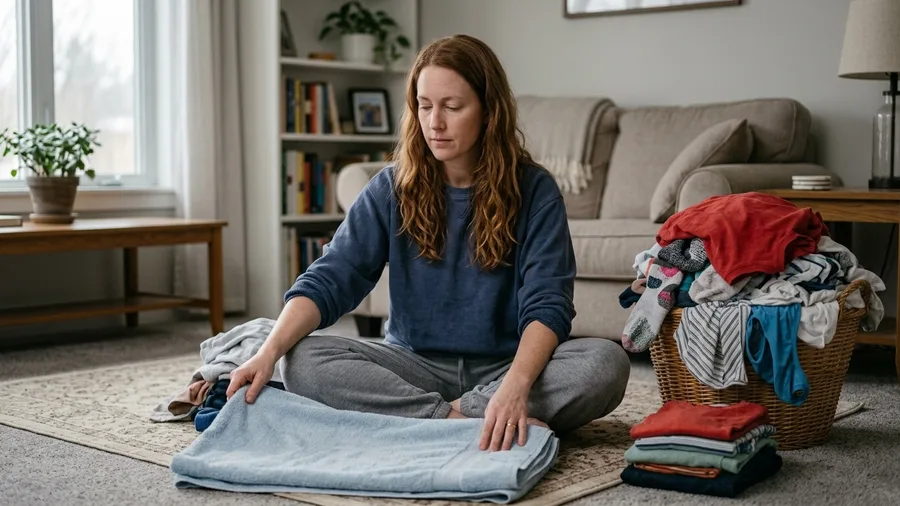
Move to a completely different room, keep the lighting as dim as safely possible, and deliberately find something incredibly boring to occupy your hands for a while. Read a dense historical biography under a low amber lamp, or quietly sit on the living room floor and slowly fold the massive pile of clean laundry you abandoned that afternoon.
If your partner stirs, do not start a conversation. Use this script: “I am taking a quiet break. Everything is fine. Go back to sleep, and I will return when I am tired.”
Avoid picking up your phone, tablet, or anything else with a glaring backlit screen while you wait it out, and absolutely never check the bedside clock to calculate your lost hours. You return to the bedroom only when your eyelids feel heavy enough that keeping them open requires a genuine act of intense physical effort.
⚠️ COMMON MISTAKE
The Productivity Trap
Do not use this hour to answer emails or pay bills. The goal is low-stakes, analog activity that signals safety to your nervous system, not daytime productivity.
Are You Already Doing This Without Knowing It?

The heaviest tax you pay for a broken night is the dread you build around it. Spending months lying in the dark, catastrophizing about tomorrow’s fatigue, costs your body far more energy than the waking itself. You are treating a perfectly natural biological pause as a crisis.
Yet you already know how to navigate this rhythm effortlessly. Picture a standard Saturday morning. You wake up early, use the bathroom, feed the cat, and then happily climb right back under the covers.
That extra ninety minutes in bed is a fragmented version of the ancient second sleep, preserved in the modern world entirely by accident. Your body drops immediately into a dense, luxurious phase of REM.
It feels incredible for a reason. That weekend habit proves your nervous system still knows exactly how to handle a segmented sleep schedule. You do not need to plunge your house into darkness at five in the afternoon to honor this old biology. You just need to stop punishing yourself when your brain decides to take a midnight intermission.
Frequently Asked Questions
Does waking up at 3 AM mean I have insomnia?
Not necessarily. If you wake up, feel calm, and eventually fall back asleep after an hour or so, you are simply experiencing biphasic sleep. It only becomes clinical insomnia if the wakefulness causes significant daytime distress.
Should I look at the clock when I wake up?
Never. Looking at the clock immediately triggers sleep anxiety and mental math about how much rest you are losing, which spikes cortisol and keeps you awake.
Can I use my phone on night mode during the break?
Even with a blue light filter, the psychological engagement of scrolling social media or reading news keeps your brain in an active, daytime state. Stick to physical books or low-stakes analog tasks.
How long should I stay in bed before getting up?
The general clinical guideline is twenty minutes. If you feel restless or frustrated after that point, leave the bedroom so you do not associate your mattress with stress.
Did ancient people have better sleep quality than we do?
They had different challenges. While they lacked modern sleep anxiety, they dealt with extreme cold, physical discomfort, and the constant need to keep hearth fires burning.
Easing The Pressure For One Unbroken Block
You do not need to overhaul your entire evening routine or throw away your digital alarm clock just yet.
The only thing you need to drop is the crushing expectation that a perfect night of rest must be an unbroken eight-hour void. If you wake up tonight, let the house be quiet, let your mind wander, and remember that you are doing exactly what your ancestors did.
The second sleep will come.
Review Your Nightstand Setup
Check what you can reach from bed right now. Swap the phone charger for a physical book and a low-wattage amber lamp to prepare for your next midnight waking.