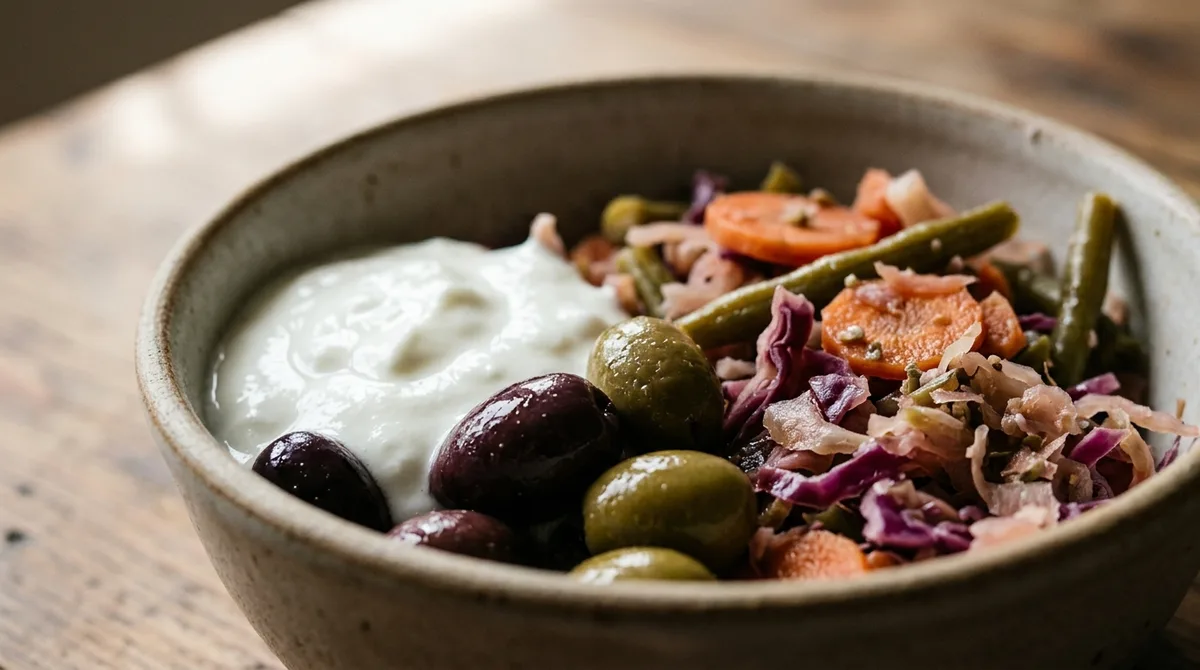
You notice digestion changes somewhere in your late forties, when foods that once caused zero trouble suddenly leave you feeling sluggish and bloated.
Gastroenterologists who spend their days looking at aging digestive tracts do not rely on expensive powders or complicated routines to fix this shift. They stock specific, everyday foods in their refrigerators that target age-related gut changes at a cellular level, keeping transit smooth and the microbiome diverse.
Here are the six foods practitioners keep on hand every single week, along with the exact reasons why they matter more than ever past fifty.
Quick Tips Before You Start
Buy Small Batches
Fermented foods lose microbial density over time, so purchase weekly in smaller quantities.
Keep Temperatures Moderate
Never cook live-culture foods at high heat, which destroys the beneficial bacteria instantly.
Increase Water Slowly
Pair these dietary additions with an extra glass of water daily to prevent initial bloating.
Give It Four Weeks
The microbiome takes about a month to adapt to new fiber sources and beneficial strains.
1. Traditional Whole-Milk Kefir
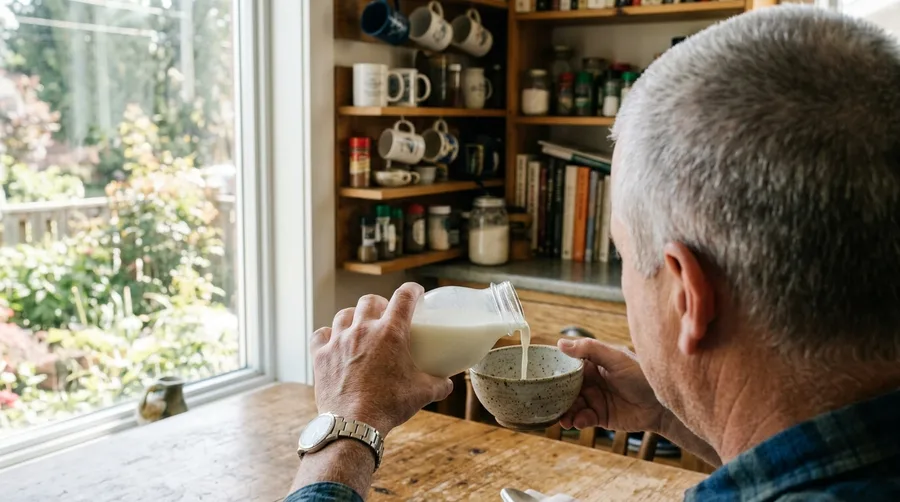
You reach for yogurt when you want probiotics, but your morning routine might be missing a much more potent fermented powerhouse.
Gastroenterologists often prefer kefir over standard yogurt because the fermentation process introduces up to thirty distinct strains of bacteria and yeasts that survive stomach acid far more effectively.
As we age, our stomach acid production naturally declines, which changes how microbes enter the digestive tract and makes diverse probiotic delivery essential.
Pour a half-cup into a glass each morning before breakfast, or use it as a base for morning oats instead of standard milk.
Look for plain varieties with no added sugars, checking the ingredient list to ensure only milk and live cultures are present.
💡 Tip: If plain kefir tastes too tart, blend it with a handful of frozen blackberries to cut the sour edge.
⚠️ COMMON MISTAKE
Avoid Flavored Dairy Traps
Flavored kefirs and yogurts often contain twenty grams of added sugar per serving, which feeds inflammatory gut bacteria and counteracts the benefits of the live cultures.
2. Wild-Caught Sardines in Olive Oil

You might skip canned fish due to memories of strong odors, but practitioners keep these small silver swimmers stocked for their unique combination of gut-lining repair nutrients.
Omega-3 fatty acids EPA and DHA reduce low-grade systemic inflammation that tends to increase in the gut wall after fifty. Chronic inflammation weakens the mucosal barrier, leading to increased intestinal permeability and general digestive discomfort.
Eat one can twice a week by mashing them onto sourdough toast with a squeeze of fresh lemon and cracked black pepper. Choose brands packed in extra virgin olive oil rather than vegetable or soybean oil.
Sardines — At a Glance
⏱️ Frequency
2 servings per week
🐟 Key Nutrient
EPA and DHA omega-3s
🛡️ Gut Benefit
Lowers mucosal inflammation
⚠️ Skip If
Severe seafood allergy or gout
💰 Cost
Moderate ($2-4 per tin)
The Anti-Inflammatory Edge
Omega-3 fatty acids actively soothe the intestinal lining, reducing age-related permeability.
3. Organic Steel-Cut Oats

You grew up hearing that oatmeal is good for your heart.
Its real superpower after fifty lies in how it feeds your large intestine.
Steel-cut oats contain high amounts of beta-glucan, a soluble viscous fiber that forms a gel-like consistency in the digestive tract.
This gel slows down digestion, prevents blood sugar spikes, and acts as a premier prebiotic fuel for beneficial short-chain fatty acid-producing bacteria.
Simmer a half-cup of steel-cut oats for twenty minutes on Sunday and store them in the fridge for quick weekday breakfasts.
Stir in a tablespoon of ground flaxseed for an extra layer of soluble fiber.
💡 Tip: Soak your oats overnight in water with a splash of apple cider vinegar to break down phytic acid and make digestion even smoother.
Best Toppings For Gut Health
4. Authentic Unpasteurized Sauerkraut
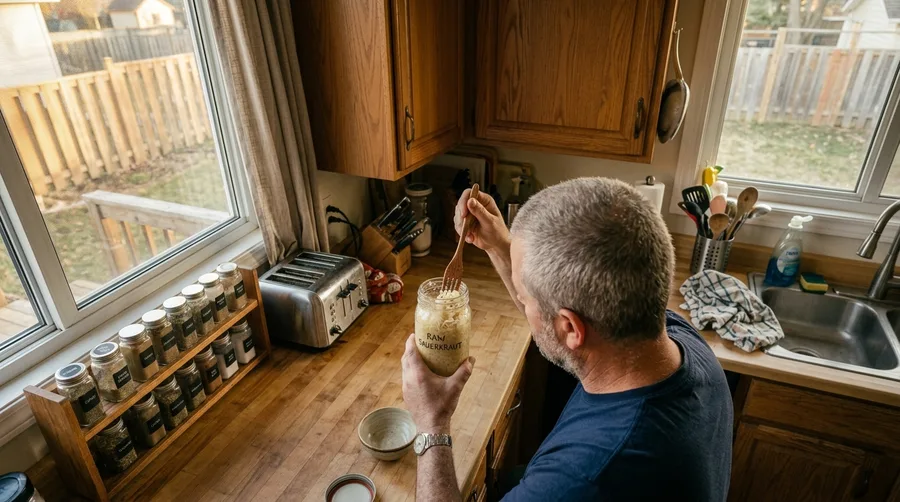
You might mistake supermarket canned sauerkraut for a health food, but heat pasteurization kills every living microbe inside it.
Gastroenterologists keep refrigerated, unpasteurized sauerkraut in their crisper drawers because live lactic acid bacteria repopulate the upper GI tract with resilient organisms.
As digestive enzyme output drops with age, introducing active bacterial cultures helps break down complex meals more efficiently.
Fork two tablespoons of raw sauerkraut onto your lunch salad or alongside dinner proteins every single day.
Always check the ingredients label to ensure it contains only cabbage, salt, and water with no vinegar added.
💡 PRO TIP
Check the Refrigeration Aisle
If the jar is sitting on a regular grocery shelf at room temperature, the bacteria inside are dead. True probiotic sauerkraut lives exclusively in the refrigerated section.
5. Raw Organic Bone Broth

Bone broth is everywhere right now, but gastroenterologists value it specifically for its high concentration of the amino acid L-glutamine.
As cell regeneration naturally slows down in later decades, L-glutamine serves as the primary fuel source for the enterocytes that line your intestinal walls, helping maintain structural integrity when it matters most.
A robust gut barrier prevents undigested food particles and pathogens from triggering low-grade immune reactions that cause afternoon fatigue.
Simmer your own chicken or beef bones for twelve hours with a splash of apple cider vinegar to draw out maximum minerals.
Heat one mug every afternoon as a savory snack instead of reaching for a third cup of coffee.
🍲 How to Brew Gut-Healing Broth at Home
Gather Quality Bones
Collect joint-heavy bones from pasture-raised poultry or grass-fed cattle.
Add Acidic Element
Pour two tablespoons of raw apple cider vinegar over the bones to draw out minerals.
Simmer Slowly
Maintain a gentle low simmer for twelve to twenty-four hours in a heavy pot or slow cooker.
Strain and Store
Strain out solid fragments and store the liquid in glass jars in the refrigerator for up to five days.
6. Fresh Pomegranate Arils

You might view pomegranates as a messy fruit, but researchers study them intensely for how specific gut microbes transform their unique compounds.
When you eat pomegranate arils, gut bacteria convert polyphenols called ellagitannins into a metabolite known as urolithin A, which supports cellular recycling and mitochondrial health in digestive tissue.
This specific microbial pathway tends to decline with age unless actively nourished by polyphenol-rich foods.
Sprinkle a half-cup of fresh arils over your afternoon yogurt, salads, or grain bowls several times a week.
If fresh pomegranates are out of season, unsweetened 100 percent pomegranate juice works just as well in small two-ounce servings.
Pomegranate Intake Strategies
Fresh Arils
- Delivers intact fiber along with polyphenols
- Slows consumption and prevents blood sugar spikes
- Feeds diverse microbial species directly
Bottled Juice
- Removes all beneficial fruit fiber entirely
- Absorbs too rapidly, spiking blood glucose
- Requires strict portion control to two ounces
Frequently Asked Questions
Can I eat all six of these foods every single day?
You do not need to consume all six daily. Rotating through kefir, sauerkraut, sardines, oats, bone broth, and pomegranates across the week gives your microbiome the variety it needs without overwhelming your digestion.
What if fermented foods cause me immediate bloating?
Initial bloating is common when introducing live bacteria to an unaccustomed gut. Start with just one teaspoon of sauerkraut or a single tablespoon of kefir per day, and slowly increase the portion over three weeks.
Do I need to buy expensive organic brands for these items?
Organic options are ideal for bone broth and oats to avoid pesticide residues, but standard unpasteurized sauerkraut and wild-caught canned sardines provide the exact same core nutritional and microbial benefits regardless of price.
How soon will I notice changes in my digestion?
Most people notice improvements in regularity and reduced bloating within three to four weeks of consistent intake. The microbiome adapts relatively quickly when fed diverse prebiotics and live cultures.
Should I take probiotic supplements instead of eating these foods?
Gastroenterologists generally prefer food sources over pills because whole foods deliver prebiotics, active enzymes, and diverse bacterial strains packaged together in ways isolated capsules cannot replicate.
Start With This One
If changing your entire kitchen routine feels overwhelming, pick just one food from this list to introduce tomorrow morning. Swap your usual breakfast drink for half a cup of plain kefir, or add two spoonfuls of refrigerated sauerkraut to your lunch.
Your digestive tract responds quickly to consistent, small shifts in microbial fuel. Commit to that single change for thirty days, notice how your morning comfort improves, and build from there.