
You step onto the scale or catch your reflection in the hall mirror and wonder why joint stiffness and slow recovery times have become your new normal. Antioxidants get talked about as a miracle fix for aging, but standard advice usually points straight to expensive fresh berries shipped across the globe out of season.
After years of comparing nutrition databases and talking to registered dietitians who actually look at grocery budgets, the truth is simple. You do not need to spend twenty dollars a week on tiny clamshells of fruit to protect your cells from oxidative stress as you age.
Quick Tips Before You Start
Buy Frozen
Frozen produce often packs equal or higher antioxidant levels because it is flash-frozen at peak ripeness.
Check Portions
Small daily servings beat one massive weekly portion for keeping steady nutrient levels in your bloodstream.
Shop Bulk Aisles
Dry beans and whole grains cost a fraction of branded health foods while delivering superior cellular protection.
1. Pinto Beans

You walk down the canned goods aisle past rows of expensive imported berries and completely ignore the dusty bags of dried legumes sitting on the bottom shelf.
That is a mistake your grocery budget and your cellular health are both paying for.
Pinto beans deliver a massive antioxidant punch that quietly outpaces blueberries per single-cup serving, thanks to dense concentrations of polyphenol compounds.
As your body ages, cellular repair slows down, and fighting free radicals requires consistent dietary support rather than occasional expensive splurges.
You can stock your pantry with a dozen bags of pinto beans for the price of two small cartons of fresh berries, making daily cellular protection genuinely sustainable over the long haul.
Simmer a pot with garlic, cumin, and onion on Sunday afternoon to keep a high-antioxidant side dish ready for quick weekday lunches.
Pinto Beans At a Glance
2. Red Kidney Beans
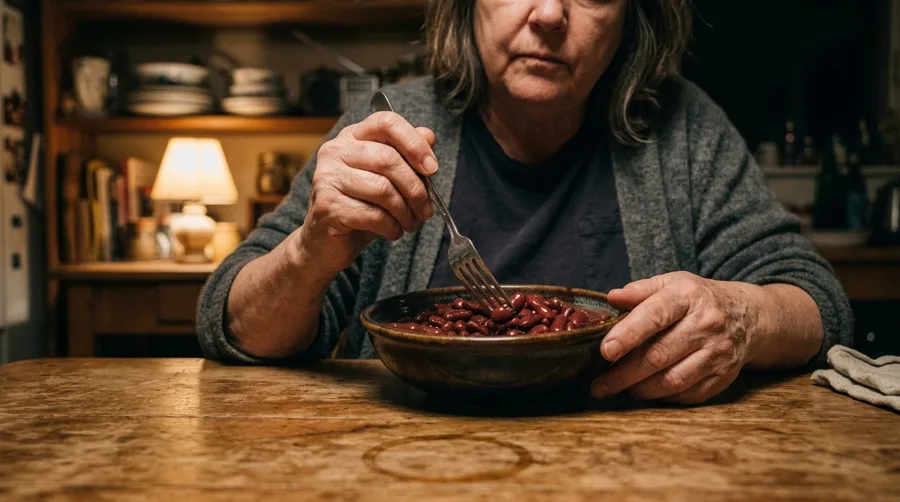
Your local soup night secret weapon is sitting right next to the pinto beans, quietly packing more antioxidant power than almost any produce counter item.
Red kidney beans contain remarkably high levels of flavonoids, which help mitigate the systemic inflammation that causes morning joint stiffness after 50.
When your immune system deals with chronic low-grade inflammation, oxidative stress rises across your vascular system.
Adding a half-cup of cooked kidney beans to your salads twice a week provides a steady stream of protective plant compounds without requiring fancy meal prep.
Rinse canned varieties thoroughly under cold water to reduce sodium while keeping the full antioxidant benefit intact.
⚠️ COMMON MISTAKE
Skipping the Rinse
Using canned beans straight from the tin without rinsing introduces unnecessary sodium that can offset their cardiovascular benefits. Always give them a thorough rinse under running water.
3. Black Beans

You might think dark skin on fruit holds the monopoly on deep pigment antioxidants, but the shiny coat of a black bean tells a very different nutritional story.
Anthocyanins-the exact same compounds that turn blueberries blue-concentrate heavily in the seed coats of black beans.
These powerful pigments support cognitive function and help maintain healthy blood sugar levels as your metabolism shifts in later decades.
You can toss canned black beans into morning eggs, afternoon salads, or evening soups with zero cooking required.
Keep two cans in your pantry at all times so you never have an excuse to skip your daily dose of protective plant pigments.
4. Russet Potatoes with Skin

You have probably spent years being told to strip away potato skins or avoid white potatoes altogether if you want to stay healthy.
That nutritional advice misses the fact that the skin of a standard russet potato holds a surprising density of phenolic antioxidants and vitamin C.
Baking russet potatoes whole and eating the skin provides cheap, accessible cellular defense that costs pennies per serving.
Potatoes also supply resistant starch, which supports gut microbiome health—a crucial foundation for immunity and nutrient absorption as you age.
Wash the skin thoroughly with a vegetable brush, rub with a drop of olive oil and sea salt, and bake at 400 degrees until crisp.
Best For Potato Prep
5. Ground Cinnamon
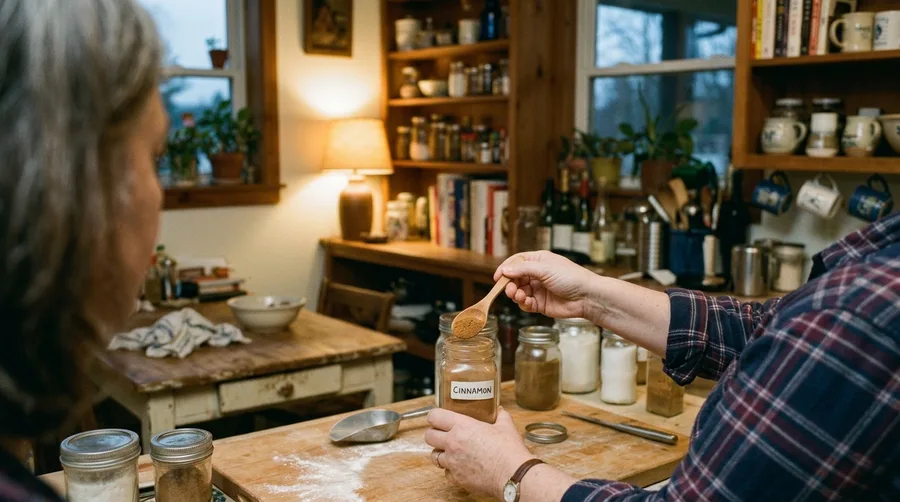
Your spice rack holds more antioxidant power per teaspoon than almost any fresh fruit in the supermarket produce section.
Cinnamon ranks among the most potent antioxidant sources on earth, thanks to massive concentrations of protective polyphenol cinnamaldehyde.
Adding just half a teaspoon to your morning coffee, oatmeal, or plain yogurt provides a concentrated burst of cellular defense.
As insulin sensitivity naturally declines with age, the compounds in cinnamon help support healthy blood sugar regulation after meals.
Check your spice jar expiration date because ground cinnamon loses its punch and aromatic potency after sitting in the cupboard for over a year.
6. Whole Apples with Skin
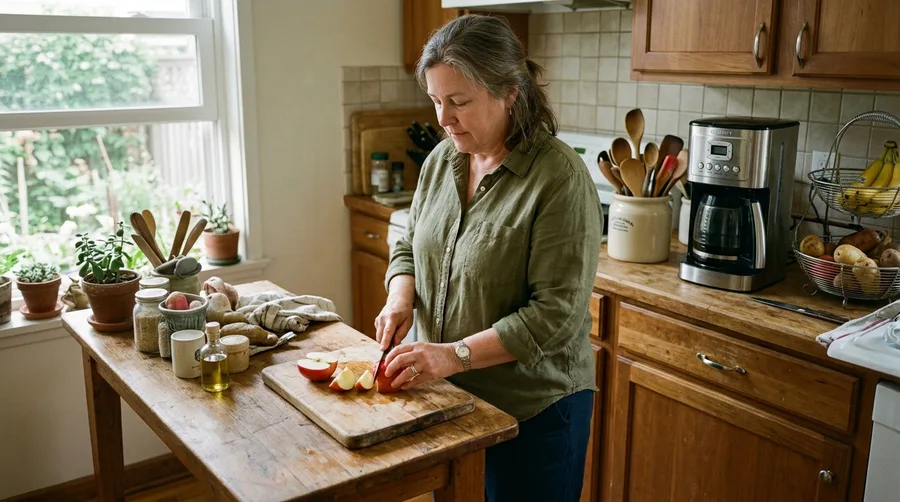
An apple a day sounds like an old-fashioned cliche until you look closely at what the peel actually does for your cardiovascular system.
Apples pack quercetin and epicatechin, two powerful antioxidants that help protect blood vessel walls from daily oxidative wear and tear.
Peeling your apples discards the exact part of the fruit containing the highest concentration of those protective plant nutrients.
Eating the whole apple provides slow-releasing fiber that feeds beneficial gut bacteria, supporting overall metabolic health after 50.
Look for firm, locally grown varieties like Honeycrisp or Granny Smith, rinse them under warm water, and eat them skin-on for maximum benefit.
💡 PRO TIP
The Peel Matters
Never peel your apples if you want the antioxidant benefit. The skin holds up to five times more polyphenol compounds than the inner flesh alone.
7. Dry Roasted Peanuts

You might view peanuts as simple pub snacks rather than a serious health food, but science treats them with high respect.
Peanuts contain high levels of p-coumaric acid and resveratrol, the exact same longevity-associated antioxidant found in red wine and grapes.
Roasting peanuts actually enhances their antioxidant profile by releasing bound polyphenols, making them even more potent than raw nuts.
A one-ounce handful provides healthy monounsaturated fats that support brain health and joint lubrication without breaking your grocery budget.
Choose dry roasted varieties with minimal added salt to keep your sodium intake balanced while reaping the full nutrient reward.
Nut Snack Selection Lanes
- Dry Roasted Peanuts — High resveratrol and polyphenol content for budget cost.
- Honey Roasted Mix — Contains high added sugars that offset health benefits.
- Deep Fried Snack Nuts — Loaded with inflammatory seed oils and excess sodium.
8. Yellow Onions
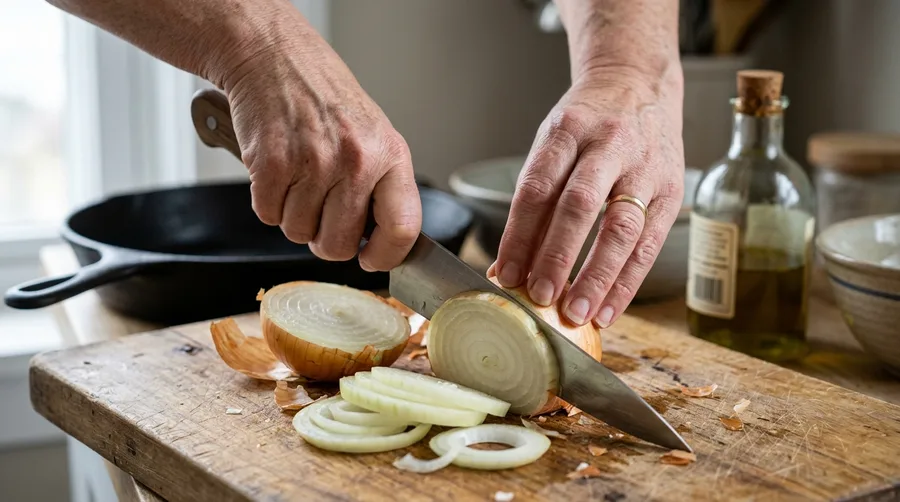
Your cooking base hides one of the most powerful antioxidant profiles available in the entire produce department for less than a dollar a pound.
Yellow onions pack an extraordinary concentration of quercetin, a potent flavonoid that helps modulate immune response and reduce chronic inflammation as we age.
The outer layers hold the highest concentration of protective compounds, so avoid aggressive trimming when you prep your meals.
Sweating diced yellow onions in olive oil as the foundation for soups, stews, and grain bowls builds deep flavor while fortifying your daily nutrition.
Keep a 3-pound bag in a cool, dark pantry basket and chop half an onion into your cooking every single day.
Frequently Asked Questions
Do canned beans have as many antioxidants as dried beans?
Yes, the canning process locks in most polyphenols and dietary fiber. Just make sure to give them a thorough rinse under cold water to wash away excess sodium before eating.
Is cinnamon effective if it has been in my cabinet for years?
Ground spices lose their aromatic oils and potency over time. Replace your ground cinnamon every twelve months to ensure you get the full antioxidant benefit.
Why is keeping the skin on apples and potatoes so important?
The peel houses the highest concentration of protective phenolic compounds and fiber. Peeling the produce removes the most nutrient-dense part of the food.
How often should I eat these budget antioxidant foods?
Aim for small, daily servings rather than massive occasional portions. Consistent intake keeps steady levels of protective plant compounds active in your bloodstream.
Start With This One
If you change only one habit today, grab a bag of dry pinto or black beans and cook a simple pot this weekend. Your pantry is already equipped to support your cellular health without breaking your budget.
Commit to adding one of these eight budget foods to your daily routine, and watch how simple consistent nutrition transforms your physical well-being in thirty days.