
You step out of bed, and your lower back gives a familiar, stiff ache before you even reach the kitchen floor.
Orthopedic specialists and endocrinologists who study skeletal health point to a surprising truth: popping another calcium pill is rarely the answer to preserving bone density after 50. Instead of isolated supplements that often miss their target, real food provides the complex matrix of minerals, proteins, and vitamins that your skeleton actually needs to remodel itself.
Real food fixes the foundation.
Quick Tips Before You Start
Prioritize Real Food
Whole foods provide co-factors that synthetic pills lack entirely.
Give It Time
Bone remodeling takes months, not days, so stay consistent with your plate.
Hydrate Well
Water helps transport essential nutrients directly to your bone matrix.
Move Daily
Weight-bearing movement signals your skeleton to absorb these nutrients efficiently.
1. Wild Caught Canned Sardines With Bones
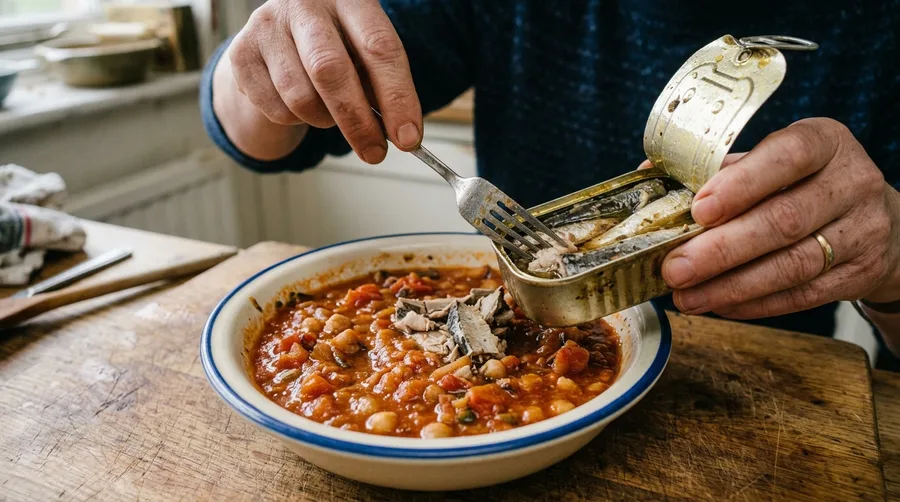
You might turn your nose up at canned fish, but those tiny, edible bones pack an absorbable punch.
When you eat the soft bones in wild-caught sardines, you absorb calcium and phosphorus in the exact ratio your body uses to build hard tissue.
Research on aging populations consistently shows that marine-sourced minerals integrate into bone density more efficiently than chalky manufactured tablets.
Aim for three ounces twice a week, mashed onto sourdough toast with a squeeze of fresh lemon juice and a pinch of black pepper.
Your skeleton does not care about fancy labels; it needs bioavailable minerals.
If the texture puts you off at first, flake them into a warm tomato pasta sauce where they melt right in.
💡 Tip: Buy brands packed in extra virgin olive oil rather than soybean oil for better healthy fat ratios.
Real food provides a structural matrix that isolated supplements simply cannot replicate.
— What orthopedic specialists keep repeating
2. Prunes For Daily Skeletal Support
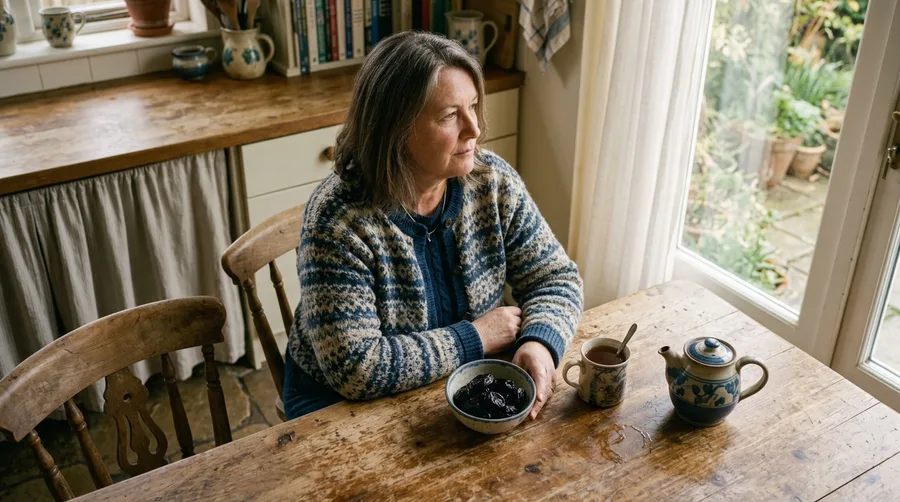
You probably associate dried fruit with digestion, but clinical trials on postmenopausal adults have revealed a remarkable secondary benefit.
Eating five to six prunes every day helps slow down the rate of bone resorption, which is the natural process where old bone breaks down faster than new bone forms.
Phenolic compounds in prunes reduce oxidative stress and inflammation inside the bone marrow.
Make them a mid-morning snack paired with a handful of walnuts.
Do not overdo the portion, because the natural sugar content requires balance.
Consistency matters more than quantity here.
💡 Tip: Store your prunes in a glass jar in the pantry so you remember to eat your daily serving.
Prunes Daily Protocol — At a Glance
📅 Daily Dose
5 to 6 prunes
⏱️ Results In
6 to 12 months
🔬 Mechanism
Reduces bone resorption
⚠️ Watch For
Natural sugar content
💰 Cost
Inexpensive pantry staple
Why It Works
Polyphenols actively protect bone-building cells from oxidative damage.
3. Pasture Raised Egg Yolks
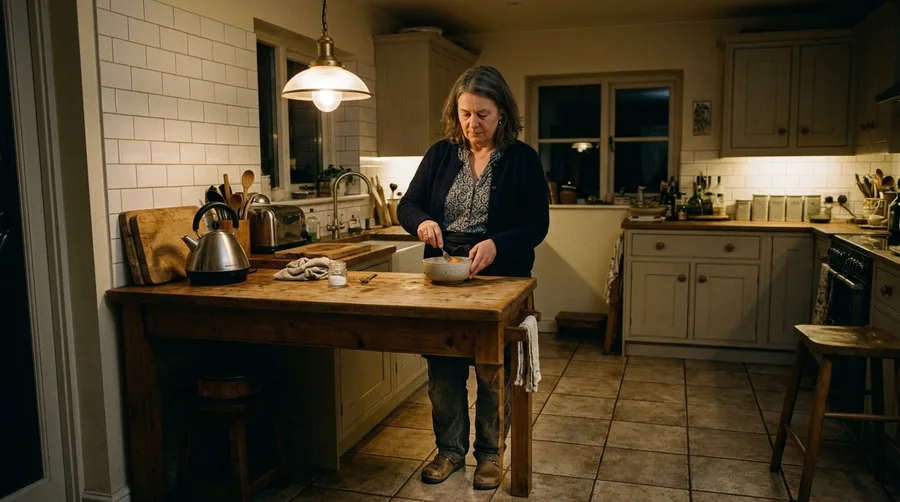
You spent decades tossing out the golden center, worrying it would wreck your cholesterol.
Modern nutritional research has cleared the yolk, recognizing it as one of the very few natural food sources of vitamin D3.
Without adequate D levels, your digestive tract absorbs only a fraction of the minerals you consume, leaving your skeleton quietly underfunded.
Eat two whole pastured eggs every single morning, cooked gently in a skillet with a teaspoon of butter to help your body absorb those fat-soluble nutrients.
The deep orange hue of pasture-raised yolks signals significantly higher concentrations of key vitamins compared to standard supermarket cartons, giving your morning routine a practical upgrade that actually supports bone density over time.
⚠️ COMMON MISTAKE
Skipping the Yolk
Throwing away the yolk means missing out on the fat-soluble vitamins required for mineral absorption. Eat the whole egg.
4. Dark Leafy Greens Like Collards and Kale
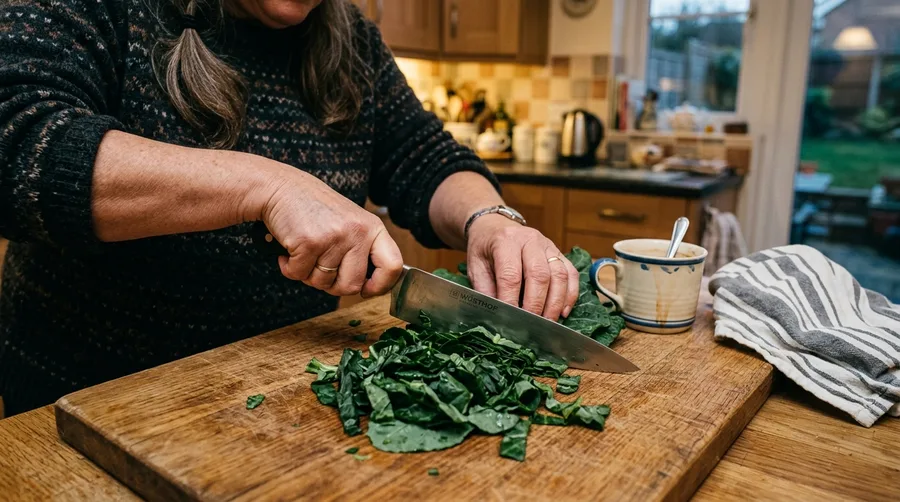
You see salad greens everywhere, but tender baby spinach does not cut it when you are serious about bone structure.
Heavy greens like collards, turnip greens, and curly kale supply high amounts of vitamin K1, which activates osteocalcin, the primary protein responsible for anchoring calcium into your bone extracellular matrix.
Sâuté one bunch of collard greens in olive oil with minced garlic for five minutes until tender.
Fat is non-negotiable here because vitamin K requires dietary lipids for proper absorption in your gut.
Make this your go-to side dish twice a week.
5. Greek Yogurt and Kefir
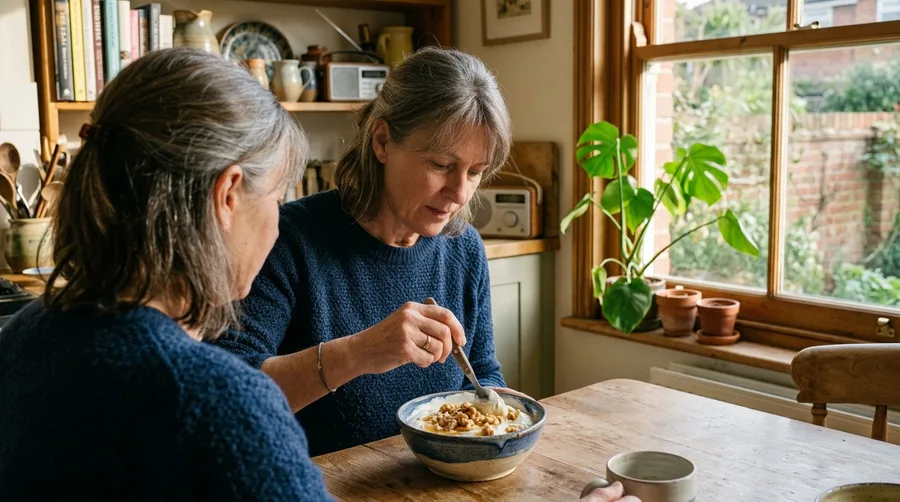
You might think dairy is just for kids, but fermented milk products serve a distinct metabolic purpose for adults over 50.
The fermentation process breaks down lactose and generates bioactive peptides that improve mineral retention, while the live probiotics support gut microbiota linked to better systemic inflammation control.
Stir one cup of plain, full-fat Greek yogurt into a bowl every morning, adding a tablespoon of ground flaxseed.
Skip the flavored varieties loaded with added sugars that trigger inflammatory pathways.
Real fermented dairy supports your gut and your skeleton simultaneously.
💡 Tip: Check the ingredient label to ensure live active cultures are listed.
Dairy Choices for Skeletal Health
- Plain Whole Milk Greek Yogurt — High protein, live cultures, zero added sugar.
- Plain Kefir — Powerful probiotic profile with high mineral bioavailability.
- Low-Fat Fruit Flavored Yogurt — Loaded with sugar which counters anti-inflammatory goals.
6. Raw Almonds and Sesame Seeds
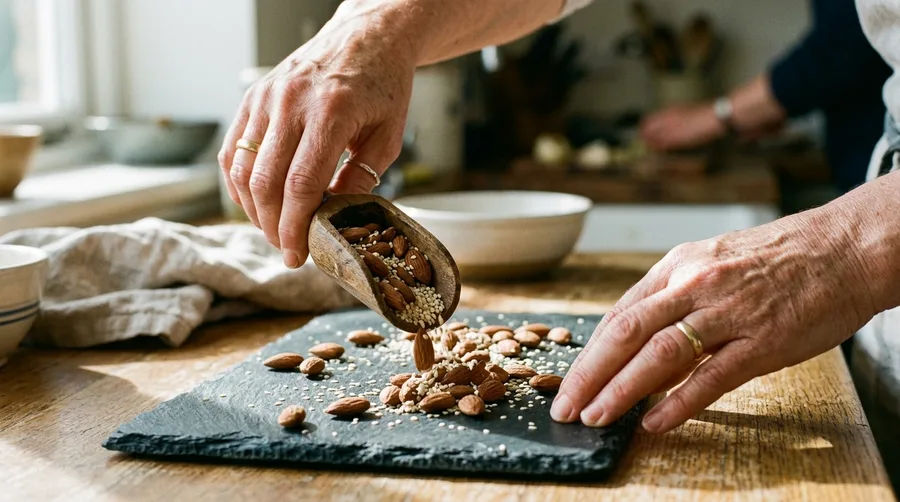
You grab a handful of mixed nuts mindlessly, but specific seeds deserve intentional placement in your pantry.
Sesame seeds, especially when ground into tahini, and raw almonds provide magnesium and copper, two trace minerals required to form strong cross-links in collagen tissue.
Magnesium acts as the gatekeeper that helps your body utilize calcium properly rather than depositing it in soft tissues.
Whisk two tablespoons of tahini with lemon juice and water to create a dressing for your roasted vegetables.
Small daily additions compound into lasting structural strength.
Trace Mineral Essentials
Frequently Asked Questions
Should I stop taking my calcium supplement entirely?
Always consult your physician before altering any supplement regimen. Many doctors recommend shifting focus to whole food sources while moderating high-dose isolated pills.
How long does it take to improve bone density through diet?
Bone remodeling is a slow biological process that typically takes six to twelve months to register measurable changes on a scan. Consistency across your weekly meals is essential.
Are plant-based milks as effective as dairy for bones?
Most commercial plant milks are heavily fortified with calcium carbonate, but they lack the natural protein matrix and fermented benefits found in whole dairy or sardines.
Can exercise replace dietary changes for bone health?
Resistance training and weight-bearing movement provide the mechanical stimulus, but your body still needs the raw nutritional building blocks from food to remodel tissue.
What I Would Do First
Start by swapping your morning routine to include pasture-raised eggs and a daily serving of prunes.
Bring these specific items up at your next routine checkup to discuss how your nutritional choices align with your personal bone density scans.