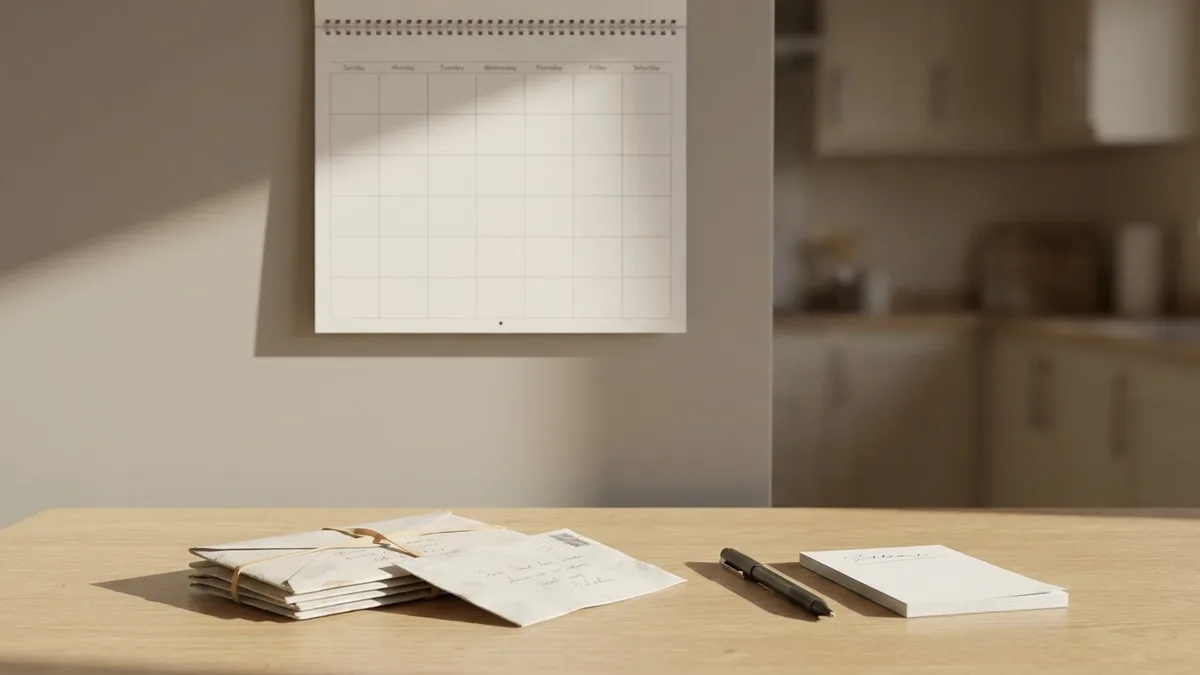
By the end of this you will have turned the regret that keeps circling back into one dated sentence, one twenty-minute slot in your week, and one repair that is still possible. Start with what the quiet does. A 67-year-old retired sixteen months ago after thirty-four years with one employer, and the house is silent from about eight to five, the weekday calendar blank – which is how a $2,000 loan to a friend in 2004 comes back at three in the afternoon, over the dishes.
The regret did not grow louder. It lost its competition. For thirty-four years the hours between eight and five were spoken for, and now nothing is, so the memory gets the whole field.
Name it in one sentence with a date on it, then sort it by one fact: is anyone alive on the other side of it? That answer picks your practice. The whole set costs about two hours a week – twenty minutes for the sentence, forty for the letter, fifteen for the call, twenty for the weekly appointment.
A regret that resurfaces now is not a verdict on the years behind you. It is an empty calendar meeting a full memory, and it stops being fog the moment it has a date on it and a living person attached or not.
Quick Tips Before You Start
Paper, not the phone
Keep a paper notebook in a drawer and date every entry — the phone is where memories go to be reread and rehearsed rather than closed.
Set the timer
Twenty minutes with a timer beats an open-ended hour, because the timer is what turns dwelling into a session with an edge.
Subject, verb, object
Write the regret as one flat sentence with no explanation and no defence attached.
Ask who is living
Before choosing a practice, decide whether a living person is attached to the regret or whether it was a decision nobody else was part of.
Tuesday morning for calls
Weekday mornings land better than Sunday evenings for a call you have postponed for twenty years.
1. One Sentence That Names the Regret
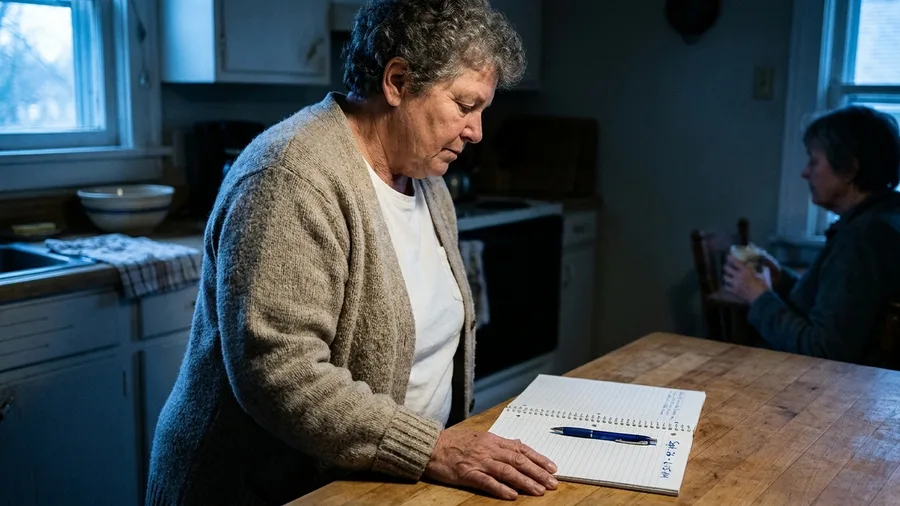
It resurfaces now because the hours that used to bury it are empty. Thirty-four years of eight-to-five gave every weekday a spine, and the memory had nowhere to sit; sixteen months into a retirement with no obligations on the calendar, a Tuesday at three in the afternoon is wide open, and the loan from 2004 walks straight into the gap.
So give it a shape you can hold. Open the paper notebook in the drawer, date the top of the page, and write one subject-verb-object sentence: I ended a friendship over $2,000 in 2004. No explanation, no defence, no paragraph underneath – the whole of it is one line, and the line is enough.
Leave it unnamed and it stores as a mood instead of an event, and a mood has no edges to stop it growing. Each retelling adds: the loan creeps up, the friend turns colder, the reader comes out worse. Therapists who work with older clients describe this drift often enough that it has a name in their sessions – the story swelling because nobody wrote down the version that was true.
The sentence does a second job at the same time. Write I never called him back and the page points toward the telephone; write I turned down the promotion and it points toward paper and a fair hearing. One line sorts the regret before you have decided anything about it. A reader who already knows the exact grievance and needs to act rather than name can skip straight to the repair and write the sentence later.
💡 Tip: Write the sentence before bed tonight, not tomorrow. The memory has been waiting twenty years; it can survive one evening of being written down properly.
| Practice | Time and cost | Works best when | What it will not do |
|---|---|---|---|
| One sentence that names the regret | 20 minutes, this week | The memory is still a fog you cannot grip | Tell you whether you were right |
| The hindsight rewrite | One sitting, two columns | You are judging a decision nobody else was part of | Prove you made the right call |
| A fixed 20-minute appointment | 20 minutes, same weekday, same chair | It ambushes you at 3 a.m. | Remove the memory — it contains it |
| The letter you never send | 300–500 words, read aloud once a week later | The person you regret is dead | Deliver the apology to them |
| The call you have postponed | 15 minutes, Tuesday morning, up to 3 attempts over 3 weeks | A living person and no real harm done | Undo twenty years of silence |
| An apology that asks for nothing | 3–4 sentences, delivered once | You caused real harm to someone still here | Get you forgiveness on request |
| The unlived version at half size | Four days and about $900, or a six-week evening class | The regret is about a life you did not live | Give back the missed year |
2. The Hindsight Rewrite of an Old Decision

The advice is to put the old decision behind you and stop rehearsing it. That is the wrong instruction – and the sunk cost fallacy explains why – for a decision still being tried in your head, because a verdict reached without the 1996 file in front of you is not closure, it is a ruling made in the dark.
Take the offer: a promotion in 1996 that meant another state, $38,000, a mortgage already running, and a parent who had just been diagnosed. Read the sentence naming it and judge the person who said no, using what the 2020s know: the company turned two years later, the man who took the job was laid off, the parent lived another nine years. Every one of those facts was unavailable at the kitchen table that winter.
So build two columns on paper. Left: what was on the record then, the ill parent, the mortgage, the figure, the move away. Right: what only arrived afterwards, the company’s turn, who took the job and how it ended, how long the illness actually ran. The right column is what the regret is made of, and not one line of it could have been used at the time.
What this quietly spends is the years of contempt for your younger self, and what it buys is not a clean acquittal. The exercise is done when the decision gets a fair hearing, not when you decide you were right. Often the honest verdict lands somewhere duller than either: it was a reasonable choice made on thin information.
This is the practice for a decision nobody else was part of. There is no second party to call, no apology to deliver, and so the only court available is the two-column page. Walk a 1996 offer through it, then set the notebook down.
Wait a week before you run another regret through the same columns. The first pass tends to soften the verdict by lunch. The second pass, a week on, is the one that holds.
The weekly cost of all seven practices
About two hours in total
Figures are the practices' own working limits, not averages.
3. A Fixed 20-Minute Appointment With the Memory

Fixing the verdict is not the same as fixing the schedule, and it is the schedule that decides whether the memory keeps arriving at three in the morning. This is the cost of leaving it unscheduled: the day has no wall in it anymore, so thinking and dwelling run into each other from breakfast until the light goes.
The fix is an appointment. Pick one weekday, one chair, twenty minutes on a timer, the paper notebook open on your knee, and a closing line said out loud at the end so the session has an edge. When the memory surfaces at 3 a.m., write one line on the pad beside the bed and tell it the appointment will hear it – no rehearsing in the dark, no negotiating with it at that hour.
Ask yourself one question to know whether you need this: in the last week, did the memory arrive at a time you chose, or only at times it chose? If it was the second, the appointment is the practice, and it is the only container available for a regret no second person can receive.
Expect the first month to be unpleasant. If the twenty minutes stretch to ninety, the timer is the practice, not the memory – set it, sit with it, and stand up when it rings.
💡 Tip: If the session runs long twice in a row, move the chair. A change of seat breaks the association faster than a resolution does.
⚠️ COMMON MISTAKE
Do not rehearse it in bed
Thinking the memory through at 3 a.m. feels like working on it and is not. It is rehearsal, and rehearsal is what makes the version you carry sharper and worse. One line on the pad, then the appointment.
4. The Letter You Write and Never Send
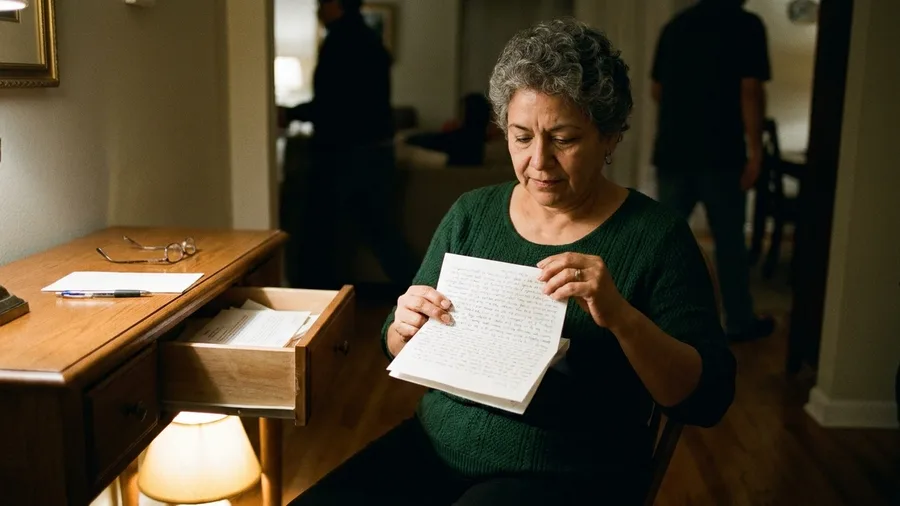
“I kept meaning to drive up, and then it was six weeks before he died and I still hadn’t.” Giving the memory a fixed twenty minutes each week gives it edges. What it does not do is finish the conversation that is still hanging open in your head, because the person on the other end of it cannot pick up the phone.
That is the case for writing to them anyway. Take the father who died in 2011, six weeks before a visit you never made: 300 to 500 words, dated at the top, addressed to him and written as though he will read it. Put down what you meant to say on that visit – the specific thing, the reason you never said it, the question you still want answered – and give it the ending no one else can give you. The last two lines are yours to write as the reply you needed, and that is the whole point of the page: no answer is coming, so you supply one.
A week later, read it aloud once, alone, and then decide what happens to it – drawer, burn, or leave it exactly where it lies. This is the practice for a conversation left open, not for a harm you are still doing to someone alive who could hear it from you; that one needs words delivered to their face, not a page in a notebook.
5. The Call You Have Postponed for Years
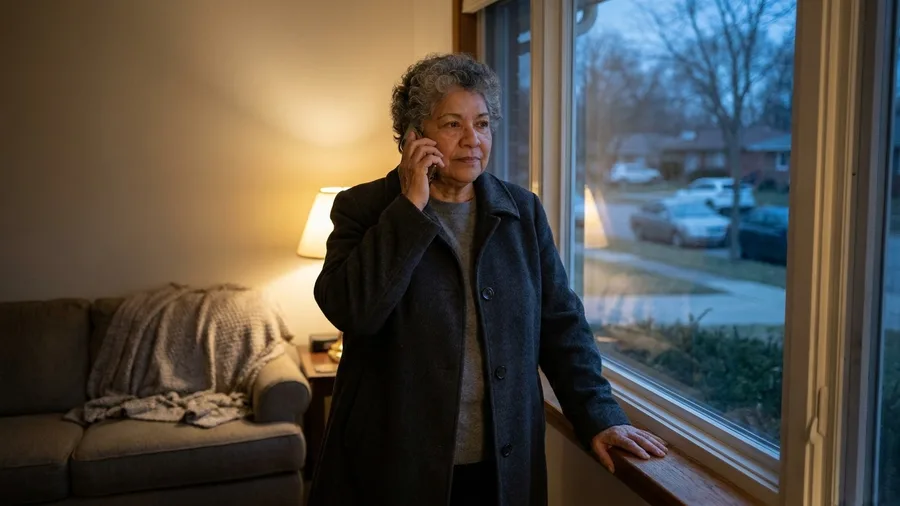
It is a Tuesday morning and your thumb is on the name, and you are already drafting the explanation for why it has been twenty years. Put the phone down and cut the draft. When the other person is still alive, the page is the wrong instrument; the repair has to travel through a voice they can hear and a question they can answer.
The friendship that stalled over a $2,000 loan in 2004 has idled for two decades, and lately the arithmetic has shifted, because people your own age are starting to fall ill and the number of remaining chances no longer looks infinite. So you dial on a Tuesday morning, and you open with two sentences: who this is, and why you are calling. Fifteen minutes is enough. If they are glad, talk and arrange nothing formal. If they are polite and distant, that closes the loop, not the friendship.
Three attempts across three weeks, and then you stop and accept that the other person has declined. And if what you did was real harm rather than a long silence, a warm catch-up leaves the harm untouched; the apology is the tool, not the call.
💡 Tip: Use the phone, not a text. A written message gives both of you time to compose a version; a call is the only format where you hear the pause.
A call, or an apology?
Make the call
- No real harm was done — the friendship simply lapsed
- What you want is contact, not absolution
- You can hear in thirty seconds whether it is welcome
- Three attempts over three weeks, then it is settled
Make the apology
- You caused harm and the person is still alive
- Three or four sentences, delivered once
- No excuse, no account of your own feelings
- No request for a reply, and no follow-up asking if it helped
6. An Apology That Asks for Nothing Back
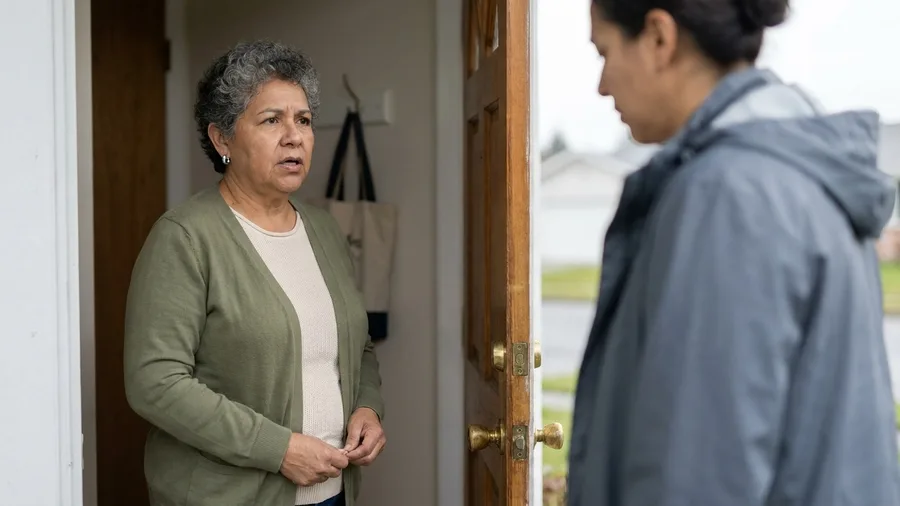
I used to think an apology was the part where I explained myself, and that the explaining was the apology. It was not. The other person was standing there waiting for me to say I had done the damage, and I was busy giving them the reasons it was reasonable.
The version that asks for nothing back is four sentences: what you did, that it was wrong, no excuse, and nothing about how you have felt since. Say it once, in writing or in person, then stop talking. Asking to be forgiven puts your relief on their tab, which is the opposite of repair.
Where contact is unwanted or unsafe, the letter you never send does the same work. This is the costliest path of the living-person ones, and it belongs only to the reader who did the harm.
Pick Your Path by What the Sentence Told You
7. The Unlived Version, Done at Half Size

No, but it is too late to do it at full size, and the misreading that keeps people stuck is treating the smaller version as evidence the dream died rather than a way to find out whether it was ever the doing or only the idea of it. This is the regret with nobody on the other side of it at all, a life you did not get to run rather than a person you failed, and that fact changes the shape of the work: no call, no apology, no one else’s forgiveness to wait on, only a version put into this year’s calendar.
Retirement is the first stretch of time long enough to actually test the counterfactual. For 34 years the 8-to-5 weekday crowded the fantasy out, and 16 months into an open calendar it gets louder, not quieter, because there is finally room to ask whether the move out of state or the craft actually would have been the point of you.
So the cross-country move never made becomes four days and about $900, booked three months out, the flight and the two nights in the cheap hotel on the same card, so the decision is a date rather than a wish. The craft never tried gets a sample class, one evening, and if that goes well a six-week course on a Tuesday through the winter. Half size does not undo the missed year, and the first hour will feel like a substitute rather than the thing itself.
The test it runs is whether the fantasy was the point or the doing was. Four days that satisfy you say the doing was the point. Four days that leave you flat are information about the fantasy, not a failed attempt, and either way you now know what you would not have known at 40.
💡 PRO TIP
Book it before you decide how you feel
The half-size version only works if it is on the calendar and paid for. Decide after the four days, not before the booking — the memory will always vote to wait.
Frequently Asked Questions
Why do old regrets come back now and not ten years ago?
The usual reason is an empty calendar rather than a change in you. Weekdays used to be blocked out from about eight to five by work, and the memory had to compete for attention. Once those hours are unclaimed, it has the field to itself. The regret is not new; the space around it is.
What if the person I regret is dead?
Write the letter anyway — 300 to 500 words, dated, written as though they will read it. Read it aloud once a week later and finish it out loud with the answer you needed. No reply is coming, so you supply the ending. That is not a trick; it is the only ending available.
How many times should I try calling someone who does not reply?
Three attempts across three weeks, Tuesday mornings, each opener two sentences long. If they are glad you will hear it in the first thirty seconds. If they are polite and distant, the loop has closed rather than the friendship, and you stop there.
Should an apology ask for forgiveness?
No. Asking puts your relief on their tab and often ends the contact for good. Use three or four sentences — what you did, that it was wrong, no excuse, no account of your feelings — delivered once, with no follow-up asking whether it helped.
Is it too late to do the thing I never did?
Not at full size, and half size is what actually gets tested. The move becomes four days at about $900 booked three months out; the craft becomes a six-week evening class. Four days that satisfy you tell you the doing was the point. Four that leave you cold are information about the fantasy.
Write the sentence first, then let it tell you which path
The rule is one question. If a living person is attached, the repair practices come first – the Tuesday call where no real harm was done, the apology where there was. If the person is gone, or nobody else was part of the decision, the sentence and the fixed twenty minutes come first this week.
The single first action is the sentence: before bed tonight, in the paper notebook, dated, no explanation and no defence. None of these practices needs anyone’s forgiveness to work. The call may be declined, the letter never read, the apology unanswered, and the practice still counts.
The weekday still runs eight to five with nothing on the calendar. But it now holds a twenty-minute appointment in the same chair on the same weekday, a dated letter in the drawer, a Tuesday morning call – the past in a chosen slot instead of the whole room. If the memory is costing you sleep, appetite, or the will to get up, the next step is a doctor or a therapist, not another exercise from this list. The regret gets twenty minutes a week, not the years ahead.
Tonight, one line
Open the notebook, date the page, and write the regret as one sentence. Then read the first entry again — it tells you how to sort it.