A heavy gym bag drops into the trunk on Tuesday evening.
Turning the key to drive there instantly murders the alternative reality of heading home for a hot meal, because every direction taken shuts down a hundred other possibilities before the engine even turns over.
Staring at a streaming menu for forty-five minutes often ends in turning the television off entirely, producing a heavy exhaustion just from looking at the options.
That exhaustion is not a lack of willpower; it is the mind actively calculating the invisible price of every unclicked title.
Opportunity cost dictates that selecting one path instantly costs the exact time and energy required for all alternative paths.
Mapping these invisible costs allows a person to stop fearing the weight of decisions and start purchasing reality with confidence.
The Hidden Price Tags
⏰ One Hour of Overtime
Dinner with family
📱 Thirty Minutes Scrolling
Thirty minutes of sleep
💬 Winning An Argument
The afternoon's peace
What Is Opportunity Cost in Life?
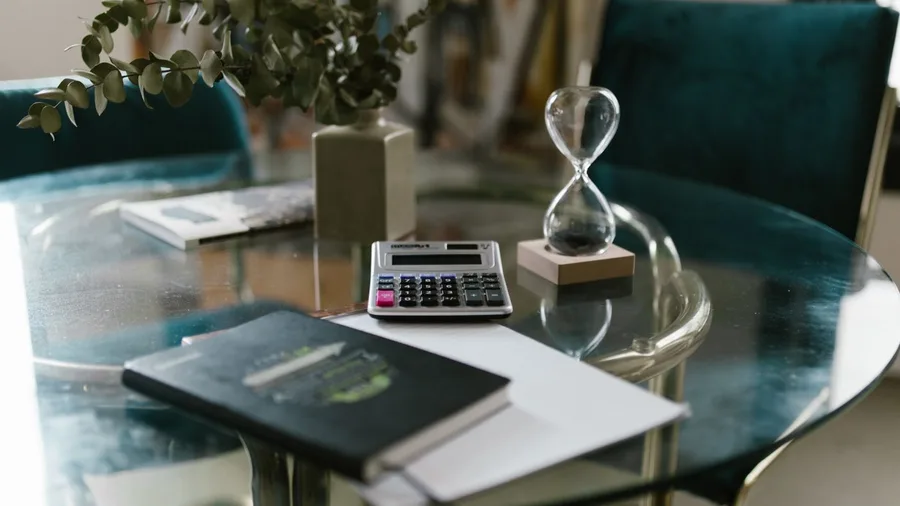
Opportunity cost is the simple reality that choosing one action simultaneously rejects everything else that demands that exact block of time and focus. You cannot spend the same hour twice. Paying attention to a friend at coffee means you are not catching up on sleep, running errands, or answering emails.
Every choice has an invisible price tag.
When you consciously choose a sixty-minute workout, you instantly surrender the hour of focused reading or the afternoon nap you could have had instead.
The math applies just as ruthlessly when you do not actively choose. Doing absolutely nothing on the couch still carries a strict cost. Those two hours of staring at the ceiling buy exactly that, and they cost you the experiences, the cleared inbox, or the genuine restorative sleep those minutes could have purchased.
Time spends itself whether you direct it or not.
The mistake is believing that an unchosen path costs nothing, simply because no money left your bank account. The currency is your life, and you pay it immediately.
The Reason Every Decision Feels Heavy

The human mind treats the act of picking one path as an active threat, simply because selecting something requires throwing away everything else on the table. Instead of valuing the guaranteed benefit of the path you take, human attention naturally locks onto the phantom value of whatever you just discarded. Loss aversion makes the unchosen items feel like stolen property.
A screen filled with infinite streaming tiles or dating profiles turns this background anxiety into a visual catalog of missed chances. Every swipe left or scroll down forces a tiny, exhausting calculation of what you are giving up.
The friction multiplies until it breaks the system.
To escape the sharp sting of paying that invisible price, the brain hits the brakes. You freeze completely, stuck staring at the menu to delay the pain of a final selection.
Doing nothing feels safer than doing the wrong thing. But standing still is just a choice that costs you time without giving you a physical reward.
How Invisible Alternatives Drain Your Energy

That same hesitation that stops a major career change also strips the power from an ordinary Tuesday evening. Minor routines become exhausting when the mind has to weigh the invisible price tag of every small action against whatever else could be happening.
Spending sixty minutes on a couch with a crime documentary means spending sixty minutes you cannot use to read a novel, call a friend, or finally go to bed. The math of human attention is absolute and unforgiving.
Every action consumes its exact equivalent in lost potential.
Weighing these daily trade-offs accumulates into a heavy cognitive load by mid-afternoon. You run out of mental energy not because you worked too hard, but because you spent hours debating the hidden price of a dozen small tasks. The battery dies from the background processing.
Pushing the math out of your head at midnight does not change the terms of the deal. Waking up exhausted the following morning proves the physical toll is real, confirming that pretending a habit is free never makes it so.
The Ledger of Daily Choices
The Visible Choice
- Watching one more episode
- Saying yes to a Friday favor
- Keeping Friday night open
- Checking emails in bed
The Invisible Cost
- Losing 45 minutes of deep sleep
- Sacrificing your only quiet morning
- Sitting home anxious about missing out
- Spiking cortisol before resting
Why We Fear Long-Term Commitments

If a minor daily trade-off quietly drains your mental battery, selecting a permanent partner or a singular career path triggers a complete systemic freeze. The modern fear of missing out is simply your brain calculating the immense scale of what a major commitment instantly rejects.
Every committed yes immediately murders a dozen viable alternative futures.
To avoid paying this heavy price, people try keeping their options open by refusing to choose. This creates a bitter paradox, because refusing to decide carries the steepest penalty of all.
You stand perpetually in a hallway of unopened doors, entirely stagnant.
Stagnation consumes exactly the same amount of time as living an active life, but it yields absolutely nothing in return. You spend years waiting for the perfect path to reveal itself. Making a massive choice hurts when the decision is finalized, because the loss of potential is entirely real.
Yet the sharp, temporary anxiety of shutting those remaining doors directly buys the permanent psychological safety of finally standing inside a fully built room.
🚪 The Threshold of Permanence
The Paralysis Phase
Lasting 1 to 5 years where zero actual progress occurs while options remain unspent.
The Rejection Shock
The acute 72-hour window of grief following a final choice where alternate futures vanish.
The Frictionless Period
Months 2 through 12 of daily execution where energy is no longer wasted on hesitation.
The Compounding Return
The long-term threshold where deep expertise or secure partnership begins paying dividends.
How Do I Use This to Choose Better?
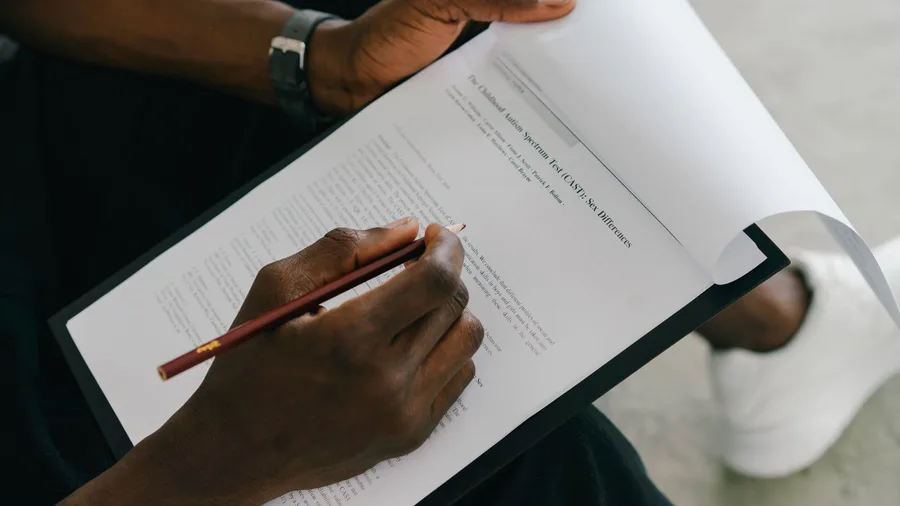
Moving from that empty hallway into a furnished room demands a harsh filter to judge which exact choices warrant their specific price of admission. The question that cuts through decision paralysis is incredibly simple: ‘Is this thing worth what I am giving up to do it?’
A cost is only useful if you actually look at it.
Before you confirm a calendar invitation for a Tuesday night dinner, write down the top three unchosen options on a physical piece of paper.
That list might include an hour of undisturbed sleep, cooking a healthy meal, or finally finishing a chapter of a book. Seeing those ghosts written in ink makes the invisible alternatives entirely visible, forcing you to actively decide if the restaurant trip holds more value than the rest combined.
You cannot run this intense calculation for every minor request without burning out your brain by Wednesday afternoon.
You stop the drain by setting aggressive default boundaries that automate the rejection process. An automatic ‘no’ to all weekend meetings or a flat ban on checking email after eight o’clock instantly removes dozens of active opportunity cost calculations from your daily schedule.
Letting Go of the Unchosen Paths

Once a commitment lands in the calendar, the only way to stop mourning the abandoned options is to recognize that a life without missed chances does not exist. Trying to engineer a perfect week where every path is walked and nothing is ever sacrificed is a total fiction. No productivity trick can erase the basic physics of human time.
Trade-offs are the gravity of reality, not a planning flaw.
Treating every unclicked movie or declined invitation as a failure creates a heavy, lingering anxiety. When you accept that closing a door is simply the required cost of entry, the mental exhaustion disappears entirely.
The Saturday morning spent drinking coffee on the porch is not a tragic defeat just because you missed a networking brunch. That quiet hour is a highly valuable asset that you actively bought with the expensive currency of your absence. It is yours to consume.
The route you take is never a reluctant compromise for second best. It is a physical experience you deliberately purchased with everything else you could have done.
Frequently Asked Questions
Does opportunity cost apply to relationships?
Yes. Committing to one partner carries the opportunity cost of every other potential relationship, which is exactly what gives the commitment its psychological weight and value.
How do I stop regretting the choices I didn’t make?
Recognize that every unchosen path looks perfect because it remains untested by reality. You are comparing the messy reality of your actual life to a flawless fantasy.
Is decision fatigue real?
It is a documented psychological condition. The brain consumes actual glucose and energy when weighing options, meaning every minor choice physically depletes your ability to make the next one.
Should I always choose the most productive option?
No. The opportunity cost of constant productivity is exhaustion and burnout. Sometimes the highest-value choice is an hour of deliberate, unapologetic rest.
Flipping the Script on Choice
The definitive rule for beating decision paralysis requires stopping the mourning of ghost ships and actively celebrating the single physical path bought with those costs.
The streaming menu loses its exhaustion the moment a chosen movie becomes a deliberate, paid-for purchase of the evening rather than a frustrating reminder of unclicked titles.
The heavy weight of a choice is just the direct proof of its value, echoing back to the gym bag sitting in the trunk on Tuesday evening as the engine finally pulls away from the curb.
Audit Your Next Choice
Before you accept your next calendar invite, write down the exact hour of free time it will cost you.