
You reach for your reading glasses to check a nutrition label, wondering if half the health claims printed on modern packaging are just clever marketing.
When you look at what longevity researchers actually put in their grocery carts every week, the answer is surprisingly ordinary.
They skip expensive powders and exotic extracts in favor of nutrient-dense whole foods that target cellular aging, inflammation, and muscle preservation.
If you want to support your body’s resilience after 50 without overcomplicating your diet, start with these seven everyday items.
Quick Tips Before You Start
Shop the Perimeter
Keep your cart focused on the outer aisles where fresh, unpackaged whole foods live.
Prioritize Protein
Aim for 25 to 30 grams of protein at breakfast to counteract age-related muscle loss.
Give It Time
Cellular shifts take weeks of consistent intake before your morning energy noticeably improves.
Keep It Simple
Ignore trendy superfood marketing and stick to well-researched staples.
1. Wild-Caught Sardines for Cellular Repair

You might turn your nose up at canned fish, but researchers studying centenarians keep these small swimmers on hand for a very specific reason.
As you age, managing systemic inflammation becomes central to maintaining joint mobility and cardiovascular health, especially when morning stiffness starts lingering longer than it used to.
Sardines pack an exceptionally high concentration of omega-3 fatty acids EPA and DHA relative to their low mercury burden.
Those omega-3s help regulate cellular signaling pathways that drive inflammation down at the tissue level, making movement feel less like negotiation.
Because they are eaten whole including their soft bones, you also secure a natural dose of calcium and vitamin D without swallowing horse-pills that sit heavy in your stomach.
Aim for two small tins a week, mashed onto sourdough with a squeeze of lemon or tossed into pasta, and give your joints four weeks to notice the shift.
Small fish deliver a massive dose of omega-3s with virtually zero heavy metal accumulation.
— Nutritional science consensus
2. Fermented Greek Yogurt for Gut and Immunity

Your gut microbiome shifts as you grow older, often favoring strains of bacteria that promote low-grade inflammation.
Every immunologist will tell you that maintaining a diverse microbial population directly influences how well your immune system responds to daily stress.
Plain, full-fat Greek yogurt provides live cultures alongside a heavy hit of slow-digesting casein protein.
Check the ingredient label to ensure it lists live active cultures and contains zero added sugars disguised as fruit flavorings.
⚠️ COMMON MISTAKE
Avoid Sugary Fruit Yogurts
Flavored yogurts often contain as much sugar as a candy bar, which counteracts the anti-inflammatory benefits of the probiotics.
3. Walnuts for Cognitive Support

You grab a handful of nuts when your afternoon focus dips, but walnuts stand apart from almonds and cashews.
They are the only tree nut packed with significant amounts of plant-based alpha-linolenic acid, an essential fatty acid that supports brain microvasculature as we age.
Neuroscientists studying cognitive aging notice that regular walnut consumption correlates with better verbal memory scores in adults over 60.
Eat one ounce raw or lightly toasted every morning to support steady blood flow to your brain without adding unwanted inflammation.
4. Wild Blueberries for Cellular Defense
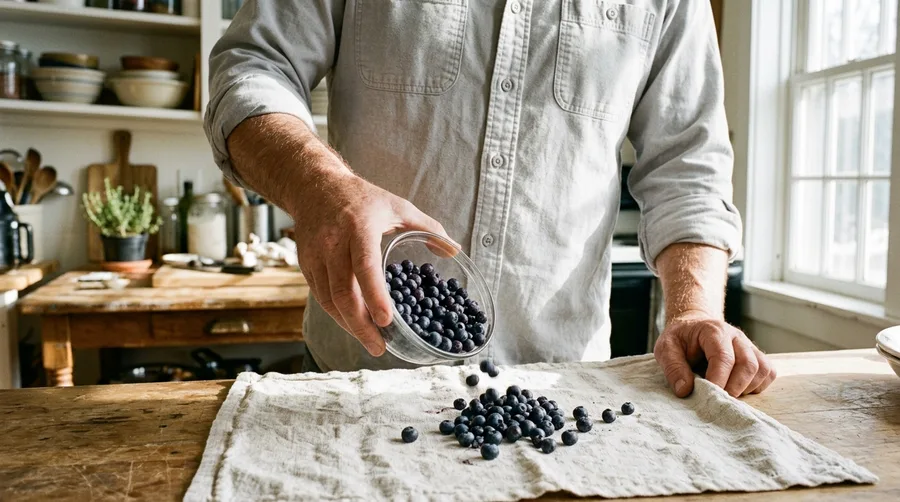
Your morning cereal or oatmeal gets an immediate longevity upgrade the moment you toss in a handful of wild blueberries.
Smaller than their cultivated cousins, wild berries pack a much higher skin-to-seed ratio, which means double the anthocyanin concentration.
These powerful plant pigments neutralize oxidative stress that accumulates in your tissues over decades of living.
Keep a bag of frozen wild blueberries in your freezer year-round; flash-freezing locks in their antioxidant capacity right at harvest.
Wild Blueberries — At a Glance
🫐 Serving Size
1 half cup daily
🛡️ Key Compound
Anthocyanins
❄️ Storage
Freezer friendly
🎯 Target
Oxidative stress reduction
5. Lentils for Metabolic Health and Fiber

You might associate legumes with heavy comfort food, but longevity researchers view lentils as a metabolic safeguard.
As your insulin sensitivity naturally declines with age, managing post-meal blood sugar spikes becomes a daily priority.
Lentils offer a rare combination of slow-burning complex carbohydrates and prebiotic fiber that feeds beneficial gut microbes.
Simmer a batch on Sunday and toss them into soups or salads throughout the week to keep your energy steady.
The Power of Lentils
6. Extra Virgin Olive Oil for Vascular Integrity

You step into any Mediterranean kitchen where people live long, vibrant lives, and you will find a large tin of robust olive oil sitting right next to the stove.
Cardiologists point to the high concentration of polyphenol antioxidants in authentic extra virgin oil as a primary protector of blood vessel elasticity.
As we age, our arteries naturally lose some of their flexible snap, increasing the workload on the heart.
Polyphenols actively fight the cellular oxidation that stiffens vascular walls over time.
Look for a harvest date on the bottle rather than a best-by date to ensure you are actually getting active polyphenols instead of sitting on oxidized oil.
Drizzle it raw over cooked vegetables or salads rather than heating it to high temperatures, preserving its delicate aromatic compounds and nutritional integrity.
Two tablespoons a day is the standard sweet spot that researchers look at for noticeable vascular support.
💡 PRO TIP
Check the Harvest Date
Polyphenol levels degrade over time. Buy oils harvested within the last twelve months for maximum cellular protection.
7. Leafy Greens for Nitric Oxide Production

Your blood vessels need a chemical messenger that stopped working as efficiently around the time you turned forty.
That messenger is nitric oxide, a molecule responsible for keeping your arterial walls relaxed and flexible so circulation stays smooth without forcing your heart to work overtime.
As natural production declines with age, dark leafy greens like spinach, arugula, and Swiss chard step in to bridge the gap by supplying rich amounts of dietary nitrates.
Your body converts those nitrates directly back into active nitric oxide, protecting your vascular integrity and helping maintain healthy, stable blood pressure readings week after week.
Toss a generous handful of baby arugula into your morning eggs or blend Swiss chard into a quick afternoon soup to secure this vital support effortlessly.
It takes about two weeks of daily greens before you notice a steadier rhythm in your afternoon energy and less of that heavy, sluggish feeling in your legs.
Vascular Support Navigation
- Dark Leafy Greens — Directly supports nitric oxide production for flexible blood vessels.
- Extra Virgin Olive Oil — Delivers protective polyphenols that guard against oxidative damage.
- Refined Vegetable Oils — Can promote inflammatory pathways when consumed in excess.
- Ultra-Processed Meats — Negatively impacts cardiovascular resilience and metabolic health.
Frequently Asked Questions
Do I need to buy everything organic to see longevity benefits?
Organic foods reduce overall pesticide exposure, but eating conventional versions of these seven staples is vastly superior to skipping them entirely. Focus on whole-food intake first before worrying about labels.
How quickly can I expect to feel a difference after changing my diet?
Most people notice improved digestive comfort within two weeks of adding fermented foods and fiber. Cellular and metabolic shifts typically require four to six weeks of consistent daily habits.
Can frozen foods replace fresh produce for longevity?
Frozen options like wild blueberries are often flash-frozen right at harvest, locking in higher nutrient levels than fresh produce that has sat on a grocery shelf for a week.
What is the single most important food to start with?
If you want one starting point, add a daily source of omega-3 fats like sardines or walnuts to support cellular membrane health and reduce systemic inflammation.
Your First Week of Better Nutrition
Pick just two items from this list during your next grocery trip and work them into your daily routine before adding the rest.
Consistency with simple whole foods beats an overwhelming pantry overhaul every single time.