
If you assume common personal habits cross international borders without penalty, Singapore will hand you an expensive lesson on your first afternoon.
You can pack light, book the central hotel, and still break three municipal laws before you finish breakfast. The local government runs a remarkably tight ship, and enforcement is swift, polite, and absolute.
The fines range from modest paper penalties to sums that sting for months. You need to know which seemingly harmless actions trigger immediate police attention.
chew gum on the MRT, feed stray cats, connect to unprotected Wi-Fi networks, jaywalk across empty avenues, vape near station entrances.
Read this list, adjust your daily habits before you land, and keep your wallet safe from entirely preventable local fines.
Quick Tips Before You Start
Cashless Ready
Keep a valid contactless card loaded because cash is increasingly secondary for transit.
Zero Tolerance
Assume any indoor public space or transit hub bans smoking completely.
Pocket Trash
Carry a small waste bag until you locate a proper municipal bin.
App Check
Download the official MyTransport SG app before stepping off the plane.
Singapore Compliance Quick Reference
Central Singapore Zone
Save this central district route map before exploring the city center.
1. Chewing Gum Possession

Bringing chewing gum through customs is technically illegal under strict import regulations.
You cannot purchase standard bubble gum anywhere in the country unless it serves a verified dental or medicinal purpose prescribed by a local pharmacist. Customs officers spot packages in luggage during random bag checks at Changi Airport.
Discard any remaining packs before you land to avoid immediate confiscation and questioning.
First-time offenders caught importing small personal amounts usually face document checks, though repeat distribution brings severe financial penalties.
Fine Breakdown by Offense Category
2. Connecting to Open Wi-Fi
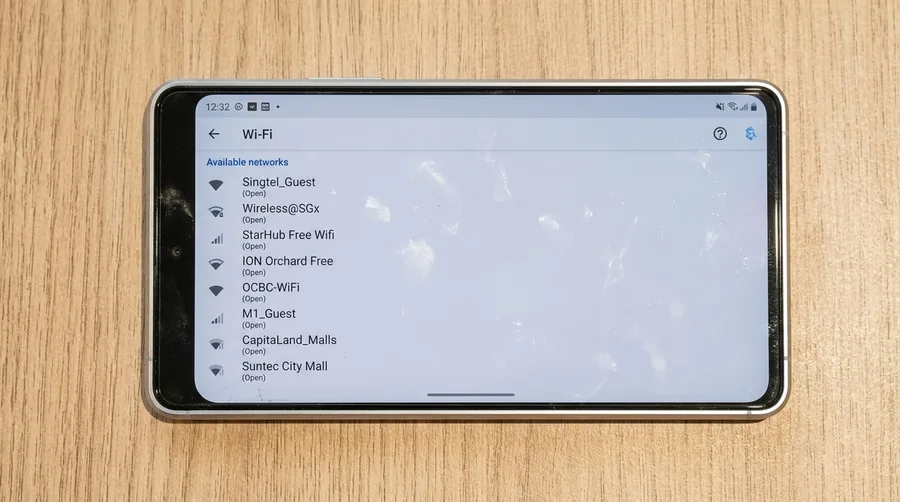
Accessing an unsecured wireless network that belongs to someone else is classified as computer misuse.
Many travelers assume unpassworded routers are public property meant for general use, but local cyber laws treat unauthorized connection as a serious digital intrusion.
Make sure your device settings prevent automatic connection to unknown open access points while walking through residential neighborhoods.
Stick to verified municipal hotspots like Wireless@SGx or your hotel network to stay entirely on the right side of the law.
⚠️ COMMON MISTAKE
Assuming Open Networks Are Public
Never connect to residential wireless signals even if they lack a visible password prompt. Local courts treat this as digital trespassing.
3. Feeding Pigeons and Wildlife

Throwing breadcrumbs to pigeons in historic parks attracts immediate attention from environmental officers.
You might think you are helping local wildlife, but municipal authorities view feeding birds as a public health hazard that multiplies pest populations rapidly.
Keep your snacks sealed when sitting outdoors near open green spaces.
Fines for feeding pigeons or stray animals start high and escalate quickly if enforcement agents spot repeated violations.
Common Misconceptions About Local Laws
4. Jaywalking Across Quiet Streets
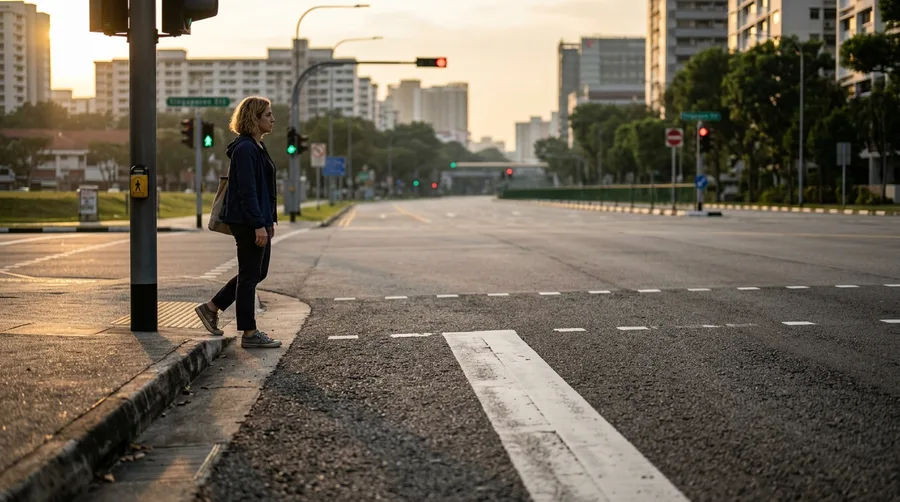
Crossing a wide empty road fifty meters away from a designated pedestrian crossing is an expensive gamble.
Traffic cameras operate continuously across major intersections, and local police issue compound fines to pedestrians who ignore crosswalk signs.
Wait for the green man even if traffic is entirely absent from both directions.
The small delay saves you from paying a steep ticket that dampens your afternoon.
Pedestrian Safety Rules — At a Glance
🚦 Cross Signal
Must be Green
📏 Crosswalk Distance
Within 50 Meters
💸 First Fine
$50 Standard
Rule of Thumb
Always wait for the digital green countdown timer before stepping off the curb.
5. Vaping and E-Cigarettes
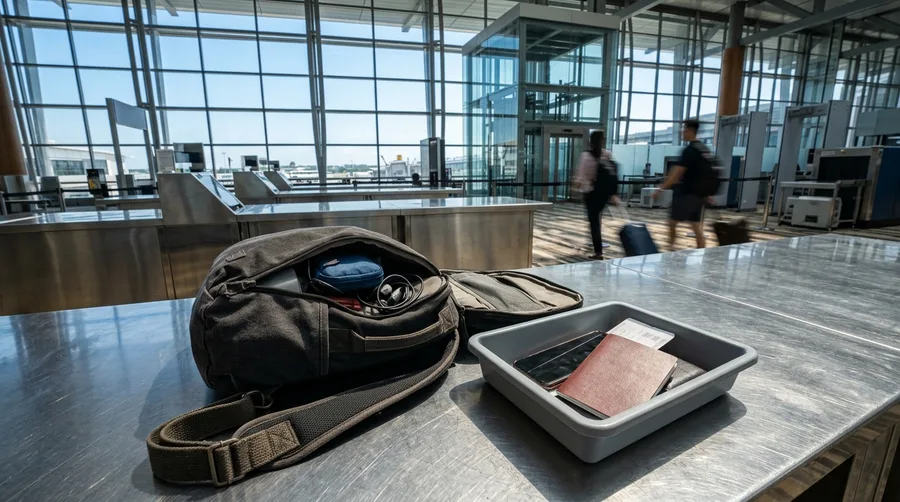
Possessing, using, or purchasing electronic cigarettes is entirely banned within national borders.
Travelers often pack vapes assuming standard international rules apply, but customs confiscates these devices at arrival checkpoints without exception.
Leave your vape gear at home before packing your suitcase.
Carrying e-cigarettes through airport arrivals can result in severe financial penalties and lengthy questioning by border security.
Essential Local Regulatory Terms
6. Spitting in Public Spaces

Clearing your throat and spitting onto a public footpath brings immediate legal consequences.
Municipal cleanliness standards are maintained through strict public health laws that prohibit spitting on any pavement, corridor, or transit platform.
Use a tissue disposed of properly in a bin if you feel unwell during your walk.
Enforcement officers patrol transit stations and commercial areas specifically looking for hygiene violations.
💡 PRO TIP
Keep Tissues Handy
Always carry a small pack of pocket tissues to manage sudden allergies discreetly without risking hygiene fines.
7. Failing to Flush Public Toilets

Leaving a public restroom without flushing the bowl is treated as an actionable cleanliness offense.
Sensors and occasional inspections ensure facilities remain pristine for every visitor who follows you.
Check your stall before exiting to verify the flush cycle completed successfully.
Sanitation officers monitor high-traffic public washrooms in major shopping malls and transit hubs.
Arrival Day Compliance Timeline
8. Consuming Food on Mass Rapid Transit
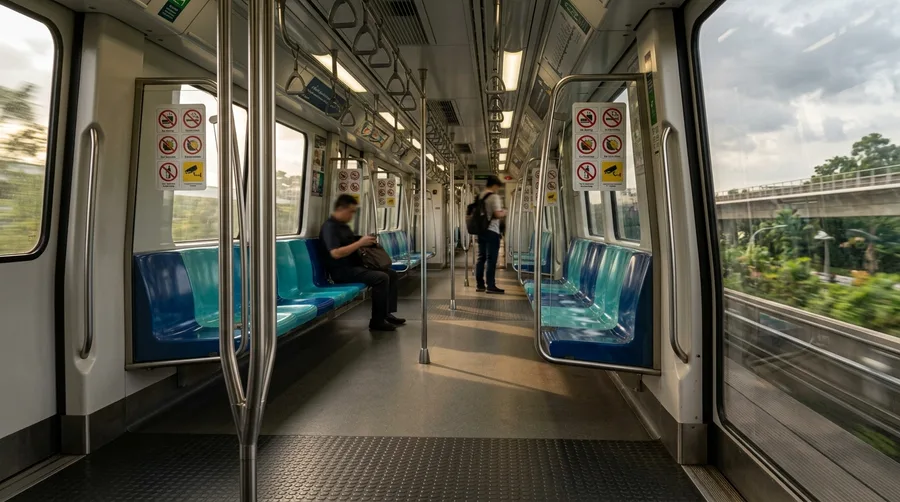
Unwrapping a snack or sipping water inside an MRT train carriage invites a steep station fine.
The strict prohibition keeps carriages entirely free of crumbs, sticky spills, and pest infestations.
Finish your coffee on the station platform before passing through the electronic fare gates.
Station staff and security cameras monitor platform areas and train interiors for any sign of eating or drinking.
MRT Station Rules
9. Connecting to Another Persons Hotspot
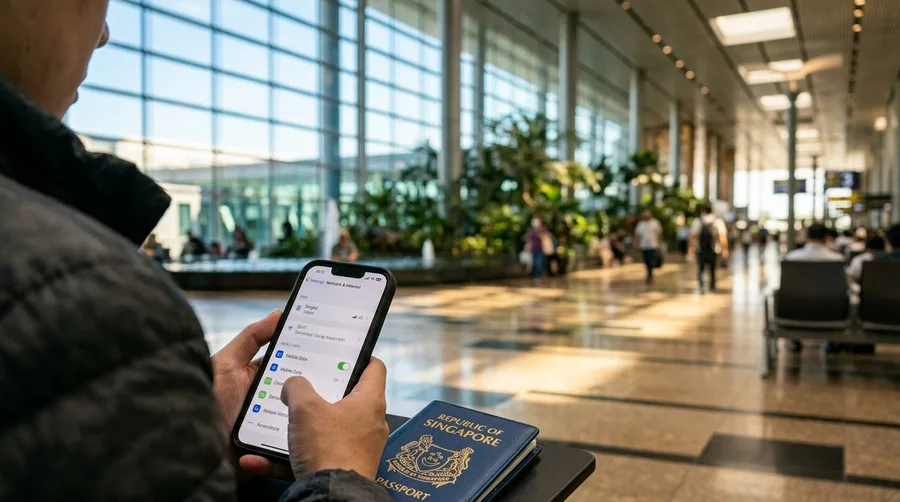
Tapping into a neighbor mobile data tether without express verbal permission crosses legal boundaries.
Telecommunications regulations view unauthorized network sharing as a breach of service agreements and data protection laws.
Secure your own local tourist eSIM card immediately upon arrival at Changi Airport.
Reliable mobile data keeps you independent and prevents accidental legal infractions.
Key Figures on Local Penalties
10. Littering Small Items Like Ticket Stubs
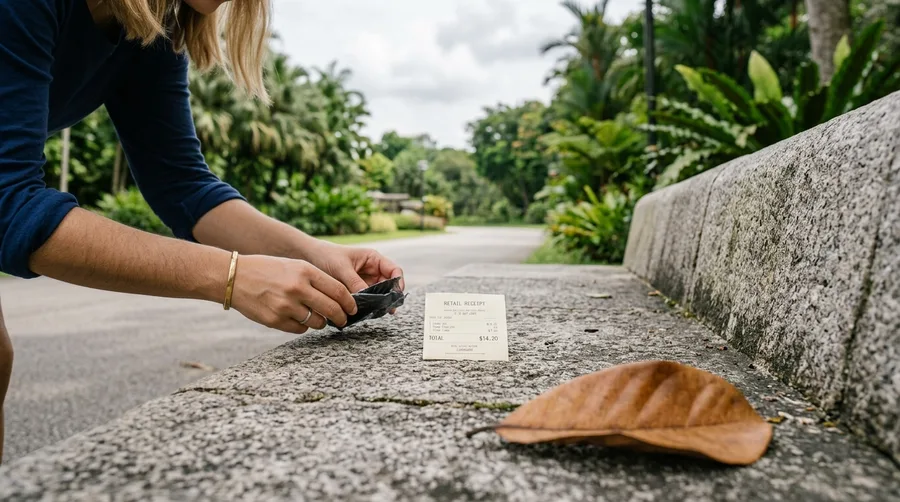
Dropping a single sweet wrapper or receipt onto the pavement triggers a mandatory corrective work order.
Sweepers maintain immaculate public spaces, and litter enforcement teams utilize plainclothes officers to catch offenders.
Hold onto your trash until you spot a clearly marked public waste receptacle.
First-time littering fines hit your wallet hard and serve as a memorable warning.
🌱 GROWING TIP
Use Pocket Wrappers
Designate one coat pocket exclusively for holding trash receipts until you find an approved recycling bin.
11. Singing or Playing Instruments in Public

Busking or playing acoustic instruments in public spaces without an official license is prohibited.
Noise pollution laws protect residential calm and commercial districts from unscheduled musical performances.
Enjoy live music exclusively inside designated entertainment venues and licensed bars.
Street performers without permits face equipment seizure and immediate police citations.
Legal vs Illegal Street Activities
Allowed Actions
- Using licensed eSIM data
- Smoking in designated zones
- Disposing trash in bins
- Walking on marked crosswalks
Prohibited Actions
- Bringing chewing gum
- Eating on the train
- Feeding park pigeons
- Using unsecured Wi-Fi
12. Drinking Alcohol After 1030 PM Outdoors

Consuming alcoholic beverages in public parks or HBD housing estates after 10:30 PM is illegal.
Liquor control zones restrict public drinking late at night to maintain neighborhood peace and safety.
Move your evening drinks indoors to a licensed pub, restaurant, or your hotel room.
Police patrol public zones regularly after hours and issue spot fines for late-night open container violations.
Frequently Asked Questions
Can I bring chewing gum into Singapore for personal use?
No, importing chewing gum is prohibited by customs regulations. Security scanners check luggage for packaging, and items are confiscated immediately upon arrival.
Is vaping allowed in hotel rooms?
E-cigarettes and vapes are illegal across the entire country, including private hotel rooms. Bringing them through airport arrivals results in heavy fines and confiscation.
What happens if I accidentally eat on the MRT?
Transit staff or automated monitoring systems will issue a formal compound fine starting at several hundred dollars. Keep all food and drinks sealed inside bags while riding.
Are first-time tourist offenders let off with a warning?
Law enforcement applies rules strictly to both residents and visitors. Ignorance of local municipal codes does not excuse you from paying standard compound fines.
Where can I safely connect to the internet?
Purchase a local tourist eSIM at Changi Airport or use verified public networks like Wireless@SGx. Never connect to open, unsecured routers.
Make It Stick
A little preparation keeps your trip enjoyable and prevents entirely avoidable fines. Respect local regulations from the moment you step off your flight.
Pack smart, keep snacks out of transit cars, and enjoy a seamless journey through one of the cleanest cities in the world.