Quiet feels rare these days, almost like a luxury you don’t realize you’ve been missing until you finally step into it. The kind of stillness that softens your shoulders, slows your thoughts, and reminds you what your own breathing sounds like.
If you’ve been craving a place where the world stops buzzing for a moment, you’re not alone — and the good news is, America still has pockets of true hush waiting to be found. Some are wild, some remote, some unexpectedly gentle, but each one offers a reset most of us desperately need. Let’s explore the spots where silence still lives.
1. Boundary Waters Canoe Area Wilderness, Minnesota
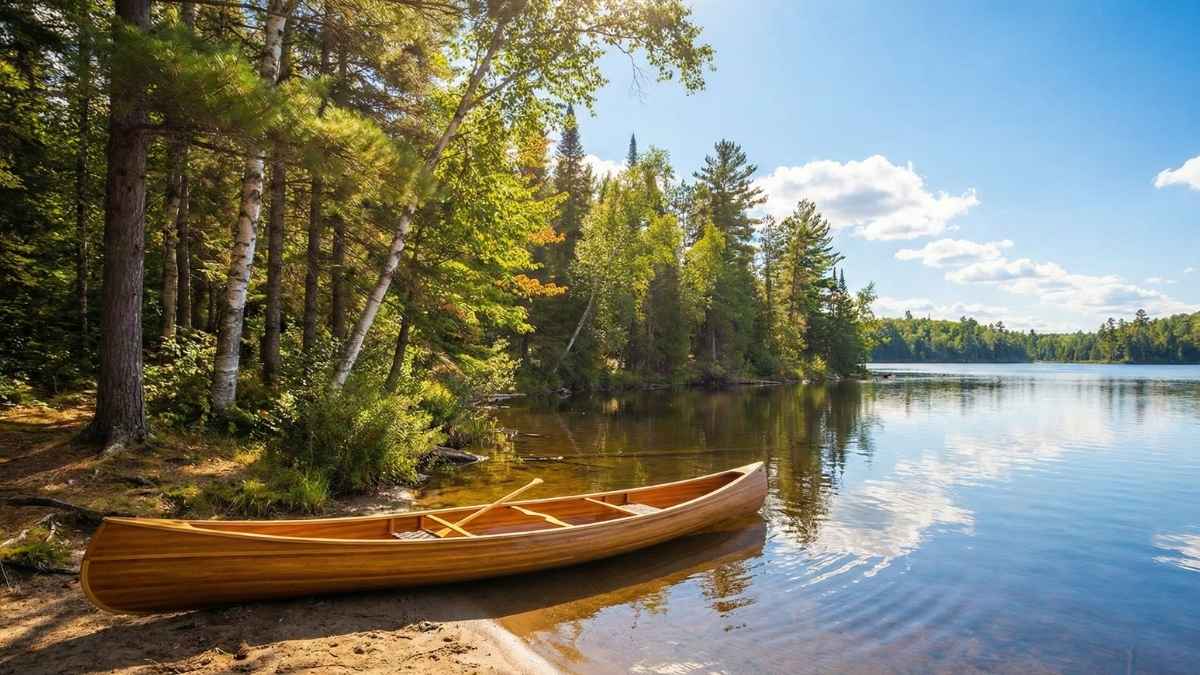
The Boundary Waters is often described as one of the last places in the country where true silence still exists. Miles of glacial lakes, untouched shorelines, and dense forests create a natural sound barrier that feels almost otherworldly once you’re deep inside the wilderness. Even the small sounds — a paddle dipping into glassy water or wind brushing across the pines — seem to amplify the stillness rather than break it.
What truly makes this place feel quiet isn’t just the absence of human noise; it’s the massive, road-free expanse that forces you to slow down. There’s no cell service, no motors in most areas, and no way to rush through the scenery. Days take on their own rhythm, shaped by light, water, and weather. That shift alone makes your senses tune into quieter details you didn’t even know you were missing.
For anyone craving a reset, a canoe trip here feels restorative in a way that can’t be replicated with a quick weekend getaway. Even one night under the Boundary Waters sky — often so still you hear loons echoing miles away — leaves a kind of mental quiet you carry long after leaving. It’s a place that invites calm without trying.
Quick Notes
- Best months to visit: Late June–September
- Ideal for: Multi-day canoe trips, solitude, lake camping
- Noise level: Extremely low, especially on deeper interior routes
- Permits: Required; summer can fill early
- Avoid: Early spring blackfly season
2. Hoh Rain Forest, Washington
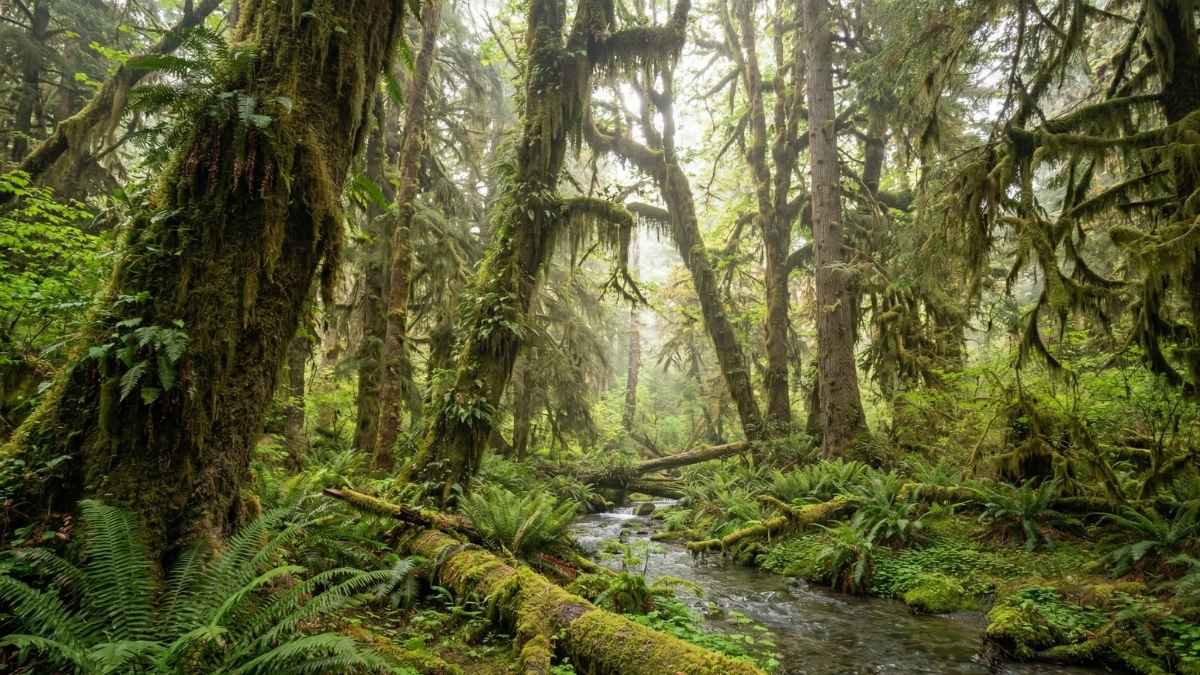
Stepping into the Hoh Rain Forest feels like entering a green cathedral built entirely by nature. The air is dense with moss-covered trees, soft ferns, and filtered light that makes everything feel hushed. Even during daylight, the forest seems to hold sound in place, making every trail feel like its own private corridor of quiet.
What stands out here is how the environment naturally dampens noise. The forest floor is thick and spongy, the air carries moisture, and the old-growth canopy forms a towering sound blanket overhead. People often mention how their footsteps feel muted, as if the forest wants you to slow down. That enforced calm is part of what sets the Hoh apart from other quiet destinations.
Strolling through the Hall of Mosses or deeper wilderness trails, that silence builds in a way that feels grounding. Moments like hearing distant drops fall from century-old branches or spotting elk grazing without a sound create a quiet that sinks in gradually. It’s not dramatic silence — it’s steady, natural quiet that clears mental clutter in a surprisingly powerful way.
Quick Notes
- Best months to visit: May–September
- Ideal for: Low-noise hiking, photography, deep forest solitude
- Noise level: Naturally muffled by thick vegetation
- Permits: Required for backcountry overnights
- Avoid: Heavy winter rain if you want long, peaceful hikes
3. Big Bend National Park, Texas
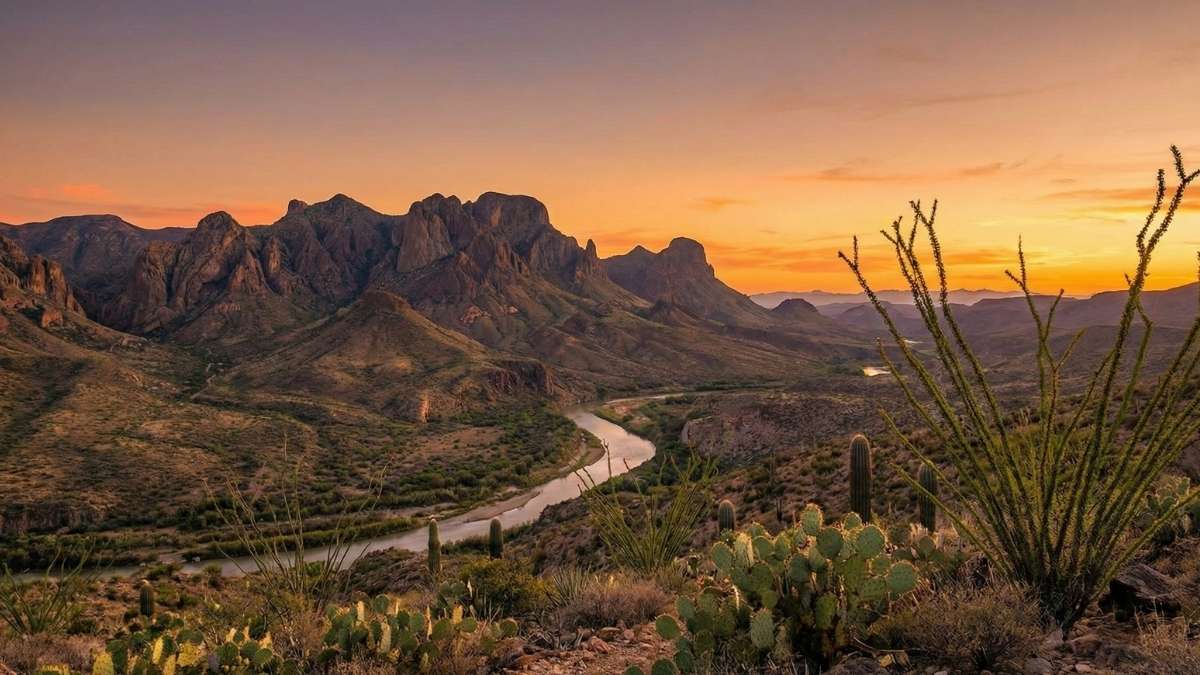
Big Bend offers a kind of silence that feels wide open. The desert itself almost hums with calm, spreading across rugged canyons and sun-baked basins where noise simply dissipates into the distance. Whether you’re hiking through Santa Elena Canyon or standing in the Chihuahuan Desert at dusk, the quiet feels expansive, not empty.
The park’s remote location plays a huge role. It takes effort to reach Big Bend, which keeps crowds small and noise even smaller. Even popular viewpoints can feel surprisingly tranquil outside peak weekends. The combination of dry desert air, vast open views, and minimal human activity creates perfect conditions for true acoustic stillness.
Spend enough time here and the quiet becomes part of the landscape itself. Early mornings bring a gentle calm that settles across the cliffs, while nightfall introduces star-filled skies so silent you almost hear the desert cooling. It’s the kind of hush that makes you aware of your own breathing — a rare thing in the modern world.
Quick Notes
- Best months to visit: October–April
- Ideal for: Desert solitude, stargazing, canyon hikes
- Noise level: Extremely low due to wide-open terrain
- Permits: Needed for some wilderness camping
- Avoid: Peak summer heat
4. Great Basin National Park, Nevada
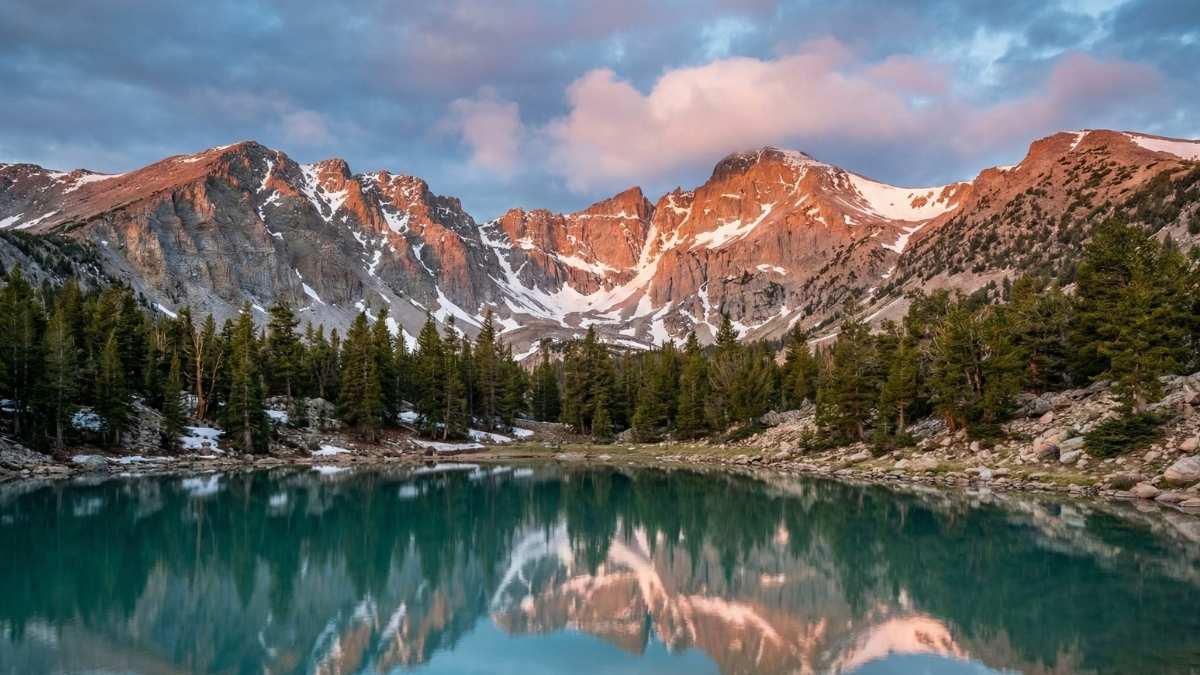
Great Basin is one of the few places where quiet comes paired with high-elevation darkness and dramatic mountain terrain. The silence hits fast the moment you leave the main road — crisp, dry air carries sound differently here, making everything from rustling sagebrush to distant bird calls feel soft and fleeting. The result is a sense of peaceful isolation without feeling completely cut off.
What surprises many visitors is how much variety exists inside such a remote park. Alpine lakes, ancient bristlecone pines, and glacier-carved cliffs each create different kinds of quiet. Walk a few miles up Wheeler Peak, and you get a quiet that feels sweeping and airy; stay in the lower desert, and the silence feels dense and grounded. It’s an underrated place that rewards those who prefer calm over crowds.
Evenings bring some of the best quiet in the region. Once the sun falls behind the mountains, temperatures drop, wildlife settles, and the landscape becomes still enough to make the night sky feel even more intense. The park’s International Dark Sky status adds to the experience, giving you vast, peaceful nights that feel untouched by modern noise.
Quick Notes
- Best months to visit: June–September
- Ideal for: Stargazing, alpine hikes, true remoteness
- Noise level: Very low, especially on high-elevation trails
- Permits: Only needed for certain campgrounds and caves
- Avoid: Early spring snow on higher trails
5. Adirondack High Peaks Wilderness, New York
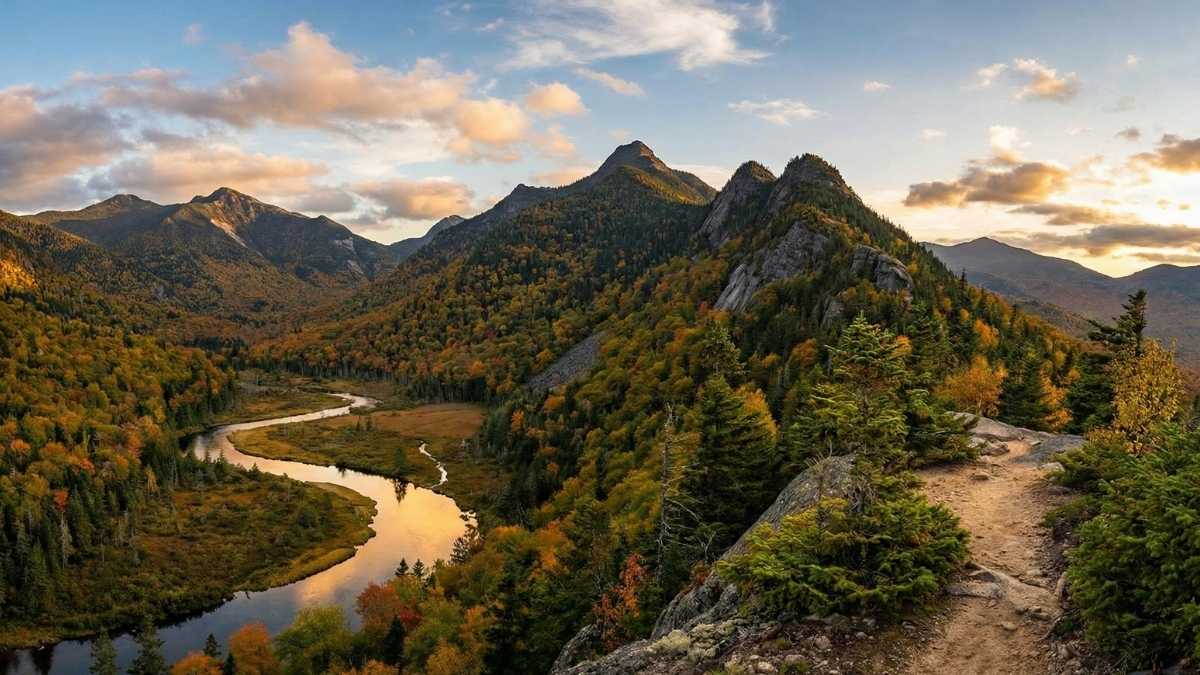
The High Peaks Wilderness is the quiet that sneaks up on you. Dense forest, deep valleys, and long hiking routes work together to create a soundscape that feels naturally muted. Even though the Adirondacks are well-loved, the interior wilderness zones offer a level of silence that rivals those of many parks that are far more remote.
The terrain helps amplify that feeling. Tall ridgelines, thick spruce stands, and hundreds of miles of trail ensure that hikers spread out. Once you move past the more popular routes, the quiet becomes steady and undisturbed, giving you long stretches where the only sounds are wind or water moving through the landscape. Many visitors are surprised at how quickly the noise from everyday life becomes background static in memory.
What gives the High Peaks a special kind of hush is the ruggedness. Long climbs and secluded backcountry lakes encourage a slower pace, and the silence naturally follows. Campsites tucked between mountains often offer deeply restful nights where even small nighttime sounds feel comforting rather than disruptive.
Quick Notes
- Best months to visit: July–October
- Ideal for: Multi-day backpacking, rugged hikes, lake solitude
- Noise level: Low to extremely low in interior zones
- Permits: Required for certain overnight areas
- Avoid: Mud season (April–May)
6. Chiricahua National Monument, Arizona
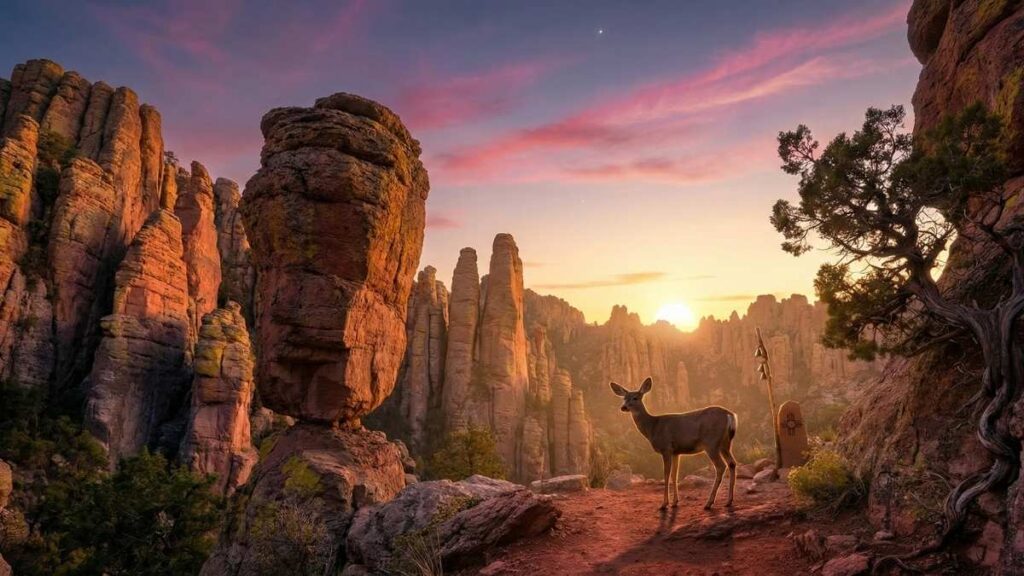
Chiricahua feels like a sanctuary carved by time itself. The towering rhyolite rock formations form a natural maze that shields the landscape from noise, creating pockets of quiet that feel surprisingly intimate. As you walk through those stone “sky islands,” the sound of your own footsteps often becomes the loudest thing around.
What makes this place special is how the silence changes with elevation. Up on the ridges, the quiet feels breezy and open; tucked into the canyons, it becomes slow and deep, almost like the rocks are absorbing every stray sound. That shifting soundscape keeps you tuned into your surroundings in a way that feels grounding rather than isolating.
Toward sunset, the colors on the rocks soften, and the hush around the park becomes even more defined. You can feel the day winding down as wildlife settles in and the air cools. It’s a place where quiet doesn’t feel empty — it feels earned, layered, and full of character.
Quick Notes
- Best months to visit: March–May, October–November
- Ideal for: Scenic hikes, rock formations, peaceful overlooks
- Noise level: Low, with many sheltered pockets
- Permits: Day use is free; backcountry camping requires registration
- Avoid: Mid-summer heat
7. Cumberland Island National Seashore, Georgia
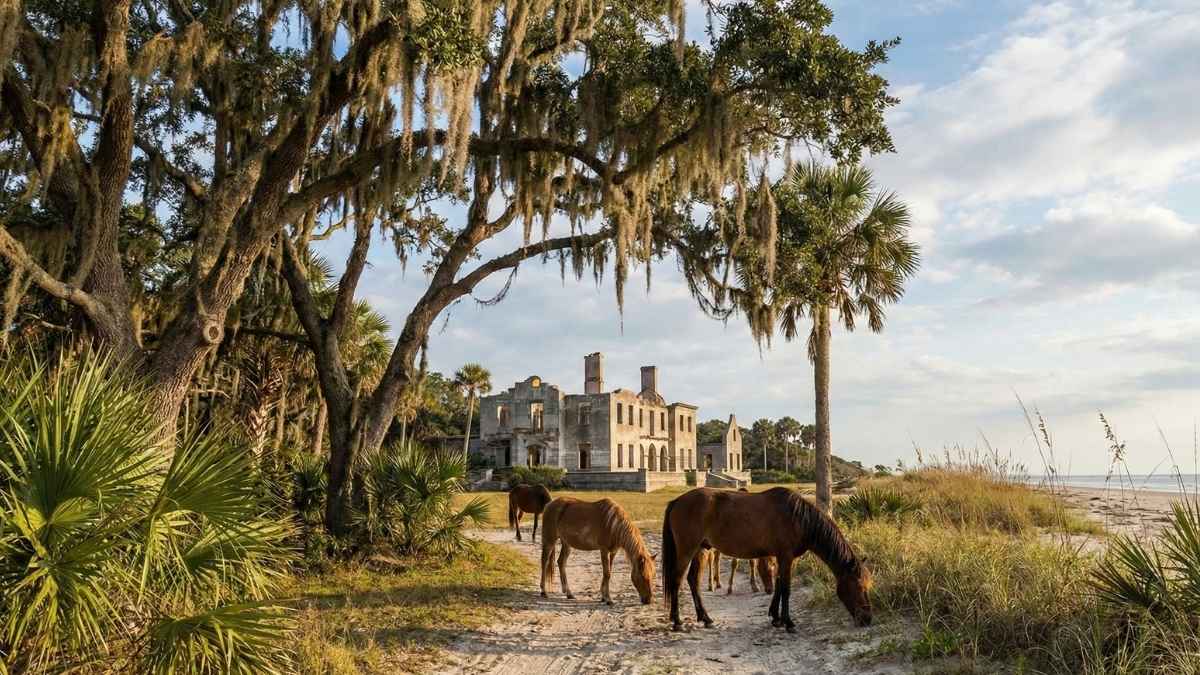
Cumberland Island carries a kind of quiet that unfolds slowly. The long stretches of untouched shoreline, wind-shaped dunes, and maritime forests create a mix of gentle natural sounds that never overpower the sense of calm. Even when waves roll in, they seem to blend into the peacefulness rather than break it.
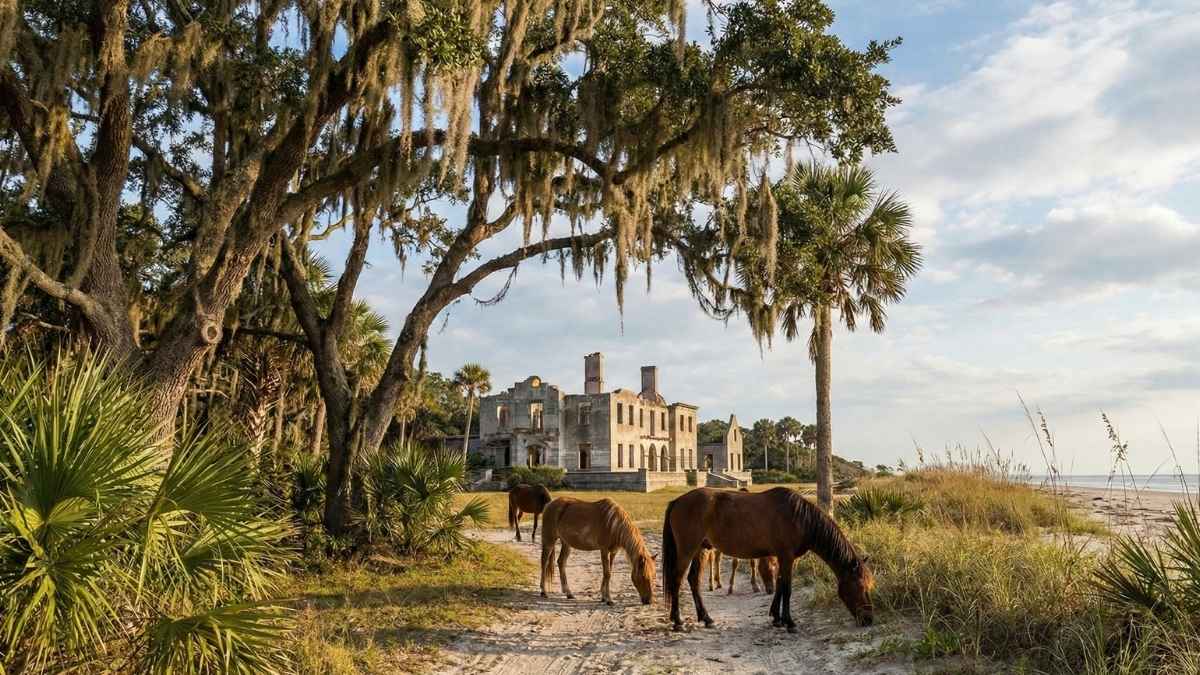
A big part of its serenity comes from the limited number of daily visitors. Once you step off the ferry, the island feels expansive in the best way — the kind of place where walking a few minutes in any direction can put you in complete solitude. Wild horses roaming freely add to the untouched feel, giving the island a soft, almost timeless atmosphere.
The interior forests offer a different kind of quiet, shaded by sprawling live oaks draped in Spanish moss. Trails weave through still wetlands and old ruins, creating a layered experience where every turn feels both calm and slightly mysterious. It’s the kind of peacefulness that lingers long after you leave.
Quick Notes
- Best months to visit: April–June, September–November
- Ideal for: Beach solitude, wildlife viewing, low-noise hiking
- Noise level: Gentle natural ambience, no development noise
- Permits: Mandatory ferry reservation; camping permits required
- Avoid: Peak summer humidity and bugs
8. Red Rock Lakes National Wildlife Refuge, Montana
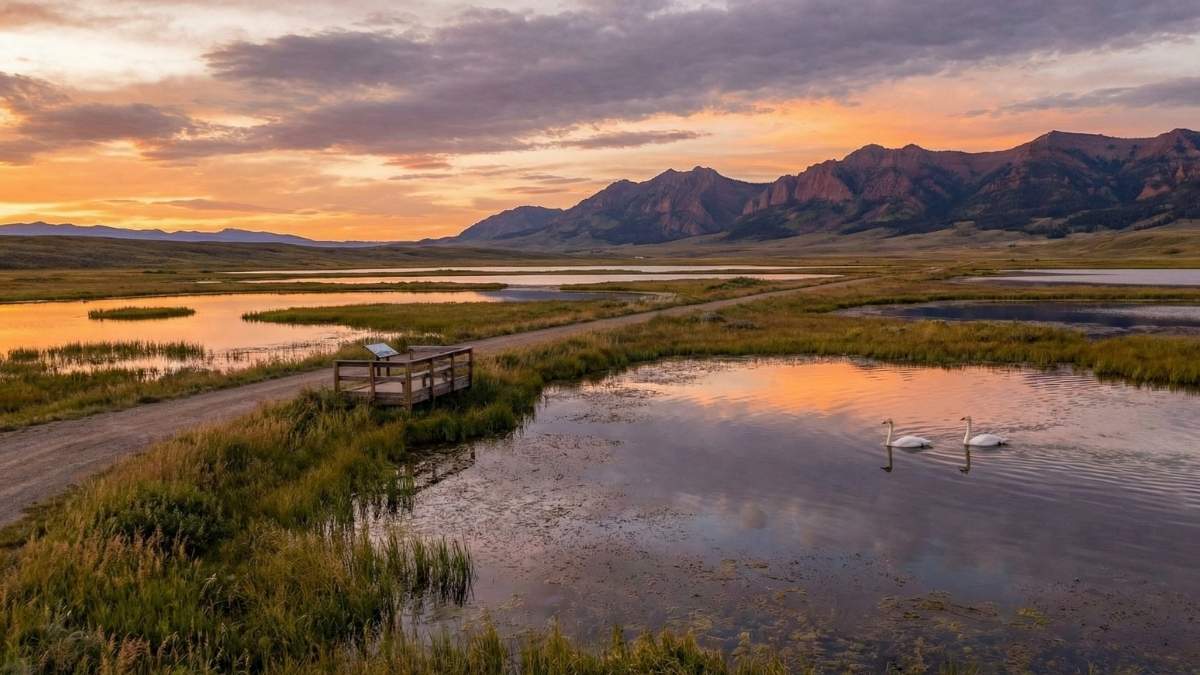
Red Rock Lakes offers silence on a scale that feels wild in the purest sense. The sweeping valleys, reflective lakes, and distant mountains create a soundscape where noise simply disappears into open space. It’s the type of quiet that feels refreshing rather than stark, especially at sunrise when the refuge glows softly.
What stands out most here is the wildlife. Trumpeter swans, pronghorn, and countless migratory birds fill the region, yet the area still retains an impressive level of stillness. The natural sounds that do exist — wings brushing the air, water shifting at the shoreline — feel gentle and entirely in rhythm with the landscape.
Driving or hiking through the refuge, you get an unfiltered experience of Montana’s wide-open calm. The refuge is remote enough that even brief moments of human noise are rare. It’s easy to find a vantage point where the silence settles in around you and creates a kind of mental breathing room that’s hard to find elsewhere.
Quick Notes
- Best months to visit: June–September
- Ideal for: Birdwatching, photography, peaceful drives
- Noise level: Extremely low; natural sounds only
- Permits: Not required for day visits
- Avoid: Early spring when access roads may be impassable