You know that feeling when you think you’re doing everything right, but the results just aren’t there? It’s frustrating. You’re eating the salads, skipping the burger for the deli turkey, maybe even choking down some bran flakes because “fiber is good for you.”
But here’s the hard truth that nobody really talks about: once we hit 50, our bodies change the rules of the game.
For decades, we’ve been sold a pretty simple equation: Eat Calcium = Strong Bones. It sounds logical, right? But biology is messy. It turns out that what you eat isn’t always what you keep.
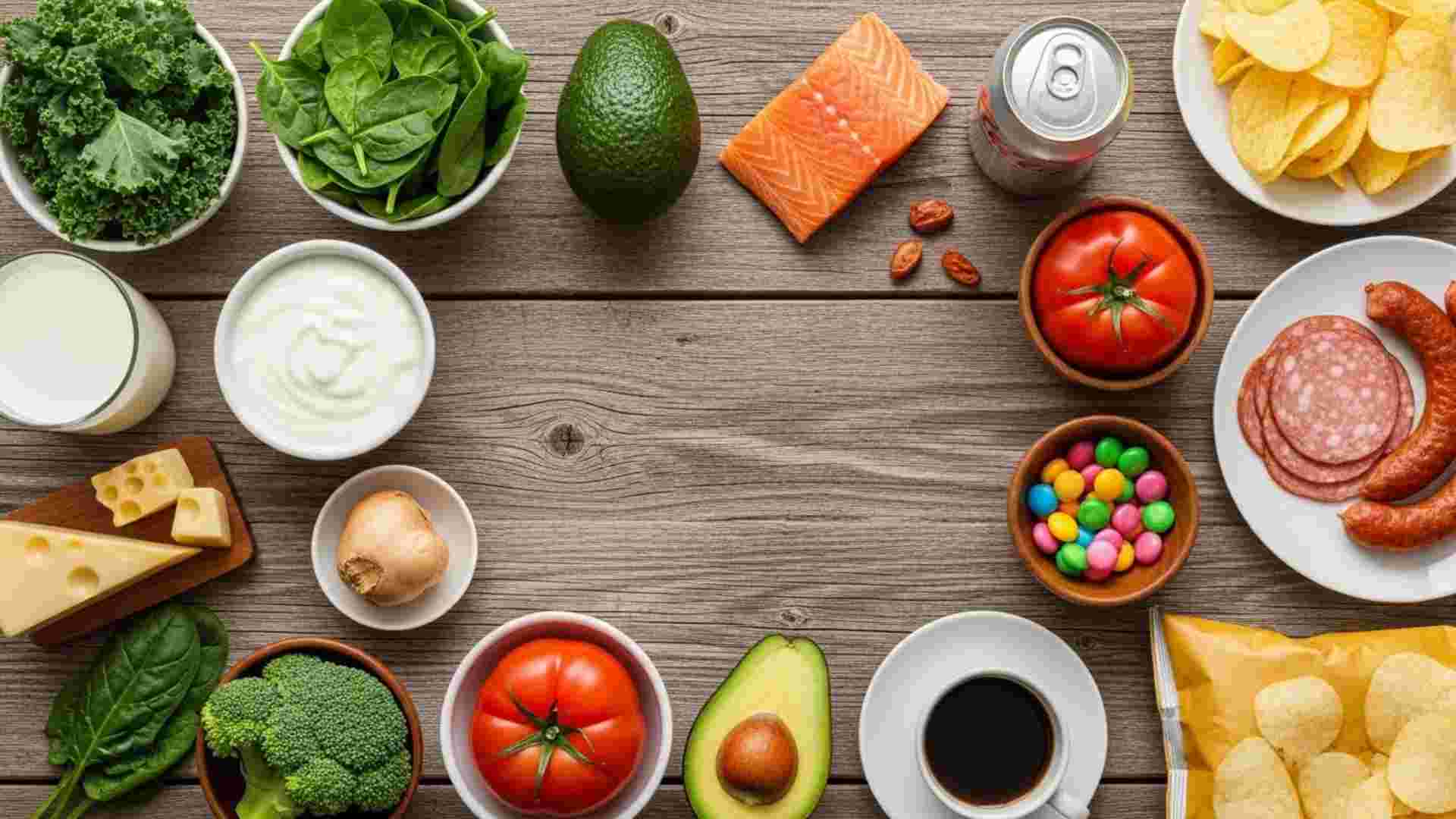
I’ve dug through a mountain of research—medical journals, expert interviews, the works—and what I found is honestly kind of shocking. There are foods sitting in your fridge right now, looking innocent and “healthy,” that might actually be stripping minerals right out of your skeleton.
If you’re over 50, especially if you’re navigating menopause or just feeling those aches a bit more, we need to talk about bioavailability. We need to talk about the 15 foods that might be betraying your bones.
The “Green” Traps (Oxalates)
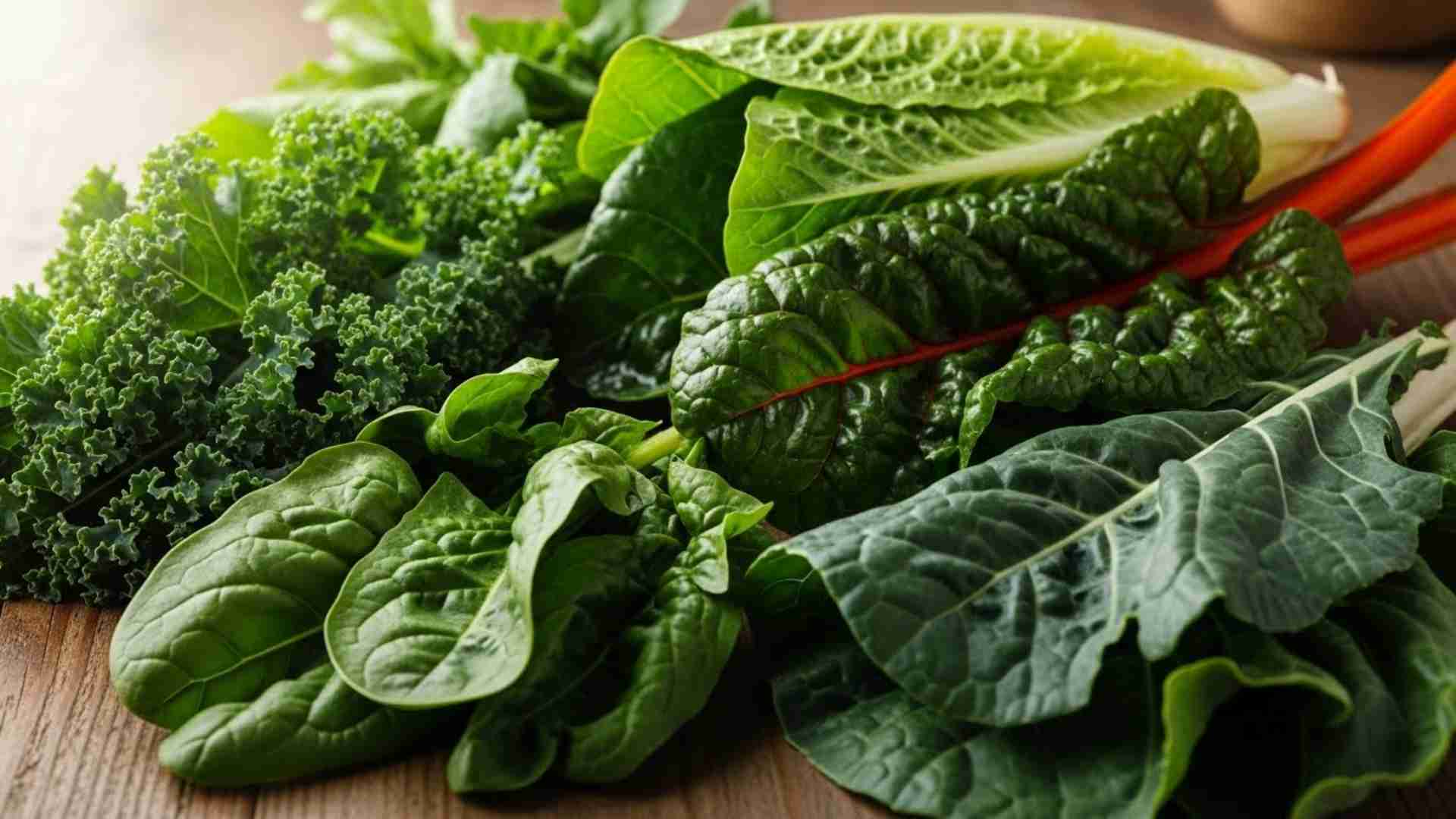
This is the one that usually gets people. We’re told to eat our leafy greens. And we should! But not all greens are created equal when it comes to bone health.
1. Spinach: The False Idol
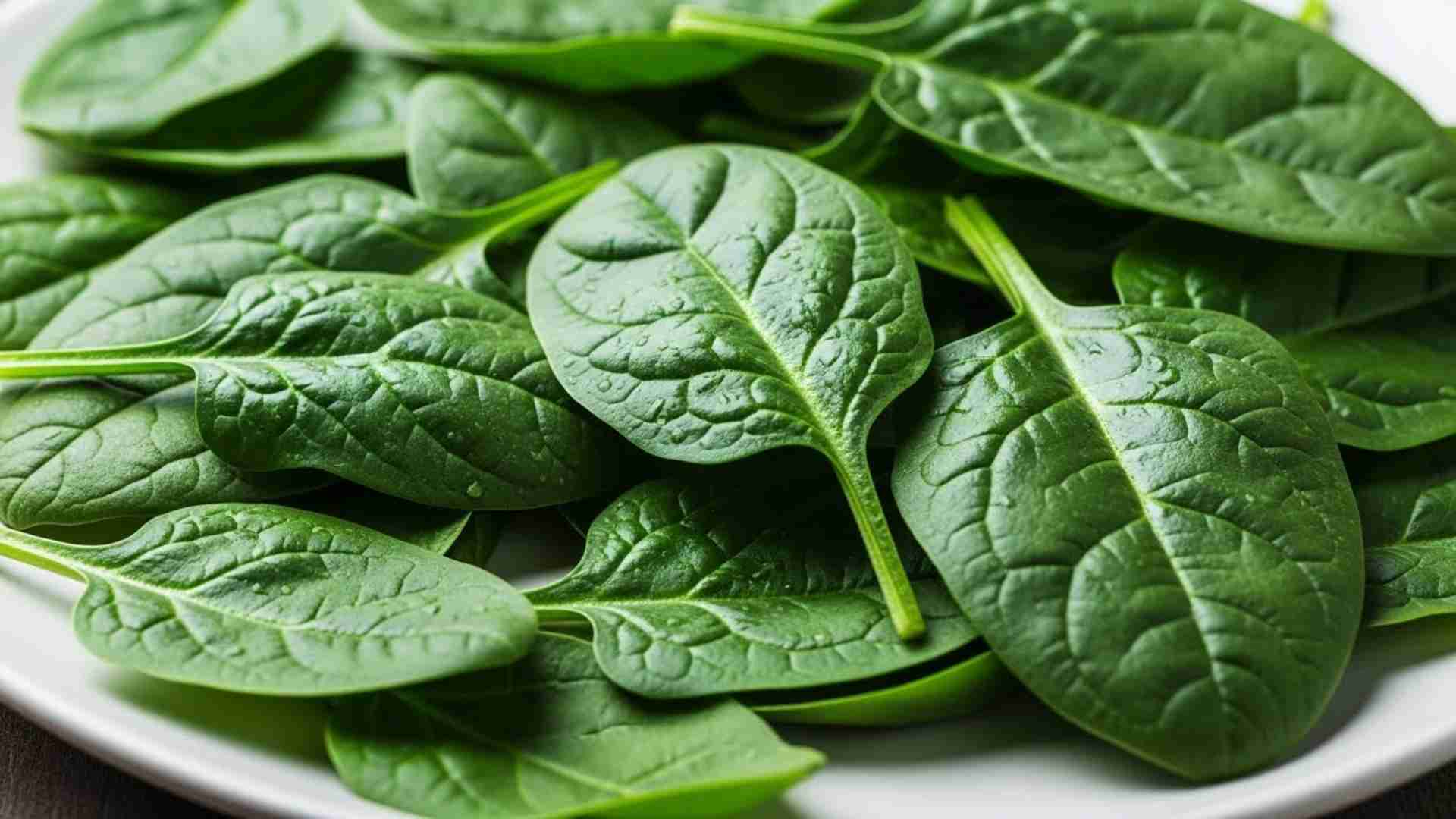
I love spinach. It’s great for iron and vitamins. But if you’re eating it for calcium? You’re wasting your time.
Here’s the deal: Spinach is loaded with calcium—about 260mg per cup. But it’s also loaded with oxalates. Think of oxalates like a bouncer at a club; they grab onto the calcium and refuse to let it into your bloodstream.
The Reality: You only absorb about 5% of the calcium in spinach. To put that in perspective: You would have to eat 16 cups of spinach to get the same usable calcium as one cup of milk.
So, keep eating it for the vitamins, but don’t count it toward your bone health goals.
2. Swiss Chard & Beet Greens
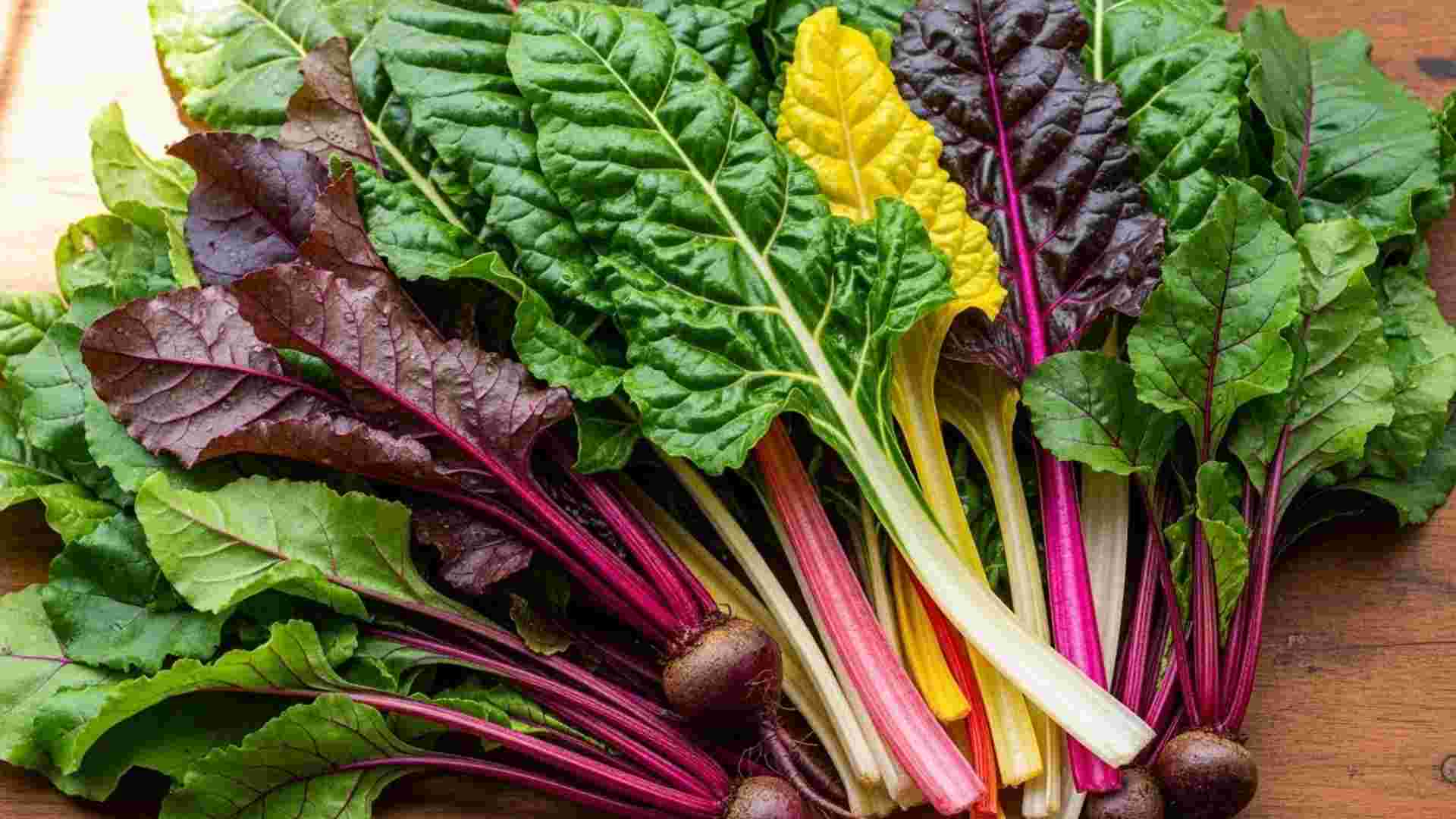
These fall into the same trap. They are nutritional powerhouses for other things, but terrible for bone density.
There was actually a case study of a person who went into kidney failure from juicing too many high-oxalate greens like beet greens. That’s an extreme case, obviously, but it shows how powerful these compounds are. If you’re making a green smoothie to protect your bones, and you’re using beet greens or chard, you might be doing the opposite of what you intend—binding up minerals so your body can’t use them.
3. Rhubarb
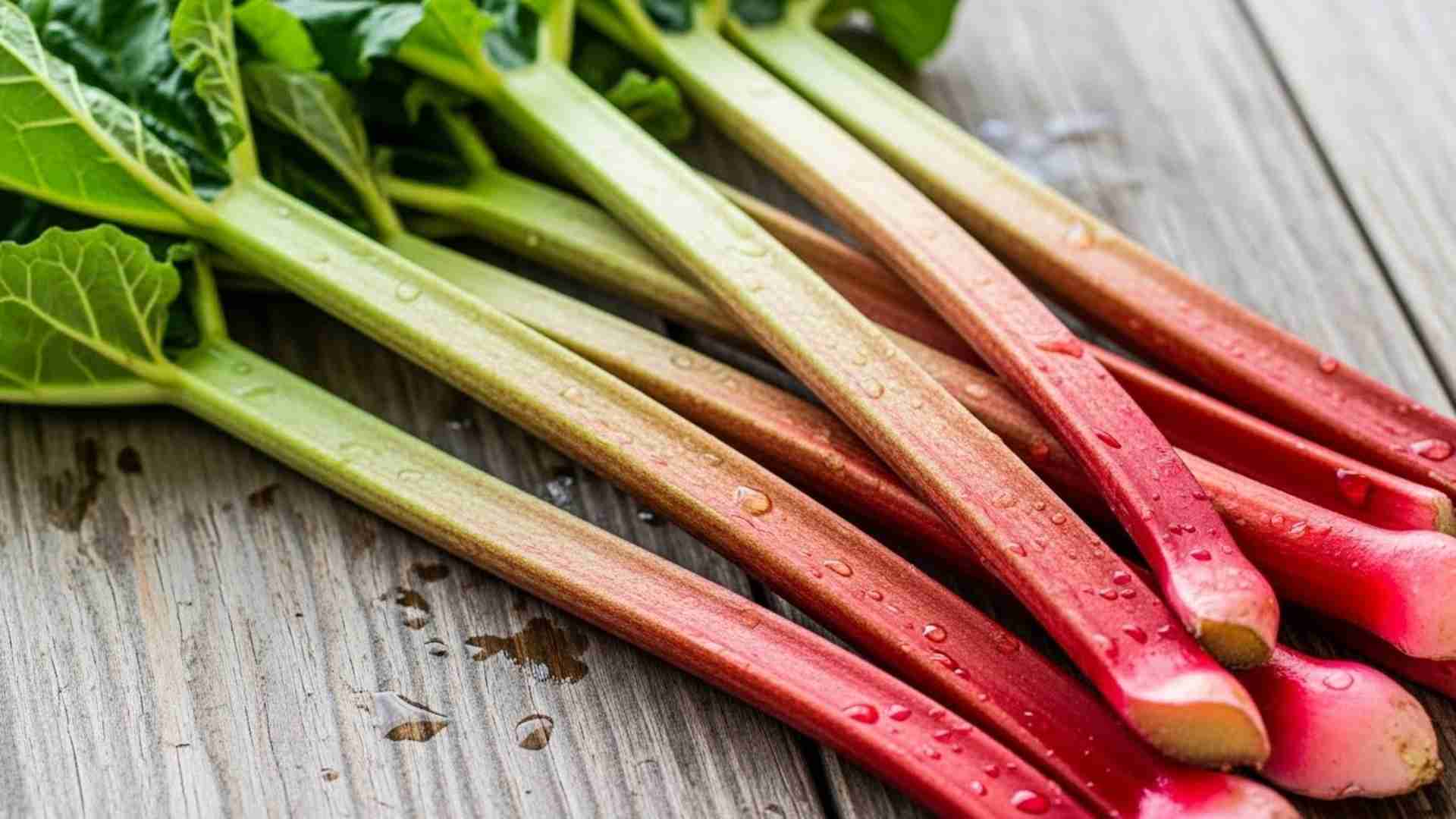
This is the seasonal assassin. It’s absolutely packed with oxalates. In fact, it has so much that it effectively provides zero bioavailable calcium to your body.
The “Stealing” Effect: Here’s the kicker. If you eat rhubarb with a calcium-rich food—say, a rhubarb crumble with custard—the oxalates in the rhubarb can actually bind to the calcium in the custard while it’s in your stomach, preventing you from absorbing that, too. It’s not just providing zero calcium; it’s taking calcium away from the rest of your meal.
The Fiber Backfire (Phytates)
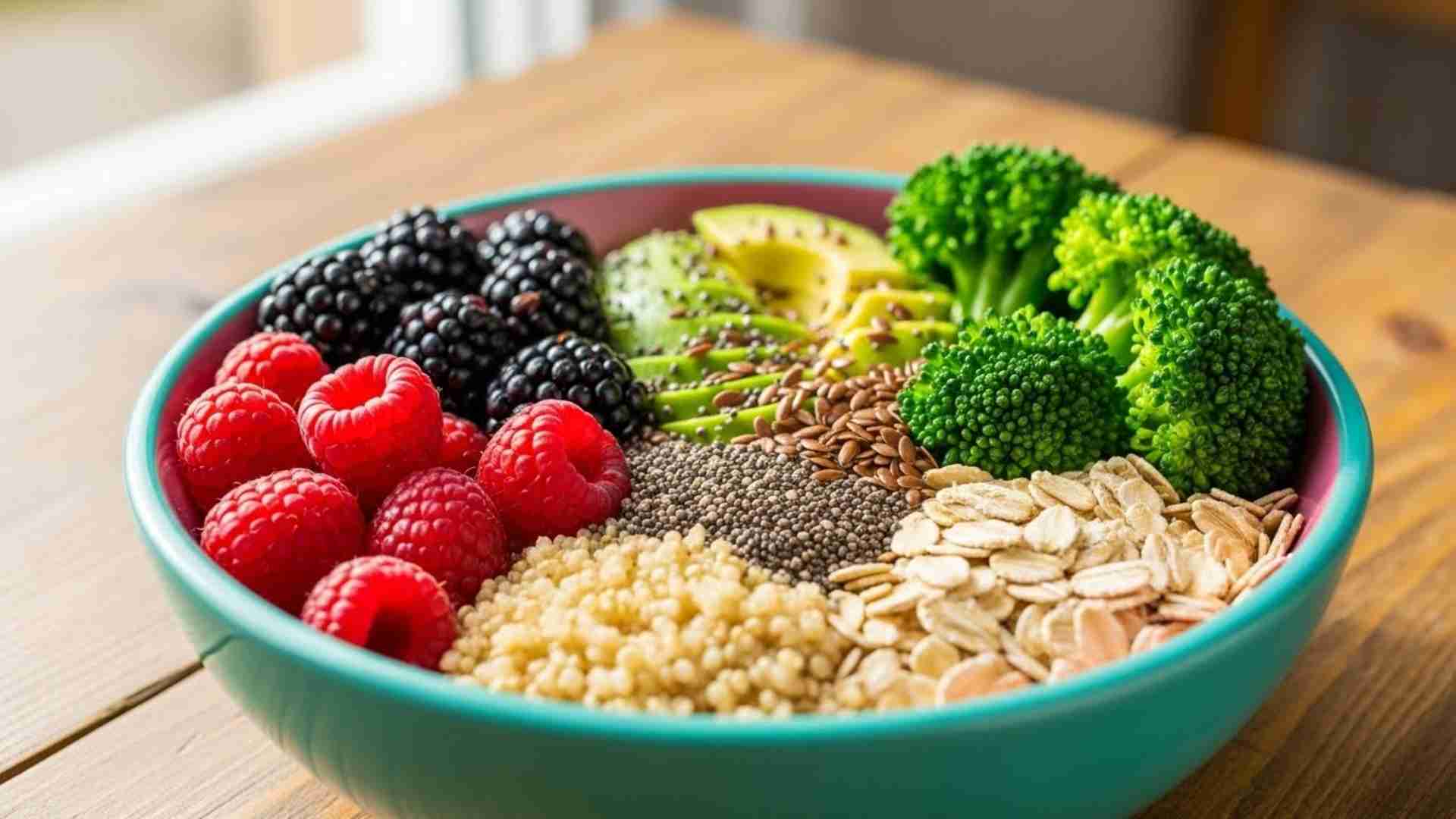
We all know we need fiber. It keeps things moving, lowers cholesterol, all that good stuff. But certain high-fiber foods contain phytates, which are basically anti-nutrients that lock minerals away.
4. 100% Wheat Bran
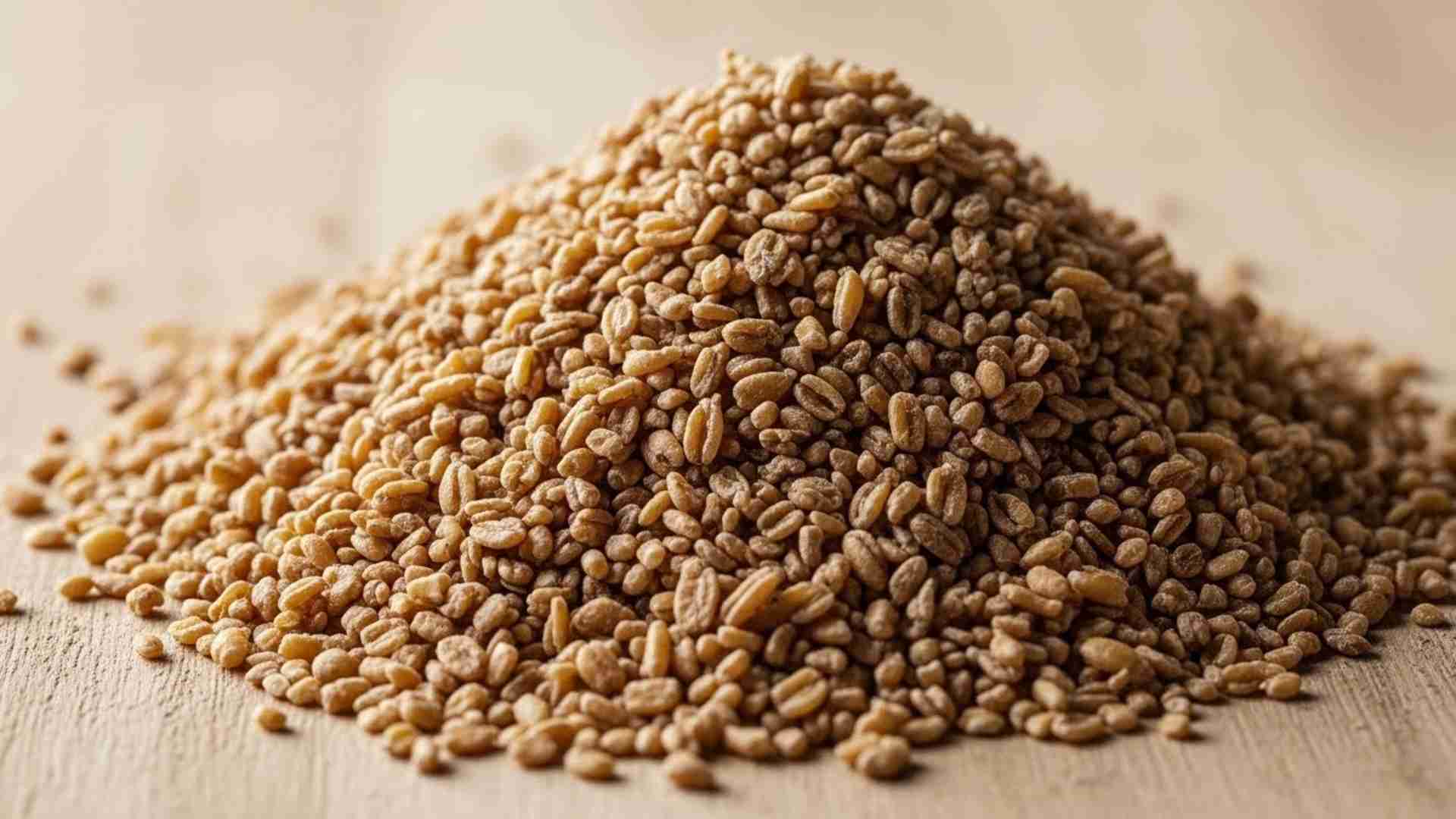
This is the heavy hitter. Unlike other foods that just lock up their own calcium, 100% wheat bran is chemically aggressive enough to block the absorption of calcium from other foods you eat at the same time.
Real talk: If you have a bowl of total wheat bran cereal with milk, you might as well be pouring that milk down the sink as far as your bones are concerned. The bran sucks up the calcium before your body can grab it.
The Fix: If you love your bran flakes, just don’t eat them at the same time as your calcium supplements or your yogurt. Give it a two-hour buffer.
5. Unsoaked Beans (Legumes)
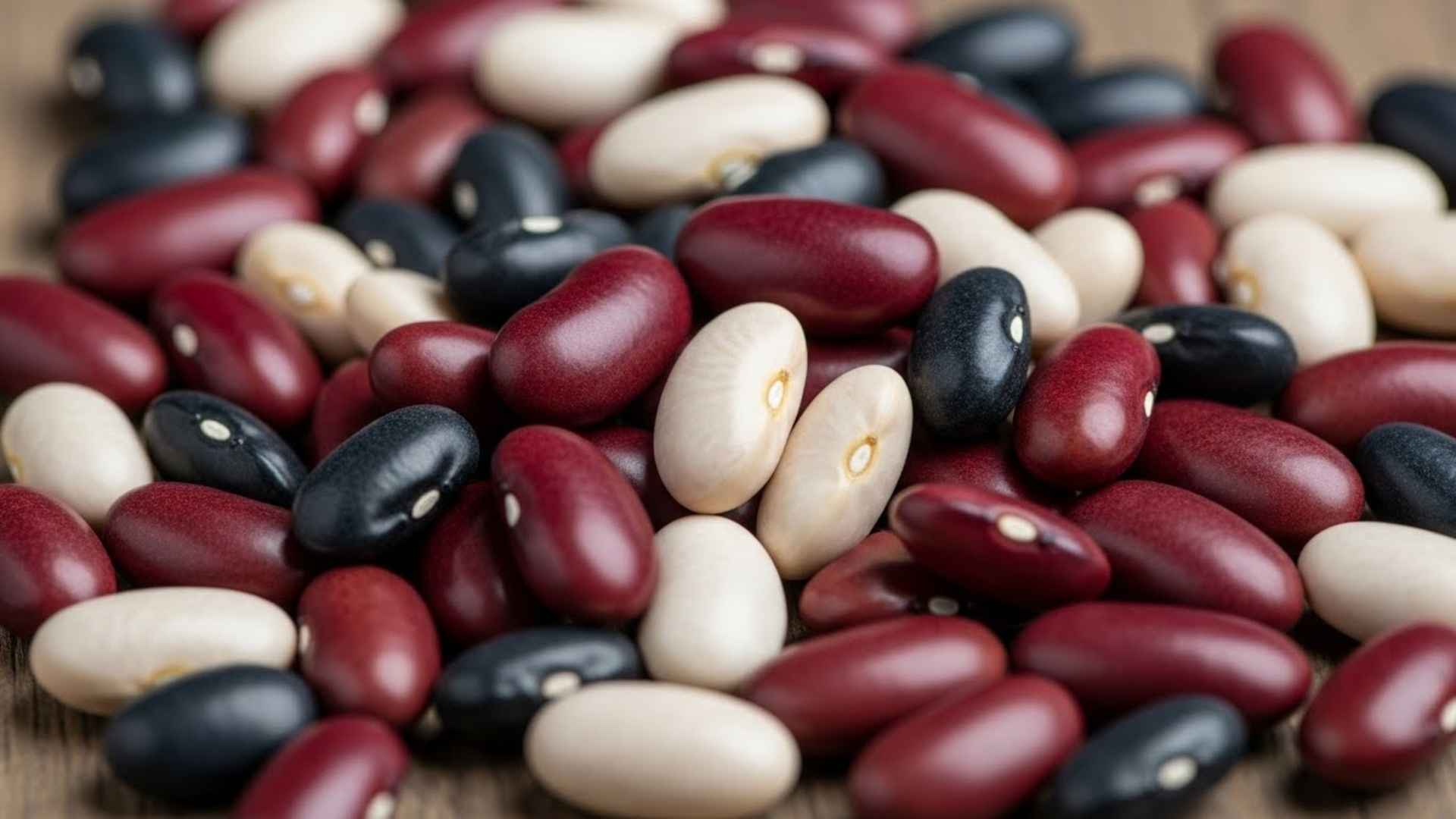
Pinto beans, navy beans, peas—they are healthy, plant-based proteins. But they are also high in phytates.
If you’re just cracking open a can of beans and eating them, you’re getting a high dose of these mineral-blockers. But there’s a hack for this: Soaking. Soaking beans in water for several hours (and tossing that water out) before cooking can reduce phytates by up to 50%. It’s a little old-school, but it works.
6. Unhulled Sesame Seeds
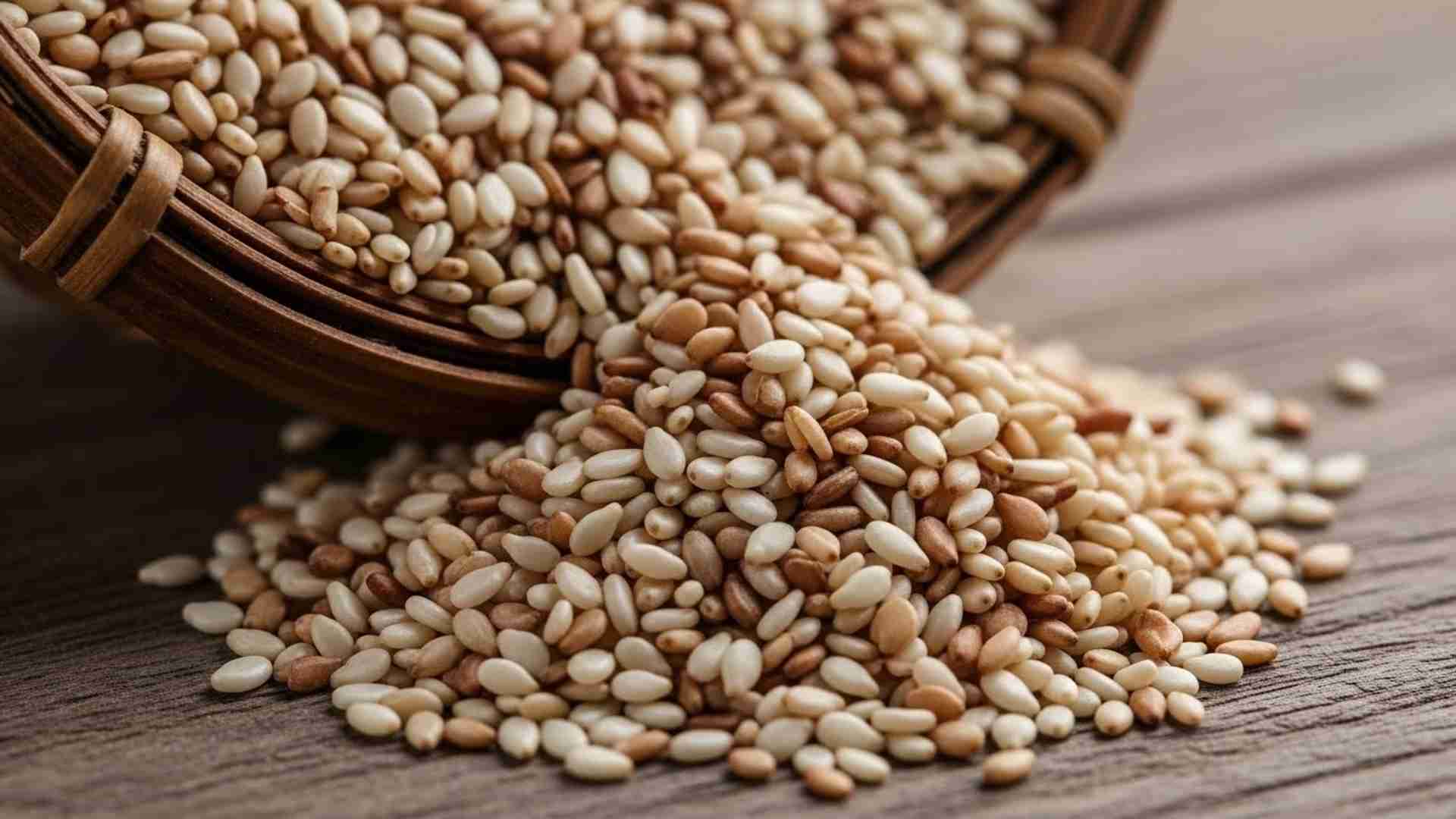
You’ll see sesame seeds listed on “Top Calcium Foods” lists all the time. And technically, they’re right. Unhulled sesame seeds have a massive amount of calcium—nearly 975 mg per 100g.
But (and there’s always a but): The calcium is stuck in the hull, which is rich in oxalates. Your body can’t break into the vault. You might only absorb about 20% of it. They aren’t “bad” for you, but relying on them as a primary calcium source is a risky bet.
The Kidney’s Dilemma 🧂
Canned Soups & Processed Meals
Convenience comes at a cost. These foods are hidden sodium bombs.
Sodium and Calcium are enemies. When kidneys flush out excess salt, they drag calcium out with it.
⬇️ You lose 40 mg of Calcium.
Deli & Processed Meats
Ham, salami, and bacon aren’t just salty—they are packed with phosphate additives to keep them moist.
High phosphates trigger the PTH Hormone. It screams: “Balance the phosphorus!”
This is probably the biggest silent threat to modern bone health. Salt.
7. Canned Soups & Processed Meals
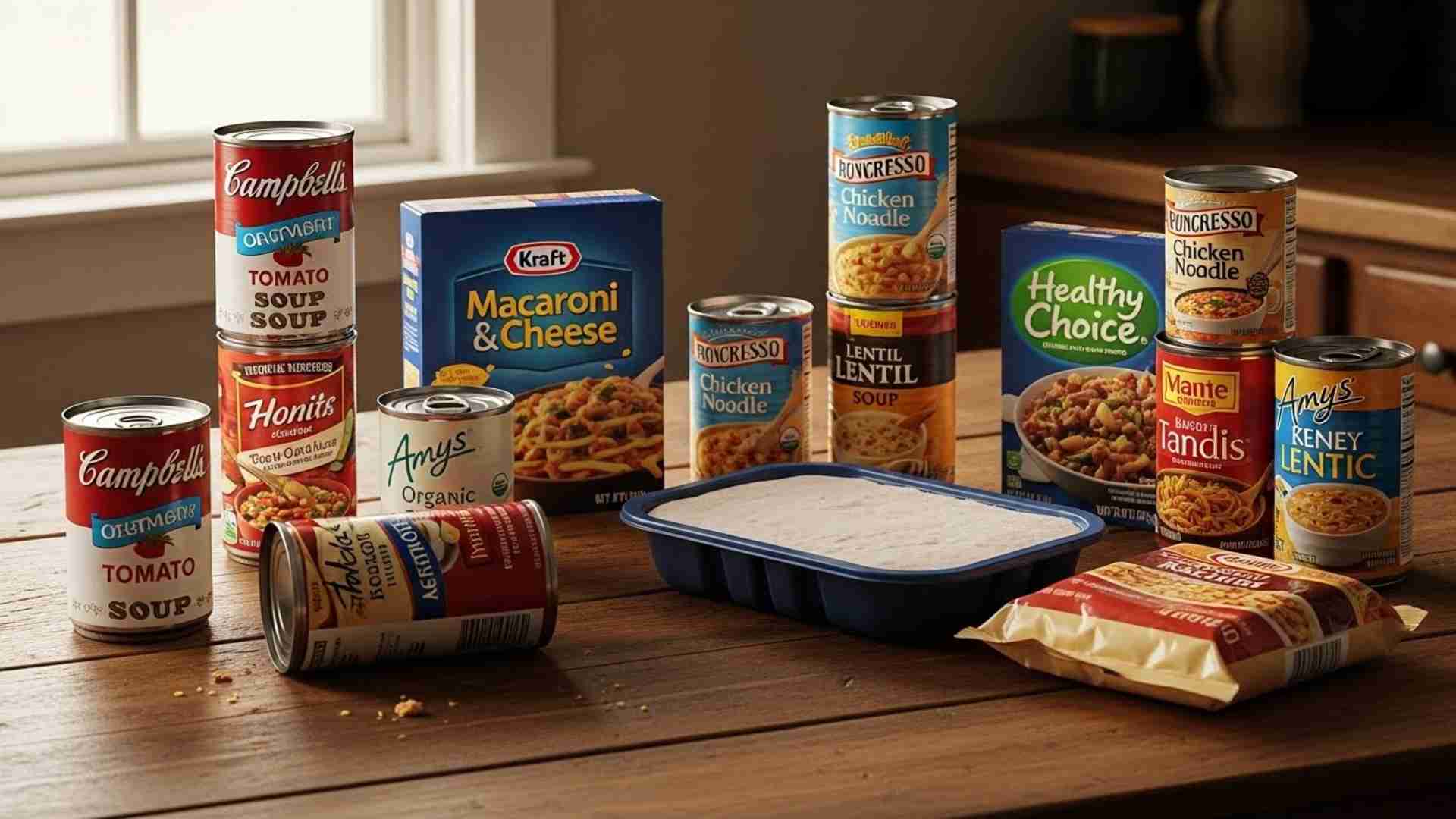
We love convenience. But processed foods are sodium bombs. Here is the mechanism you need to understand: Sodium and calcium are enemies.
When your kidneys work to flush out excess sodium (salt), they drag calcium out with it. It’s an obligatory loss. The Stat: For every 2,300 mg of sodium you excrete (that’s just one teaspoon of salt), you pee out about 40 mg of calcium.
That doesn’t sound like much, right? But do that every day for 10 years. That’s a lot of bone dissolved and flushed down the toilet.
8. Deli Meats & Processed Meats
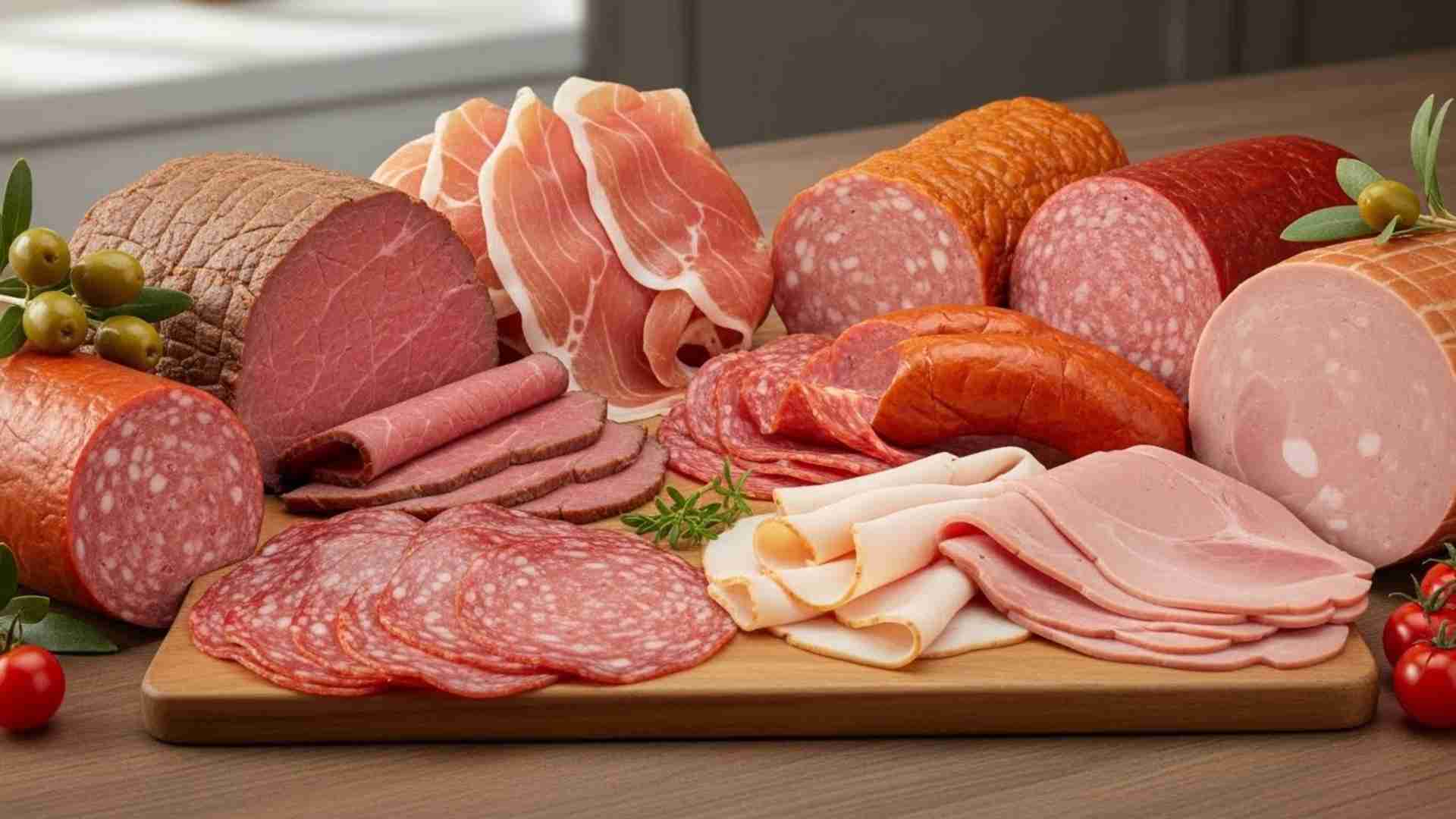
Ham, salami, bacon. Not only are they salty, but they often contain phosphate additives to keep them moist.
High levels of phosphates trigger a hormone called PTH (Parathyroid Hormone). This hormone basically screams at your body, “We have too much phosphorus! Balance it out!” And how does your body balance it? By dissolving your bone to release calcium into the blood. It’s a chemical seesaw you don’t want to be on.
The Metabolic Saboteurs
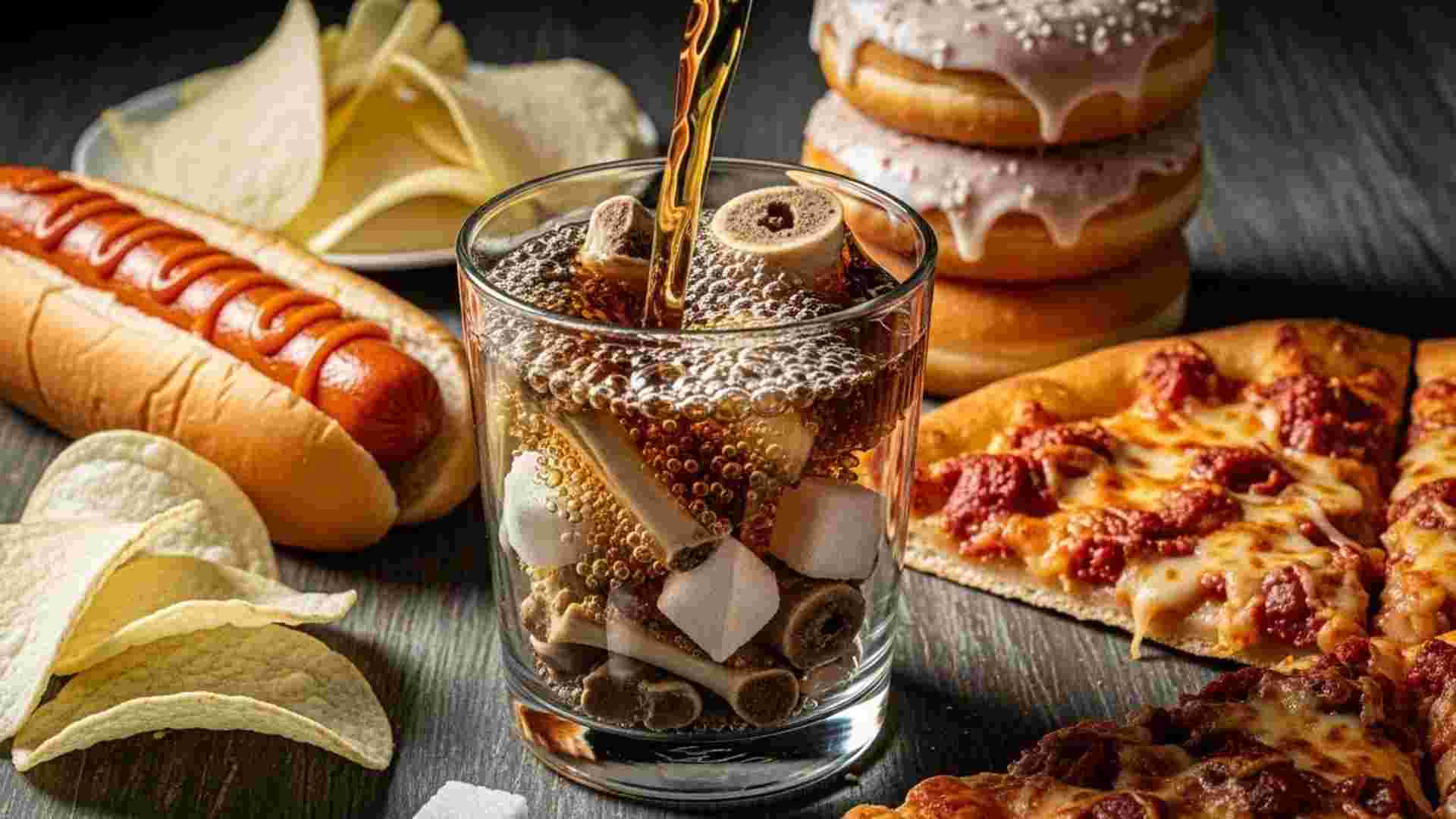
These are the foods that mess with your body’s chemistry in ways that directly hurt bone formation.
9. Dark Colas (Soft Drinks)
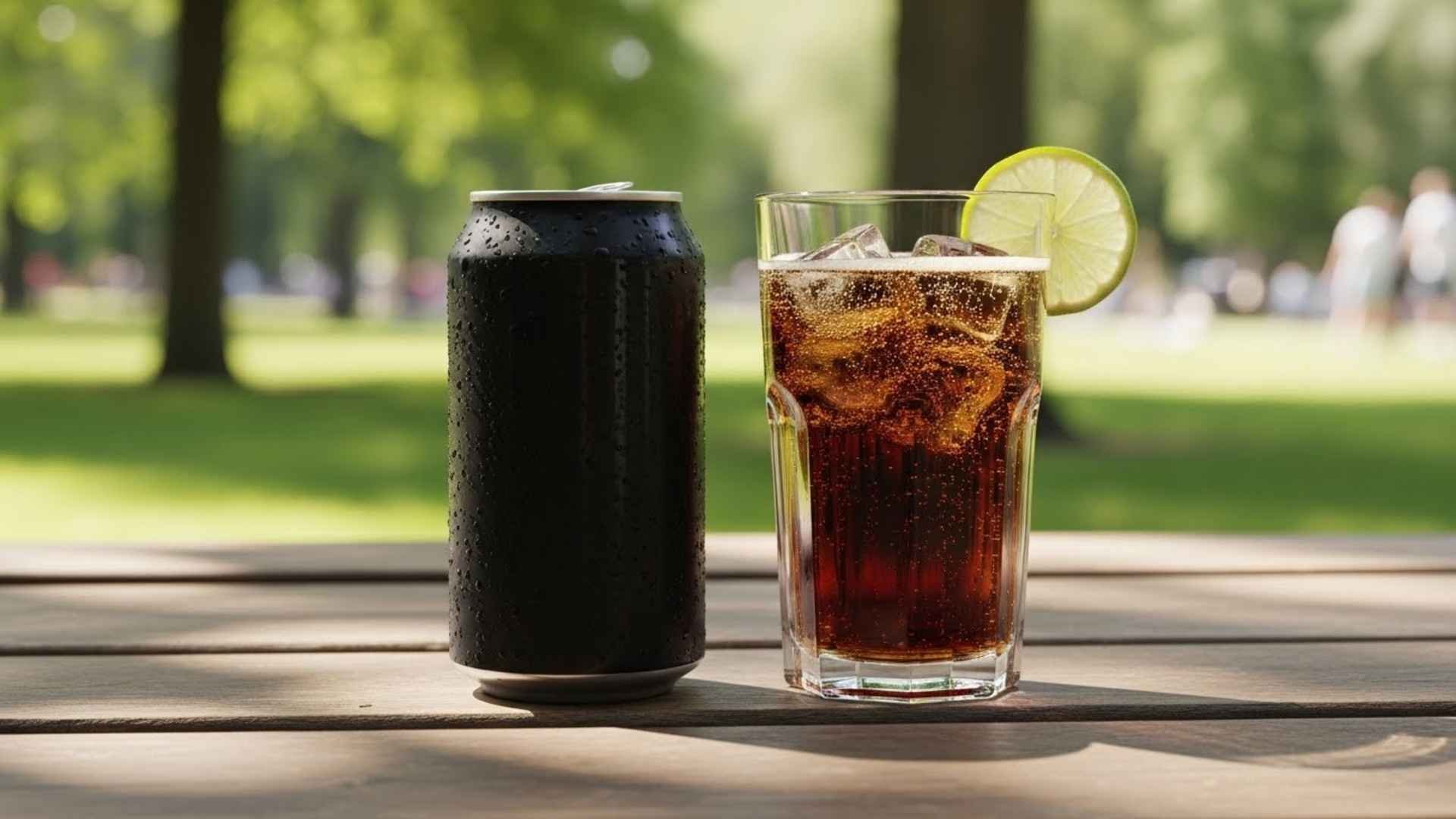
You’ve probably heard soda is bad. But dark colas are specifically dangerous for bones because of phosphoric acid.
Remember that seesaw? Phosphoric acid slams the phosphorus side down, forcing your body to pull calcium from your bones to level things out. The Framingham Osteoporosis Study actually found that women who drank cola daily had significantly lower bone density in their hips compared to those who didn’t.
Swap it: Sparkling water, or even clear sodas (like Sprite or Ginger Ale) don’t have the phosphoric acid. They have sugar (which is another problem), but they won’t leach your bones the same way.
10. Liver & Pâté (Vitamin A)
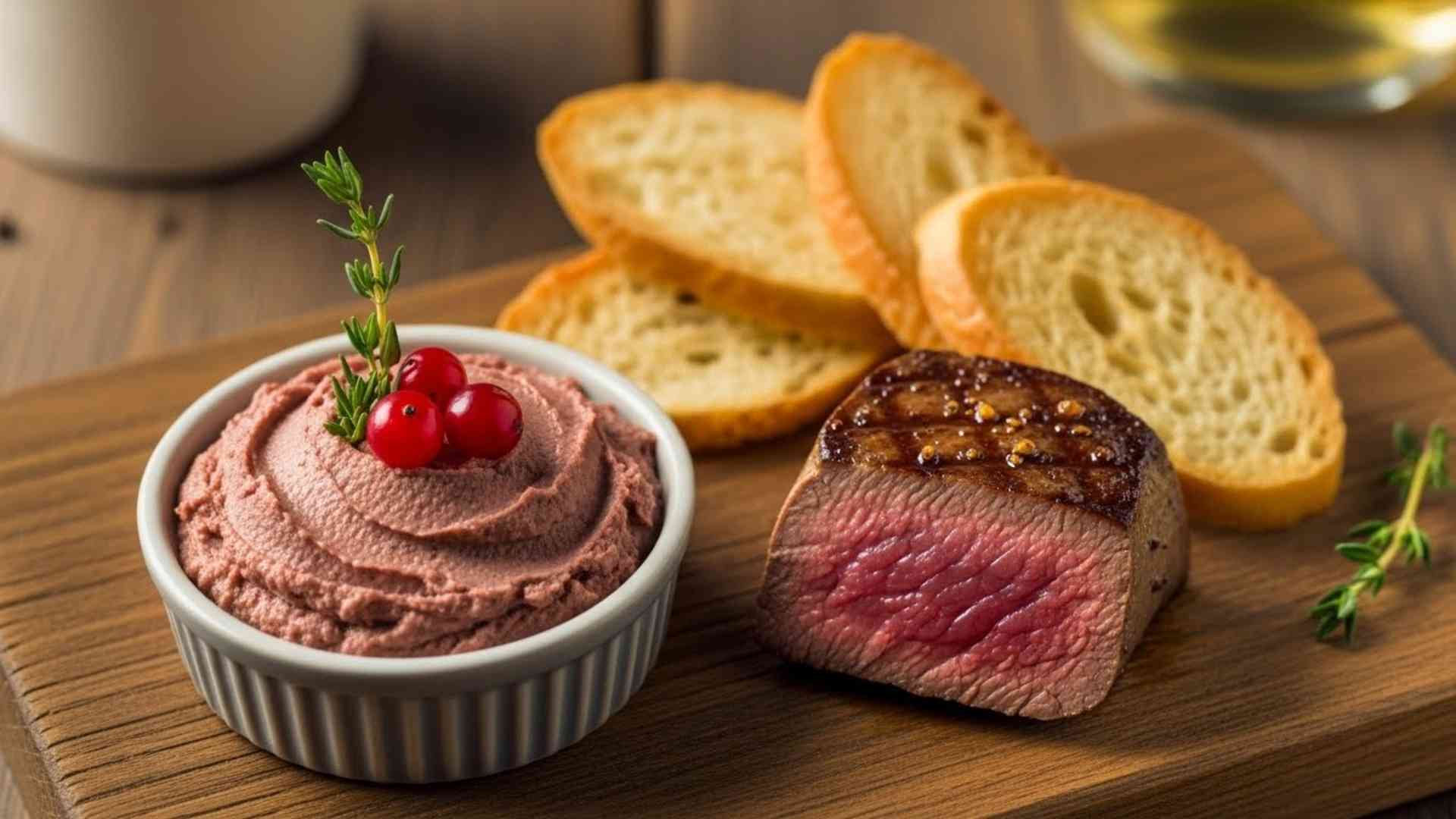
This one surprised me. Liver is a superfood, right? But it’s incredibly high in Retinol (Vitamin A).
While Vitamin A from carrots (beta-carotene) is totally safe, pre-formed Vitamin A from liver can be toxic to bones in high amounts. It stimulates the cells that break down bone. Experts suggest that eating liver more than once a week can increase your risk of fracture significantly.
11. Hydrogenated Oils (Trans Fats)
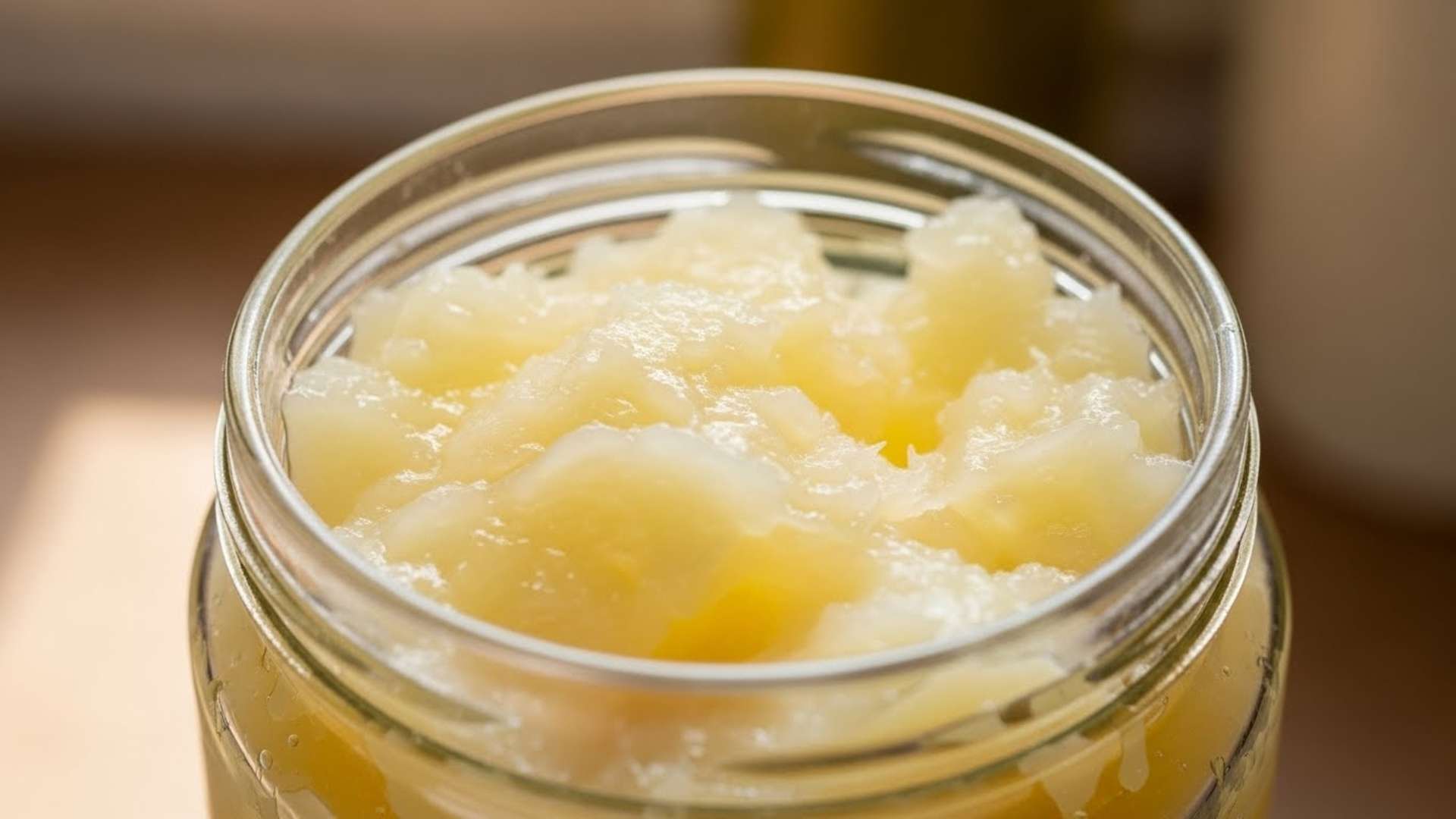
Found in baked goods, non-dairy creamers, and fried foods. We know they clog arteries, but they also destroy Vitamin K.
Why does that matter? Think of calcium as the bricks, and Vitamin K as the mortar. Without Vitamin K, the calcium doesn’t stick to the bone matrix properly. You end up with “soft” bones, even if you’re drinking gallons of milk.
12. Sugar (The Silent Inflamer)
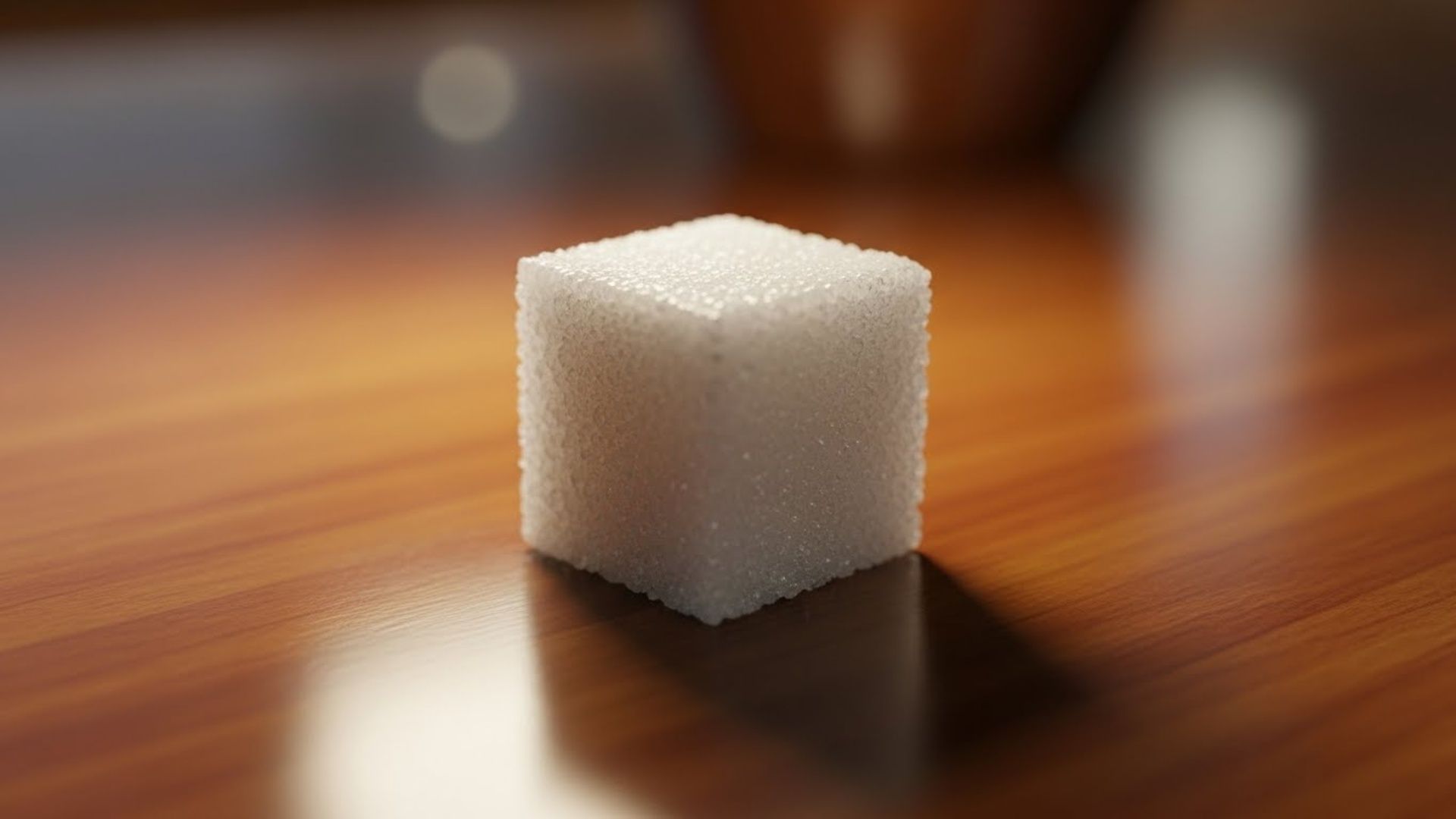
We usually think of sugar as a weight issue, but it’s a bone issue too. High blood sugar creates something called AGEs (Advanced Glycation End-products). These sticky compounds bind to the collagen in your bone—the stuff that makes bone flexible so it doesn’t snap. Sugar literally makes your collagen brittle.
The Lifestyle Factors

13. Excess Caffeine
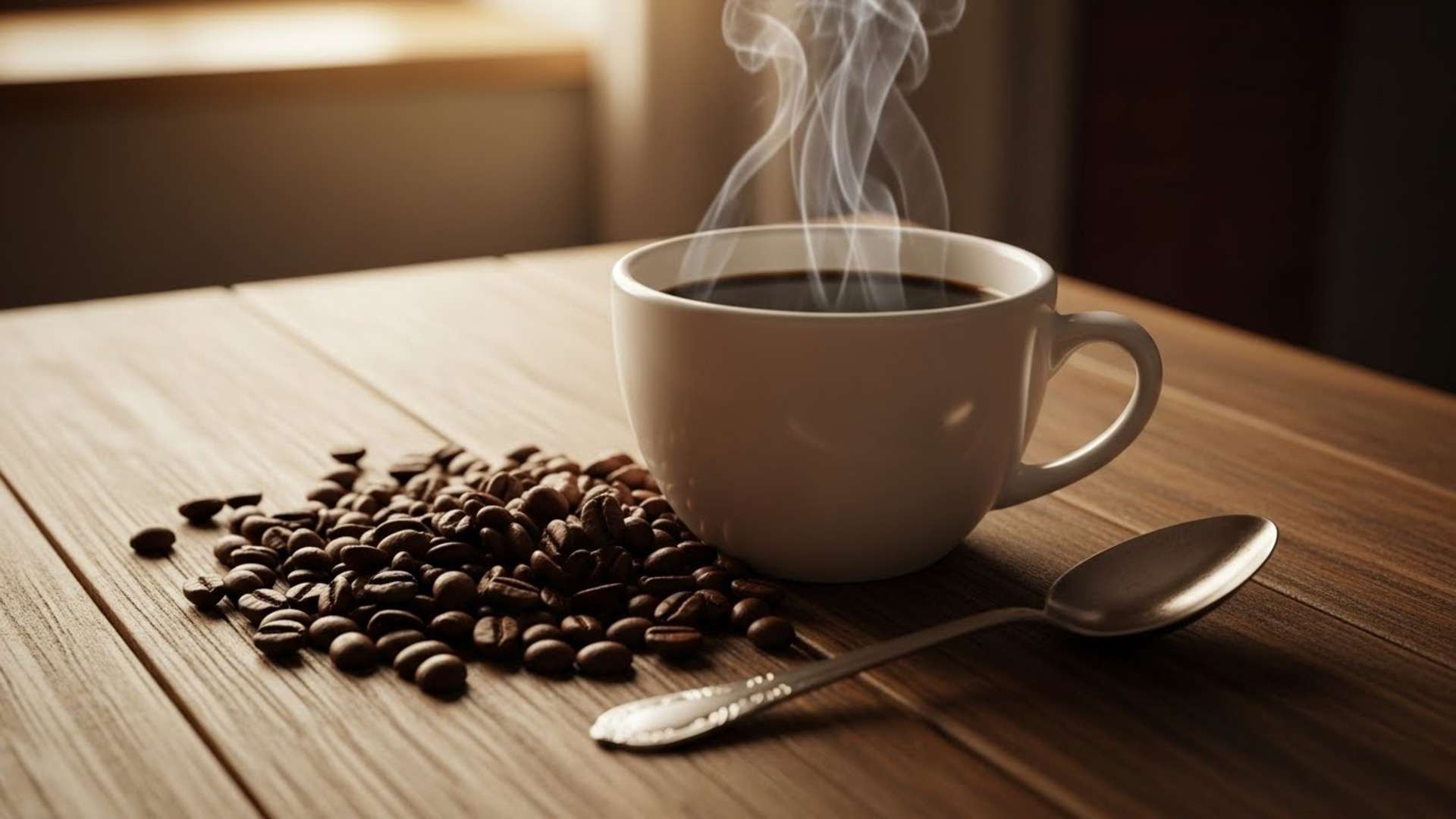
If you’re drinking a pot of coffee a day, we need to talk. Caffeine does leach a tiny bit of calcium (about 4mg per cup). The Good News: Tea doesn’t seem to have the same bad rap. In fact, some studies show tea drinkers have better bone density, likely thanks to flavonoids. So, maybe swap that third coffee for an Earl Grey.
14. Alcohol

Moderate drinking is usually okay, but heavy drinking (more than 2-3 drinks a day) depresses the cells that build new bone. It effectively puts your construction crew on a permanent lunch break.
15. Sugary Treats and High-Sugar Drinks
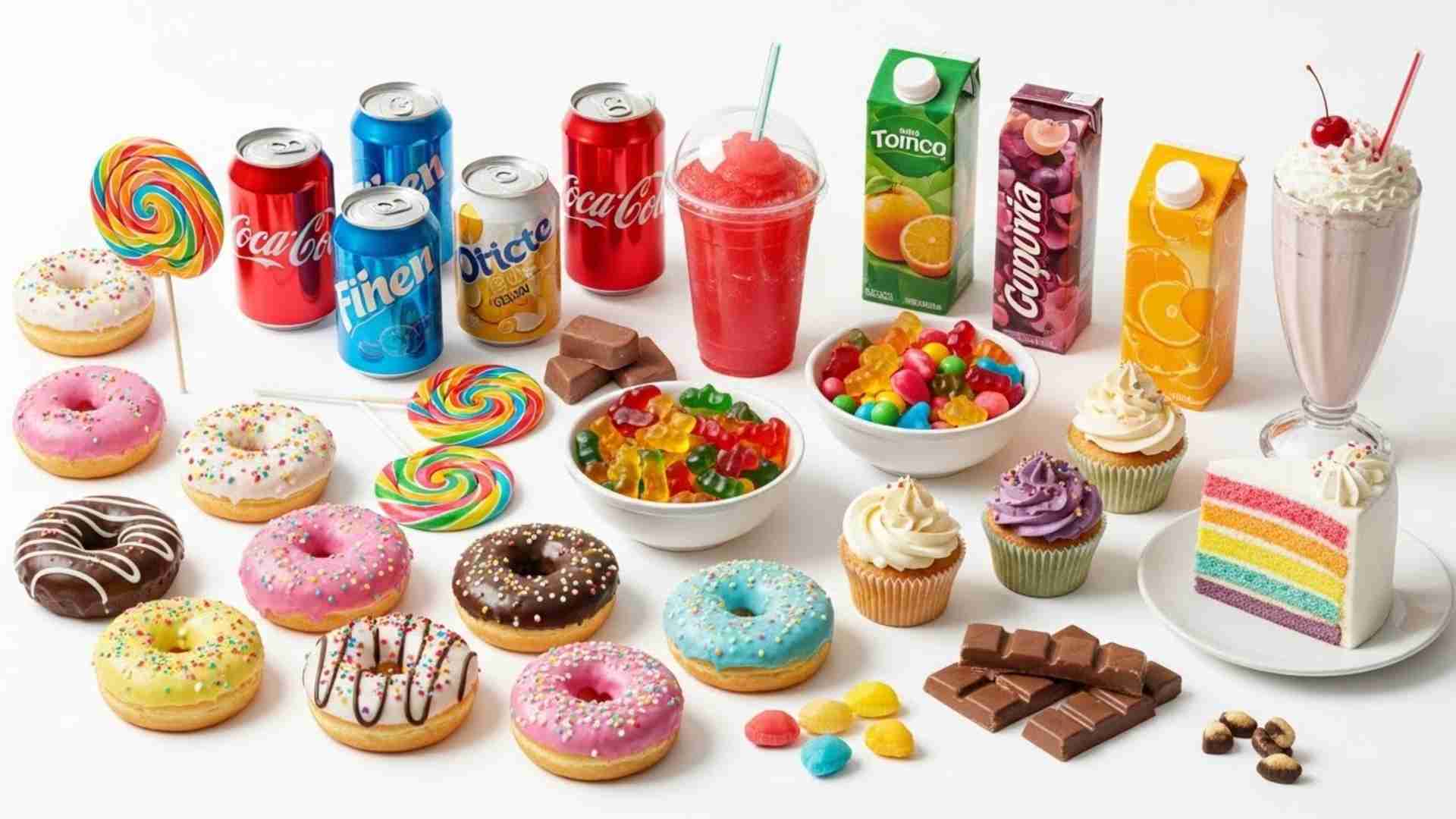
Excessive sugar intake is a metabolic disaster for bones, acting through multiple pathways to weaken the skeleton.
High sugar consumption spikes insulin levels. Hyperinsulinemia inhibits the renal reabsorption of calcium, leading to increased urinary calcium loss—a mechanism similar to the sodium effect.
Tools to Support Your Bone Health Journey
Changing your diet and lifestyle after 50 isn’t just about subtraction; it’s about adding the right tools to your arsenal. Sometimes, our busy lives make it hard to soak beans for 12 hours or ensure we’re getting enough Vitamin K2 to direct calcium away from our arteries and into our bones. That’s where a few strategic items can make a world of difference. I’ve looked into some highly-rated options that directly solve the “anti-nutrient” and “bioavailability” problems we discussed—tools that help you neutralize phytates, fill nutritional gaps, and keep your skeleton strong without feeling like a chore.
1. Sports Research Vitamin D3 + K2 with Coconut Oil
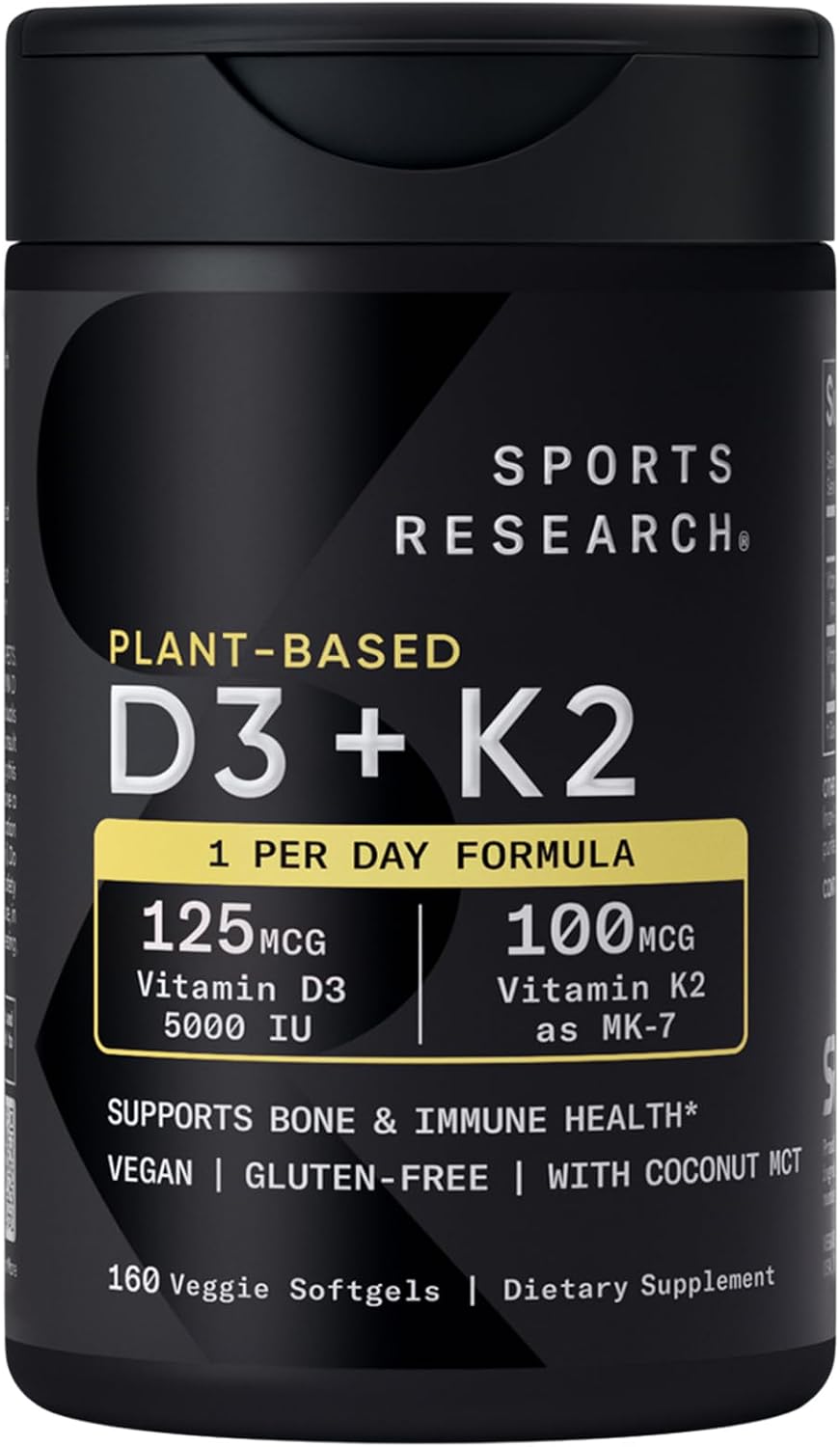
As we discussed, Calcium needs a guide to get to your bones, and that guide is Vitamin K2. Without it, calcium can get lost or end up in soft tissues. This supplement combines D3 (for absorption) with K2 (for direction) in a base of coconut oil, which helps your body absorb these fat-soluble vitamins better than dry tablets.
2. Masontops Complete Mason Jar Sprouting Kit

Remember how we talked about phytates in beans and seeds blocking mineral absorption? The best way to neutralize them is sprouting. This kit makes it incredibly easy to sprout your own nutrient-dense, low-phytate lentils and beans right on your kitchen counter, turning “mineral blockers” into superfoods.
3. Vital Proteins Collagen Peptides Powder

Bones are not just mineral; they are also made of a collagen matrix that gives them flexibility so they don’t snap. As we age (and especially if we eat sugar), that collagen degrades. This unflavored powder is a simple way to support that structural matrix—just stir it into your morning coffee or tea.
4. Fit Simplify Resistance Loop Exercise Bands

We mentioned that bones need “stress” to grow stronger. If you aren’t ready for heavy gym weights, these resistance bands are a safe, low-impact way to tell your bones they need to reinforce themselves. They are perfect for using at home while watching TV to combat the bone loss associated with aging.
5. The Healthy Bones Nutrition Plan and Cookbook

If you’re feeling overwhelmed by “don’t eat this, eat that,” this book is a lifesaver. Written by Dr. Laura Kelly, it goes deep into the science we touched on and provides actual recipes that maximize absorption and minimize the anti-nutrients like oxalates and phytates.