
You sit down at your favorite local bistro, open the heavy leather-bound menu, and immediately feel the familiar weight of trying to order something that tastes wonderful without derailing your blood sugar or leaving you sluggish for the rest of the evening.
After interviewing five registered dietitians who specialize in nutrition for adults over 50, a clear pattern emerged: they do not order dry chicken breasts or plain salads, but they do have specific non-negotiable rules for navigating restaurant menus.
Here is exactly what they choose when dining out, along with the physiological reasons why these specific choices protect your metabolism, preserve your muscle mass, and keep your digestion calm.
Quick Tips Before You Start
Order First
Speak up before others at your table influence your choices.
Drink Water Early
Drink a full glass of water before looking at the menu to curb impulsive ordering.
Ask for Sauce
Always request dressings and heavy sauces served on the side.
Add Veggies
Swap heavy fries for steamed or roasted vegetables without hesitation.
1. Wild-Caught Salmon With Olive Oil and Herbs

You stare at the seafood section wishing for something that actually supports brain function and joint health instead of inflammatory vegetable oils.
After 50, your cardiovascular system and joints demand omega-3 fatty acids to help manage the low-grade systemic inflammation that accelerates stiffness and fatigue.
Salmon provides the exact high-quality protein and healthy fats required to stimulate muscle protein synthesis without burdening your digestive tract.
Ask the server to substitute any heavy cream sauce for a simple drizzle of extra virgin olive oil and fresh lemon juice.
Your joints will thank you tomorrow morning when you step out of bed.
💡 Tip: Always verify the fish is wild-caught rather than farm-raised to maximize your omega-3 intake.
⚠️ COMMON MISTAKE
The Hidden Trap in Restaurant Fish
Many restaurants cook fish in heavily refined seed oils and drench it in butter unless you explicitly request olive oil or dry grilling.
2. Grilled Grass-Fed Steak With Roasted Asparagus

You might assume red meat is entirely off the table once you cross the half-century mark.
Dietitians who understand age-related muscle loss know that high-leucine protein is essential for triggering muscle retention, and beef is one of the most efficient sources available.
Pairing a modest six-ounce steak with a generous side of fibrous green vegetables ensures you get adequate iron and zinc without overloading your digestive system.
Order it medium-rare and skip the processed butter toppings.
Why Protein Timing Matters After 50
3. Mediterranean Chickpea and Quinoa Grain Bowl
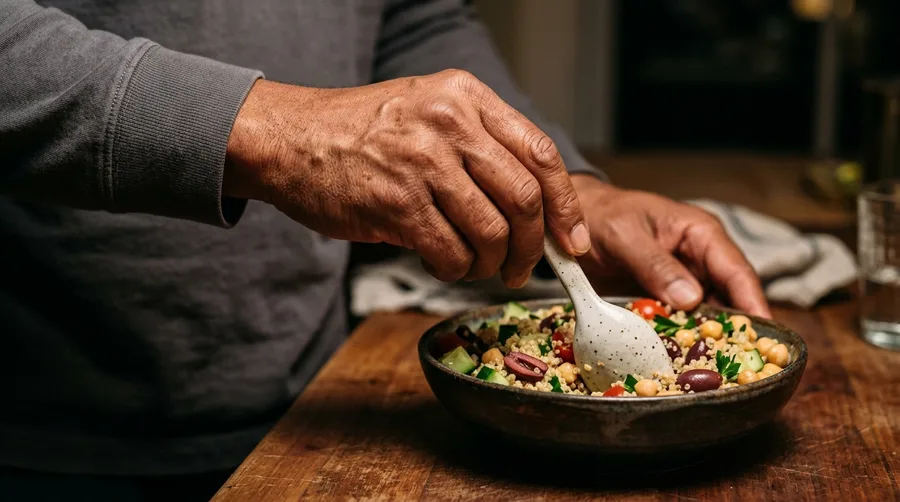
Plant-based options on restaurant menus often disguise themselves as healthy while hiding mountains of refined carbohydrates and heavy dressings.
A smart dietitian looks past the marketing hype and builds a bowl centered on legumes, ancient grains, and colorful produce.
Chickpeas deliver both slow-burning complex carbohydrates and prebiotic fiber that nourishes your gut microbiome, which directly influences immune health and mood.
Request dressing on the side and use only half to keep sodium levels reasonable.
Grain Bowl Nutrition — At a Glance
🌾 Base
Quinoa & Greens
🫘 Protein
Chickpeas & Seeds
⏱️ Digestion
Sustained 4-hour energy
⚠️ Watch For
Hidden sugary dressings
Core Benefit
High soluble fiber supports healthy cholesterol levels naturally.
4. Roasted Chicken Breast With Steamed Broccoli

Chicken breast feels like the most boring cliche in the dietary handbook.
Experienced dietitians order it because it represents a clean, predictable canvas of lean protein without the heavy saturated fats that can slow down your digestion after fifty.
The trick to avoiding a dry, disappointing meal at a restaurant is choosing spots that roast or rotisserie their poultry rather than pan-frying it in heavy batters.
Pair it with steamed broccoli to secure a dose of sulforaphane, a plant compound that supports cellular longevity and helps manage age-related oxidative stress.
Request olive oil on the side so you control the exact fat intake for your metabolism.
💡 PRO TIP
The Rotisserie Advantage
Rotisserie chicken is typically cooked on spits where excess fats drip away, making it a reliable low-sodium, high-protein restaurant choice.
5. Pan-Seared Halibut With Wilted Spinach

White fish rarely gets the nutritional spotlight it deserves.
Halibut offers a dense, flaky texture packed with lean protein and potassium, which helps regulate blood pressure as your cardiovascular system changes in your fifties.
Ask the kitchen to sear it in a minimal amount of avocado oil and serve it over a bed of garlic-wilted spinach.
You get a massive dose of magnesium and iron without any heavy digestive burden before bedtime, making it an ideal choice when evening acid reflux starts interrupting your sleep schedule.
6. Chef Salad With Hard-Boiled Eggs and Avocado

Salads can easily turn into calorie bombs disguised as health food.
Dietitians order chef salads by modifying the ingredients.
They demand a base of dark leafy greens, add hard-boiled eggs for complete amino acids, and request sliced avocado instead of cheese cubes.
Avocado provides monounsaturated fats that help your body absorb fat-soluble vitamins from the surrounding vegetables.
Skip the creamy ranch dressing entirely and ask for oil and red wine vinegar.
Dressing and Portion Thresholds
7. Shrimp and Zucchini Noodle Stir-Fry

Traditional pasta dishes cause sharp blood sugar spikes that leave you tired and irritable.
Dietitians frequently request vegetable-based noodle swaps like spiralized zucchini tossed with garlic, olive oil, and wild-caught shrimp.
Shrimp delivers pure lean protein and astaxanthin, a powerful antioxidant that supports skin elasticity and eye health.
You satisfy the craving for a warm, savory bowl without the post-meal sluggishness.
8. Tofu and Mixed Vegetable Green Curry

Asian-inspired menus offer incredible anti-inflammatory benefits if you know how to navigate them.
Dietitians often select a vegetable and tofu curry crafted with a light coconut milk broth rather than heavy cream.
Curries loaded with turmeric, ginger, and garlic provide powerful compounds that soothe joint inflammation and support digestive comfort.
Ask for brown rice on the side if available, and control your portion size.
9. Baked Cod With Roasted Root Vegetables

Heavy proteins can sit like a brick after fifty.
Cod solves this cleanly by delivering dense, high-protein nutrition without the heavy fat load or fishy aftertaste that often turns people off seafood entirely. As digestive efficiency shifts in our fifties, lighter proteins prevent that sluggish post-meal feeling.
Dietitians lean toward it because it breaks down effortlessly while pairing naturally with earthy roasted root vegetables like carrots and parsnips.
Those root vegetables do more than just taste good on a chilly evening. They supply complex carbohydrates and prebiotic fibers that nourish a thriving gut microbiome, which naturally diversifies and protects metabolic health as we age.
Order it baked with fresh herbs and a squeeze of Meyer lemon.
10. Lean Pork Tenderloin With Sautéed Greens

Pork tenderloin is often overlooked, yet it matches skinless chicken breast in leanness while offering significantly more thiamine and B vitamins.
Dietitians know that B vitamins are crucial for cellular energy production and cognitive clarity after 50.
Pair the sliced tenderloin with bitter greens like kale or collards to aid liver function and bile production.
Ask for the pork prepared simply with herbs rather than sweet fruit glazes.
11. Turkey Burger in a Lettuce Wrap

Heavy white buns leave you crashing by three in the afternoon.
Ground turkey delivers lean protein without the saturated fat load that slows digestion after fifty.
Swapping the bun for crisp butter lettuce cuts out refined carbohydrates that trigger rapid blood sugar spikes.
Top yours with thick sliced tomatoes, sharp red onion, and mustard for robust flavor while keeping your metabolic steady state intact.
12. Sardine and Tomato Bruschetta on Sourdough

Small canned or fresh fish like sardines are absolute nutritional powerhouses.
Dietitians love ordering sardine appetizers when dining at Mediterranean bistros because they provide high calcium for bone density alongside omega-3s.
Served on a single slice of fermented sourdough bread with fresh tomatoes, it offers a balanced mix of protein, healthy fats, and easier-to-digest grains.
It satisfies savory cravings without leaving you feeling stuffed.
13. Mushroom and Spinach Egg White Omelet
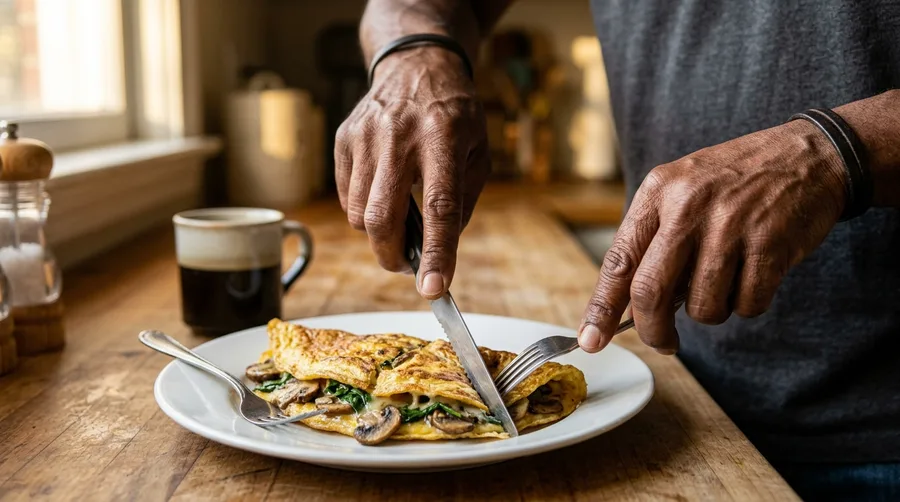
Brunch menus are minefields of refined flour and heavy cheese.
Dietitians routinely pivot to egg-based dishes even at dinner, choosing an omelet packed with nutrient-dense mushrooms and spinach.
As we navigate our 50s and 60s, preserving cognitive sharpness and macular health becomes a quiet priority at every meal. Mushrooms supply ergothioneine, a unique amino acid tied to healthy brain aging, while spinach delivers lutein for natural eye protection against daily strain.
Do not skip the yolks.
Whole eggs provide essential choline, which supports liver function and cellular health that tend to shift as metabolism evolves.
Ask the kitchen for a whole-egg and white blend so you keep those vital micronutrients without overloading on heavy saturated fats. It takes zero extra effort, digests easily, and keeps your evening meal light yet nutritionally dense for better overnight recovery.
14. Roasted Lamb Chops With Mint Chimichurri

You might bypass red meat entirely out of old habit, but skipping it altogether misses a key nutritional window for muscle preservation.
Lamb brings a dense concentration of high-quality protein and conjugated linoleic acid that supports metabolic function as your body’s efficiency shifts.
Dietitians frequently select lamb chops when dining at upscale Mediterranean or Greek establishments precisely for this targeted nutrient profile.
Pairing the lean chops with a vibrant, antioxidant-rich mint chimichurri cuts through the natural richness while providing herbal compounds that aid digestion.
Keep the portion strictly to two chops and pair them with a bright side salad instead of heavy fries to maintain steady blood sugar.
15. Steamed Mussels in White Wine Broth
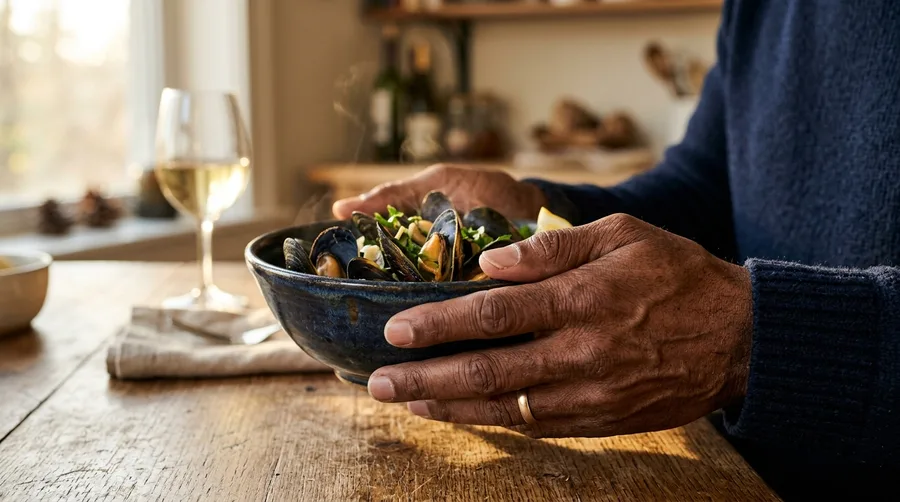
Shellfish rarely makes the shortlist when you are looking over a menu at a noisy bistro, but it deserves a spot on your table.
Mussels are absolute powerhouses of vitamin B12, zinc, and selenium, which play a direct role in cognitive maintenance and immune function as we age.
Dietitians routinely order them because you get a rich, buttery dining experience without the heavy fats or calorie load that usually accompany restaurant appetizers.
The aromatic broth made from white wine, garlic, and herbs delivers intense flavor without relying on heavy cream that can sit heavily on your digestion late in the evening.
Ask the server for a single slice of artisanal bread to dip into the broth so you can savor every drop without overdoing the simple carbohydrates.
Frequently Asked Questions
Why do registered dietitians always ask for sauces on the side?
Restaurant sauces and dressings often contain hidden sugars, excessive sodium, and refined vegetable oils that can trigger inflammation and energy crashes. Keeping them on the side lets you control the exact amount you consume.
Is red meat safe to order at restaurants after 50?
Yes, in moderation. Opting for grass-fed cuts like steak or lamb provides essential leucine for muscle retention and bioavailable iron, provided you pair them with fiber-rich vegetables instead of heavy starches.
How can I avoid feeling bloated after eating out?
Focus on orders featuring lean proteins, steamed vegetables, and simple olive oil dressings. Avoid deep-fried foods and heavy cream sauces that slow down digestion and cause discomfort.
What is the best way to handle restaurant bread baskets?
Dietitians generally suggest skipping the pre-meal bread basket entirely to prevent sharp blood sugar spikes before your actual nutrient-dense meal arrives.
Can I still enjoy dessert when dining out with friends?
Absolutely. Dietitians recommend sharing a single dessert with the table or opting for fresh berries when available so you enjoy the social experience without derailing your health goals.
Your Next Step at the Table
Choosing what to eat at a restaurant after 50 does not mean sacrificing the pleasure of dining out with friends and family. By prioritizing clean proteins, healthy fats, and fiber-rich vegetable sides, you support your metabolism and energy levels.
Start with this one change on your next night out: ask for your dressing and sauce on the side, and notice how much lighter and more energized you feel the next morning.