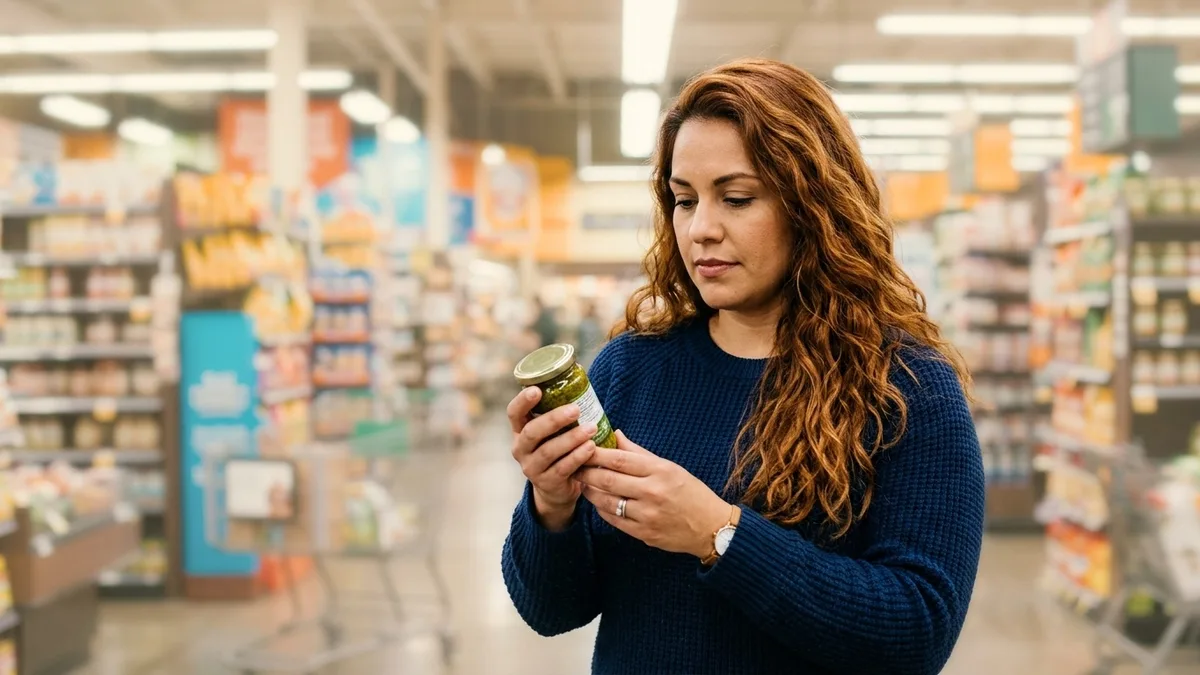
You probably assume you left the supermarket with seventy extra dollars on your receipt because you lack discipline. You blame the fact that you shopped hungry, or that you brought the kids, or that you simply cannot resist a good sale.
The truth has nothing to do with your willpower.
The building itself is actively engineering your fatigue. Supermarkets are designed to drain your decision-making capacity so that you stop comparing prices and start throwing things in the cart.
Your Best Defenses
Floor Plans Prove That Friction Drives Profit
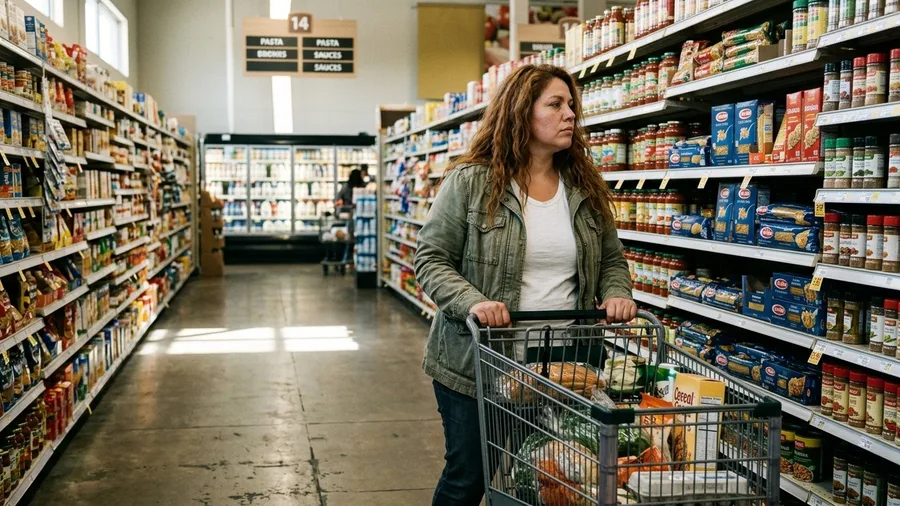
Three thousand distinct items stand between the automatic doors and the single gallon of milk you actually drove to the grocery store to buy. There is a very specific financial reason those dairy coolers always sit anchored in the deepest back left corner of the building.
Retailers rely on a layout concept known as the racetrack, a deliberate traffic flow designed to drag your quick errand into a relentless gauntlet of highly profitable alternatives you never originally intended to purchase.
Every extra minute spent walking that perimeter forces you to make hundreds of silent micro-decisions about what to look at and what to ignore. That invisible mental friction systematically exhausts your prefrontal cortex, which happens to be the exact part of your brain responsible for saying no to temptation.
Over months of weekly grocery runs, this engineered cognitive fatigue quietly extracts hundreds of extra dollars from your household budget simply by wearing down your baseline resistance before you check out.
The Unplanned Premium
Audio And Scent Cues Demonstrate How Environment Alters Pace
You are spending twenty to thirty percent more on your final receipt simply because the building is designed to control your physical pace.
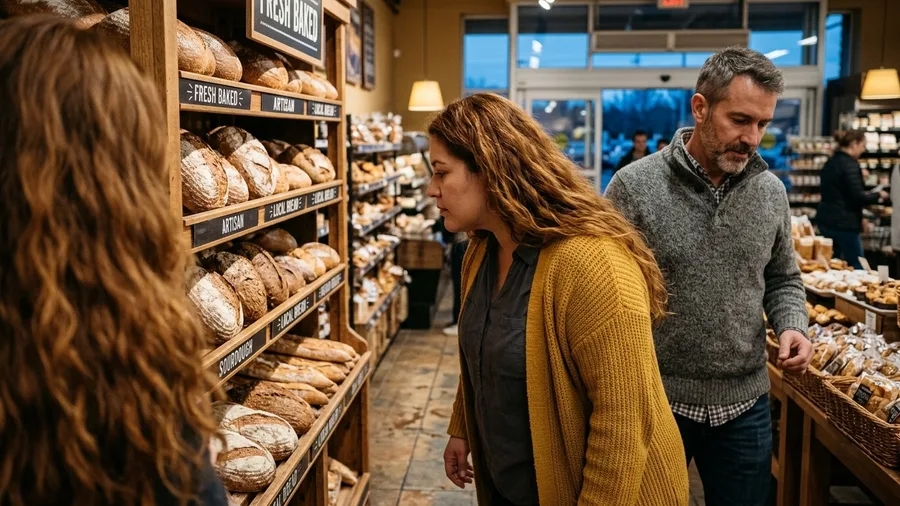
Researchers consistently find that music played below a resting human heartbeat physically shortens your steps. You linger in the aisles, and your eyes spend more time scanning the shelves. Add the bakery deliberately placed near the entrance, and the smell of yeast triggers a hunger response that makes every other item look better.
Run a ten-second check inside the doors: do you smell sugar, and is the music slow? A yes means your impulses are compromised, so stick to your list. A no means you can browse.
⏱️ The 45-Minute Breakdown of a Shopper
Minute 1: The Sensory Hit
You walk through the doors and the smell of the bakery immediately spikes your appetite.
Minute 10: The Produce Slowdown
Bright lighting and slow music artificially reduce your walking speed.
Minute 25: Decision Fatigue
After ignoring hundreds of bright packages, your ability to evaluate prices begins to fail.
Minute 40: The Checkout Surrender
Standing in line, you grab a chocolate bar simply because your tired brain wants a quick reward.
Endcap Displays Reveal How Proximity Overrides Logic
You are usually told to look for the massive, brightly colored displays at the ends of the aisles to find the best store sales. That common advice is completely backward.
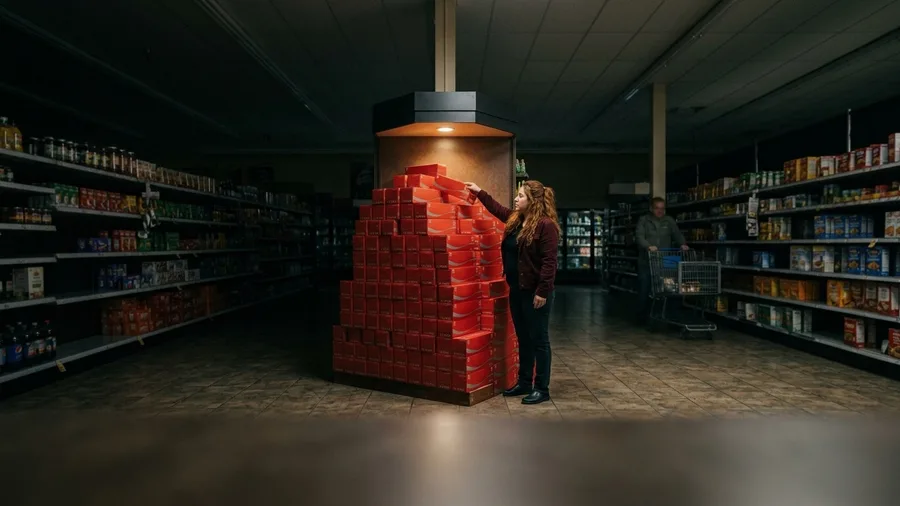
You are pushing your cart toward the center of the store, vaguely looking for soda. Right before you turn down aisle four, a towering pyramid of a famous brand blocks your path. It looks like an urgent inventory blowout, complete with a bold red price sticker, so you toss a twelve-pack into your cart and keep moving.
You just paid a hidden premium for a terrible deal.
Food companies pay heavily for that exact endcap placement because it intercepts your attention before you ever enter the aisle to see their competitors. You naturally assume a display that large must signal a steep discount, but you are often just buying the most expensive option because it was physically placed closest to your hands.
This entirely relies on the reality that humans are cognitively lazy when running errands. Walking thirty extra feet to compare unit prices against a generic brand suddenly feels like an unreasonable amount of work.
The convenience fee for that laziness is directly baked into the price on the yellow tag. The next time a giant promotional stack interrupts your route, walk ten paces into the actual aisle, scan the bottom shelf, and buy the product that is not aggressively paying to intercept your attention.
The Endcap Illusion — At a Glance
📍 Location
High-traffic aisle ends
💵 Pricing
Usually full retail
🎯 Purpose
Intercept attention early
📦 Tactic
Brand block stacking
The Checkout Aisle Confirms That Willpower Has A Time Limit
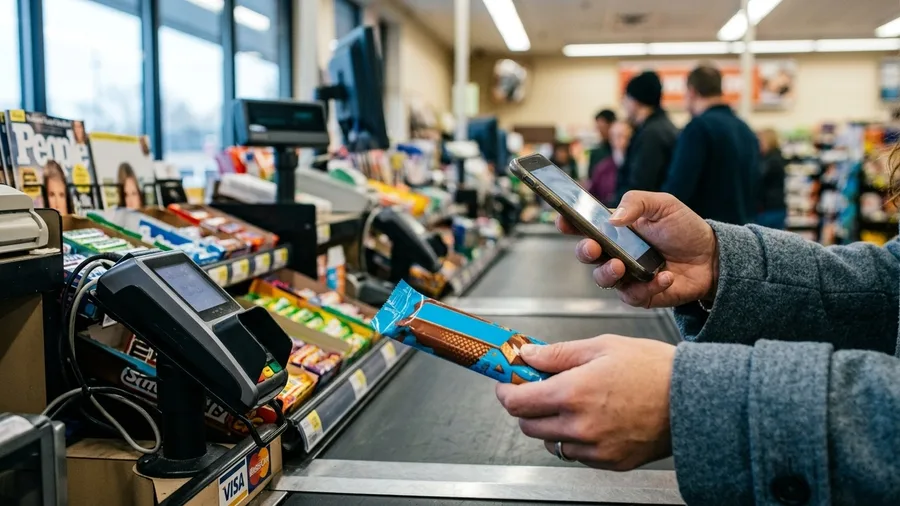
Why do you always cave exactly three feet from the exit?
Because by the time you reach the register, the store has spent an hour draining your willpower. You ignored the bakery and calculated unit prices on laundry detergent. Now you are stuck in a slow line, staring at cheap sugar. Your decision-making capacity is exhausted, and grabbing a candy bar feels like a well-earned reward.
You need a script for that exact moment of delay. Look at the candy and say: “I am just tired from deciding things, and I am leaving this here.” Then check your phone.
Cart Assessments Show Which Tactics Work On You
I used to think my monthly grocery budget was bleeding because I was simply too weak to resist the store’s bakery. I would mentally brace myself for the smell of fresh bread at the entrance, completely ignoring the fact that my real weakness was the bright yellow sale tags on dry goods.
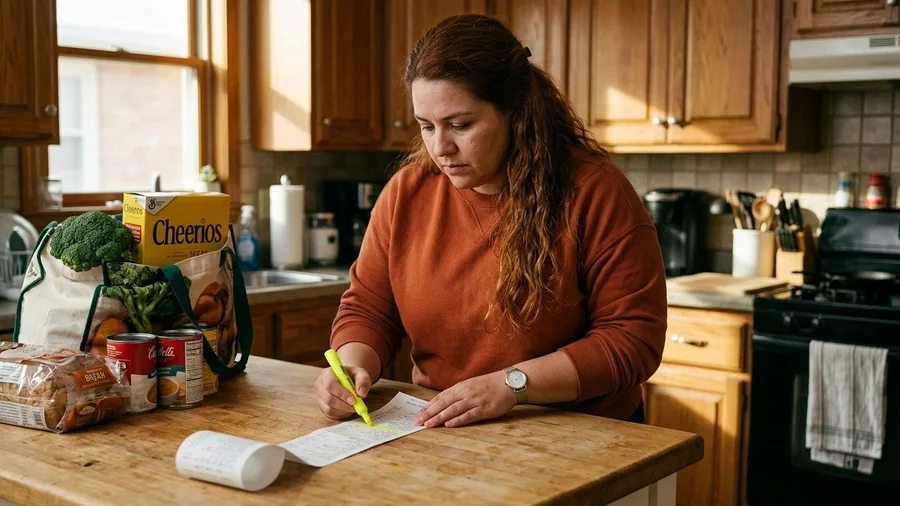
The fastest way to map your personal vulnerabilities is a highlighter.
You cannot defend against a psychological system until you know which levers it pulls on you personally. Researchers consistently find that while some shoppers succumb to sensory cues, others break at bulk discounts.
Look at your receipt from last week and highlight the items that were not on your original list. The pattern will reveal your specific vulnerability. If the items are snacks and treats, checkout fatigue is getting you. If they are extra cans of soup you did not need, endcap signs are overriding your ability to assess your own pantry.
The Fasting Penalty
Pre-Commitment Strategies Produce A Cheaper Receipt
“I will figure out dinners when I see what looks good.”
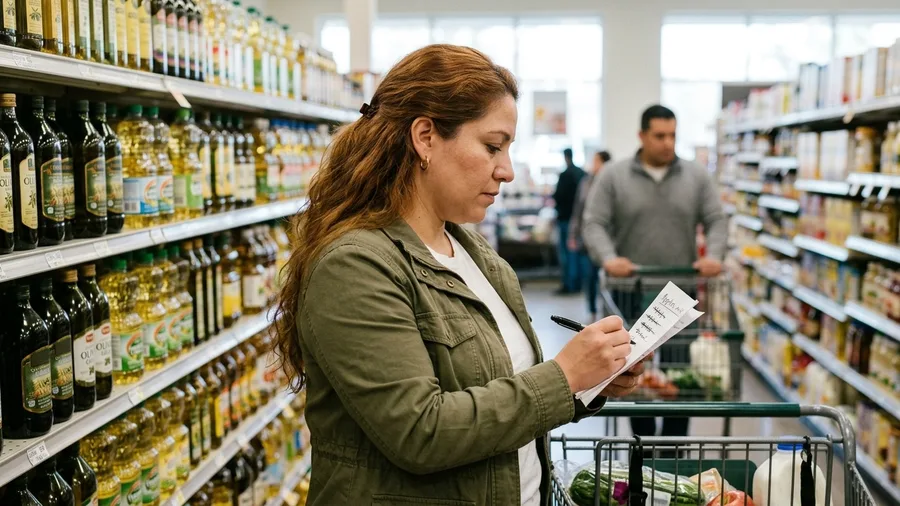
Walk through the automatic doors with that plan, and you are effectively letting a retail algorithm pick your meals. The only reliable defense is a physical list, written on paper, held tightly in your hand. Reaching for an unlisted item creates instant cognitive dissonance, forcing the impulse out into the open before it hits the cart.
This strict rule has exactly one exception. If you suddenly realize the olive oil bottle at home is empty, grabbing a replacement is just routine household maintenance, not you falling for store manipulation.
The True Cost of Browsing
Frequently Asked Questions
Why is the produce section always right at the front entrance?
Stores put bright, healthy produce at the front to put you in a good mood. Buying healthy items early creates a moral licensing effect, making you feel justified in buying junk food later in the trip.
Does shopping for groceries online actually save money?
Yes, for most people. Even with delivery fees, shopping online eliminates the sensory cues, endcap displays, and checkout aisle temptations that drive up the cost of an in-person trip.
Why are the dairy and meat sections always at the back of the store?
Milk and eggs are the most commonly purchased staples. Placing them at the back forces you to walk past thousands of other products, increasing the chance that you will buy something else along the way.
Do loyalty cards really give you a good deal?
Loyalty cards offer genuine discounts, but they exist primarily to track your shopping habits. The store trades a small discount for a massive amount of data on exactly what you buy and when.
Is the generic store brand always cheaper than the name brand?
Almost always, yes. Look at the unit price on the shelf tag rather than the total price on the box. The generic version is usually on the bottom shelf, out of your direct line of sight.
Your Immediate Shift at the Automatic Doors
The layout of the store is not going to change. The music will stay slow, the carts will stay huge, and the candy will always be waiting by the register.
What changes tomorrow is your awareness of the game.
When you walk in with headphones on and a list in your hand, the architecture stops working on you. You stop wandering the center aisles for inspiration, and you start treating the space exactly as it should be treated: as a warehouse holding the things you already decided to buy.
Check Your Last Receipt
Grab the receipt from your most recent grocery run. Circle every item that wasn't on your original list, and see exactly which aisle broke your resolve.