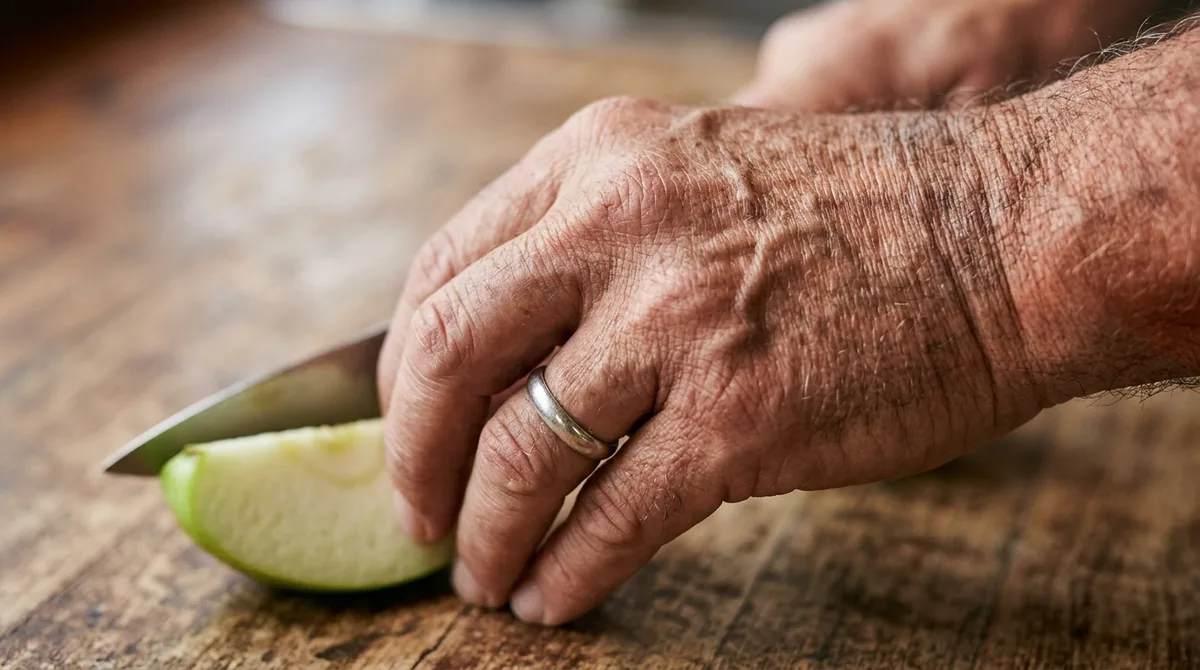
You check your afternoon numbers and wonder why the spike hit even though lunch felt entirely reasonable. After 40, your cells respond differently to carbohydrates, and even minor shifts in daily routines can cause unexpected glucose turbulence.
Registered dietitians who specialize in metabolic health do not rely on willpower alone. They stock specific pantry combinations that pair protein, fiber, and healthy fat to flatten the curve before it starts.
Quick Tips Before You Start
Pairing Rule
Never eat naked carbohydrates without fat, fiber, or protein.
Timing Matters
Eat a protein-forward snack mid-afternoon to prevent evening glucose drops.
Pantry Setup
Keep portion-controlled containers visible so you avoid mindless grazing.
Hydration First
Drink a full glass of water before reaching for any snack to check true hunger.
1. Raw Almonds Paired with Dried Tart Cherries

You grab a handful of sweets when the 3 p.m. brain fog hits, only to watch your energy crater an hour later.
That sharp rebound happens because fast sugars flood the bloodstream without resistance.
Dietitians keep raw almonds on hand because the dense combination of magnesium, monounsaturated fat, and plant protein slows gastric emptying significantly.
When you add a small tablespoon of unsweetened tart cherries, you get polyphenols that support insulin sensitivity without triggering a massive glucose spike.
Measure out a one-ounce palmful of almonds alongside two tablespoons of dried fruit rather than eating straight from the bag.
The physical act of rationing prevents accidental overconsumption while keeping your carbohydrate load under fifteen grams.
Keep this mix in an airtight glass jar on your desk so it remains your default reach.
💡 Tip: Buy raw, unsalted almonds to avoid hidden sodium retention that can impact blood pressure.
📅 The Seven-Day Glucose Stabilization Plan
Clear the Pantry
Remove all naked refined carbohydrate snacks from eye-level shelves.
Stock the Proteins
Boil eggs and purchase Greek yogurt, sardines, and raw nuts.
Pair Every Snack
Commit to combining protein or fat with any fruit carbohydrate.
Track Afternoon Energy
Note your focus levels around 3 p.m. to measure stability.
2. Whole-Milk Greek Yogurt with Ground Flaxseed
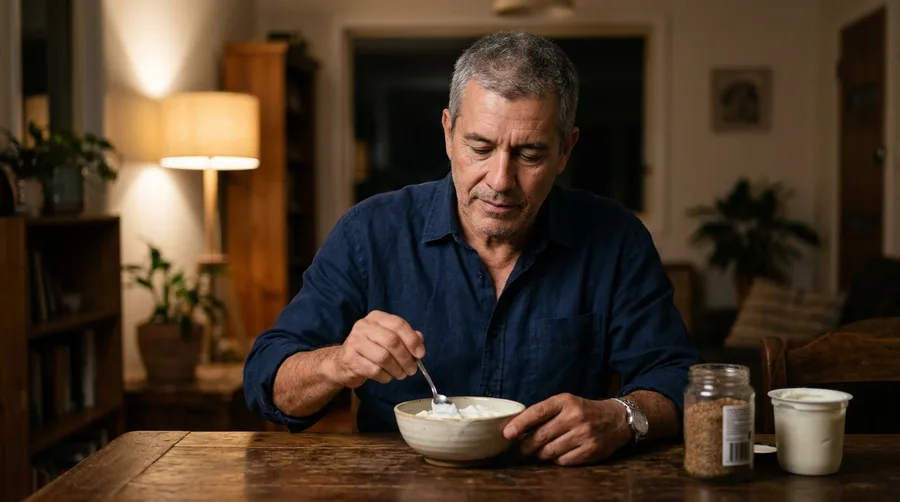
Flavored low-fat yogurts often hide as much sugar as a candy bar, leaving your metabolic stability wrecked by dinner time.
Your aging metabolism requires the natural fat content in whole dairy to slow down the digestion of milk sugars and prevent sudden spikes.
Plain, whole-milk Greek yogurt provides nearly twenty grams of protein per serving, which triggers the release of peptide YY, a hormone that signals fullness to your brain.
Stirring in two tablespoons of freshly ground flaxseed adds viscous soluble fiber that traps glucose molecules and delays their entry into your bloodstream.
Stir the flaxseed thoroughly into the yogurt and let it sit for two minutes so the fiber can absorb moisture, creating a thicker texture.
Avoid flavored varieties entirely and sweeten the bowl yourself with a dash of cinnamon instead of honey to keep your blood sugar completely steady.
⚠️ COMMON MISTAKE
The Sweetener Trap
Many people swap sugar for flavored syrups that still disrupt gut bacteria and trigger sweet cravings later in the day. Stick to plain bases and flavor with spices.
3. Canned Sardines on Seeded Whole-Grain Crackers
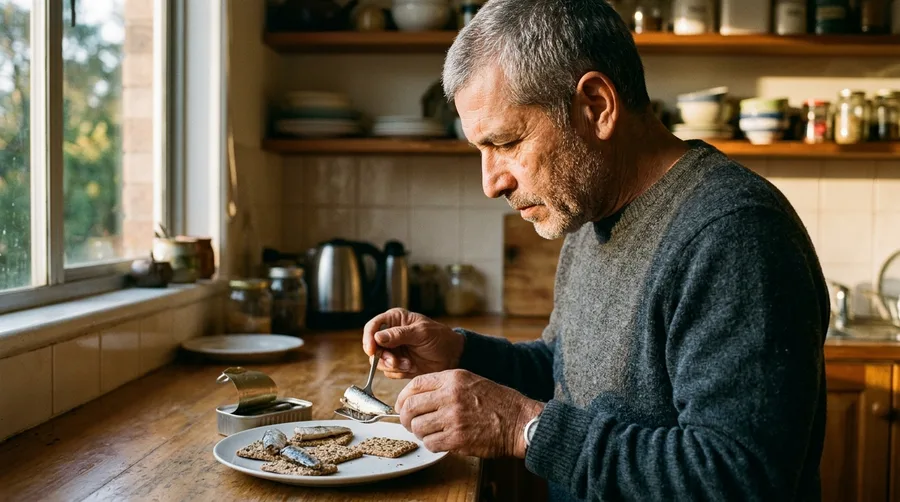
Opening a tin of fish sounds intimidating until you realize it requires zero cooking and delivers unmatched metabolic protection.
Omega-3 fatty acids reduce systemic inflammation, which is a primary driver of insulin resistance as we age.
Dietitians stock canned sardines packed in olive oil because they combine high-quality protein with bioavailable calcium and healthy fats that stabilize your afternoon energy.
Pair three or four small sardines with a dense, seeded cracker that boasts at least four grams of fiber per serving.
Mash the sardines lightly with a squeeze of fresh lemon juice and a pinch of black pepper right on top of the cracker to cut the richness.
Store a sleeve of crackers and three tins of wild-caught sardines in your pantry cabinet for an instant, zero-prep lunch fallback.
Best For
4. Sliced Cucumber Dressed in Full-Fat Cottage Cheese

You finish dinner but find yourself wandering back to the kitchen because your evening meal lacked staying power.
Eating a high-protein, low-carbohydrate snack late in the day keeps overnight fasting glucose levels stable.
Full-fat cottage cheese delivers casein protein, which digests slowly over several hours to supply your muscles with steady amino acids while you sleep.
Pairing a half-cup of cottage cheese with thick cucumber slices provides high water volume and crunch without adding measurable carbohydrates.
Season the bowl with cracked black pepper and dried dill rather than salt to keep fluid retention down.
Keep a tub of cultured cottage cheese on the middle shelf of your refrigerator where it catches your eye first.
Cottage Cheese & Cucumber — At a Glance
🥛 Fat Content
Full-fat (4%) mandatory for satiety
🧂 Sodium Target
Under 350mg per serving to protect blood pressure
📅 Shelf Life
3 days max once the tub is opened
⚖️ Carb Cost
4g total per half-cup portion
Storage Rule
Store near the back of the top shelf where fridge temperatures stay coldest.
5. Hard-Boiled Eggs Dusted with Everything Seasoning

Rushing out the door without breakfast guarantees a mid-morning slump that leaves you vulnerable to vending machine pastries.
Having a batch of pre-boiled protein ready in the fridge changes your entire morning trajectory.
Eggs contain choline and complete amino acid profiles that support liver function and neurotransmitter production without impacting blood glucose, meaning your pancreas can rest instead of pumping out insulin.
Boil a dozen pastured eggs every Sunday, peel them immediately, and store them in a sealed glass container with a damp paper towel to maintain freshness.
Slice two eggs in half, dust them generously with salt-free everything bagel seasoning, and eat them alongside a few cherry tomatoes for a quick stabilizing bite.
Egg Nutrition Facts
6. Sliced Green Apple Wedges with Unsweetened Almond Butter

Craving something crisp and sweet usually leads straight to processed cookies that wreck your afternoon focus.
You do not have to abandon fruit entirely if you anchor its natural sugars with healthy fats.
Green apples contain lower sugar concentrations and higher amounts of pectin, a soluble fiber that slows glucose absorption in the small intestine.
Spreading two tablespoons of natural almond butter onto your apple slices provides the fat and protein needed to blunt any potential insulin spike.
Slice the apple thin so each bite carries a high ratio of nut butter to fruit.
Buy almond butter that lists only one ingredient on the label: almonds.
If the oil separates on top, store the jar upside down in your pantry.
7. Roasted Pumpkin Seeds Tossed in Sea Salt

Mindless snacking while watching television often leads to eating empty calories that offer zero nutritional defense.
You need a crunchy alternative that keeps your hands busy without flooding your system with refined starches.
Pumpkin seeds are packed with plant-based zinc, iron, and magnesium, minerals that directly support cellular glucose uptake and insulin signaling pathways.
Roasting them at home lets you control the oil quality and sodium levels completely.
Toss raw pepitas in a teaspoon of avocado oil, dust with coarse sea salt, and roast at 300 degrees Fahrenheit for fifteen minutes until fragrant.
Portion the cooled seeds into small reusable silicone bags so you do not eat an entire pound in one sitting.
Never let carbohydrates travel alone through your digestive tract.
— Core Clinical Principle
8. Avocado Mashed on Roasted Seaweed Sheets

Traditional snack foods are deliberately engineered to cause rapid glucose spikes.
Finding a crunchy vehicle that delivers minerals without the heavy starch load transforms your afternoon routine.
Roasted nori sheets provide iodine and trace minerals with virtually zero impact on blood sugar levels.
Smearing a quarter of a ripe avocado onto each crisp seaweed sheet adds healthy monounsaturated fats that keep you full for hours.
Store the packets in a tightly sealed container because they lose their crispness quickly in humid kitchens.
Frequently Asked Questions
How many snacks should I eat per day for blood sugar control?
Most adults do best with zero to two intentional snacks daily, depending on their meal schedule. If your main meals contain adequate protein and fiber, you may find you do not need to snack at all between meals.
Are dried fruits safe for blood sugar management?
Dried fruits have concentrated natural sugars because the water has been removed. Always pair them tightly with a heavy fat or protein source like raw nuts, and keep portions small to prevent glucose surges.
Why do dietitians emphasize protein and fat pairing?
Protein and fat slow down gastric emptying, meaning food leaves your stomach and enters your small intestine at a much slower rate. This creates a gradual, sustained release of energy rather than a sharp glucose spike.
Can I eat these snacks late at night?
Light protein-based options like cottage cheese or a hard-boiled egg are generally safe late at night. Avoid heavy carbohydrate snacks before bed to keep your overnight fasting glucose and sleep quality stable.
Your Next Step for Steady Energy
Stocking your kitchen with these eight dietitian-approved options takes the guesswork out of afternoon hunger. Pick just two items from this list to buy on your next grocery trip and test them out this week.
Notice how your afternoon focus shifts when you stop letting carbohydrates travel alone through your system.