Can’t Find Affordable Lodging Near National Parks? These 11 Gateway Towns Still Have Rooms Under $100 — Last-Minute Friendly, Surprisingly Good

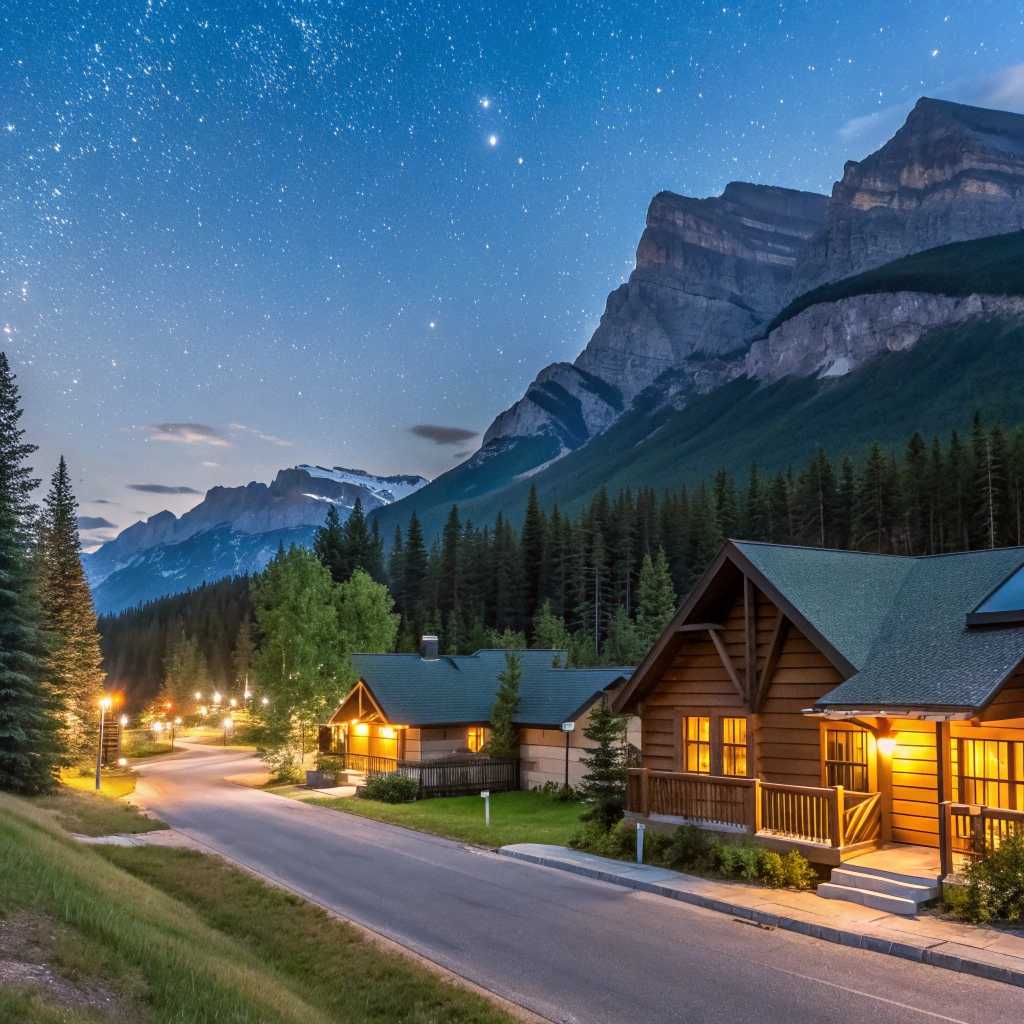
A motel sign hums softly as dusk settles in, the air cooling fast after a long day on the road. You slow down, expecting the usual letdown—no vacancies, inflated rates, another hour of driving ahead. But this time, the office light is on.
There’s a room. And the price doesn’t make you wince. Moments like that feel almost rare now, especially near national parks where lodging costs can quietly become the most stressful part of the trip.
That’s exactly why this topic matters right now. People still crave wide-open landscapes, sunrise hikes, and nights under star-filled skies. But not everyone wants to spend half their travel budget just to sleep. What comes next is about finding places that keep adventure accessible—towns that make the journey feel possible again, and smarter choices that turn a simple stay into part of the experience.
1. Pinedale — Budget Calm at the Edge of Big Wilderness
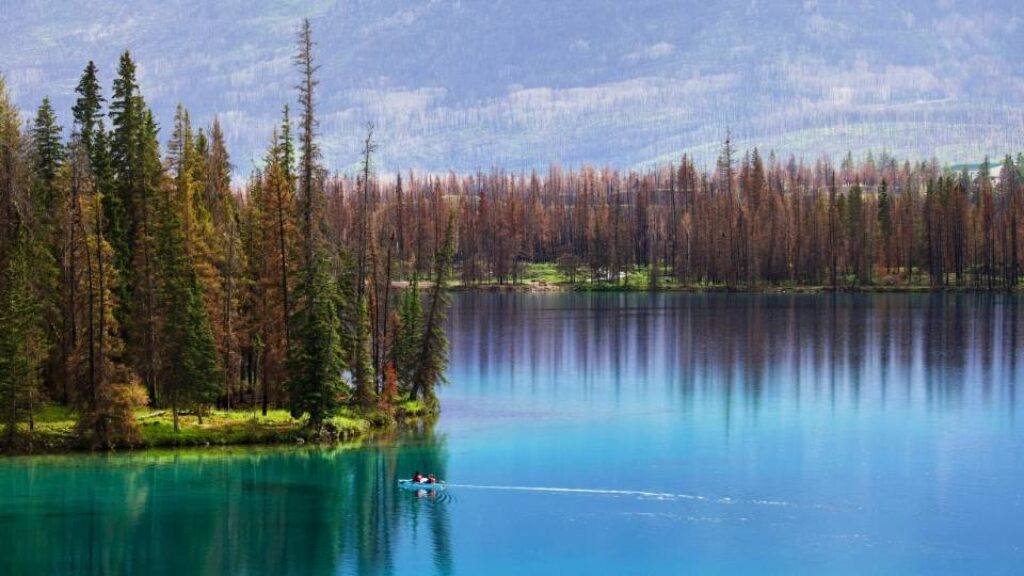
Pinedale feels refreshingly grounded. It sits at over 7,000 feet and serves as a gateway to both Grand Teton and the Wind River Range, which together offer hundreds of miles of trails without the price tag of Jackson. Lodging here often stays under $100 outside peak July–August, especially at classic motels and locally run inns. And maybe it’s just me, but towns like this feel easier on the nervous system. Less flash. More function.
Outdoor access is the real win. You’re close to alpine lakes, wide valleys, and wildlife corridors where seeing pronghorn or moose isn’t rare. And because Pinedale isn’t marketed hard, trails don’t feel rushed. You can hike in the morning, nap in the afternoon, then stroll downtown without feeling like you’re missing something.
Key Practical Info
- Best time: June & September (cool days, fewer people)
- Getting there: Drive from Jackson or Rock Springs
- Ideal stay: 2–3 nights
- Budget tip: Book midweek for the best motel rates
- Photography: Sunrise over the Wind River Range is a sleeper hit
2. Livingston — Yellowstone Access Without Yellowstone Prices
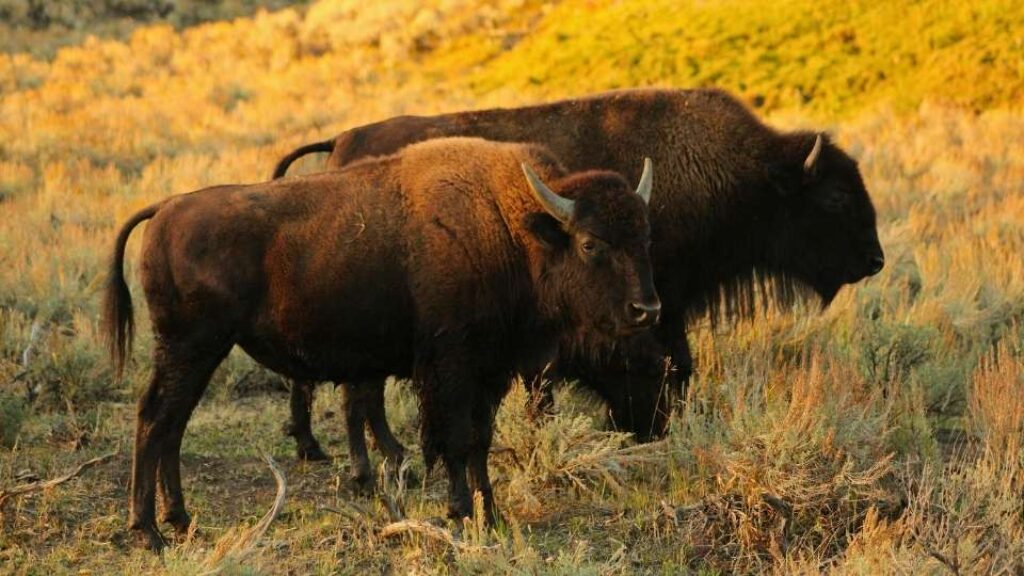
Livingston sits just north of Yellowstone and somehow avoids the price surge that hits towns closer to the gates. Rooms under $100 are common in shoulder seasons, especially spring and fall. The town has real personality too—old rail buildings, independent bookstores, and cafes that feel lived in, not staged.
What stands out is how easy it feels. You can explore Yellowstone by day, then return to a town where dinner doesn’t cost half your travel budget. And here’s what I mean by underrated: fishing access, riverside walks, and short hikes are built right into town life.
Key Practical Info
- Best time: May and September
- Getting there: 45-minute drive from Bozeman airport
- Ideal stay: 3–4 nights
- Budget: Consistently cheaper than West Yellowstone
- Cultural tip: This is a working town—be friendly, not flashy
3. Townsend — The Quiet Side of the Smokies
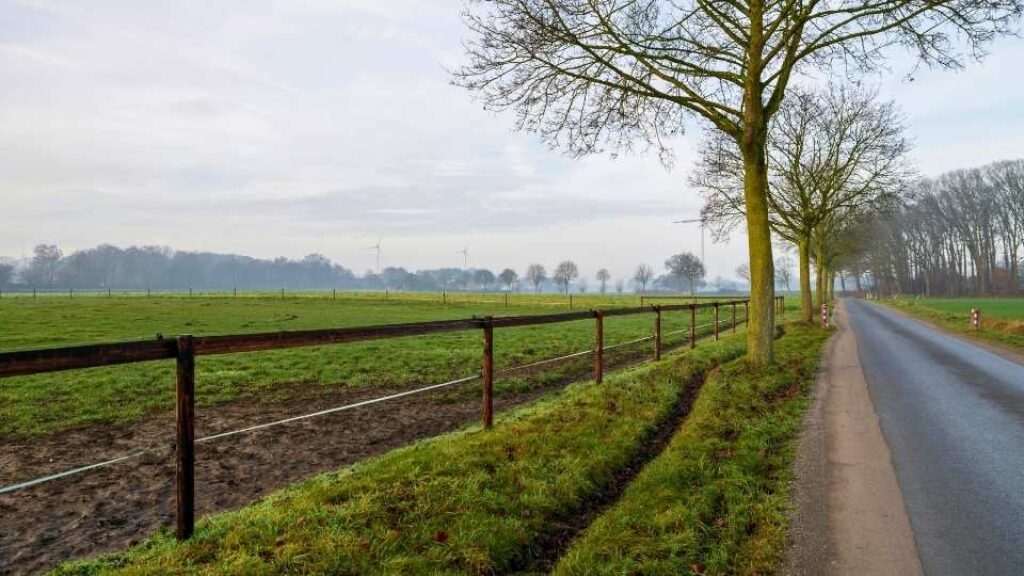
Townsend calls itself the peaceful side of the Smokies, and that’s not marketing fluff. Lodging here often stays well under $100, even when nearby Gatlinburg spikes hard. You’re minutes from Great Smoky Mountains National Park, but nights stay quiet. No neon. No crowds.
And the pace matters. Trails nearby feel less competitive. You hike. You rest. You repeat. Townsend is also family-run motel country, which keeps prices grounded and service personal.
Key Practical Info
- Best time: April–May, October
- Getting there: 45 minutes from Knoxville
- Ideal stay: 2–3 nights
- Must-try: Early-morning Smokies drives
- Photography: Misty ridges and river reflections
4. Silver City — Desert Mountains, Art, and Space
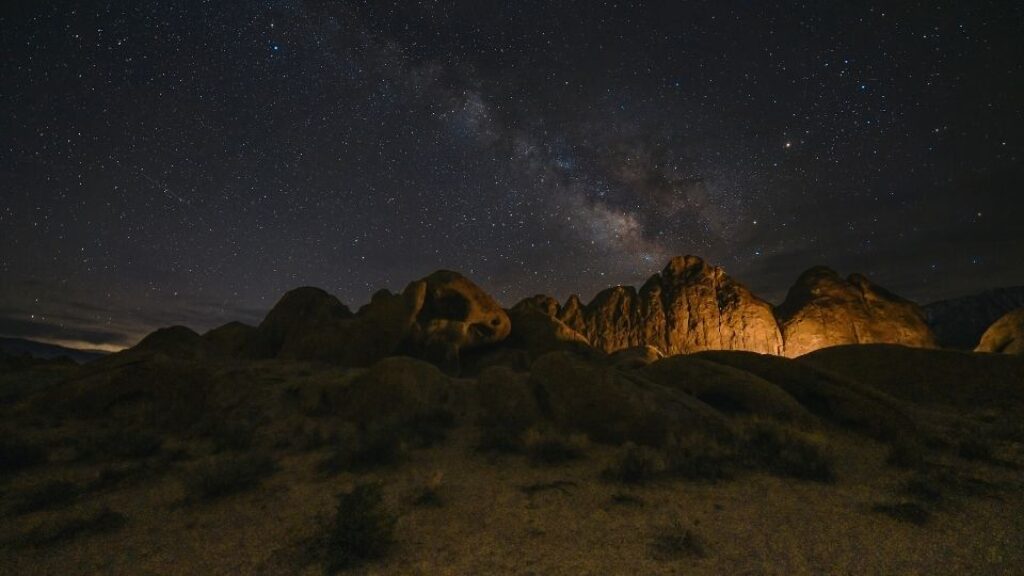
Silver City surprises people. It’s near Gila National Forest and close to the country’s first wilderness area, yet hotel prices stay low—often $70–95 per night. The town blends outdoor access with an artsy, slightly offbeat personality.
Hiking here is gentler than you’d expect. Forest trails, desert canyons, and historic mining paths offer variety without crowds. And because this region flies under the radar, you’re rarely fighting for rooms or trail access.
Key Practical Info
- Best time: March–April, October
- Getting there: Drive from Tucson or El Paso
- Ideal stay: 2–4 nights
- Budget: Excellent value year-round
- Travel theme: Lesser-known parks = better prices
5. Twenty-Nine Palms — Joshua Tree Without the Sticker Shock
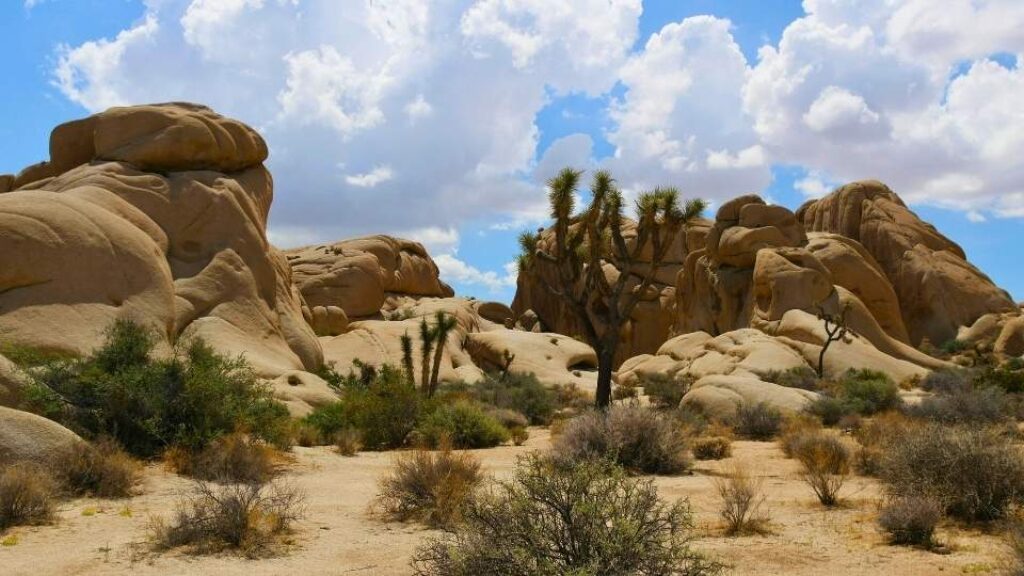
Twenty-Nine Palms sits at the quieter entrance to Joshua Tree National Park, and that location matters. Lodging prices here routinely undercut nearby towns, with rooms under $100 outside peak weekends. The town itself is simple. Functional. That’s part of the appeal.
What you get instead is access. Early park entry. Quieter trailheads. Sunrises that feel private. And at night, the desert sky delivers stars that don’t cost extra.
Key Practical Info
- Best time: February–April
- Getting there: Drive from Palm Springs
- Ideal stay: 2 nights
- Budget tip: Avoid festival weekends
- Photography: Night sky and desert silhouettes
6. Gardiner — Yellowstone’s Original Gateway, Still Reasonably Priced
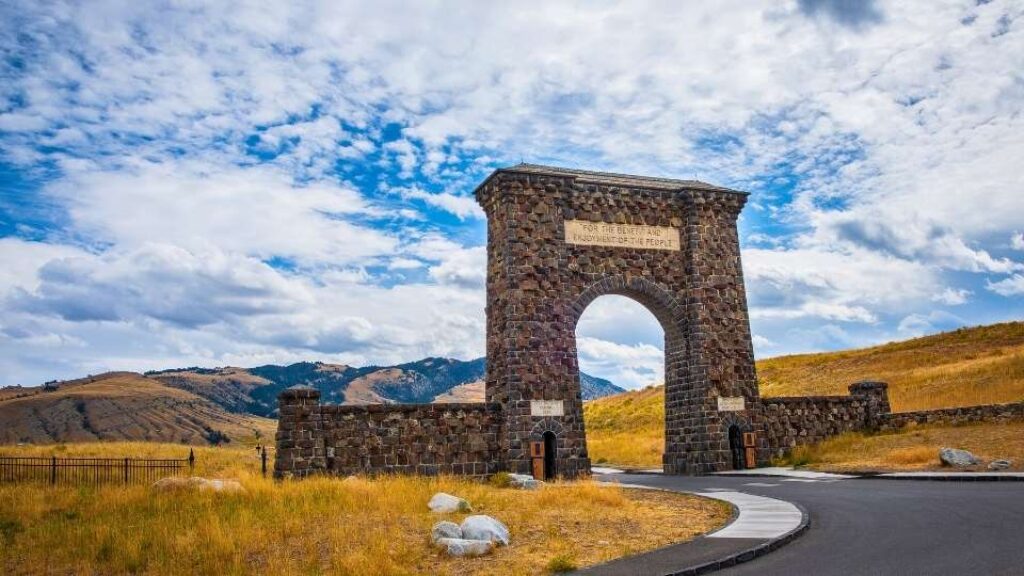
Gardiner sits at Yellowstone’s north entrance and holds onto its old-school charm. Unlike trendier gateways, it still offers budget motels under $100 in spring and fall. And yes, wildlife wanders right through town. That’s normal here.
Staying in Gardiner means early access, fewer crowds, and easy exits at the end of the day. You don’t feel trapped in park traffic. You feel flexible.
Key Practical Info
- Best time: May and late September
- Getting there: Drive from Bozeman
- Ideal stay: 2–3 nights
- Cultural tip: Wildlife always has right of way
- Photography: Elk and bison near town limits
7. Island Park — Yellowstone’s Back Door That Still Feels Local
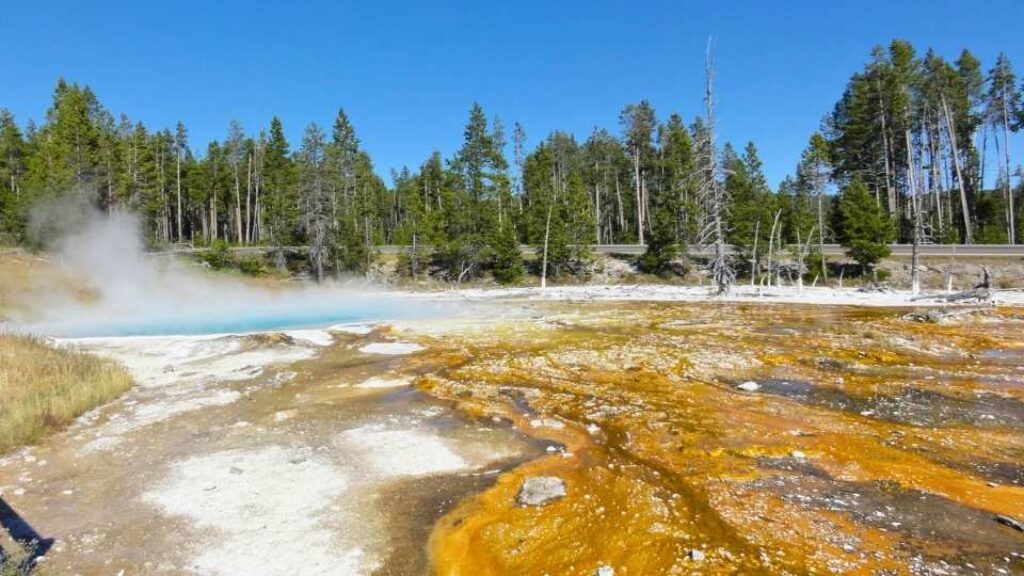
Island Park doesn’t look like a bargain town at first glance. Tall pines. Cabins tucked into the woods. Rivers that seem too clean to be affordable. But here’s the surprise: because it’s spread out and low-key, lodging prices stay grounded, especially outside peak summer. Rooms and cabins under $100 still pop up in spring and early fall if you’re flexible.
What makes Island Park special is access without intensity. You’re close to Yellowstone, but you’re also surrounded by fly-fishing streams, flat forest trails, and quiet back roads that locals actually use. And maybe it’s just me, but waking up somewhere that smells like pine instead of parking lots hits differently.
Creative Practical Notes
- Best value window: May and September
- Getting around: Car required; distances are wide but easy
- Local move: Ask hosts about lesser-known river walks
- Hidden perk: Wildlife sightings happen outside the park too
8. Sequim — The Rain Shadow Secret Most Travelers Miss
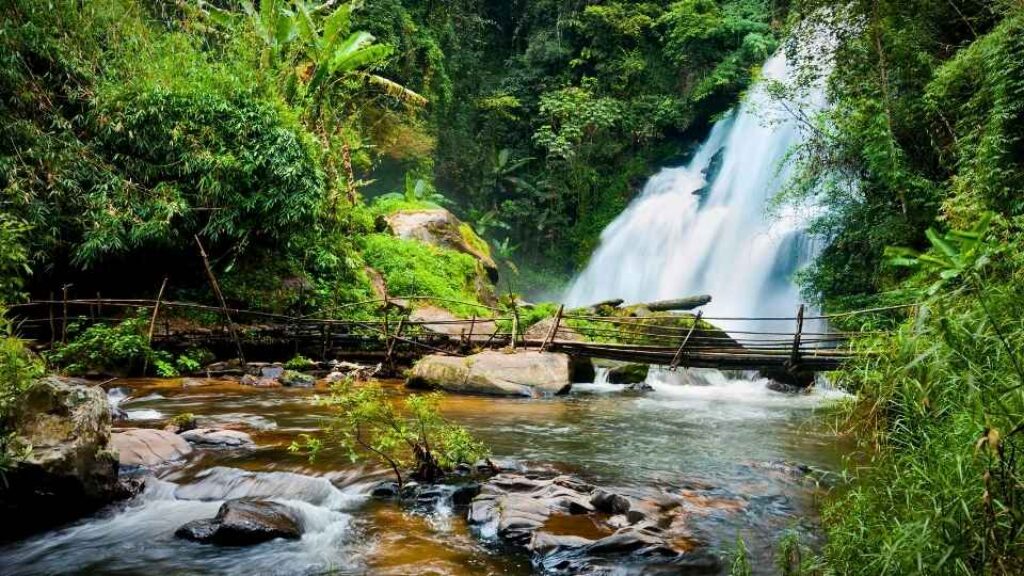
Sequim sits in a rare rain shadow, meaning it gets far less rain than the rest of western Washington. That alone makes it an unexpected win. Add in access to Olympic National Park, and suddenly you’ve got affordable lodging, mild weather, and quieter trails all in one place.
Rooms under $100 are common in spring, especially at older motels and small inns that don’t chase peak-season hype. And here’s what I love: you can hike mossy forests in the morning, walk lavender fields or coastal bluffs in the afternoon, and still sleep somewhere that doesn’t wreck your budget.
Quick-Read Practical Guide
- Best time: April–May
- Getting there: Ferry + drive from Seattle or full drive loop
- Unexpected gem: Dungeness Spit for flat, scenic walks
- Photography: Soft light, wide skies, and shoreline calm
9. West Yellowstone — Yes, It Can Still Be Affordable (If You Time It Right)
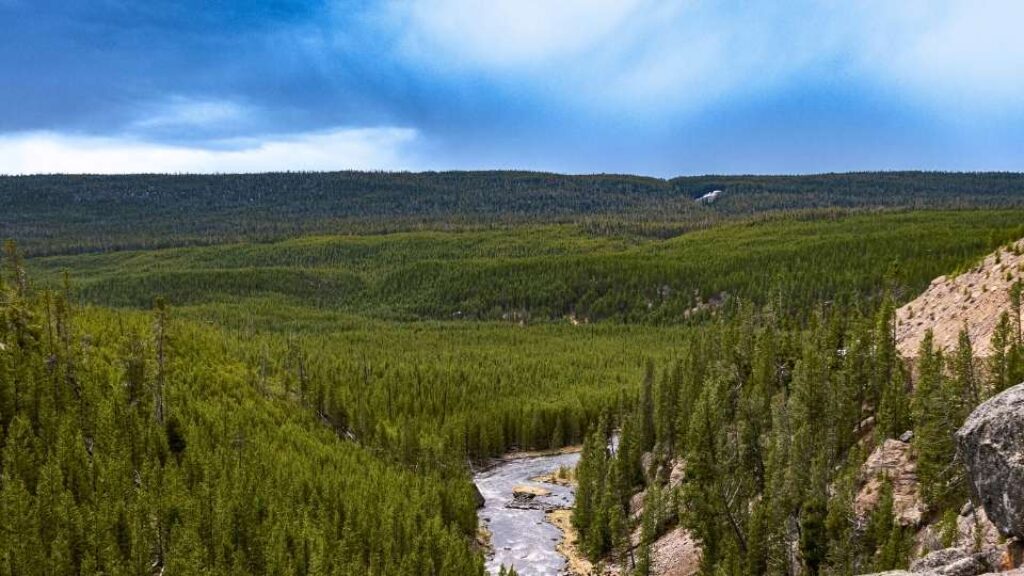
West Yellowstone has a reputation for being pricey. In summer, that’s fair. But outside peak season? Different story. Before late June and after early September, budget motels dip under $100, especially midweek. The town empties out fast once tour buses thin.
The upside is convenience. You’re right at the park gate. Early starts are easy. Late returns don’t involve long drives. And when crowds fade, the town feels functional instead of frantic.
Insider Strategy
- Cheapest window: Early May or late September
- Booking tip: Look for older, family-run motels
- Daily rhythm: Enter the park early, relax in town by afternoon
- Travel theme: Timing beats reputation
10. Torrey — Big Red Rock Energy, Small-Town Prices
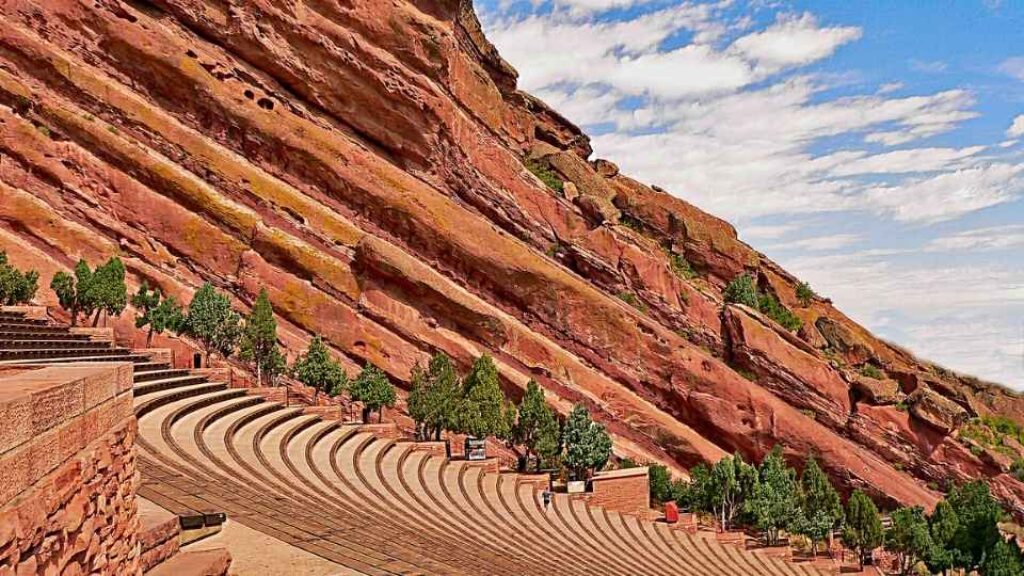
Torrey sits outside Capitol Reef National Park, one of Utah’s most underrated parks. And that under-the-radar status keeps lodging prices surprisingly reasonable. In spring and fall, rooms under $100 aren’t rare, especially at roadside motels and lodges that cater to slow travelers.
The landscape here is wide and quiet. Fruita orchards. Red cliffs. Scenic drives that don’t feel competitive. You can hike, photograph, or just sit with the view — no rush required.
Creative Practical Snapshot
- Best value: March–April, October
- Getting there: Drive from Salt Lake City
- Must-try: Scenic drives through Capitol Reef
- Photography: Golden hour cliffs with almost no people
11. Alamosa — Wide Open Space, Real Value
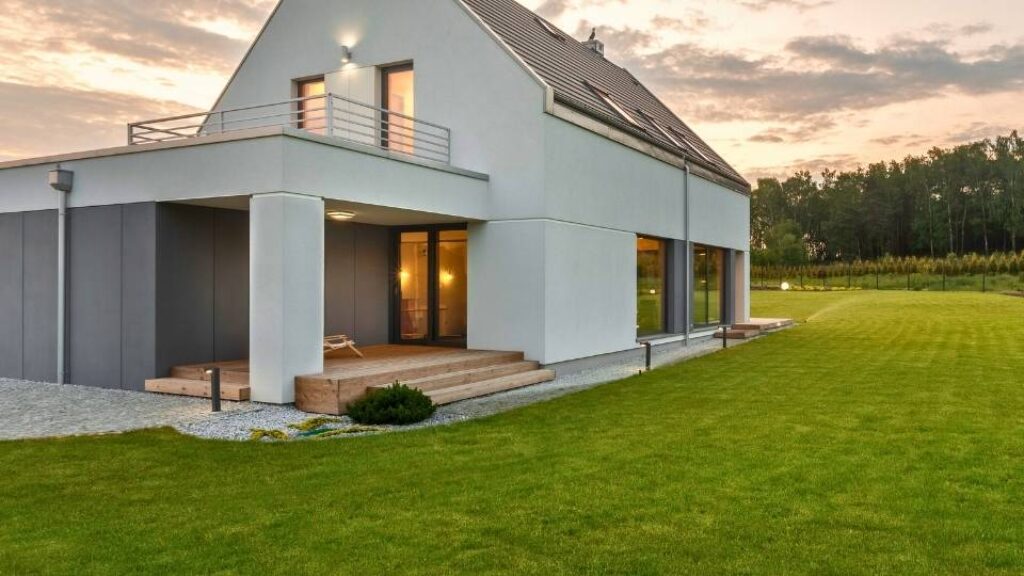
Alamosa isn’t flashy. And that’s exactly why it works. As the gateway to Great Sand Dunes National Park, it offers consistent budget lodging, often well under $100, even in decent seasons. The town has a practical feel — diners, motels, long roads, open skies.
Here’s the unexpected part: visiting the dunes early or late in the day feels surreal. Silence. Shifting sand. Mountains framing it all. You don’t need luxury lodging when the experience outside does the heavy lifting.
Straightforward Travel Notes
- Best time: April–May, September
- Getting there: Drive from Denver or Santa Fe
- Ideal stay: 1–2 nights
- Local tip: Sunrise or sunset at the dunes is non-negotiable