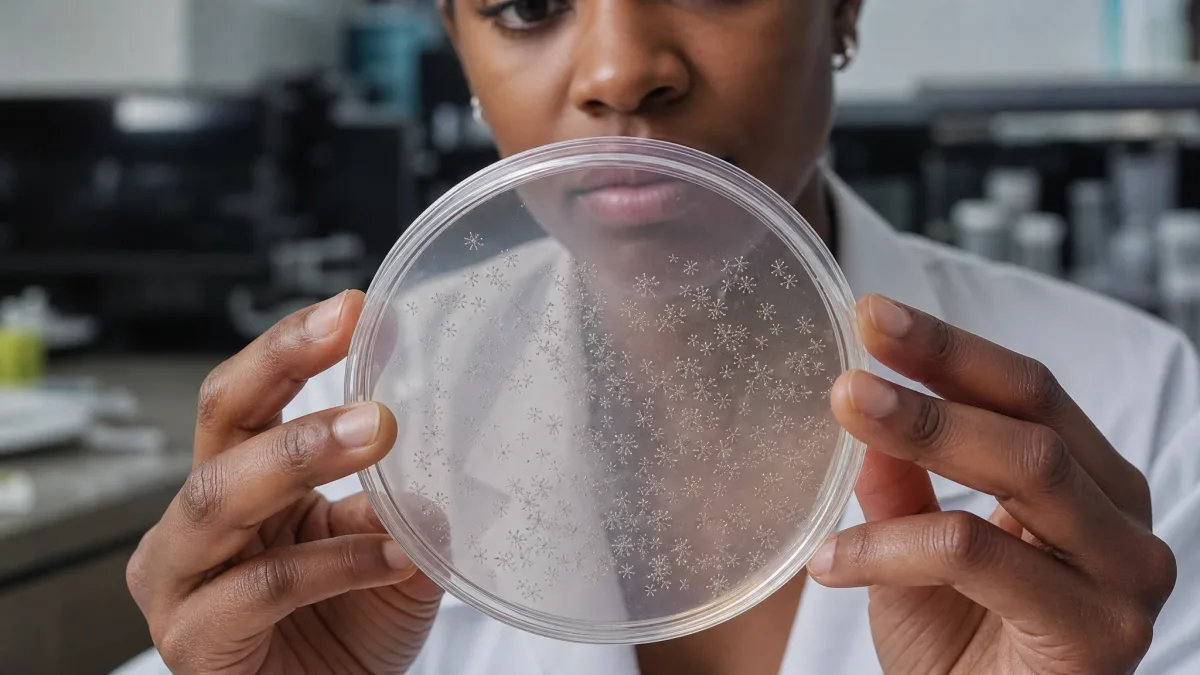
For over a century, the working answer to how the brain builds itself was simple: one pool of cells, one organ. A study from Stanford University suggests that picture may be wrong.
The headline says the brain may be two nervous systems that merged – a vivid claim, and one worth examining closely. The research behind it is real. It found that the nervous system builds itself from two genetically separate groups of cells, present from the embryo’s very first organising step, that never shared a common origin. That directly contradicts a long-held assumption in neuroscience.
The ‘two merged nervous systems’ framing, though, is the lead researcher’s own speculation – not a conclusion the data support on their own. He says so himself. Meanwhile, the result that may matter most right now got far less attention: the team used this finding to grow functional hindbrain motor neurons — the kind whose loss drives some of ALS’s most devastating symptoms.
Here is what the study found, where the evidence stops, and why a lab technique for growing neurons in a dish may be the part worth watching.
The Brain Was Assumed to Grow From One Source
The brain was always understood as one organ, but the assumption that it grew from one source is a separate claim – and it is that second assumption the Stanford study overturns.
Neuroscience carves the brain into three working regions. The forebrain handles thought, memory, and decision-making. The midbrain routes sensory signals and motor commands. The hindbrain keeps breathing, heart rate, and sleep regulation running without conscious effort. Three regions, but for decades the field’s working model treated them as growing from a single shared pool of early cells – one origin from which the full nervous system fans out.
That assumption had real practical weight.
If every early neural cell starts from the same place, then any one of them should, in principle, be steerable toward any brain region given the right chemical instructions. Lab researchers trying to grow specific neurons – particularly the hindbrain cells that manage swallowing and breathing – built their experimental protocols on exactly that logic. They adjusted signals, changed concentrations, revised timing. The results were poor, and nobody had a satisfying explanation for why. The single-origin model offered no obvious culprit: the cells were supposedly all the same kind of thing, so the failure had to be somewhere in the recipe.
It was not in the recipe.
Two Genetically Distinct Cell Populations Appear at the Embryo’s First Organising Step
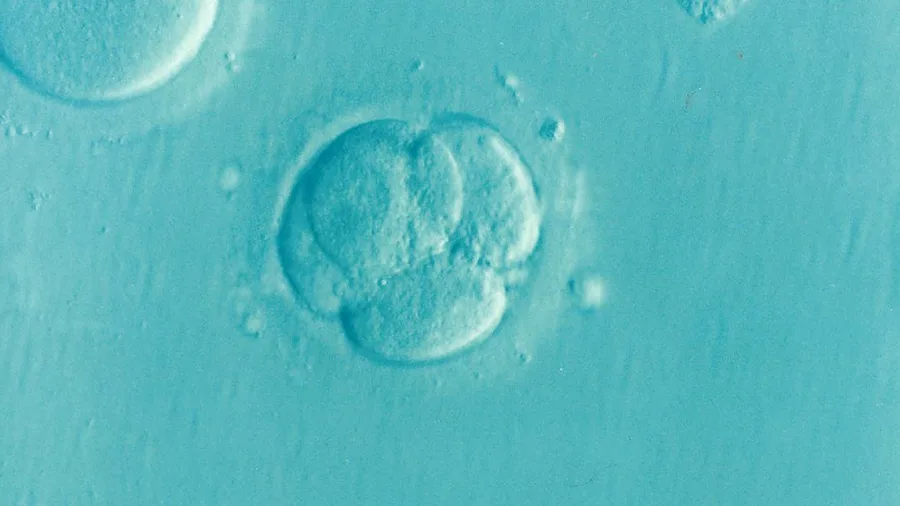
The problem was not the signals – it was the starting material. At the embryo’s very first moment of organisation, the cells heading toward the nervous system were already two different things.
That moment is called gastrulation, the stage when an embryo’s cells separate into distinct layers that will eventually become organs. Kyle Loh, a Stanford developmental biology professor at the associate level, and graduate student Rayyan Jokhai examined what was happening at this earliest step in lab mice. They found not one uniform population of future neural cells but two, each with a different set of genes switched on.
One group carried an active gene called Otx2, which steers development of the forebrain and midbrain. The other carried Gbx2, which governs the hindbrain and extends into the spinal cord.
The difference ran deeper than gene activity. The two populations also had distinct chromatin configurations – chromatin being the molecular packaging that determines which parts of a cell’s DNA are physically accessible and which are locked away. A cell cannot easily become something its chromatin does not permit. The separation between these two groups was not about where they happened to sit in the embryo or what signals they had recently encountered; it was built into their molecular structure.
As development continued, the two populations stayed separate. They did not blend or converge. That directly contradicts the single-origin model, which assumed they could. The core experiments were done in mice; the human stem cell results are consistent, but the mechanistic detail traces to the mouse work.
💡 PRO TIP
Where the real evidence sits
The two-lineage finding rests on mouse experiments and parallel human stem cell work. The evolutionary comparison across species reanalysed previously published data from other teams — suggestive, but a methodological step removed from the primary result.
The Same Two-Lineage Split Appears 550 Million Years Back
The two-cell split is not a quirk of mice. The same pattern turns up across very different animals – and some of them are separated from mice by hundreds of millions of years.
The Stanford team did not run new experiments on other species. Instead, they went back through developmental data that other researchers had already published. They looked at macaques, zebrafish, and chickens. In every case, they found the same two populations: one expressing Otx2, one expressing Gbx2, each tracking the same front-back divide.
The deepest comparison was with acorn worms.
Acorn worms are small marine animals. They are not vertebrates, and their evolutionary line split from ours roughly 550 million years ago. Finding the same two-cell arrangement in an acorn worm suggests this division is not a recent invention of the vertebrate brain – it may be built into the basic blueprint of animal nervous systems.
Anna Di Cosmo, who holds a biology professorship at Naples’ Federico II university, was not part of the study. She looked at the cross-species pattern and said the split between the front lineage and the back lineage is genuinely ancient.
There is a limit to how firmly that story can be told, though. The team used other researchers’ published data, not their own fresh experiments. That is a real methodological boundary. The cross-species evidence is consistent and suggestive, but it is not the same as running the same tests independently across every species named.
The Numbers Behind the Finding
Primary experiments in mice; cross-species data from previously published sources. Source: LiveScience, Oct 2026.
The ‘Two Nervous Systems Merged’ Claim Is the Researchers’ Own Speculation
That ancient, widespread pattern is striking – but the question of what it actually means is where the paper’s evidence stops and the lead researcher’s own speculation begins.
What the study does establish is specific. Two cell populations appear at gastrulation, each with a different gene switched on, each with a different physical arrangement of its DNA. As the embryo develops, the two populations stay separate – they never blend into one shared pool. That finding is grounded in the mouse experiments and the human stem cell work.
What the study does not show is a different matter. It does not show how the two populations come together into what looks, from the outside, like a single organ. It does not show whether the two lineages were ever independent nervous systems in separate animals. It does not even pin down when, in evolutionary time, the two pathways first appeared.
The ‘two nervous systems merged’ framing comes from Loh himself – but he was careful to label it a hypothesis, one he said could change as scientists learn more. The paper does not present that merger story as a conclusion.
The gap between ‘two distinct lineages’ and ‘two systems that fused’ is exactly where the headline lives. The two things are not the same claim, and readers encountering the headline should know they are standing in that gap – on the speculative side of the evidence, not the proven side.
What This Study Shows vs. What It Does Not
Established by the evidence
- Otx2 and Gbx2 mark two populations with different chromatin configurations from the start
- The two populations never overlap as the embryo develops — confirmed in mice and human stem cells
- The same two-population split appears in macaques, zebrafish, chickens, and acorn worms
- The acorn worm match pushes the pattern back at least 550 million years
- Human stem cells were guided into hindbrain motor neurons producing proteins characteristic of face-muscle and swallowing circuits
Not established by this study
- Whether the two lineages were ever independent nervous systems in separate ancestral animals — that is Loh's hypothesis, not a finding
- How the two distinct lineages physically join into what looks like one organ
- When in evolutionary time the two pathways first split — the cross-species data is from prior published work, not new experiments
- Whether the lab-grown hindbrain neurons will faithfully replicate ALS or spinal muscular atrophy disease processes
Past Failures to Grow Hindbrain Neurons Now Have an Explanation
The two-lineage distinction is not just a scientific detail – it explains a concrete failure that blocked disease research for years.
Labs trying to grow hindbrain neurons kept coming up short, and no one had a satisfying answer for why.
Graduate student Rayyan Jokhai’s reading of those earlier failed attempts is direct: the labs were almost certainly starting with the wrong cells. They were taking cells from the forebrain and midbrain lineage – cells running on Otx2 – and trying to turn them into hindbrain cells. The new evidence suggests that conversion may not be possible, because the two lineages appear to be locked in at gastrulation. You cannot push a forebrain progenitor into a hindbrain fate any more than you can train a liver cell to become a lung cell.
Under the old single-origin model, those failures had no clear cause. Each lab could blame its own protocol – maybe a signal was missing, maybe a concentration was off, maybe a step came too early. Every variable looked adjustable.
The two-lineage finding changes that completely. The failure was not a gap in the recipe. It was a category error – labs were starting from the wrong raw material. That is a different kind of problem, and it has a different kind of fix: find the right cell population first, then build from there.
Growing Hindbrain Neurons in a Dish Opens a Direct Route to ALS Research
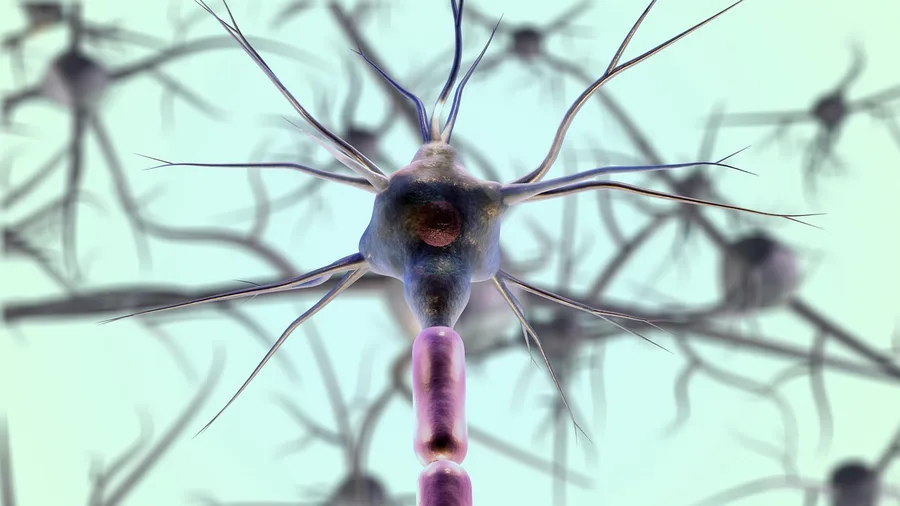
Once the team knew which starting cells to use – those running on Gbx2, the hindbrain lineage – they could build a protocol that actually worked.
The Stanford team took human stem cells and nudged them down the Gbx2 pathway. The cells that came out were hindbrain motor neurons, and they made the proteins you would expect from the real thing: proteins specific to the hindbrain regions that control the muscles of the face and the act of swallowing. These were cells that previous methods had not been able to produce.
That matters because ALS and spinal muscular atrophy both attack exactly these neurons. As the cells die, patients lose the ability to swallow, then to speak, then to breathe on their own.
The problem for researchers is that you cannot take a sample of those neurons from a living patient. The hindbrain is not accessible, and attempting it would cause serious harm. So scientists have had no way to watch, in real time, how these diseases wear the cells down – and no dish to test whether a drug can stop that process.
A lab-grown supply of the right neurons changes that. It is the most immediate, testable result in the whole study – and it received far less attention in early reporting than the ‘two nervous systems’ story did.
What This Study Leaves Genuinely Unsettled
Promising as those lab-grown neurons are, several things this study cannot yet answer are worth naming plainly before the findings get too far ahead of themselves.
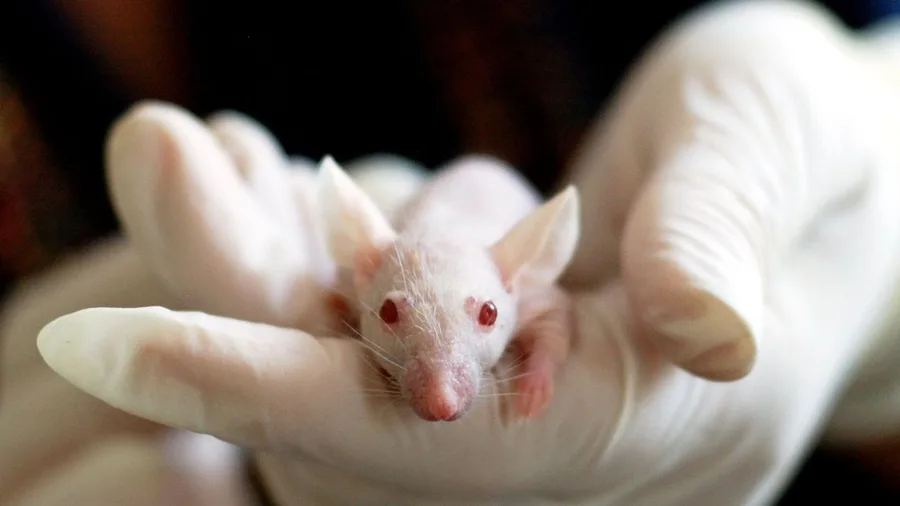
The core experiments were done in mice. Human stem cells were also used, and the results matched – but whether every detail of the two-lineage split works the same way in a human embryo is still an open question. Consistent results are not the same as a confirmed answer.
The study shows the two cell populations stay separate as they mature. What it does not show is how they end up inside one apparent organ. The signals, the timing, the back-and-forth between cells that somehow produces a single unified brain from two distinct starting points – none of that is known yet.
The cross-species comparison – the finding that the same two populations appear in macaques, zebrafish, chickens, and acorn worms – drew on data that other teams had already published. This team did not run those experiments themselves. That is a real methodological limit. It means the deep-evolutionary story the comparison suggests is plausible, but it cannot be called settled on the strength of this paper alone.
One further limit: no direct link to the primary Nature Neuroscience paper was reachable from the reporting this article relied on. Every specific claim here traces back to that secondary source. Anyone who wants to check the original evidence should search for the study under Loh and Jokhai’s names.
Frequently Asked Questions
What are the two nervous system lineages the Stanford study identified?
The study found two distinct populations of cells at gastrulation in mice. One expresses the gene Otx2 and is destined for the forebrain and midbrain. The other expresses Gbx2 and is destined for the hindbrain and spinal cord. The two populations have different chromatin configurations and remain distinct as the embryo develops, rather than converging into one shared pool.
Does this mean the human brain is literally made of two merged brains?
No, and the study’s own lead researcher flags this as speculation rather than a conclusion the evidence supports. What the study establishes is that two genetically distinct developmental lineages exist from the embryo’s earliest organisational moment. Whether those lineages once belonged to two entirely separate nervous systems in ancestral organisms is an idea Loh offers as a hypothesis — one he notes may change as research continues.
Why does it matter that the two cell populations are fixed at gastrulation?
If the lineages are fixed early, cells from the forebrain-midbrain pathway cannot be converted into hindbrain cells no matter what chemical signals researchers apply. This explains why years of lab attempts to grow hindbrain neurons kept failing — they were almost certainly starting from the wrong cell population. Knowing the lineages are separate from the very beginning tells scientists which starting cells to use.
How could this help people with ALS or spinal muscular atrophy?
Both diseases destroy hindbrain motor neurons that control swallowing, speaking, and breathing. Because those neurons cannot be sampled from living patients, researchers have had no way to watch the diseases progress at the cellular level in a lab. The Stanford team used the two-lineage map to grow functional hindbrain motor neurons from human stem cells for the first time, which creates a platform for studying how those diseases damage cells and potentially for testing treatments.
How do we know the two-lineage split is ancient?
The Stanford team reanalysed previously published developmental data from macaques, zebrafish, chickens, and acorn worms and found the same two-population pattern in each. Acorn worms, whose evolutionary lineage diverged from vertebrates roughly 550 million years ago, are the deepest point in that comparison. This cross-species pattern suggests the split predates vertebrates, though the analysis drew on other teams’ data rather than new experiments.
Were the primary experiments done in humans?
The primary mechanistic experiments were conducted in lab mice. Human stem cells were used in parallel, and the team successfully guided them into functional hindbrain motor neurons, which is itself a significant result. However, the detailed developmental evidence for how and when the two lineages separate comes from the mouse work, and whether every mechanistic detail applies identically to human embryos is not yet established.
What Hindbrain Neurons in a Dish Might Actually Answer
The open question that carries the most weight now is not the evolutionary one. It is whether hindbrain motor neurons grown from human stem cells will replicate the disease process of ALS and spinal muscular atrophy faithfully enough to actually test treatments. A cell that produces the right proteins is not automatically a cell that breaks down the same way a diseased neuron does, in the same sequence, at the same pace. That gap between looking right and failing right is where the real work begins.
Underneath that sits a broader question the two-lineage finding raises for neuroscience. If the brain is built from two genetically distinct populations that never fully merged into one developmental program, there may be functional boundaries – or disease boundaries, regions where one condition dominates and another does not – that researchers have so far lacked the framework to see. The study does not answer that. It does, for the first time, give the field a reason to ask.
The headline’s claim is not false, but it is speculation dressed as conclusion. What the study durably contributes is a corrected map of where neurons come from – and the first method that can reach the part of that map, the hindbrain, where some of the hardest diseases to study have always lived. Whether those lab-grown neurons can stand in for the real thing is the question worth watching.
Sources
- Is the brain actually 2 nervous systems smooshed together? A new study claims it is. – livescience.com (news report) · 2026-10-17