You wake up tired before your alarm even rings, wondering why the morning routine feels so heavy.
After talking to five different longevity specialists about their personal kitchen habits, a very clear pattern emerged around the first meal of the day.
They skip the sugary cereals and standard pastries entirely, focusing instead on foods that stabilize blood sugar and protect muscle mass.
Quick Tips Before You Start
Prioritize Protein
Aim for 30 grams of protein in your very first meal to prevent muscle loss.
Embrace Fermented Foods
Add live cultures daily to support gut microbiome diversity and reduce systemic inflammation.
Delay Sweeteners
Keep coffee black or use cinnamon instead of sugar to maintain stable morning insulin levels.
1. Full Fat Plain Greek Yogurt

You reach for the flavored yogurts thinking you are making a healthy choice, but the sugar spike leaves you crashing by ten in the morning.
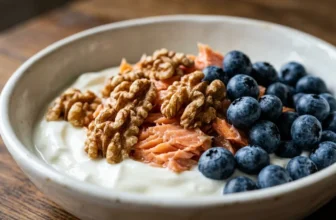
Four out of five longevity specialists interviewed keep plain, full-fat Greek yogurt in their refrigerators for a reason.
The live active cultures support gut barrier function, while the heavy protein load triggers muscle protein synthesis effectively after a night of fasting.
Scoop one cup of plain yogurt into a bowl every morning and skip the sweetened varieties entirely to protect your metabolic baseline.
💡 Tip: Check the ingredients label: it should list only milk and live cultures, nothing else.
Morning Routine At a Glance
2. Wild Blueberries For Cellular Defense

Your morning bowl needs color, but standard grocery store berries lack the deep antioxidant punch of smaller wild varieties.
Wild blueberries contain significantly higher concentrations of anthocyanins than cultivated berries, supporting cognitive function and vascular health as you age.
Toss a half cup of frozen wild blueberries directly into your yogurt or warm oatmeal to release their beneficial compounds instantly.
The deep purple pigment signals high polyphenol content that protects your cells from oxidative stress throughout the morning hours.
⚠️ COMMON MISTAKE
The Dried Fruit Trap
Do not swap fresh or frozen berries for dried cranberries or raisins, which concentrate sugar and spike blood glucose rapidly.
3. Walnuts For Healthy Brain Fats

You might default to almonds for a snack, but longevity experts specifically keep bags of raw walnuts on their kitchen counters.
Walnuts stand alone as the only tree nut that provides a significant amount of plant-based omega-3 fatty acids essential for brain health as we age.
Chop a quarter cup of raw walnuts and scatter them over your breakfast bowl to add vital crunch and sustained satiety through the morning hours.
The healthy fats slow down digestion, ensuring your morning blood sugar remains steady without sudden spikes or energy dips that lead to a 10 a.m. crash.
Storage & Prep Rules
4. Pasture Raised Whole Eggs

You spent decades tossing the yolk into the trash while settling for chalky egg-white omelets.
Modern dietary science recognizes that the yellow center holds the most valuable nutrients for aging bodies.
Whole eggs provide complete amino acid profiles alongside choline for liver function and lutein for eye health.
Cook two pasture-raised eggs in olive oil or butter every morning, leaving the yolks soft to preserve delicate nutrient profiles.
The cholesterol fears of the past have given way to an understanding that dietary cholesterol has minimal impact on blood levels for most adults.
Egg Nutrition — At a Glance
🥚 Protein
12g per two eggs
🧠 Choline
Supports brain health
👁️ Lutein
Protects vision
🍳 Prep Time
4 minutes
The Whole Egg Rule
Never discard the yolk where the fat-soluble vitamins and antioxidants reside.
5. Leafy Greens In Morning Scrambles

You probably reserve spinach and kale for dinner salads, but adding greens to breakfast changes your daily nutrient intake dramatically.
Dark leafy greens supply essential magnesium, potassium, and folate, which actively support cardiovascular health and reduce systemic inflammation after 50.
Throw a large handful of baby spinach directly into your hot pan with your eggs until it wilts down completely.
This simple habit ensures you hit your vegetable quota before the day even gets started.
💡 PRO TIP
The Spinach Shrink
Baby spinach shrinks down to a tiny fraction of its raw size, making two full cups easy to consume in a single serving.
6. Fermented Kefir Beverages

Milk might seem like a beverage you left behind in childhood.
Fermented dairy works differently in a body over forty, delivering profound support directly to your gut-brain axis as natural microbial diversity starts to decline.
Kefir contains dozens of strains of beneficial bacteria and yeasts that outnumber those found in standard yogurt by a wide margin, giving your digestive tract a far broader microbial profile.
Pour one small glass of plain kefir alongside your morning meal to populate your digestive system with these diverse cultures.
The tangy flavor takes a few days to get used to, but your digestive comfort will improve noticeably within the first month.
7. Steel Cut Oats With Cinnamon
Quick-cooking instant oat packets cause blood sugar spikes that leave you raiding the pantry by mid-morning.
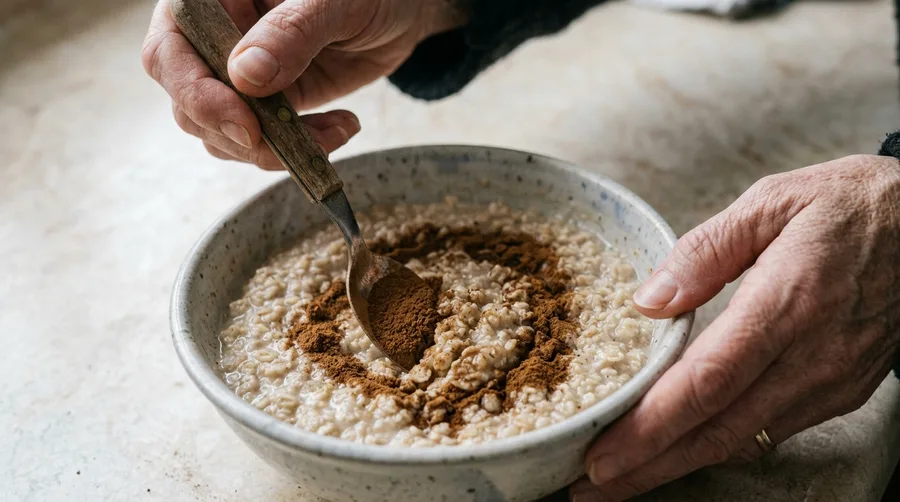
Steel-cut oats retain their outer bran layer, providing slow-digesting beta-glucan fiber that supports healthy cholesterol levels as we age.
Simmer a batch of steel-cut oats for twenty minutes on the stovetop and stir in a generous spoonful of Ceylon cinnamon.
Cinnamon helps improve insulin sensitivity, making this traditional breakfast a powerful tool for metabolic stability.
Quick Longevity Facts
8. Avocado Slices For Stable Energy

You grew up believing fats should be avoided at all costs, but healthy monounsaturated fats are essential for hormone production.
Avocados provide potassium and fiber while keeping your blood sugar completely flat throughout the morning hours.
Slice half a ripe Hass avocado and place it next to your eggs or mash it onto seeded sourdough toast.
The creamy texture provides deep satisfaction that keeps hunger hormones quiet until lunchtime.
9. Chia Seed Puddings

You might mistake chia seeds for tiny pebbles, but these little powerhouses absorb liquid to form a gel that protects your digestive tract.
As we age, gut transit times tend to slow down, making soluble fiber a daily requirement rather than an afterthought.
They pack an impressive amount of soluble fiber and plant-based omega-3s into a very small culinary footprint.
Mix three tablespoons of chia seeds with almond milk and a touch of vanilla extract the night before, then eat it chilled.
The slow-releasing carbohydrates provide steady fuel for morning workouts without weighing down your stomach.
10. Smoked Wild Salmon

You usually save fish for dinner, but breakfast is an ideal time to introduce anti-inflammatory omega-3 fatty acids.
Wild salmon supplies EPA and DHA, which support cardiovascular health, lower joint stiffness, and protect cognitive function.
Layer two slices of wild smoked salmon over your avocado toast or fold them into your warm morning eggs.
This savory option adds a rich, satisfying flavor profile without requiring any morning cooking time.
11. Bone Broth Warmups

You might think broth belongs in soup, but sipping a warm mug of bone broth in the morning supports gut lining integrity.
The rich collagen content provides amino acids like glycine, which supports joint health and restful overnight sleep recovery as we age.
Warm one cup of quality beef or chicken bone broth on the stove and sip it slowly before your solid breakfast.
This gentle warmup hydrates your system and delivers bioavailable minerals without triggering an insulin response.
12. Sprouted Grain Sourdough

Standard white bread causes immediate blood sugar turbulence, but true fermented sourdough is an entirely different food.
The long fermentation process breaks down gluten and phytic acid, making the minerals in the grain much easier for an aging digestive system to absorb.
Toast one thick slice of sprouted sourdough and top it with almond butter or mashed avocado for a balanced start.
This choice gives you the comfort of morning toast without the sluggish energy crash that follows processed flour.
13. Pumpkin Seed Protein Boosters

You tend to overlook small seeds, but raw pumpkin seeds are nutritional powerhouses for immune and prostate health.
They provide magnesium, zinc, and plant-based protein that support cellular repair and healthy metabolic function.
Sprinkle two tablespoons of raw pumpkin seeds over your yogurt, oatmeal, or avocado toast every morning.
The satisfying crunch adds texture while delivering key minerals that modern diets frequently lack.
14. Unsweetened Matcha Green Tea

You might rely on heavy coffee drinks, but ceremonial grade matcha offers a calmer, sustained form of mental alertness.
Matcha contains L-theanine alongside caffeine, promoting focused attention without the jittery heart rate spikes of coffee.
Whisk one teaspoon of vibrant green matcha powder into hot water or warm almond milk every morning.
The high concentration of catechins supports metabolic health and cellular defense as you age.
15. Extra Virgin Olive Oil Drizzle

You probably cook with olive oil, but adding a raw drizzle over your morning savory dishes provides powerful polyphenols.
High-quality extra virgin olive oil supports cardiovascular health and reduces systemic inflammation throughout the body.
Pour one tablespoon of robust extra virgin olive oil directly over your eggs, greens, or avocado toast.
The peppery finish signals high polyphenol content, making it a staple in every longevity doctor’s kitchen.
Frequently Asked Questions
Why is morning protein so important after age 50?
As you age, your muscles become less responsive to protein synthesis, a condition known as anabolic resistance. Consuming 30 grams of protein in your first meal helps overcome this hurdle and protects lean muscle mass.
Can I drink coffee before eating breakfast?
Many longevity experts recommend drinking water first and waiting until after your protein-rich meal to enjoy coffee, which helps prevent cortisol spikes and jittery energy crashes.
Are eggs safe to eat every single morning?
Current nutritional research shows that dietary cholesterol in whole eggs has minimal impact on blood cholesterol levels for the vast majority of healthy adults, making them a safe daily staple.
What is the best way to avoid morning sugar spikes?
Eliminate processed cereals, pastries, and sweetened yogurts entirely. Replace them with whole-food proteins, healthy fats, and high-fiber additions like berries and seeds.
Start With This One
If you change only one thing tomorrow morning, swap your usual sugary breakfast for plain Greek yogurt topped with walnuts and berries.
Commit to this single adjustment for thirty days and notice how much steadier your morning energy becomes.