Concrete floors crack, roofs collapse, and within a single generation, the wilderness moves in to reclaim what we built.
Ecological succession happens faster than most people expect, driven by pioneer mosses and lichens breaking down stone while aggressive root systems fracture foundations.
The drive is global and relentless, moving from temperate pine forests to hyper-arid deserts where sand dunes swallow suburban blocks whole.
You will snorkel under lighthouses, kayak through overgrown mangroves, and walk across disused railway bridges reclaimed by tall grasses.
Pick three stops from this list or do all fourteen; the timeline belongs entirely to you.
Quick Tips Before You Start
Footwear
Wear ankle-high hiking boots to protect against rusted rebar and uneven stone.
Permits
Book municipal guided access weeks in advance for fragile historical zones.
Hydration
Carry two liters of water because remote ruins lack potable facilities.
Lighting
Arrive at dawn for low-angle morning light through broken structural domes.
1. Explore Kolmanskop Diamond Camp
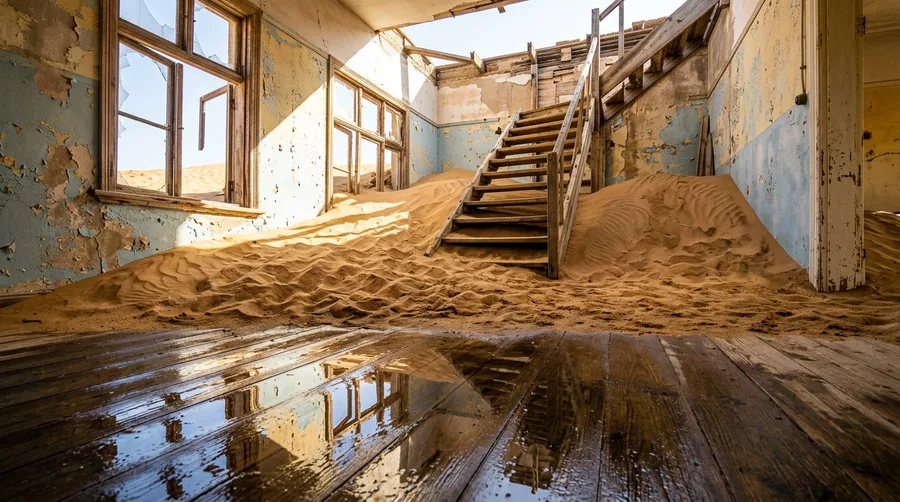
Kolmanskop is a decaying diamond mining settlement deep inside the shifting sands of the Namib Desert.
Wind-driven quartz dunes have poured through shattered window glass, filling entire residential rooms to chest height.
You navigate loose, shifting sand inside tilting hallways and climb skeletal wooden staircases to reach upper-story frames.
The abrasive wind strips peeling paint off pastel walls while desert sands bury the town block by block.
💡 Tip: Obtain your photography permit at the gatehouse in Aus before sunrise to enter before tour groups arrive.
💡 PRO TIP
Mastering Desert Light Shifts
Morning light strikes the pastel walls at a low angle, casting long shadows across interior sand dunes.
2. Sip Aguapanela at Salto de Tequendama
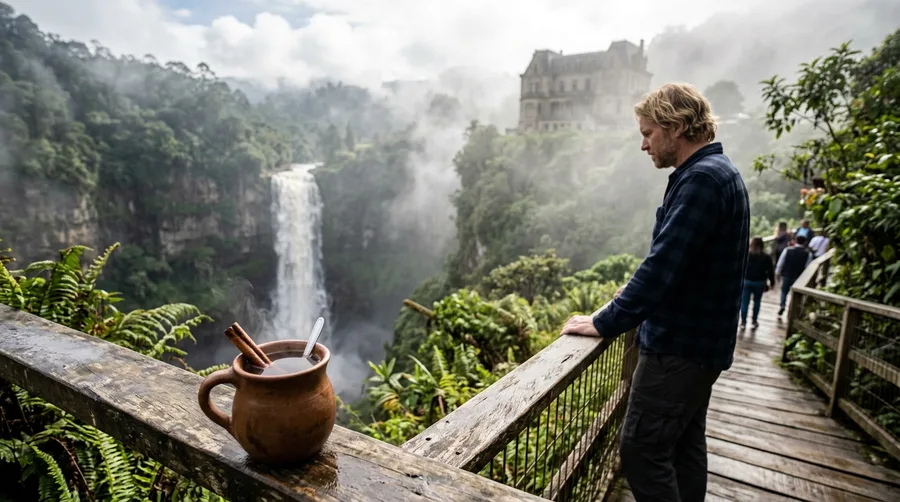
Admission and hot refreshment cost roughly 15,000 Colombian Pesos at the cliffside museum kiosk.
You order a traditional steaming cup of artisan aguapanela spiced with cinnamon, served alongside fresh local cheese.
Heavy cloud forest mist, dripping ferns, and aggressive humidity constantly dissolve the French-style architecture of the abandoned mansion.
Salto de Tequendama — At a Glance
☕ Drink Price
15,000 COP
🌡️ Humidity
95 Percent
🚶 Walkway
Slippery Stone
Weather Warning
Heavy afternoon fog reduces visibility near the cliff edge to under ten meters.
3. Navigate the Village of Craco
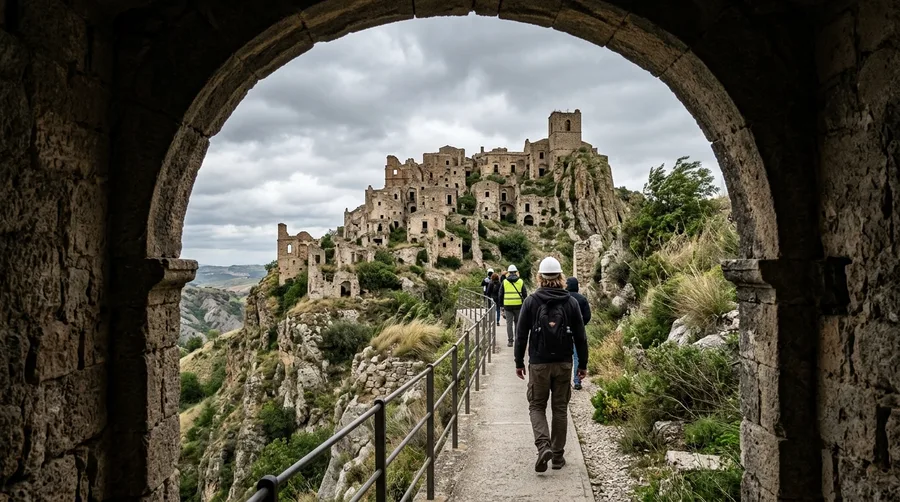
Unstable medieval foundations and ongoing seismic shifts in the Basilicata region mean independent wandering is strictly prohibited.
All visitors must wear hard hats and join mandatory guided tours along reinforced concrete and steel pathways.
This site suits history-loving families with older teenagers comfortable with steep, uneven gravel inclines.
It genuinely does not suit toddlers in strollers, visitors with mobility impairments, or anyone prone to vertigo on narrow precipices.
Wild Mediterranean scrub, tough grasses, and opportunistic nesting birds have colonized the stone roofs and hollow alleyways.
⚠️ COMMON MISTAKE
Skipping Safety Gear Protocols
Never attempt to bypass security barriers at Craco; falling masonry and sheer drops make unguided entry dangerous.
4. Tour Belchite Abandoned Village
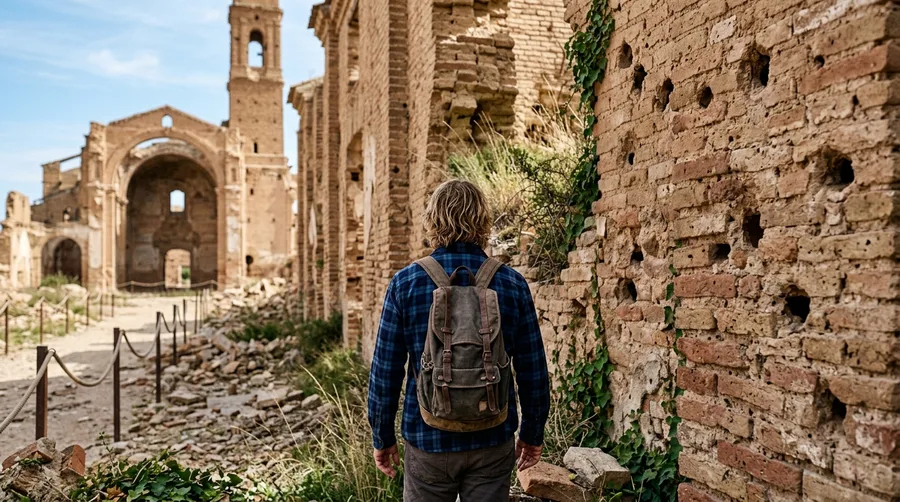
Booking a private, after-hours authorized municipal guide is worth the 50 EUR fee to access restricted interior ruins safely.
Standard entry is nominal, but expert-led historical tours unlock heavily cordoned brick facades, shell-shocked church naves, and hidden courtyards.
Wild grasses, shrubs, and resilient weeds sprout from mortarless, bullet-riddled brickwork, softening the violent legacy of 1937 battle scars.
5. Watch Sunrise at Ross Island Penal Colony
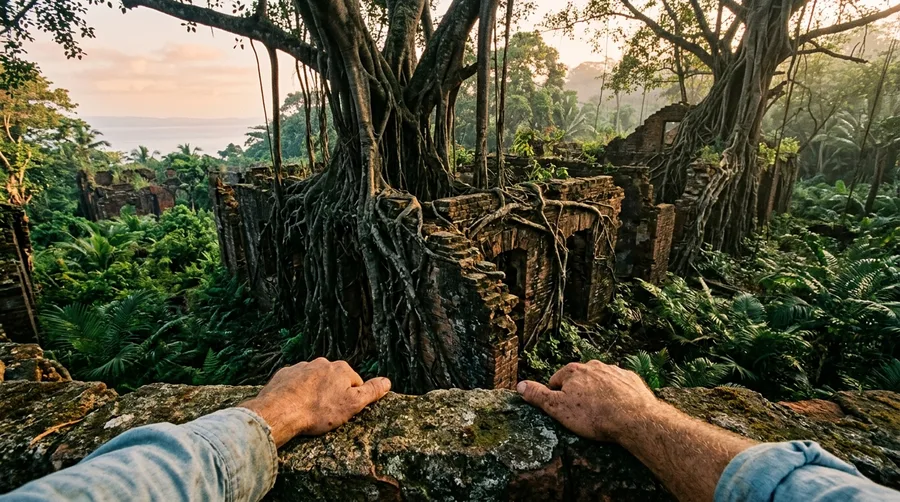
Midday brings glaring tropical heat and thick tourist crowds, but arriving precisely at 6:00 AM reveals a silent jungle dominion.
Early morning dew clings to massive banyan roots that are actively lifting Victorian bungalow foundations out of the earth.
Strangler figs wrap structural brickwork, dissolving masonry with acidic root exudates.
6. Rest at Ryukyu Limestone Quarries
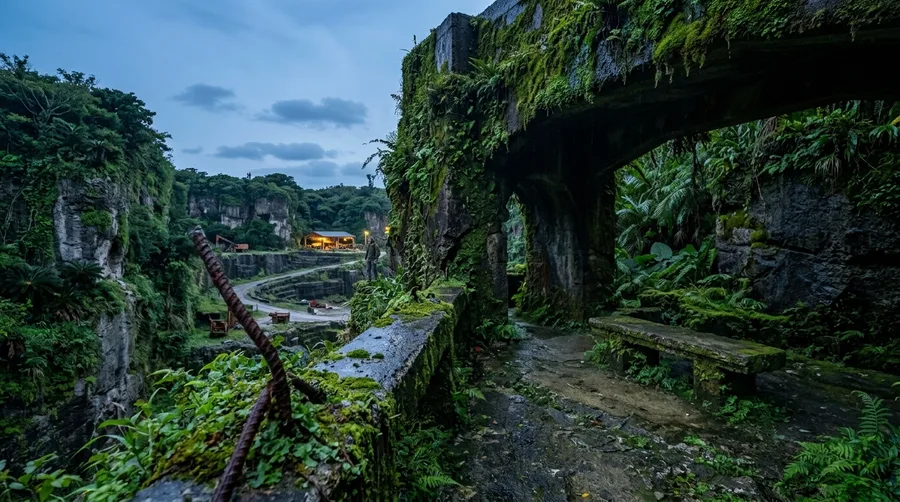
How long does it take for a humid subtropical climate to erase human industry?
You sit on a moss-covered stone bench beneath an overgrown bridge abutment for an uninterrupted hour of quiet observation.
The sensory environment features dripping condensation, chirping cicadas, and a velvet carpet of emerald liverworts blanketing every surface.
🌱 GROWING TIP
Spotting Subtropical Liverworts
Look for dense velvet patches on shaded northern concrete faces where constant moisture fuels rapid plant growth.
7. Witness History at Oradour-sur-Glane
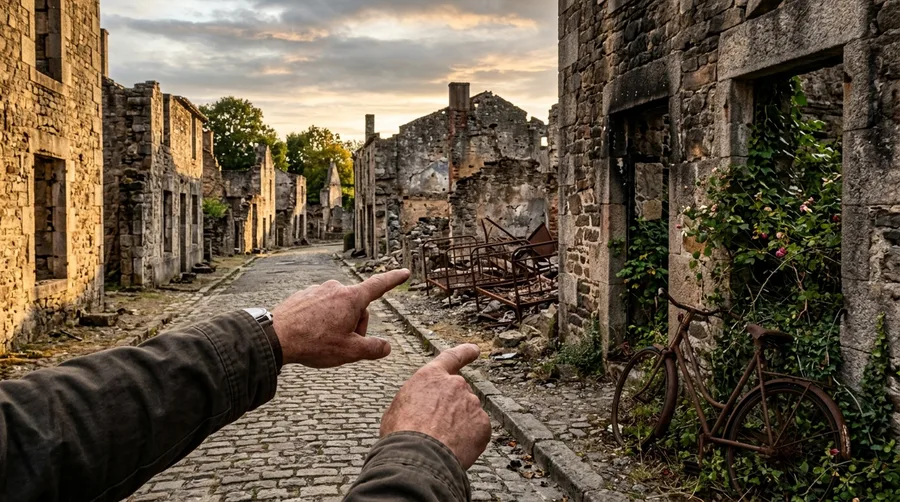
The haunting silence of rusted sewing machines, calcified iron bedframes, and charred stone street corners remains untouched since 1944.
Charles de Gaulle established a preservation decree to keep the martyr village exactly as it fell, allowing nature to serve as custodian.
Brambles, wild roses, and ivy weave through blackened window frames without human landscaping.
8. Pull Over at Dadipoor Railway Station
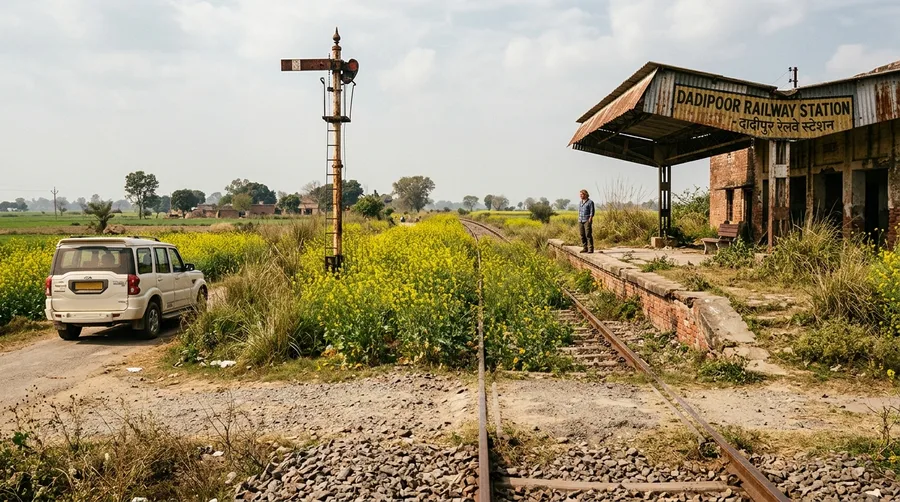
You pull your rental car off the dusty rural highway, crunching over gravel where train tracks once met empty platform edges.
A forgotten colonial-era platform hosts local goats grazing on tall elephant grass sprouting between warped steel rails.
This stop sits just off the main provincial thoroughfare with zero entrance fees, making it an ideal twenty-minute stretch break.
9. Photograph Ta Prohm Temple
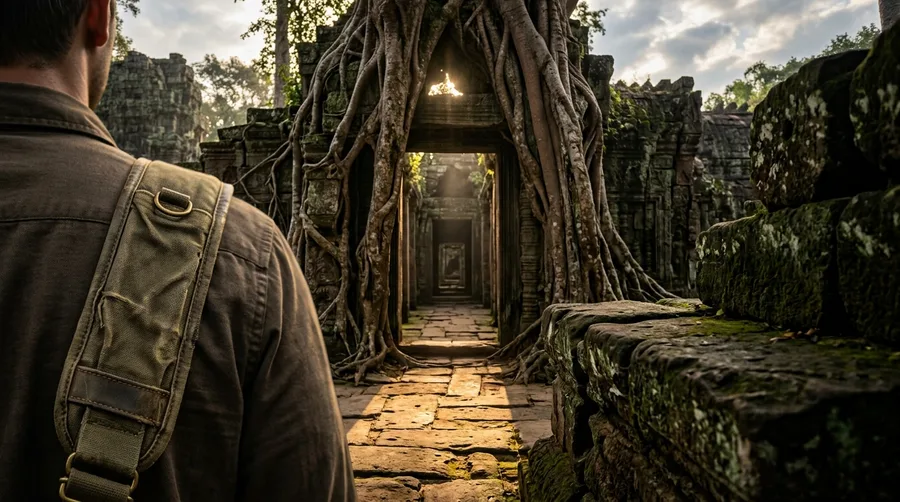
While the eastern entrance is choked with midday tour groups, standing at the western gallery precisely at sunrise reveals the ultimate framing opportunity.
Position yourself fifteen meters back from the western gateway to capture the symmetrical stone corridor framed by looping silk-cotton tree roots.
UNESCO conservation teams balance structural stabilization with the preservation of iconic mega-flora.
10. Wander Canfranc International Station
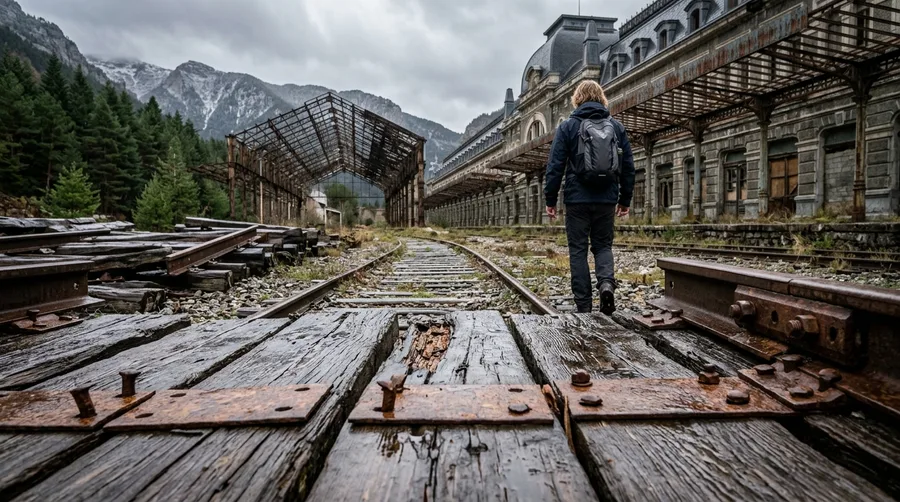
You step out of the damp Pyrenean chill into the echoing shadows of a palatial border station that rivaled European capitals.
While international tourists crowd ski villages, regional travelers hike disused mountain tracks and explore the wild timber yards behind the terminal.
High-altitude frost, heavy winter snowpacks, and aggressive pine forest encroachment slowly crush the massive iron-and-glass train sheds.
The station is accessible via regional mountain road N-330, with free parking behind the station master warehouse.
Best For Pyrenean Explorers
11. Visit St. George Church in Ellichen
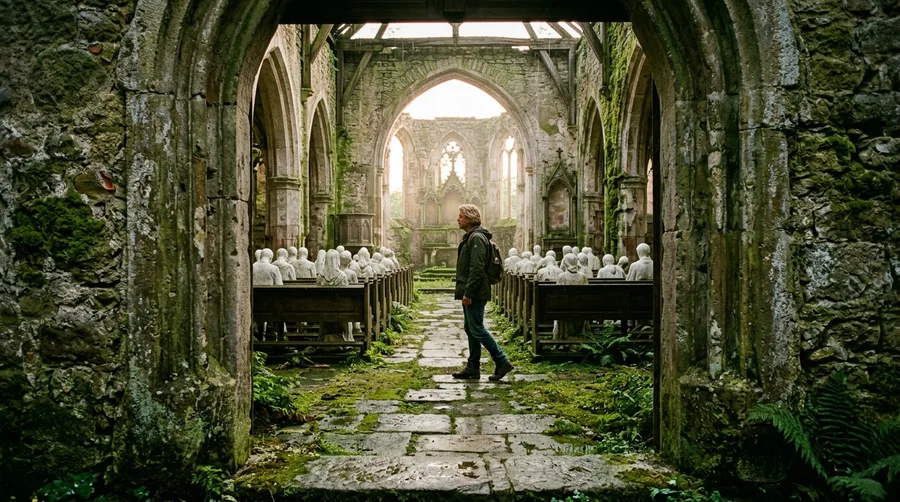
Zero Czech Koruna admission fee and zero commercial gimmicks apply at this haunting fourteenth-century rural chapel.
A roofless, decaying church features local artist Jakub Hadrava installations of ghostly plaster statues of parishioners sitting in decaying pews.
Rainwater dripping through open-air timber framing fosters rich coats of green moss, lichens, and damp ferns across historic altar stones.
12. Inspect Pripyat Amusement Park
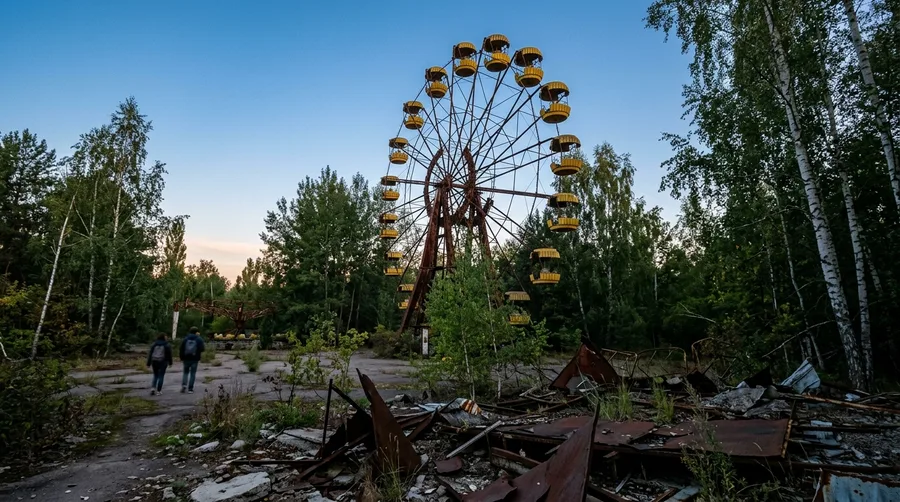
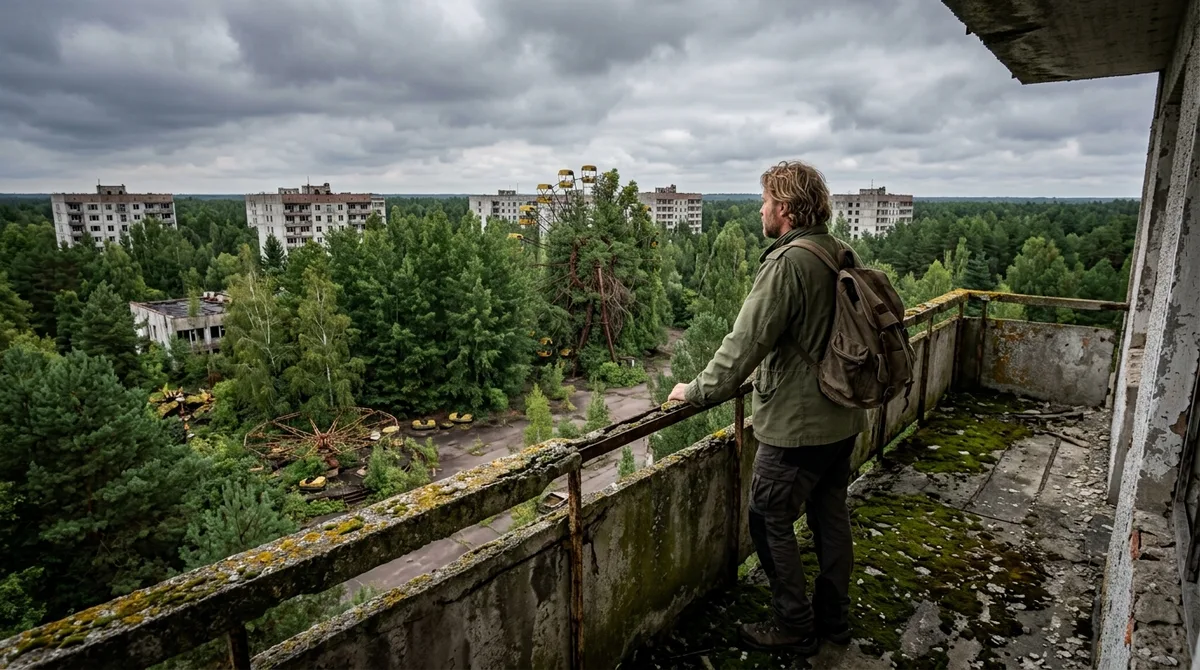
The chilling metallic squeak of a yellow Ferris wheel arm sways in the Exclusion Zone wind, surrounded by dense birch forests.
Due to geopolitical conflict, ongoing security restrictions, and lingering radiological safety protocols, independent tourism is prohibited and unauthorized entry is illegal.
Ironically, despite human evacuation and radioactive contamination, the absence of human pressure transforms the urban zone into a thriving wildlife sanctuary for wolves, lynx, and wild boar.
This destination is essential to document historically, but currently best experienced via accredited virtual documentary archives until safe access resumes.
13. Explore Michigan Central Station
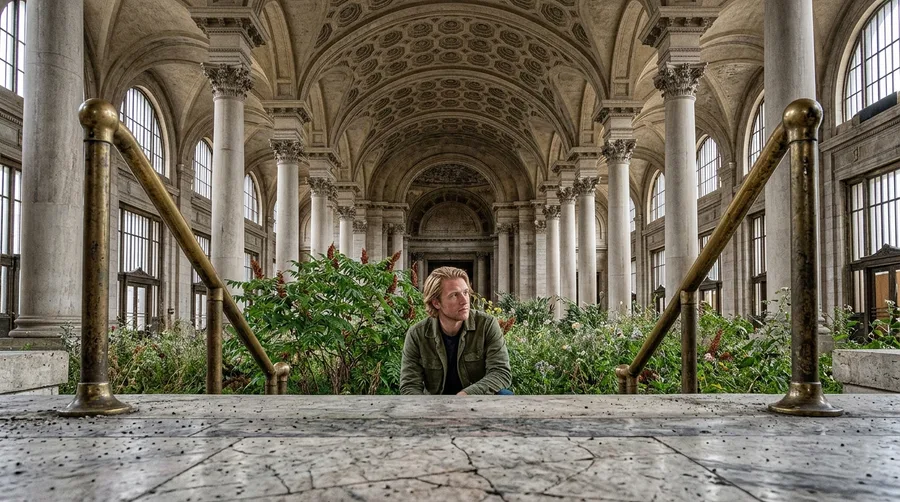
Michigan Central Station stands as America’s most famous monument to industrial rise, abandonment, and high-tech urban renewal.
While the surrounding Corktown district draws massive weekend foot traffic and photography queues, entering the newly restored concourse offers an awe-inspiring look at historic preservation.
Prior to its multi-million dollar tech-hub restoration, aggressive urban flora including sumac trees, dandelions, and pigeon colonies ruled the grand waiting room for over three decades.
14. Discover Salton Sea Test Site
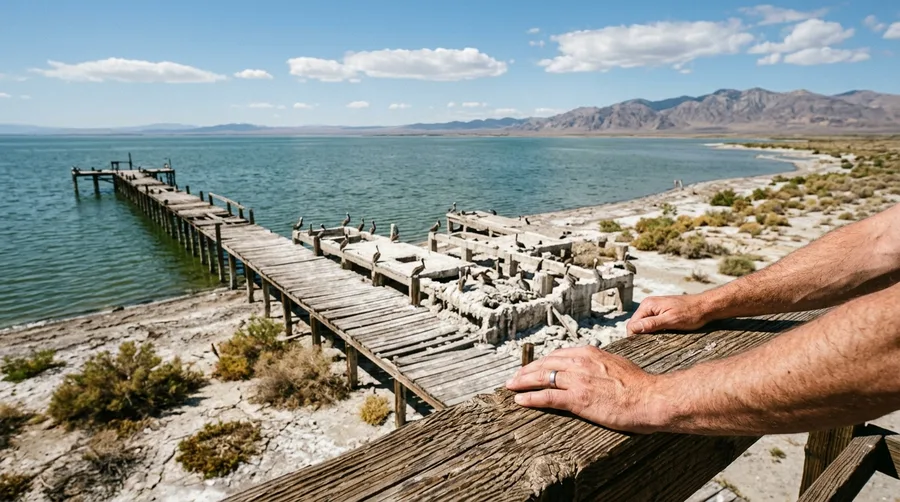
Can a toxic ecological disaster zone also serve as a vital migratory bird haven?
Expect a high probability above eighty percent during winter migration of spotting pelicans, eared grebes, and Caspian terns nesting among concrete launch pads.
Highly saline crusts encrust abandoned structures while desert scrub and migrating shorebirds claim the desolate shoreline.
Frequently Asked Questions
Are abandoned places legally safe to visit without a guide?
Most abandoned industrial or residential sites carry severe safety hazards like collapsing roofs or rotten floorboards. Always respect local perimeter fencing and municipal entry laws.
How does nature break down concrete structures so quickly?
Ecological succession begins with airborne spores of mosses settling into concrete cracks. They secrete mild organic acids that dissolve alkaline binding agents while roots fracture the material.
Can I use a drone at these abandoned locations?
Drone regulations vary wildly by country and local jurisdiction. Many historical ruins sit within protected wildlife reserves or municipal zones where UAV use requires permits.
What is the best camera gear for photographing decaying interiors?
A wide-angle lens from 16 to 35 millimeters is essential for capturing tight architectural spaces, alongside a sturdy tripod for low-light exposures and polarizer filters.
The Quiet Triumph of Roots Over Rusted Steel
From the sandy ruins of Namibia to towering banyan roots in Asia, concrete and steel are merely temporary interruptions in Earth’s geological timeline.
While human ambitions fade, natural systems possess an infinite capacity to heal, adapt, and transform decay into vibrant new ecosystems.
Leave only footprints and take only photographs when exploring these fragile, shifting monuments.