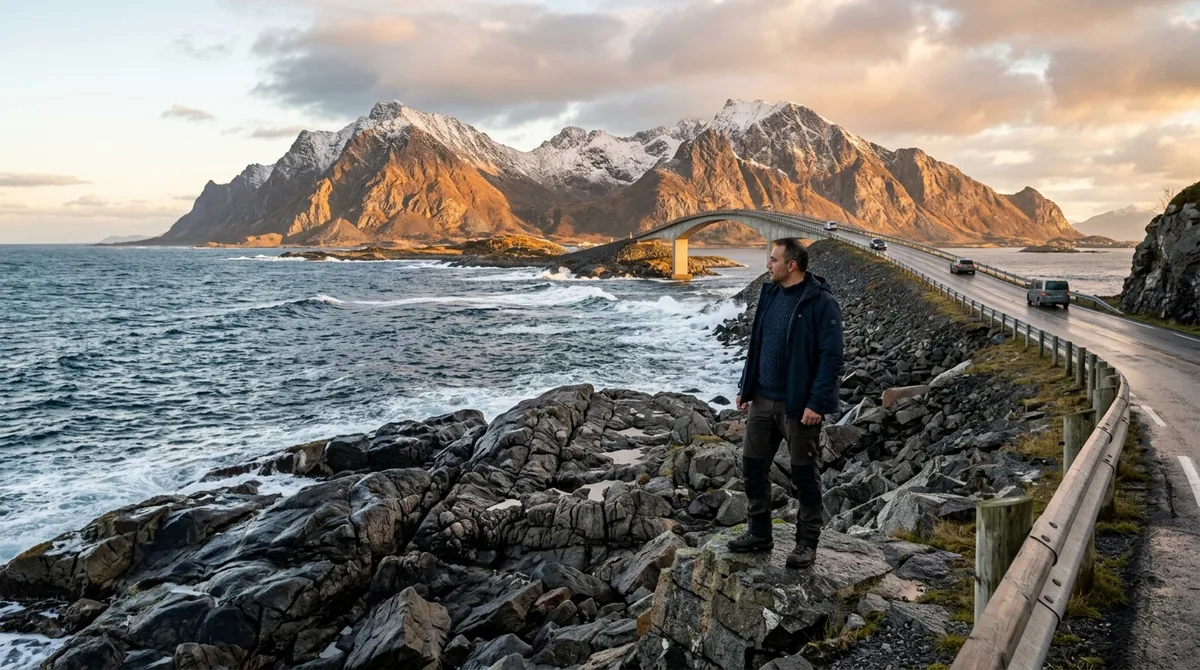
Norway does not operate on the standard European travel playbook. You are looking at a country funded by oil wealth yet stubbornly obsessed with preserving sheer, silent isolation.
Most visitors make the mistake of sticking to the main highways or booking generic city tours. You would miss the actual point of the trip.
The scale is staggering: over one thousand fjords, twenty-three thousand miles of coastline, and infrastructure that costs billions to tunnel straight through solid granite.
You will watch waterfalls crash directly into salt water, cross suspension bridges in gale-force winds, hike across ancient glaciers, and ride electric ferries that run in absolute silence.
This guide gives you the exact route, the precise costs, and the honest permissions you need to skip the tourist traps and see how the North really lives.
Quick Tips Before You Start
Cashless Country
Almost everywhere accepts contactless cards; keep zero physical currency.
Toll Passes
Register your rental car online for automatic toll road billing.
Layer Up
Bring a Gore-Tex shell regardless of the summer forecast.
Alcohol Rules
Buy wine and strong beer at government Vinmonopolet shops before closing.
The Norwegian Route Map
Save this route map before you begin your journey north.
1. Spot White-Tailed Sea Eagles in the Lofoten Islands
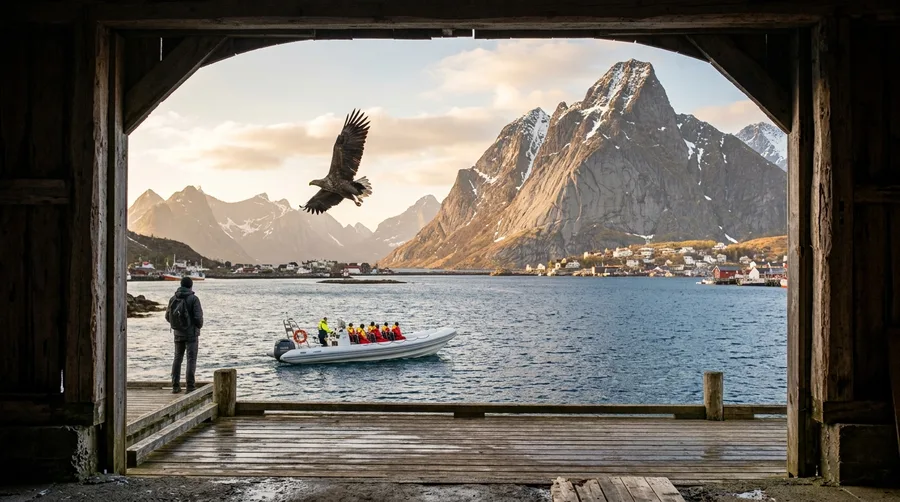
Land-based wildlife viewing in dense pine forests can feel quiet, but the coast offers a nearly guaranteed encounter.
Rib boat safaris depart daily from Svolvær and Henningsvær, taking you deep into narrow fjords where white-tailed sea eagles nest on sheer vertical cliffs.
Tours cost roughly 1,000 to 1,500 NOK per person and operate with strict wildlife distance codes to protect nesting pairs.
💡 Tip: Sit at the back of the RIB boat for less impact from rough open water.
⚠️ COMMON MISTAKE
Do Not Ignore Sea Conditions
Coastal weather changes within minutes. Never board a small open boat without checking local marine warnings first.
2. Hike Pulpit Rock at Sunrise
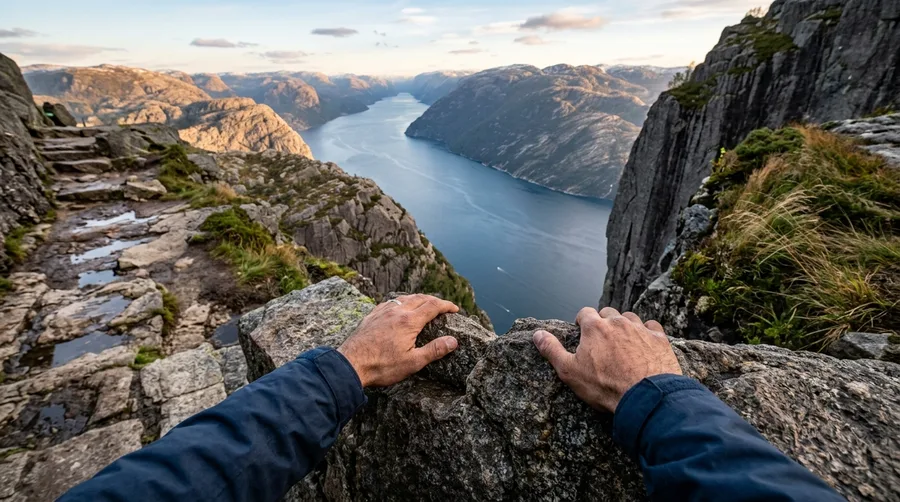
Is the eight-kilometer round-trip hike worth the social media fame?
Yes, provided you start before six in the morning to beat the massive cruise ship queues.
Expect 350 meters of elevation gain over uneven granite stairs; skip it if you have severe vertigo or weak ankles.
Norway in Hard Figures
The scale behind the landscape
3. Taste Traditional Brown Cheese on Flatbread
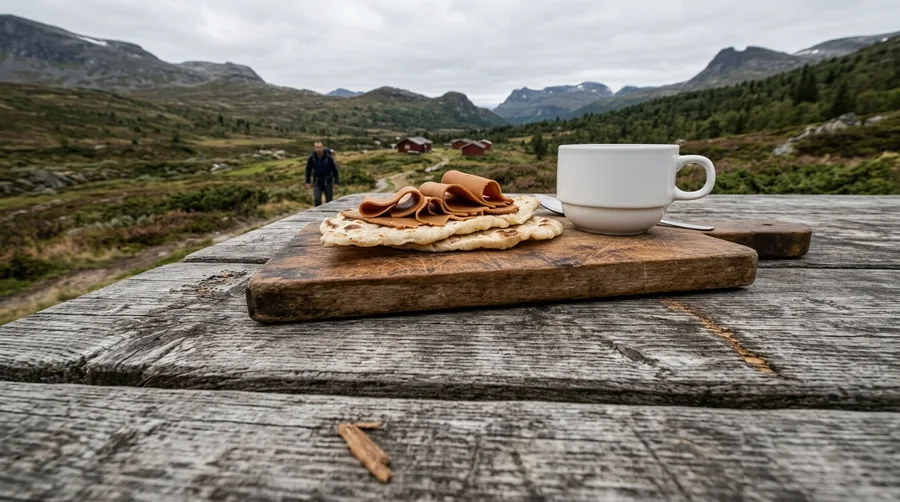
Brunost is a caramelized whey cheese that tastes like a sweet, savory cross between fudge and cheddar.
Slice it thin on fresh flatbread or waffles with raspberry jam, paired with a strong filter coffee.
You can pick up a block at any standard Coop or Rema 1000 supermarket for about 60 NOK.
Supermarket Budget Picks
4. Explore Medieval Borgund Stave Church
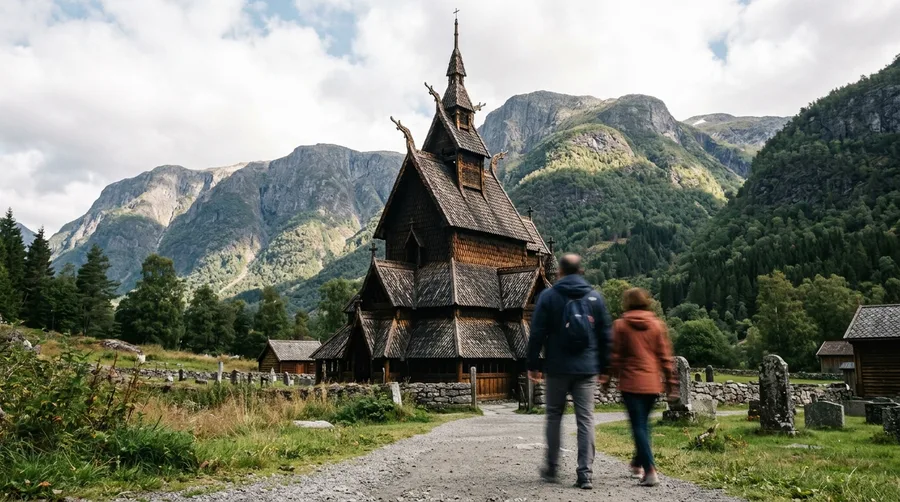
In 872 AD, the Battle of Hafrsfjord united Norway into a single kingdom under Harald Fairhair.
Centuries later, master builders erected structures like Borgund Stave Church using interlocking pine timbers without a single metal nail.
The wood is heavily treated with pine tar, allowing medieval structures to endure harsh weathering for over 800 years.
5. Camp Wildly Across the Open Landscape
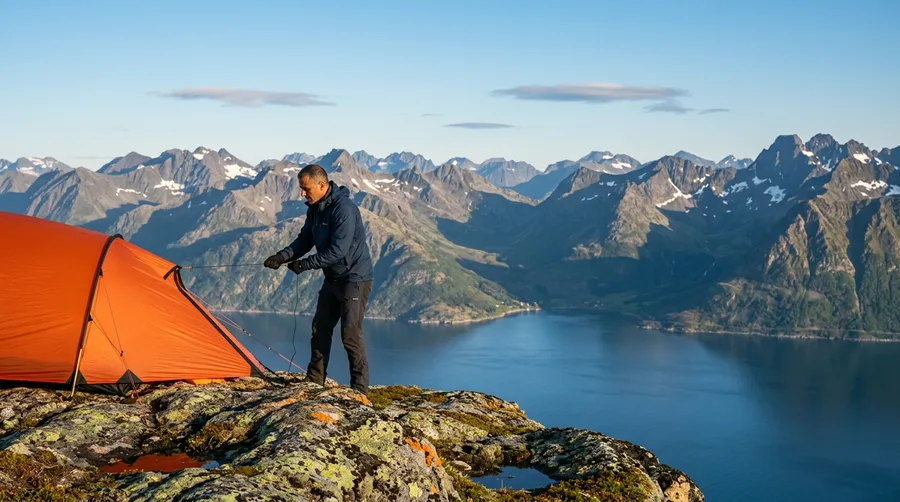
Allemannsretten grants you the legal right to roam and camp freely across uncultivated wilderness.
You can pitch a tent anywhere for up to 48 hours without permission, provided you stay 150 meters away from houses.
This ancient law turns every mountain meadow and coastal bluff into your own private backyard.
Leave zero trace behind and pack out all waste.
Wild Camping Essentials
6. Climb Reinebringen for Panoramic Views
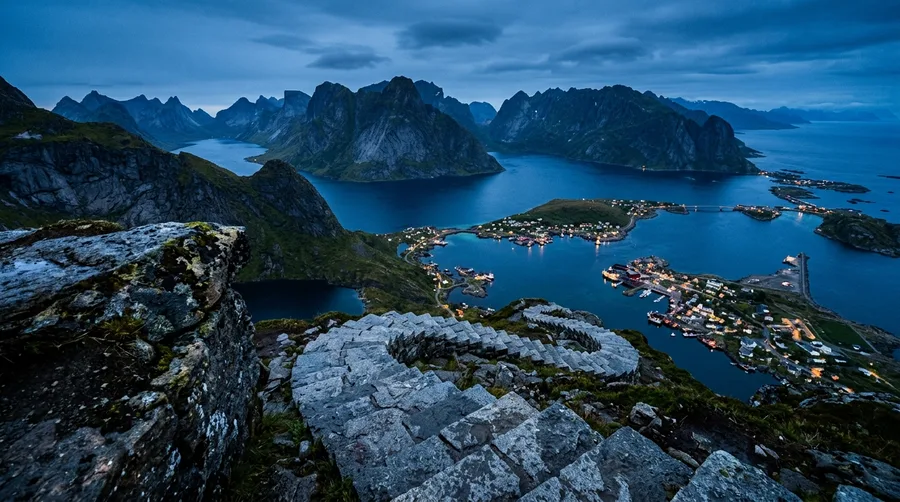
Stand at the summit ridge of Reinebringen, 448 meters high, looking down over Reinefjorden and sharp granite peaks.
Climb at ten in the evening during the midnight sun period in June to avoid daytime crowds.
The newly constructed Sherpa stone staircase consists of 1,560 steps straight up the cliff face.
7. Unwind in Floating Saunas on Oslofjord
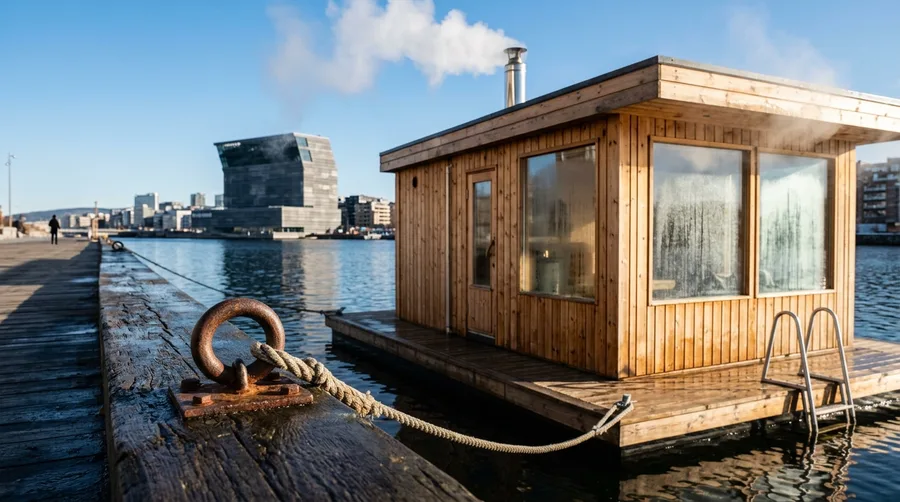
Step away from the usual museums and head straight to the floating wood-fired saunas clustered near the Munch Museum.
Locals gather here daily, alternating between blistering heat and freezing plunges directly into the Oslofjord.
Sessions cost roughly 350 NOK per person for a two-hour slot, blending urban culture with Nordic wellness traditions.
8. Drive the Sweeping Atlantic Ocean Road
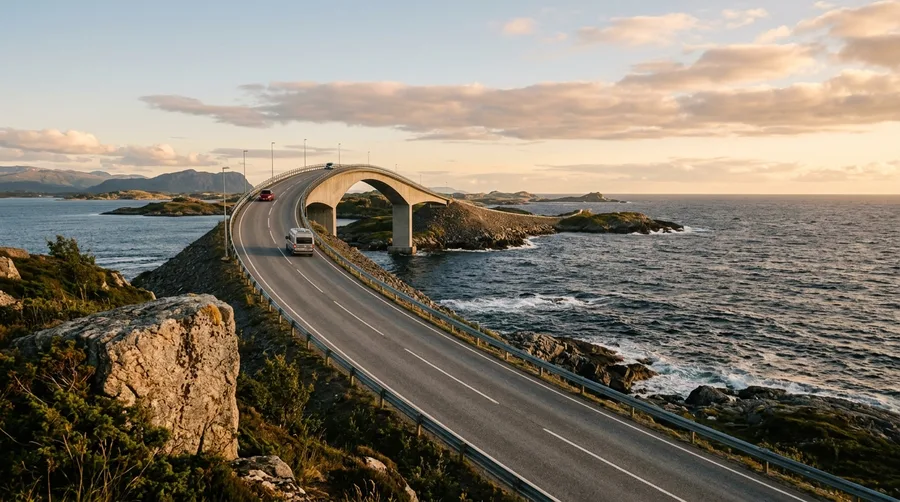
Do not underestimate driving times on National Tourist Routes due to sudden livestock crossings and tight bridge setups.
Pull over at architectural viewing platforms along Route 63 and marvel at cantilevered structures suspended over sheer drops.
Automated electronic toll systems apply to almost all major highways and tunnels, billed directly to your rental agency.
Keep your camera ready for the sweeping Storseisundet Bridge curve.
Road Trip Execution
9. Experience Beaches at Two in the Morning
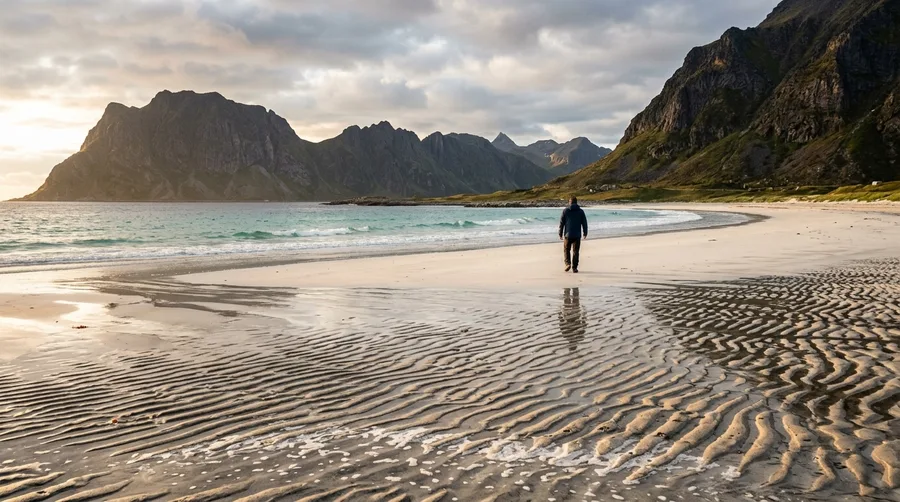
At two in the morning, the Lofoten islands experience complete silence under full golden midnight sun light.
Daytime traffic clogs narrow single-lane bridges with campervans, destroying the isolation.
Hit beaches like Haukland between midnight and three when the light turns amber and parking lots are empty.
10. Sleep in a Restored Fisherman Cabin
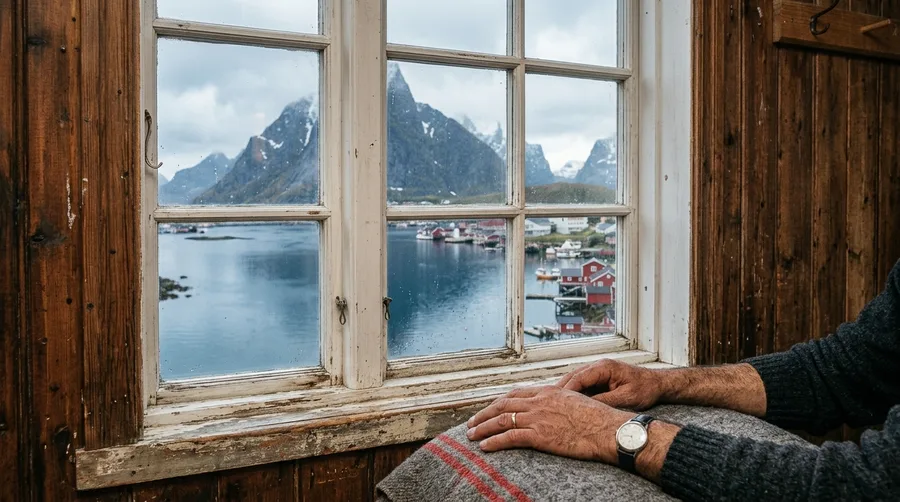
Book a traditional restored rorbu perched on wooden stilts over the water in Reine.
Expect to pay between 2,000 and 3,500 NOK per night depending on the season.
Fall asleep to the sound of gentle waves lapping against the timber pylons.
11. Kayak Through Narrow Nærøyfjord Channels
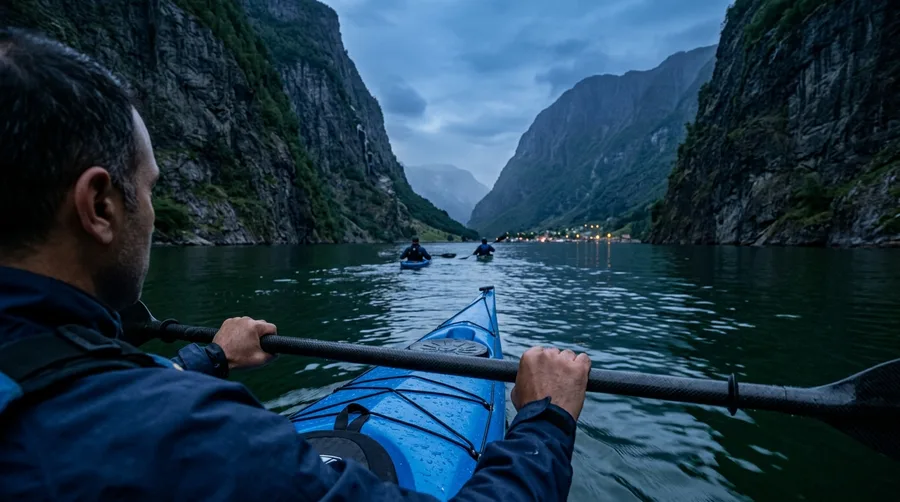
Rent a sea kayak to paddle through the Nærøyfjord branch of the Sognefjord rather than viewing it from a cruise liner.
Book a half-day guided paddle starting from Gudvangen for around 900 NOK.
Keep a safe distance from massive commercial ferries passing through the narrow channel.
12. Ride the High Bergen Railway
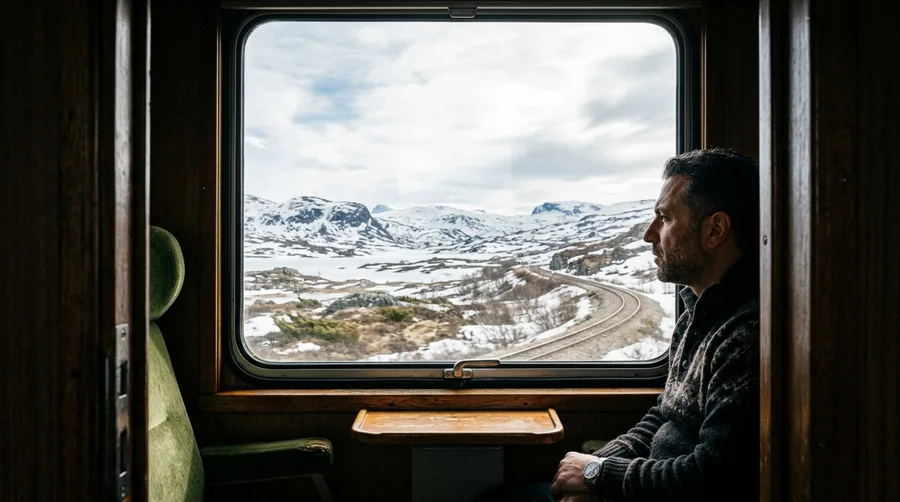
Do not rush the Bergensbanen by flying between Oslo and Bergen; you will miss a major engineering feat.
Dedicate the seven-hour journey to sitting by the window as the train climbs across the Hardangervidda plateau.
Standard tickets start around 1,000 NOK if booked in advance via Vy.
13. Navigate Coastal Ferries with Family
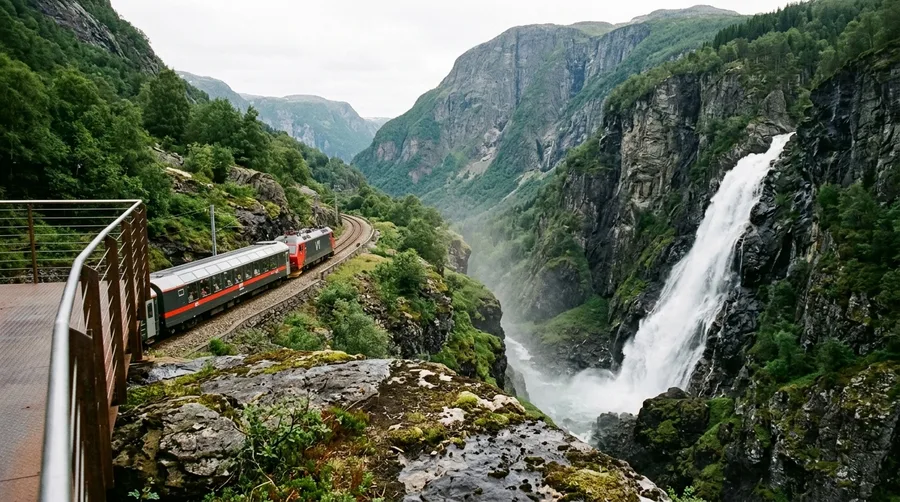
Rugged mountain trails exclude strollers, but ultra-accessible engineering marvels like the Flåmsbana make travel easy.
Coastal ferry routes offer elevators, wide observation lounges, and stable platforms that minimize physical strain.
Families with toddlers seeking pram-friendly wilderness hikes should plan carefully.
Rent an automatic hybrid vehicle to handle steep mountain gradients safely.
14. Eat Fresh Prawns on the Dock
Dining out in Norway is famously expensive, with a casual dinner for two easily clearing 1,000 NOK.
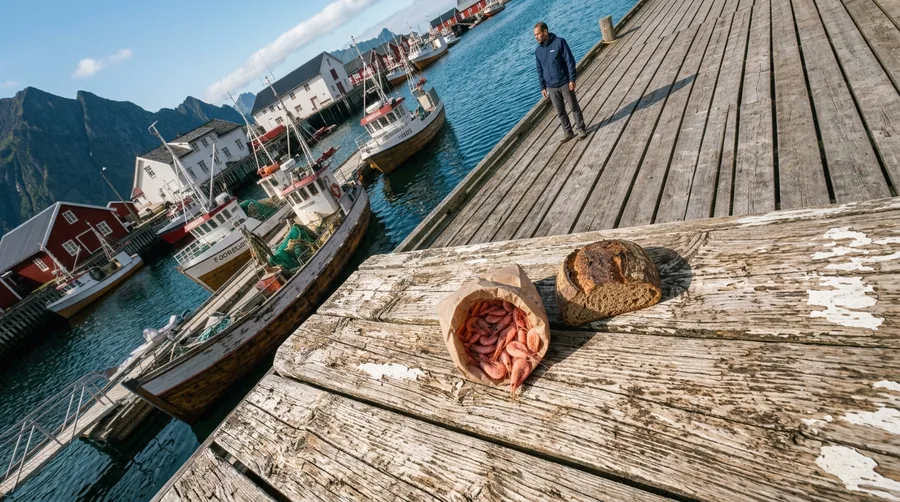
Buy fresh prawns directly from fishing boats at local harbors instead of restaurants.
Grab crusty bread from a bakery, find a dockside bench, and enjoy a cheap, authentic meal.
15. Time Your Geirangerfjord Viewpoint Visit
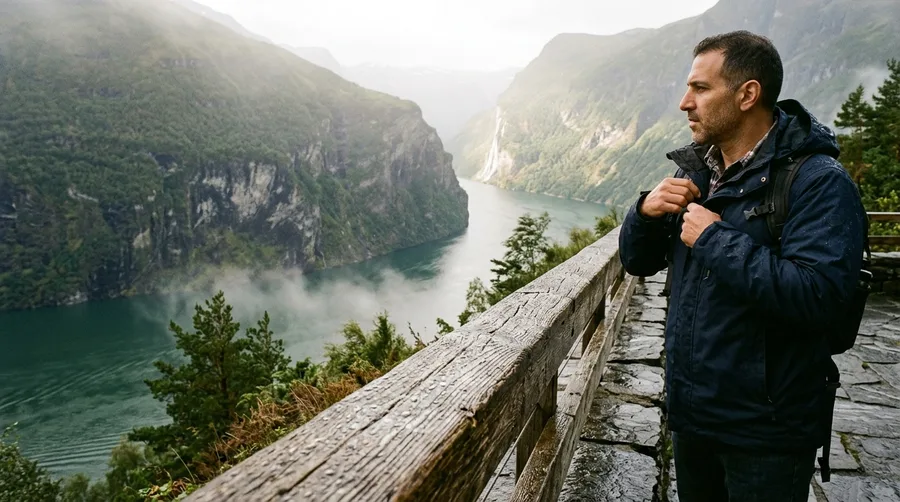
Geirangerfjord viewing platforms like Flydalsjuvet are only worth visiting between six and eight in the morning.
By midday, four mega-ships can dock simultaneously, unloading thousands of passengers onto narrow turnouts.
Take the municipal car ferry between Geiranger and Hellesylt for an uncrowded vantage point.
One Week Fjord Itinerary
Tourist Trap vs Local Choice
The Tourist Route
- Dining at upscale waterfront restaurants every night
- Visiting Pulpit Rock at midday in peak crowds
- Relying on expensive domestic flights between towns
- Booking rigid group bus tours across the fjords
The Better Way
- Buying fresh harbor prawns and artisan bread
- Hiking coastal trails at two in the morning
- Riding electric rental cars on scenic ferry routes
- Roving freely using wild camping laws
Frequently Asked Questions
What is the best month to visit Norway for good weather and fewer crowds?
June offers the ideal balance of long daylight hours, open mountain roads, and manageable tourist numbers before the July European holiday rush begins.
Do I need to carry Norwegian Krone cash, or is card accepted everywhere?
You do not need cash at all. Contactless credit and debit cards are accepted everywhere from rural parking meters to remote ferry tickets.
How do electric vehicle rentals work on remote Norwegian road trips?
Charging stations are widespread across major highways, and rental agencies provide RFID cards to access public networks easily.
What is the most cost-effective way to travel between Norway major fjords?
Combining regional express buses with electric car rentals and standard municipal ferries keeps transportation costs predictable.
Can I see the Northern Lights and experience the Midnight Sun on the same trip?
No, they occur in opposite seasons. Visit between May and July for 24-hour sunlight, or between November and February for dark Arctic nights.
Why Norway Changes How You Travel
Norway works because it refuses to compromise its natural boundaries for cheap convenience.
You leave with a different cadence, having learned to respect the elements and embrace a landscape where human engineering and wilderness exist in striking equilibrium.