Look, I’m going to be honest with you. Turning 50—or 60, or 70—can feel a little bit like standing at the edge of a cliff. You look back, and life feels short. You look forward, and you’re wondering: Is the decline inevitable? Is my DNA just a ticking clock I can’t control?
I used to think that way. I thought longevity was just winning the genetic lottery. You know, having that one aunt who smoked a pack a day, ate bacon for breakfast, and lived to be 98.
But here’s the thing I found out that changed everything for me, and I hope it changes everything for you: Genes are only about 20% of the story.
Seriously. The famous Danish Twin Study proved it. The other 80%? That’s on us. That’s how we move, what we eat, how we think, and who we hang out with. It’s not about “good genes”; it’s about good habits. And the research—not the hype, but the actual hard data from places like Harvard and the Blue Zones—says that if you adopt just a few specific habits, you can add 12 to 14 years to your life.
And not just “being alive” years. I’m talking about good years. The kind where you can still pick up your grandkids, hike a trail, and remember where you put your keys.
So, grab a coffee (black, preferably—we’ll get to that). Let’s walk through the 15 daily habits that act as a break-pedal for aging.
The “Clean House” Habits
The Metaphor: Your body is a house. Aging is just trash piling up in the hallways. These 3 habits are your cleaning crew. 🧹✨
(The “Plant Slant”)
The longest-lived people aren’t necessarily vegan, but they treat meat like a condiment, not the main event.
Every 20g/day = 8% lower death risk.
Plants contain polyphenols that act like fire extinguishers for inflammation.
(The 80% Rule)
Hara Hachi Bu: Stop eating when you are 80% full.
Constant grazing is a disaster. If you stop eating for 12–16 hours, your body activates Autophagy.
A robotic vacuum that hunts down “zombie cells” and recycles them.
(Hydration)
Dehydration spikes serum sodium. High levels increase chronic disease risk by 64%.
Plump & Resilient
Shriveled Raisin
If you imagine your body is a house, aging is basically the trash piling up in the hallways. These first three habits are your cleaning crew.
1. Eat Like a Peasant (The “Plant Slant”)

I know, I know. “Eat your veggies” is the most boring advice on earth. But here’s the nuance we usually miss: The longest-lived people in the world (the “Blue Zones” folks in places like Okinawa and Sardinia) aren’t necessarily vegan. They just treat meat like a condiment, not the main event.
In these regions, people eat meat maybe five times a month. Their real superfood? Beans. Lentils, black beans, fava beans. The data shows that for every 20 grams of legumes you eat daily, your risk of death drops by about 8%.
Why? It’s about inflammation. Animal protein (especially red meat) triggers IGF-1, a growth hormone that’s great for kids but can accelerate aging in older adults. Plants are full of polyphenols that act like fire extinguishers for cellular inflammation.
The “Do This Today” Step: You don’t have to go cold turkey. Just try “Meatless Mondays” or swap the beef in your chili for lentils. Aim for one cup of beans a day.
2. Close the Kitchen Early (The 80% Rule)
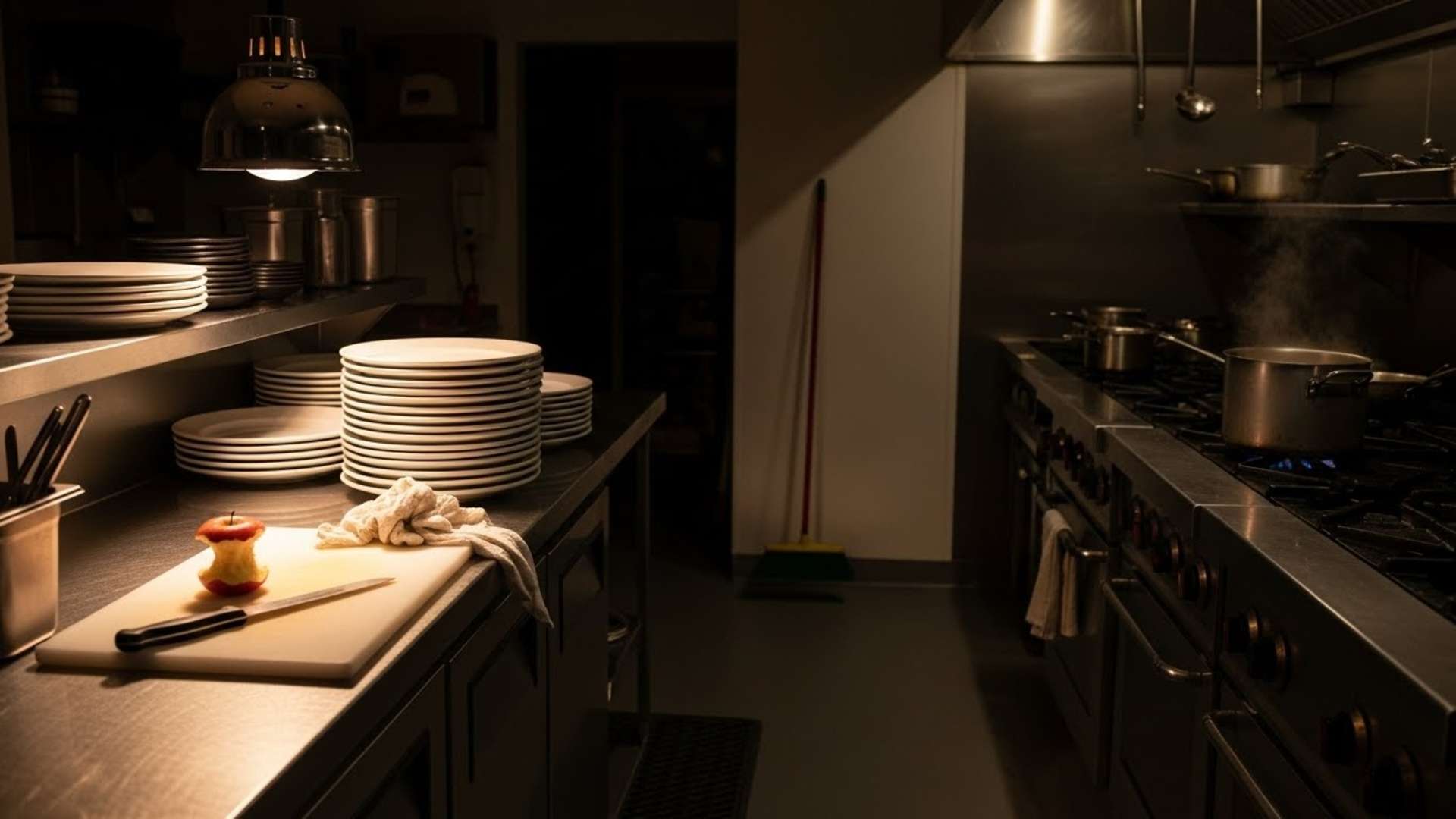
There’s an old Okinawan saying: Hara Hachi Bu. It means “stop eating when you are 80% full.”
This is tough for us. We’re used to eating until we’re full, or worse, stuffed. But biologically, constant grazing is a disaster. When you’re always digesting, your body never gets a chance to do maintenance.
When you stop eating for 12–16 hours (like finishing dinner at 7 PM and not eating until 7 AM or 11 AM), your body switches on a process called autophagy. Think of it as a robotic vacuum for your cells. It hunts down broken proteins and “zombie cells” and recycles them.
The Stat: In animal studies, fasting-mimicking diets reduced tumors by nearly 50% and boosted cognitive performance.
3. Don’t Be a Raisin (Hydration & Sodium)

This one scared me a little. A massive study from the NIH followed 11,000 adults for 30 years. They found a direct link between hydration and how fast you age.
It turns out, when you’re dehydrated, your serum sodium levels spike. If your levels go above 142 mmol/L, your risk of chronic disease jumps by 64%. Basically, a dehydrated cell looks like a raisin—shriveled and inefficient. A hydrated cell is a grape—plump and resilient.
The Fix: Don’t wait until you’re thirsty (our thirst mechanism breaks down as we age). Check your urine. If it looks like apple juice, drink water. You want it looking like pale straw.
Moving With Purpose (Not Just “Exercise”)
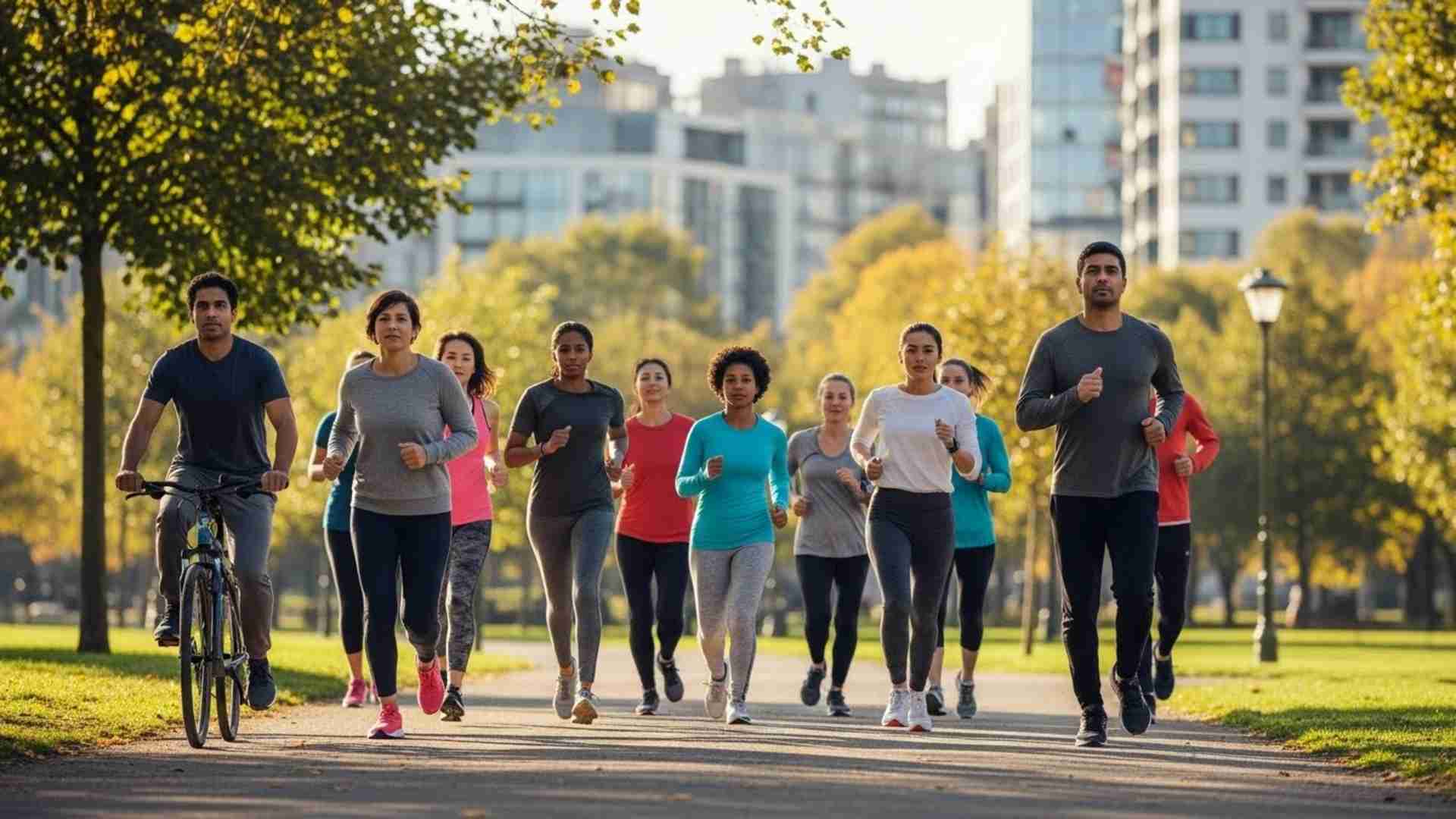
Forget the idea that you need to run marathons. Actually, the world’s oldest people rarely “exercise” in the gym sense. They just… move.
4. The “Talk Test” (Zone 2 Cardio)

You need to keep your mitochondria (the power plants in your cells) happy. The best way to do that is “Zone 2” training.
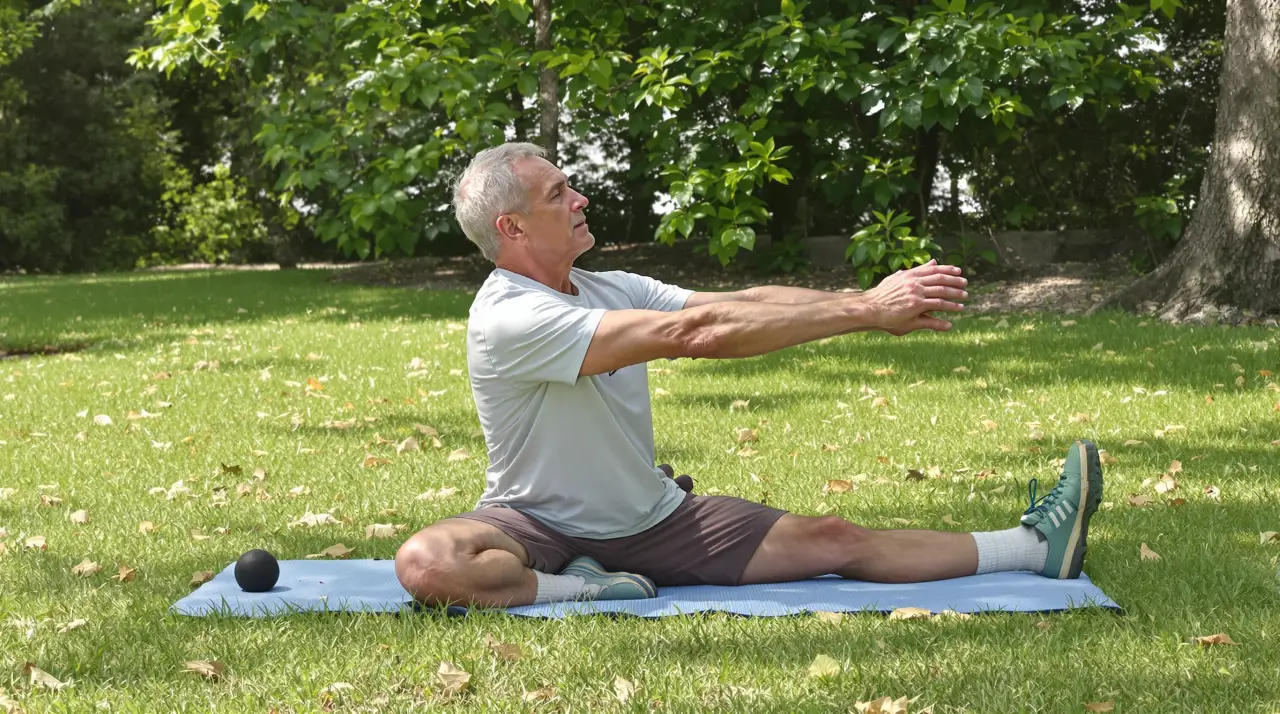
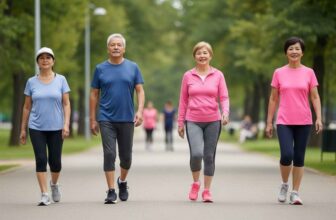
This is the sweet spot where you’re moving, but you can still hold a conversation. If you’re gasping for air, you’re going too hard. If you can sing a song, you’re going too easy. Aim for 30–45 minutes of this, 4 times a week. It could be a brisk walk, a bike ride, or gardening aggressively.
5. Training for the “Centenarian Decathlon”
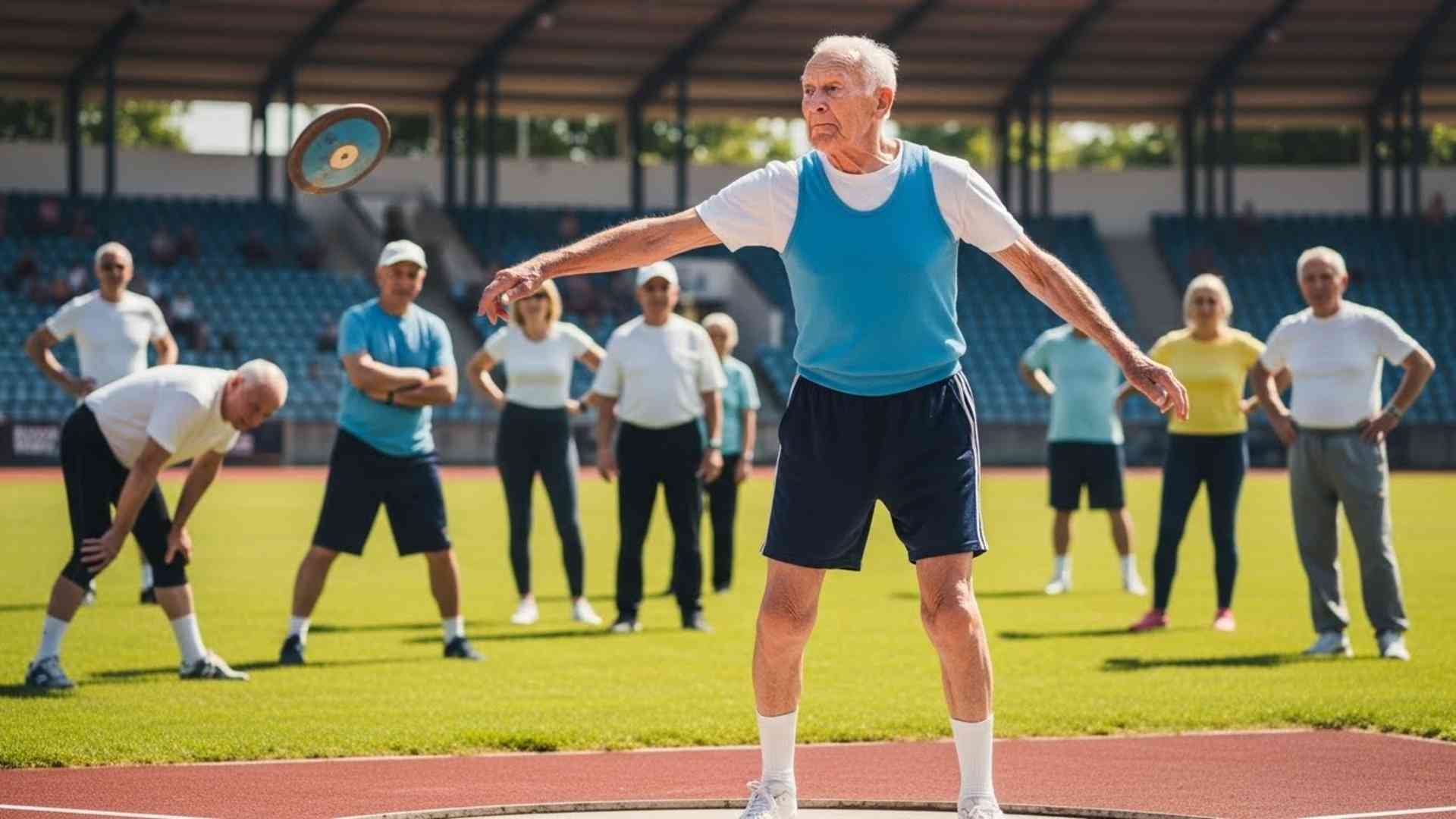
I love this concept from Dr. Peter Attia. He asks: What do you want to be able to do when you’re 100?
- Pick up a great-grandchild? (That’s a squat).
- Carry groceries? (That’s a “farmer’s carry”).
- Get up off the floor? (That’s a lunge).
We lose muscle mass fast after 50—like, 1% a year. You have to lift heavy things to fight gravity.
The Critical Stat: Grip strength is actually a better predictor of death than blood pressure. In one huge study, people with low grip strength were nearly twice as likely to die early as those with strong hands.
Do This: Hang from a pull-up bar for as long as you can. Carry heavy grocery bags in each hand. Open your own jars.
6. The “Flamingo” Challenge (Balance)

Here’s a test you can do right now. Stand up. Lift one leg. Can you hold it for 10 seconds? If not, pay attention. A study in the British Journal of Sports Medicine found that inability to stand on one leg for 10 seconds was linked to a near-doubling of death risk over the next decade.
The Hack: Brush your teeth on one leg. Left leg in the morning, right leg at night. It sounds silly, but it rewires your brain to prevent falls later.
7. Get Hot (Sauna Therapy)
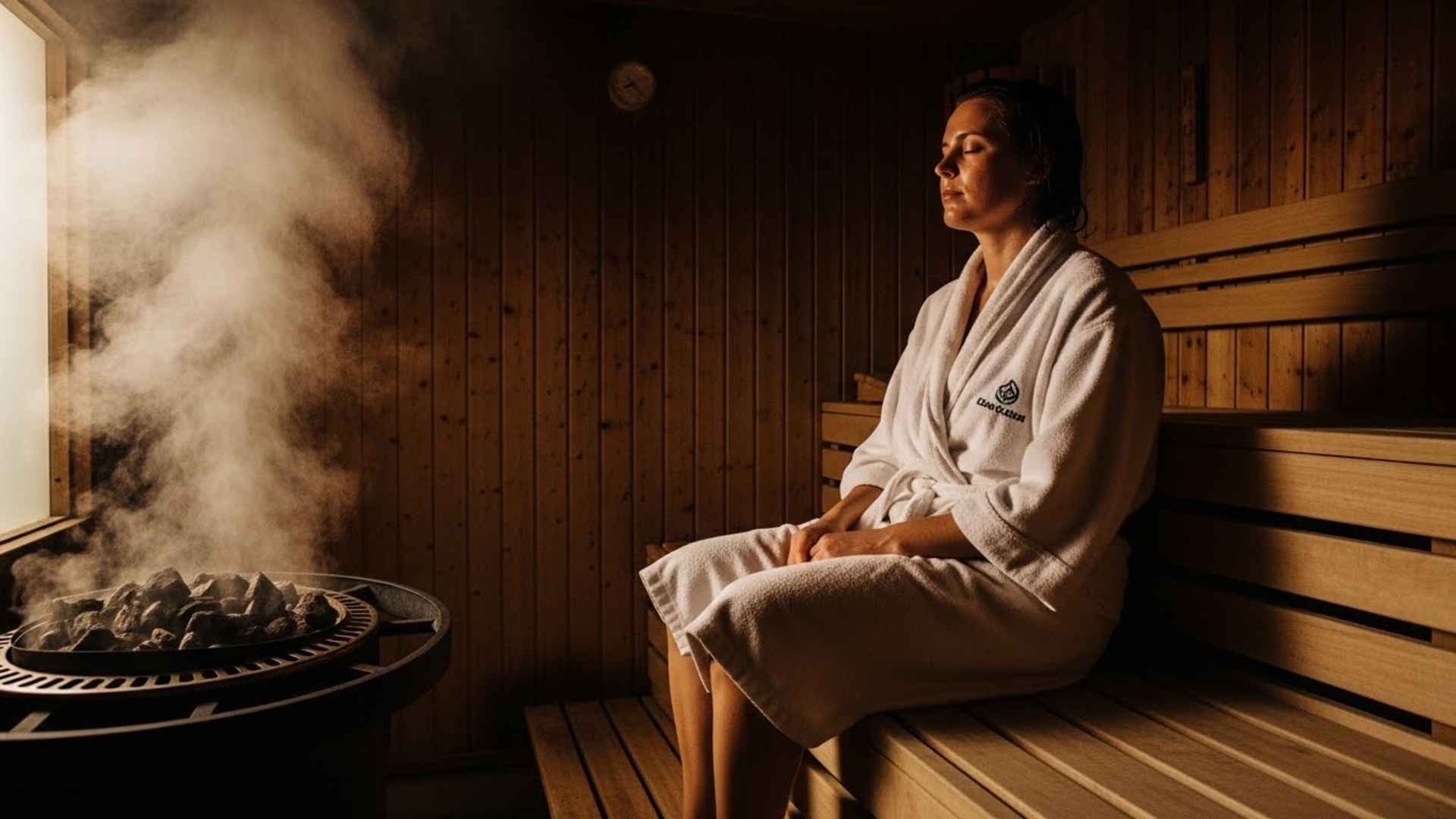
This is my favorite because it requires zero effort. Just sitting. In Finland, they found that men who used a sauna 4–7 times a week had a 40% lower risk of dying from all causes compared to guys who went once a week.
Heat stresses the body in a good way (hormesis). It releases Heat Shock Proteins, which fix damaged proteins in your brain and heart. It’s basically exercise for your blood vessels while you sit there and sweat.
The Invisible Mechanics
Biological maintenance habits
> Daily flossing adds +6.5 years to lifespan.
> Consistency anchors circadian rhythm.
> Mouth breathing bypasses natural defense.
These are the things you might not even think of as “health” habits, but the biology says otherwise.
8. Floss or Die (Seriously)
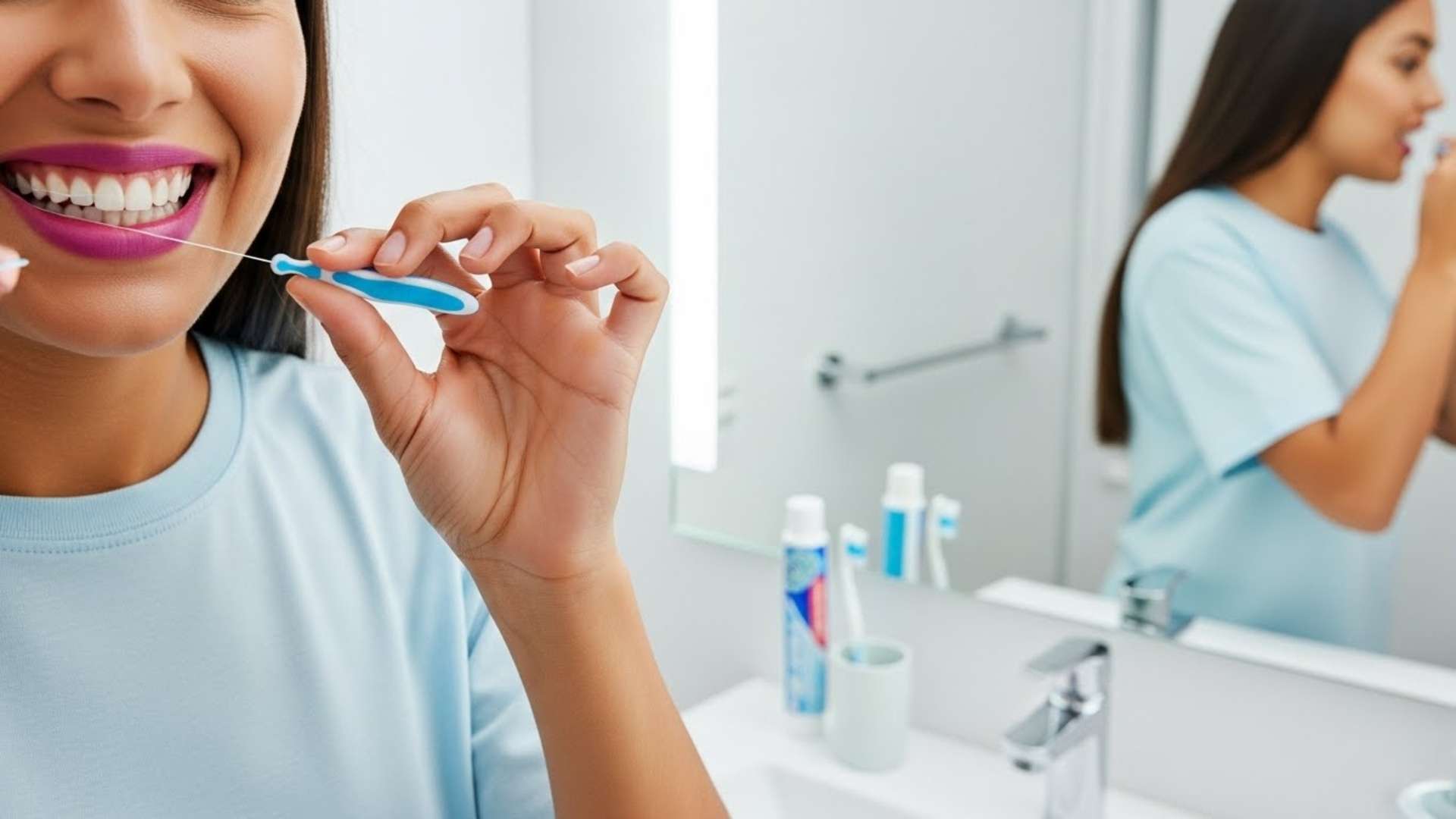
I know, your dentist nags you. But this isn’t about cavities. It’s about your heart and brain. When your gums bleed, bacteria from your mouth enter your bloodstream. They can travel to your heart arteries and even your brain. In fact, the bacteria that causes gum disease (P. gingivalis) has been found in the brains of Alzheimer’s patients.
The Stat: Daily flossing can add up to 6.5 years to your life. Just buy the floss picks if the string is too annoying. Just do it.
9. The Brain Wash (Sleep Consistency)

During deep sleep, your brain has a “rinse cycle” (the glymphatic system) that washes away amyloid plaque—the gunk that causes Alzheimer’s. If you don’t sleep, you don’t rinse. But here’s the trick: Regularity matters as much as duration. Going to bed and waking up at the same time anchors your circadian rhythm.
10. Breathe Through Your Nose

This sounds weird, but try to breathe through your nose, even when exercising. Nasal breathing releases Nitric Oxide, a molecule that expands your blood vessels and lowers blood pressure. Mouth breathing bypasses this natural defense.
The Heart & Soul
11. Find Your Ikigai
In Okinawa, it means “the reason I wake up.” Whether it’s painting or grandkids, having a purpose is worth 7 extra years of life. Without it, the immune system crashes.
12. Optimism is a Shield
Optimists live 11–15% longer because they have longer telomeres. Tip: Start a gratitude journal. Just 3 things a day physically rewires your brain to scan for the good.
13. Never Stop Learning
School doesn’t have to end. Learning a new language or instrument builds “cognitive reserve”—backup neural connections that can bypass damage if dementia starts.
14. Find Your Tribe
Loneliness carries the same mortality risk as smoking 15 cigarettes a day. You need a “Moai”—five friends who have your back. Connection releases oxytocin which protects the heart.
15. Forest Bathing
The Japanese practice Shinrin-yoku. Just 2 hours a week in nature lowers cortisol and boosts “Natural Killer” cells that hunt cancer.
You can eat all the kale in the world, but if you’re lonely and hopeless, it won’t save you. The “software” matters as much as the hardware.
11. Find Your Ikigai

In Okinawa, they don’t really have a word for “retirement.” They have Ikigai—”the reason I wake up in the morning.” It could be your grandkids, your garden, your painting, or volunteering. Having a sense of purpose is worth 7 extra years of life expectancy. Without it, cortisol spikes and the immune system crashes.
12. Optimism is a Biological Shield

Optimists aren’t just annoying happy people; they are biologically different. They have longer telomeres (the protective caps on DNA). A study from Boston University found that the most optimistic people lived 11–15% longer than the pessimists. Tip: Start a gratitude journal. Just 3 things a day. It physically rewires your brain to scan for the good.
13. Never Stop Learning (Cognitive Reserve)

A 2024 Lancet study showed that every year of education reduces mortality risk by 2%. But school doesn’t have to end. Learning a new language or instrument builds “cognitive reserve”—backup neural connections that can bypass damage if you start developing dementia.
14. Find Your Tribe

Loneliness is lethal. The data says being socially isolated carries the same mortality risk as smoking 15 cigarettes a day. You need a “Moai”—that’s what Okinawans call their safety net. Five friends who have your back. Go to lunch. Join a club. Call your mom. Human connection releases oxytocin, which protects the heart.
15. Forest Bathing

We spent 99.9% of human history outside. Now we live in boxes. The Japanese practice Shinrin-yoku (forest bathing). Just 2 hours a week in nature lowers cortisol and boosts “Natural Killer” cells (the immune cells that hunt cancer). Even looking at trees out a window helps, but getting out among the pine needles is better.
Build Your Longevity Toolkit: 5 Tools to Lower the Friction
You absolutely do not need expensive gadgets to live a long life; our ancestors certainly didn’t have them. However, in our modern environment, a few strategic tools can act as “force multipliers” for your habits. I often tell people that if you want to change a behavior, you have to lower the friction. If flossing is annoying, you won’t do it. If cooking beans is complicated, you’ll order pizza. Here are five simple, high-impact tools available on Amazon that directly support the protocols we just discussed, making it easier to stick to the plan.
1. The “Blue Zones” Blueprint: The Blue Zones Kitchen

If you are trying to figure out how to make beans and greens taste like a celebration rather than a chore, this is the manual. Dan Buettner, the researcher who discovered the Blue Zones, didn’t just list ingredients; he captured the actual recipes from the grandmothers in Sardinia and Okinawa. It’s a beautiful book, but more importantly, it makes the “Plant Slant” habit practical and delicious.
2. The “Floss or Die” Hack: Waterpik Aquarius Water Flosser

Let’s be real: string floss can be a pain, and that’s why most people skip it. A water flosser is easier, often more effective for gum health, and frankly, kind of satisfying to use. The Waterpik Aquarius is generally considered the “gold standard” in this category. It removes the friction from oral hygiene, ensuring those bacteria don’t get into your bloodstream.
3. The Grip Strength Builder: IronMind Captains of Crush

We talked about how grip strength is a massive predictor of longevity. Most plastic grip trainers break or are too easy. These are the serious tools used by strength coaches. They come in different levels (start with the “Guide” or “Sport” level if you are just starting). Leaving one of these on your desk and doing a few squeezes during phone calls is the easiest way to build the “Centenarian” strength you need.
4. The “Mobile at 90” Tool: Fit Simplify Resistance Loop Bands

You don’t need a gym to keep your hips and glutes strong enough to prevent falls. These simple loop bands are perfect for the “Centenarian Decathlon.” You can use them for side-steps or leg lifts while watching TV. They are cheap, effective, and specifically target the stabilizer muscles that keep you walking independently as you age.
5. The Optimism Rewire: Good Days Start With Gratitude Journal
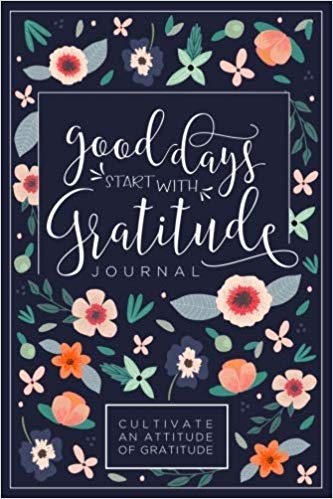
Since optimism is a biological shield that extends life, you need a way to train it. This journal is a best-seller for a reason: it’s simple. It doesn’t ask for pages of writing—just a few minutes to jot down what you are thankful for. It’s a low-effort way to mechanically rewire your brain to scan for the positive, lowering your cortisol levels in the process.