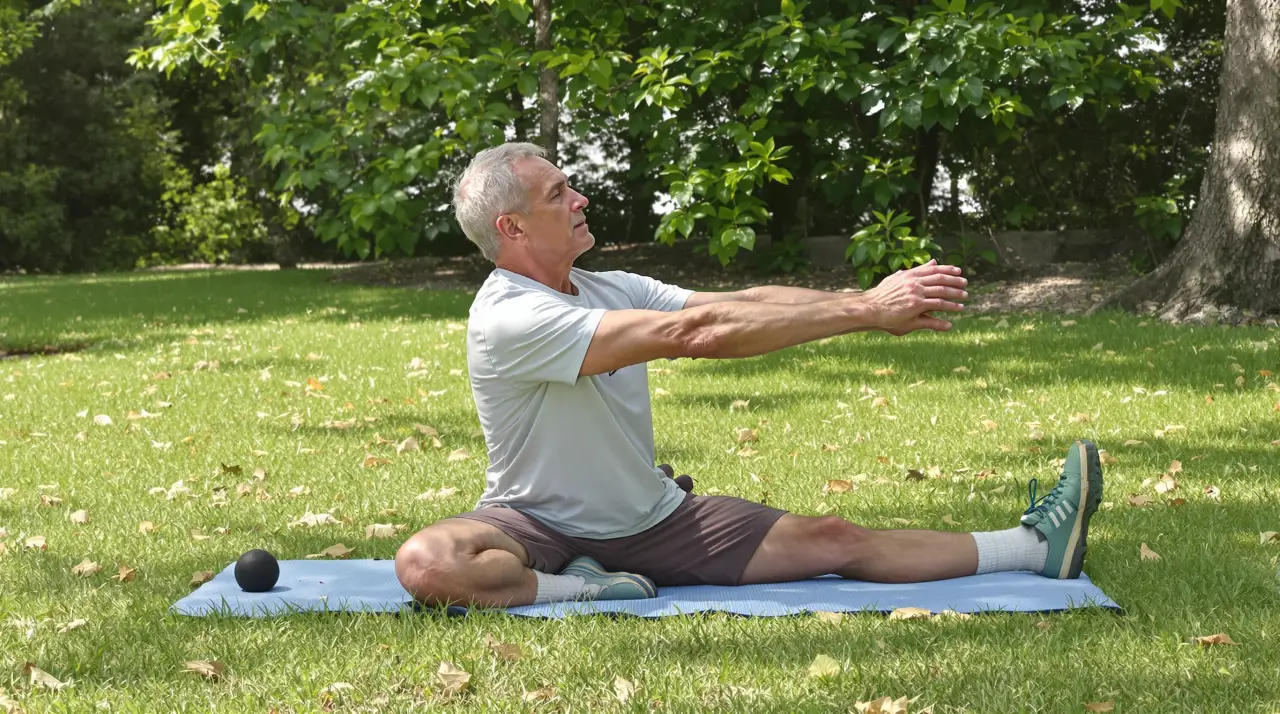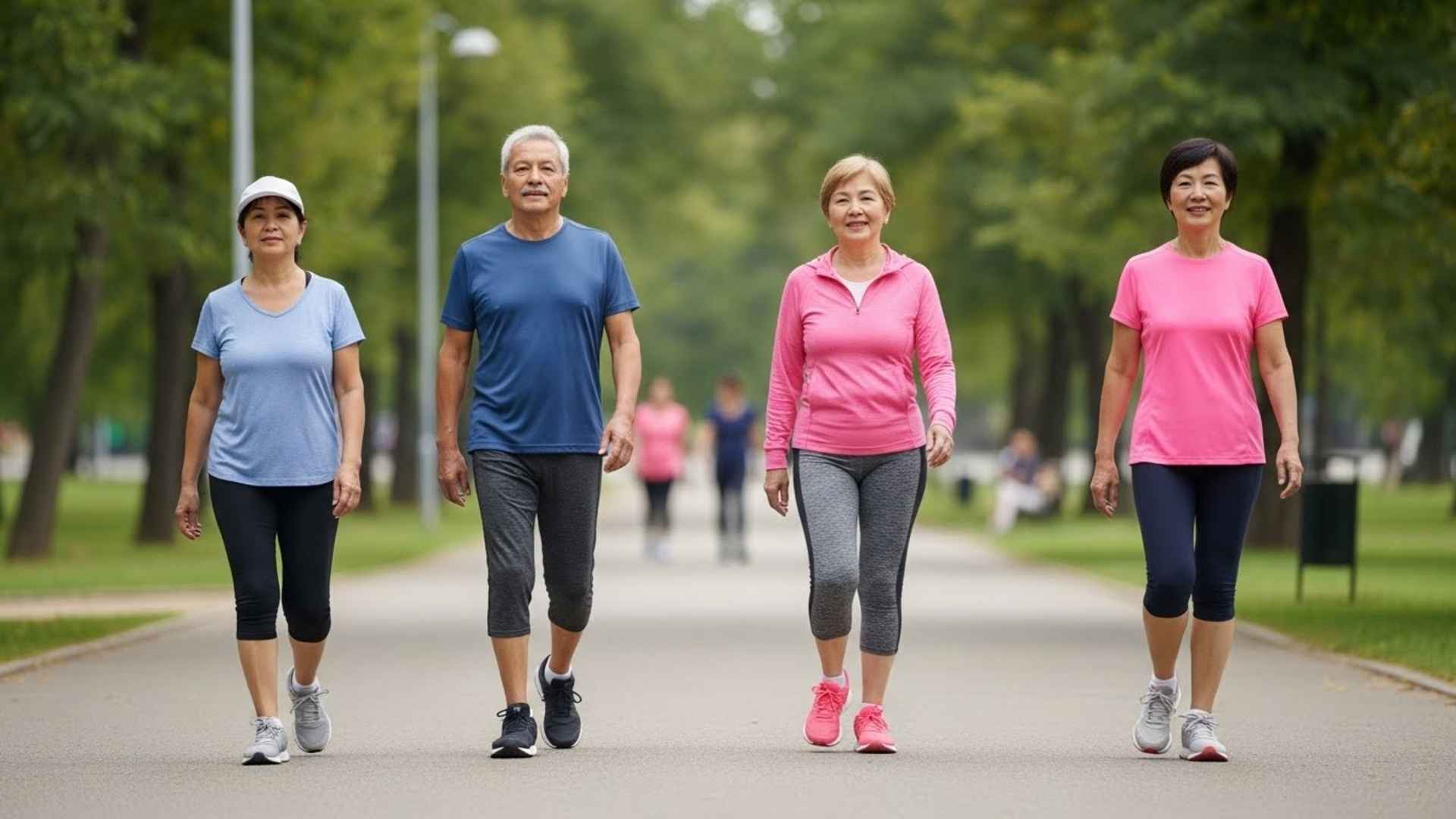
You know that feeling when you see someone power-walking in the park? They’re moving fast, arms pumping, holding those little pink dumbbells, looking determined. We’ve been trained to look at that and think, “Good for them. That’s healthy.”
But lately, whenever I see that, I wince.
I wince because I know what’s happening inside their joints. I know that with every aggressive heel strike, they aren’t just building cardio; they’re hammering their cartilage into submission. It’s a tragic paradox: the very thing we do to stay young—walking—is often the thing that ages our joints the fastest.
Here’s the thing we don’t talk about enough: Walking is a skill. Somewhere along the line, probably around age 50, our bodies changed. Our muscles got a little quieter, our tendons got a little stiffer, and our proprioception (that’s just a fancy word for knowing where your body is in space) got a little fuzzy. But we kept walking the same way we did at 25.
That mismatch is dangerous.
I was looking at the data recently—and honestly, it’s alarming. Falls are the leading cause of injury for adults over 65. The CDC reported that in 2023, the death rate from falls in older adults hit nearly 70 per 100,000.1 That’s terrifying. But before the fall happens, there’s usually a decade of silent damage—micro-trauma caused by walking with “glitches” in our biomechanics.
So, let’s audit your walk. I’ve dug through the research to pull out the 12 specific mistakes that turn a healthy walk into a joint-destroying habit. We’re going to fix them, one by one.
The 12 Mistakes You Might Be Making
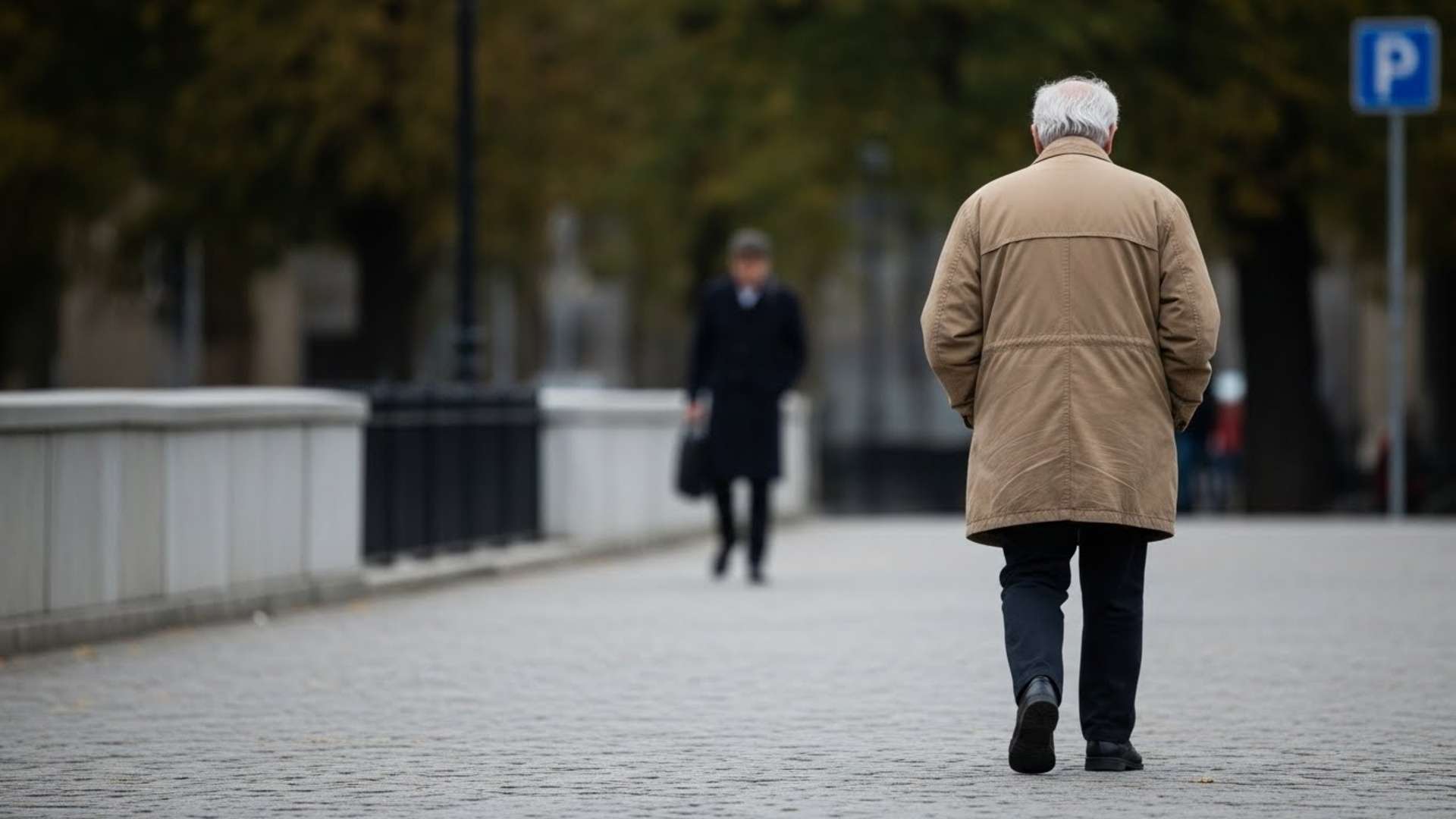
1. The Heavy Heel Strike (Putting on the Brakes)
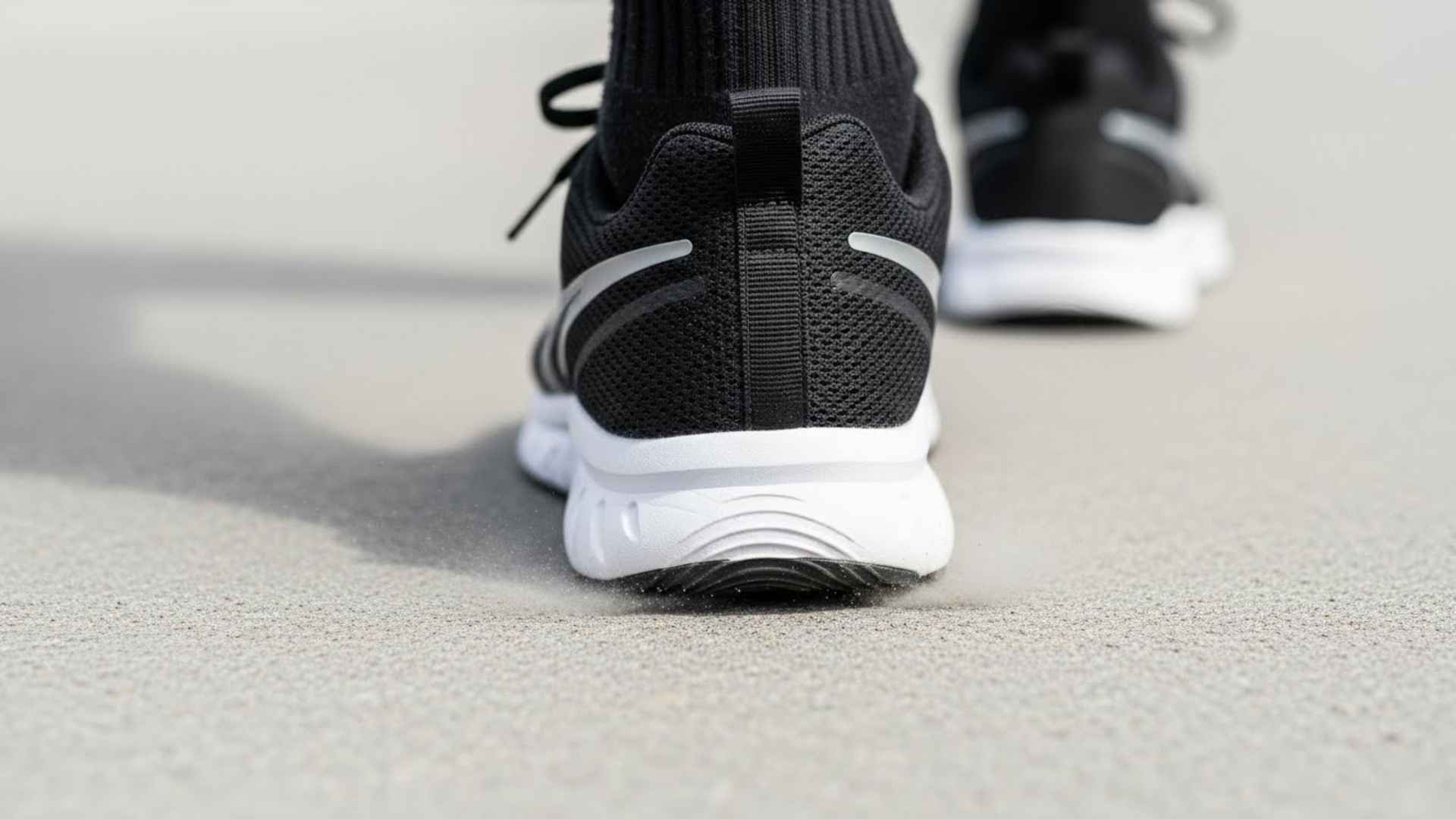
This is the big one. Watch people walk. You’ll see them reach their leg out straight, lock their knee, and wham—slam their heel into the concrete.
Why it hurts:
Biochemically, this is a disaster. When your leg is straight out in front of you, it acts like a rigid strut. There’s no muscle to absorb the shock, so the force travels right up the bone and explodes into your knee and hip.5 Plus, you are literally braking. You’re fighting your own momentum with every step.
The Fix:
You want a “soft” heel landing. The knee should be slightly bent when you land.
The Drill: Walk backward. Seriously. Find a hallway and walk backward for 2 minutes. You physically cannot heel strike walking backward; you have to land toe-to-heel. It teaches your brain what a soft landing feels like..
2. Overstriding (The “Stride of Pride”)

We think longer steps equal faster walking. It feels purposeful. But for most of us over 50, it’s a trap.
Why it hurts:
When you throw your foot too far forward, you create a massive lever arm that torques the knee. It also puts you in a biologically unstable position where your glutes can’t really help you.
The Fix:
Shorter, faster steps.
The Check: Count your steps for 30 seconds. If you’re brisk walking, you should be hitting around 55-60 steps (that’s 110-120 per minute). If you’re way lower than that, you’re likely overstriding. Think “quick feet,” not “long legs.”
3. The “Text Neck” (Looking Down)

I catch myself doing this constantly. We look down because we’re afraid of tripping, or we’re checking a notification.
Why it hurts:
Your head is a bowling ball (10-12 lbs). Tilt it forward 60 degrees, and the force on your neck shoots up to 60 lbs.10 But it’s not just neck pain—it’s balance. Your inner ear (vestibular system) needs to see the horizon to know where you are. Looking down actually makes you more likely to fall because it messes with your equilibrium.
The Fix:
Eyes on the horizon. Scan the ground with your peripheral vision, about 10-20 feet ahead. Trust your feet to feel the ground.
4. The Zombie Walk (No Arm Swing)
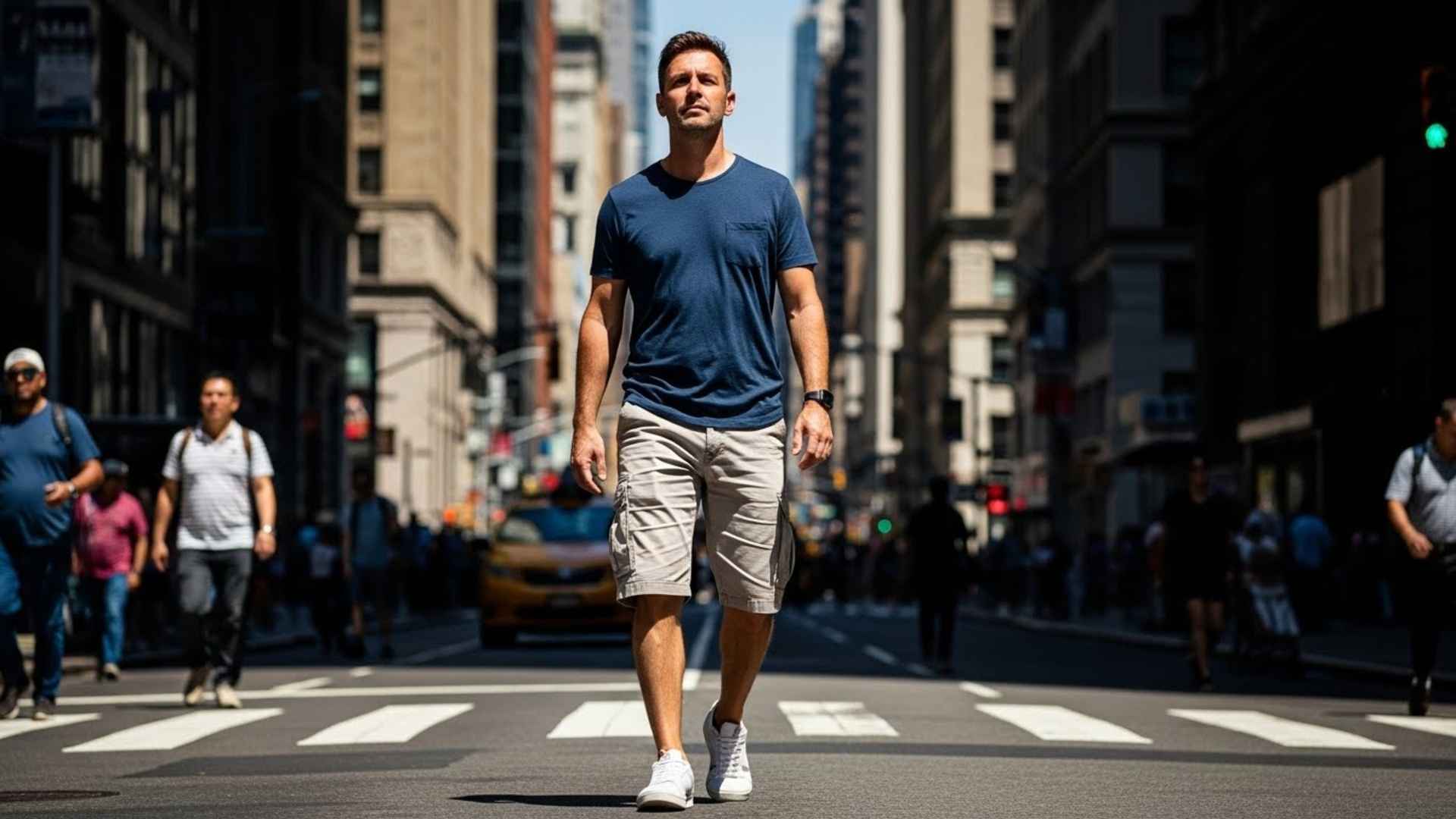
Next time you’re out, look for the “guarding” walkers. They hold their arms stiff at their sides, or maybe keep their hands in their pockets.
Why it hurts:
Walking is a twist. Left leg goes forward, right arm should swing forward. This counter-rotation cancels out the torque on your spine. If you don’t swing your arms, your lower back has to eat all that rotational force. Plus, walking without arm swing costs you 6-7% more energy. It’s inefficient.
The Fix:
Bend your elbows to 90 degrees. Swing from the shoulder, not the elbow. Think: “Thumb to hip pocket, thumb to chest.”
We gravitate toward sidewalks because they’re even. But concrete is the enemy.
Why it hurts:
Concrete has zero “give.” Asphalt is slightly better, but not much. Dirt, grass, or rubberized tracks are shock absorbers.
There was this incredible case study of a runner with chronic knee pain who switched from concrete to grass/trails. Her pain dropped by 80% in three weeks. Just by changing the surface.
The Fix:
Go on a “Surface Diet.” If you can, walk on a high school rubber track, a dirt path, or even the asphalt shoulder (safely). Save the concrete for when you have no choice..
| Surface | Shock Absorption | Impact on Joints | Best For… |
| Concrete | None | High | Short trips only |
| Asphalt | Low | Med-High | Better than concrete |
| Grass/Dirt | High | Low | Joint relief & balance |
| Rubber Track | Very High | Very Low | The Holy Grail |
6. Wearing “Expired” Shoes
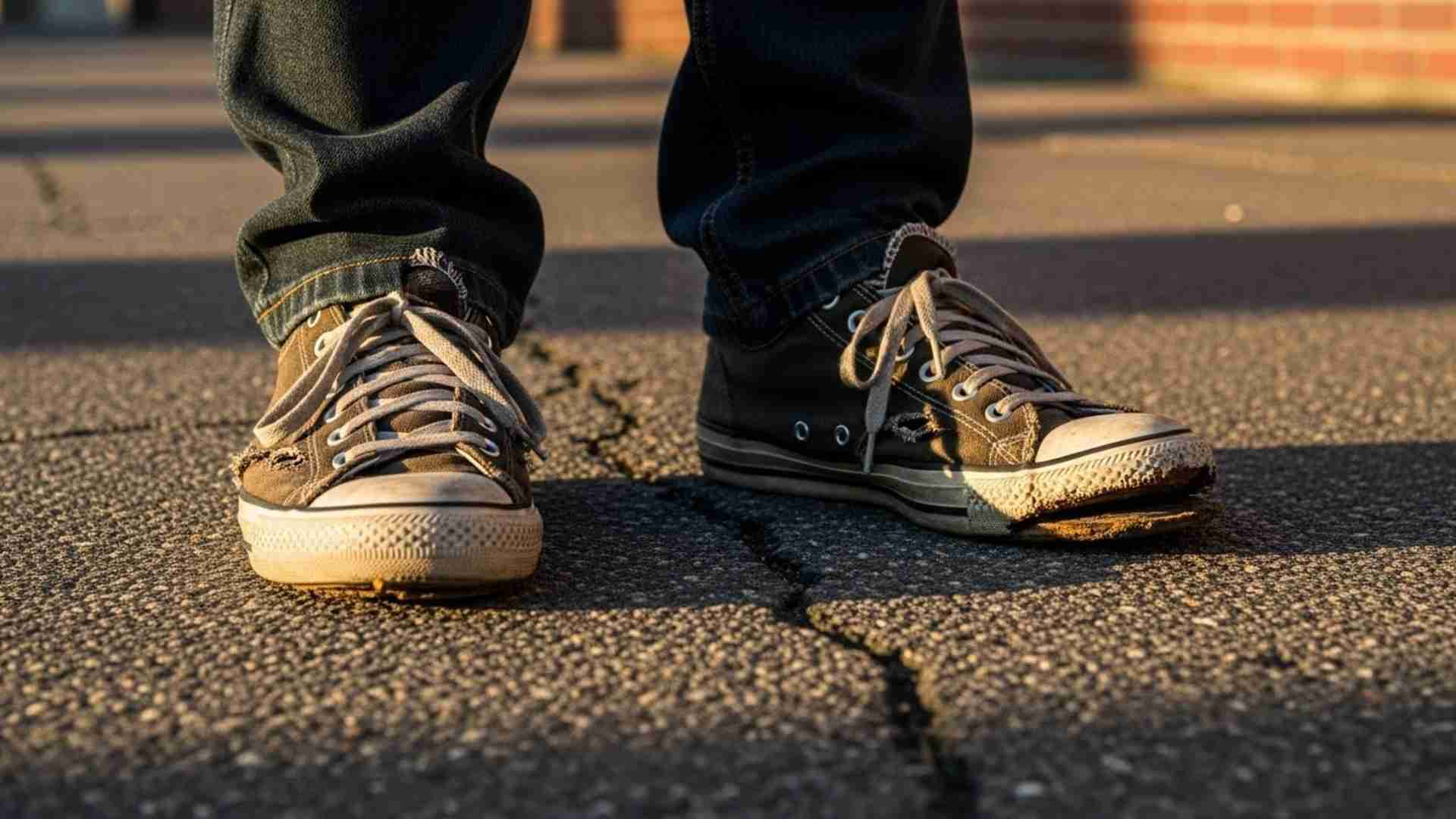
I’m guilty of this. You have a pair of sneakers that look fine on the outside, so you keep wearing them.
Why it hurts:
The foam in your shoes (EVA) dies long before the tread wears out. Usually after 300-500 miles. If you walk 3 miles a day, your shoes are “dead” in about 5 months.12 Walking on dead foam is basically walking barefoot on cement.
Also, check the Heel Drop (the height difference between heel and toe). If you have knee pain, a lower drop (4-8mm) might help shift load away from the knee. If you have Achilles issues, a higher drop (10-12mm) is usually better.
The Fix:
Write the purchase date on the tongue of your sneakers with a Sharpie. 6 months later? Replace them.
7. The Hand Weight Trap

This is a controversial one. People love carrying light weights to “tone arms.”
Why it hurts:
Physics again. Putting a weight at the end of a long lever (your arm) creates a pendulum effect that pulls on your shoulder joint (traction). It can aggravate rotator cuffs. But worse, it slows down your arm swing, which slows down your legs. You end up plodding instead of walking briskly.
The Fix:
If you want to burn more calories, wear a weighted vest. It keeps the weight close to your center of mass, loads your spine vertically (which builds bone density), and leaves your arms free..
8. Gluteal Amnesia (The Waddle)
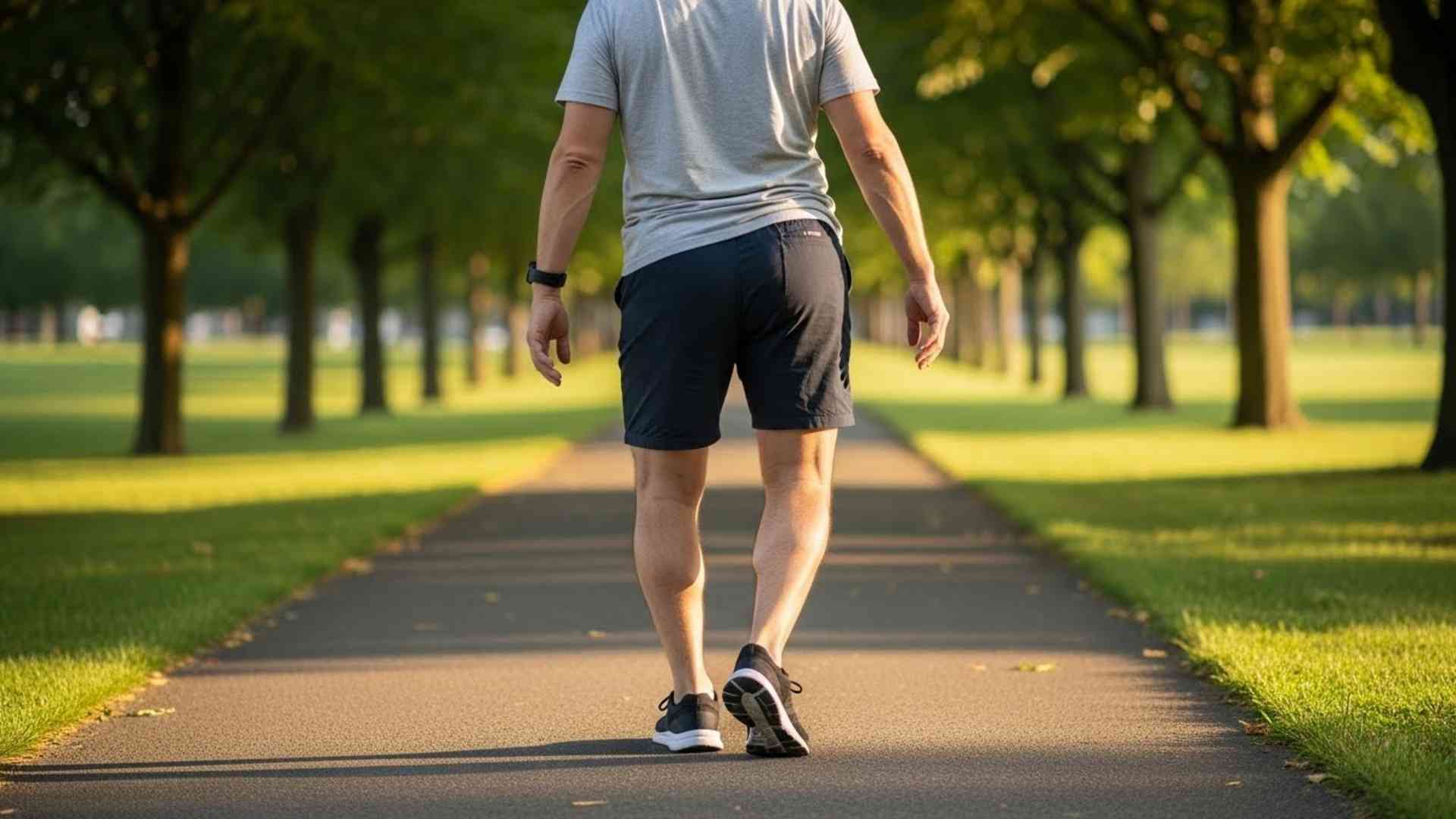
We sit so much that our butt muscles (glute medius) literally forget how to fire.
Why it hurts:
When you take a step on your right leg, your right glute should squeeze to hold your pelvis level. If it’s weak, your left hip drops. This is the Trendelenburg Gait. When the hip drops, your knee caves inward (valgus), and that grinds the meniscus and strains the MCL.
The Fix:
You can’t really fix this while walking. You have to fix it on the floor. Clamshells and side-lying leg lifts are non-negotiable if you want to save your knees.
The Pain Paradox
GO. Keep Walking.
CAUTION. Monitor it.
STOP. Switch to Cycle.
I see two types of people: those who push through agony (“No pain, no gain!”) and those who stop moving the second they feel a twinge (“Fear Avoidance”). Both are wrong.
Why it hurts:
Pushing through sharp pain causes inflammation that eats away cartilage. Stopping completely causes atrophy, which removes the muscle support your joint needs.
The Fix:
Use the Traffic Light System. This changed how I view rehab.
| Zone | Pain Level (0-10) | What it means | Action |
| Green | 0 – 3 | “Good” soreness | GO. Keep walking. |
| Yellow | 4 – 5 | Warning sign | CAUTION. Monitor. If it hurts the next day, you did too much. |
| Red | 6 – 10 | Sharp/Limping | STOP. Switch to swimming or cycling. |
10. The 10,000 Step Lie

Did you know the 10,000 step number wasn’t based on science? It was a marketing gimmick for a Japanese pedometer in 1965 called Manpo-kei.
Why it hurts:
For older adults, the mortality benefits actually plateau around 7,000 to 8,000 steps.26 Pushing for 10k when you’re tired usually leads to “junk miles”—you get fatigued, your form falls apart, and you start heel striking and slouching.
The Fix:
Aim for 7,000 quality steps. Break it up. Three 20-minute walks with perfect form are infinitely better than one exhausted, hour-long slog.
11. The Cold Start

You roll out of bed, put on shoes, and go.
Why it hurts:
As we age, our tendons lose water. They become less like fresh rubber bands and more like old, dried-out jerky. If you stretch them suddenly (like with a brisk walk), they micro-tear. This is prime time for Plantar Fasciitis.
The Fix:
The “Sandwich.”
- Dynamic Warm-up: Leg swings, high knees (2 mins). Do not static stretch cold muscles.
- Walk.
- Static Stretch: Now you stretch the calves and hamstrings while they are warm.
12. The Passive Foot
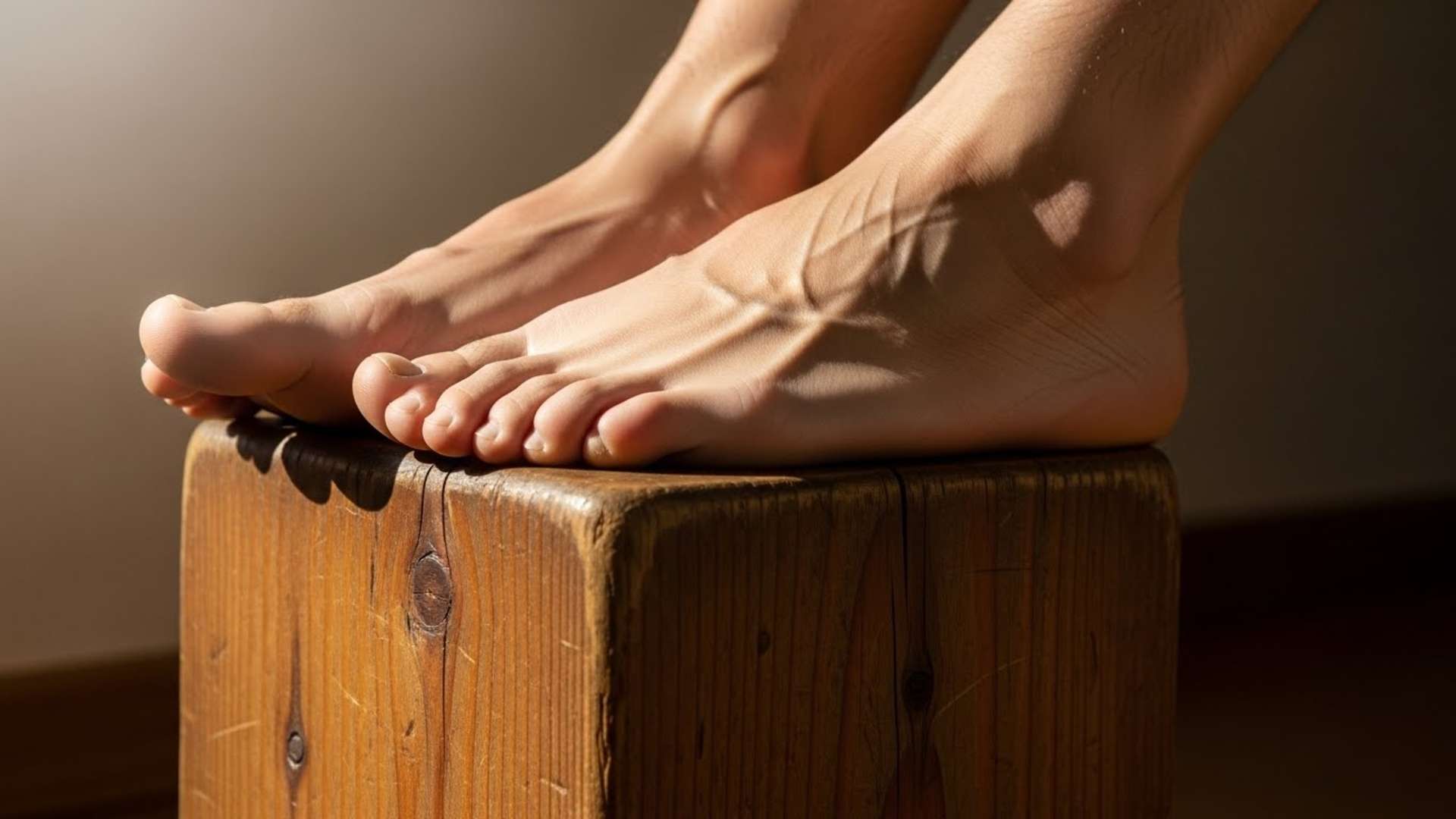
We treat our feet like blocks of wood. But they have muscles—intrinsics—that support the arch.
Why it hurts:
If your foot muscles are weak, your arch collapses (over-pronation) every time you land. This twists the tibia (shin bone) internally, which twists the knee. It all starts at the floor.
The Fix:
Towel Scrunches. Put a towel on the kitchen floor and use your toes to scrunch it up. It wakes up those little muscles so they can actually support you..
Need A Little Extra Help? Look Into These
Sometimes, knowing what to do is only half the battle. Having the right gear can prevent you from falling into old habits. I’ve rounded up a few tools that align specifically with the “Longevity Gait” concepts we just covered—helping you engage your muscles correctly, absorb shock, and track your progress without the headache.
Here are 5 products that can make a huge difference:
1. Cascade Mountain Tech Carbon Fiber Trekking Poles

If you struggle with the “Zombie Walk” (Mistake 4) or balance issues, do not buy hand weights! Trekking poles are the biomechanical answer. They force you to swing your arms, which engages your core and lat muscles, but they also offload weight from your knees. This set is carbon fiber, meaning they are super light and won’t tire your shoulders out.
2. PowerLix Knee Compression Sleeve

For those “Yellow Light” days (Mistake 9) when your knees feel a bit unstable or achy, a compression sleeve can be a game-changer. It doesn’t just provide warmth; it improves proprioception (your brain’s ability to sense the joint), which helps prevent that sloppy heel strike. This one is highly rated for staying in place without cutting off circulation.
3. PowerStep Bridge Insoles

If you are stuck walking on concrete sidewalks (Mistake 5) and can’t find a trail, you need to bring the shock absorption to you. PowerStep Bridge insoles are excellent because they offer a mix of firm arch support (to stop that foot collapse/pronation) and memory foam cushioning to dampen the “pothole” impact on your cartilage.
4. The Original Stretch Out Strap with Exercise Book

We talked about the “Cold Start” (Mistake 11) and how dangerous stiff tendons are. This simple strap is standard issue in physical therapy clinics. It allows you to safely stretch your hamstrings and calves after your walk without straining your back. It’s a simple tool that prevents complex injuries.
5. 3DFitBud Simple Step Counter

If you want to track your steps to avoid “junk miles” (Mistake 10) but hate complicated smartwatches and apps, this is for you. It does one thing: counts steps. It’s perfect for checking your cadence (steps per minute) to ensure you aren’t overstriding. Clip it on and go.