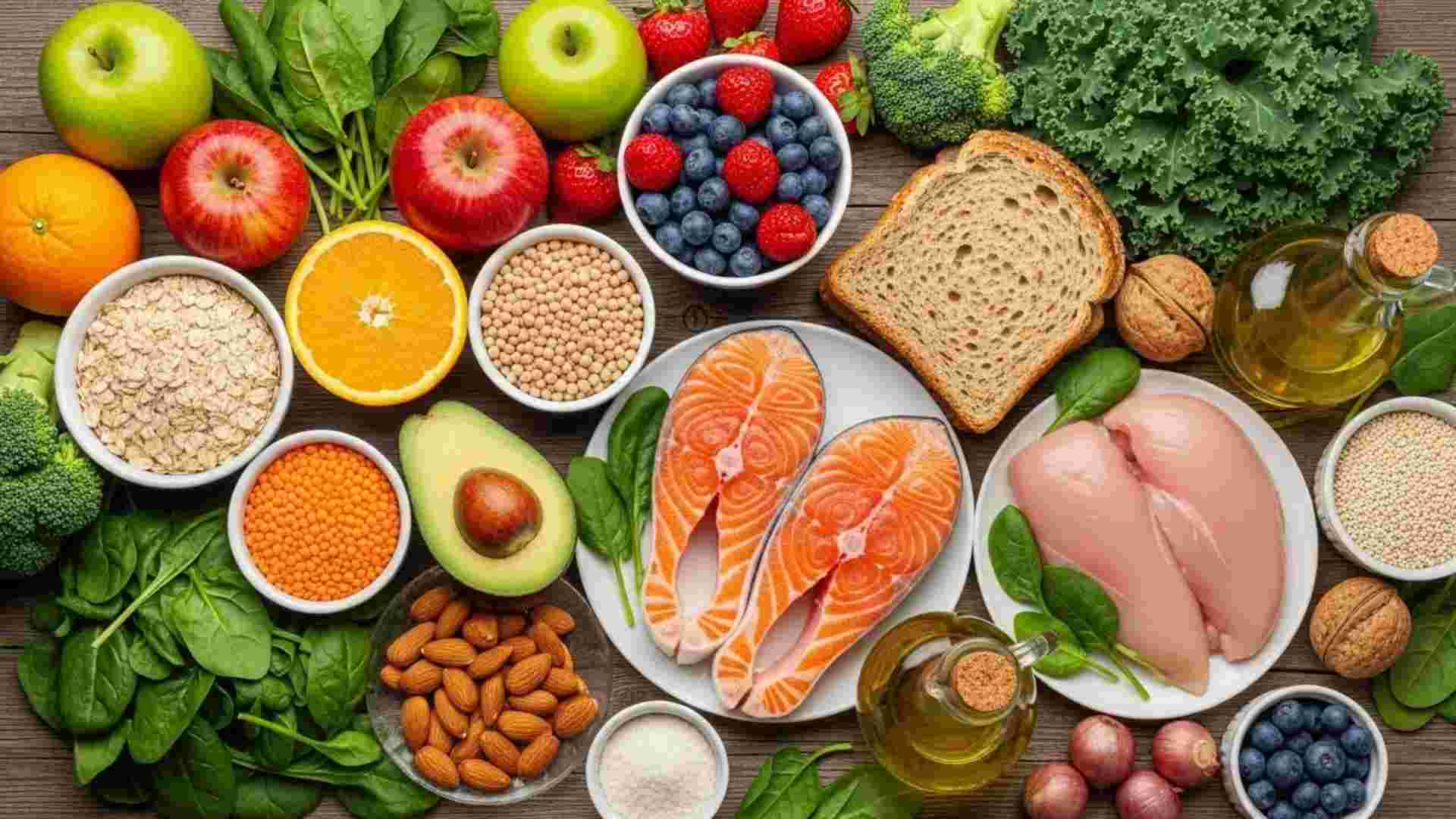
You know that moment. The one where you’re sitting on the crinkly paper of the exam table, and your doctor walks in, looks at a chart, and gives you the look.
“Your cholesterol is up,” they say. “We might need to talk about statins.”
And instantly, you feel it—that mix of frustration and fear. Maybe you think, But I’m not unhealthy! or I don’t want to be on meds for the rest of my life. You leave with a prescription slip and a vague instruction to “eat better,” wondering what on earth that actually means. Is it just celery sticks from here on out?
Here’s the thing: You don’t have to resign yourself to a life of bland food or pills just yet.
There is a way to eat that doesn’t just “help” a little bit—it aggressively lowers cholesterol. I’m talking about a specific strategy called the Portfolio Diet. In head-to-head clinical trials, this approach lowered LDL (the “bad” stuff) by about 30%. That is literally the same result researchers saw with patients taking 20mg of Lovastatin.
Let’s look at how to build a “portfolio” of foods that act like medicine, why they work, and exactly how to eat them without hating your life.
The 15 Super-Foods (And How to Actually Eat Them)
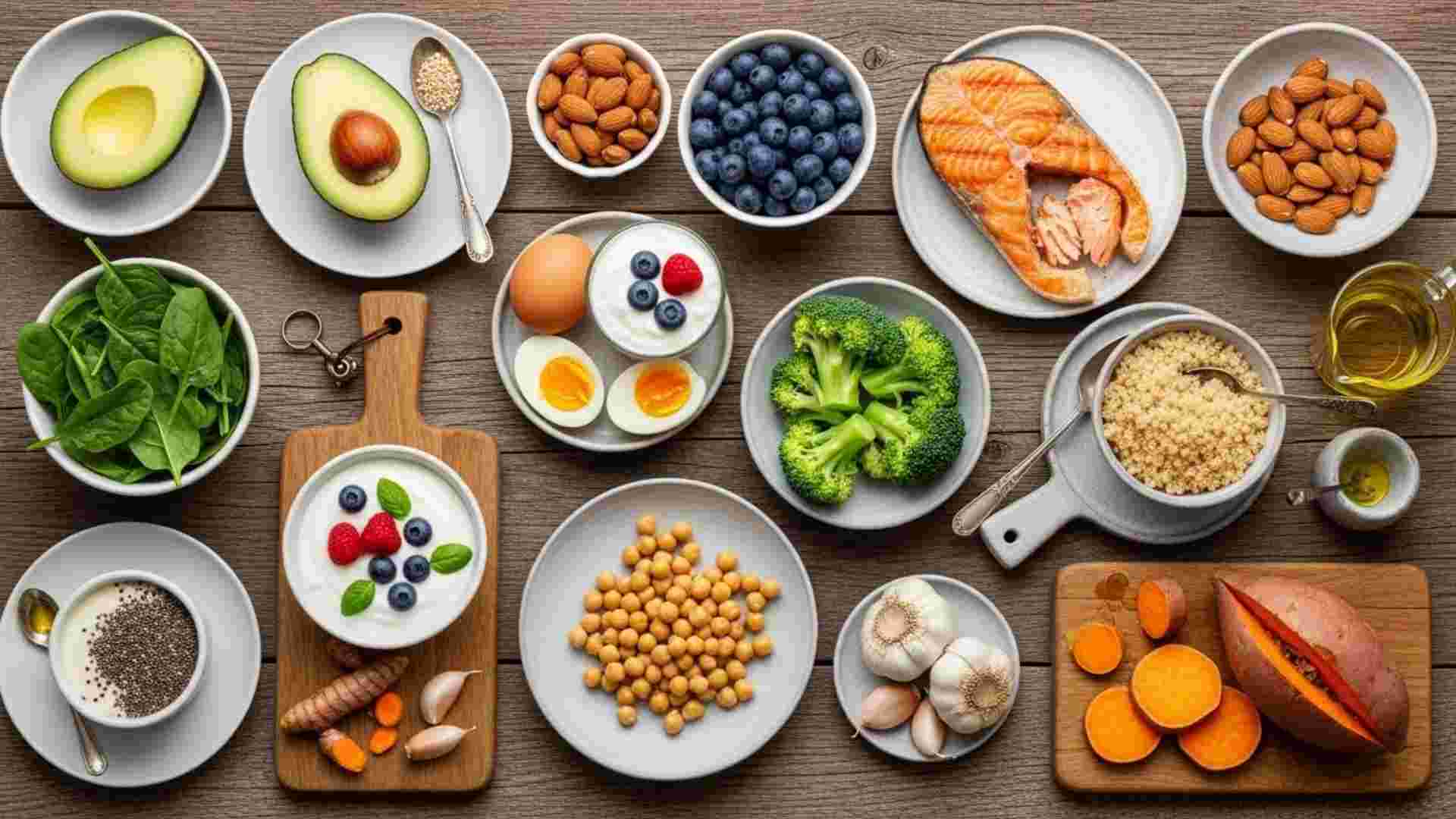
Okay, let’s get concrete. Here are the 15 foods you need to start buying, broken down by how they help you.
The Sponges
1. Oats
The O.G.2. Barley
The Underrated Cousin3. Eggplant
Purple Alien Egg4. Okra
Slime is Medicine5. Apples
Pectin Power6. Psyllium Husk
The Cheat CodeImagine your digestive system is a river. If the river runs dry, trash (cholesterol) just sits there. Viscous fiber turns that river into a thick, flowing gel that sweeps the trash away.
1. Oats (The O.G.)
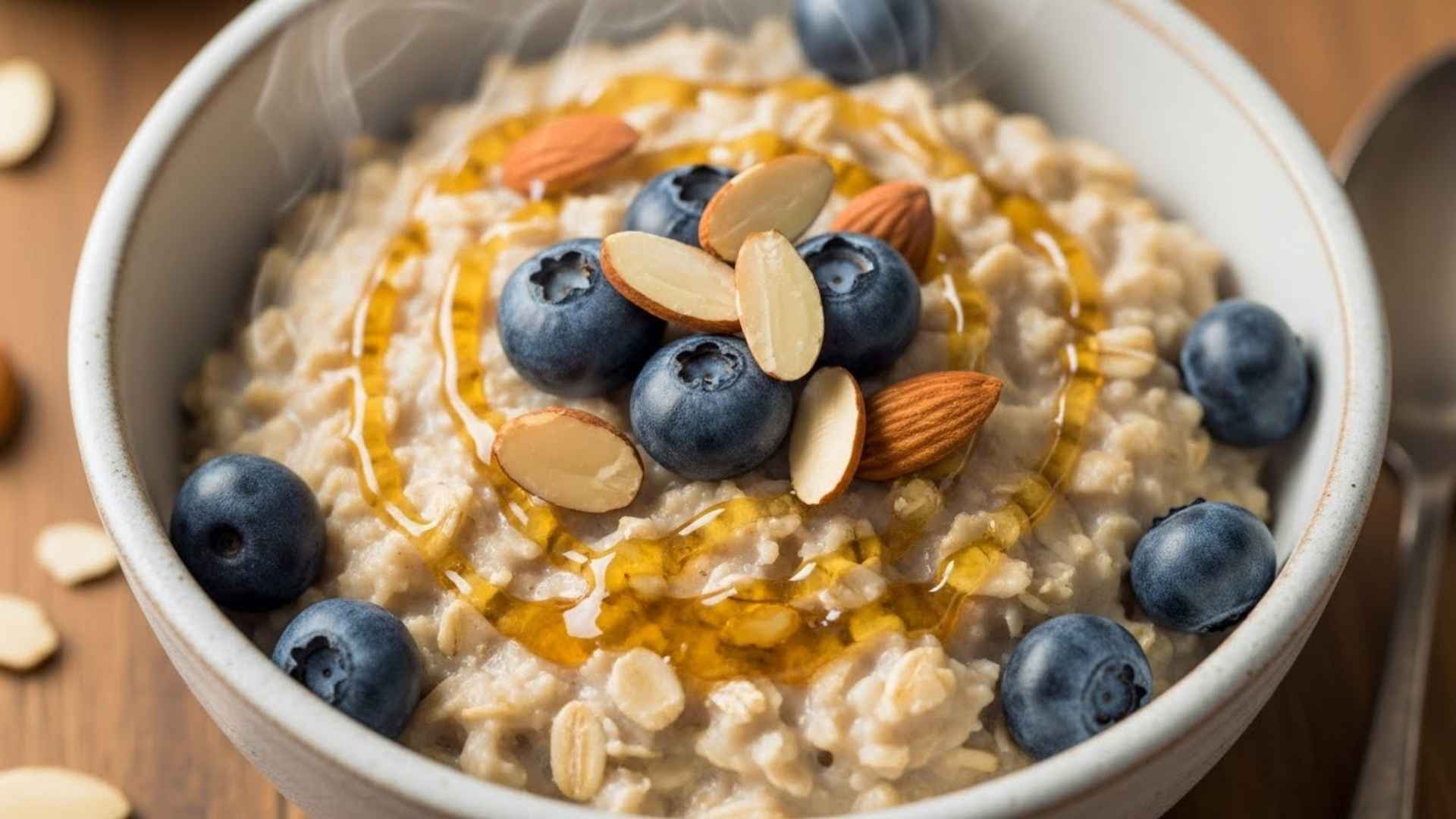
This is your baseline. Oats contain beta-glucan, a fiber that forms a thick goo in your stomach. Studies show just 3.5g of beta-glucan daily can drop LDL by over 4%.
Real Life Move: Don’t buy the sugary packets. Buy steel-cut oats or oat bran. If you hate hot mush, do “Overnight Oats”—soak them in soy milk with chia seeds in the fridge while you sleep.
2. Barley
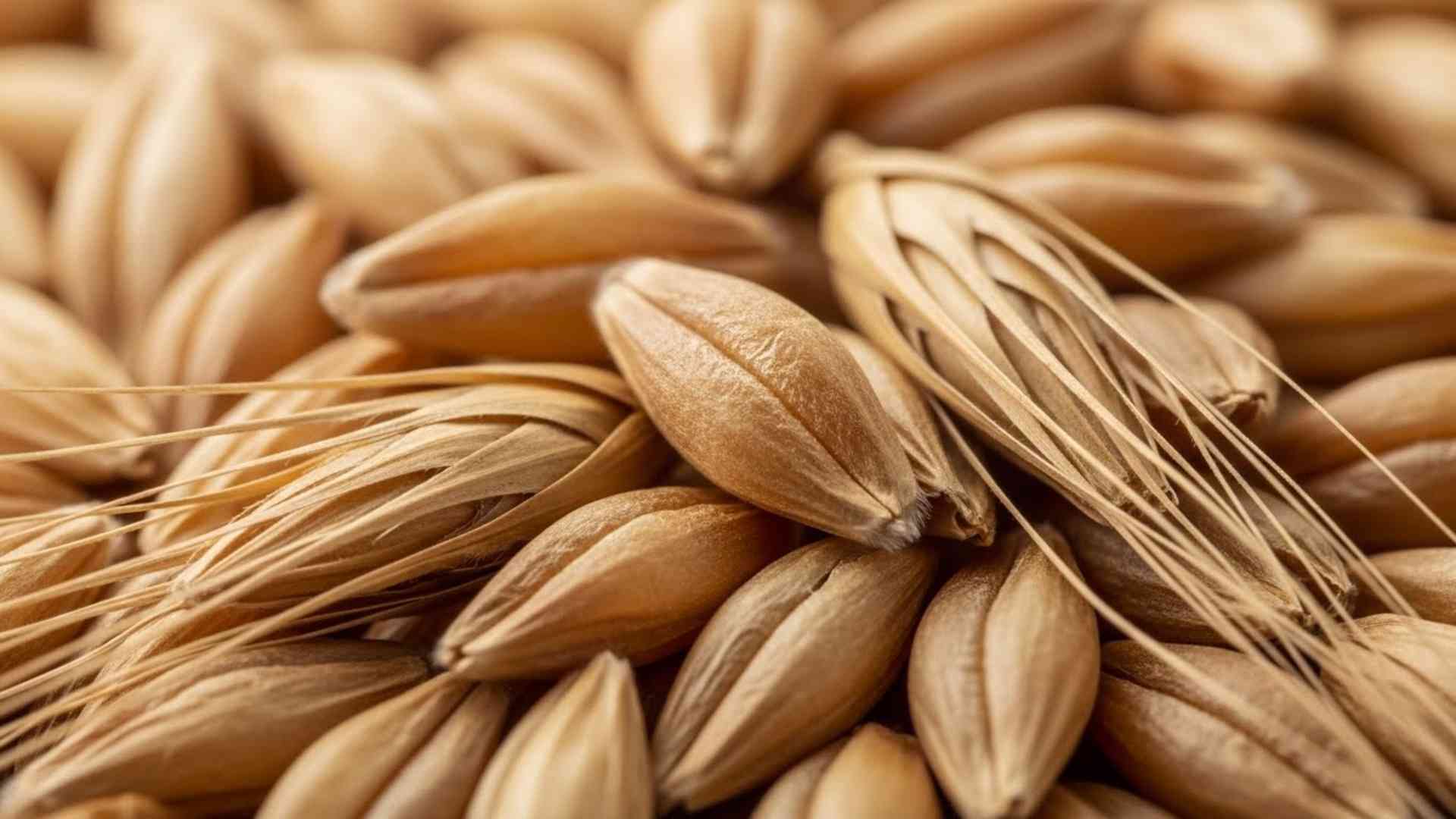
The underrated cousin of oats. It actually has more beta-glucan than oats do. Plus, it ferments in your gut to create a compound called propionate that stops your liver from making cholesterol.
Real Life Move: Swap your white rice for barley. It has a chewy, nutty texture that holds up great in soups.
3. Eggplant (Aubergine)
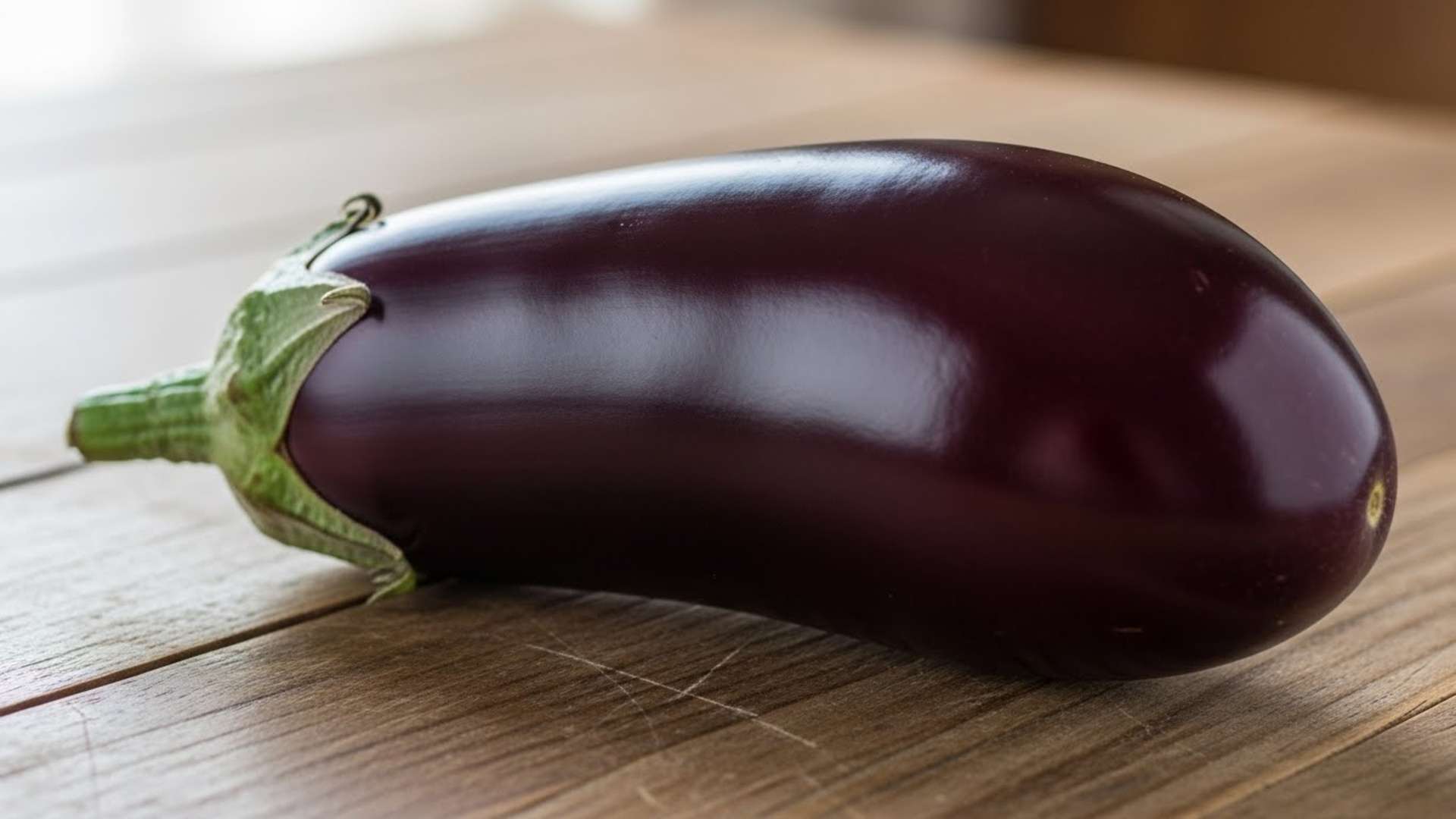
I know, it looks like a purple alien egg. But steamed eggplant binds bile acids (which are made of cholesterol) better than almost any other vegetable.
Real Life Move: Roast it until it’s creamy and mash it into a dip (Baba Ganoush), or toss it into a stir-fry.
4. Okra
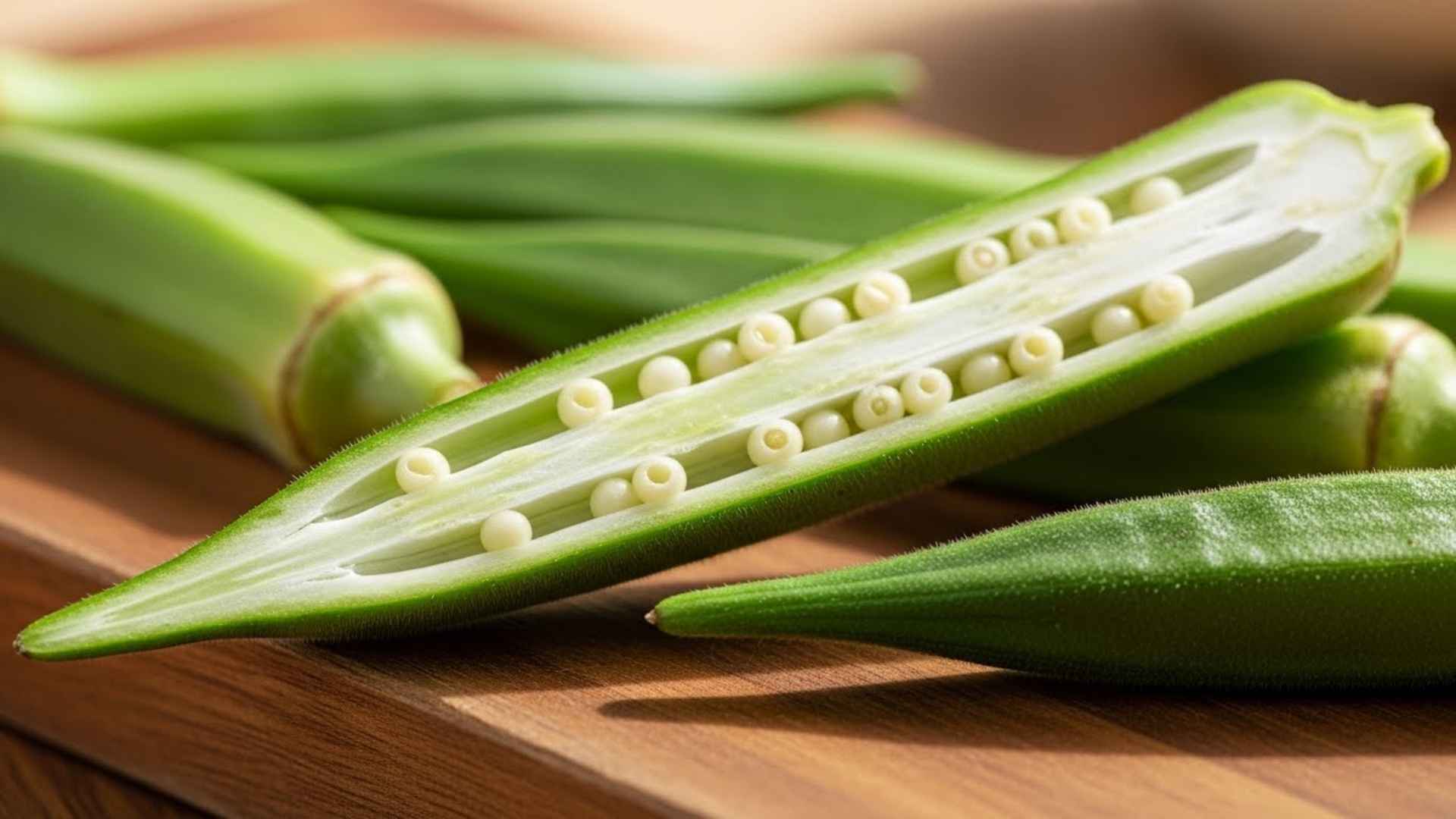
People hate the “slime,” but that slime is literally the medicine. It’s mucilage—powerful viscous fiber.
Real Life Move: If you can’t stand the texture, hide it. Chop it fine and put it in a gumbo or stew where it acts as a thickener, not a slime-fest.
5. Apples
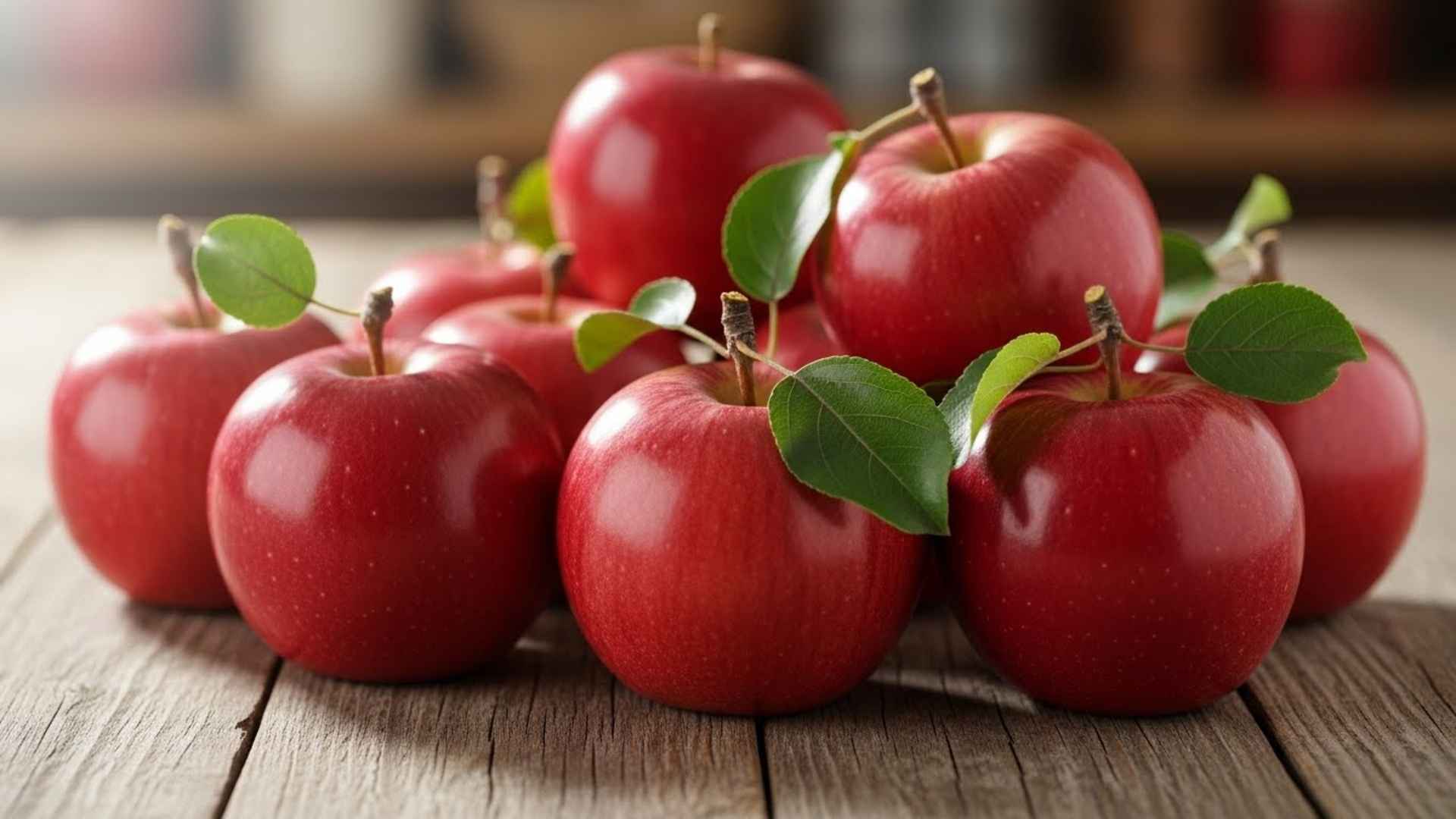
specifically the pectin in the skin. A study showed eating two apples a day reduced LDL and triglycerides.
Real Life Move: This is your 3 PM snack. Don’t peel it! The peel is where the magic is.
6. Psyllium Husk
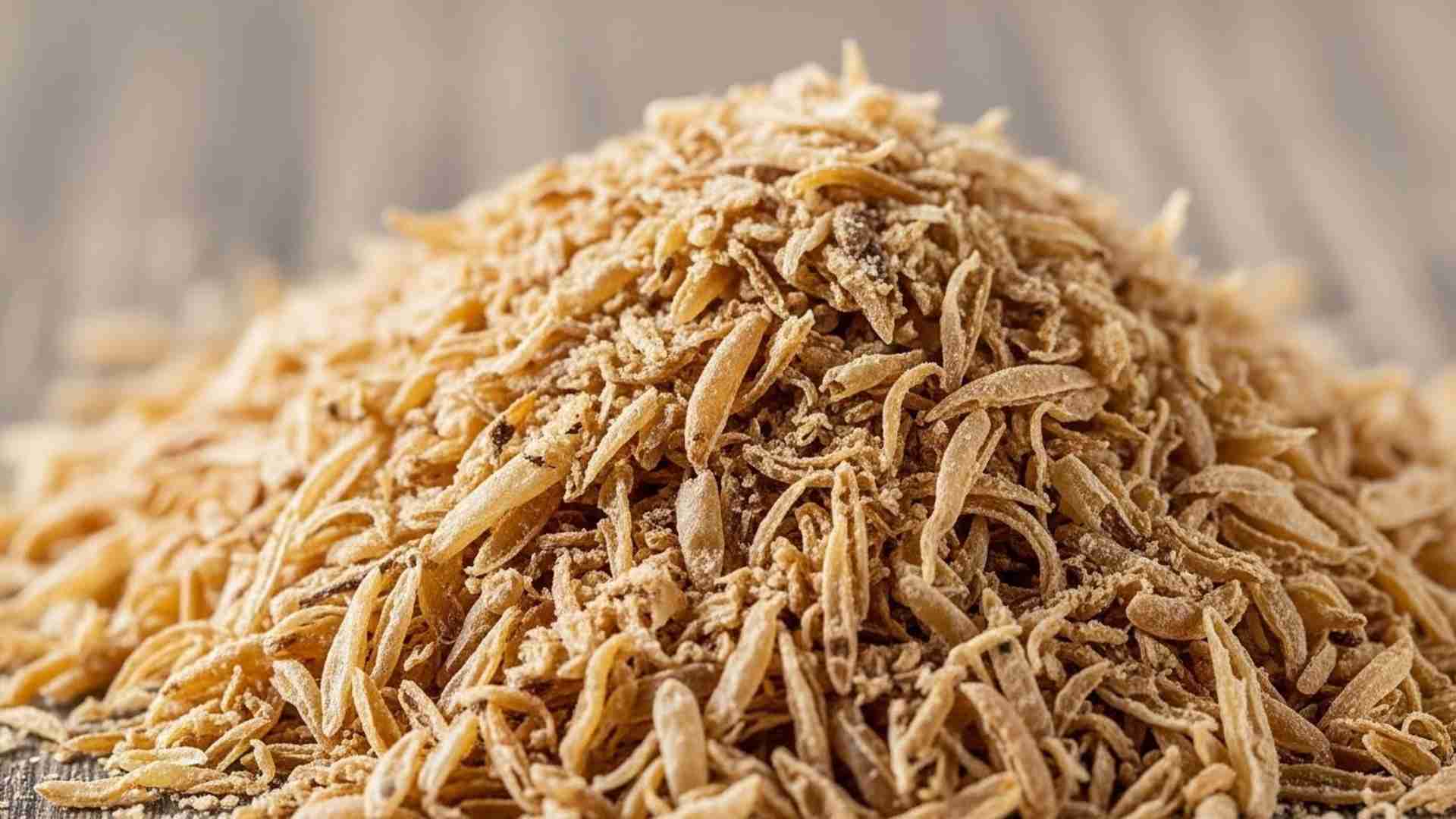
This isn’t a food, it’s a “cheat code.” It’s pure soluble fiber. Taking 10g a day (like in Metamucil) can lower LDL by 7% all on its own.
Real Life Move: Mix a teaspoon into your morning smoothie. You won’t even taste it, but your heart will know.
The Blockers (Sterols & Fats)
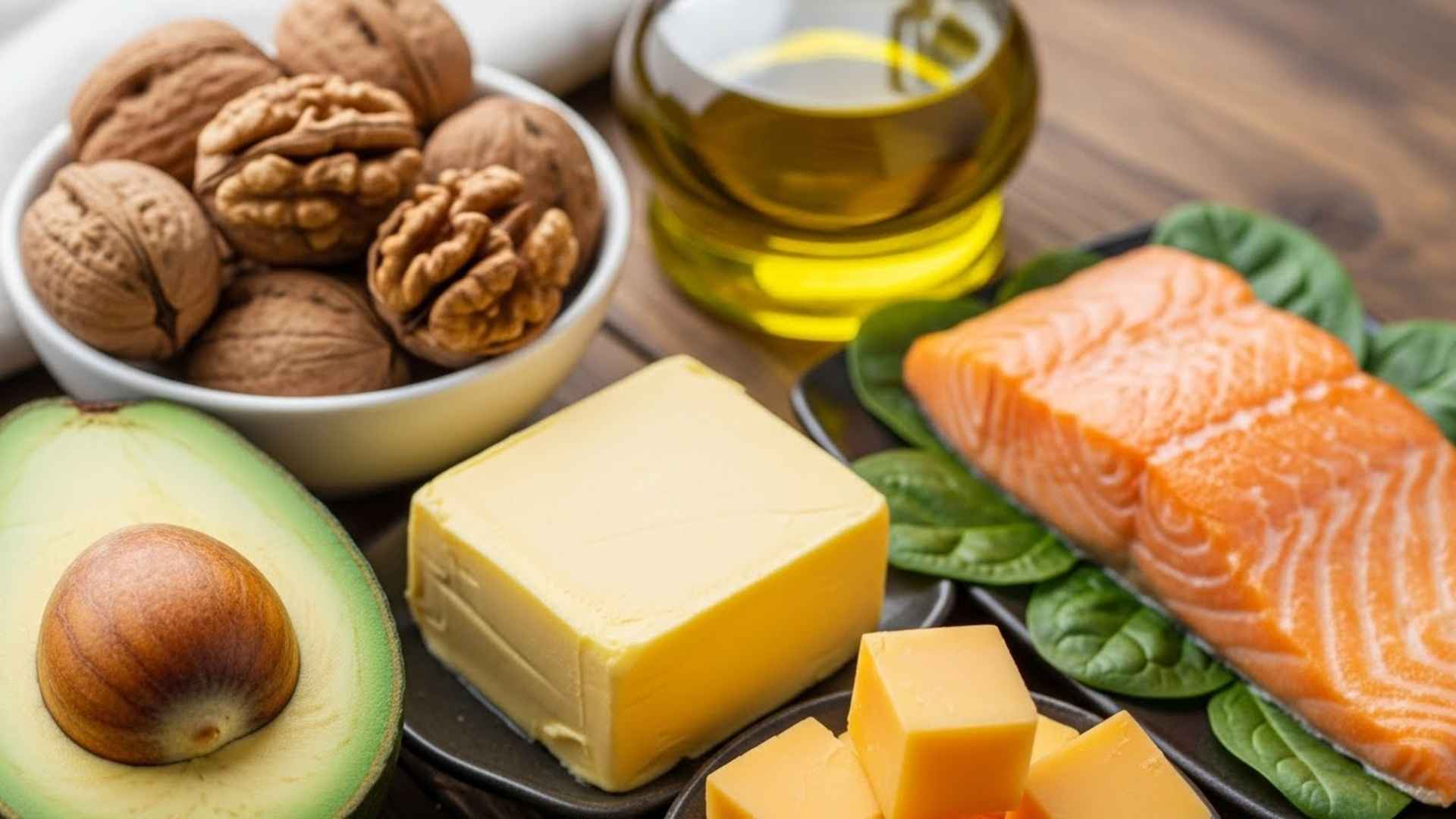
These foods physically compete with cholesterol or clean up the mess.
7. Almonds
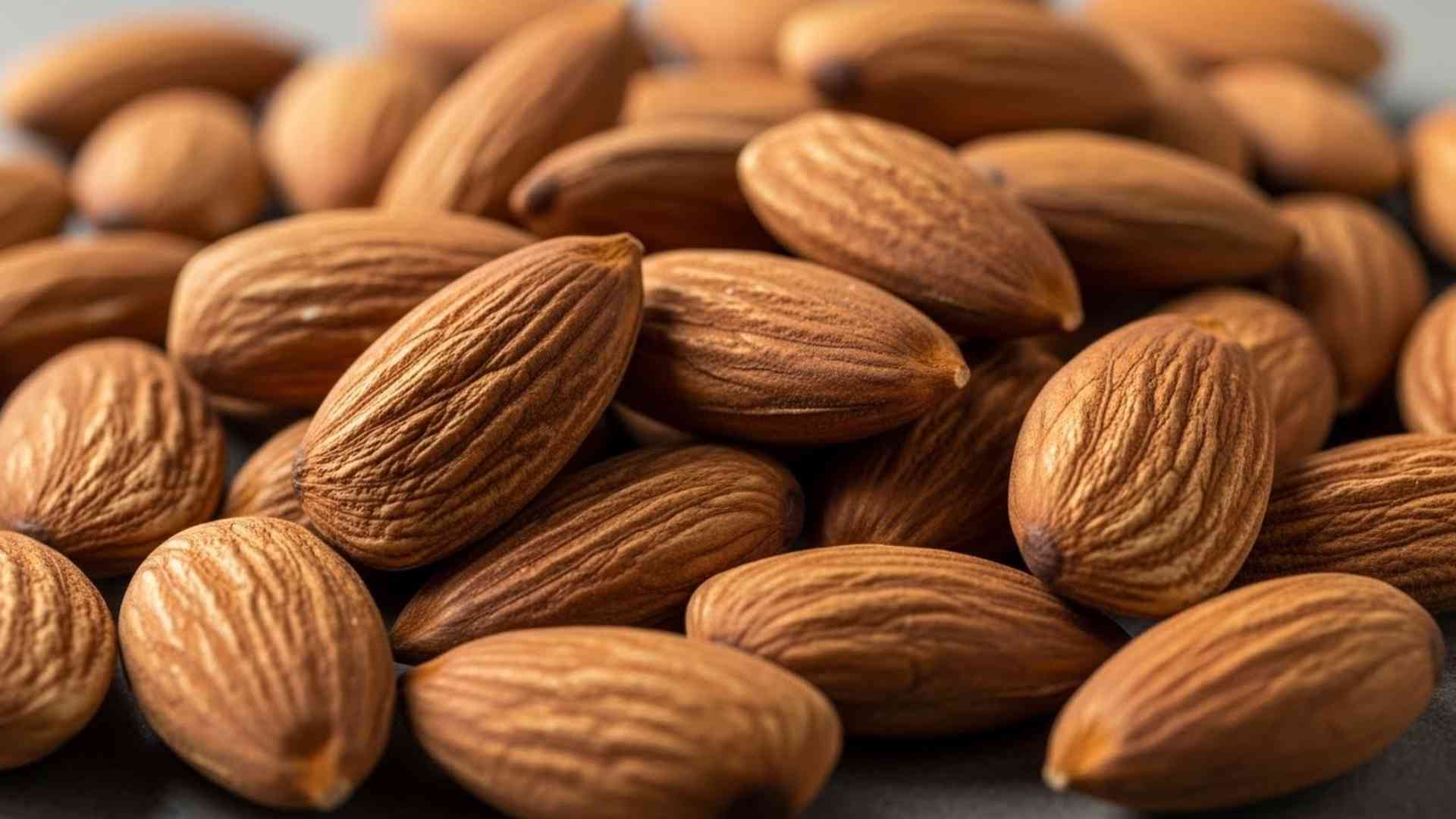
The original Portfolio Diet study used almonds. They are dense with monounsaturated fats and fiber. Eating about a handful (45g) lowers LDL by about 7%.
Real Life Move: Keep a bag in your car. When you get “hangry” in traffic, eat 23 almonds (yes, exactly 23 is about an ounce).
8. Walnuts
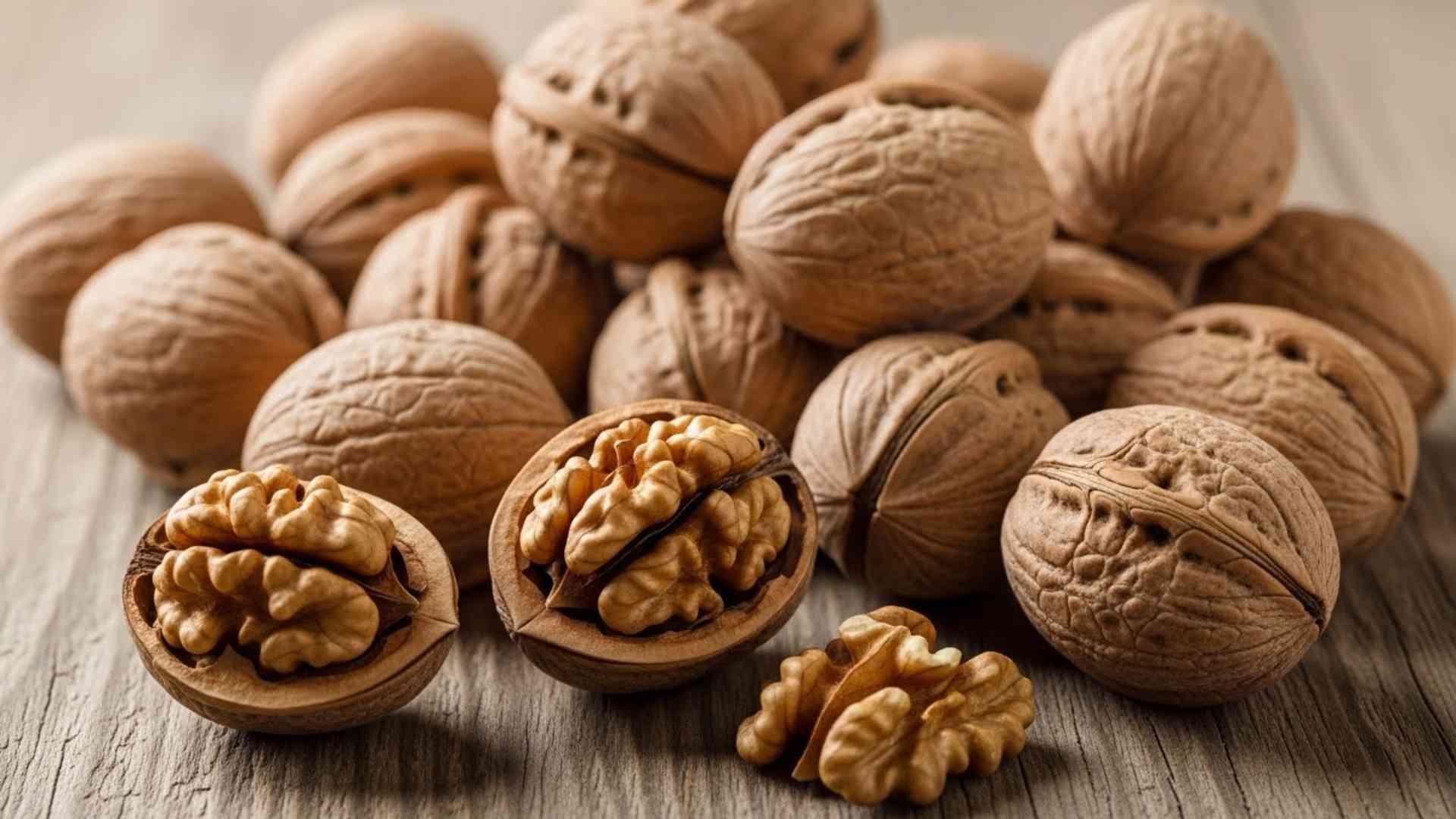
These look like little brains, and they’re smart for your heart. They are high in Omega-3s (ALA), which help your blood vessels stay flexible.
Real Life Move: Crumble them on top of your oatmeal or salad. Toast them lightly to make them taste 10x better.
9. Avocado
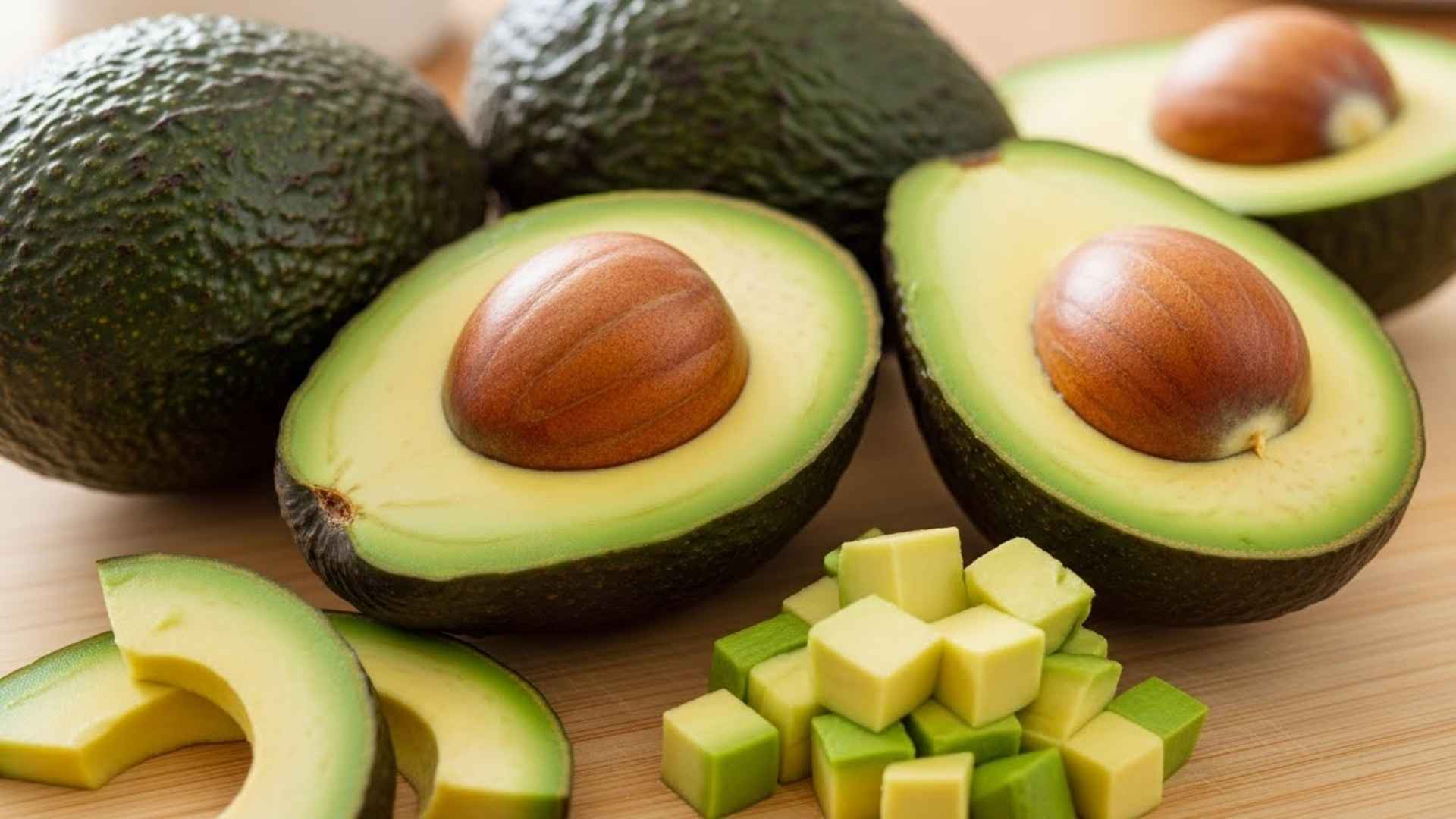
Avocados are rich in oleic acid (the same fat in olive oil). One study found that an avocado a day lowered LDL by 13.5 mg/dL compared to a regular low-fat diet.
Real Life Move: Avocado toast isn’t just a trend; it’s a prescription. Use it instead of mayo on sandwiches.
10. Extra Virgin Olive Oil (EVOO)
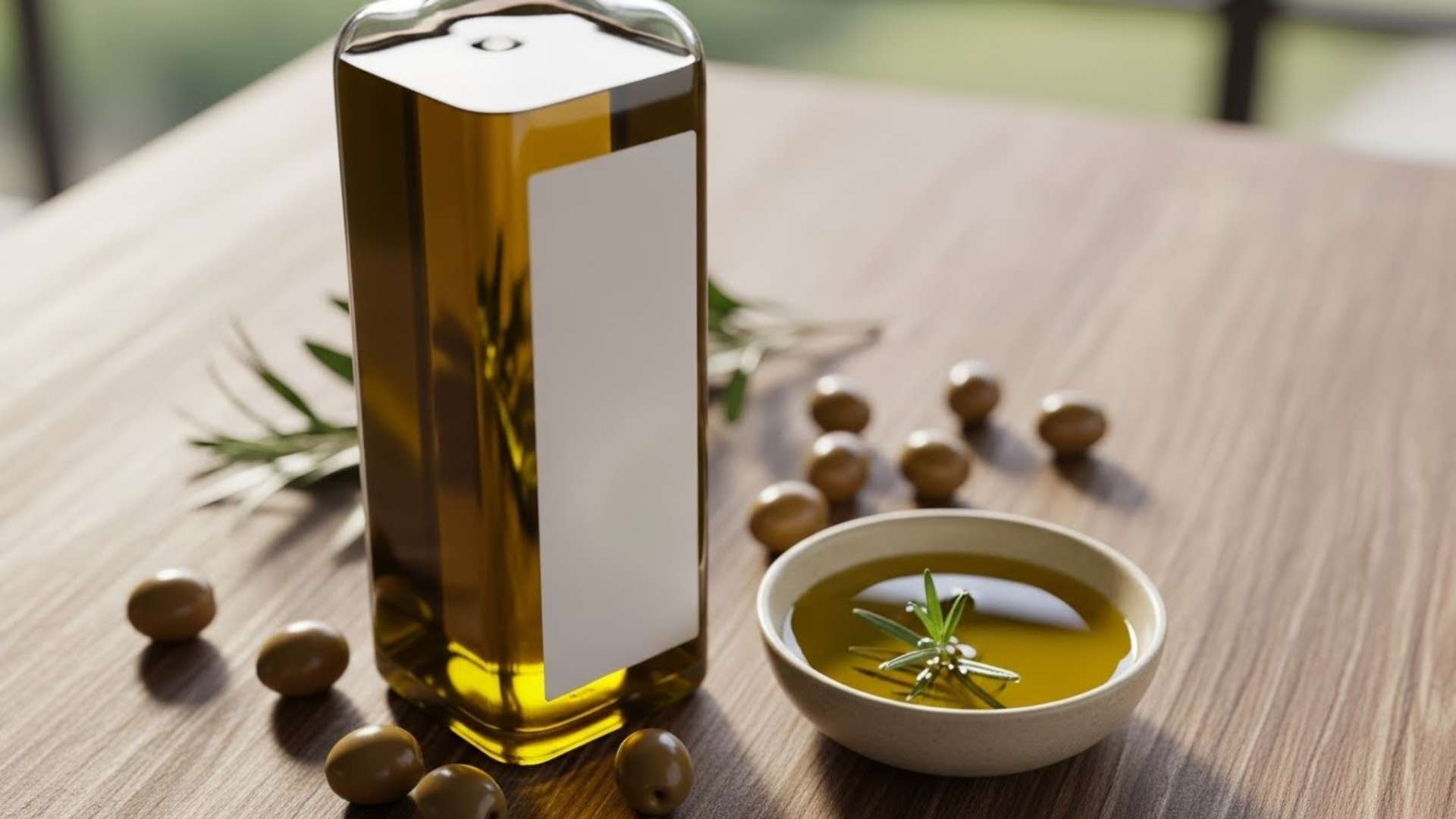
This is the liquid gold of the Mediterranean diet. It protects your LDL particles from oxidizing. Oxidized LDL is what actually sticks to your arteries—think of it like preventing rust.
Real Life Move: Stop cooking with butter. Use EVOO for salad dressings and drizzling over veggies after they are cooked to preserve the antioxidants.
11. Fatty Fish (Salmon/Mackerel)
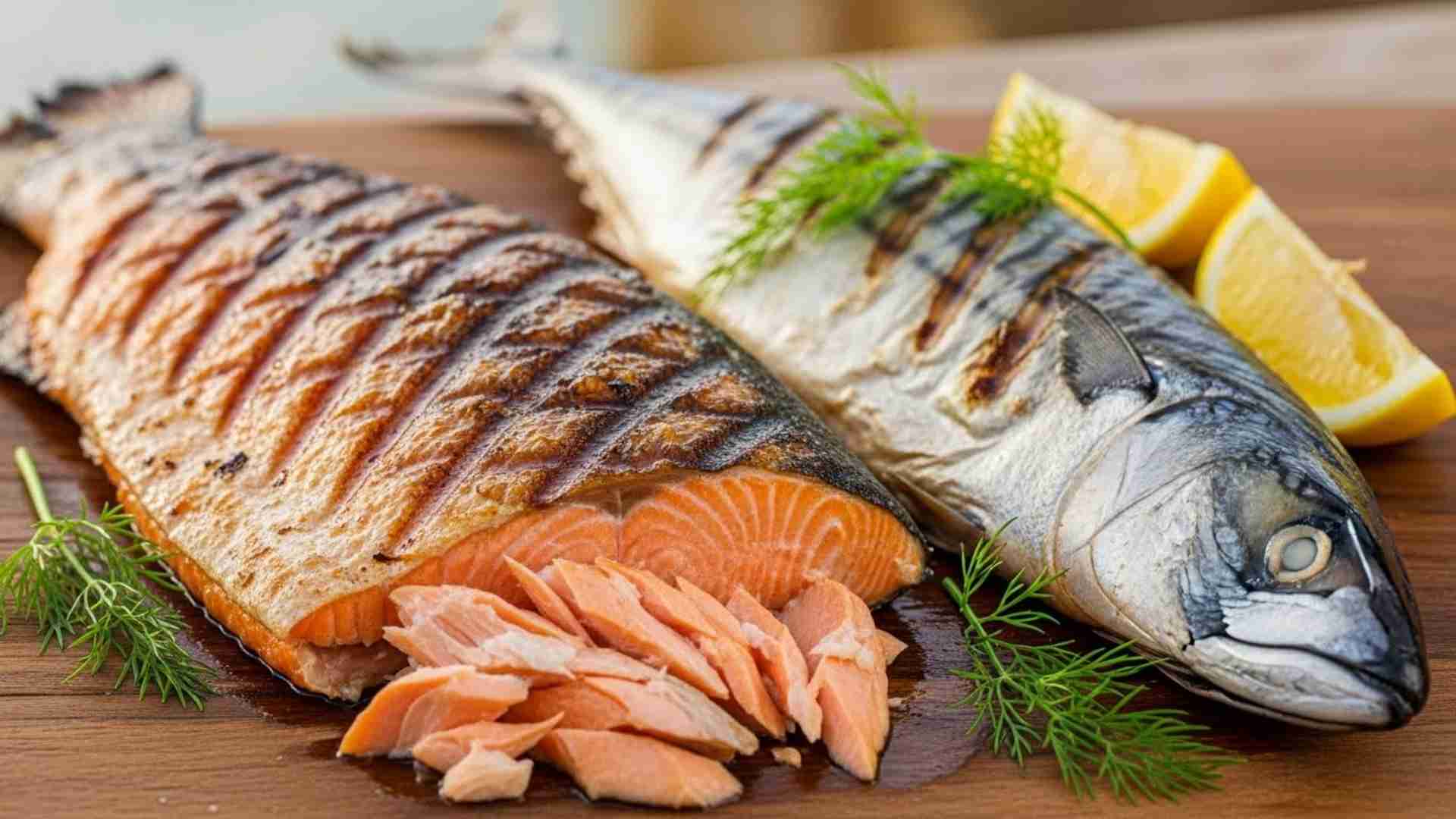
Okay, these don’t lower LDL directly (they actually lower triglycerides), but they are crucial for overall heart health. You need the Omega-3s.
Real Life Move: Aim for “Fish Fridays.” If you hate fish, you might need an algae-based Omega-3 supplement.
The Managers (Plant Protein)
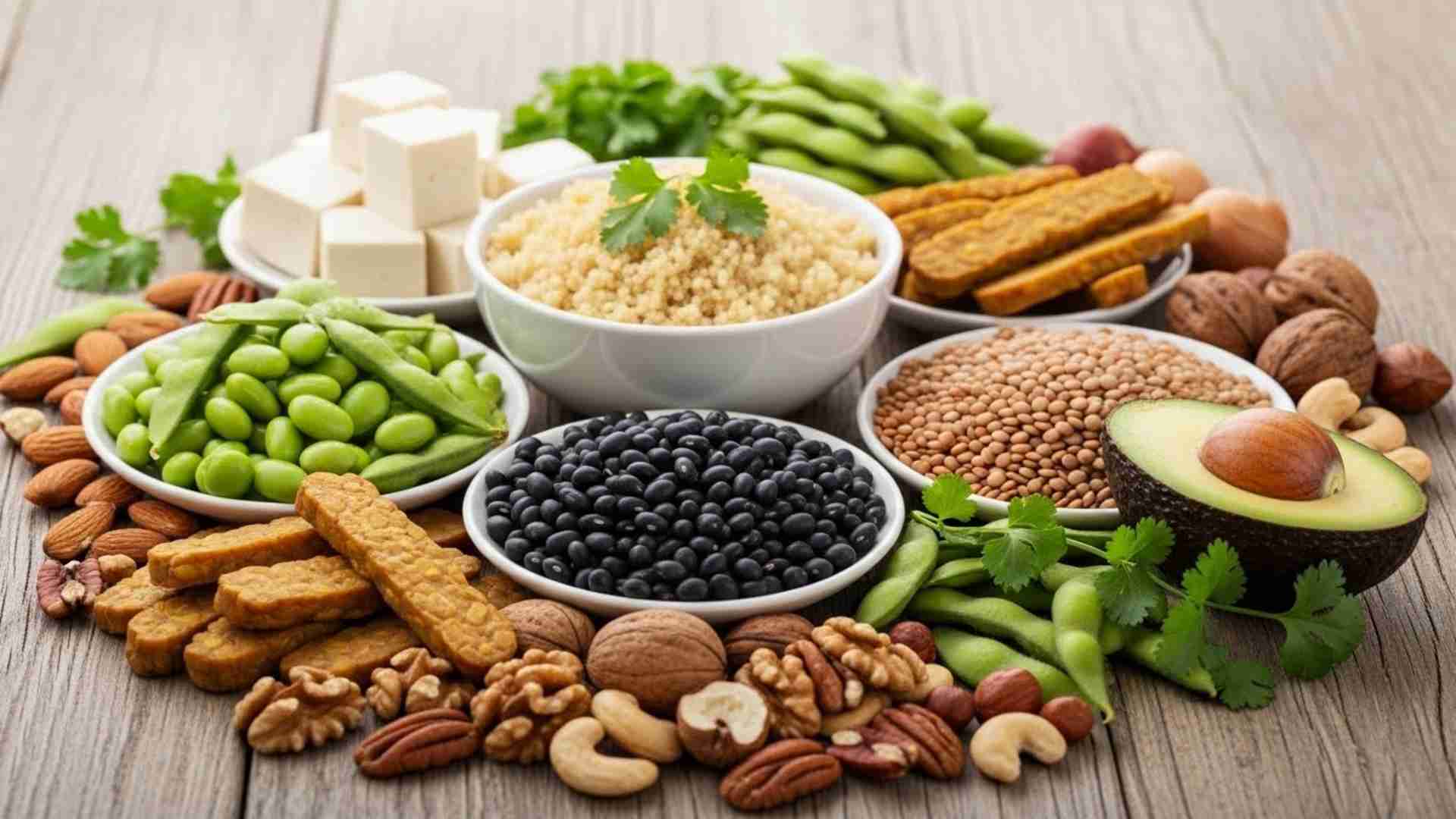
Replacing animal protein with plant protein is a double-whammy: you remove the saturated fat from the meat, and you add the cholesterol-lowering peptides from the plants.
12. Soy (Tofu, Edamame, Soy Milk)
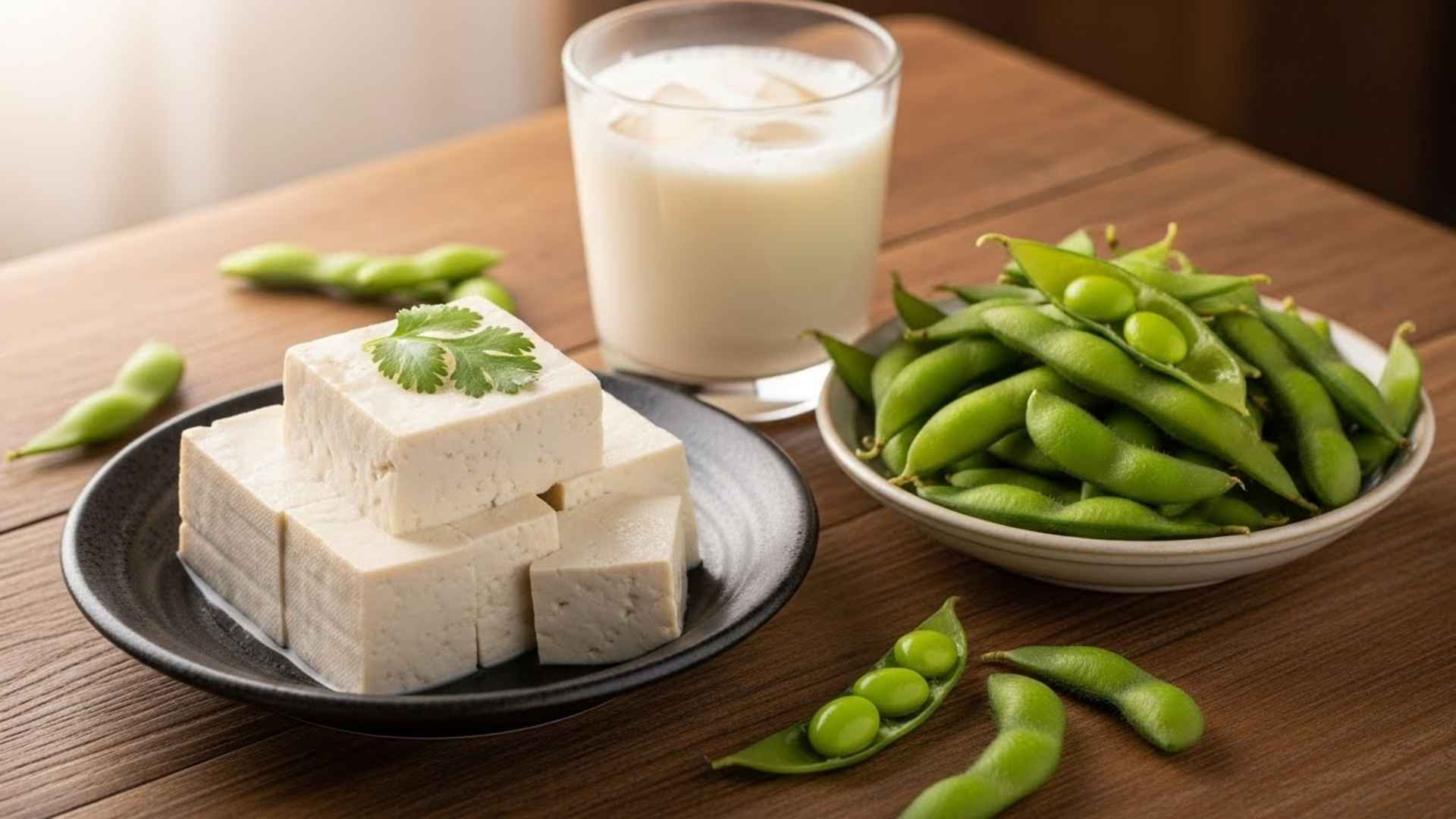
Soy is the powerhouse here. It naturally upregulates your liver’s LDL receptors.
Real Life Move: If you’re scared of tofu, start with Edamame. It’s just a fun snack you pop out of the shell. Or swap your cow’s milk for fortified soy milk in your coffee.
13. Legumes (Beans, Lentils, Chickpeas)
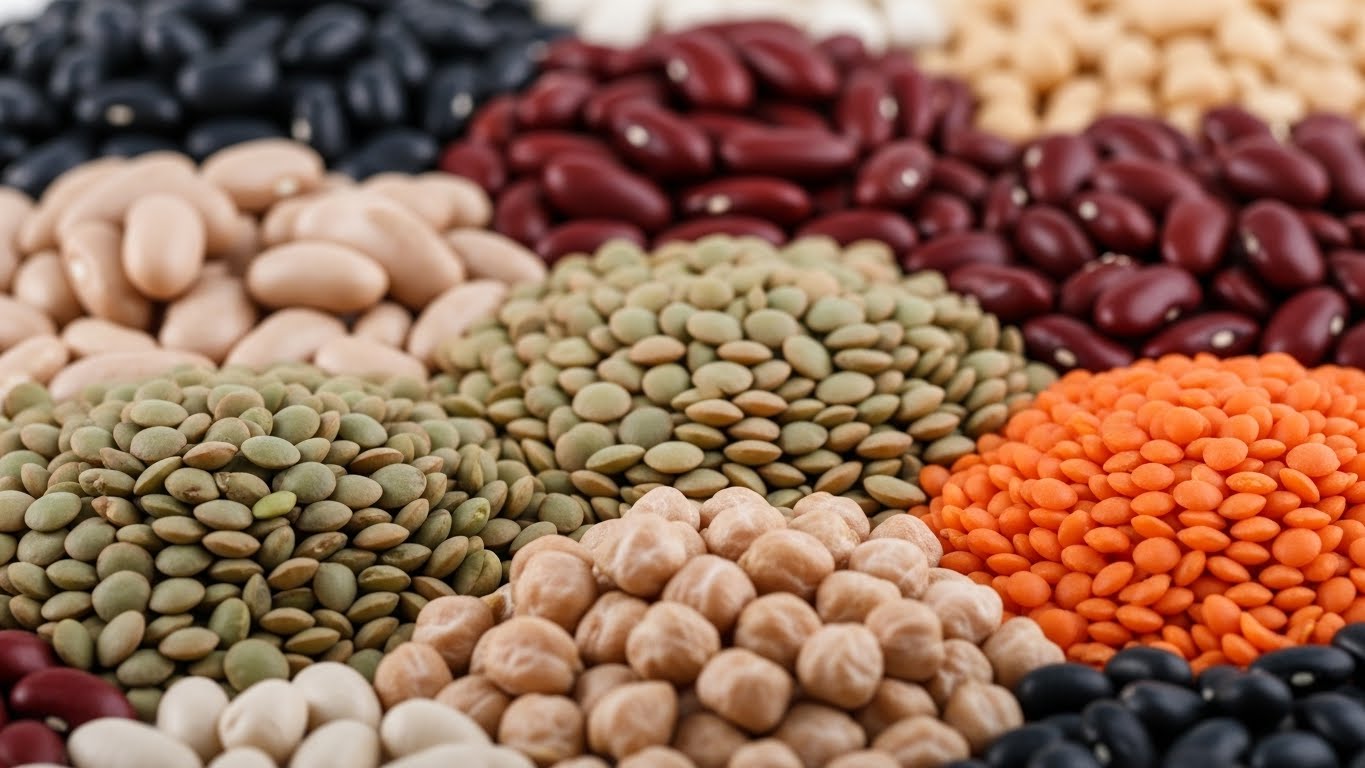
Eating just 3/4 cup of beans a day can lower LDL by 19%. They are full of fiber and protein.
Real Life Move: Rinse a can of chickpeas and throw them into your salad. Or make a lentil soup. It’s cheap, filling, and incredibly effective.
14. Dark Chocolate
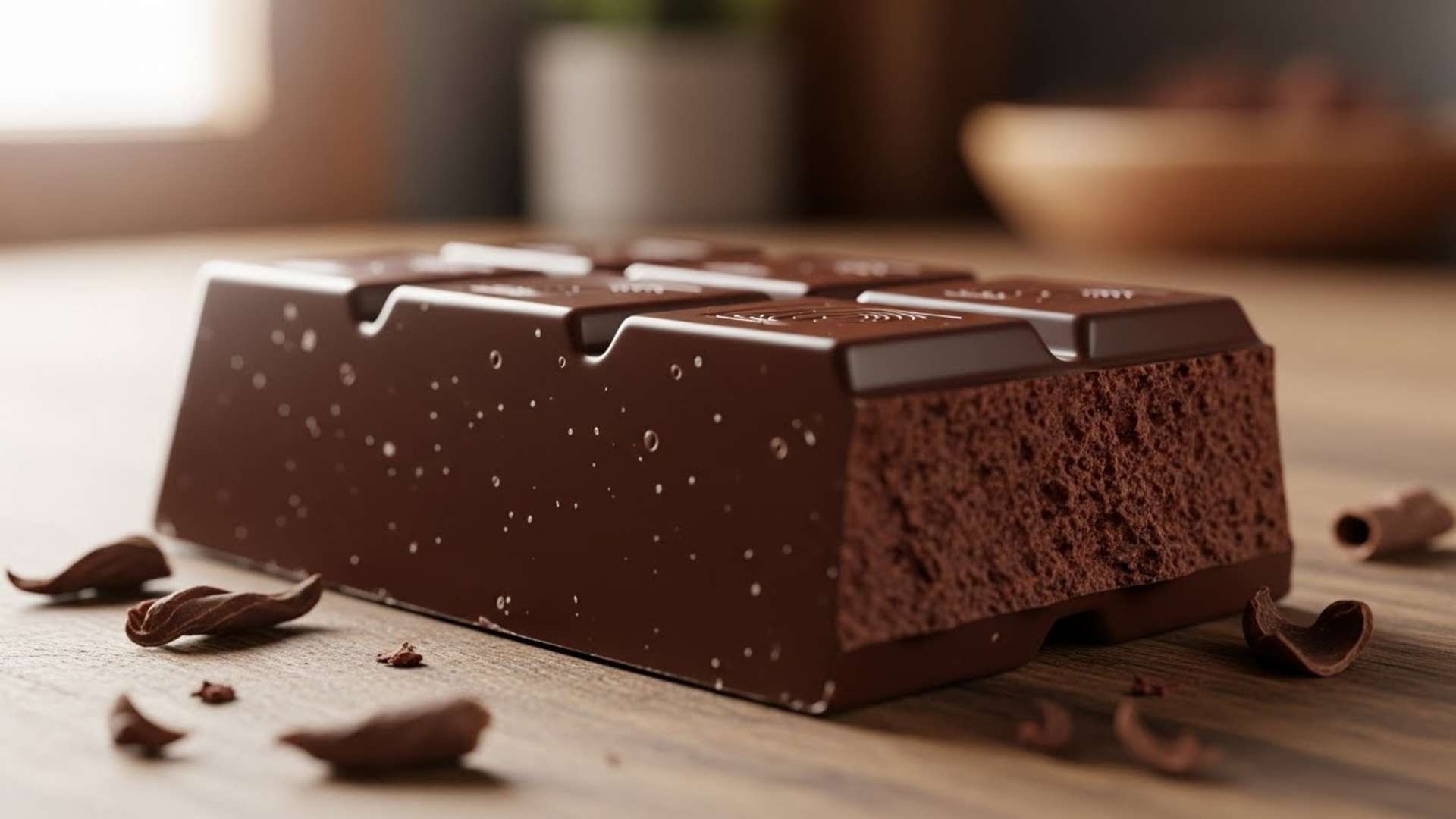
Yes, really. But it has to be the bitter stuff (70% cocoa or higher). It contains flavonoids that improve blood flow. Just watch the sugar.
Real Life Move: Have a square after dinner. It stops you from eating cake and gives you a heart boost.
15. Plant Sterol-Enriched Foods
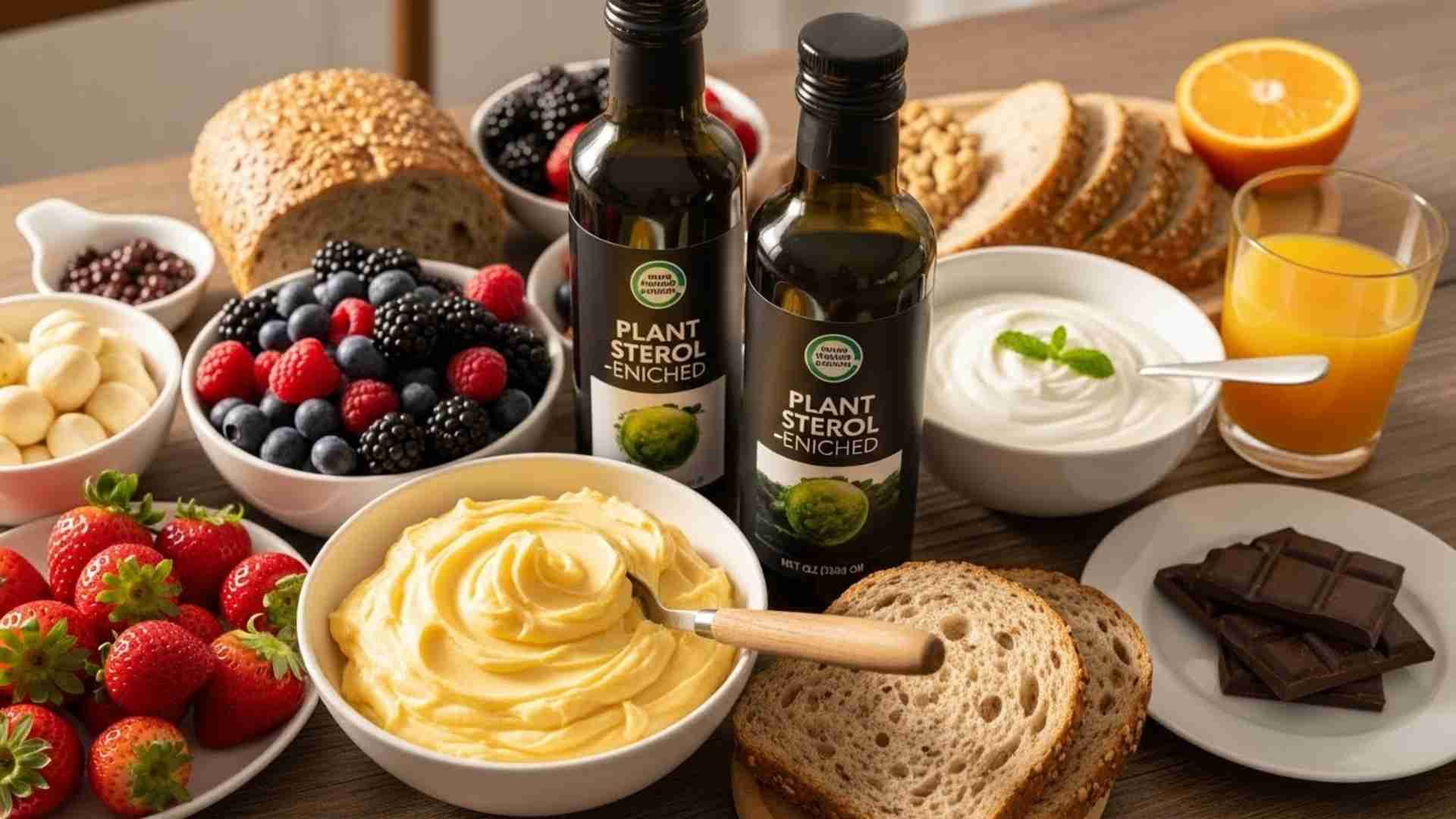
You can’t eat enough vegetables to get the 2g of sterols you need (you’d need to eat like 100 oranges). You have to buy “fortified” foods—like specific margarines (Benecol/Flora) or yogurts.
Real Life Move: Buy the specialized margarine spread and use it on your whole-grain toast. It’s the easiest way to hit that 2g target.
Need More Help? Look Into These
Let’s be real: changing your whole grocery routine is hard work. Sometimes you can’t perfectly cook eggplant or find the right fortified margarine at your local shop. I’ve found that having a few specific tools in your kitchen can be the difference between sticking to the plan and giving up after three days. These aren’t magic pills, but they are convenient “helpers” to ensure you hit those difficult targets—like getting enough sterols or fiber—without having to overthink every single meal.
Here are 5 useful products to help you succeed:
1. Viva Naturals Organic Psyllium Husk Powder

This is the “cheat code” I mentioned earlier. It’s almost impossible to eat 20g of soluble fiber just from food unless you’re eating beans all day. This powder is finely ground, so it mixes into smoothies or oatmeal without feeling like you’re eating sawdust. It helps trap that cholesterol so you can flush it out.
2. Nature Made CholestOff Plus (Plant Sterols)
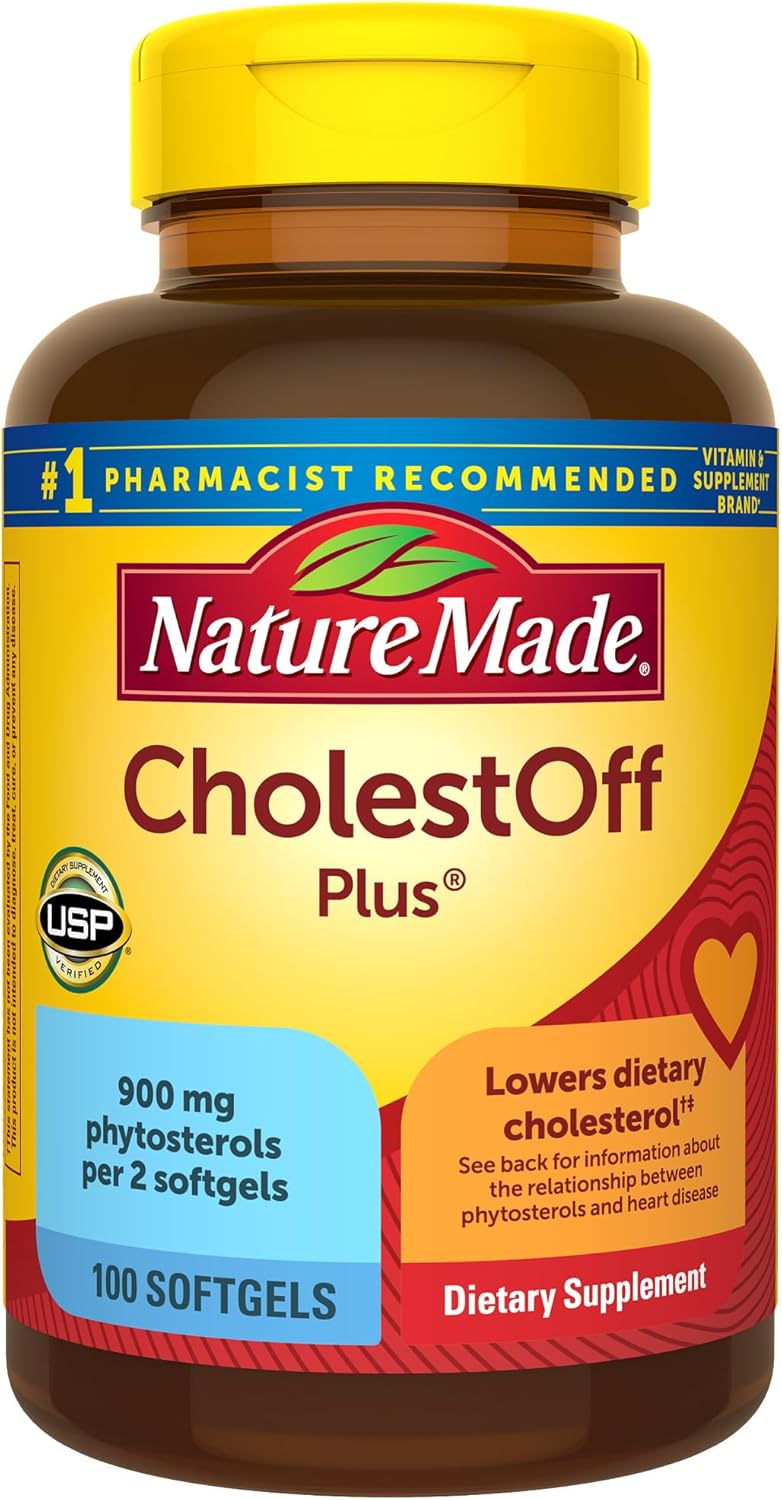
If you can’t find sterol-fortified orange juice or margarine, this is your backup plan. These softgels provide the plant sterols/stanols clinically proven to block cholesterol absorption. It’s a simple way to hit that 2g daily target without adding extra calories from spreads.
3. Now Sports Soy Protein Isolate (Unflavored)

Getting 50g of plant protein is tough if you aren’t used to eating tofu. An unflavored soy protein powder is perfect because you can hide it in a fruit smoothie or even stir it into oatmeal. It gives you the “Manager” effect on your liver without having to eat blocks of tofu for breakfast.
4. Glass Meal Prep Containers (3 Compartment)

Success on this diet is about prep. If you don’t have your “Portfolio” lunch ready, you’ll grab a burger. These glass containers are essential for packing your “Morning Bowl” or “Absorption Blocker Salad” so it’s ready to go when you run out the door.
5. American Heart Association Low-Cholesterol Cookbook

If you’re staring at an eggplant wondering, “What do I do with this?”, you need this book. It takes the guesswork out of cooking healthy fats and fiber-rich meals, so you don’t end up eating plain, steamed vegetables every night.