Your Knees Hurt After Every Hike? These 7 Gentle American Trail Towns Were Built for Hikers Over 50 — Walk More, Hurt Less

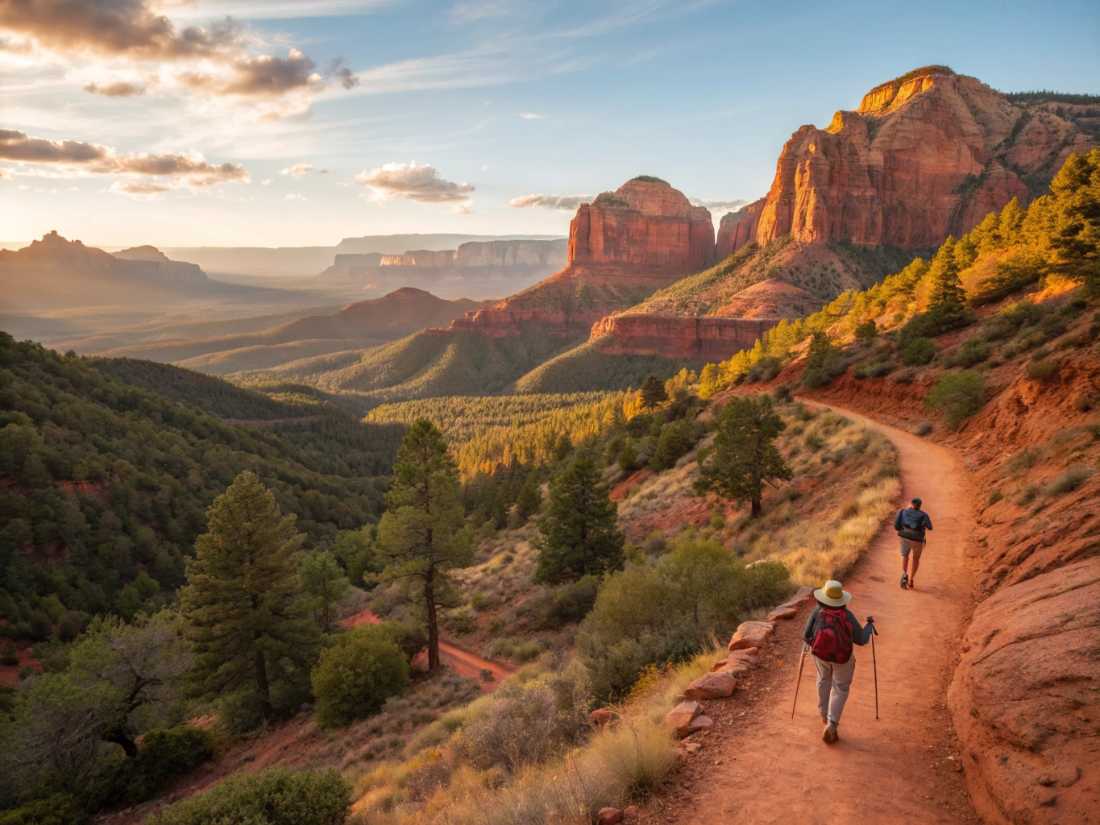
Morning air hits different when the trail doesn’t punish you for loving it. You notice the sound of boots on soft dirt, the smell of pine warming in early light, the way a breeze moves through canyon walls or open hillsides. You stop because you want to, not because your knees are begging for mercy. And maybe it’s just me, but that’s when hiking starts to feel like discovery again, not a test you have to pass.
A lot of travellers reach this quiet crossroads. Adventure still matters. Wonder still matters. But the definition shifts. It’s no longer about elevation gain or bragging rights—it’s about staying present long enough to feel the place sink in. That’s why this topic matters now. More people want trails that welcome them back instead of pushing them out.
What comes next isn’t about giving anything up. It’s about choosing places built for a deeper, gentler kind of adventure—and knowing exactly where to find them.
1. Sedona, Arizona — Red Rocks Without the Hike Strain
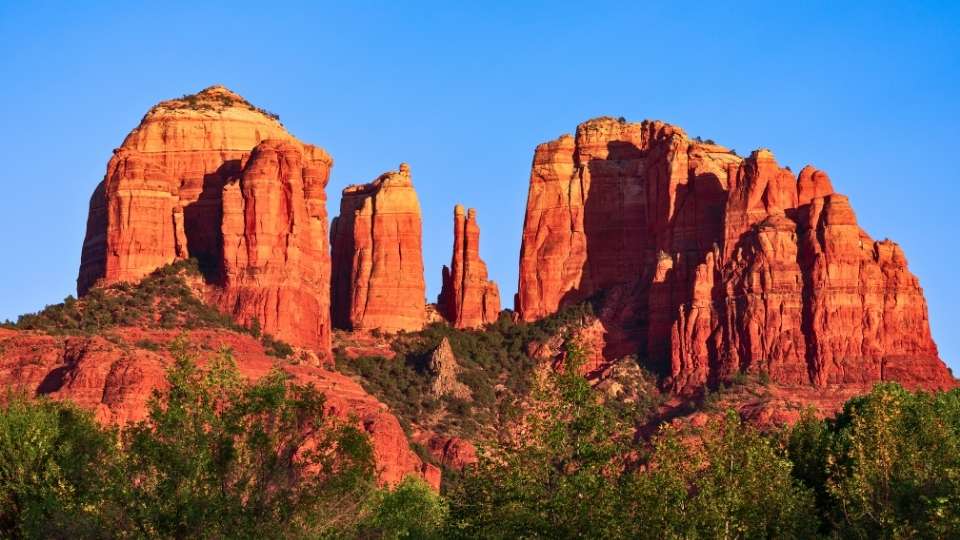
Sedona isn’t just another pretty face in the world of outdoor towns — it’s a landscape legend. This high-desert oasis in northern Arizona is framed by striking red sandstone formations that glow in the sunrise and sunset light. Hikers, especially those easing up on steep climbs, will find more than 300–400 miles of marked trails that range from easy strolls to leisurely canyon walks, many with minimal elevation gain but maximum views.
Trails like Bell Rock Pathway, Fay Canyon, and West Fork Trail are gentle underfoot and give you that outdoor fix without the punishing climbs that can make knees grumble. Beyond the trails, Sedona invites slow adventure — scenic drives, local art galleries, and wellness experiences rooted in its famous “energy vortexes.” With 80+ galleries and studios, Sedona’s art scene is almost as impressive as its rock formations.
Key Practical Info:
- Best Time: Spring and fall (60–80°F days)
- Getting Around: Use the free Sedona Shuttle to avoid parking stress
- Budget Tip: Lodging prices peak in March–May; early booking saves up to 25%
- Best Experiences: Sunset views from Airport Mesa, Tlaquepaque Arts Village browsing, and mild canyon walks
2. Asheville, North Carolina — Mountain Blooms & Easy Blue Ridge Paths
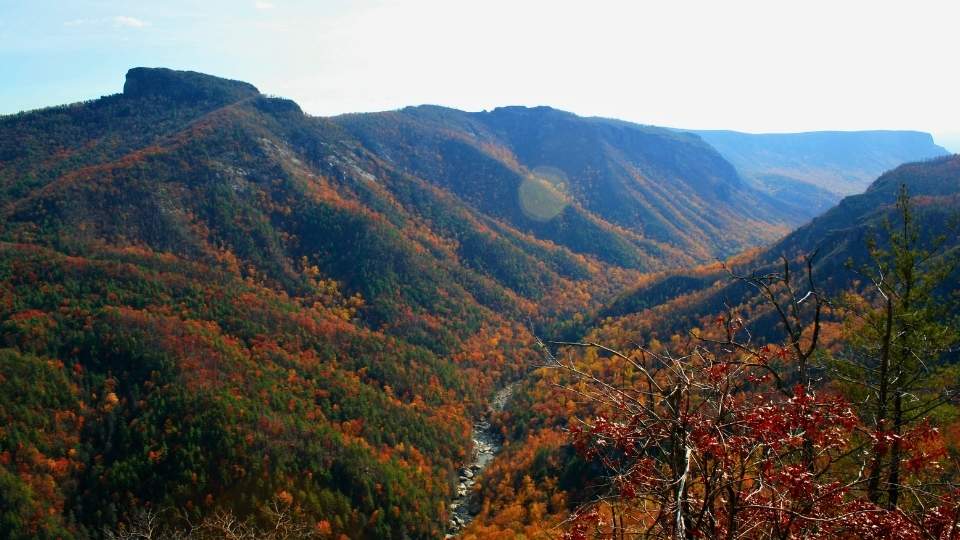
Asheville sits in the heart of the Blue Ridge Mountains and offers accessibility few mountain towns can match. The Blue Ridge Parkway runs right through it, offering 469 miles of gentle, scenic overlooks and short nature walks. Perfect for travelers who want mountain beauty without grueling climbs.
Closer to town, the Botanical Gardens at Asheville, Craggy Gardens, and Fonta Flora Trail deliver flower-filled paths and shaded forest strolls. Asheville also has a thriving creative scene — from street murals to live bluegrass — that turns every evening into a small cultural event. Add in 25+ craft breweries and a booming local food movement, and it’s easy to unwind after a walk.
Key Practical Info:
- Peak Season: April–June for wildflowers; October for fall foliage
- Travel Tip: The Blue Ridge Parkway Visitor Center offers real-time trail updates
- Budget: Average 3-night stay costs about $600–$750 total for mid-range travelers
- Must-Try: Farm-to-table meals, craft beer tasting, and short forest waterfall hikes
3. Bend, Oregon — High Desert Trails and Urban Ease
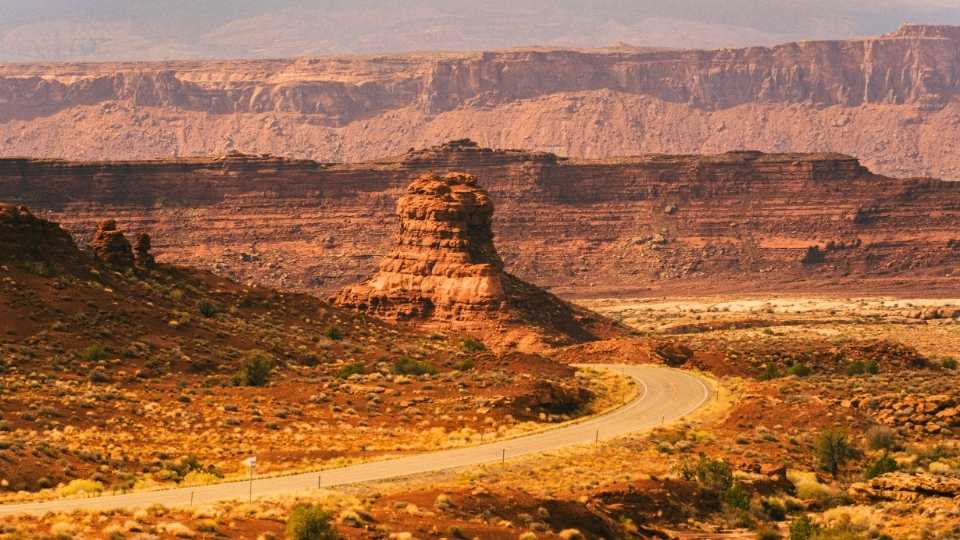
Bend is where outdoor adventure meets city comfort. It’s built along the Deschutes River, with easy access to more than 80 miles of scenic river trails, volcanic landscapes, and desert plains. The Pilot Butte Trail is a local favorite — just 2 miles round-trip, with panoramic Cascade views that don’t require mountain-level effort.
Bend’s outdoor lifestyle blends perfectly with comfort. After a light morning hike, you can explore farmers’ markets, local art galleries, and the Bend Ale Trail, home to 30+ craft breweries. Despite being an adventure capital, it has paved paths, flat riverside walks, and well-marked scenic byways that make exploring stress-free.
Key Practical Info:
- Best Seasons: Late spring through early fall (dry, sunny, 70s–80s°F)
- Getting Around: Rent bikes or walk — downtown trails link directly to nature areas
- Budget: Moderate; expect around $150–$250 per night for hotels
- Local Tip: Try an evening float on the Deschutes River — it’s one of the best knee-friendly ways to see Bend
4. Stowe, Vermont — Scenic Ease at the Foot of Mount Mansfield
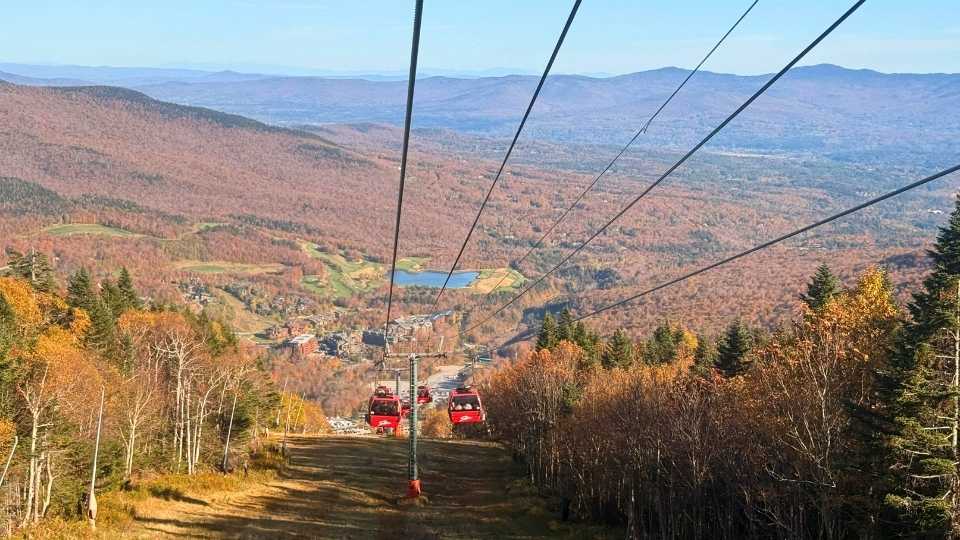
Stowe might be famous for winter skiing, but it’s just as magical in warmer months for those seeking gentle trails and postcard views. The Stowe Recreation Path is the town’s signature route — a 5.3-mile paved trail that winds past rivers, bridges, and mountain vistas. No need for hiking poles or knee braces here; it’s smooth, scenic, and easy.
Beyond that, Bingham Falls and Sterling Falls Gorge provide short, beautiful hikes with minimal elevation. In fall, Stowe transforms — flaming maples and crisp air make it one of America’s most photographed small towns. Downtown feels cozy and walkable, full of general stores, bakeries, and local art shops.
Key Practical Info:
- Best Time: Fall foliage (late Sept–mid Oct); summer for hiking
- Getting There: Burlington International Airport is an hour’s drive away
- Stay Duration: 2–3 days is perfect for easy hikes and exploring the village
- Budget: Moderate; off-season rates in spring save up to 30%
- Don’t Miss: Maple syrup tastings, mountain gondola rides, and morning walks along the Recreation Path
5. Estes Park, Colorado — The Quiet Majesty at Rocky Mountain’s Door
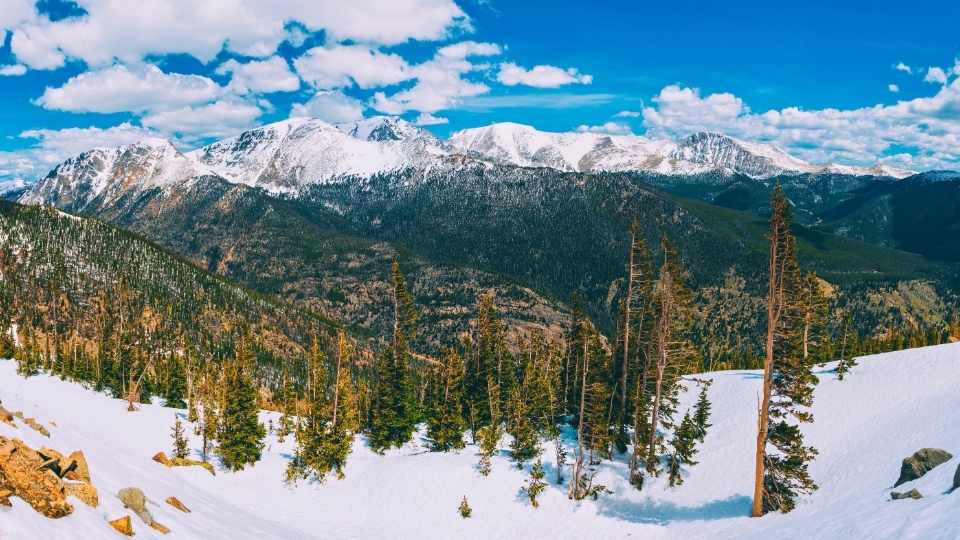
There’s something about Estes Park that feels older than the mountains themselves. You arrive through twisting pines, and suddenly — there it is — a town cradled right beneath jagged peaks and endless sky. Sure, Rocky Mountain National Park takes center stage, but Estes Park has its own rhythm if you slow down enough to catch it. Hidden gems like Bierstadt Lake or the Alluvial Fan waterfalls offer beautiful, short hikes that don’t demand mountain-level endurance. They’re perfect when you want those sweeping alpine views without the lung-burning climb.
In town, there’s an old-world charm that’s hard to fake. The Park Theatre, which first opened in 1913, still shows films under its iconic neon sign. Local shops feel like time capsules — you’ll find hand-carved trinkets, classic diners, and even elk strolling through the streets in fall. Summer brings a gentle buzz, while shoulder seasons in May and September give you calm mornings, empty trails, and crisp air that feels tailor-made for reflection.
Insider Tips:
- Head out at sunrise for quiet lake reflections and better wildlife sightings.
- Try a sunset drive on Trail Ridge Road — you’ll see layers of color across the Rockies without needing to hike.
- Avoid weekends if you can; weekdays are quieter and easier on both traffic and trail congestion.
- Best seasons: Late spring to early fall. Average daytime highs hover around 70°F in July, making it ideal for gentle walks.
6. Bozeman, Montana — Where Big Sky Meets Gentle Trails
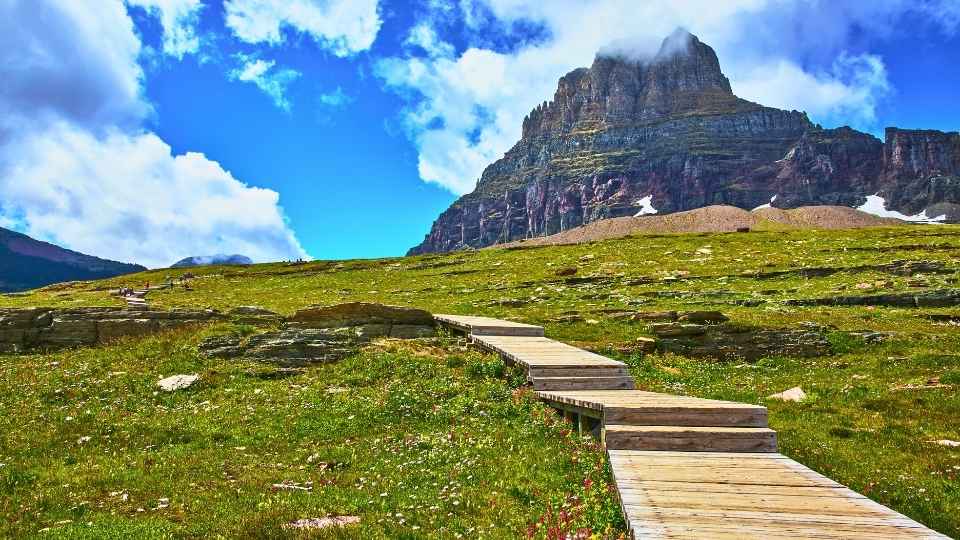
Bozeman feels like that friend who’s equally comfortable hiking or hosting a backyard cookout. It’s adventurous, but it’s never trying too hard. Trails here are refreshingly approachable — from Peets Hill overlooking downtown to Sourdough Canyon Trail, where forest paths wind beside streams with almost no elevation gain. Locals love how close everything feels: one minute you’re on a quiet trail, the next you’re back downtown sipping locally roasted coffee or browsing Montana-made art.
The charm of Bozeman is in its balance. You can pack your mornings with nature and your evenings with culture. There’s a vibrant art walk every first Friday of the month, dozens of microbreweries, and even a small science museum that explains the fossils found in nearby valleys. You start to understand why so many people visit for a few days and end up looking for houses.
Insider Tips:
- Download offline trail maps — cell service fades quickly outside town.
- Carry light layers; even sunny days can turn chilly when the wind kicks up.
- Best time to visit: June through September for mild weather (70s–80s°F).
- Stay a few nights — Bozeman’s slow pace and wide skies make it easy to settle in.
7. Moab, Utah — Soft Adventures Around Arches & Canyonlands
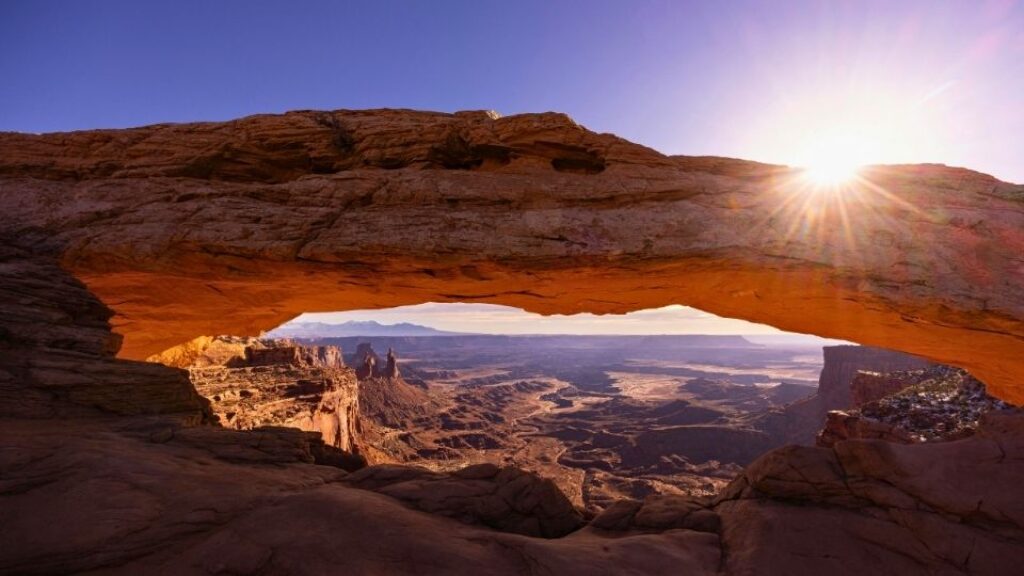
Moab isn’t about chasing adrenaline — it’s about finding awe at your own pace. The landscape here feels like another planet, yet the best hikes for over-50 travelers are surprisingly gentle. Corona Arch Trail and Grandstaff Canyon are local favorites: short, scenic, and unforgettable. You can stand beneath sandstone arches that glow like fire at sunset — without scaling cliffs or trudging for miles.
What makes Moab special is how it blends wildness and warmth. Locals wave as they pass by, baristas remember your order after one visit, and you can chat with artists selling desert-inspired jewelry right on Main Street. The evenings are pure magic — sunsets turn the canyons molten orange while live music spills out of patios downtown.
Insider Tips:
- Bring more water than you think you’ll need — desert heat sneaks up fast.
- Early mornings and twilight are the best times to explore and photograph.
- Visit in spring (March–May) or fall (Sept–Oct) for comfortable temps and thinner crowds.
- For a unique perspective, rent an e-bike to cruise the Moab Canyon Pathway — it’s a knee-friendly way to take in vast desert views.