Cold air tastes like pine and possibility as the horizon lifts, and you feel the small electric jolt that means you’re about to see something you’ll talk about for years. We’re wired for wonder, for routes that trade routine for discovery and turn strangers into guides.
With travel time precious and prices rising, choosing what truly earns a spot on your list matters more than ever. Ahead: star-bright nights, hush-before-sunrise moments, and feats of human grit set against wild geology. Expect routes you can actually do, seasons that matter, budgets that work, and quiet etiquette that deepens every encounter.
1. Grand Canyon, Arizona – Sunrise at the Edge of Time

Standing at the rim of the Grand Canyon as the first light touches the horizon feels like time slows down. The vast chasm glows in shifting shades of gold, rose, and rust, revealing millions of years of Earth’s history in layered cliffs. The silence is almost sacred, broken only by the soft whisper of wind and distant calls of ravens soaring across the canyon. This is not just a view—it’s a humbling reminder of nature’s patience and power.
Every visitor experiences a different emotion here. Some are awestruck by its size, others by its silence. Watching the sun peek over Mather Point or Yavapai Observation Station often becomes a deeply personal moment. The colors change minute by minute, and it’s hard not to feel small, yet somehow infinite, standing there.
Key Practical Information
- Peak/Off-peak: March–May and September–November offer mild weather; summer can exceed 100°F.
- Getting There: Fly into Flagstaff or Phoenix, then drive to the South Rim. The park’s shuttle system covers key viewpoints.
- Duration: 2–3 days minimum.
- Must-Try: Hike a section of the Bright Angel Trail or watch the stars at Desert View.
- Budget: Lodging inside the park ranges from budget campsites to luxury lodges; meals and entry fees average $60–$150 per day.
- Etiquette: Respect quiet zones and never step beyond railings for photos.
- Photo Tip: Capture sunrise light reflecting off the canyon walls—use a wide lens for maximum impact.
2. Pacific Coast Highway, California – The Drive That Redefines Freedom

The Pacific Coast Highway, or Highway 1, is where freedom meets the ocean. Every curve of the road between San Francisco and Los Angeles offers another cinematic view—cliffs dropping into turquoise waves, sea lions basking on hidden beaches, and coastal redwoods swaying in sea mist. It’s the kind of drive that makes you roll down the windows, turn up the music, and let the salty air fill your lungs.
Big Sur is the soul of this route. Driving across the Bixby Creek Bridge at sunset, with fog rolling over the cliffs, feels like entering a dream. Pull over often—each viewpoint is an invitation to pause. A cup of coffee at Nepenthe or an hour at Pfeiffer Beach reminds you why this highway is the world’s most romantic drive.
Key Practical Information
- Peak/Off-peak: April–October has the best weather; winter may bring rain and occasional landslides.
- Getting There: Rent a car from San Francisco or Los Angeles; self-driving gives the best flexibility.
- Duration: 3–5 days recommended.
- Must-Try: Stop at Monterey Bay Aquarium, hike in Big Sur, or detour to Hearst Castle.
- Budget: Expect $100–$250 per day depending on lodging and meals.
- Etiquette: Don’t block narrow turnouts or litter—locals value preservation.
- Photo Tip: Shoot sunrise at McWay Falls or sunset from the Bixby Bridge overlook.
3. Yellowstone National Park, Wyoming – Where the Earth Breathes Fire and Magic

Yellowstone is not a park—it’s a living, breathing planet within a planet. The ground steams beneath your feet, the geysers roar, and wildlife wanders freely as if humans are just passing guests. The first glimpse of Old Faithful erupting against a backdrop of pine forests feels primal, a reminder that Earth itself is alive.
Beyond the geothermal wonders, Yellowstone’s quieter corners are pure poetry. Morning fog drifting across the Yellowstone River, a herd of bison grazing in Hayden Valley, or the mirror-like reflection of Grand Prismatic Spring—all reveal the park’s raw, untouched soul. Each scene feels like stepping into a prehistoric painting.
Key Practical Information
- Peak/Off-peak: June–August for full access; May and September for fewer crowds. Winter brings snowmobile tours.
- Getting There: Closest airports are Bozeman, Jackson Hole, and Cody. A car is essential for exploring.
- Duration: 3–4 days minimum.
- Must-Try: Witness Old Faithful, hike to Fairy Falls, and drive the Grand Loop Road.
- Budget: Entry $35 per vehicle; total cost averages $100–$180 per day.
- Etiquette: Stay at least 25 yards from wildlife and 100 yards from bears or wolves.
- Photo Tip: Visit Grand Prismatic Spring at midday when the sunlight brings out vivid colors.
4. Freedom Trail, Boston, Massachusetts – Walking Through the Birth of a Nation

Walking the Freedom Trail feels like flipping through the pages of America’s story. Each step—past red-brick churches, burial grounds, and colonial taverns—echoes with revolutionary whispers. The 2.5-mile route is lined with landmarks that shaped history, from the Old North Church to the Boston Common.
You can almost hear the footsteps of patriots planning the Boston Tea Party as you pass Faneuil Hall. Local guides, often dressed in 18th-century attire, bring the stories to life with passion. Stopping for clam chowder at Quincy Market after your walk feels like the perfect bridge between old and new Boston.
Key Practical Information
- Peak/Off-peak: April–October offers pleasant weather; winters are cold but quieter.
- Getting There: Fly into Boston Logan Airport; the trail starts at Boston Common.
- Duration: Half-day to full-day walk.
- Must-Try: Join a guided walking tour, visit the Paul Revere House, and grab pastries in the North End.
- Budget: Mostly free; guided tours around $20–$30.
- Etiquette: Stay on marked paths and respect memorials.
- Photo Tip: Capture sunset over the Old State House or a low-angle shot of the cobblestone streets.
5. Northern Lights, Alaska – Dancing Lights in the Arctic Sky

Few experiences rival the magic of the Aurora Borealis in Alaska. When the sky erupts in ribbons of green, violet, and pink, it feels like the heavens themselves are performing. The best part? It’s utterly unpredictable—one night the lights shimmer faintly, and the next, they paint the sky in swirling fire.
Standing outside in subzero temperatures, wrapped in silence, watching the lights move feels otherworldly. Fairbanks, Denali, and the Arctic Circle offer some of the clearest views on Earth. Locals say the lights have personalities—some quiet, some wild, but all unforgettable.
Key Practical Information
- Peak/Off-peak: Best seen August–April, with peak visibility in winter.
- Getting There: Fly into Fairbanks or Anchorage; tours often include heated viewing lodges or glass igloos.
- Duration: 3–5 nights to increase chances of viewing.
- Must-Try: Take a dog-sledding tour or soak in Chena Hot Springs under the lights.
- Budget: Packages average $1,000–$2,000 for multi-day stays.
- Etiquette: Keep noise low during viewing; use red lights to preserve night vision.
- Photo Tip: Use a tripod and long exposure to capture vivid, dancing auroras against the frozen wilderness.
6. Washington, D.C. Monuments — See them when the city sleeps

Slip into the marble hush after dark and the Mall becomes a mirror. The Lincoln’s columns glow like ivory, the Reflecting Pool turns to ink, and the Tidal Basin carries a breeze that smells faintly of rain and cherry bark. Circle past the MLK Jr. Memorial to read the carved lines alone, then find the bronze Albert Einstein tucked near the National Academy of Sciences, star maps underfoot and a grin that invites you to climb up for a photo you won’t forget.
For a fresh angle, ride a night bike loop: Lincoln → Vietnam Veterans → Korean War → WWII → Washington Monument → Jefferson via the moonlit path. If you catch a summer thunderstorm clearing, the air snaps clean and the monuments appear freshly minted. The city’s best time is often midnight to 2 a.m.—cooler, quieter, more cinematic.
Practical, remixed
- When: Evenings year-round; spring blooms, winter solitude.
- How: Capital Bikeshare or guided night bike tour; Metro to Smithsonian or Foggy Bottom, then walk.
- Time: 2–3 hours for the core loop.
- Must-try: Whisper your wish at the Japanese Lantern by the Tidal Basin.
- Budget: Mostly free; bikes and rideshares modest.
- Etiquette: Voices carry on water; keep memorials solemn.
- Photos: Long exposures at WWII fountains; Jefferson framed by cherry branches.
7. Frenchmen Street, New Orleans — Where the front row is three feet from the horn

Frenchmen is a living room with a street address. Step into The Spotted Cat or d.b.a. and you can feel the trumpet bell warming your cheek, the drummer’s ride cymbal stitching time. Out on the sidewalk, a pop-up brass band might launch a second line that turns strangers into a parade. Around the corner, the Frenchmen Art Market glitters like a pocket constellation, local makers trading jokes as you thumb through prints and metalwork.
Go on a Tuesday or Wednesday when locals reclaim the block. Bring small bills for the tip jar and bounce between doorways until a groove grabs you. If a rain burst hits, don’t run—tuck into the nearest doorway and let the street steam rise; when the clouds break, the music sounds brighter. This is New Orleans intimacy you can’t bottle.
- Practical, remixed
- When: Weeknights for local energy; late sets start after 10.
- How: Streetcar to the Marigny plus a short walk; rideshare home.
- Time: 4 hours feels right.
- Must-try: Late-night po’boy, beignets after midnight, buy a print at the market.
- Budget: No cover to modest cover; tip musicians generously.
- Etiquette: Clap on two and four; keep flash off inside clubs.
- Photos: Neon reflections in puddles; sax silhouettes against doorway light.
8. Glacier Bay, Alaska — Listen before you look

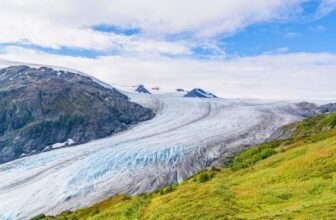
Glacier Bay teaches you to hear distance. First the rifle-crack of calving, then the thunder that follows, rolling across cold miles like a drum. You’ll see blues you didn’t know existed—electric veins inside ancient ice—and seabirds writing cursive against the sky. Many visitors view from a ship, but the quieter magic lives in Bartlett Cove: ranger talks, driftwood beaches, and kayaks that slide you close enough to feel the bay breathing.
For a lesser-known angle, join a naturalist-led citizen science session: log whale flukes, note seabird counts, help the park track the bay’s changing life. If fog pulls in, celebrate it; the world shrinks to tones and texture, and every iceberg becomes a sculpture. Silence is part of the show.
- Practical, remixed
- When: Late May–early September for access; peak wildlife midsummer.
- How: Fly Juneau → Gustavus, shuttle to Bartlett Cove; select cruise lines with Glacier Bay permits.
- Time: Ship transit is one epic day; add 1–2 nights at Bartlett Cove for kayaks and trails.
- Must-try: Kayak at dawn, tide-pooling on minus-tide mornings.
- Budget: Cruise pricing varies widely; lodge nights mid-to-high; park programs free.
- Etiquette: Give wildlife space; voices off during calving.
- Photos: Wait for cloud breaks; use a longer lens for seabirds and a wide lens for ice walls.
9. Old Faithful, Yellowstone — Trade noon crowds for starlight steam

You think you know Old Faithful until you meet it in the blue hours. Predawn, the boardwalk frost crunches, steam drifts like a veil, and the geyser lifts into a sky so quiet you hear every hiss. In winter, arrive by snowcoach and step into a geothermal cathedral wreathed in rime—bison tracks stitched across white meadows, lodgepoles sparkling like glass.
For a deeper cut, time your loop to catch the “neighborhood”: Castle, Grand, Riverside, Daisy—lesser-seen eruptions that feel like secret encores. Check the prediction times at the Visitor Education Center, then wander the Upper Geyser Basin with coffee warming your hands. Let the boardwalk set your pace, not the clock.
- Practical, remixed
- When: Shoulder seasons for breathing room; winter for magic.
- How: Park at Old Faithful, grab eruption predictions inside; winter requires tour transport.
- Time: 3–5 hours to pair Old Faithful with a second major geyser.
- Must-try: Sunset from Observation Point; hot cocoa in the Old Faithful Inn lobby.
- Budget: Park entry per vehicle; snacks and lodge treats add up gently.
- Etiquette: Boardwalks only; steam burns are real.
- Photos: Backlight the plume at sunrise or under the Milky Way with a tripod.
10. Blue Ridge Parkway, NC & VA — Chasing the horizon one overlook at a time

The Parkway isn’t a road; it’s a ribbon that ties together fog seas, fiddle tunes, and heirloom apples. Dawn can lay a quilt of clouds below you, with only the tallest ridges peeking like islands. Pull into a craft center and watch a wood-turner’s hands speak a language older than the asphalt. In fall, the hills catch fire in slow motion—reds arriving first on the peaks, then tumbling downslope week by week.
Give your trip a theme. A music loop linking the Blue Ridge Music Center with a Friday night jam. A farmstand crawl for cider doughnuts and mountain honey. A trail sampler of short hikes—Craggy Pinnacle, Humpback Rocks, Rough Ridge—each delivering a different version of blue-layered infinity. The gift here is unhurried discovery.
- Practical, remixed
- When: Spring blooms, summer greens, autumn color waves; winter closures possible.
- How: Enter near Asheville or Roanoke; speed limit is leisurely and views reward patience.
- Time: One golden day per 100 miles you plan to savor.
- Must-try: Parkway picnic with local cheddar and apples; evening fiddle session at a country store.
- Budget: No toll; costs stay in your picnic basket and cabin choice.
- Etiquette: Pull fully into overlooks; engines off so birdsong can be heard.
- Photos: After-rain vistas for deep blues; golden hour at Rough Ridge boardwalk.
11. Mount Rushmore, South Dakota — Look past the granite gaze

The presidents get the postcard, but the real surprise is how wild the surrounding Black Hills feel at dawn—pine-scented air, deer ghosting between trunks, and granite spires catching first light. Follow the Presidential Trail and you’ll hear chisels in your head; swing by the sculptor’s studio to see the original model and grasp how audacious this project was. The hush at sunrise turns a busy icon into a private conversation.
Drive the Needles Highway for hairpin tunnels framing the faces like a film reel. At nearby Sylvan Lake, trace mirror-still water ringed by boulders that look carved by giants. After sunset, the Evening Lighting Ceremony reframes the monument from spectacle to story.
- Pocket plan (2–6 hours):
- Warm-up: Presidential Trail loop → Sculptor’s Studio.
- Cue the drama: Needles Highway pullouts for natural “picture frames.”
- Wind-down: Sylvan Lake rock-hop + picnic.
Cost snapshot: Park entry via vehicle pass to the memorial lot; scenic drives free.
Theme link: From colossal ambition to quiet wilderness—American scale isn’t just size, it’s contrast.
12. Broadway, New York City — Catch the heartbeat between curtain calls

Broadway dazzles under the marquee, but the magic often lives one block off the lights—actors grabbing dumplings post-show, line pianists warming up in rehearsal studios, stagehands swapping lore in 24-hour diners. Score same-day tickets at TKTS or try a digital lottery; celebrate the win with a pre-show stroll through Shubert Alley, where theater history sticks to brick like old posters.
Matinee Wednesdays feel local; Sunday nights can land surprising seats. Slip into Joe Allen to spot signed flop posters—an inside-joke shrine to near-misses. After the show, walk to Bryant Park for a quiet city exhale under plane trees.
Choose-your-night format:
- Splurge mood: Orchestra seats + late dessert at Gallagher’s.
- Smart save: Lottery/Rush + slice on 46th.
- Deep fan: Stage door thanks + Playbill signed.
Etiquette quickies: Phones dark, unwrap snacks early, laugh loud but listen.
Theme link: Broadway is collective storytelling—a roomful of strangers breathing in sync for two hours.
13. Arches National Park, Utah — Find the silence that holds the stone

The headline arches are stunning, but the park’s softer notes linger longer: crypto-biotic soil like dark lace, juniper twisting into sculpture, a desert hush that slows your pulse. Hike Park Avenue at golden hour when walls glow like embers. At Sand Dune Arch, a childlike maze of cool corridors opens into a tiny amphitheater—an intimate secret in a grand cathedral.
At night, the sky detonates with stars. From Balanced Rock, the Milky Way seems to balance back. For a crowd dodge, aim for Broken Arch or Tower Arch—lonely, photogenic, yours.
3-beat field notes:
- Best light: First two hours after sunrise, last two before sunset.
- Low effort, high wow: Windows + Turret Arch loop.
- Soul hike: Primitive Loop in Devil’s Garden.
Respect the crust: Step only on rock or sand—one footprint can kill decades of living soil.
Theme link: Erosion as art—time makes masterpieces we’re lucky to borrow for an afternoon.
14. Chicago Deep-Dish by the Lake — Slice meets skyline

Everyone argues which shop is best; you win by changing the stage. Grab your pie to go, then claim a spot on the Lakefront Trail where sailboats cut the water and the skyline stacks like a Lego dream. Thick crust, molten cheese, sunlight glittering off Lake Michigan—suddenly “tourist food” feels like a ritual.
Before or after, duck into the Chicago Cultural Center for the Tiffany dome—free, jaw-dropping. Or time it with Navy Pier’s quiet early hours for Ferris wheel views without the crowd tangle.
Contrarian cheat sheet:
- When: Late afternoon → golden hour → blue hour city lights.
- Where: Olive Park benches or Museum Campus steps.
- Pairing: Deep-dish + local pilsner; finish with a stroll to Crown Fountain for reflective faces and mist.
Theme link: Food as place-making—a slice tastes different when a city writes the backdrop.
15. Mardi Gras, New Orleans — Follow the beads? Better: follow the neighborhoods

Bourbon Street is a headline; the neighborhood parades are the story. In the Bywater, hand-painted throws feel like art trades. In Mid-City, families lay out ladders and gumbo pots like a movable feast. The weeks leading up to Fat Tuesday are a rolling gallery of costumes and satire—Krewe du Vieux and Chewbacchus prove parody is a local sport.
Hit a king cake tasting flight across bakeries; compare fillings like a sommelier. Post-parade, catch washboards and waltzes at a neighborhood dance hall.
- Survival haiku:
- Pack light layers.
- Hydrate between brass bands.
- Catch throws, keep smiles.
- Kind code: Ask before photographing costumers, tip bands, leave streets cleaner than you found them.
- Theme link: Celebration as civic glue—a city rehearsing joy together in public.
16. Hawai‘i Volcanoes National Park — Walk the newest Earth you’ll ever meet

Lava country is the closest most of us get to creation. On the Kīlauea Iki Trail, you descend from rainforest to a cooled lava lake—steam whispers through cracks, and the ground keeps its own memory beneath your feet. If Halemaʻumaʻu glows during active phases, night turns the crater into a red-lit amphitheater.
Follow Chain of Craters Road to sea arches where waves carve fresh edges. Seek out Nāhuku (Thurston Lava Tube) right at opening to have the echo to yourself.
Compass card:
- Wind & weather: Bring layers; the summit is cooler than the coast.
- Shoes: Sturdy soles for sharp pāhoehoe and ʻaʻā.
- Respect: This is living land with deep cultural significance—step lightly, learn a few Hawaiian place names.
Theme link: Geology meets ancestry—new rock, old roots, one story.
17. Niagara Falls, New York — Trade distance for immersion

From afar, Niagara is thunder and mist. Up close, it’s velocity. The Cave of the Winds walk turns you into a laughing, soaked speck under the Bridal Veil’s spray; the Maid of the Mist lifts you into the roar until conversations vanish. At dusk, colored lights paint the cataract like moving stained glass; on select nights, fireworks etch vapor with sparks.
Cross to the Gorge trails for rapids views most visitors skip. In shoulder seasons, leafless trees reveal the river’s muscle.
Choose your angle:
- Adrenaline: Jet boat upriver on the Class V Whirlpool.
- Contemplative: Winter visit—ice formations sculpt the railings and the world goes quiet.
- Family: Aquarium + short gorge stroll + boat.
Theme link: Power you can stand inside—nature’s engine room on public display.
18. New England Fall Foliage — Chasing the moving wildfire

Autumn here doesn’t arrive; it flows—from mountains to valleys, north to south, like a slow-motion tide of color. Start high in Vermont’s Northeast Kingdom, drop through New Hampshire’s Kancamagus, then amble into Massachusetts orchard country as reds mellow to copper. Rain polishes leaves; fog turns covered bridges into watercolor.
Gravitate to dirt roads where sugar maples lean close enough to touch. Sample farm-stand cider, still warm; pocket a doughnut cinnamon’d to your fingertips.
Rolling plan (7–10 days):
- Days 1–3: Vermont backroads + general stores.
- Days 4–5: Kancamagus overlooks + short waterfall hikes.
- Days 6–7: Berkshires bookshops + harvest fairs.
Theme link: Impermanence as invitation—beauty becomes precious because it passes. Book the trip, meet the moment.
Conclusion:
From moonlit monuments to thunderous waterfalls, these 18 experiences reveal the scale, stories, and soul of America—one unforgettable moment at a time. Pick a starting point, pack your curiosity, and leave room for serendipity. Most of all, travel gently and let each place change you a little.