You walk into the gym, drop your bag, and find a little patch of turf to call your own. What’s the first thing you do?
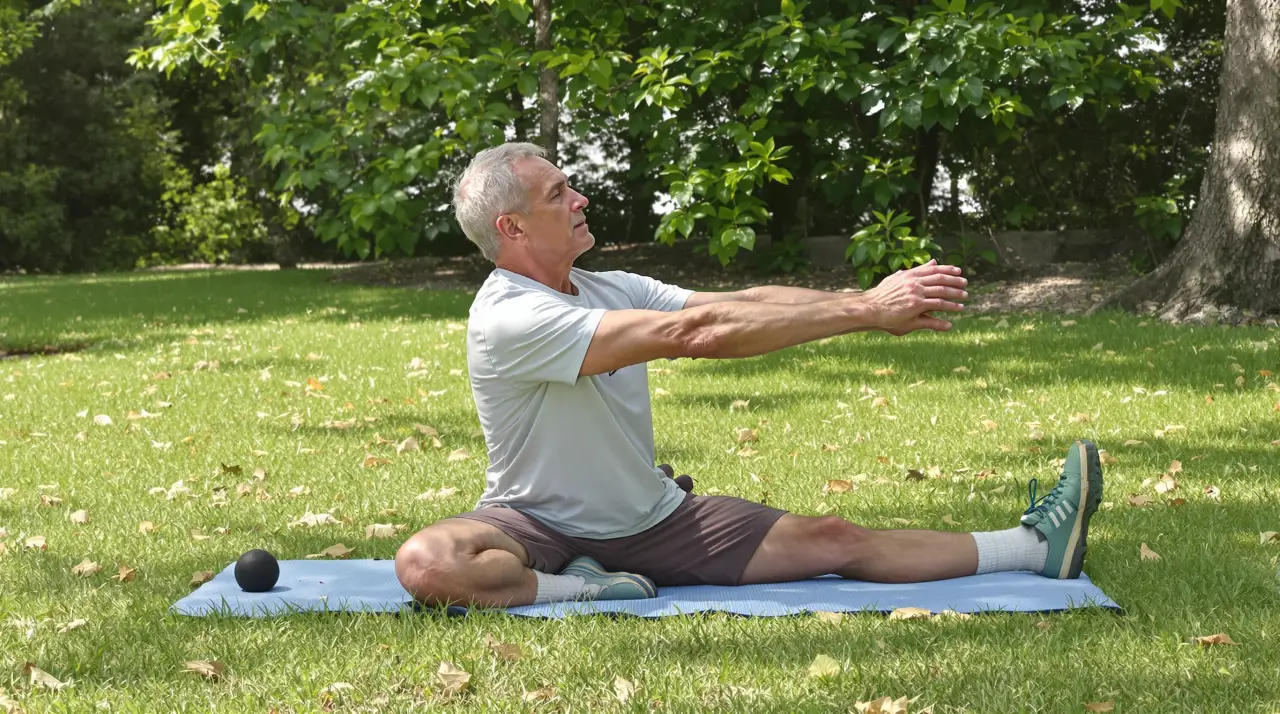
If you’re like most of us, you probably fall right into the old routine. You bend over to touch your toes, holding that hamstring stretch you’ve been doing since middle school gym class. You pull your heel to your butt for that classic quad stretch. You sit there, passively pulling on your muscles, because for decades, that’s what we were all told to do. It was the golden rule: stretch before you exercise to prevent injury and perform better. It made so much sense, didn’t it? A looser, more pliable muscle must be a safer, stronger muscle.
But what if I told you that this ritual, this thing we’ve done without a second thought for years, might be the very thing holding back your performance in the gym?
Look, I get it. It feels almost sacrilegious to question it. This advice was passed down from coaches to athletes for generations, becoming a cornerstone of fitness culture long before we had the science to really dig into it. But starting in the late ’90s, researchers started looking closer, and what they found was, honestly, a little shocking. A whole wave of studies began to show that not only does that kind of stretching—what we call static stretching—not really prevent the kind of injuries we get from lifting, but it can actually make you weaker and less powerful right before a workout.

This isn’t about saying “stretching is bad.” It’s not. It’s about realizing we’ve been using the right tool at the completely wrong time. We were trying to build long-term flexibility in the five minutes before we needed short-term power, and it turns out, the two goals are kind of at odds with each other. The very things that make a muscle more flexible in the long run can temporarily rob it of the stiffness and “snap” it needs to be strong.
So, let’s clear up the confusion. Let’s talk about what the science actually says, why that old warm-up is sabotaging your lifts, and what you should be doing instead to get your body truly primed for peak performance.
The Real Reason Static Stretching Can Sabotage Your Strength

To really get why we need a new approach, we have to understand what’s happening in our bodies. It all comes down to two very different ways of stretching.
- Static Stretching (SS): This is the classic “stretch and hold.” You lengthen a muscle to the point of tension and just… stay there. For 30, 60, maybe even 90 seconds. The goal here is to increase your passive range of motion, or what we usually call flexibility.
- Dynamic Stretching (DS): This is active. Think leg swings, arm circles, or walking lunges with a twist. You’re moving your muscles and joints through their full range of motion without holding any position. The goal isn’t to become passively more flexible; it’s to get your blood flowing, raise your body temperature, and basically wake up your nervous system for the work ahead.
For years, we thought the first one was the key. But the data tells a different story.
Let’s Talk Numbers (and What They Actually Mean)

When you look at the research, the pattern is pretty clear. One huge review found that, on average, static stretching right before a workout decreased performance by about 3.7%. In contrast, dynamic stretching increased performance by 1.3%. Another meta-analysis found that holding stretches could reduce your maximal strength by up to 5.4% and your explosive power by around 2%.
Now, those percentages might not sound huge, but in the world of lifting, they’re everything. A 5% drop in strength is the difference between hitting a new personal record on your squat and getting stuck in the hole. It’s the margin between a clean lift and a failed attempt. Studies have shown these effects in real-world scenarios, like slower sprint times and lower vertical jumps in athletes after a static stretching routine.
And here’s the kicker: the longer you hold the stretch, the worse the effect. Think of it as a dose-response relationship. Stretches held for over 60 seconds are where you see the really significant drops in performance, sometimes as much as 7.5%. The quick 15-second stretch you saw someone do? Probably not a big deal. But that long, lazy stretching session we were taught to do? That’s where the trouble starts.
So, What’s Actually Happening to Your Muscles?

There are two main factors contributing to this “stretch-induced strength deficit.”
- Your Nervous System Goes to Sleep: Think of your nervous system as the control panel for your muscles. To lift something heavy, your brain has to send a powerful, high-frequency signal telling your muscles to contract—hard. But holding a long static stretch seems to have a temporary calming, or inhibitory, effect on this system. It’s like turning down the volume on that signal. Your brain is still yelling “LIFT!”, but the message the muscle receives is a little quieter, a little less urgent.
- Your Muscles Lose Their “Spring”: This is the big one. Your muscles and tendons (the musculotendinous unit) act like a powerful rubber band. They have what’s called viscoelastic properties, meaning they can stretch, but they also resist stretching and snap back with force. This ability to store and release elastic energy is the secret sauce behind almost every explosive movement you make, from jumping to driving a heavy squat out of the bottom.
A certain amount of stiffness is actually a good thing for performance. A stiff, coiled spring will rebound with much more power than a loose, slack one. Prolonged static stretching temporarily makes your muscles and tendons more compliant—less stiff. So, you’re essentially turning that coiled spring into a slack rubber band right before you need it to be explosive. The result? You can’t generate force as quickly, and your power output takes a nosedive.
Stretching Showdown: Dynamic vs. Static
Movement Type
Primary Goal (Pre-Workout)
Optimal Timing
Key Physiological Effect
Acute Impact on Strength
Acute Impact on Power
Acute Impact on Flexibility (ROM)
When you see it laid out like this, it’s pretty clear. For getting ready to lift, dynamic stretching is the obvious winner.
But Wait, It’s Not That Simple (Nuance is Everything)

Okay, so now you’re probably thinking, “Great. I’ll never static stretch again.” But hold on. It’s not that black and white. The real world of training is always a bit more nuanced than a simple “do this, not that.”
The biggest factor, as we touched on, is duration. That 7.5% drop in strength? That’s from holding stretches for over a minute. What about shorter stretches? A massive review of 106 studies found that holding a stretch for less than 30-45 seconds had no significant negative effect on performance. So, that quick hamstring stretch to check in with your body isn’t the enemy. The problem was the old-school advice to sit in these deep stretches for minutes at a time.
Context also matters. Most of those early studies looked at static stretching in a vacuum. But in reality, you’d be doing it as part of a larger warm-up. And it turns out, when you mix in some light cardio and dynamic movements, the negative effects of a brief static stretch pretty much disappear. The other parts of the warm-up seem to “wake up” the nervous system and get the muscles warm, effectively canceling out the sleepy effects of a short hold.
And finally, sometimes a targeted static stretch is exactly what you need. If you’re a gymnast or a dancer, you need an extreme range of motion just to perform, so a little static stretching might be a necessary trade-off. Or, let’s say your hip flexors are so tight you can’t hit proper squat depth without your chest caving forward. In that case, a very brief (under 30 seconds) static stretch on that specific muscle, followed immediately by an activation exercise for the opposing muscle (like a glute bridge), can be a smart corrective strategy to help you get into a better, safer position.
The takeaway here isn’t to banish static stretching from your life. It’s to stop relying on it as your primary warm-up. It’s a precision tool, not a blunt instrument.
The Better Way: A Simple Framework for a Perfect Warm-Up

So if the old way is out, what’s in? The best way to think about a warm-up is a structured, progressive process. You’re not just trying to get loose; you’re systematically preparing your body for what’s coming. The gold standard for this is a simple framework called the RAMP protocol.
Think of it as a ramp-up to your workout. It’s an acronym that stands for:
- Raise
- Activate
- Mobilize
- Potentiate
This system takes you from zero to one hundred, ensuring that by the time you get to your first heavy set, your body is physically warm, your joints are lubricated, and your brain is locked in and ready to fire on all cylinders.
Here’s how it breaks down:
| Phase | Primary Goal | What It Looks Like |
| Raise | Get the engine warm. Elevate your core temperature, heart rate, and blood flow. | 5–10 minutes of light cardio like rowing, an incline walk, or a stationary bike. |
| Activate & Mobilize | Wake up the right muscles and get your joints moving through their full, functional range. | 8–12 minutes of dynamic stretching (leg swings, arm circles) and mobility drills (cat-cow, thoracic rotations). |
| Potentiate | Flip the “high performance” switch. Prime your nervous system for heavy, explosive work. | 5–10 minutes of ramp-up sets on your main lift for the day, getting progressively heavier. |
This isn’t just a warm-up; it’s the first, most important part of your actual workout.
Putting It Into Practice: Your New Pre-Lift Routines

Theory is great, but let’s make this super practical. Here’s what a RAMP warm-up looks like on a real gym day. No more guesswork.
The Go-To Full-Body Warm-Up

Perfect for days when you’re hitting both upper and lower body.
- Phase 1: Raise (5 minutes)
- Rowing Machine: Hop on for 5 minutes at a steady, conversational pace. The rower is amazing because it gets your legs, core, and upper back all working together. Goal: break a light sweat.
- Phase 2: Activate & Mobilize (8-10 minutes)
- Perform this circuit continuously. Focus on smooth, controlled movements.
- Inchworms: 5 reps. Great for the hamstrings, core, and shoulders.
- World’s Greatest Stretch: 5 reps per side. This one lives up to its name, hitting your hips, hamstrings, and upper back.
- Bodyweight Squats: 15 reps. Groove that squat pattern.
- Band Pull-Aparts: 15 reps. Wake up your upper back and get your shoulders set.
- Leg Swings (Forward & Side-to-Side): 10 swings in each direction, per leg.
- Phase 3: Potentiate
- Move to your first big lift (e.g., Squats) and start your ramp-up sets. For example:
- Empty Bar x 10-12 reps
- 40% of working weight x 8 reps
- 60% of working weight x 5 reps
- 80% of working weight x 3 reps
- 90% of working weight x 1 rep (This is your primer set to really wake up the nervous system!)
- Move to your first big lift (e.g., Squats) and start your ramp-up sets. For example:
The Lower-Body Day Warm-Up (Squat/Deadlift Focus)

All about getting those hips open and glutes firing.
- Phase 1: Raise (7 minutes)
- Incline Treadmill Walk: A brisk walk on a 1-2% incline really helps get your glutes and hamstrings activated.
- Phase 2: Activate & Mobilize (10 minutes)
- Perform two rounds of this circuit:
- Leg Swings (All Directions): 10 per leg.
- Glute Bridges: 15 reps. Hold the top for a two-count and squeeze hard.
- Cat-Cow: 10 cycles. Get that spine moving.
- Spiderman Lunge with Thoracic Rotation: 5 reps per side. The ultimate hip and upper-back opener.
- Phase 3: Potentiate
- Begin your ramp-up sets for your main lift (e.g., Deadlifts) using the same percentage model as above.
The Upper-Body Day Warm-Up (Push/Pull Focus)

Time to get those shoulders stable and ready to press and pull.
- Phase 1: Raise (5 minutes)
- Rowing Machine or Elliptical: Focus on a strong pull with your back on the rower to get those stabilizers firing.
- Phase 2: Activate & Mobilize (10 minutes)
- Perform two rounds of this circuit:
- Arm Circles (Forward & Backward): 15 circles each way, starting small and getting bigger.
- Band Pull-Aparts: 15 reps. Squeeze those shoulder blades.17
- Band Pass-Throughs: 10 slow reps. This is a game-changer for shoulder mobility.
- Quadruped Thoracic Rotations: 8 reps per side. Isolate that upper-back rotation.
- Scapular Push-ups: 10 reps. Teach your shoulder blades how to move properly.
- Phase 3: Potentiate
- Start your ramp-up sets for your main lift (e.g., Bench Press or Overhead Press).
So, When Should You Static Stretch? (Don’t Throw It Out!)

After all this, you might be ready to burn your yoga mat. But please don’t! Static stretching is still an incredibly valuable tool. We just need to put it back in its proper place.
The best time to do your static stretching is after your workout or on your rest days.
Think about it: after you lift, your muscles are warm, full of blood, and totally receptive to being stretched. This is the perfect time to work on long-term flexibility. Post-workout stretching can help ease muscle tension, kickstart the recovery process by shifting your body into a more relaxed state, and, over time, make you a more mobile human being. As physical therapist Katie Sun Worrall says, “after you’ve worked out a whole bunch of muscles and you’ve tightened all those muscle spindles up, you need to help them find length again by [static] stretching”.
To get the most out of it, follow the guidelines from the American College of Sports Medicine (ACSM):
- Hold each stretch for 15-30 seconds. That seems to be the sweet spot for making real changes.1
- Do it consistently. Aim for at least 2-3 days a week to see and maintain improvements.
- Repeat each stretch 2-4 times per session.
Some Gear That Can Help Your Warm-Up and Recovery
Look, you don’t need a bunch of fancy equipment to have a great warm-up or cool-down. But let’s be honest, a few simple tools can make a huge difference. They can help you activate the right muscles more effectively, get a deeper and more productive stretch, and work out those stubborn knots that your hands just can’t reach. If you’re looking to level up your prep and recovery game, here are a few things that are genuinely worth the small investment.
1. Resistance Bands

These are non-negotiable for a good warm-up. They’re perfect for activation exercises like band pull-aparts and glute bridges, forcing your stabilizer muscles to wake up and do their job before you touch a heavy weight. A simple set with varying resistance is all you need.
2. A High-Density Foam Roller

For post-workout recovery, nothing beats a foam roller for covering large muscle groups like your quads, hamstrings, and back. It’s like giving yourself a deep-tissue massage to work out the kinks, improve blood flow, and reduce soreness.
3. A Stretching Strap with Loops
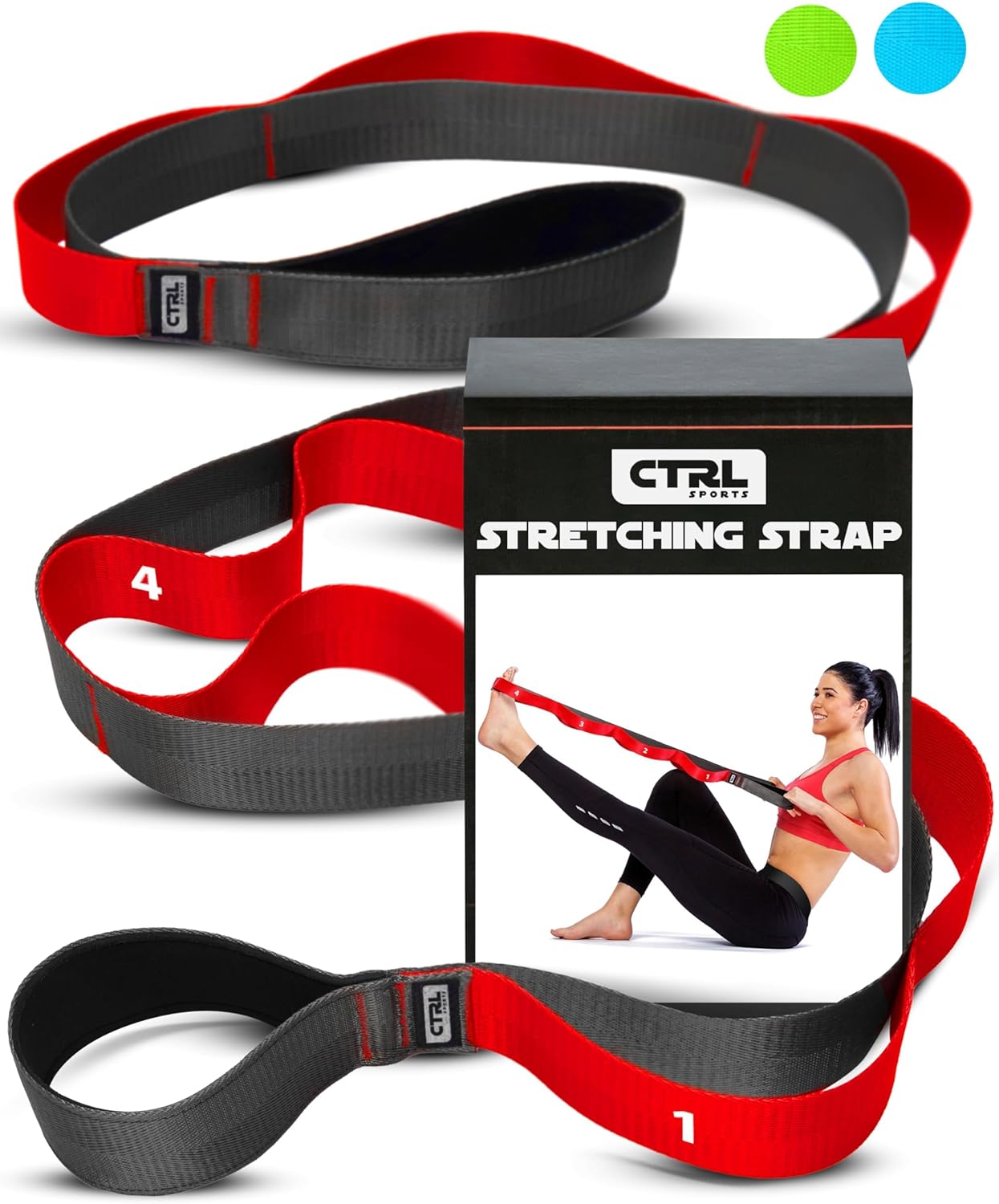
If you struggle to get a deep, effective static stretch after your workout, a stretching strap is a game-changer. The loops allow you to control the stretch without contorting your body, helping you ease into a greater range of motion in your hamstrings, quads, and shoulders safely.
4. Lacrosse Massage Balls

While a foam roller is great for big areas, a lacrosse ball is the perfect tool for targeted, deep-tissue work. It’s amazing for getting into those hard-to-reach knots in your upper back, shoulders, glutes, and even the bottoms of your feet.
5. A Quality Speed Jump Rope
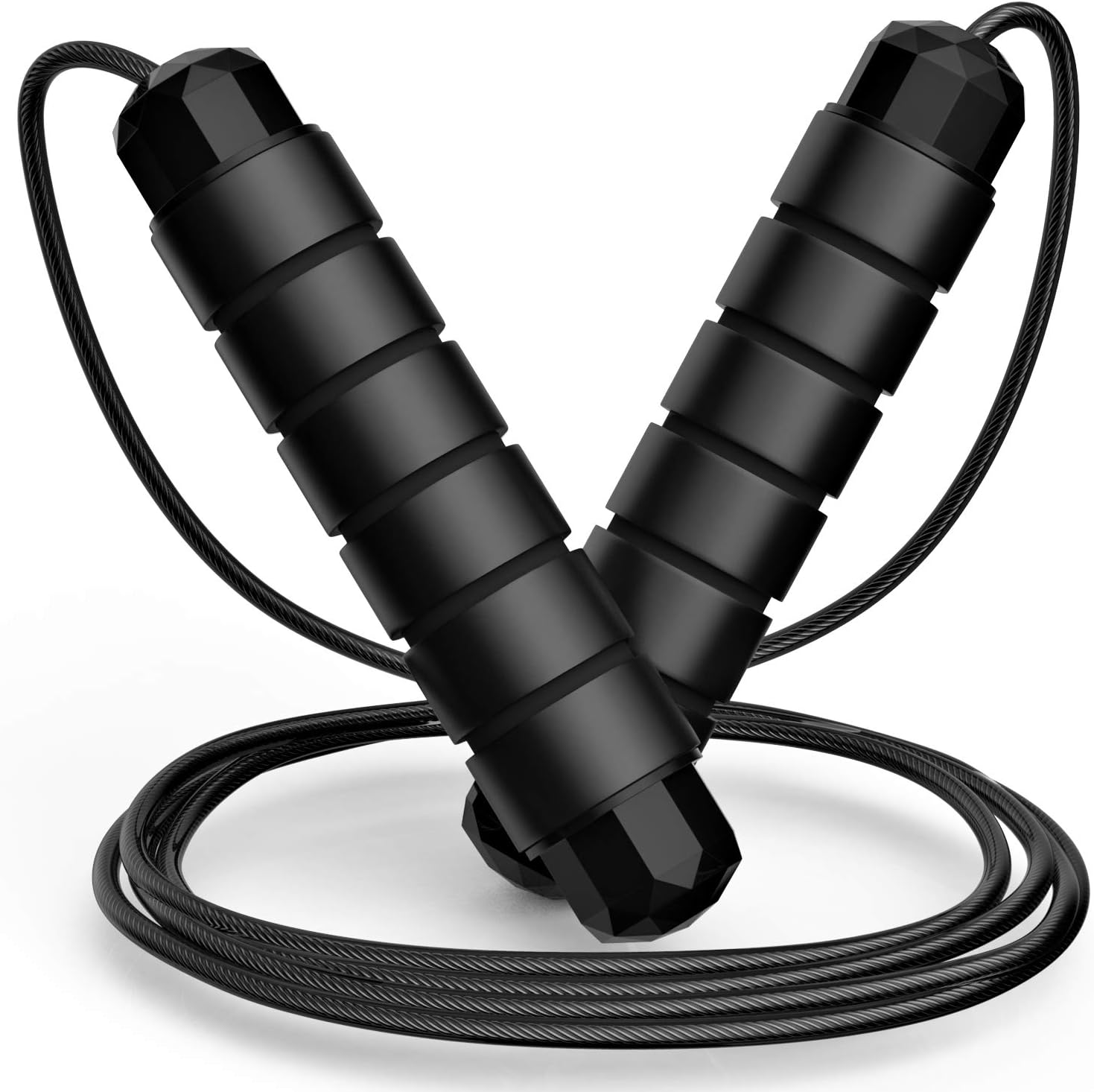
For the “Raise” portion of your warm-up, a jump rope is one of the most efficient ways to get your heart rate up and improve coordination. A good speed rope with smooth bearings makes the whole process feel less like a chore and more like a skill.
The Takeaway: It’s Time to Evolve Your Warm-Up
The bottom line is this: the way we prepare for our workouts should be as smart and evidence-based as the workouts themselves. The old-school, passive static stretching routine is a relic from a time when we just didn’t know better.
It’s not that stretching is bad. It’s that the wrong kind of stretching at the wrong time can hold you back.
By ditching the long, pre-lift static holds and embracing a dynamic, purposeful RAMP protocol, you’re not just warming up—you’re actively upgrading your performance. You’re preparing your body to be stronger, more powerful, and more resilient. You’re treating your warm-up as the first and most critical part of your training session.
So next time you walk into the gym, leave the old ritual behind. Get your body moving, get your nervous system firing, and get ready to have the best workout of your life.